
The Islamic Republic has forfeited its political legitimacy due to the widespread crimes against humanity committed this past January. The international legal order cannot remain indifferent to this reality, nor can it fail to account for it in its treaties and engagements with the regime.
Throughout its 48-year history, the Islamic Republic has demonstrated a complete disregard for covenants, laws, and moral principles. It routinely tramples upon its own constitution, regulations, ethical codes, and even its own jurisprudence whenever expediency demands. Consequently, it possesses neither the capacity nor the structural integrity required to enter into international pacts.
Furthermore, pervasive and systemic corruption, coupled with the military’s stranglehold on the economy, precludes the regime from acquiescing to the prerequisites of foreign investment.
The Islamic Republic defines its very identity through hostility toward the United States and Israel; its foundational raison d'être is the subversion of these nations. How could it possibly survive in the absence of this manufactured enmity?
The volatile state of Iranian society is such that the disenfranchised, grieving, and suffering masses may take to the streets for a national revolution at any given moment. How can a nation in such a precarious state be deemed ready for a major, transborder accord?
In light of this, why does the United States persist in pursuing an agreement with this regime? Why does Europe shake the blood-stained hands of the Islamic Revolutionary Guard Corps (IRGC)despite its extensive chronicle of global atrocitiesاwhile turning a blind eye to eighty million Iranians?
Why is a world that proclaims itself the herald of freedom, democracy, and human rights, weaving new shackles for the Iranian nation, thereby repeating and perpetuating their bloody history of captivity? Why has the world bartered our plight, and the forty thousand corpses left in our hands, for a mere pittance

جمهوری اسلامی،به دلیل جنایت گسترده علیه بشریت در دی ماه گذشته مشروعیت سیاسی خود را از دست داده است ونظام حقوق بین الملل نمیتواند نسبت به اینموضوع بی اعتنا باشد وآن را در قراردادها وتعاملات با رژیم مورد لحاظ قرار ندهد.
جمهوری اسلامی در تاریخ ۴۸ساله اش نشان داده که به هیچ عهد وپیمان و قانون واصل اخلاقی پایبند نیست،قانون اساسی ومقررات خودش واصول اخلاق وحتی فقه خودش را به گاه نیاز زیر پا میگذارد، از این نه صلاحیت ونه ساختار مناسب برای انعقاد پیمانهای بین المللی دارد.
فسادگسترده وسیستماتیک و حاکمیت نظامیان بر اقتصاد مانع تن دادن نظام به الزامات سرمایه گذاری خارجی میشود.
جمهوری اسلامی هویت خود را با دشمنی با امریکا واسراییل تعریف میکند،فلسفه وجودی ان به زیر کشیدن اینهاست،چطور در غیاب این دشمنی میتواند ادامه بدهد ؟
وضعیت بحرانی جامعه ایران، طوری است که توده های تحت فشار،داغدیده و رنج کشیده هرلحظه ممکن است به میدان انقلاب ملی بیایند ،چگونه چنین وضعیتی ممکن است مهیای یک پیمان بزرگ فرامرزی باشد؟
با این وصف چرا ایالات متحده امریکا بدنبال توافق با این رژیم است؟چرا اروپا،به دستان خونین سپاه پاسداران با انهمه سابقه جنایت در پهنه جهان، دست میدهد وهشتاد میلیون ایرانی را نمیبیند؟
چرا این جهان که خودرا منادی آزادی ودموکراسی وحقوق بشر میداند، دارد برای ملت ایران بندهای تازه ای میبافد وتاریخ خونبار اسارت ان را مکرر میکند و تداوم میبخشد،چرا جهان مارا و چهل هزار جنازه روی دستهایمان را به چندرغاز بهای نفت فروخت؟
5
13
300


🙌 Are you interested in interdisciplinary research as part of a close-knit team? The Transborder Mobility and Institutional Dynamics (transMID) Research Unit could be the perfect place to advance your research journey in Germany 👉 sohub.io/2y5m
1
316

Here is a modest proposal: No transborder kinetic projectiles. If Hezbollah does not fire rockets into Northern Israel, Israel does not get to shoot rockets, drop bombs, etc., into Southern Lebanon. That could be enforced by a suitably placed 3rd party radar.
32

Serious question: had Iran previously murder Jews in transborder nations like Argentina? Not “bedrock international law”
1
147

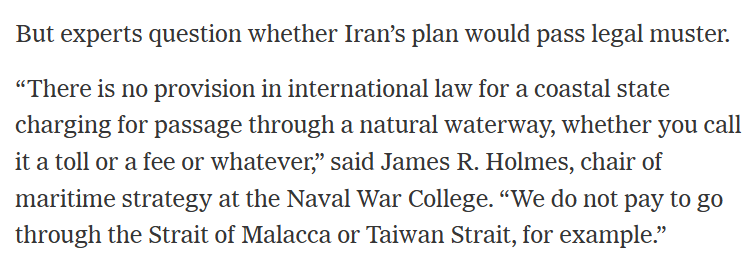
Serious question: Did the New York Times run a single article noting that the US-Israeli attack on Iran violated the bedrock international law against transborder aggression that's enshrined in the UN Charter (a treaty ratified by the US, whose constitution says treaties, once ratified, become the 'law of the land')?
8
42
119
4,223

Stormy weather and air traffic constraints triggered 257 delays and 24 cancellations at Chicago O’Hare, affecting transatlantic and transborder flights across six countries.
thetraveler.org/storms-snarl…
21

CHAPTER 2 – GEOPOLITICAL ANALYSIS: THE BROTHERS OF THE SAME BLOOD – ZAGHAWA, RSF, UAE, AND THE CORRIDOR OF CHAOS
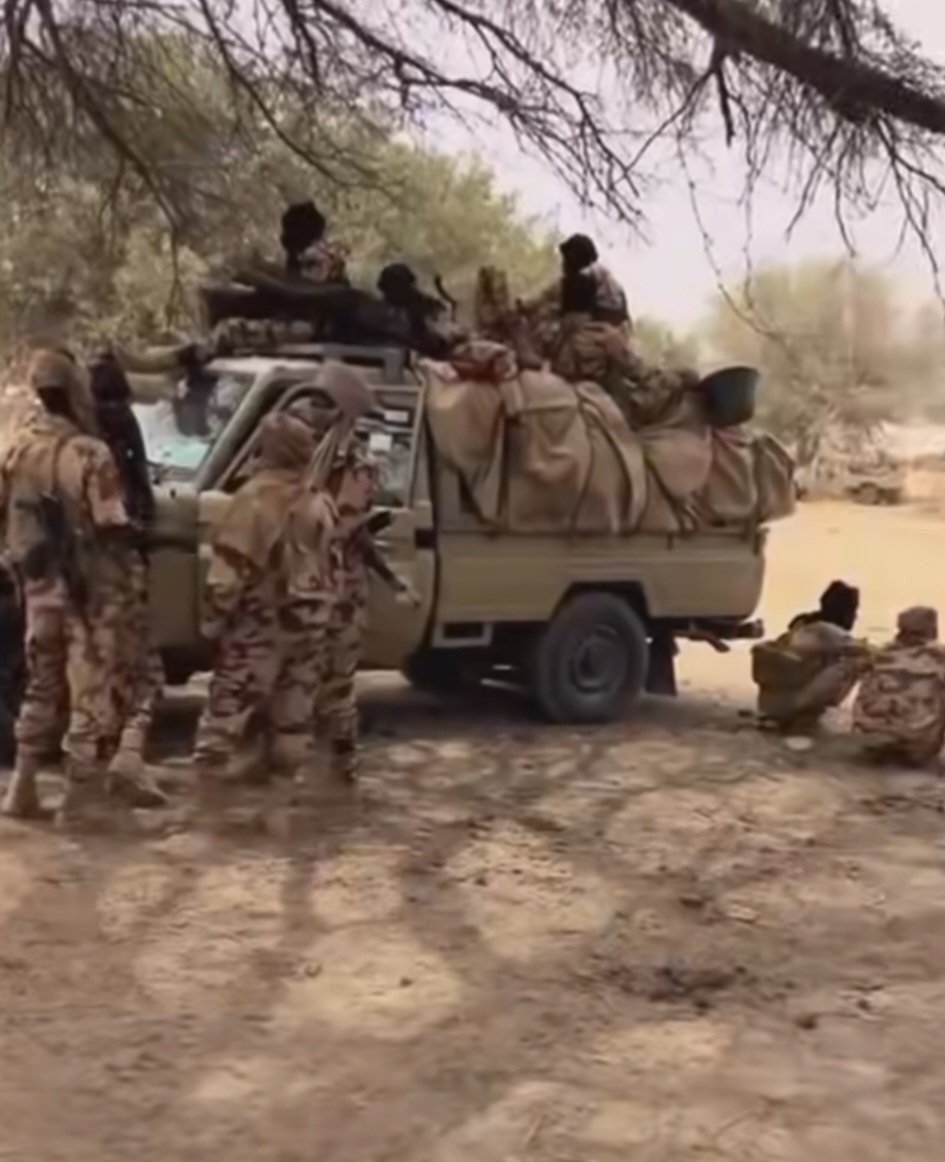
Geopolitically, Chad is locked within a lethal vice. On one flank, the RSF (heavily reinforced by the United Arab Emirates via continuous arms corridors and Darfuri gold lines) is systematically eradicating non-Arab indigenous communities, primarily the Zaghawa. On the alternate flank, Kaka’s regime—itself deeply anchored in the Zaghawa identity—must manage this catastrophic humanitarian influx while protecting its cross-border tribal cousins. The international borders have disintegrated into structural sieves: weapons, combatants, and displaced populations flow in both directions without any state oversight.
The United Arab Emirates plays a highly complex, dual game across the Sahel and Sudan: funding and arming the RSF while simultaneously underwriting massive strategic investments and financial partnerships with N’Djamena. Although Chad occasionally complains about RSF drone incursions or tactical provocations on Zaghawa border strongholds, the presidency remains structurally dependent on facilitating UAE logistics based on immediate survival metrics. Within this chaotic landscape, Darfuri rebel factions (generic "Toroboro," specifically the Sudan Liberation Army) find an organic sanctuary in Chad; they share an existential enemy (the RSF) and deep genetic roots with the ruling elite in N’Djamena.
The "discreet" and systematic insertion of Sudanese Zaghawa fighters into the DGssIE, the FIR, and the Eastern Joint Forces is not a mere internal administrative adjustment; it is a calculated geostrategic counter-measure against the RSF expansion. The objective is to construct a military force bound by blood, capable of holding the eastern border without relying on the traditional regular army, which remains ethnically diverse and politically unreliable during a supreme crisis. However, this is a dangerous gamble: importing foreign allegiances could trigger a severe domestic backlash if tribal internal interests ever diverge (as Minnawi has subtly threatened).
The Tumultuous Interrogation: Is Chad exploiting the Sudanese humanitarian tragedy... or is it a mere puppet being moved across a geopolitical chessboard fueled by blood and gold bullion? Are UAE officials laughing in their air-conditioned palaces as they watch Zaghawa factions on both sides of the border kill each other or forge alliances according to the shifting winds of the Sahel?
Cruel Poetry: Will the northern sand ever distinguish Chadian veins from Sudanese lines?
It blends them together, entombs them deep, where the cold sun shines.
And it laughs in the dark when the rulers believe, in their desperate pride,
That a uniform of state khaki can ever keep the secrets of the blood inside!
CHAPTER 3 – STRATEGIC ANALYSIS: TOWARD A "NATIONAL" ARMY OR A TRANSBORDER PRAETORIAN GUARD? THE EXISTENTIAL RISKS
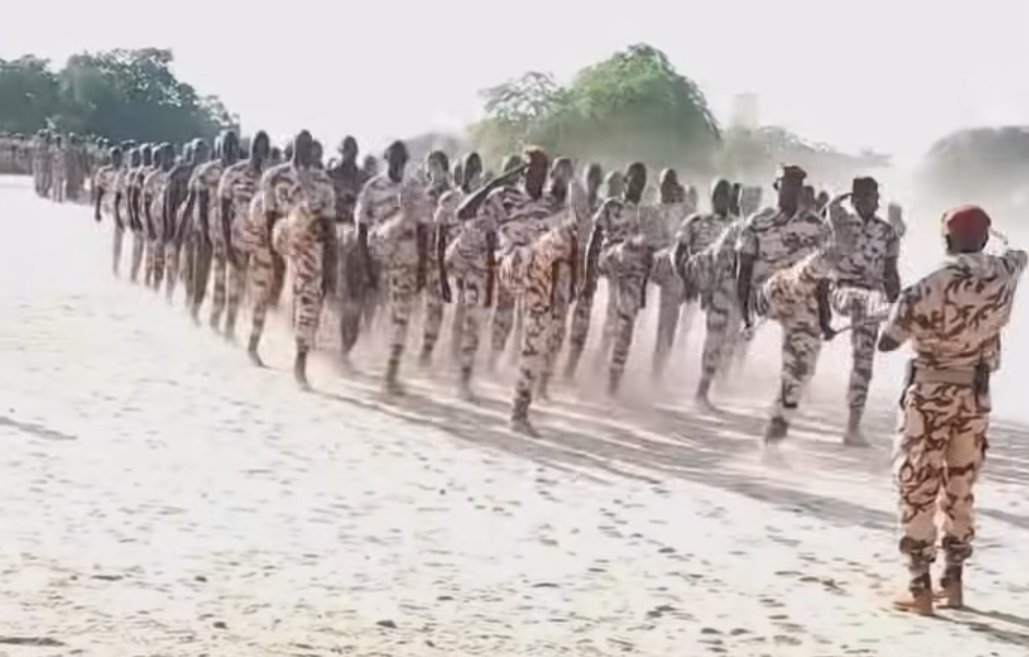
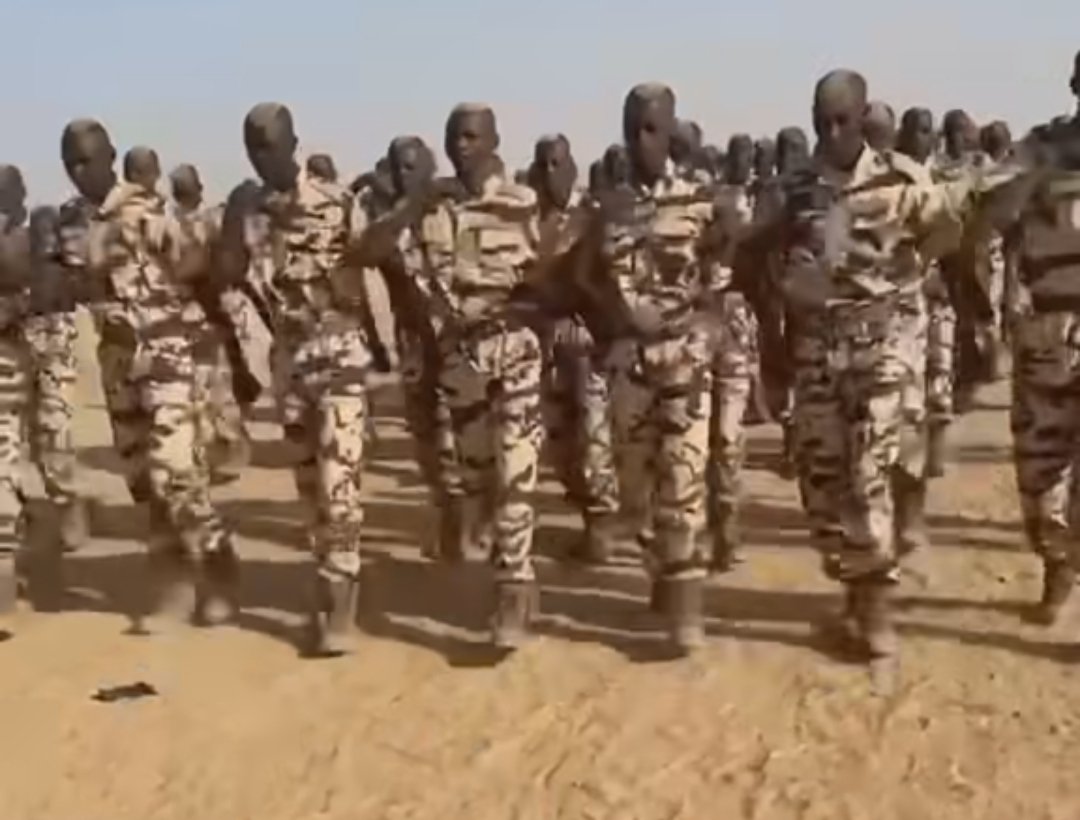
Strategically, this intensive ethnic enlistment is a high-risk, short-sighted gamble. In the immediate term, it tightens the regime's iron grip on elite operational units (DGssIE FIR) amidst multi-directional threats: the RSF at the eastern border, armed rebellions in the north and south, Boko Haram cells in Lake Chad, and the severe security vacuum generated by the steady withdrawal of French forces. A military structure composed of cross-border cousins bound by blood is deemed more reliable for throne protection than a standard national army based on citizenship.
Over the medium and long term, this methodology acts as a lethal structural poison:
1. The Deep Internal Fracture: Regular Chadian soldiers and officers outside the tribal core feel explicitly excluded, systematically marginalized, and morally humiliated. The military doctrine crumbles, and institutional cohesion vanishes. The existential question remains: when will these domestic units turn their weapons against the foreign enlistees?
HassaИ Al-ProfessoЯ
2
105
#Chad 🇹🇩 #CousinsOfTheSand #ZaghawaEnlistment #ChadianArmyDecline #HijackedSovereignty #KakaPraetorianGuard #SahelCrisis #TheReality
🇹🇩 CHAD IN NOVEL N°378: THE COUSINS OF THE SAND: THE CLAN-BASED ARCHITECTURE OF THE "CHADIAN ARMY"
Location: The deep red dunes of Eastern Chad (Abéché, Tiné, Amdjarass, Adré, Iriba), where the desert wind carries both the agonizing cries of refugees and the distant roar of tactical pick-ups, and the executive military headquarters of the DGSSIE and FIR in N’Djamena.
Theme: The exploitation of the Sudanese tragedy (from April 2023 to June 2026) as a geostrategic and military fuel for ethnic enlistment within Chad, and the structural insertion of Darfuri "cousins" to fortify a dynastic throne.
CHAPTER 1 – POLITICAL ANALYSIS: THE FAMILY ENTERPRISE EXPANDS – FROM REFUGEE CAMPS TO THE COUSINS' BARRACKS
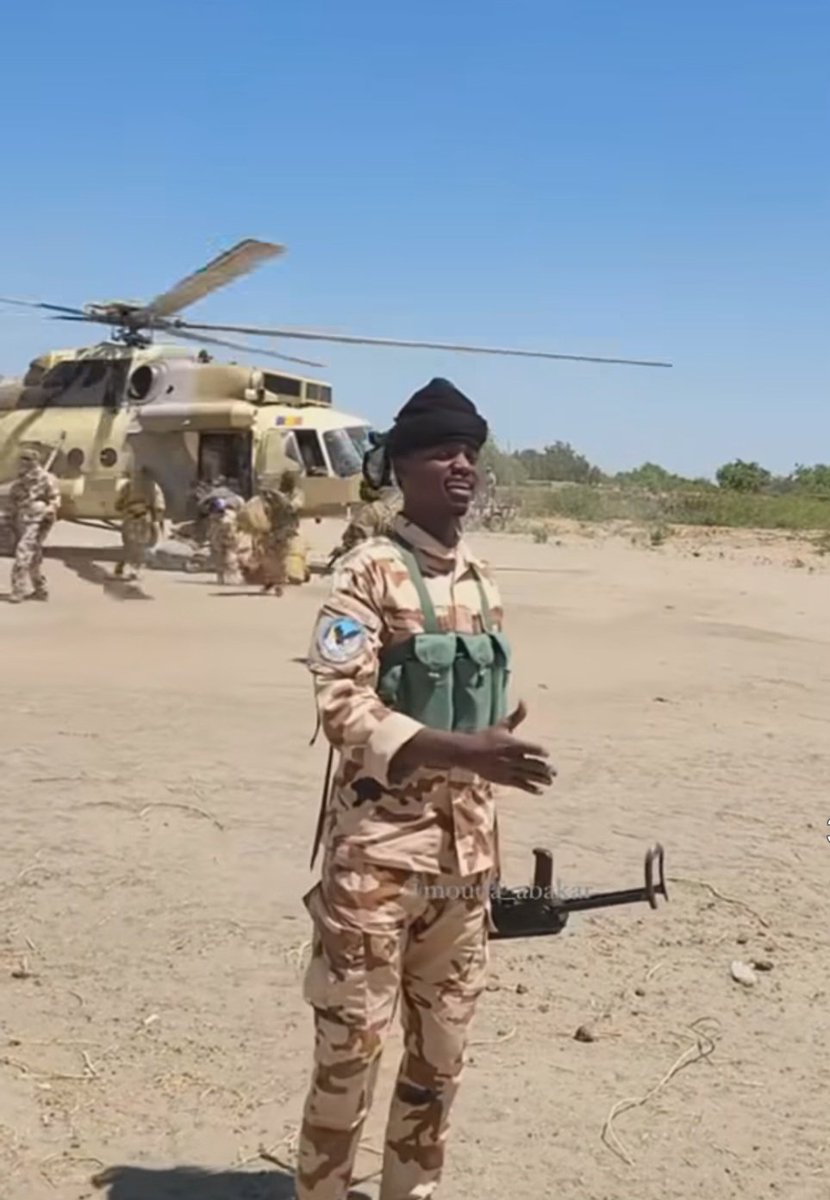
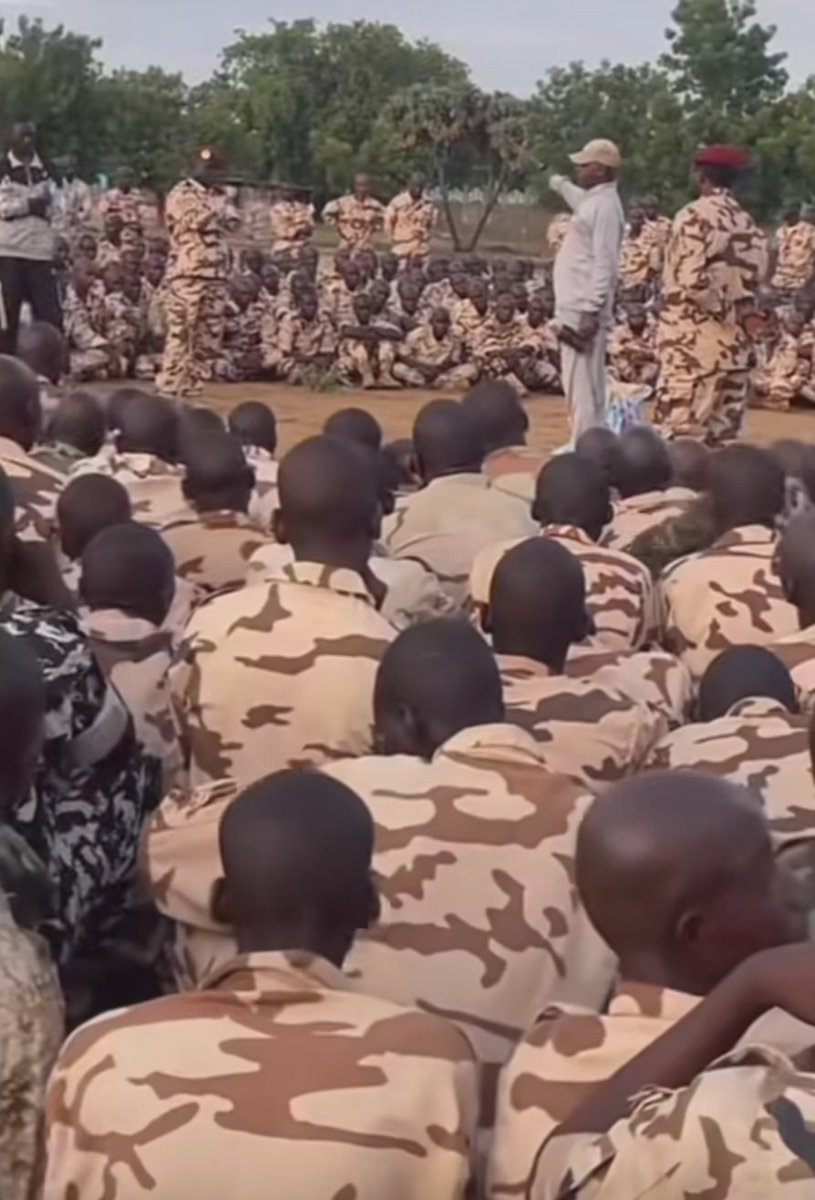
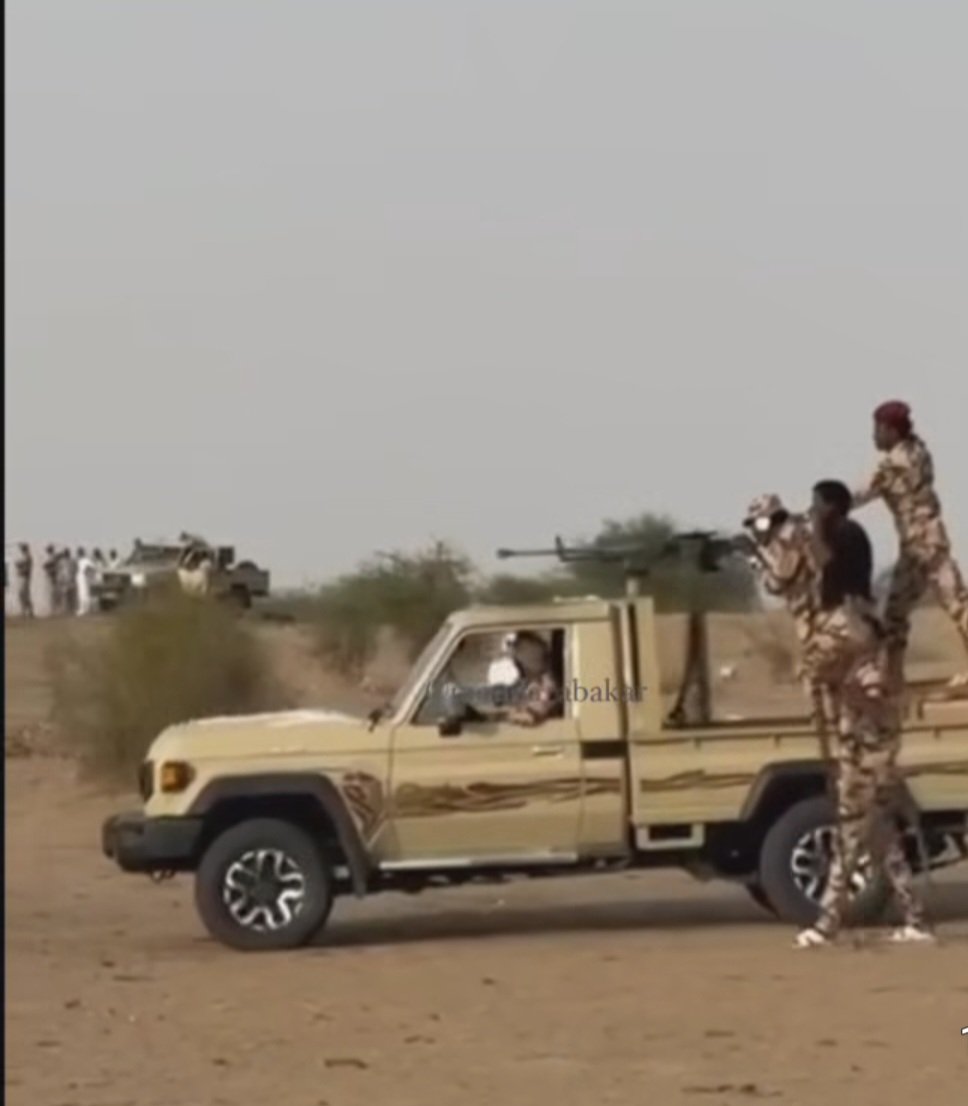
The red sand of Eastern Chad has never been a passive background; it is an active geopolitical operative. Since 2023, it has absorbed continuous, silent waves of thousands of Darfuri Zaghawa fleeing the genocidal campaigns executed by Hemedti’s Rapid Support Forces (RSF). Abéché is swelling, Tiné is overflowing, and Amdjarass has officially mutated into a hyper-strategic logistical hub. Yet, Mahamat Kaka’s regime does not look at these massive human arrivals through a purely humanitarian lens: it visualizes them as fresh, tribal blood designed to re-engineer an army that has never been genuinely "national."
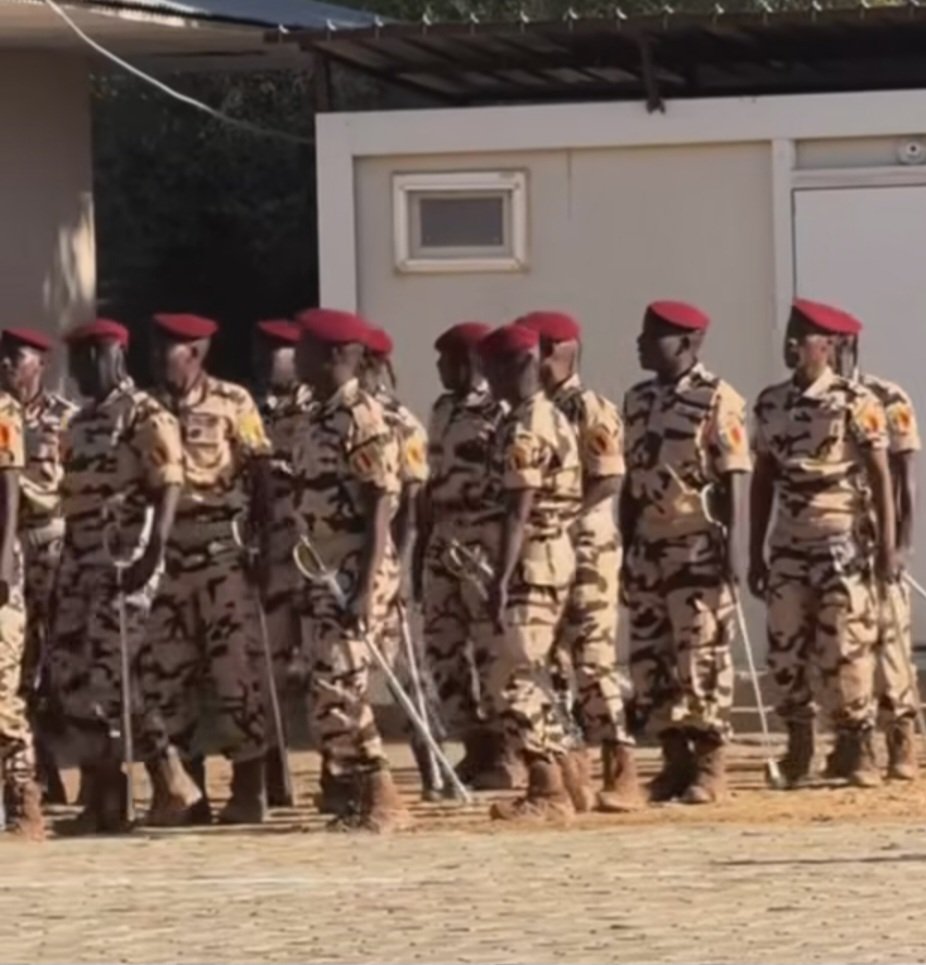
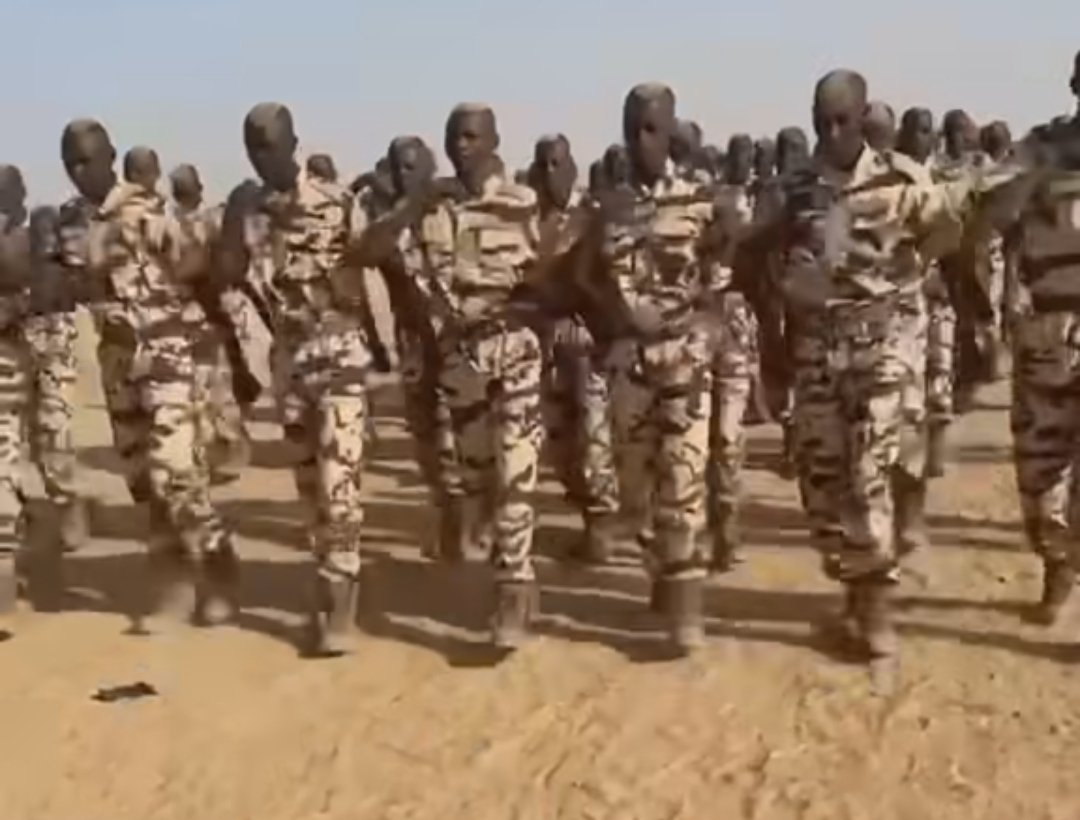
Politically, this represents the absolute structural continuity of the Déby system: a tribal, clan-based fortress disguised as a sovereign state. The DGSSIE—the presidential praetorian guard historically monopolized by the Zaghawa and Bideyat core—and the Rapid Intervention Force (FIR), commanded by Kaka's direct cousin General Ousmane Adam Dicki, have always functioned like privately owned family corporations. Incorporating "Sudanese cousins" is not a deviation from institutional norms; it is a logical systemic expansion. As Minni Minnawi boldly stated on RFI: the descendants of the 2003 refugee waves are already fully integrated within the ranks of the Chadian Presidential Guard and the regular units. Today, with over 1.3 million new arrivals, the demographic reservoir is immense. General Ousmane Barh Mahamat Itno—coordinator of the Eastern operational sectors and joint mixed forces—perfectly embodies this transborder web: he manages the physical frontier, regulates the human flows, and negotiates informal operational alliances with anti-RSF Darfuri rebel factions.
The regime's tactical framework is far too sophisticated to grant these foreign fighters high-ranking constitutional commands overnight; the process is much more insidious: it aims to structurally dilute the "indigenous Chadians" (those outside the tribal circle) within a massive, homogenous block bound by absolute blood loyalty. Within this framework, historical Chadian soldiers remain subalterns—unpaid, ill-equipped, and marginalized. Conversely, the cross-border newcomers, selected strictly on genetic profiling, enjoy immediate financial bonuses, cutting-edge military hardware, and rapid promotional trajectories within elite battalions. This is institutionalized transborder nepotism.
The Tumultuous Interrogation : Is Chad still a sovereign republic, or has it mutated into an extended Zaghawa family corporation that has completely confiscated the state khaki uniform? When genetic lineage supersedes national documentation, who is actually defending the country's sovereignty? Welcome to Chad, a nation where even a foreign refugee can execute a meteoric military career... provided they carry the approved DNA.
HassaN Al-ProfessoЯ
1
4
542

Jun 15
The sun is shining over the airfield as the final week of Spring begins, and the first of today's more than 150,000 travellers are making their way through the terminals.
Today's travellers are just a few of the 1,021,000 people projected to arrive or depart this week — nearly the same as the population of Nova Scotia.
We're also expecting a busy day on the airfield, with more than 1,050 flights scheduled to arrive from or depart to destinations in dozens of countries around the world.
Here's a look at today's flight breakdown by sector:
• Domestic: 431
• Transborder: 372
• International: 253
1
2
18
1,420

The Indigenous Brits Are Pushing Back against Transborder Multiculturalism.
Jun 14

Nigel Farage says Britain is a 'two-tier state against white people' and claims 'toxic ideology of diversity' has taken over Whitehall trib.al/K9T0cZy
6

Jun 13
We won't blockade the border as long as the war lasts. Don't worry.
Just look at a map of Europe, with roads, transborder connections, goods and capital flows, etc. Poland is semi-paripherial in this framework, but Ukraine full peripherial, ruined by war, with population decline.
2
2
78

Jun 13
It's a Saturday. I expected to eat, drink, swim, read Book 3 of The Lord of Rings series—you know, soak in the weekend in pleasant solitude.
Well, it was initially going as planned but now here I am, taking special book orders and discussing urgent transborder shipments.
1
34

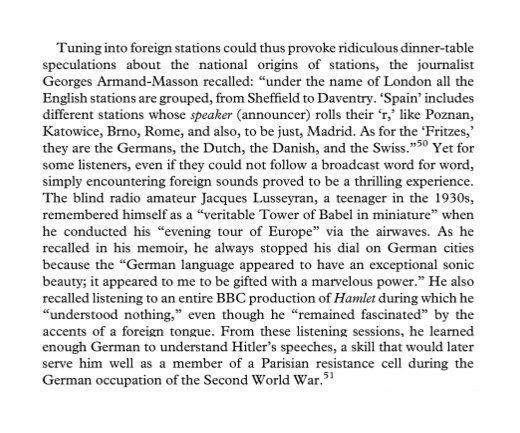
And here's media historian Rebecca Scales on transborder radio listening in interwar Europe:

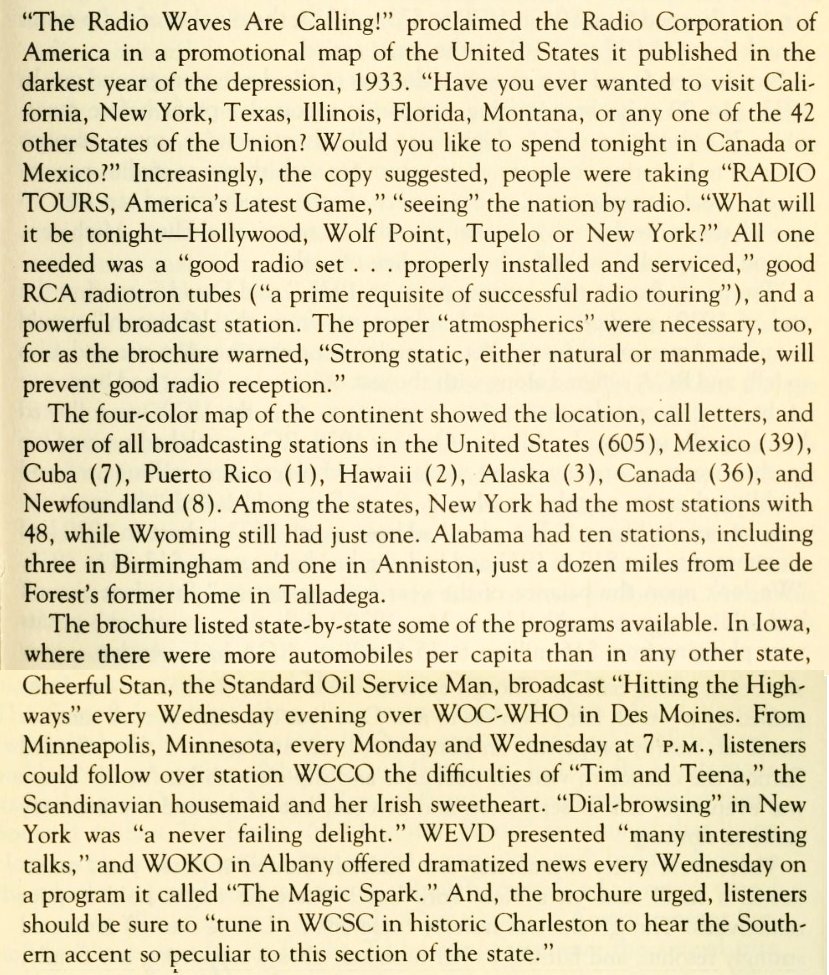
In the early days of radio, Americans were encouraged to tour the country using their radio receivers. Here's an excerpt from 𝘌𝘮𝘱𝘪𝘳𝘦 𝘰𝘧 𝘵𝘩𝘦 𝘈𝘪𝘳 by Tom Lewis:
3
152

Jun 12
Trans what?
transfer
transmit
transact
transect
transits
transept
transoms
transbay
transmue
transput
transude
transmew
transmen
translay
transitu
transire
tranship
transfix
transcur
transume
transport
transfers
translate
transform
transient
transcend
transmits
transpose
transects
transvaal
transpire
transonic
transaxle
transmute
transited
transacts
transduce
transepts
transfuse
transpond
transpour
transreal
transvest
transvert
transvase
transumpt
transumed
transudes
transuded
transship
transpeer
transpass
transeunt
transfixt
transflux
transfuge
transhape
tranships
transiter
transitus
translade
transluce
transmade
transmake
transmold
transomed
transenna
transition
transcript
translated
translator
transplant
transforms
translates
transistor
transverse
transports
transducer
transitive
transferee
transcends
transacted
transients
transitory
transcribe
transferor
transpired
transposed
transiting
transfixed
transgress
transduced
transpires
transience
transfused
transmuted
transhuman
transposer
translater
transocean
transmural
transposes
transected
transmutes
transferal
transprint
transships
transshift
transplace
transsonic
transpolar
transvenom
transposal
transprose
transvalue
transuming
transudate
transshape
transuding
transsolid
transmuter
transfuser
transfixes
transferer
transeptal
transennae
transcolor
transceive
transboard
transfuses
transiency
transiliac
transigent
transmould
translunar
translucid
translight
transitron
translation
transaction
transferred
transmitted
transparent
transcripts
transformed
transmitter
translators
transitions
transported
transporter
transformer
transcribed
translating
transgender
translucent
transplants
transceiver
transfusion
transistors
transducers
transferase
transmittal
transponder
transcriber
transversal
transcended
transiently
transacting
transposing
transborder
transuranic
transducing
transection
transpiring
transfinite
transfixing
transcribes
translocate
transmuting
transverter
transferral
transversus
transnormal
transnature
transmutual
transportee
transversum
transmutive
transpalmar
transmutate
transmuscle
transverses
transocular
transpadane
transportal
transseptal
transproser
transshaped
transpierce
transparish
transvaaler
transvalued
transvasate
transversan
transverser
transpondor
transmental
transfluent
transfixion
transfigure
transferror
transferrer
transferent
transferals
transecting
transdesert
transdermic
transcolour
transcience
transchange
transcalent
transbaikal
transarctic
transapical
transfusers
transfusing
transmedian
transmedial
transmarine
transmaking
translunary
transletter
translatrix
translatory
translative
transcreate
transitival
transitable
transilient
transigence
transhumant
transhipped
transfusive
transalpine
transmission
transactions
translations
transparency
transvestite
transitional
transformers
transferring
transforming
transporting
transmitting
transferable
transmitters
transduction
transporters
transplanted
transceivers
transcendent
transcribing
transfusions
transference
transcending
transponders
transcribers
transitioned
transaminase
transitivity
transposable
transversely
transfigured
transgressed
translocated
translucency
translatable
transmissive
transpacific
transhipment
transvestism
translucence
transoceanic
transparence
transitively
transmittals
transgressor
transversion
transgresses
transuranium
transshipped
transcension
transcendant
transplantee
transplanter
transversary
transplantar
transorbital
transovarian
transwritten
transpirable
transpeciate
transversive
transpicuous
transpierced
transpanamic
transpicuity
transpleural
transstellar
transudation
transudative
transvectant
transudatory
transvaluing
transumption
transumptive
transuranian
transvaluate
transuterine
transshaping
transsensual
transponible
transpontine
transprocess
transportive
transpositor
transversale
transpyloric
transrhenane
transverbate
transvection
transscriber
transvaalian
transalpiner
transelement
transeptally
transfashion
transfeature
transferably
transferrals
transferrers
???!!!!
52

Jun 12
L’époque où j’suis arrivé au dernier moment au transborder à Lyon que j’étais tout devant et qu’on était maybe max 200-300 💀 what a time
Jun 12

Cannot believe this is the price for a singular ticket on the floor
I was barricade for $60 four years ago.
For my boyfriend and I to go together, it’s just around half of a thousand dollars.
To say I’m disappointed is an understatement. I never thought I’d miss this Charli tour


267

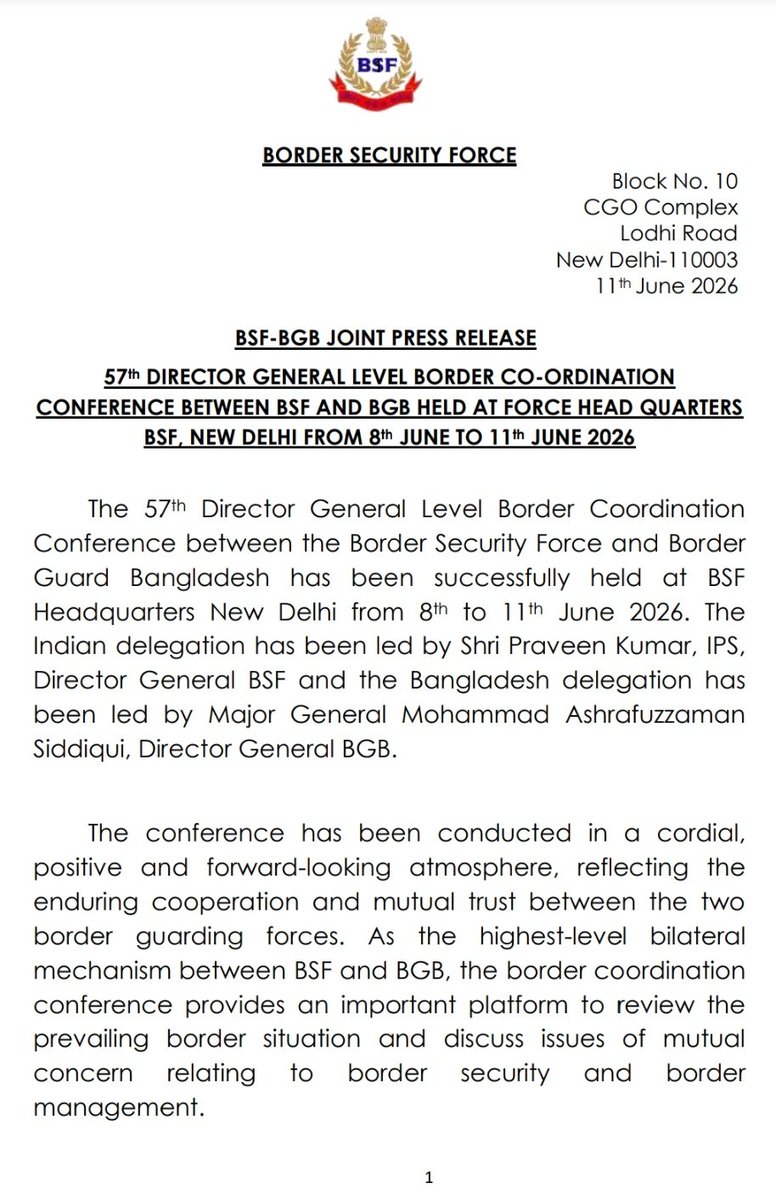
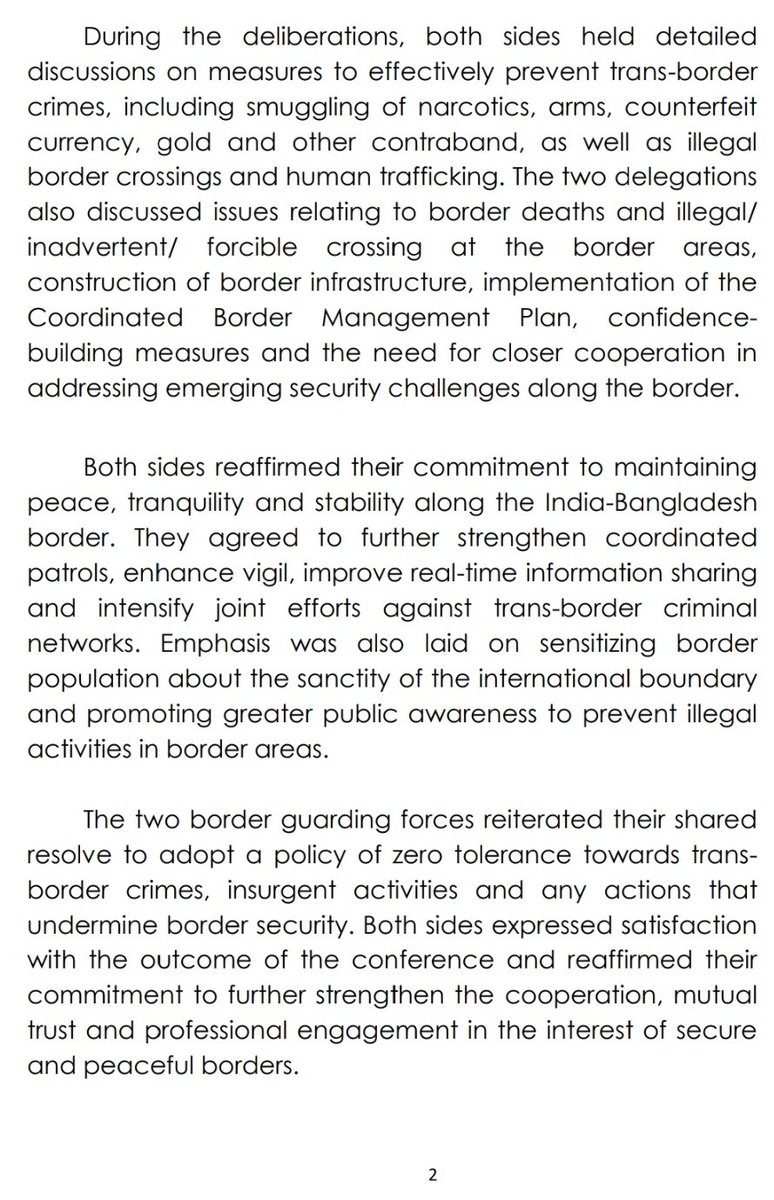
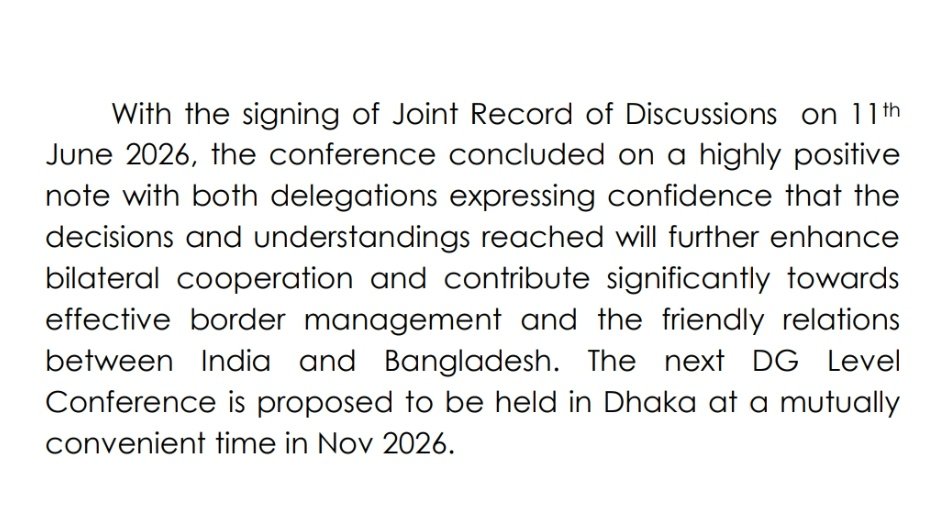
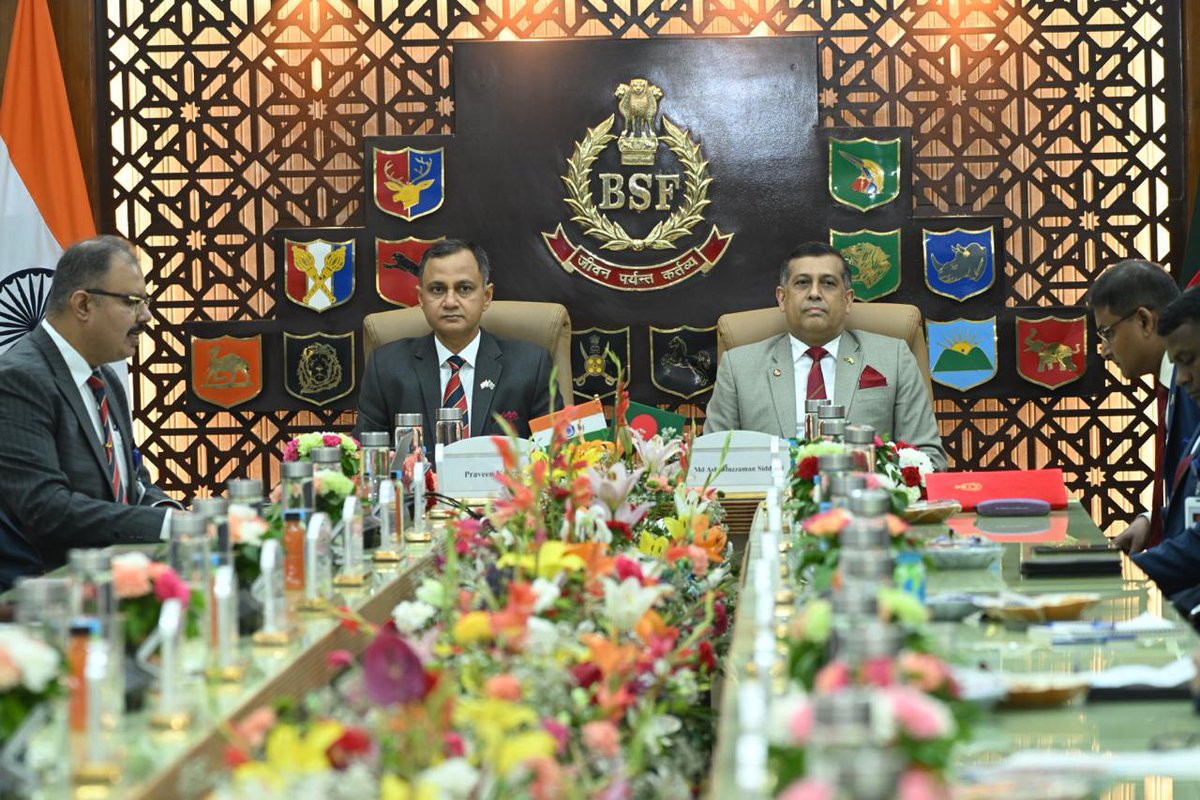
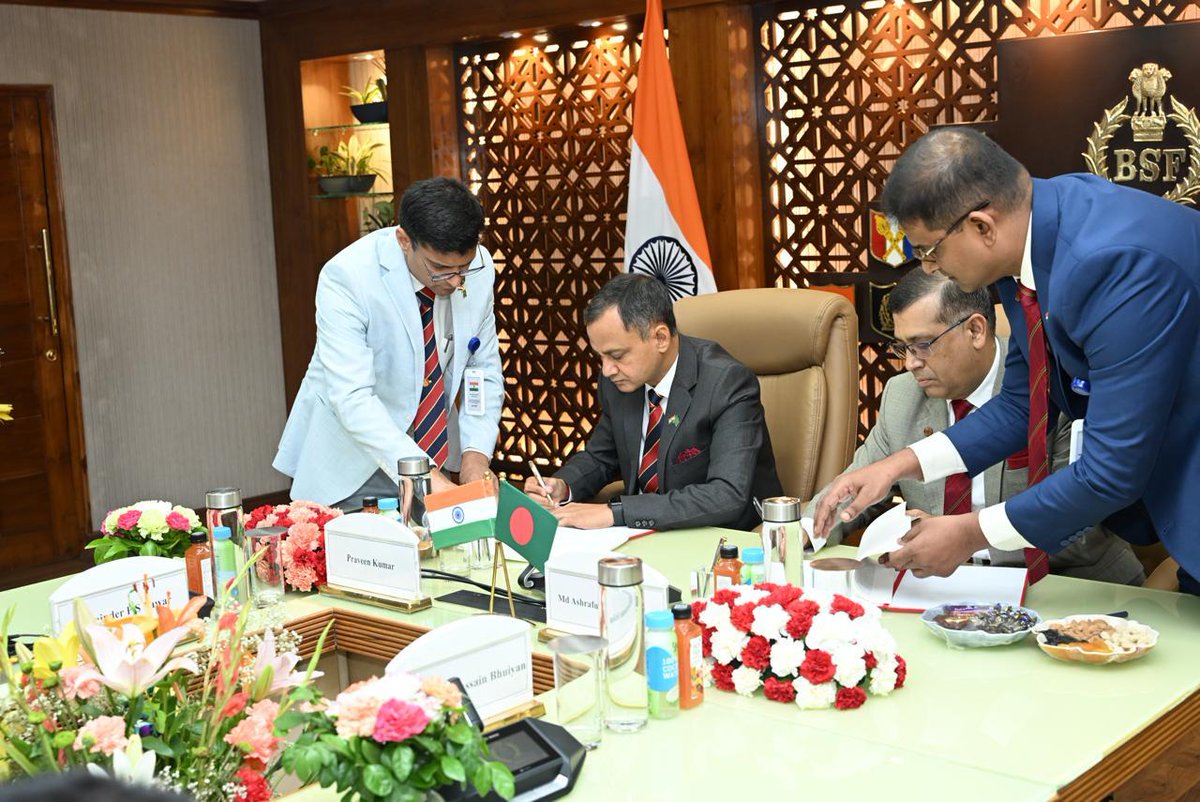
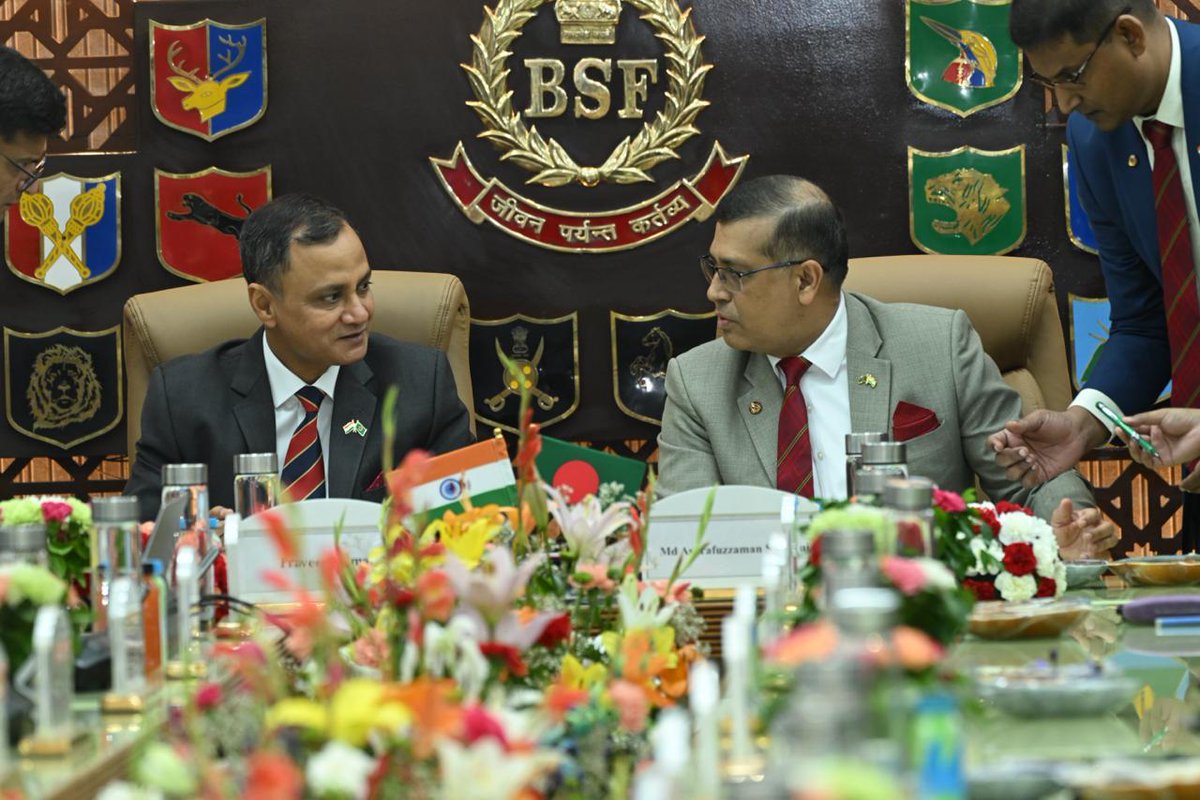
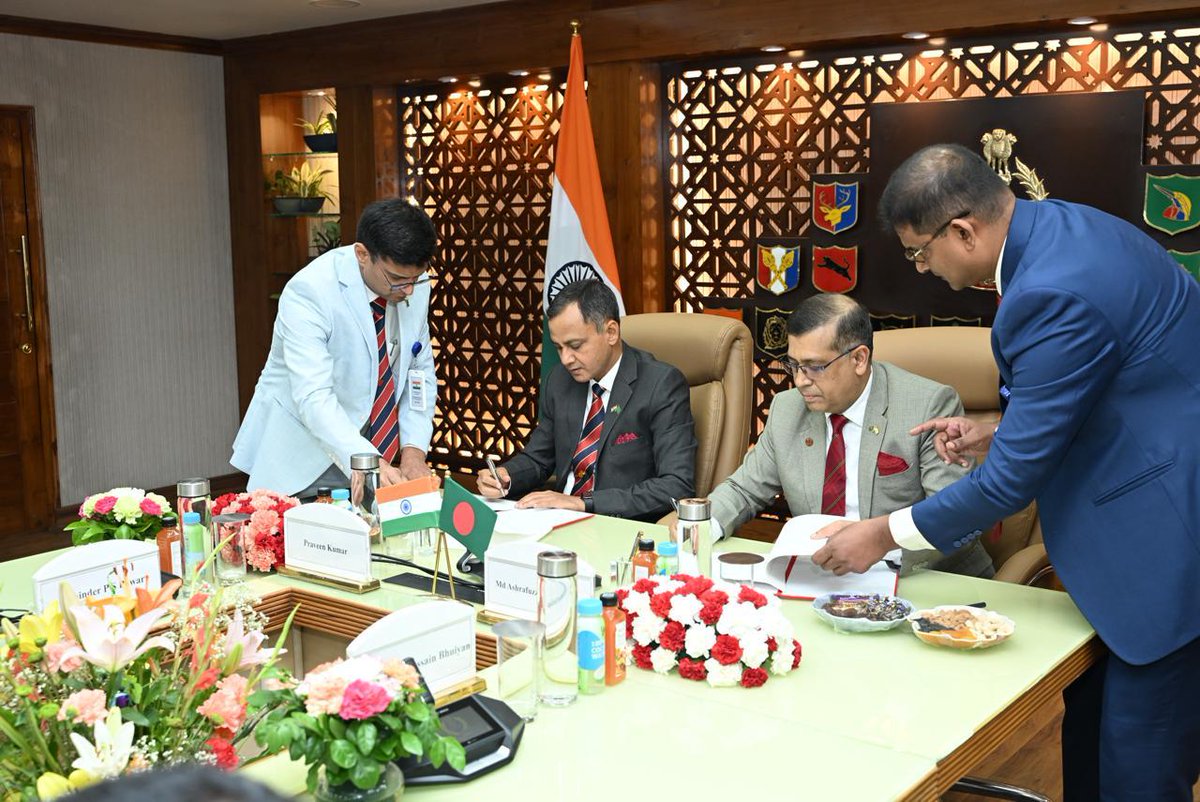
The two border guarding forces reiterated their shared
resolve to adopt a policy of zero tolerance towards transborder crimes, insurgent activities and any actions that undermine border security: BSF statement after talks with Bangladesh counterpart
11

Jun 12
Happy to share that a new duty-free experience has arrived in the Transborder Lounge at @BBishopAirport.
Thanks to our terminal partners at Nieuport Aviation, travellers can enjoy an updated retail environment, expanded product selection, and streamlined lounge experience.

1
2
50

ध्रुव भीमराजका 🇮🇳 retweeted

Jun 12
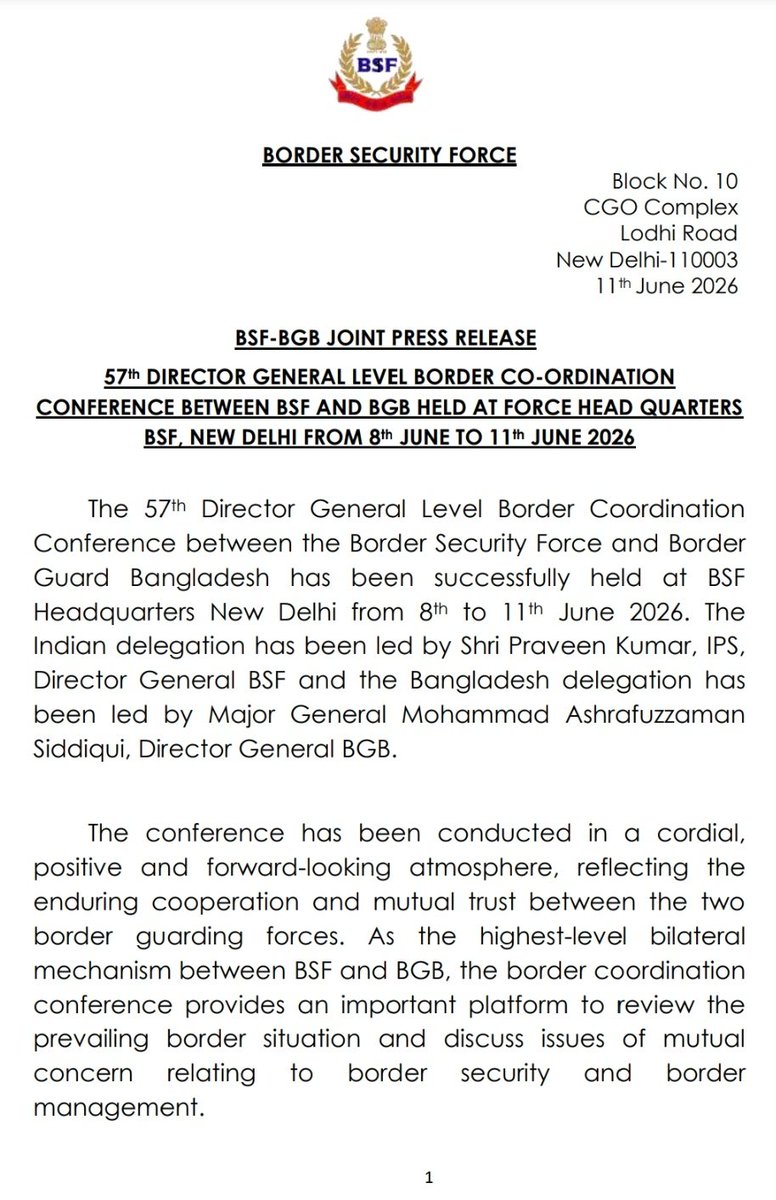
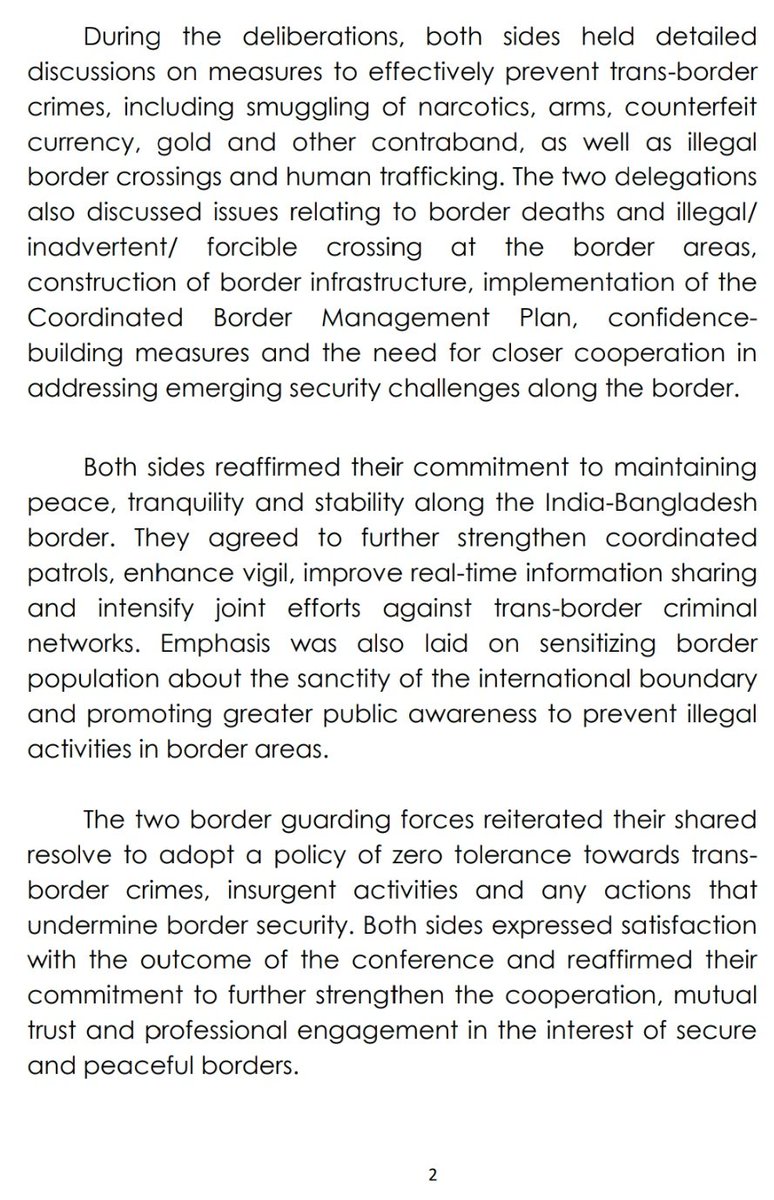
The two border guarding forces reiterated their shared
resolve to adopt a policy of zero tolerance towards transborder crimes, insurgent activities and any actions that undermine border security: BSF statement after talks with Bangladesh counterpart
Jun 12

57th Director General Level Border Coordination Conference between the Border Security Force & Border Guard Bangladesh concludes
2
21
174
26,695