
On today’s episode of our Power 101 series, we are talking Gas Turbines and how they contribute to the electricity we use everyday.
Follow us for more episodes and understand how the world of electricity works.
#transcorppower
1
16
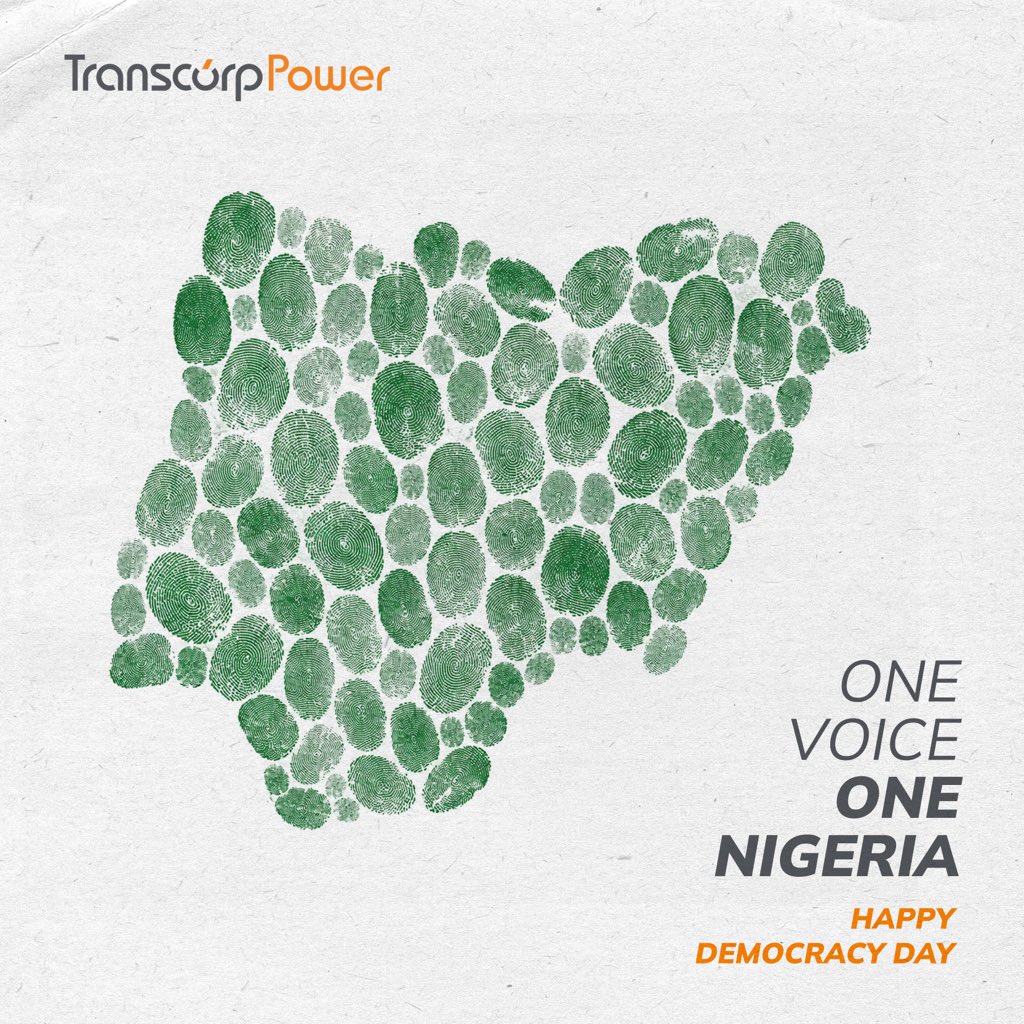
Happy Democracy Day from all of us at Transcorp Power
Together, we shall continue to build a stronger and brighter future for generations to come.
#transcorppower
#democracyday
1
20




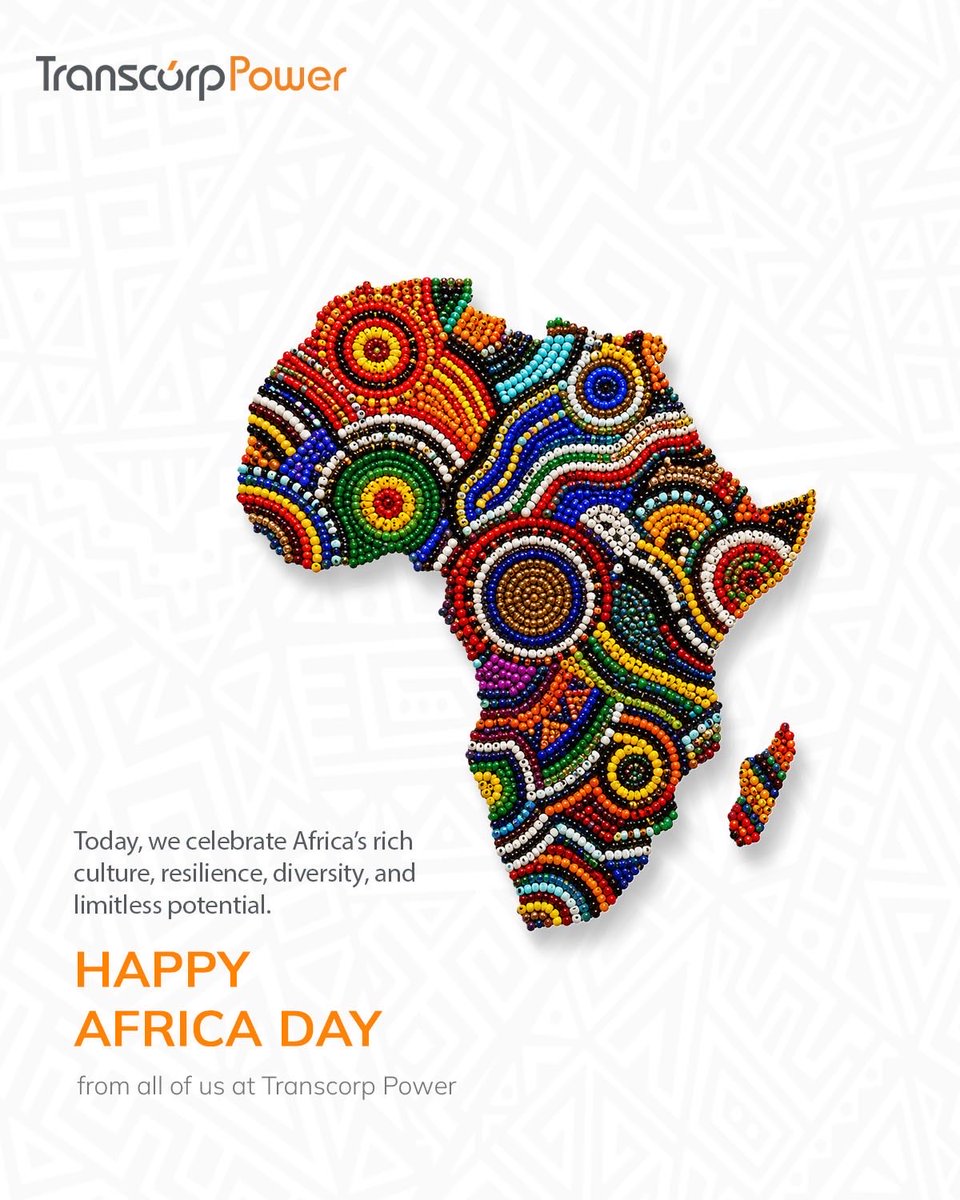
May we never forget the strength that runs through the African blood!
Happy Africa Day from all of us at Transcorp Power!
#transcorppower
2
23
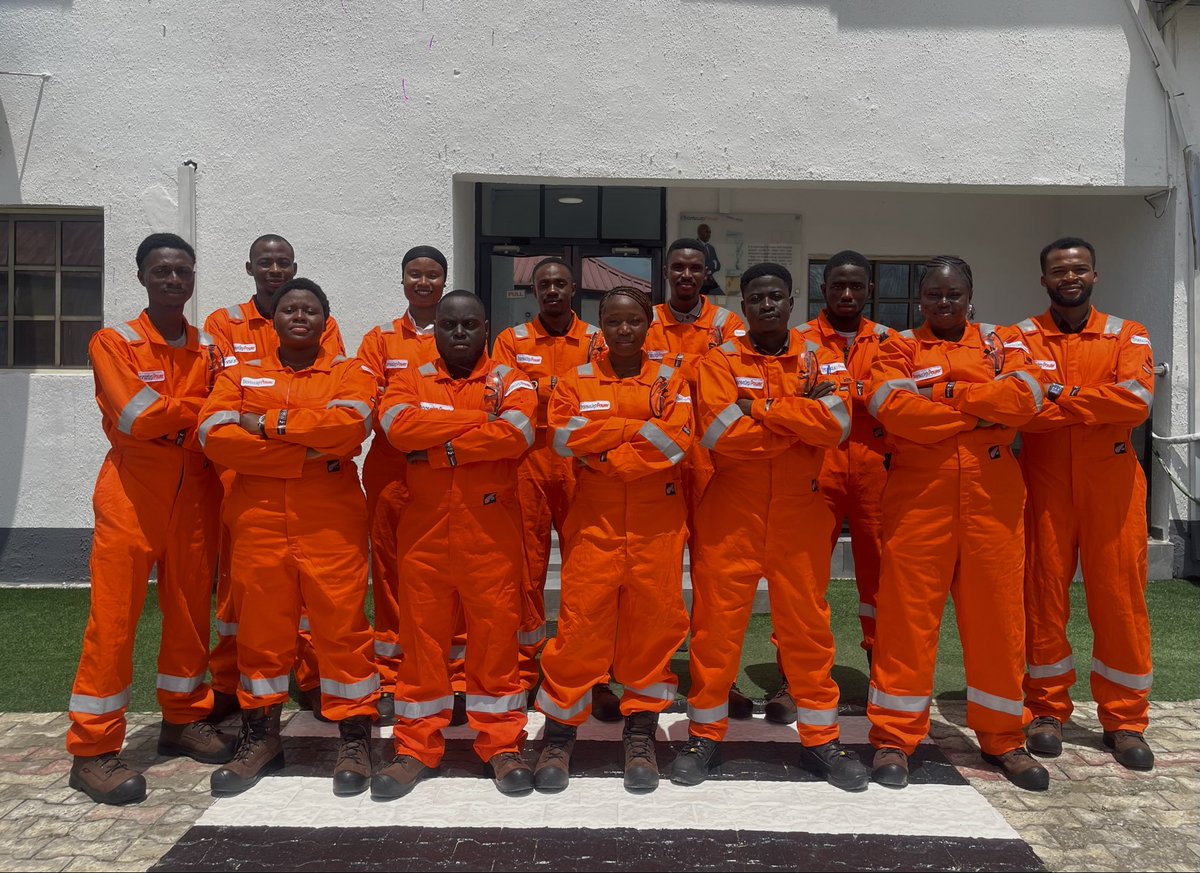
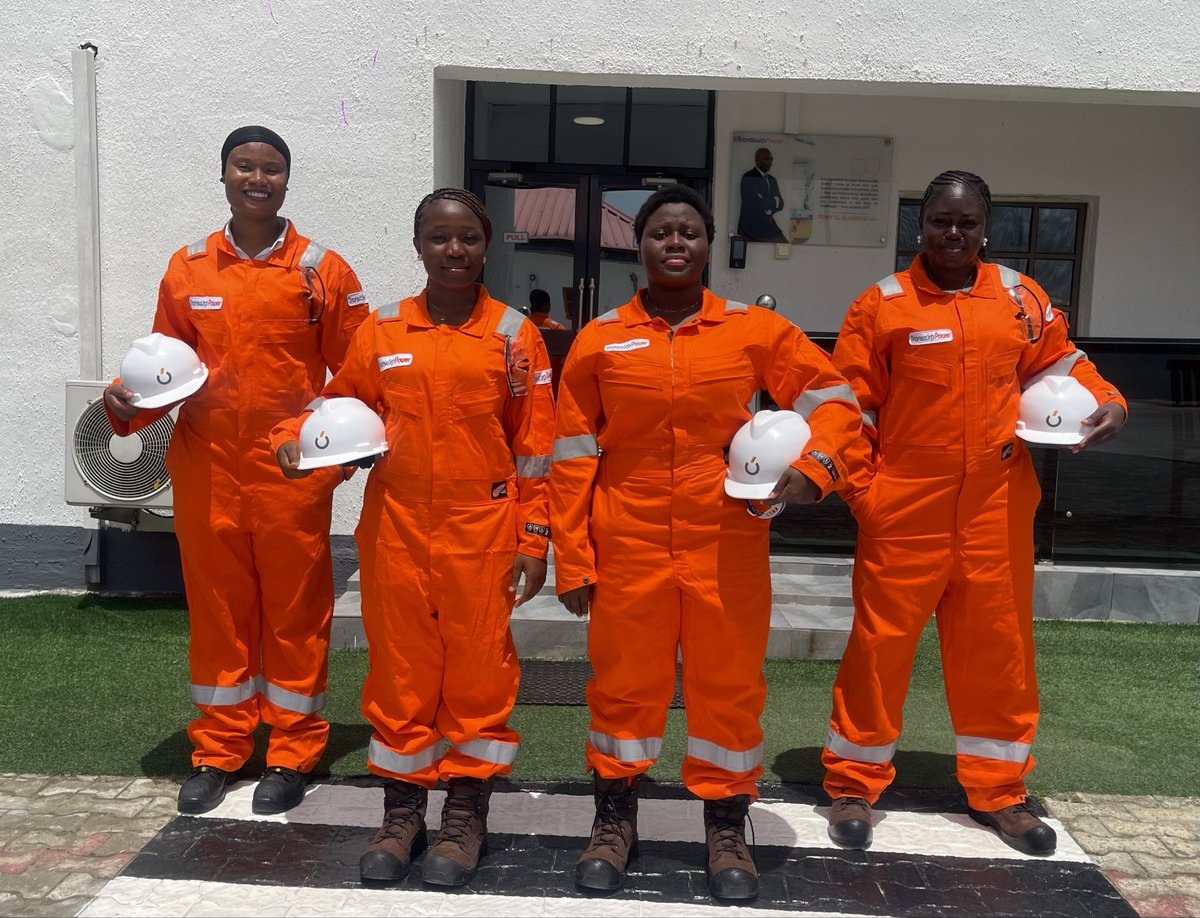
Last week, Transcorp Power welcomed the first cohort of the Transcorp Ignite program.
For the next 8months, they will receive hands on experience and training across all technical departments.
We are excited and remain committed to support their growth!
#transcorppower


3
73
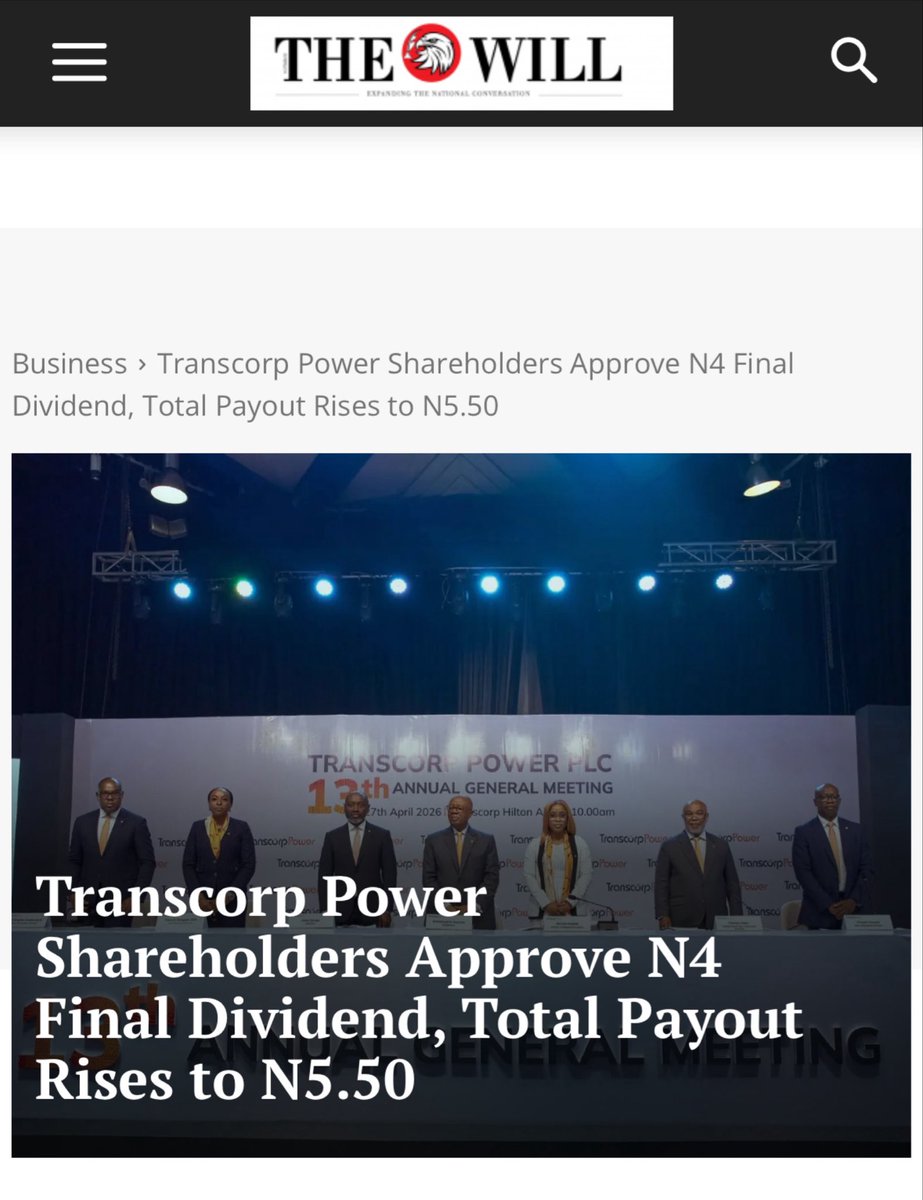
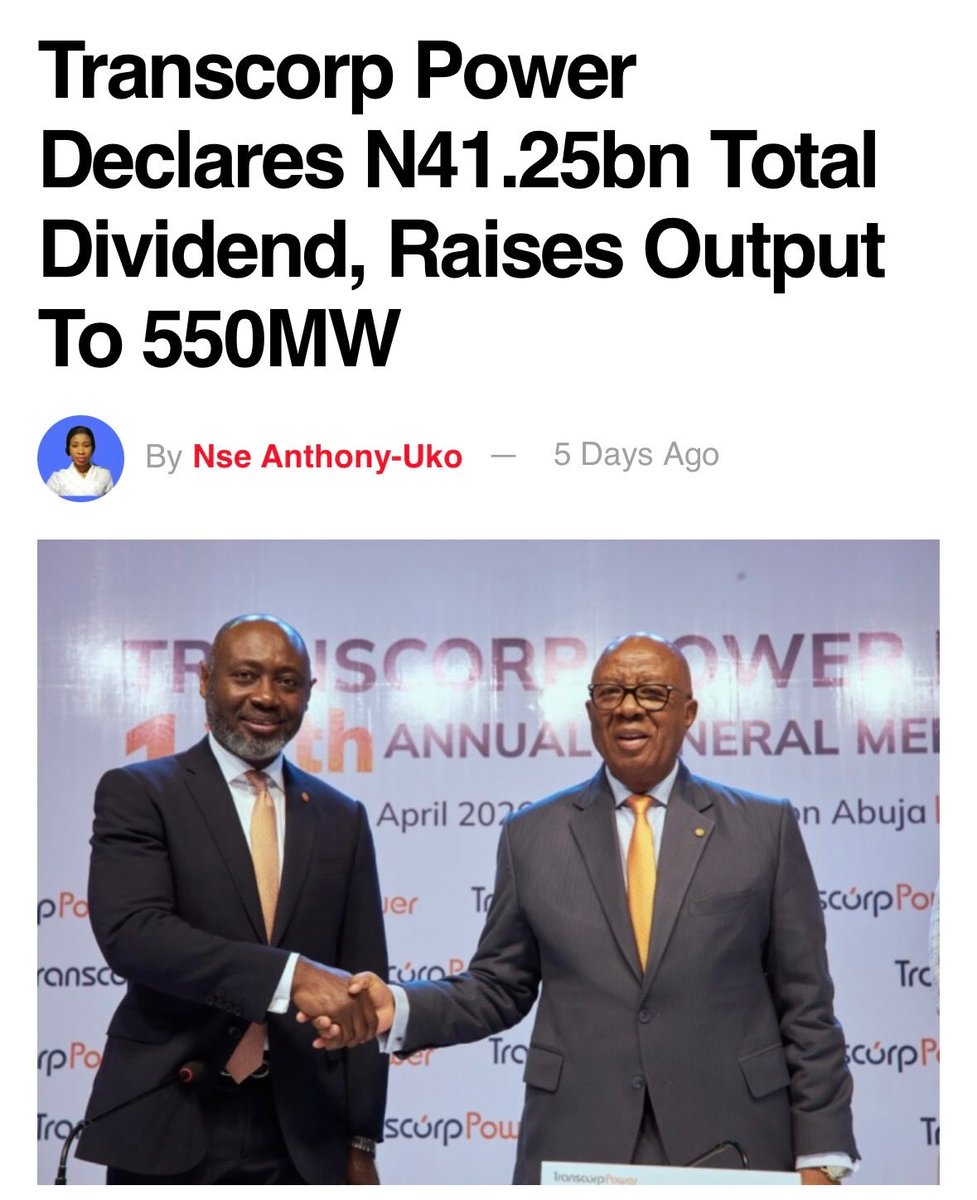
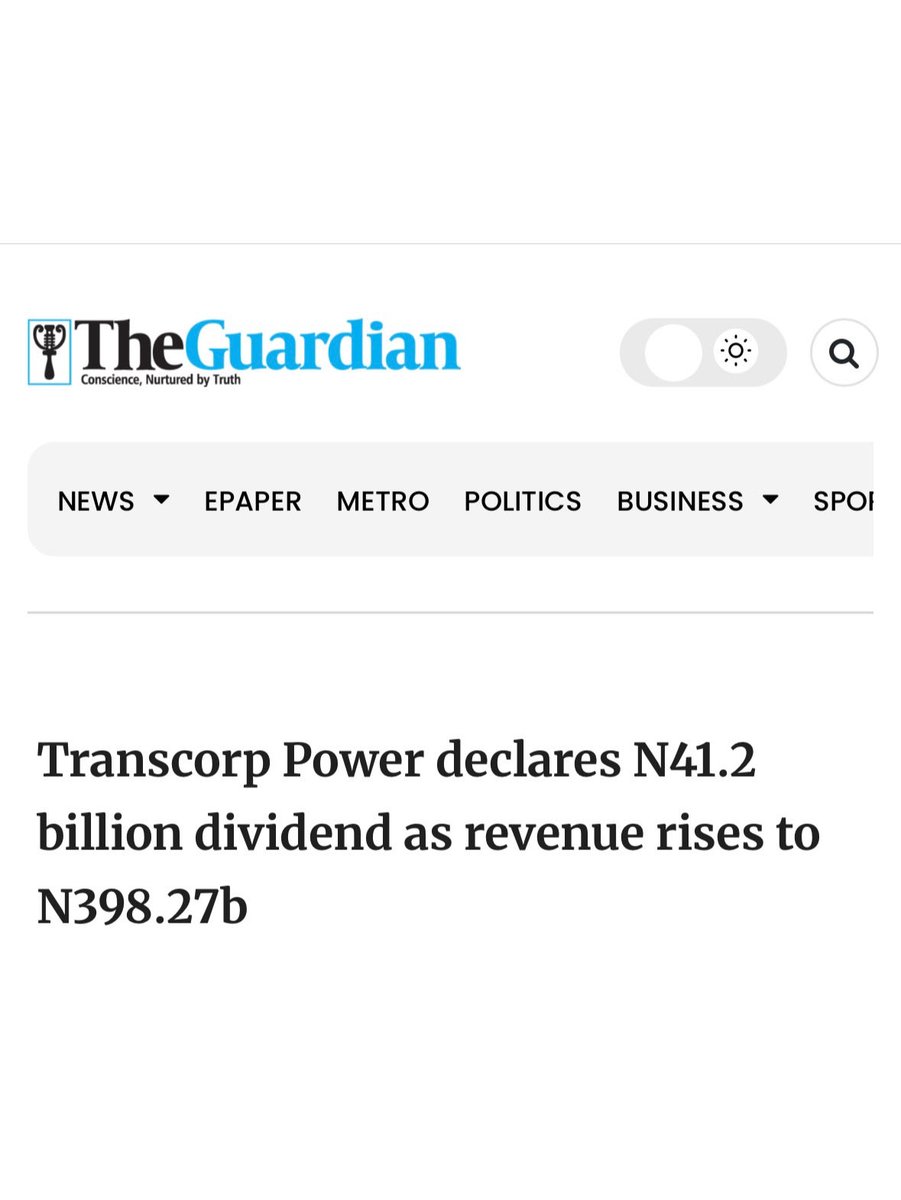
We have been in the news for the right reasons.
At the just concluded AGM, Transcorp power declared a dividend of N41.25 billion naira which is N5.50 per share
In case you missed it, click on the link in our bio
#transcorppowerinthenews
#transcorppower

5
106
Today, we celebrate the people behind the scenes that makes it all possible. Every work you do matter and today we thank you for your strength and dedication.
Happy Workers Day!
#transcorppower

1
3
53
The countdown is on.
In less than two weeks, Transcorp Power Plc will hold its 13th Annual General Meeting.
Date: April 27th, 2026
Venue: Congress Hall, Transcorp Hilton Abuja
#transcorppower
1
3
169
Beyond being just a unit of measurement, a megawatt equates to about 14,000 families keeping their lights on.
Welcome to power 101 - where we break down how power works in a way you can understand
#transcorppower
1
2
6
95


Stepping into the month of April with a sense of purpose and a commitment to growth.
Happy New Month from all of us at Transcorp Power.
#Newmonth
#transcorppower

1
5
59
#Mondaymotivation: “The greatest glory in living lies not in never falling, but in rising every time we fall” - Nelson Mandela.
This week, let purpose lead and let your energy match your ambition.
#transcorppower

5
69

Mar 26
Nigeria's power sector reforms have attracted $2 billion in investment and reduced sector liabilities to N146 billion. That number deserves more than a press release — it deserves analysis.
The Electricity Act 2023 was a structural turning point. It ended the federal government's monopoly on electricity regulation and allowed states to develop their own electricity markets. Investors and operators needed that clarity before committing capital to a sector that had been commercially unviable for decades.
Here's where the $2 billion comes from: a combination of private equity flowing into generation assets (GENCOs), DISCOs receiving improvement capital from new owners and technical partners, and renewable energy projects that now have clearer regulatory pathways under the new framework.
The N146 billion liability figure is the more interesting number. Nigeria's power sector once carried hundreds of billions in accumulated debt — legacy obligations from years of below-cost tariffs, government guarantees, and unpaid invoices between GENCOs, TCN, and DISCOs. Cutting that down to N146 billion signals that the government is actually doing the financial restructuring work, not just making policy speeches.
What to watch on NGX: Transcorp Power, Geregu Power, and the listed energy plays are the most direct beneficiaries if this reform story continues to hold. Generation capacity means nothing if the distribution end remains broken — so watch for further DISCo privatisation completion and metering rollout data.
The power sector story is a 5-10 year thesis. But the $2 billion investment signal tells you capital is beginning to believe in it.
Not financial advice. #NigerianPower #NGX #Geregu #TranscorpPower #Stocks_ng #NigerianEnergy
1
2
70
Abiodun Ikubaiyeje an Electrical Engineer in the Operations Department at Transcorp Power, takes us through her transformative journey from serving as a corps member to becoming a full-time staff!
#transcorptransforms
#transcorppower
1
3
4
134

Absolutely nothing beats a mother’s love ❤️
Happy Mother’s Day from all of us at Transcorp Power
#transcorppower

1
1
3
44
Here’s to queens in uniforms. Keep leading the change
#transcorppower
1
1
2
73
Through this dedication, we are solving the challenges of today and engineering a more equitable world for tomorrow.
Happy World Engineering Day !
#Transcorppower
#WorldEngineeringDay
1
3
42
Here’s to a productive, safe and high-performing week ahead
#transcorppower
#trancorptransforms

1
1
3
64
Another week successfully crushed!
#transcorppower
1
5
70