scottyb retweeted

Jun 13
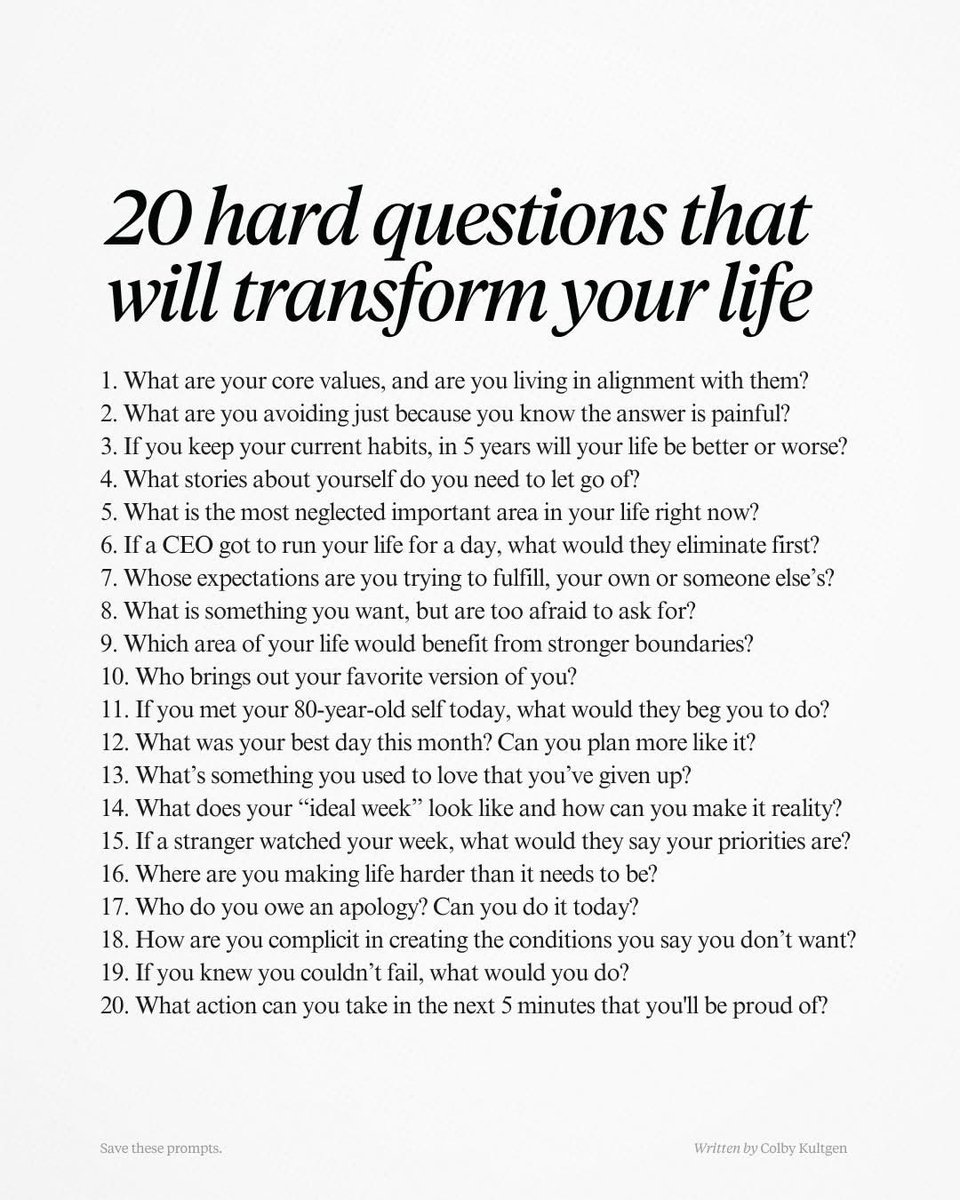
20 hard questions that will transform your life
2
152
644
13,273
ap ki api retweeted

The power of hope can transform any challenge into opportunity. #شہ_رگ_کا_سانس_بند_نہ_کرو @Legacy_Leavers_
1

🚀 **Ready to Transform Your Trading Journey?**
The markets are moving, and opportunities are waiting. Whether you're just starting or looking to level up your skills, the time to act is now.

1

Muslim Islamist Culture is TOTALLY INCOMPATIBLE WITH American WESTERN CULTURE and all Muslim Islamists MUST BE DEPORTED.
Americans must understand the reasoning and methods used to bastardize the generosity of the AMERICAN Social Security System.
This expalins DAWA. To "CALL" or "invite" non-muslims to Islam and it also means to islimize Institutions, But today it invites Muslims to practice Islam to command right and forbid wrong as a central Principle to get existing muslims to turn them from people who identify as just being muslim and worship Allah into ACTIVISTS and turn them those who command right and forbid wrong within muslim communities and to convert Institutions to become Islamic and apply Sharia Law to bring the World under Muslim dominion. This is opposite to peace loving ordinary muslims. Thus Activist muslims trying to bring in Sharia Law and islamize the World as against peace loving muslims. Within the Activist muslims there are 2 groups: the ones that believe in force or jihad and the other group which has a long view to persuade to institutionalize Sharia Law and get majorities to volintarily accept and THEN transform sociery from within. Then there is the hybred. Islamize thru schools, universities,and the establishment of an infrastructure of mosques ,islamic centers, circles, which is exactly what has happened in the UK and EU. This is a process of subversion. Subversion of the Foundational Principles of Australia and the Institutions in Australia and America. This process of DAWA allows young people to become programmed with an agenda for DAWA, and the one willing alliance has been the far left; the WOKE, the diversity, equity and inclusion ( DEI ) has allowed the Islimists to promote DAWA massively to the future generation who will not understand completely until the Islamization process actually destroys Western Culture.
iftikhar Ahmed shaikh retweeted

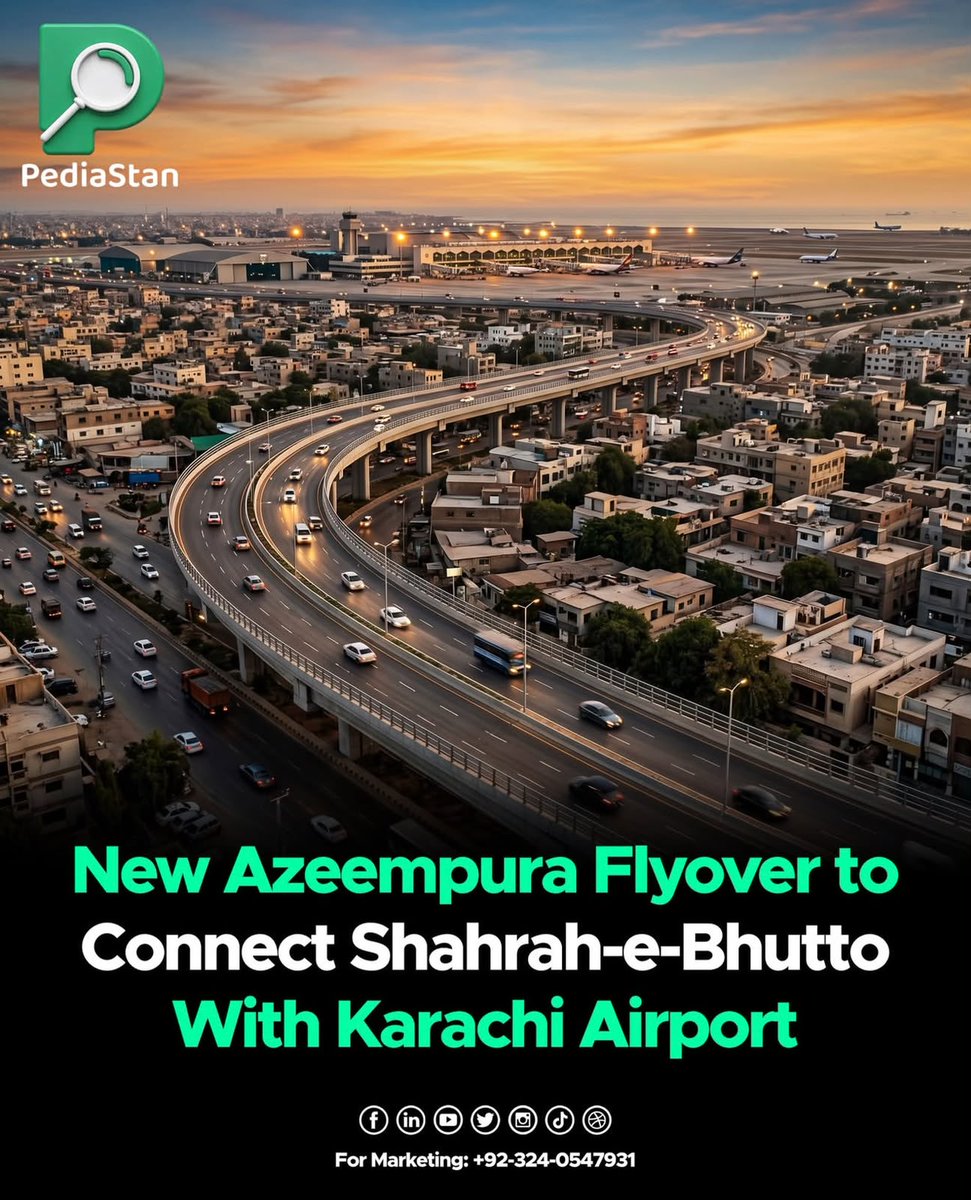
#AzeempuraFlyoverByPPP stands as a shining example of how thoughtful planning and sincere leadership can transform daily life for citizens by easing traffic pressure and improving mobility.
@BBhuttoZardari
1
1
6

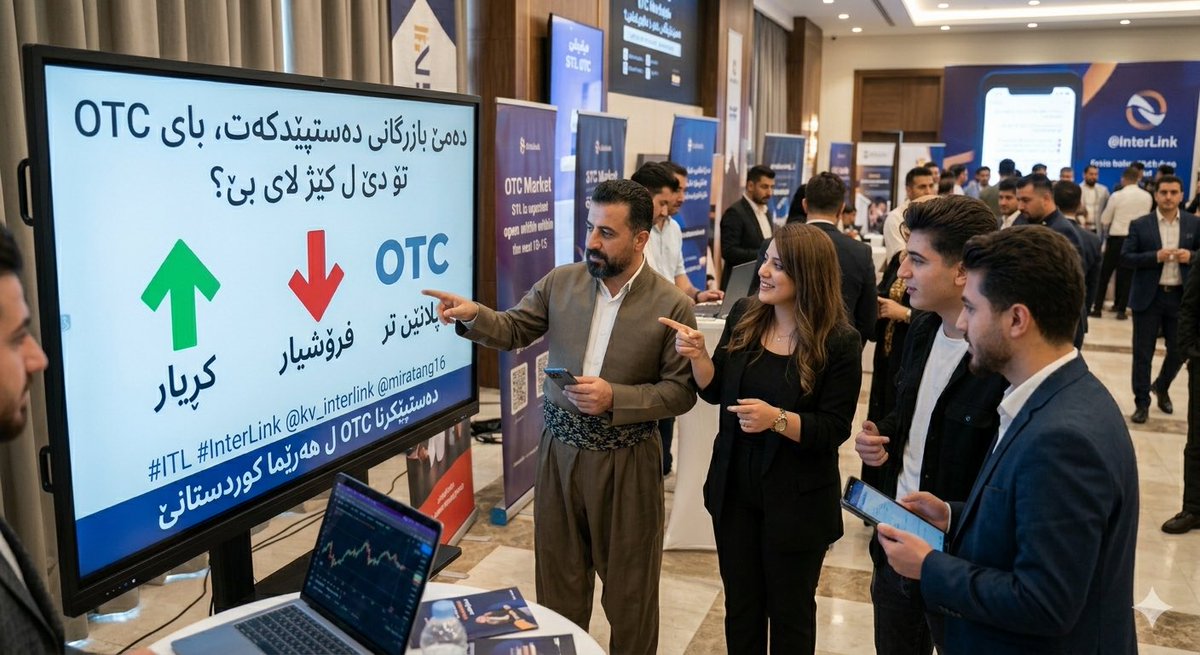
InterLink aims to help businesses transform products, services, and transactions into tradable digital assets. This approach could unlock new possibilities for companies and communities worldwide.
#InterLink #ITLG #ITL
1

58s
Wow
A decade ago, the world saw India primarily as a technology adopter.
Today, however, India is rapidly emerging as a technology provider.
New Bharat is not just a consumer of solutions but a contributor to them.
Innovations and solutions originating from Bharat have the potential to benefit a significant portion of humanity.
Innovation is deeply embedded in India's DNA. For thousands of years, Bharat has guided the world with its breakthroughs and wisdom.
From mathematics to astronomy,
and from medicine to yoga, Bharat's contributions have been foundational to all of humanity.
Today, we are building upon this rich heritage, giving it renewed direction and momentum
Bharat Innovates 2026 shares this vision - serving as an invitation to the world to collaborate and co-create the next chapter of global innovation with India.
Here, some visionaries are working to transform the lives of rural India through AI, while others are using satellite technology to support farmers
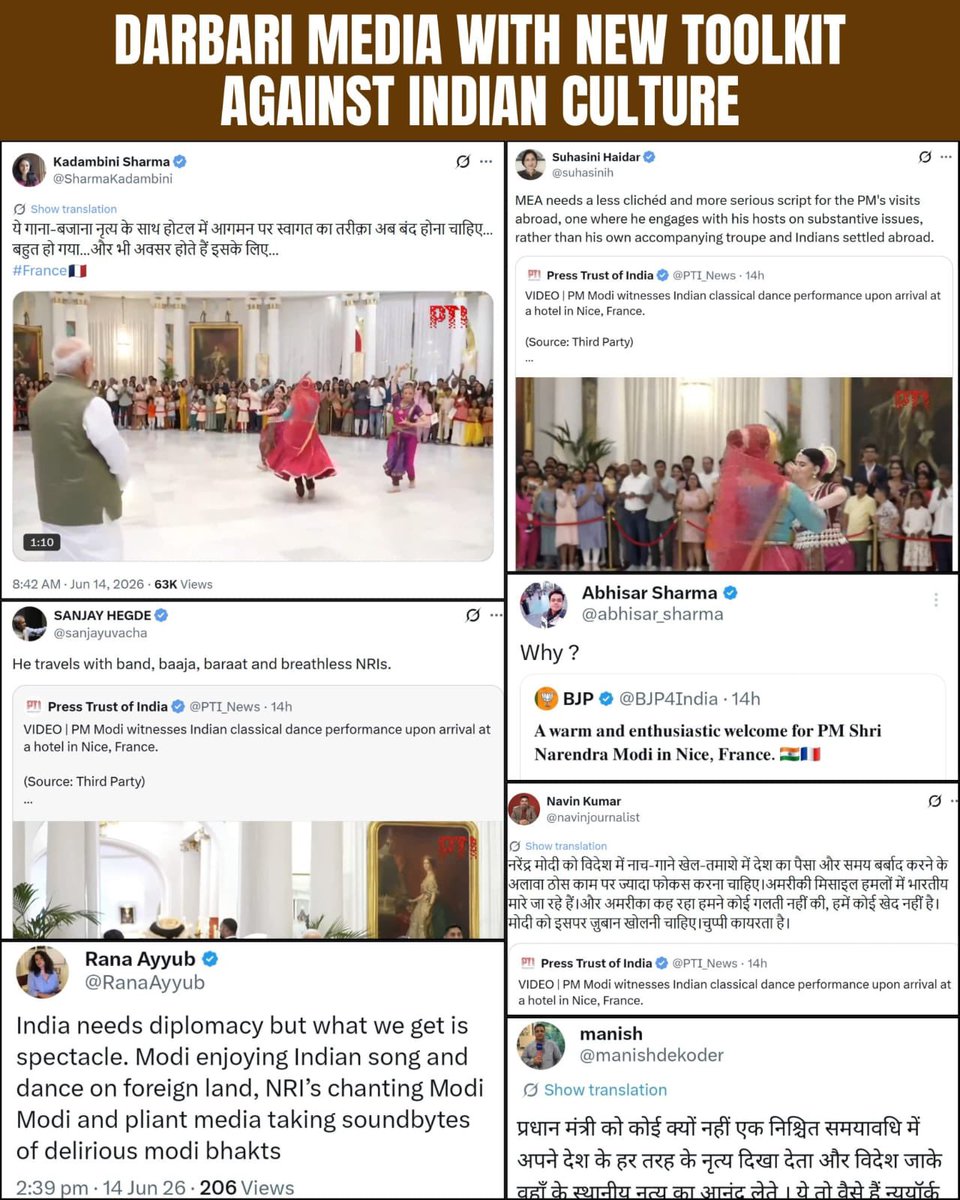
But LeLis can see only the cultural program & have activated a toolkit for it
How dare we celebrate our culture abroad?
8

1m
It's fine hey get the free data at least give it a try it will transform ur trading :/
1

Theology 101: Belligerent party politics and culture-war tribalism are the last refuges of a people who have lost hope in the power of the gospel preached and lived to transform lives, families, communities, cultures, and the world.
4



Transform Tragedy into Success: Adaptability is Key!
Recovery is about more than healing physically. 🧠
In pain, call Shane 980-999-9999
hubs.li/Q04ldLn70
#MindMattersPodcast #BrainInjuryRecovery #Resilience #MentalHealthAwareness #ShaneSmithLaw

GPT image 2 on ChatGPT
Prompt:
Using the uploaded image and without changing face create a stunning cinematic lifestyle portrait of the woman seated confidently at sunset in an urban desert-inspired setting, preserving her exact facial features, expression, hairstyle, body proportions, and identity with absolute accuracy. Transform the scene into a premium fashion editorial where she sits on a sleek custom sports car wheel beside a high-end modified vehicle, surrounded by warm golden-hour light and dramatic cotton-candy skies painted in shades of peach, orange, and violet. Enhance her colorful retro-inspired jacket, denim jeans, and sneakers with rich textures and realistic fabric detail while maintaining the original styling. Add subtle wind movement through her hair, glowing rim light outlining her silhouette, and beautiful bokeh from distant city lights and palm trees. Capture the scene with luxury automotive photography aesthetics, shallow depth of field, ultra-realistic skin texture, cinematic color grading, HDR lighting, razor-sharp focus on the subject, and an atmosphere of ambition, confidence, and youthful freedom. Photorealistic 8K resolution, Vogue x Porsche campaign quality, award-winning fashion photography, dynamic composition, emotional storytelling, and a powerful modern dreamer aesthetic.

4

This guide is designed to demystify the landscape design process and equip you with practical tools and a clear roadmap to transform and enhance your outdoor space. It is organized into four sections: Assessing Your Landscape, Designing Outdoor Spaces, Understanding Plants,...


The Minister also provided updates on the flagship Trans-Sahara Super Highway, revealing that a ₦668 billion contract has already been awarded and construction is progressing steadily despite the rainy season.
“The project is about 28% completed. We are not stopping because of the rains. Work continues, especially with President Bola Tinubu’s concrete road technology.”
Tracing the history of the corridor, Umahi said the project was originally conceived during the colonial era but remained unrealized for decades.
“We presented the concept to the President, a man divinely called to do the impossible. What was once a colonial dream is now being realized more than sixty years later.”
He described the highway as a critical economic route that will connect Nigeria to neighbouring countries while unlocking agricultural and industrial opportunities across the country.
“The President is fulfilling that vision, and I am very happy because this is a major trade corridor. It connects us to Cameroon and serves as a transport route for rice-producing areas in Cross River, Benue, and Ebonyi States.”
Highlighting the broader economic vision behind the President’s infrastructure agenda, Umahi said the four legacy projects of the Tinubu administration are far more than roads.
“As I have always said, the four legacy projects of Mr. President are not merely road construction projects; they are investments.”
Drawing comparisons with advanced economies, he explained that infrastructure investment remains one of the most effective tools for stimulating economic growth.
“Infrastructure investment is critical. In countries such as the United States, whenever there is an economic downturn, governments invest heavily in roads and bridges because such investments stimulate growth across other sectors of the economy. That is exactly what the President is doing.”
He further pointed to visible projects already completed or nearing completion across Ebonyi and neighbouring states, including major bridges, flyovers, dual carriageways and the Dangote Tax Credit Road Project.
“We are grateful to the President and pleased with the work being done by our Governor.”
Reaffirming the Southeast’s support for President Tinubu, Umahi said the region now sees clear evidence of inclusion in federal infrastructure investments.
“The South-East has been included. Inclusiveness, fairness and equity are what we have always sought, and today we can point to tangible evidence of that inclusion.”
The Minister also noted that having a Minister of Works from the Southeast has helped ensure the region’s needs receive the attention they deserve.
“Without a Minister of Works from the South-East, we might not have secured all that has been achieved.”
He added:
“We can proudly say that while we may not be the first beneficiaries of federal road investments, we are certainly no longer the last.”
Providing updates on President Tinubu’s four signature legacy projects, Umahi highlighted progress on the Lagos-Calabar Coastal Highway, the Sokoto-Badagry Super Highway, the Calabar-Ebonyi-Benue-Kogi-Nasarawa-Abuja Corridor and other strategic national routes.
According to him, the administration’s infrastructure programme is designed to create jobs, support agriculture, expand regional trade, attract industries and unlock new economic opportunities nationwide.
“The four legacy projects are investments designed to transform the Nigerian economy.”
He explained that plans along the corridors include dams, irrigation systems, power infrastructure, agricultural settlements, housing developments, factories, hotels and renewable energy facilities.
“The benefits are extensive and include both direct and indirect employment opportunities for Nigerians.”
The Minister ended with a strong endorsement of President Tinubu’s leadership.
“President Bola Ahmed Tinubu, God brought you. God will continue to guide and preserve you. We stand with you for the years ahead.”
1
2
Marcelo Moreno Marcuzzi retweeted

21h
Petra and Subaru's were stunned to see Frederica transform to Beast 🥶🔥
6
31
1,467
193,623

Discover tranquility with our Aromatherapy Essential Oil 500ml Shangri-La — Amber-brown. Elevate your space and soothe your mind with every drop. Transform your ambiance today!
Shop Now kimlud.com/products/500ml-ho…

1

Toby Joyce retweeted

Australia, one if the world’s biggest exporters of coal and gas is set to transform into a renewables “superpower”, providing other countries with clean energy, says its environment minister.
Https://www.theguardian.com/…
14
40
95
11,587

New definition. The only proof of evolution is the evolution of the evolutionary theory.
I’m not surprised this is your response.
Scientific definitions change under a few conditions. The primary being the data shows it must be changed. The original theory has never been proven. Yet, the definition changed.
The most common is the data doesn’t meet the narrative. Change the definition and it does.
The theory of evolution is that one creature, given time, can transform into wholly new never before seen creature.
There is zero evidence that this is possible. We have found zero coding in our genetics that would allow the evolutionary process. If evolution is accurate then we would find coding in all life. We haven’t and won’t.
Due to the time factor and the finite life span of humans it can never be proven.
As we cannot observe evolution.
Convenient.
Lastly, adaptations are a result of outside stimuli. One does not change the core of what they are. Which is the entire premise of evolution.
If the premise of evolution has yet to be proven, how, then, can we say adaptations prove the original theory?
That’s right, evolutionist ignore the fact that evolution remains only an unproven theory.
And, thus, move the goal post.
2