
Apr 28
मैं आराम से सड़क पर जा रही थी,अचानक से पैर मुड़ा,दर्द इतना तीव्र था,लगा मैं तो गई ऊपर।आज 1 महीने हुए दर्द गया नहीं था,फिर से वही पैर मुड़ गया।इसे पुराणों में दारुण दुःख कहा है,फिलहाल मैं सिर्फ जीवित हूं,मेरे प्राण transitionstate में हैं,एक हल्का सा झटका और मैं त्रिलोकीनाथ के पास
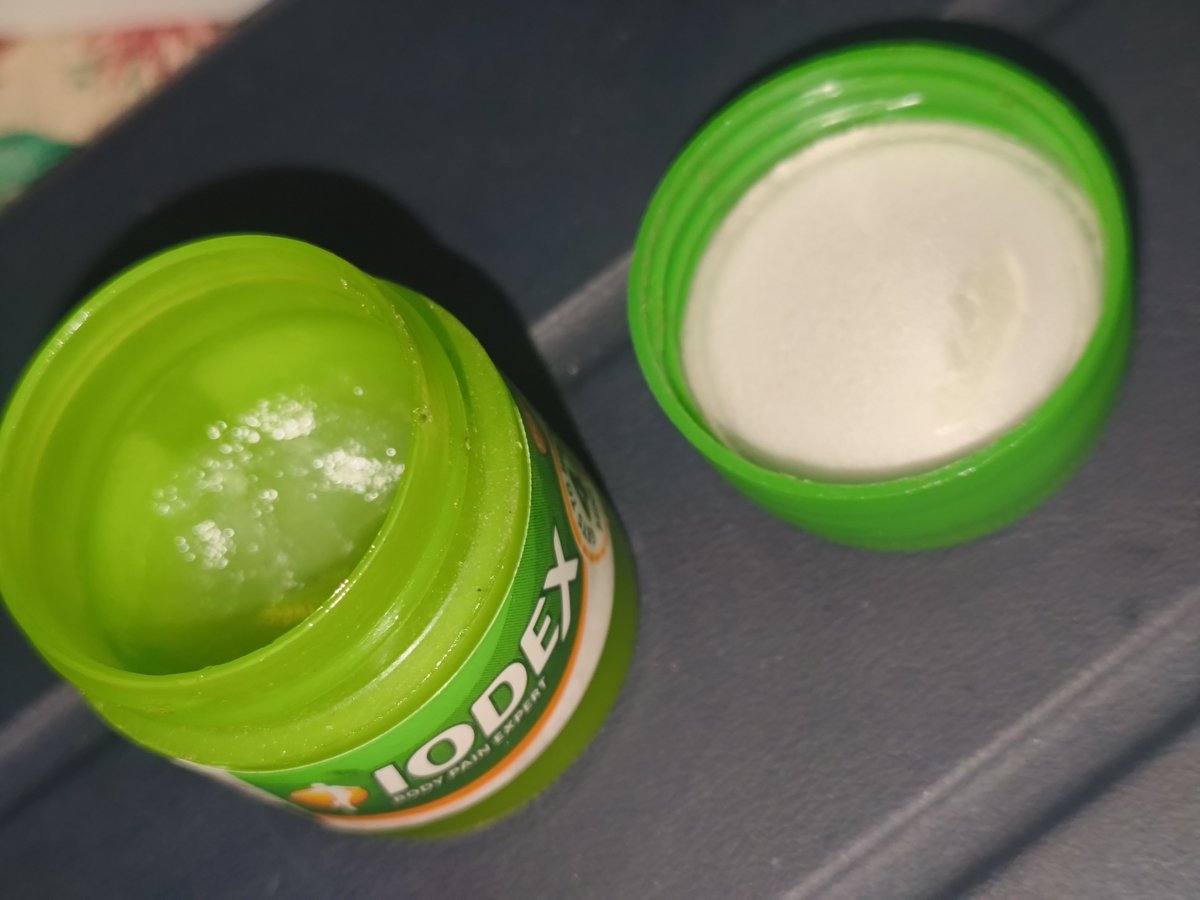
ALT My sad story 💔
20
6
52
771

17 Jul 2025
ColabReaction: Accelerating Transition State Searches with Machine Learning Potentials on Google Colaboratory
A new method called ColabReaction has been developed to rapidly and automatically search for transition states in chemical reactions. This method combines the Direct MaxFlux (DMF) method with machine learning (ML) potentials.
ColabReaction is significantly faster than traditional quantum mechanical scan-based approaches, achieving approximately two orders of magnitude speedup. It can typically locate transition state structures within several minutes.
To make this powerful tool widely accessible, ColabReaction is implemented on Google Colaboratory, leveraging its cloud-based GPU environment. This eliminates the need for users to have local computational resources.
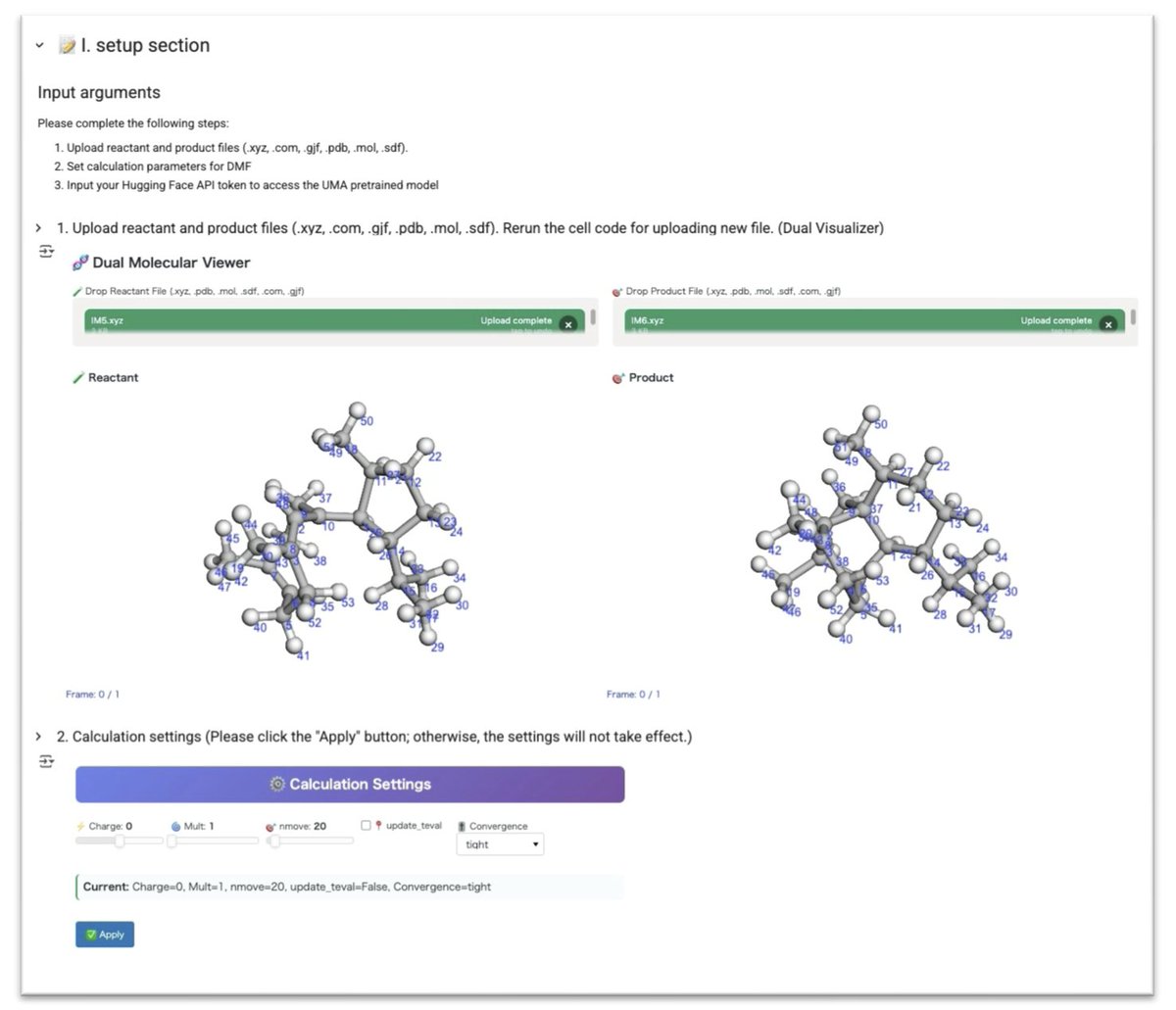
The platform features a modified Panel-based graphical user interface, allowing users to perform transition state searches through a web interface without needing to write any code. 4This offers a cost-free and user-friendly solution for exploring reaction pathways and analyzing mechanisms, especially beneficial for experimental researchers and students without prior computational chemistry experience.
The accuracy and speed of ColabReaction, which uses the DMF/UMA method, were evaluated on the ZBA121 reaction dataset. The predicted transition state structures showed an average root-mean-square deviation (RMSD) of 0.38 Å, and mean absolute errors (MAEs) of activation and reaction energies were 6.0 kcal mol$^{-1}$ and 2.3 kcal mol$^{-1}$, respectively.
ColabReaction simplifies the input process, requiring only basic input files such as 3D structures of the reactant and product in various formats (e.g., .xyz, .sdf, .mol, .pdb). The rest of the calculation is fully automated.
The software also provides an interactive molecular reaction path viewer where the energy diagram and corresponding 3D molecular structures are displayed. Users can click on any point in the energy diagram to view the corresponding molecular structure and control the playback speed of reaction animations
💻Code: github.com/BILAB/ColabReacti…
📜Paper: doi.org/10.26434/chemrxiv-20…
#ComputationalChemistry #MachineLearning #TransitionState #GoogleColab #Chemistry #DrugDiscovery #OpenScience #MaterialsScience #ReactionMechanism
1
6
831
17 Jul 2025
ColabReaction: Accelerating Transition State Searches with Machine Learning Potentials on Google Colaboratory
A new method called ColabReaction has been developed to rapidly and automatically search for transition states in chemical reactions. This method combines the Direct MaxFlux (DMF) method with machine learning (ML) potentials.
ColabReaction is significantly faster than traditional quantum mechanical scan-based approaches, achieving approximately two orders of magnitude speedup. It can typically locate transition state structures within several minutes.
To make this powerful tool widely accessible, ColabReaction is implemented on Google Colaboratory, leveraging its cloud-based GPU environment. This eliminates the need for users to have local computational resources.
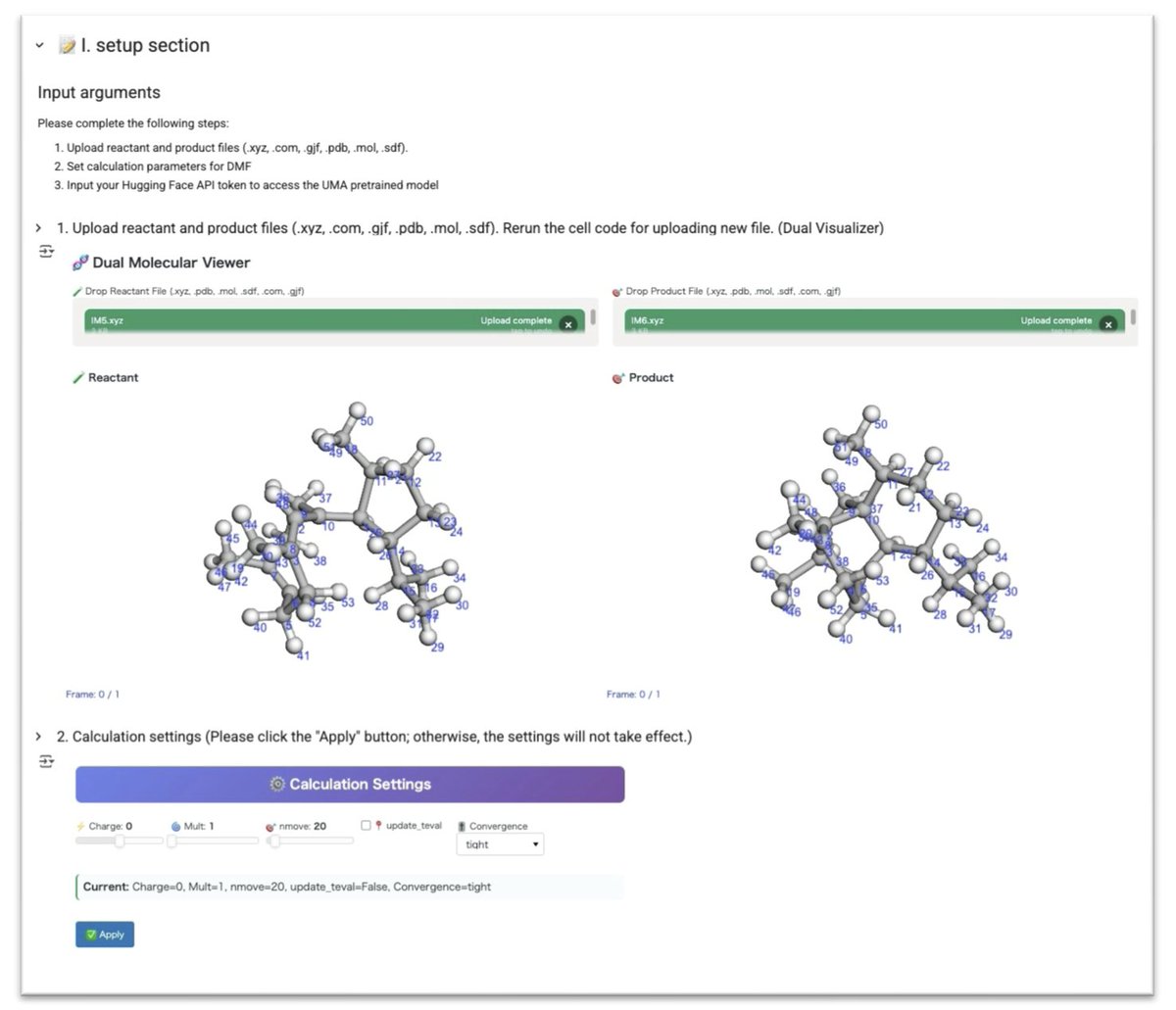
The platform features a modified Panel-based graphical user interface, allowing users to perform transition state searches through a web interface without needing to write any code. 4This offers a cost-free and user-friendly solution for exploring reaction pathways and analyzing mechanisms, especially beneficial for experimental researchers and students without prior computational chemistry experience.
The accuracy and speed of ColabReaction, which uses the DMF/UMA method, were evaluated on the ZBA121 reaction dataset. The predicted transition state structures showed an average root-mean-square deviation (RMSD) of 0.38 Å, and mean absolute errors (MAEs) of activation and reaction energies were 6.0 kcal mol$^{-1}$ and 2.3 kcal mol$^{-1}$, respectively.
ColabReaction simplifies the input process, requiring only basic input files such as 3D structures of the reactant and product in various formats (e.g., .xyz, .sdf, .mol, .pdb). The rest of the calculation is fully automated.
The software also provides an interactive molecular reaction path viewer where the energy diagram and corresponding 3D molecular structures are displayed. Users can click on any point in the energy diagram to view the corresponding molecular structure and control the playback speed of reaction animations
💻Code: github.com/BILAB/ColabReacti…
📜Paper: doi.org/10.26434/chemrxiv-20…
#ComputationalChemistry #MachineLearning #TransitionState #GoogleColab #Chemistry #DrugDiscovery #OpenScience #MaterialsScience #ReactionMechanism
10
835

29 Jan 2025
Mark Ruffneck here in 2017 assembling an all-new lineup, delivering some serious heavy metal that has left a lasting impression on both old and new fans alike.
#OZ #TransitionState
Easily one of my favorite recordings that year and continues to earn its way onto my turntable.

2
2
38
731

14 Nov 2024
Glycosylium Ions in Superacid Mimic the Transition State of Enzyme Reactions | Journal of the American Chemical Society @brta_eus @Ikerbasque @upvehu @UnivPoitiers @UniBarcelona #Glycosylium #Superacid #TransitionState #Enzyme #Reactions pubs.acs.org/doi/10.1021/jac…
11
34
6,273

1 Oct 2024
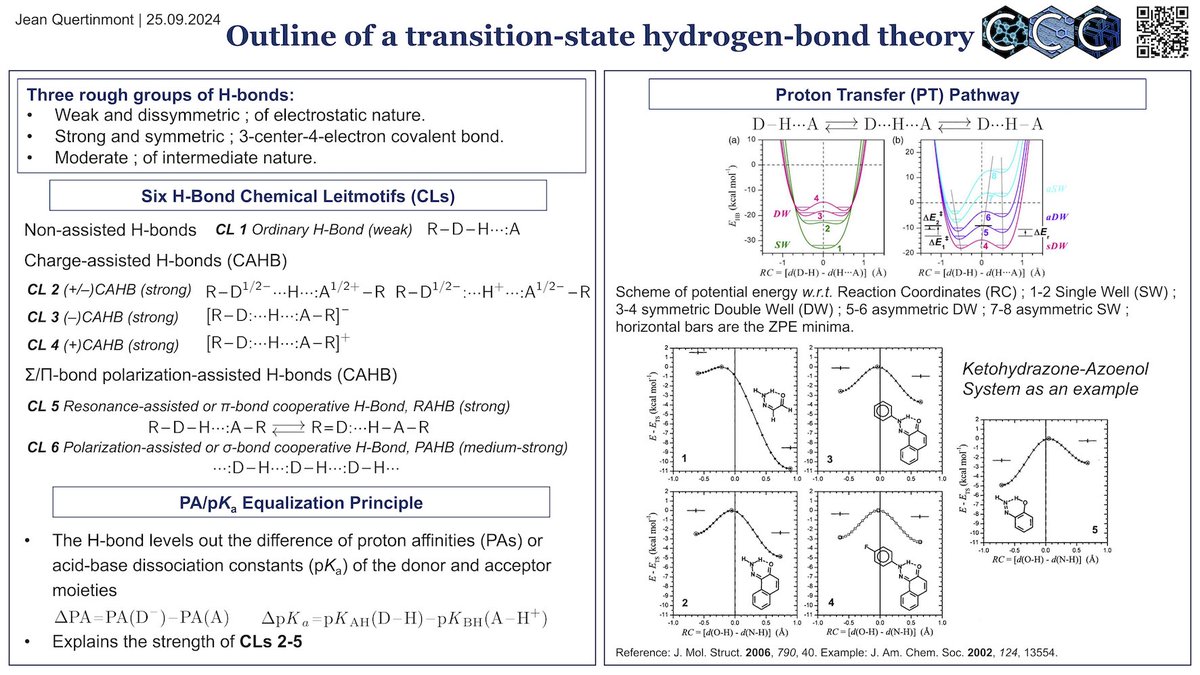
Last week’s #JournalClub by Jean Quertinmont discusses the #TransitionState approach to classifying #HydrogenBond #compchem grynova-ccc.org/journal-club…
1
17
1,209

15 Mar 2024
15 Mar 2024

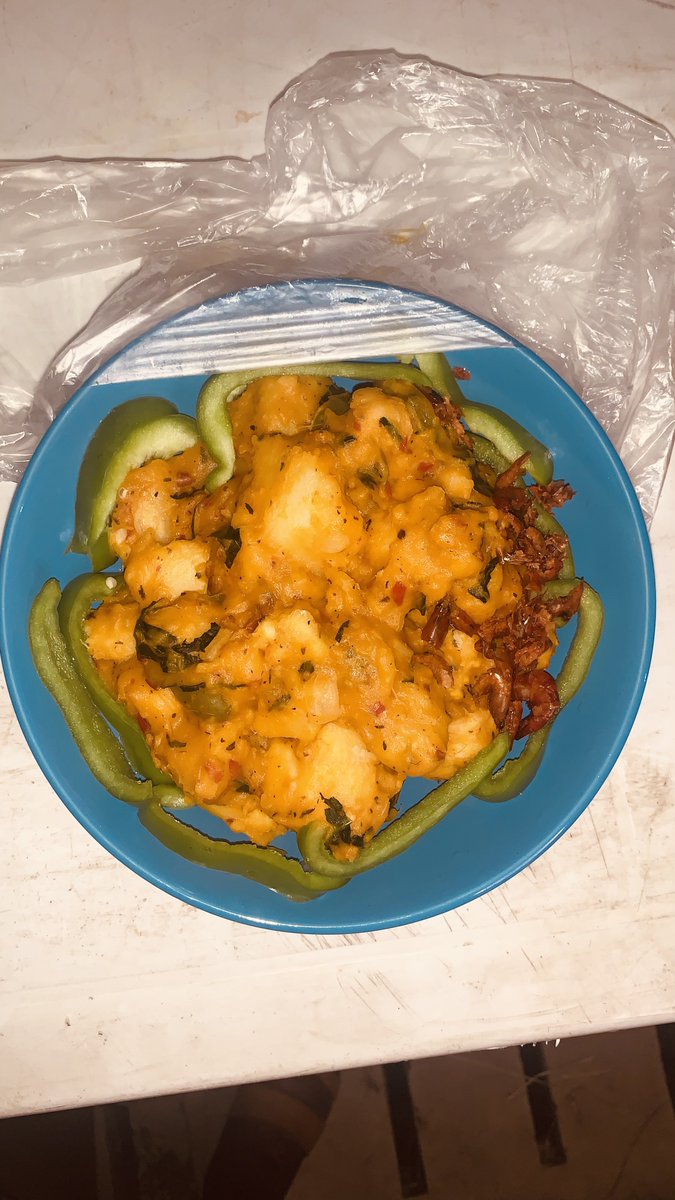
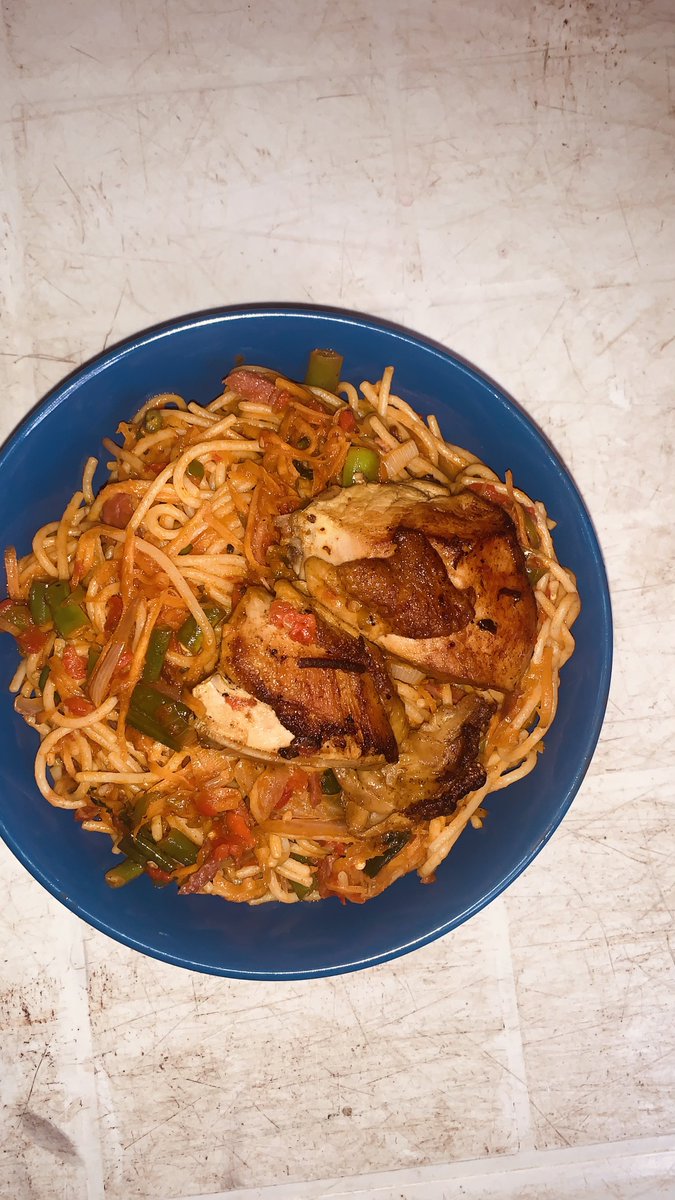
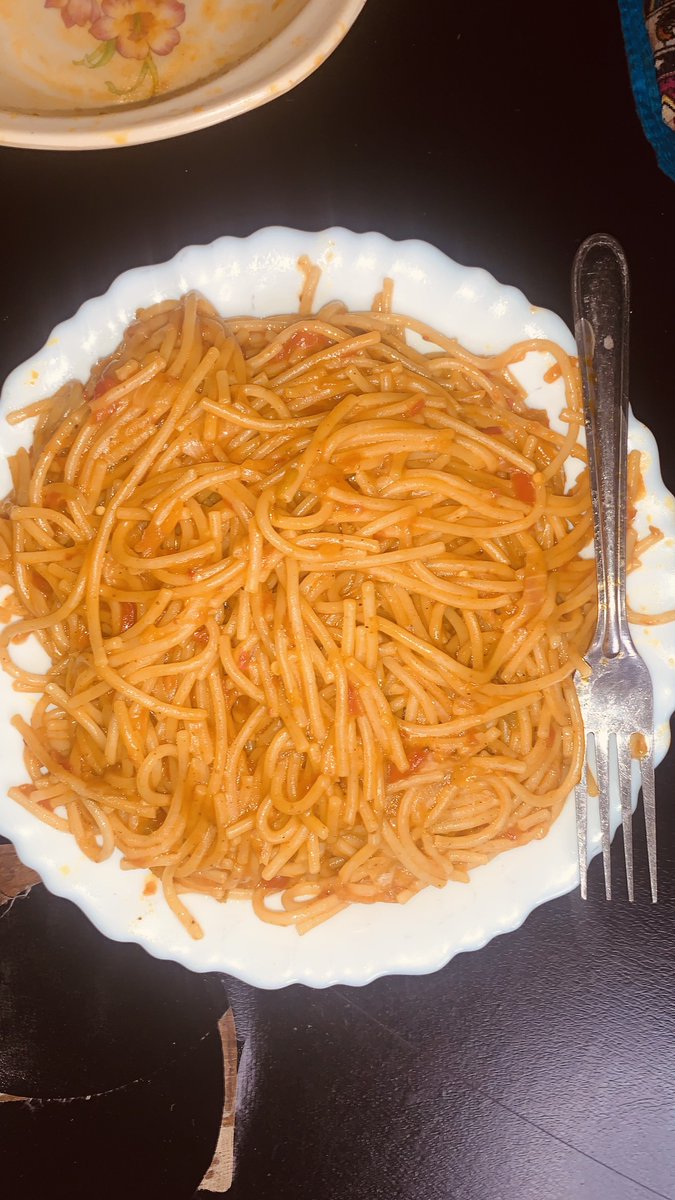
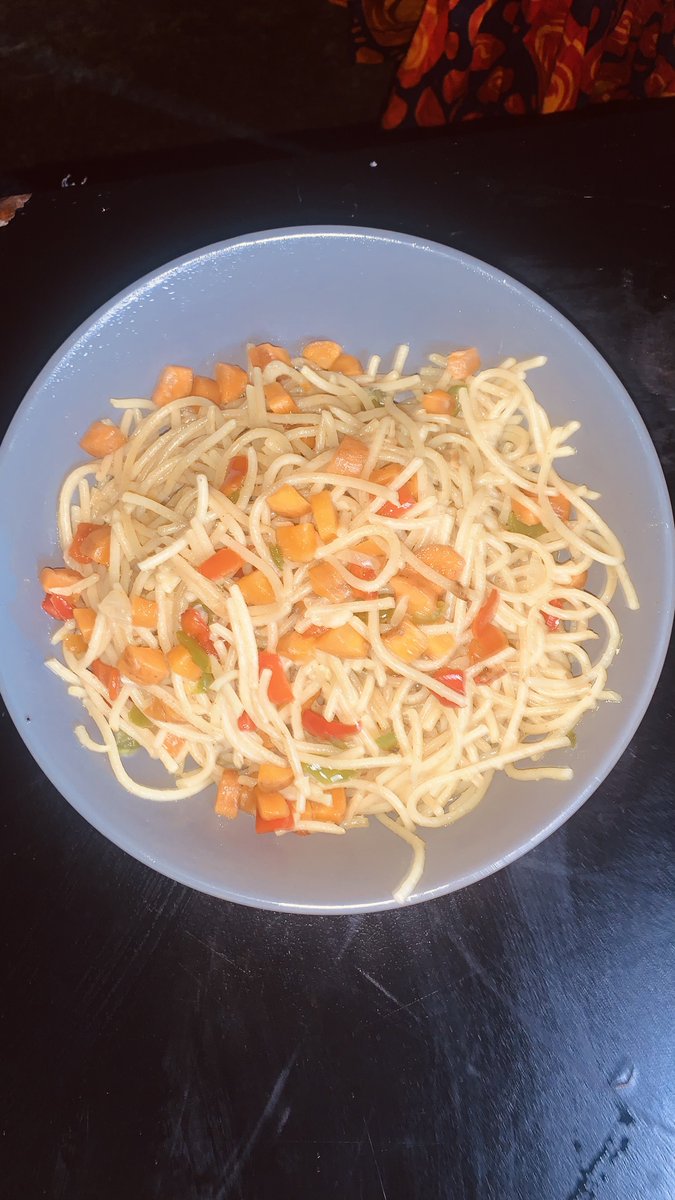
I had a swell time as a judge at Chemistry Department’s cultural night. Which of these meals do you think won?👀
@scsn_ui01
1
3
89
11 Nov 2023
How Robust Is the Ligand Binding Transition State? | Journal of the American Chemical Society @dicksonlab @michiganstateu @Ligand #Binding #TransitionState pubs.acs.org/doi/10.1021/jac…
2
15
7,151
25 May 2023
Highly Rotationally Excited N2 Reveals Transition-State Character in the Thermal Decomposition of N2O on Pd(110) @UNM @UNM_Chemistry @mpi_nat @TexasTech #Rotationally #N2 #Levels #TransitionState #Thermal #Decomposition #N2O #Pd pubs.acs.org/doi/10.1021/jac…
1
2
3,941

31 Jan 2023
JACS
Dissociative Transition State in Hepatitis Delta Virus Ribozyme Catalysis
@J_A_C_S #TransitionState #Ribozyme #catalysis
pubs.acs.org/doi/10.1021/jac…
2
6
2,909
28 Jan 2023
Dissociative Transition State in Hepatitis Delta Virus Ribozyme Catalysis @UChiChemistry @chem_chair @UChicago @UF @UFChemistry @RutgersU
@RutgersChem #Dissociatuve #Hepatitis #DeltaVirus #Ribozyme #Catalysis #TransitionState @NIHRresearch pubs.acs.org/doi/10.1021/jac…
3
9
5,433

The SN2 "backside attack" at carbon is familiar to all chemists. Here, researchers explored dynamics of SN2 at nitrogen via #compchem approaches. Read now: worldscientific.com/doi/read…
#AcademicTwitter #TransitionState #PotentialEnergySurface #NucleophilicSubstitution #ProtonTransfer
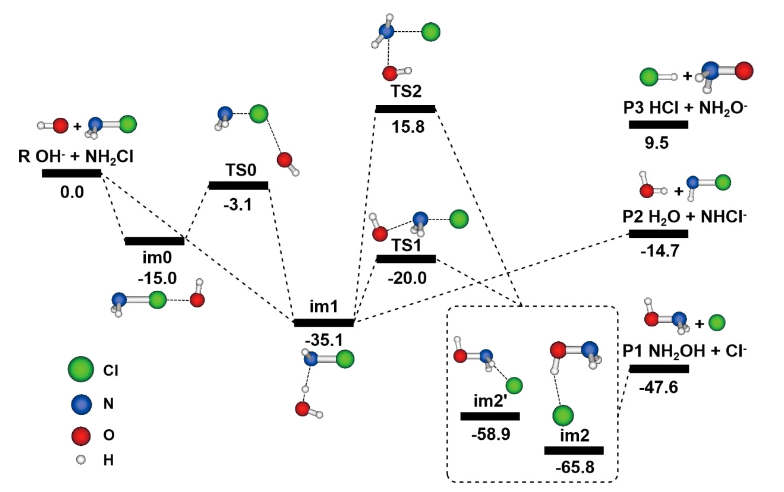
ALT SN2 and PT pathways of OH- NH2Cl reaction for classical energies in kcal mol-1 at the CCSD(T)/CBS//MP2/aug-cc-pVDZ level of theory. The energies exclude zero point energy.
1
3
152
29 Nov 2022
Ambimodal Bispericyclic Transition State Competes with Diradicals in the Cycloheptatriene Dimerization: Dynamics and Exp Characterization of Thermal Dimers @AarhusUni @JorgensenGroup @UCLA @uclachem #Pericyclic #TransitionState #Diradical #Dimerization pubs.acs.org/doi/10.1021/jac…
11
48

25 Nov 2022
Using bonding to guide transition state optimization
onlinelibrary.wiley.com/doi/…
schlegelgroup.wayne.edu/Pub_…
#chemistry #computational #Bioinformatics #transitionstate
1
3
20 Nov 2022
Using bonding to guide transition state optimization
onlinelibrary.wiley.com/doi/…
schlegelgroup.wayne.edu/Pub_…
#chemistry #computational #Bioinformatics #transitionstate
2
2
15 Nov 2022
Using bonding to guide transition state optimization
onlinelibrary.wiley.com/doi/…
schlegelgroup.wayne.edu/Pub_…
#chemistry #computational #Bioinformatics #transitionstate
1
1
28 Oct 2022
Using bonding to guide transition state optimization
onlinelibrary.wiley.com/doi/…
schlegelgroup.wayne.edu/Pub_…
#chemistry #computational #Bioinformatics #transitionstate
1
1
24 Aug 2022
Assessing the Experimental Hydrogen Bonding Energy of the Cyclic Water Dimer Transition State with a Cyclooctatetraene-Based Molecular Balance @prsgroupjlu #HBonding #Water #Dimer #TransitionState #Molecular #Balance pubs.acs.org/doi/10.1021/jac…
2
8

12 Aug 2022
TSはねーTransSexialだったりTransitionStateだったりtschだったりTypeScriptだったり色々作れますよ
1
3 Jul 2022
J Chem. Theory Comput.
Elastic Image Pair Method for Finding #TransitionStates on #PotentialEnergySurfaces Using Only First Derivatives
@JCIM_JCTC @BeijingChemical #TransitionState
pubs.acs.org/doi/10.1021/acs…
1
3