
Jun 12
Travel math! 🧮 Pay $99 for a luxury vacation, get a $100 VISA Gift Card. You’re basically being paid to travel! ✈️✨
Choose your vibe (Orlando, Vegas, & more) and grab your spot: westgatereservations.com/985… 🥂
#ApexGetaways #TravelMath #VacationDeal

5
Jun 11
Let’s do some travel math. 🧮
Luxury villa stay: $99.
VISA Gift Card: $100.
Result: Better than FREE! 💸
Choose your paradise and grab this legendary deal: westgatereservations.com/985… ✈️
#ApexGetaways #TravelMath #VacationDeals

12

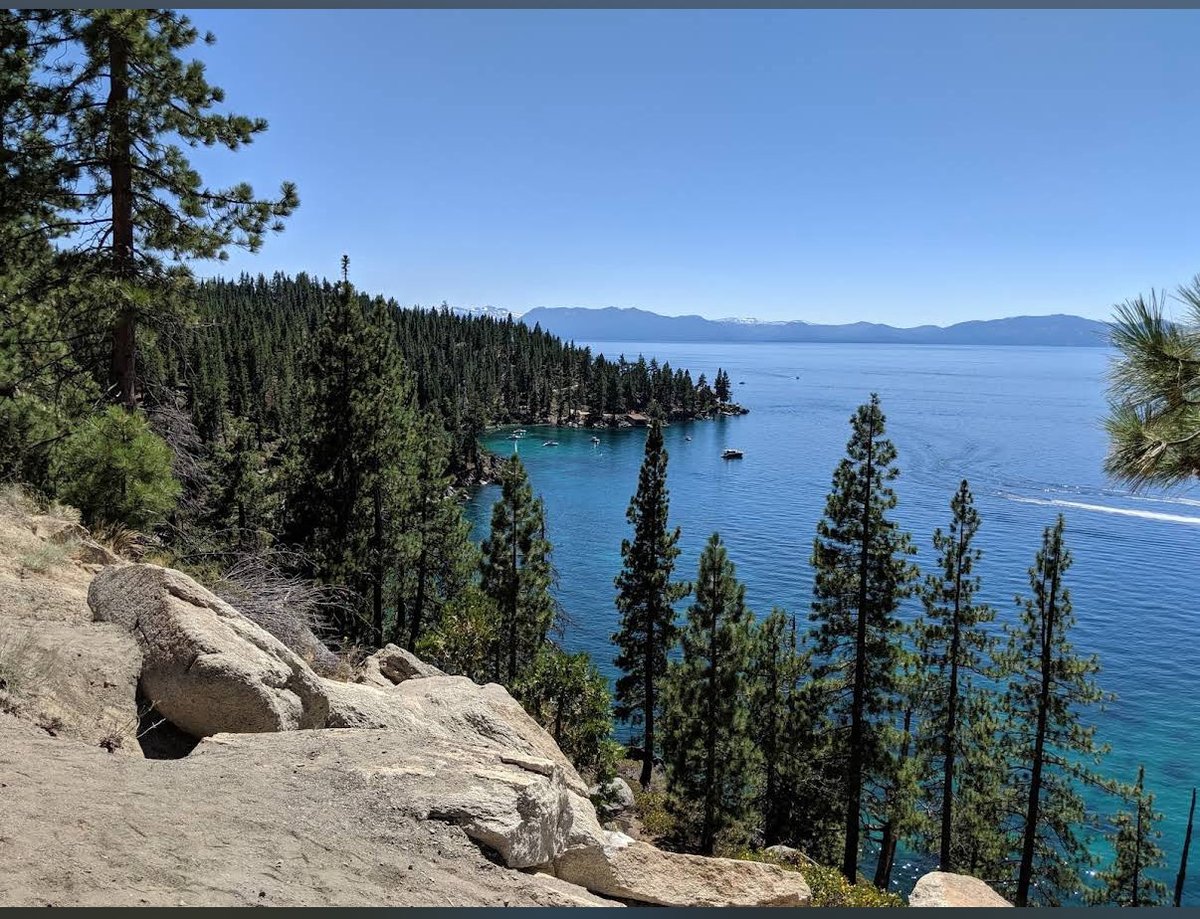
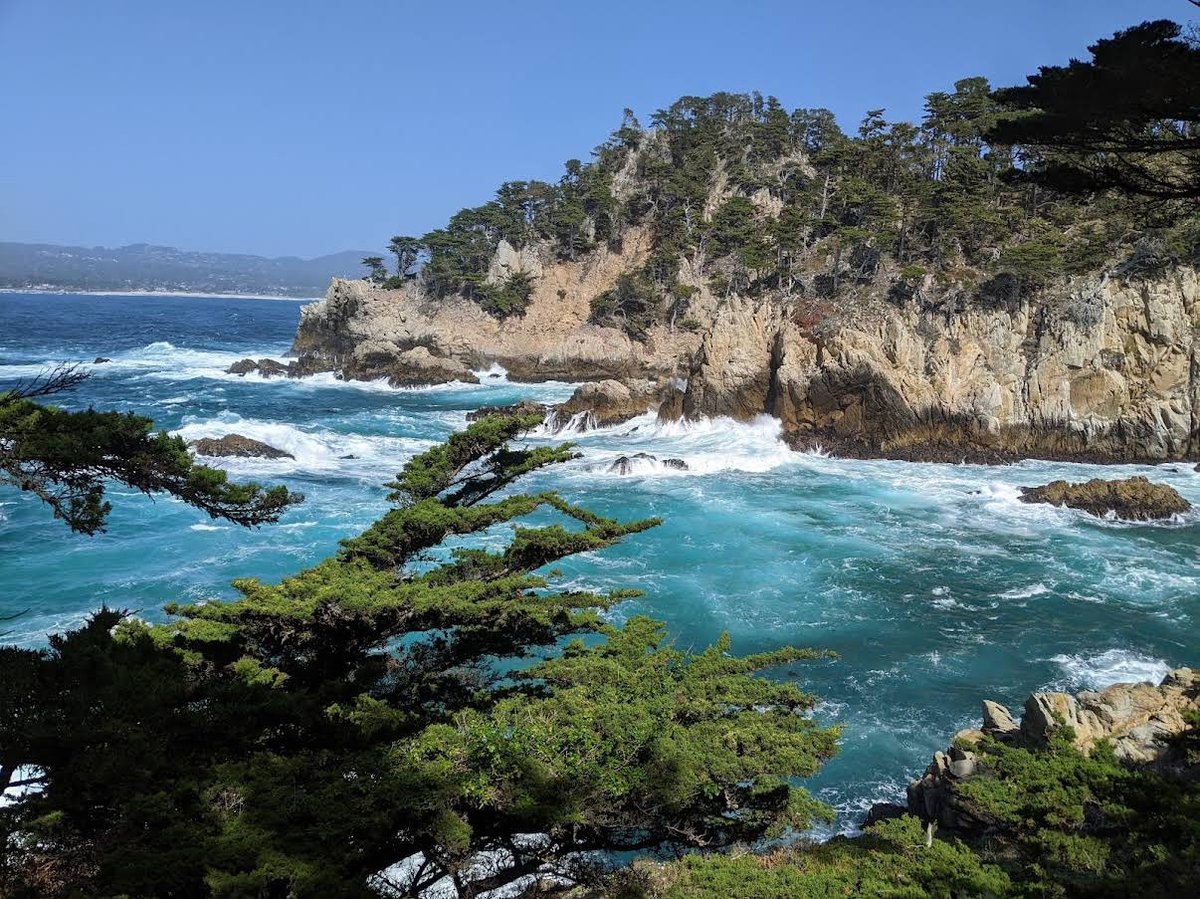
One of my favorite things is planning and taking road trips- 2 websites Roadtrippers & TravelMath that are great tools- one of my favorites-California will be the highlight- fly to Oakland, rent a car/van-Lake Tahoe, drive to coast Muir Woods, follow the coast Hwy 101 to Carmel


1
68

Apr 13
Users referred from ChatGPT spend 15 minutes on site compared to 8 for Google referrals, generate 12 pageviews per visit compared to 9, and convert at 7% compared to 5%.
What does this mean for how you think about brand visibility?
Similarweb recently published their 2026 Generative AI Brand Visibility Index, tracking 113 brands across six industries and four AI platforms: ChatGPT, Gemini, Copilot, and Perplexity. They measured which brands are actually getting named when users ask AI for recommendations, comparisons, and product information.
The core finding is that AI visibility does not mirror search dominance. The brands winning AI recommendations are not always the ones with the biggest search presence or the biggest ad budgets.
In many cases they are smaller, more focused brands with structured, question-answering content that LLMs can extract, verify, and present confidently.
We're seeing this with SEO Stuff customers across the board, too.
seo-stuff.com
Here is the data:
Similarweb built what they call an "overachiever" metric that compares a brand's AI visibility rank to where it would be expected to rank based on branded search volume alone. The overachievers are brands whose AI visibility significantly exceeds what their brand size would predict.
In Fashion, WhoWhatWear has an AI rank 69 positions above its branded search rank. In Finance, Bankrate and NerdWallet are 68 and 66 positions above respectively. In Travel, Travelmath is 60 positions above. These are not small brands, but they are not category leaders by brand size either. They are winning on content structure and authority rather than scale.
Three patterns appear across every sector Similarweb tracked, without exception: visibility is concentrated at the top, momentum is uneven, and content authority can outperform brand scale.
The concentration finding matters for competitive framing. In Finance, the top 10 brands capture the vast majority of AI mention share. But within that top 10, structured-content platforms like NerdWallet, Bankrate, and Nasdaq sit alongside institutional giants like Chase. This is not a field dominated exclusively by brand spend. Content authority earns a seat at the table.
(If you want to see where your site stands across Google and AI search, start here:
seo-stuff.com/free-audit)
Here is why this is a structural advantage, not a lucky anomaly:
The overachievers all share the same characteristics. They have specialist or niche content that answers specific questions completely. They have content formatted in ways that LLMs are designed to extract, verify, and present. They have a history of being cited across third-party editorial sources, which builds the kind of authority signal AI systems weigh heavily. And they have structured comparisons, reference data, and specification-level detail that makes their content usable for AI-generated recommendations.
This is the same content profile that makes a brand citable in ChatGPT, surfaceable in AI Overviews, and recommendable in Gemini and Perplexity. It is not a coincidence that the overachievers in the Similarweb index are also the types of brands that show up repeatedly in AI citation studies. The same structural factors drive both.
The brands that are underperforming their expected AI rank, which Similarweb also tracks, tend to be large brands with strong brand recognition but content that is not structured for extraction. Big brand, lots of search demand, but the content does not answer questions in formats that AI can use.
Here is the traffic quality angle:
Similarweb's data shows that users referred from ChatGPT spend an average of 15 minutes on site compared to 8 minutes for Google referrals. They generate 12 pageviews per visit compared to 9. And they convert at 7% on transactional sites compared to 5% from Google.
The traffic coming from AI platforms is smaller in volume but significantly higher in engagement and conversion. The brands capturing that traffic through AI visibility are getting disproportionate value per visitor. This is not hypothetical. These are measured conversion rates from Similarweb's platform data.
Here is what to do with this:
Build the content profile that overachievers have in common. Specialist, structured, question-answering content with clear headings, front-loaded answers, comparison formats, and specification-level detail. This is what LLMs extract and cite. If your content reads like marketing copy rather than reference material, AI systems will pass you over for brands that give them cleaner data.
Strengthen authority signals beyond your own domain. The overachievers are brands with a history of being cited across third-party editorial content. That means mentions, backlinks, and references from trusted publications, not just content on your own site. AI systems weigh third-party authority heavily when deciding which brands to name in recommendations.
Track AI visibility as a separate channel. The Similarweb index shows that branded search rank does not predict AI visibility rank. If you are only tracking traditional search metrics, you have no idea where you stand in AI recommendations. You could be underperforming your expected AI rank by dozens of positions and never know it.
This is the system SEO Stuff (seo-stuff.com) was built around.
Gold Plan
seo-stuff.com/gold-plan-pack…
Structured, extractable content with DR50 backlinks designed to build the content authority profile that AI platforms reward when selecting which brands to name in recommendations
Premium Content Bundle
seo-stuff.com/premium-conten…
60 pages of question-answering, comparison-driven, specification-rich content that gives AI systems the structured data they need to confidently recommend your brand over larger competitors
Premium Backlink Bundle
seo-stuff.com/premium-backli…
Third-party authority signals from trusted editorial domains that strengthen the off-site citation profile AI platforms weigh when deciding which brands earn a mention
WhoWhatWear outperforms its expected AI rank by 69 positions. Bankrate by 68. NerdWallet by 66. They are not the biggest brands in their categories. They are the best-structured brands for AI extraction.
AI visibility does not follow the same rules as search visibility. The brands that build for structured content authority are getting named in AI answers ahead of competitors with more brand recognition, more search demand, and more ad spend.
If you want the exact systems we are using to get brands cited across ChatGPT, Google AI Overviews, AI Mode, Gemini, and Perplexity:
RT this
Follow me
Reply "AI Visibility Guide"
I'll DM the playbook. Must be following though.

11
22
44
5,450

Mar 22
Perkiraan jarak Iran → Diego Garcia ± 4.900 – 5.300 km dari wilayah Iran ke Diego Garcia (jarak garis lurus) Travelmath 1 Dari Tehran ke Diego Garcia sekitar 5.248 km
Airport Distance Calculator Dari Iran bagian selatan bisa sekitar 3.800 – 4.000 km Loop 1 📍
Kenapa jarak ini sering dibahas? Karena pangkalan Diego Garcia adalah: Basis penting AS-Inggris di Samudra Hindia Dipakai untuk bomber jarak jauh dan kapal selam Jaraknya jauh tapi masih dalam jangkauan senjata jarak menengah / pesawat strategis.
2
15
28
1,916


1 Dec 2025
🍱 Swiggy × IndiGo ✈️ partnership —
I knew the earn rate was slow, but I didn’t know it was “ageing while waiting” slow. ⚔️
Just checked how long my Swiggy spend will take to fly me from Mumbai → Delhi…
and honestly — this is pain. 😭✈️
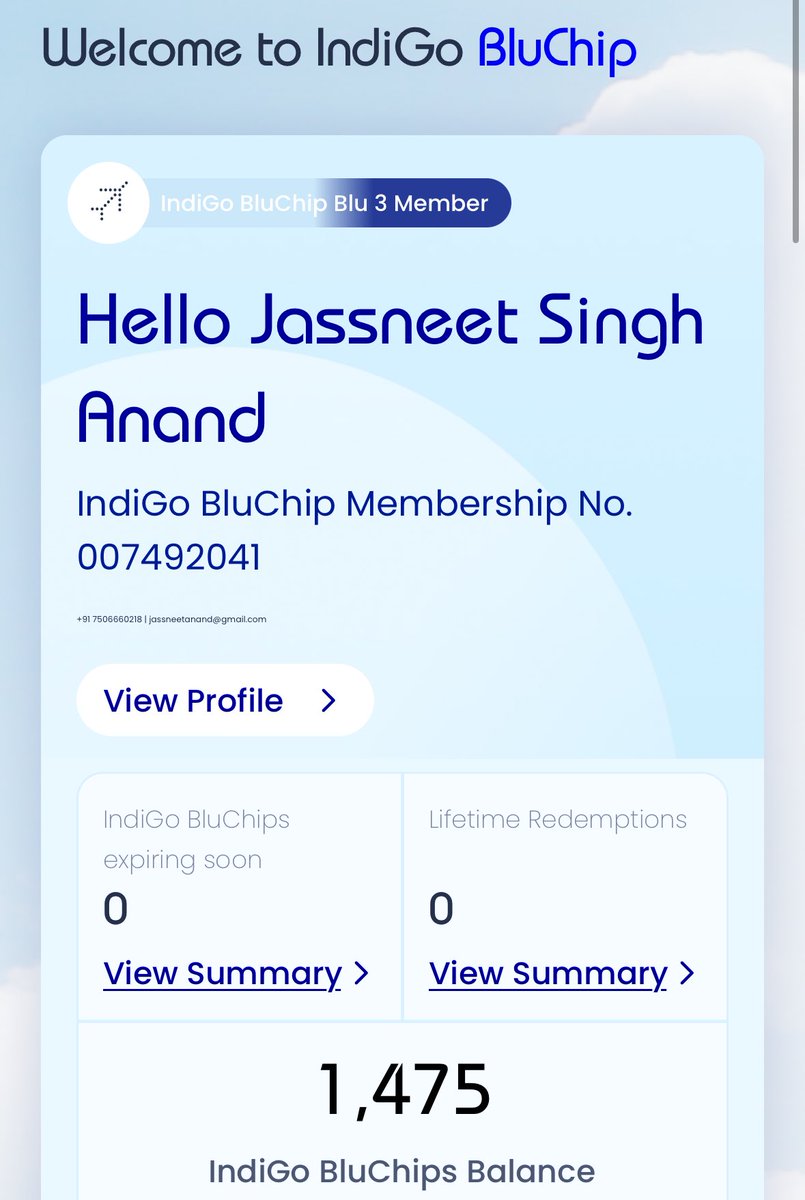
I currently have 1,475 IndiGo BluChips.
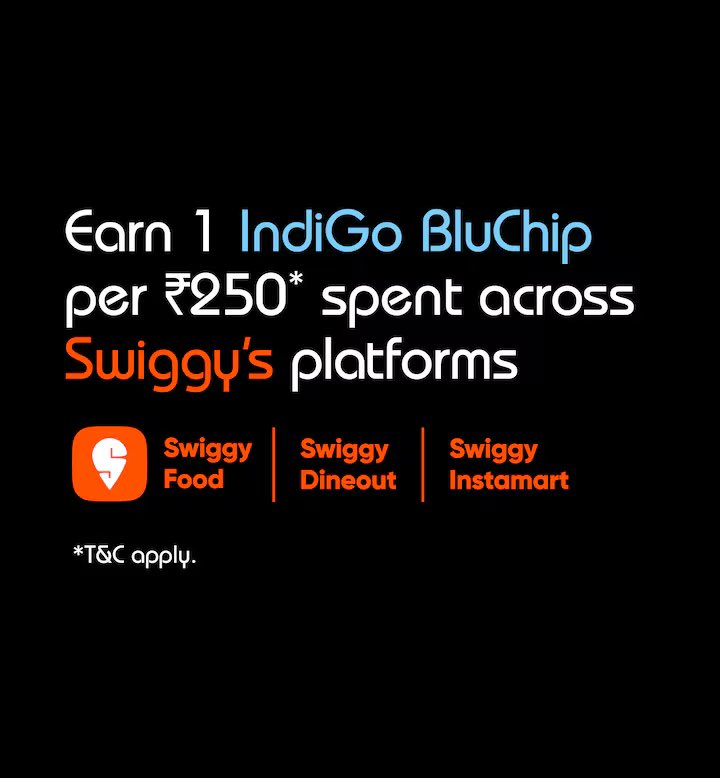
And with the real earn rate of 1 chip per ₹250, my ₹10,000/month Swiggy habit gives me only 40 chips/month.
Did some analysis for 13 March 2026, and here’s what I see:
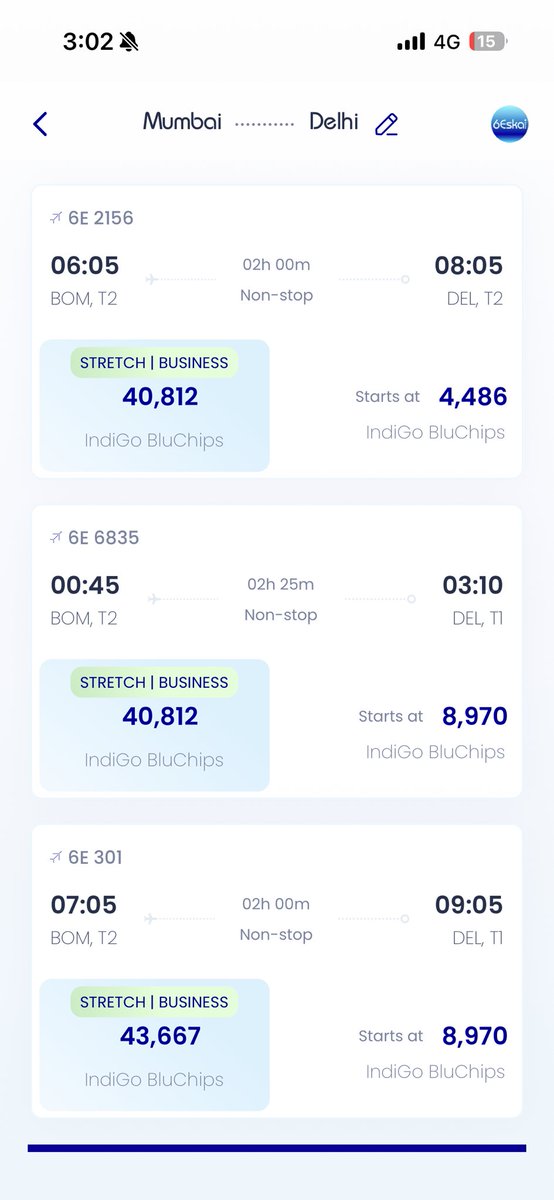
🕕 Flight 1 — 06:05 AM → 4,486 BluChips
🌙 Flight 2 — 12:45 AM → 8,970 BluChips
Now the wait time:
🔵 Flight 1 (4,486 chips)
Need: 3,011 chips
⏳ 75 months (6.3 YEARS)
🔵 Flight 2 (8,970 chips)
Need: 7,495 chips
⏳ 187 months (15.6 YEARS)
At this point, my food is collecting loyalty slower than a tortoise trying to reach the airport. 🐢🤦♂️✈️
This earn rate is just… brutal.
👉 If anyone has a smarter way to top up BluChips faster, drop it below.
#IndiGo #BluChips #TravelMath #PointsGame #Swiggy
6
8
1,107

31 Oct 2025
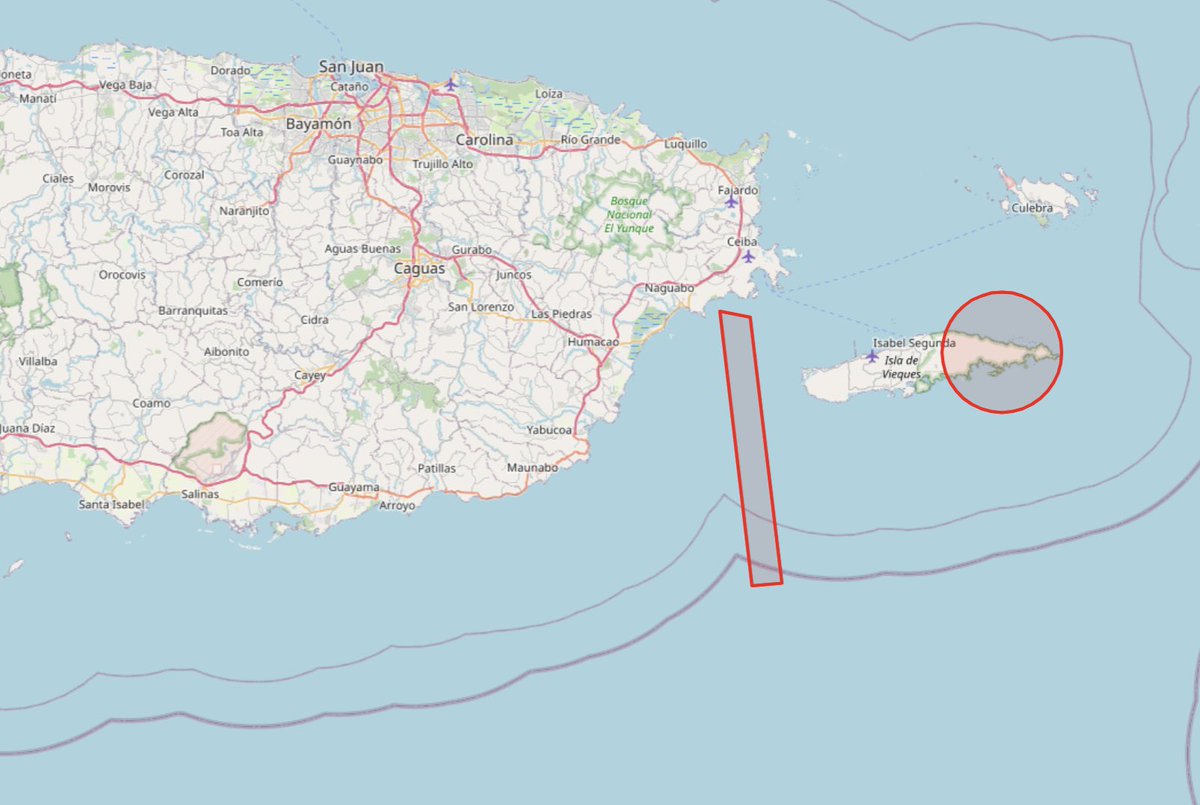
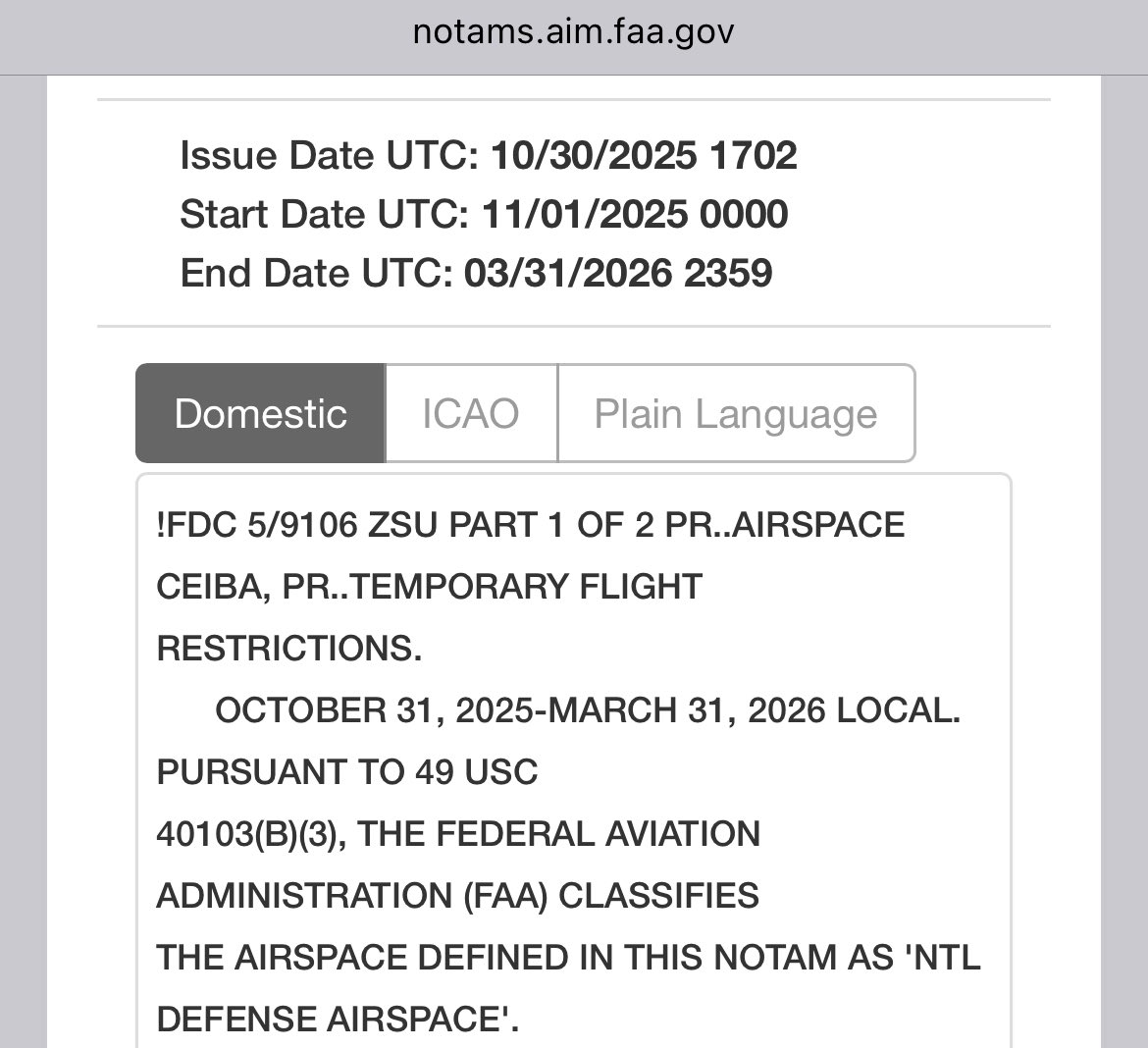
MORE: This statement comes as the FAA issued a NOTAM, designating some airspace to the southeast of Puerto Rico as “national defense airspace”.
The U.S. territory is approximately 550 miles from Caracas, Venezuela, according to travelmath website.
1
3
834

22 Oct 2025
Drug Manufacturing and Trafficking
Fentanyl Production: While Paul states that no fentanyl is made in Venezuela, it's true that fentanyl is primarily synthesized in places like China and Mexico, not Venezuela. However, Venezuela is a known transit point for drugs, including cocaine, due to its geographical position and porous borders with Colombia, a major cocaine producer.
The presence of drug trafficking organizations and the country's role in facilitating drug movement to other destinations, including the U.S. and Europe, is well-documented.
Drug Routes: The idea that Venezuela doesn't produce fentanyl doesn't negate its role in drug trafficking. Drugs, including those potentially carrying fentanyl precursors or other substances, can be transported through Venezuela en route to other destinations.
Aircraft Capabilities
A Cessna 172, even with standard fuel capacity, has a range that can be significantly extended with additional fuel tanks.
Flight from California to Hawaii: The distance from California to Hawaii is approximately 2,500 miles. A Cessna 172 with standard fuel might not make this trip without refueling, but with extra fuel tanks, it's done to ferry all the time.
Venezuela to Miami: The distance from Venezuela to Miami is about 1,538 miles by air, as per the Travelmath calculator. Extra fuel can facilitate this trip and it can also be offloaded to another vessel in route.
While Paul's specific claims about the impossibility of the journey and the lack of fentanyl production in Venezuela are not entirely accurate.
Paul's assertion that the trip is too long for small vessels and that no fentanyl is made in Venezuela oversimplifies the situation.
While Venezuela may not produce fentanyl (likely does) it plays a significant role in drug trafficking.
26
33
223
58,456

22 Jun 2025
The shooting occurred at CrossPointe Community Church, 7 miles from Detroit and 12 miles from Dearborn (per Travelmath)
1
2
368

20 Jun 2025
La contribution de @senateur_binks :
Un pilote de chasse israélien n’atteint pas Téhéran en quelques minutes comme un missile balistique : il faut couvrir près de 1 500–2 000 km — les calculs commerciaux donnent 1 591 km (vol d’environ 2 h 30) .
Voici les détails :
---
### ✈️ 1. **Distance et type d’avion**
* Distance approximative : **1 500–2 000 km** (de Tel-Aviv ou Haïfa à Téhéran) ([travelmath.com][1], [usni.org][2]).
* Les avions utilisés sont typiquement des **F‑15I Ra’am** ou **F‑35I Adir**, équipés de réservoirs externes ou ravitaillables en vol ([businessinsider.com][3]).
---
### ⏱️ 2. **Vitesse & ravitaillement en vol**
* Vitesse de croisière :
* F-15 : Mach 0,9–1, mais pour mission \~Mach 0,8 (≈ 900 km/h).
* F-35I avec réservoirs externes — conçus pour longue distance sans ravitaillement grâce aux **conformal fuel tanks** ([en.wikipedia.org][4]).
* À 900 km/h, parcourir 1 600 km prend **1 h 45** (temps de vol pur).
* En ajoutant départ/atterrissage et ravitaillement si nécessaire, **entre 2 h et 2 h 30**.
---
### 🛢️ 3. **Ravitaillement en vol**
* L’**F‑35I** modifié avec réservoirs conformes peut éviter le ravitaillement ([en.wikipedia.org][4]).
* Les **F‑15I** utilisent le ravitaillement en vol via des avions-citernes (KC-130 ou KC-46 bientôt) ([thenationalnews.com][5]).
* L’opération complète (montée, vol de transit, ravitaillement, attaque, retour) peut durer **3 à 4 h**, ou plus selon la complexité.
---
### ✅ 💡 **En résumé :**
* **Vol direct (F-35I)** : 1h45 marge ≈ ⇒ **2 h à 2 h30** pour atteindre Téhéran.
* **Mission complète (F-15I ravitaillement/retour)** : **3–4 heures** de vol opérationnel.
---
### Comparatif : missiles balistiques
Les missiles balistiques iraniens volent à Mach 3–8, ce qui donne **7–11 minutes** pour atteindre Tel‑Aviv — bien plus rapide qu’un jet de chasse ([reddit.com][6]).
---
### 🧭 Conclusion
Un pilote de chasse israélien met en général **2 à 2 h 30** pour atteindre Téhéran directement, ou jusqu’à **4 h** pour une mission opérationnelle complète incluant ravitaillement et manœuvres. Les missiles, eux, sont bien plus rapides — moins de 10 minutes.
[1]: travelmath.com/flying-time/f… "Flight Time from Tel Aviv, Israel to Tehran, Iran - Travelmath"
[2]: usni.org/magazines/proceedin… "Iran-Israel Conflict: A Quicklook Analysis of Operation Rising Lion"
[3]: businessinsider.com/israel-a… "Photos show Israel's F-15I Ra'am 'Thunder' fighter jets used in strikes against Iran's nuclear program"
[4]: en.wikipedia.org/wiki/Lockhe… "Lockheed Martin F-35 Lightning II"
[5]: thenationalnews.com/news/men… "How Israel could strike back against Iran: Experts outline high-risk ..."
[6]: reddit.com/r/Military/commen… "How long would it take for an Iranian ballistic missile to reach Tel ..."
1
4
24
1,997

5 Jun 2025
La autonomía del F-35A es de 2200 km
El radio de combate (la ida y vuelta) es aprox 1100 km
La distancia directa entre Jerusalén (Israel) y Teherán (Irán) es de aproximadamente 1600 aprox según Geodatos y Travelmath. f35.com/content/dam/lockheed…
4
571

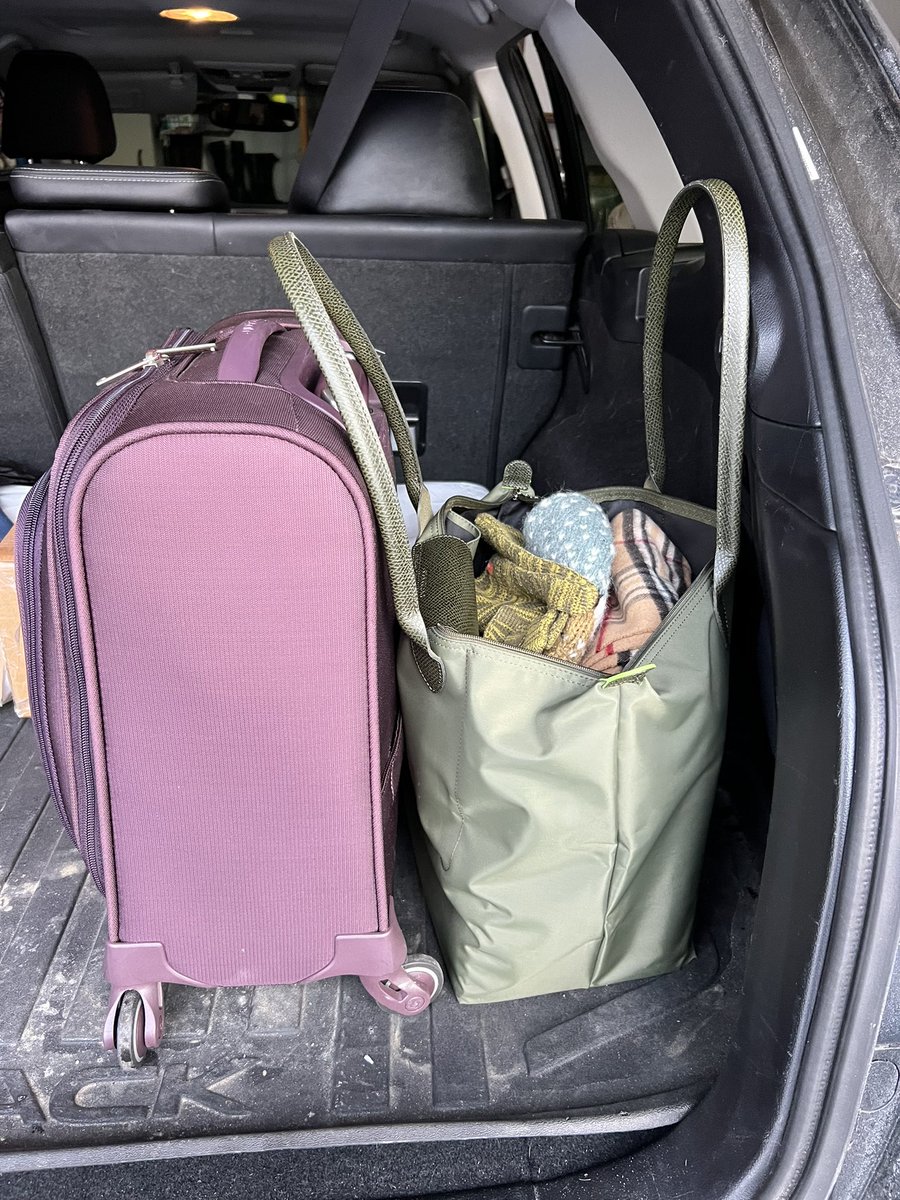
I’m going away for one night, so the appropriate number of underwear to pack is 15. #TravelMath
16
1
47
647

10 Aug 2024
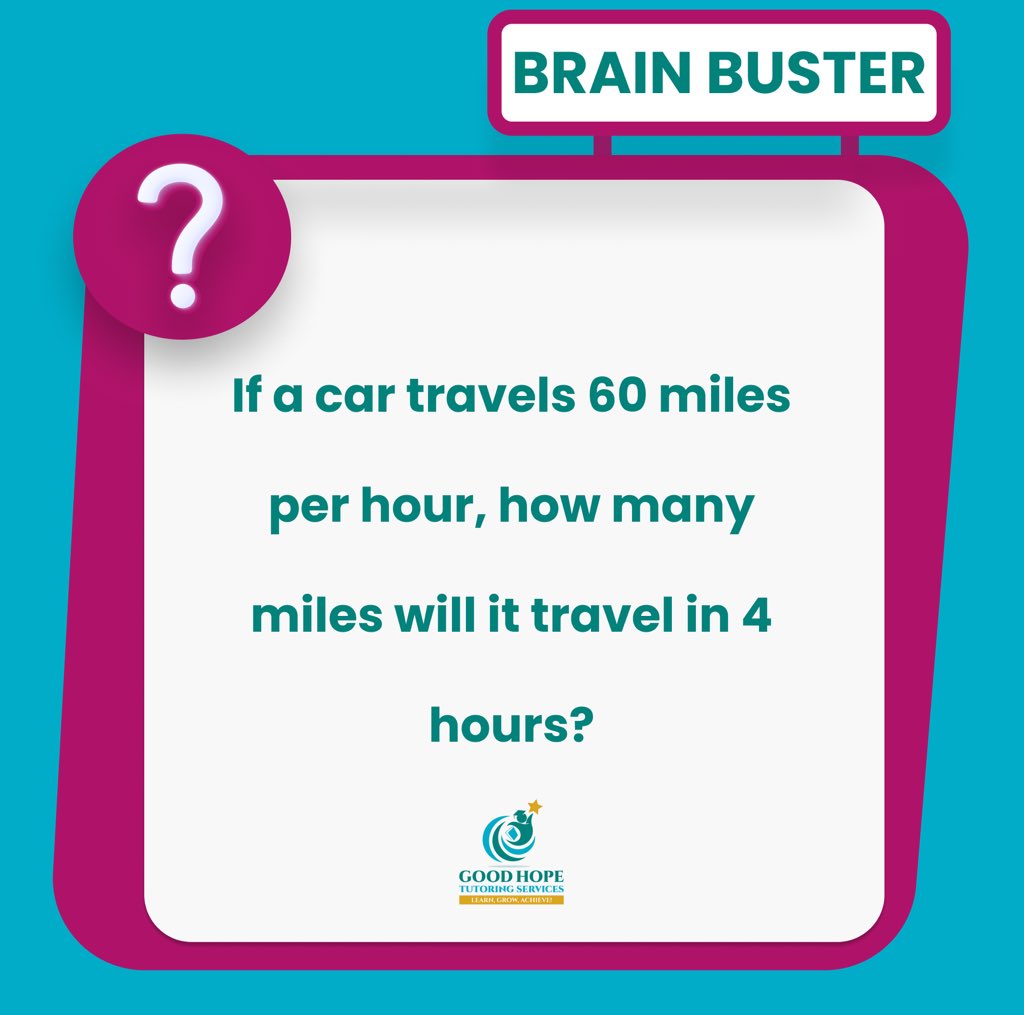
"If a car travels 60 miles per hour, how many miles will it travel in 4 hours?
🌟 #MathChallenge #SpeedyRide #DriveOn #TravelMath #CalculateThis #CarJourney
3
25

18 May 2024
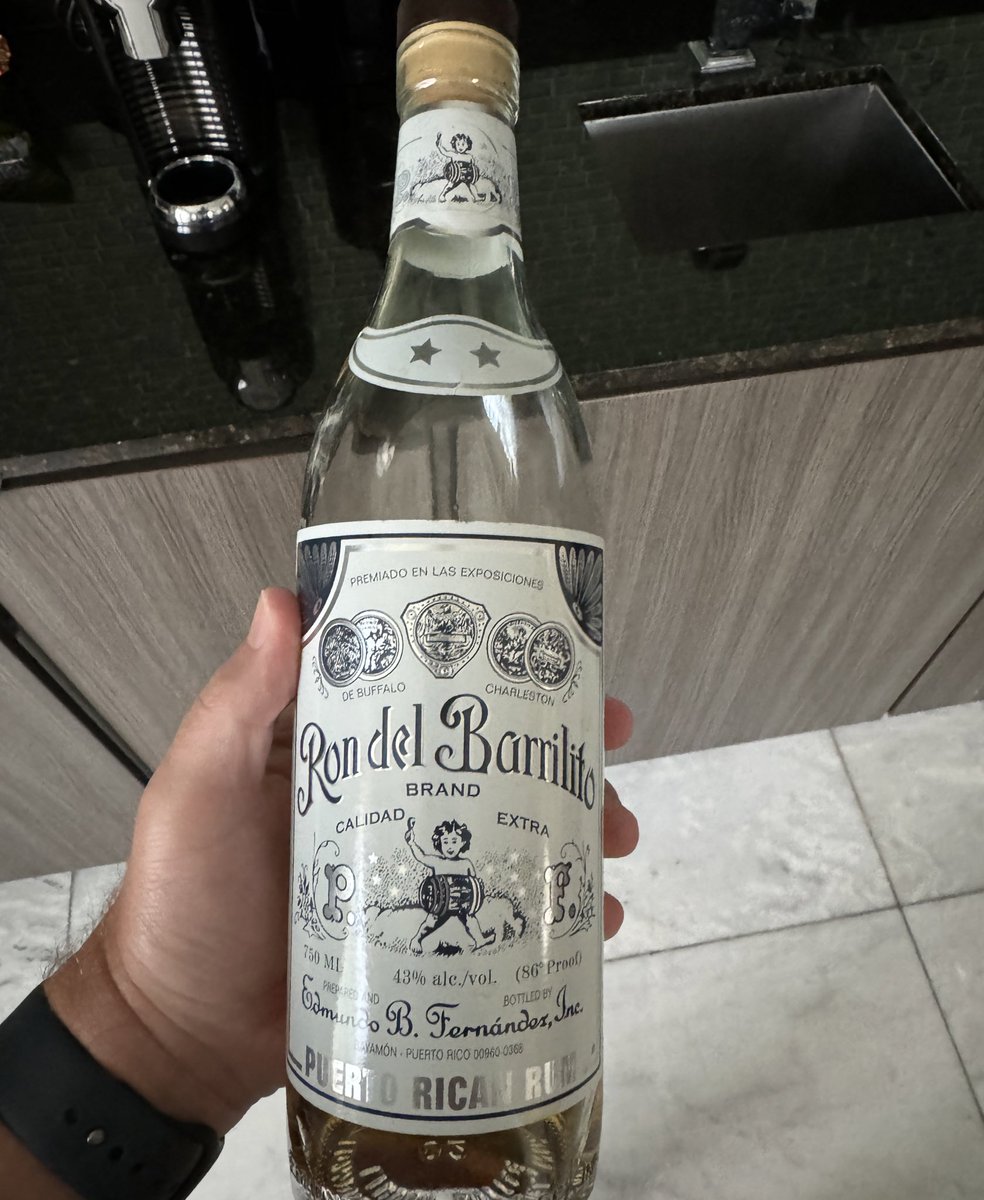
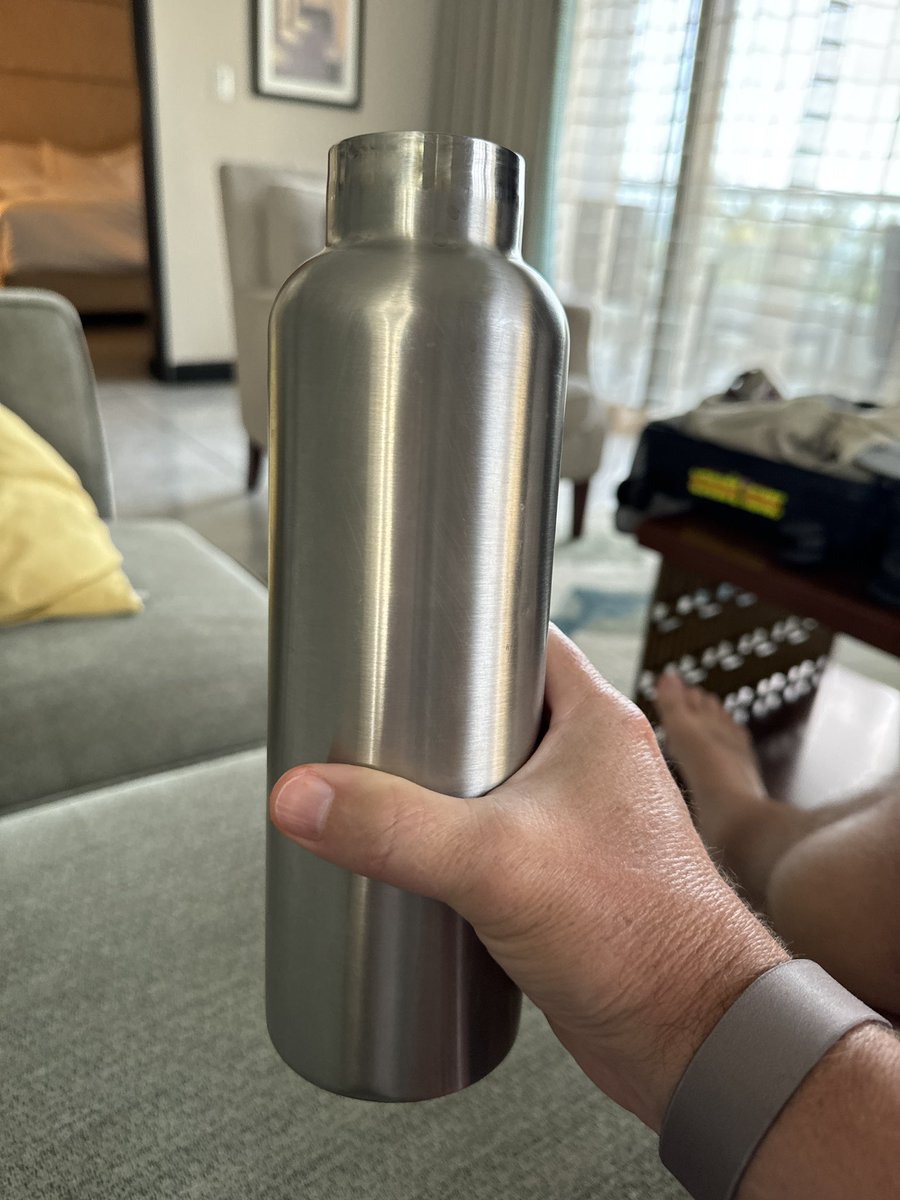
One bottle of $30 rum has probably saved me around $300 with my trusty water bottle this weekend…so essentially according to #drinkingmath and #travelmath this has been a free trip to #puertorico
9
705

2 May 2024
2 days trip means 3 outfit change per day and 1 extra outfit so this actually makes sense #travelmath
3
1,657
18 Mar 2024
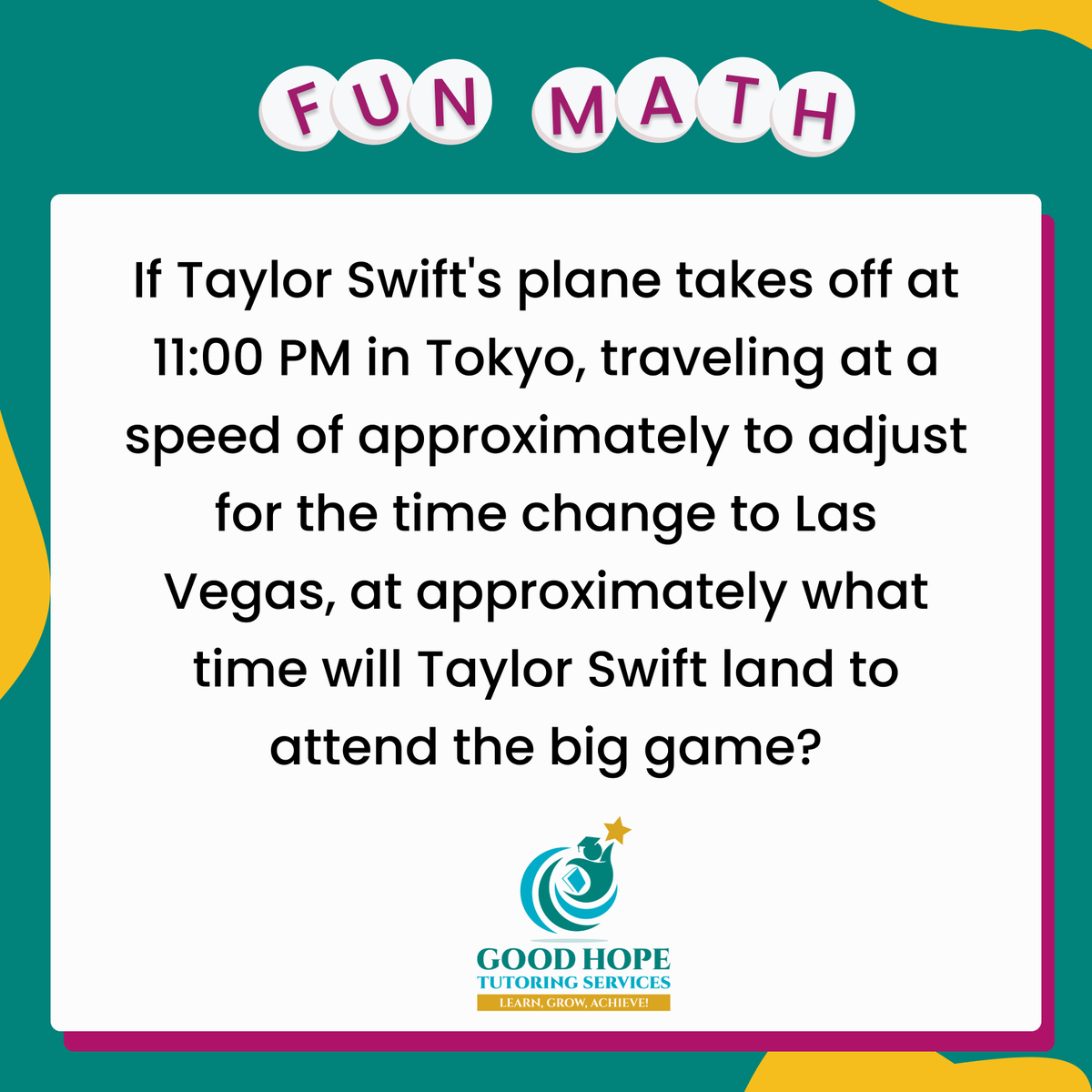
✈️ Flying from Tokyo to catch the big game in Vegas like... 🕚 Can you solve the time zone puzzle? Comment your answer below! #TaylorSwift #TravelMath #BigGameBound"
1
3
47

21 Feb 2024
Travel math: calculating the balance between keeping that hidden gem pub on a need-to-know basis and multiplying pints X sound heads to ⬆️ the craic. 🤔 #Conundrum #TravelMath #LoveDonegal #GoVisitDonegal @nancysbarardara
6
487

28 Jan 2024
Travelmath: If you buy a lounge pass for 24 USD, then all food and beverages afterwards are for free.
3
176