Dai retweeted

Jun 14
DOG HOUSE&TRIPOINT FUCHS Silkolene
今年も鈴鹿8時間耐久ロードレースに参戦いたします!
今年は7月3日(金)~5日(日)開催
何卒応援よろしくお願いします。
#鈴鹿8耐

3
5
988

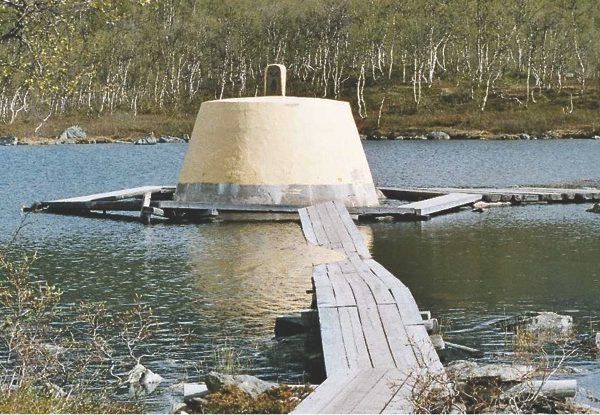
In case you want to to visit the arctic tripoint, this how it looks like. It's in the middle of a lake.
2
155
Zsolt Bata 🇭🇺🇪🇺🇺🇦 retweeted

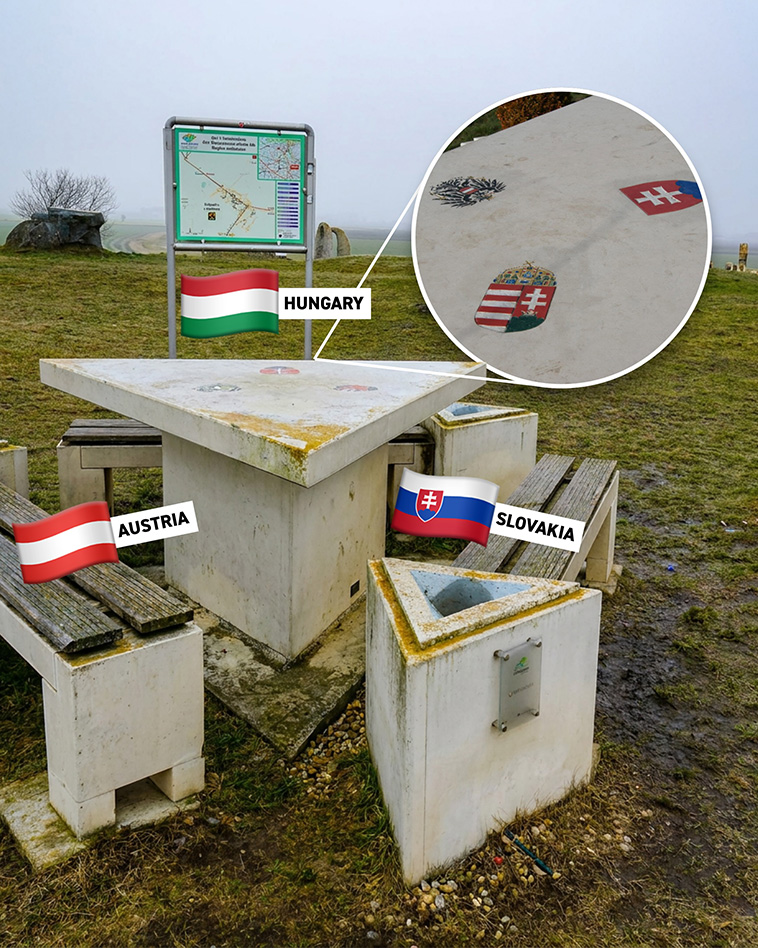
A picnic table for three countries.
Near the Austria–Hungary–Slovakia tripoint, this triangular table turns a border into a shared meeting place.
3
8
67
2,322

Jun 15
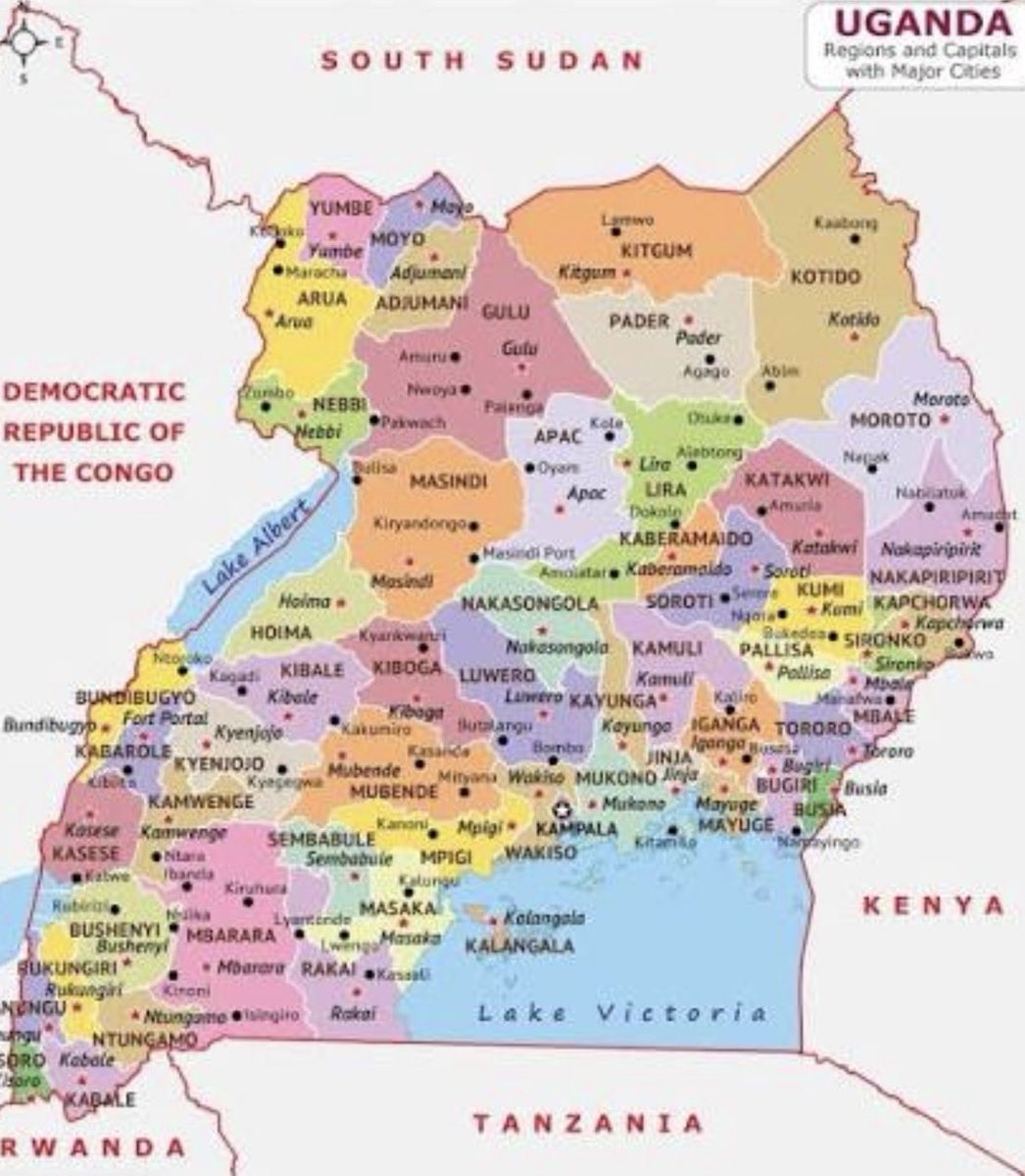
Having the tripoint where Uganda, South Sudan, and Congo meet

3
90

おはようございます、月曜日。
今日から6月も後半戦ですね。
沖縄は梅雨明けが近づき、最後の雨ラッシュな雰囲気です。
今週は久しぶりに東京出張!
みなさまよろしくお願いいたします!🔥
💻フルリモート環境で働くモデラー募集中 tripoint.pro/recruit/
#3Dモデリング #TriPoint

110

Jun 14
Ahmed al-Sharaa (formerly Abu Mohammad al-Jolani of HTS) and the post-Assad Syrian government have moved away from the old Ba’athist regime’s deliberate maintenance of ambiguity around the Shebaa Farms. This change directly undercuts one of Hezbollah’s core post-2000 justifications for retaining its weapons outside Lebanese state control.
Historical Context
The Shebaa farms is a small, sparsely populated area of roughly 25 km² along the tripoint of Lebanon, Syria, and the Israeli Golan Heights. Israel captured it in 1967 along with the rest of the Golan.
After Israel’s full withdrawal from southern Lebanon in May 2000 (certified by the UN as complete under Resolution 425), Hezbollah and its backers needed a new pretext to continue “resistance.” They asserted that Shebaa was Lebanese territory still under Israeli occupation. The Assad regime in Damascus publicly supported this Lebanese claim (including a key 2000 phone call from Syrian Foreign Minister Farouk al-Shara to UN Secretary-General Kofi Annan), while privately or in other contexts sometimes treating it as Syrian. This created strategic ambiguity that allowed Hezbollah to keep fighting and arming
The UN’s consistent position has been that Shebaa Farms are Syrian territory (part of the Golan occupied in 1967), not Lebanese, and thus not covered by the 2000 Lebanon withdrawal.
Lebanon never formally claimed the area before 2000, and no proper demarcation existed due to French Mandate-era ambiguities.
The Shift Under al-Sharaa
Since the fall of Bashar al-Assad in late 2024, the new Syrian authorities have:
• Expressed willingness to demarcate the Lebanon-Syria border properly (to control crossings, stop smuggling — including to Hezbollah — and assert sovereignty).
• Avoided repeating the old regime’s automatic endorsement of the Lebanese claim to Shebaa.
• Indicated that border and territorial issues, including Shebaa, will be handled through Syria’s new institutions rather than as a perpetual “resistance” card. themedialine.org
• In some reporting, positioned or prepared to treat Shebaa as Syrian sovereign territory, aligning more closely with the longstanding UN/international view and historical Syrian administration of the area. thisisbeirut.com.lb
Reports from mid-2025 (including Israeli and Arab sources) noted Damascus preparing to clarify Shebaa’s Syrian status, in the context of potential security talks with Israel and broader normalization efforts. Lebanese officials have also described the Farms as a disputed issue between Lebanon and Syria, with demarcation deferred. aa.com.tr
Al-Sharaa has been cautious in public statements (e.g., calling it “too early” during the transition phase while meeting Lebanese figures like Walid Jumblatt), but the overall direction is clear: no more weaponization of the ambiguity to sustain Hezbollah’s narrative or Iranian influence via Syria.
Impact on Hezbollah’s Justification
This directly erodes Hezbollah’s 20 year claim that it must keep its massive, independent arsenal because Israel still “occupies Lebanese land” in Shebaa.
• The old Assad regime’s support was a key pillar of that pretext.
• Without it, the justification looks increasingly hollow — especially since the UN already rejected the “Lebanese territory” framing in 2000.
• Hezbollah has other false arguments (deterrence against Israel, ideological “resistance,” alleged Israeli violations elsewhere), but the Shebaa Farms card was central to portraying itself as the defender of Lebanese sovereignty rather than an Iranian proxy with a parallel army.
3
4
14
1,296
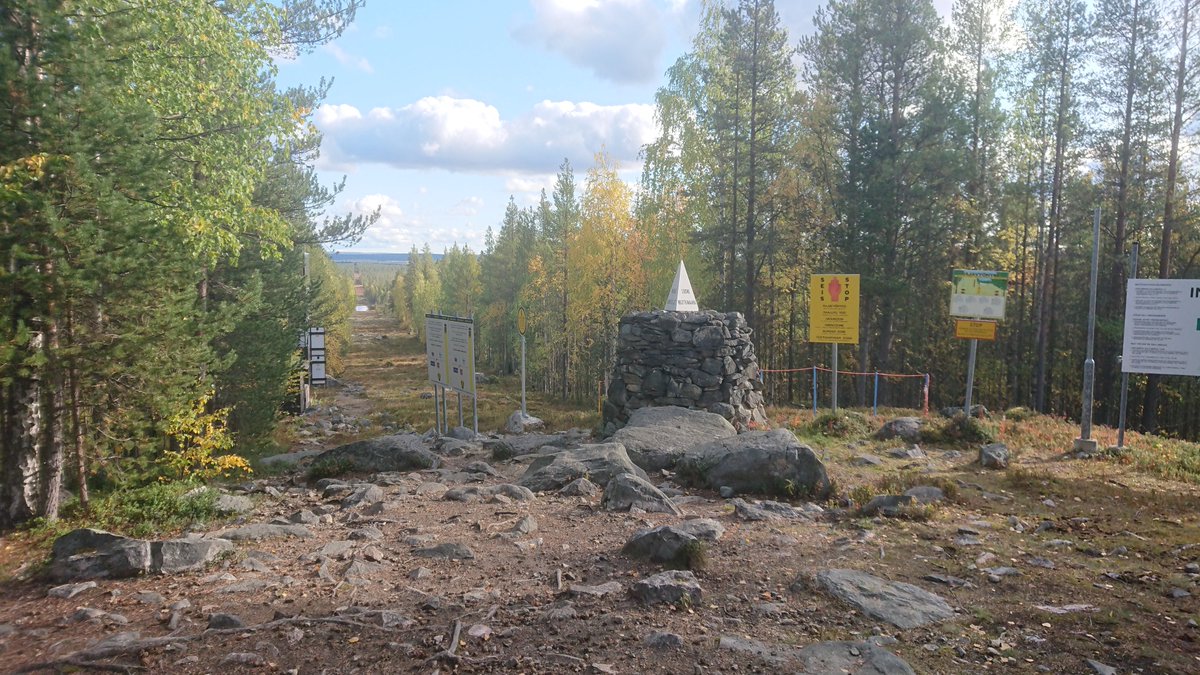



You're obviously correct in broad terms, but it only goes down about half the way across France. The border should go roughly from the SW corner diagonally to the FR/BE/DE tripoint
3
866

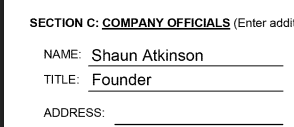
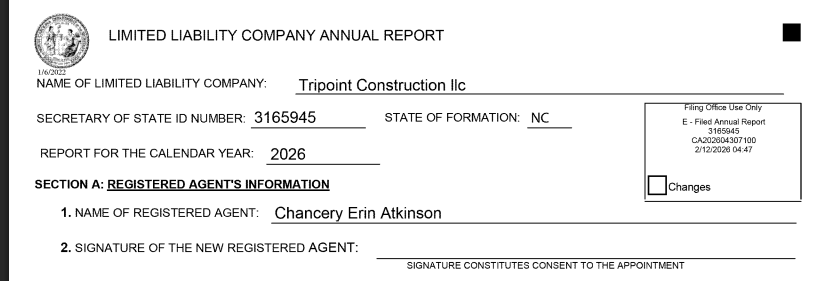
Well Joe, I would contact Shaun Atkinson, Tripoint Construction, CLT, NC. or the agent, Chancery Erin Atkinson.


4
2
134

Jun 12
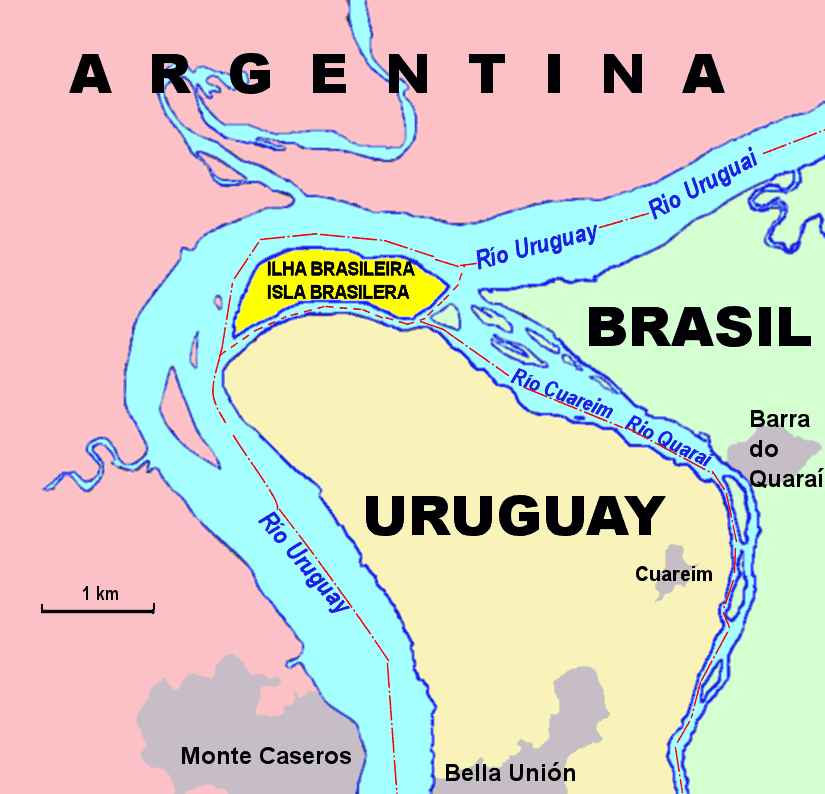
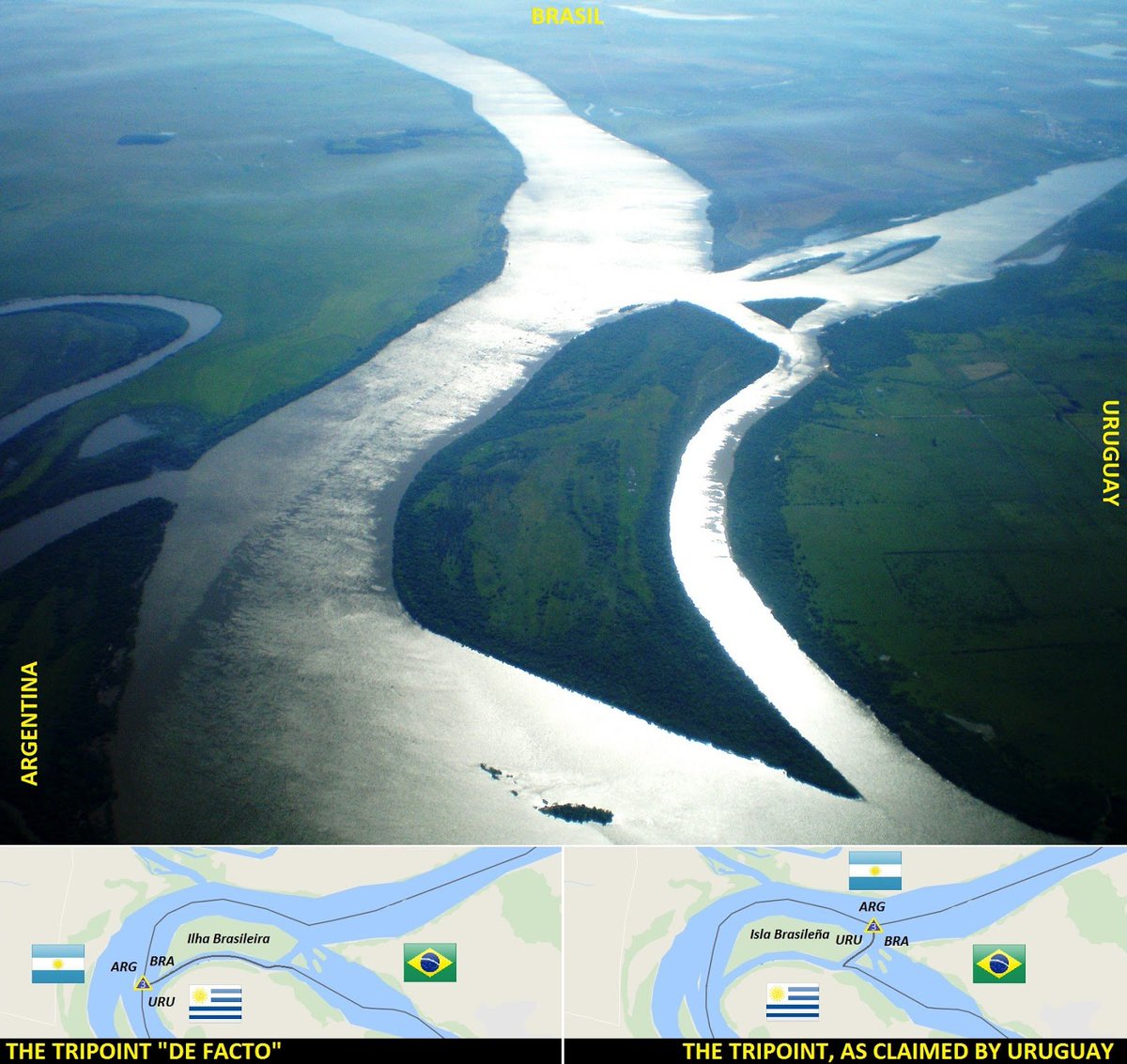
@AletheiaKallos The accuracy of a river boundary depends on the changes in nature, unless there are precise international treaties established with geodetic rules. In the case of the AR-BR-UY tripoint, there is even a dispute over ownership of an island.
23 Aug 2022

Brazilian Island is a small uninhabited river island at the confluence of the Uruguay River and the Quaraí (Cuareim) River, between the borders of Argentina 🇦🇷, Brazil 🇧🇷 and Uruguay 🇺🇾, which is disputed by the two latter countries.
Photo: 2011.
pillandia.blogspot.com/2017/…
3
71