
May 11
Not sure if it’s the one you need and it’s pricey but according to grok: Current Leads for 504346152 (Hydraulic Coupling / Turbocompound Clutch Assy.)
• Used options (~$4,950):
Tractor Parts ASAP / All States Ag Parts has a used unit listed that fits the Steiger 485 compound turbo setup (cross-referenced to both the old and new part numbers). It’s shown as available for purchase online right now — order directly or call 877-530-4430 to confirm fit and shipping. tractorpartsasap.com
3
1,647

A coworker described the 1949 Napier Nomad 2500 hp turbocompound diesel aircraft engine as "Designed to be shot down before first overhaul."
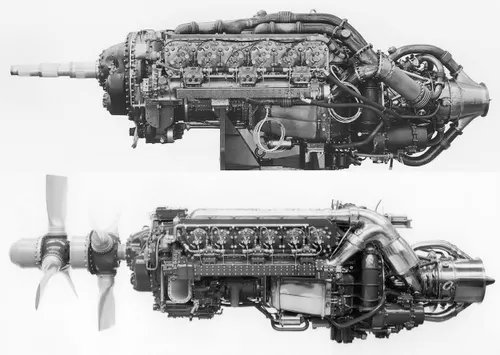
2
1
25
1,432
This is my old professor and later, career mentor Geoff Goddard who was Chief Designer at Cosworth until 1994.
Here he is at the drawing board with Duckworth looking at the Turbo V6.
They did a 2000hp turbocompound, but the FIA banned it.

2
2
49
2,279

9 Oct 2025
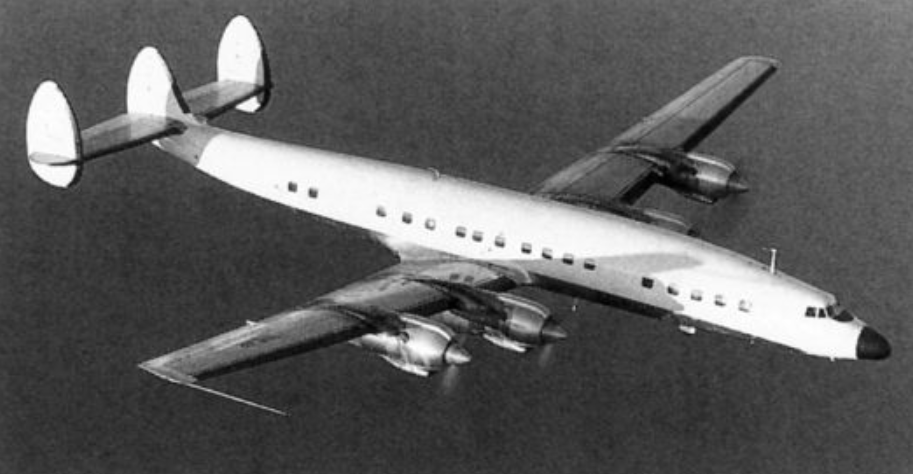
10 October 1956. First (50 minute) flight of the prototype Lockheed L-1649 Starliner c/n 1001 from Lockheed Air Terminal, Burbank, California. The final model of the Lockheed Constellation airliners. Powered by four Wright R-3350 TurboCompound engines.
1
19
780

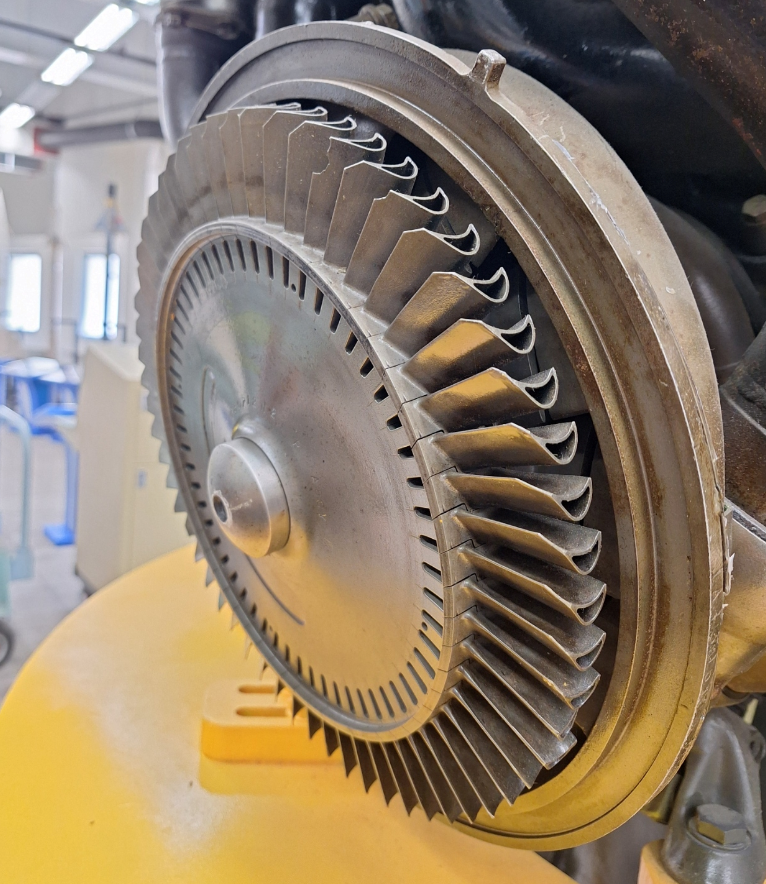

15 Jan 2025
¡NUEVA ENTREGA!
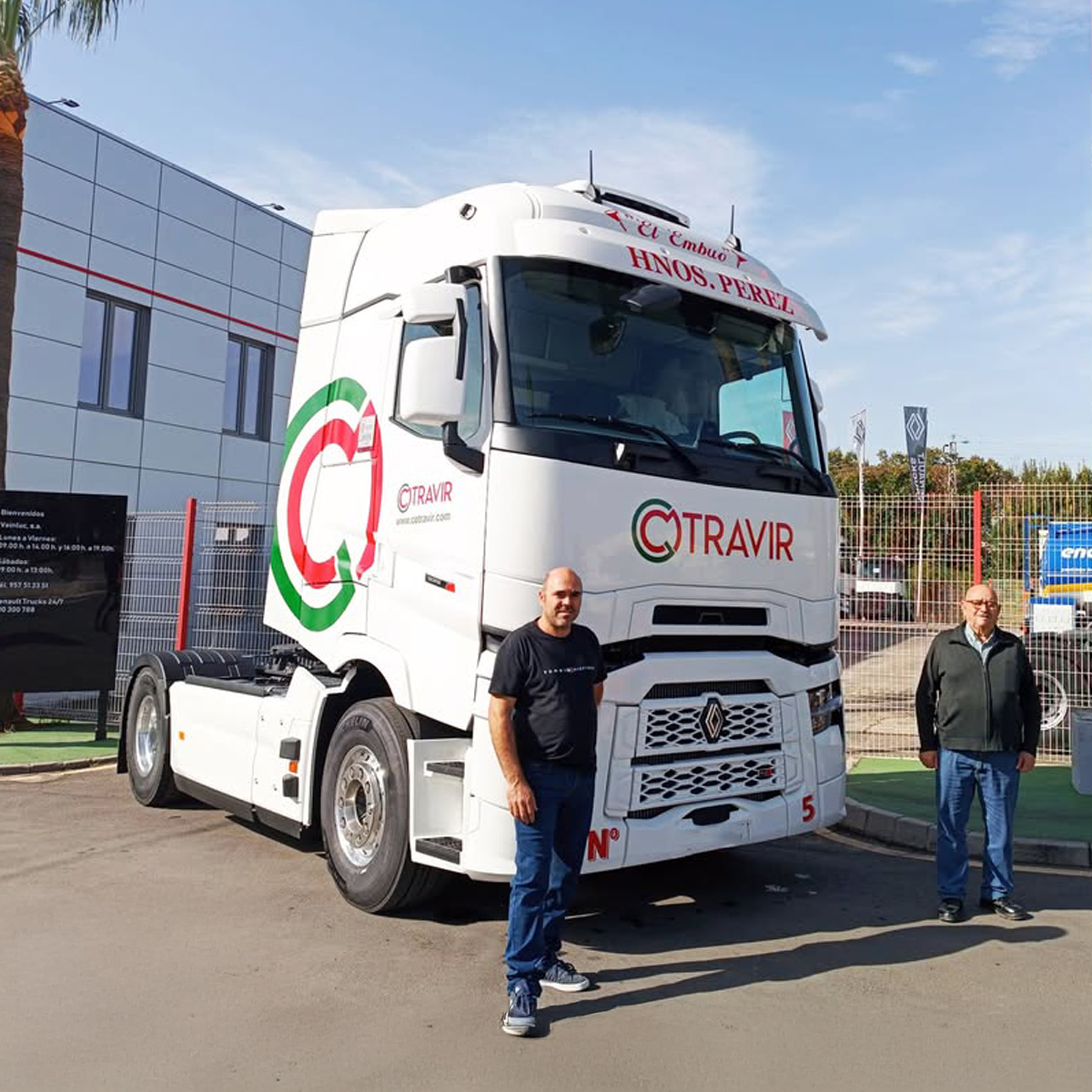
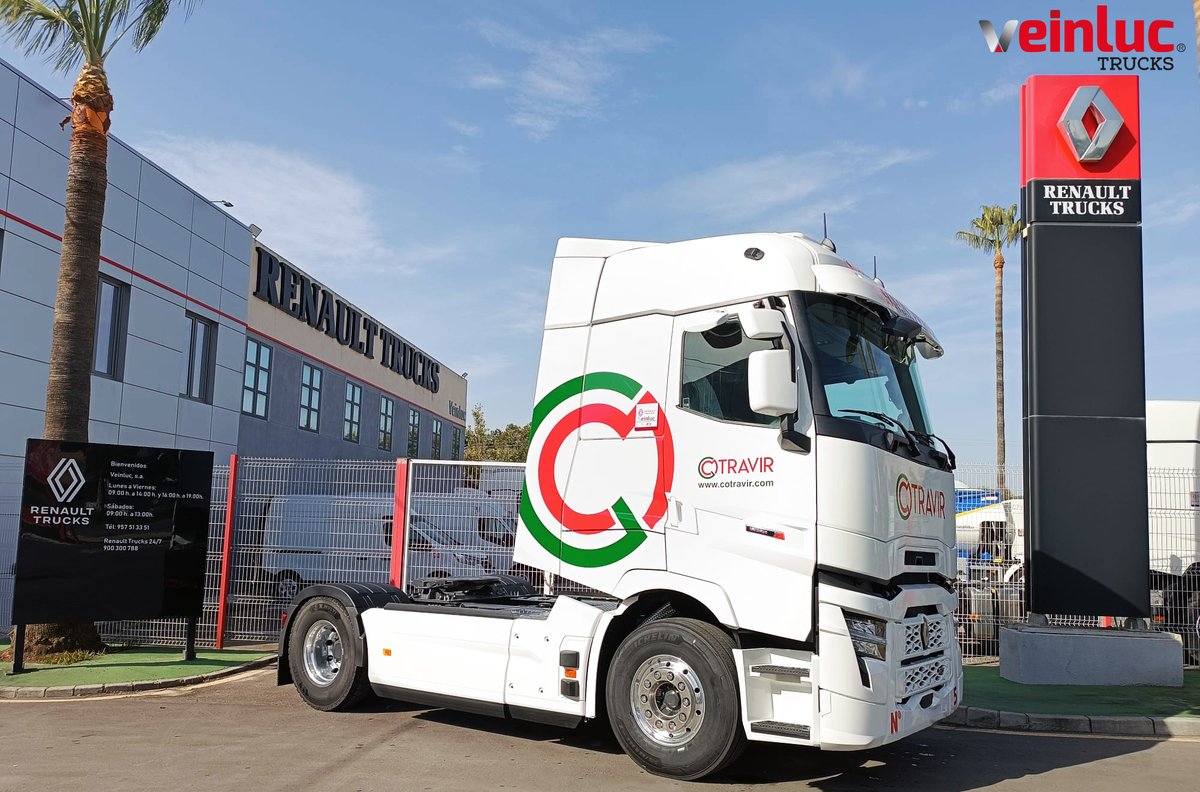
#TransportesElEmbuo renueva su flota con el impresionante #RenaultTrucksT480High 4X2 13L TC #TurboCompound, un camión diseñado para ofrecer alto rendimiento y eficiencia. 💯
❤️ ¡Gracias a @veinluc por hacer posible esta entrega!
#RenaultTrucks #GamaT #Entregas
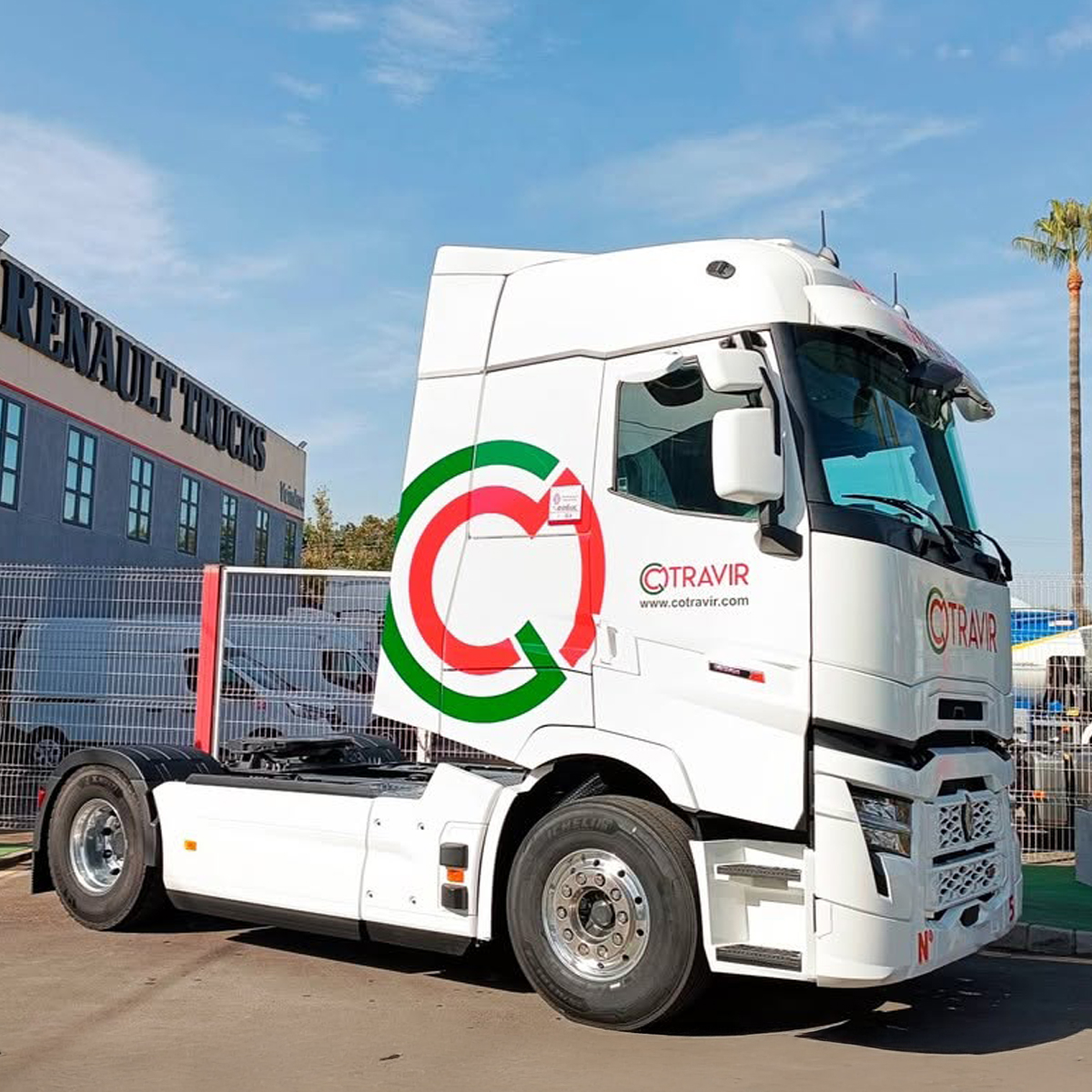
2
8
146

13 Jan 2025
👉 🅽🆄🅴🆅🅰 🅴🅽🆃🆁🅴🅶🅰👈
#TransportesElEmbuo ha renovado su flota con la incorporación de este nuevo impresionante #RenaultT480High 4X2 13L TC #TurboCompound diseñado para superar sus expectativas en cuanto a rendimiento y durabilidad💯 @RenaultTrucksEs
GRACIAS
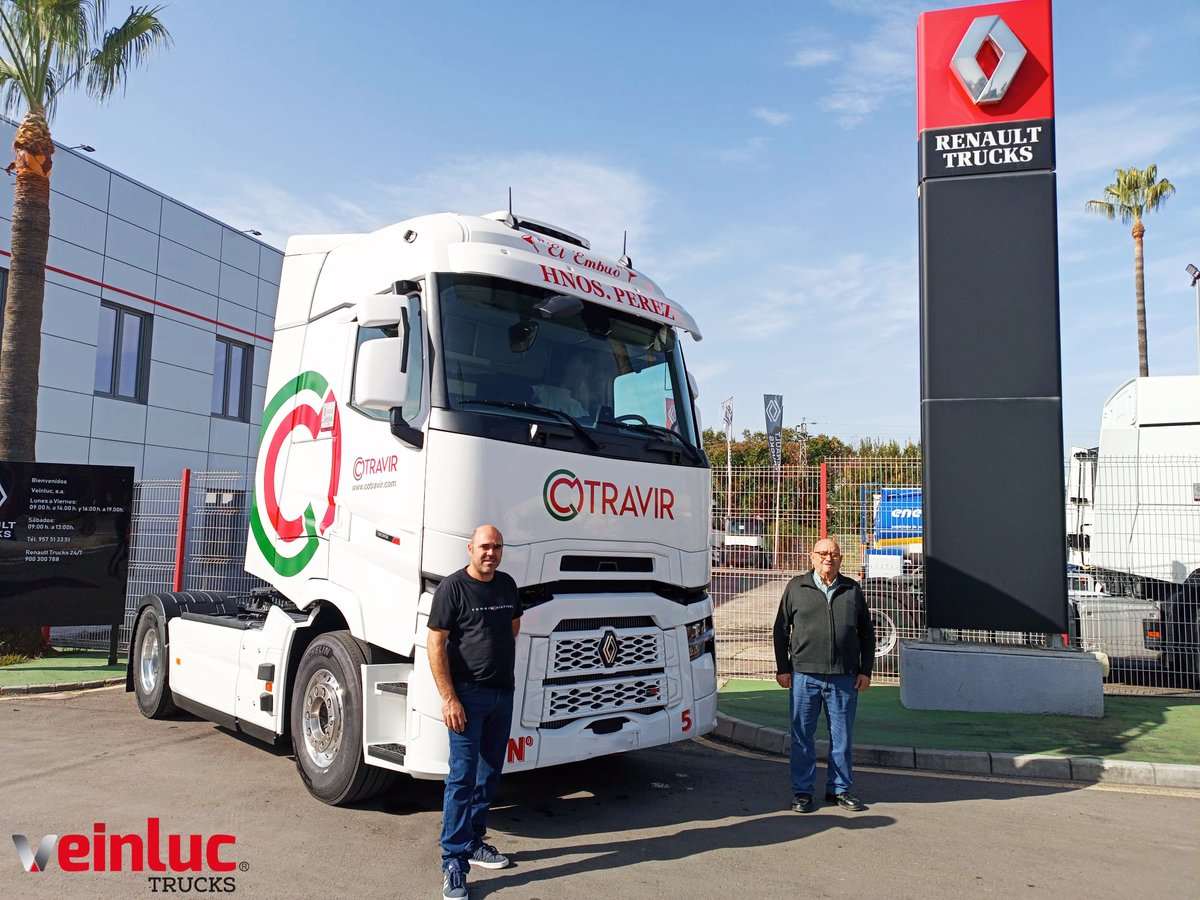
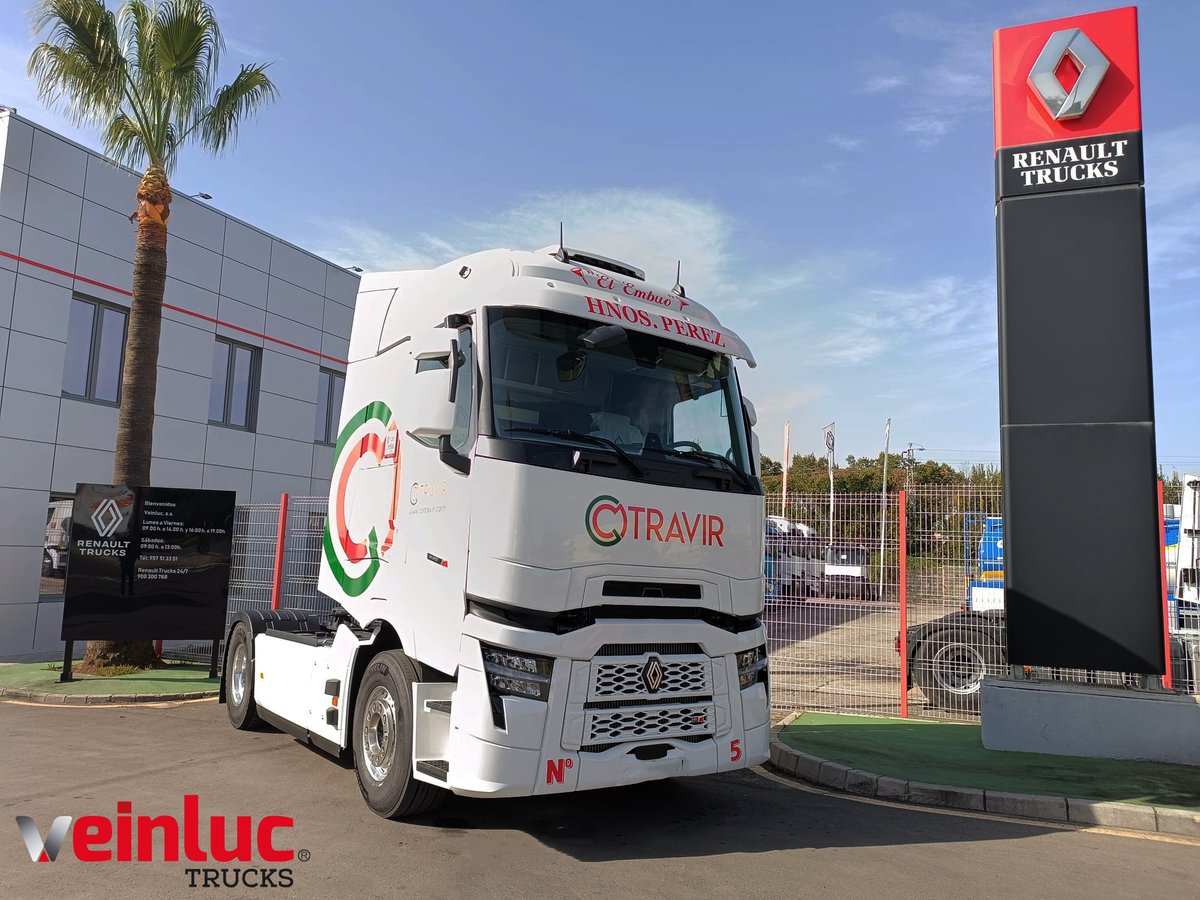
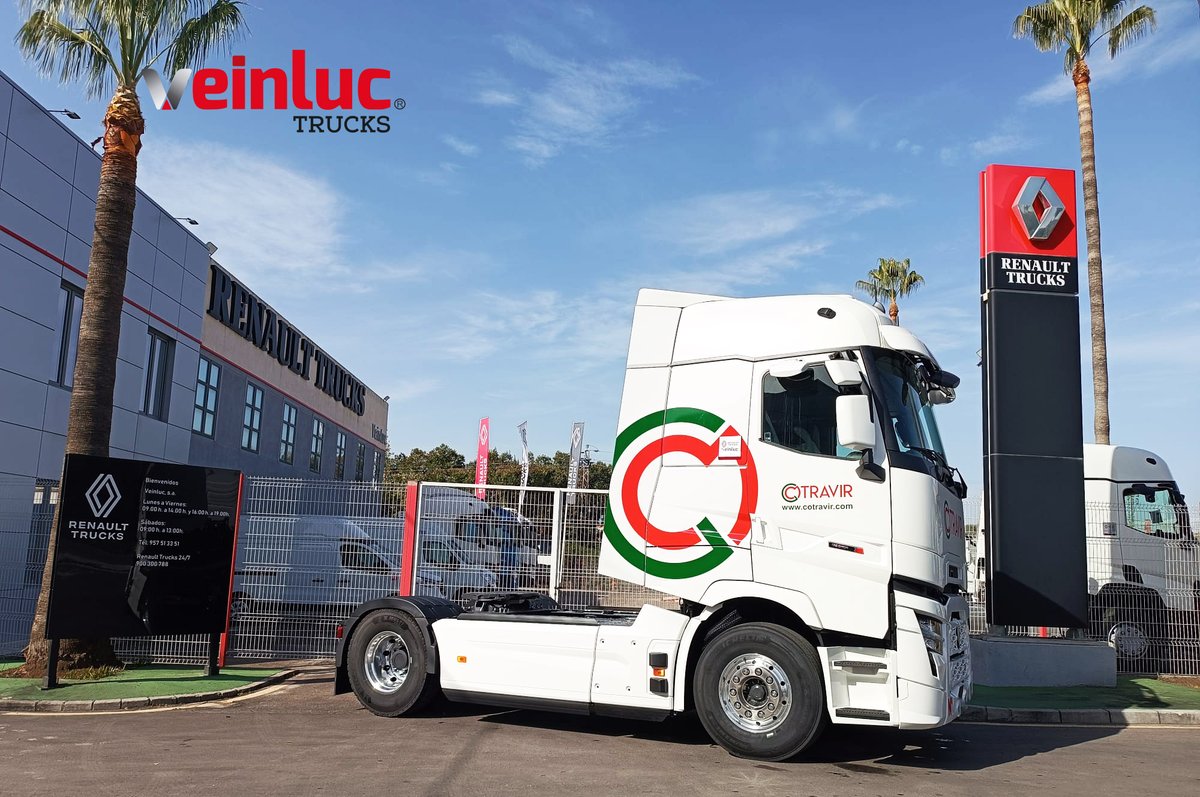
2
75

23 Dec 2024
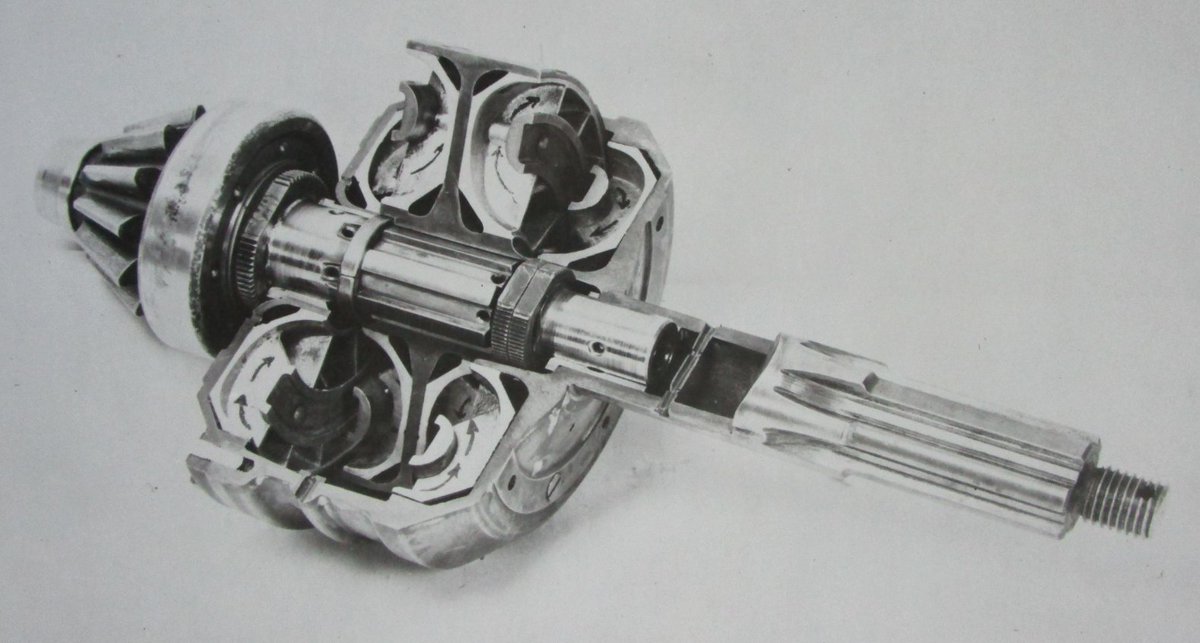
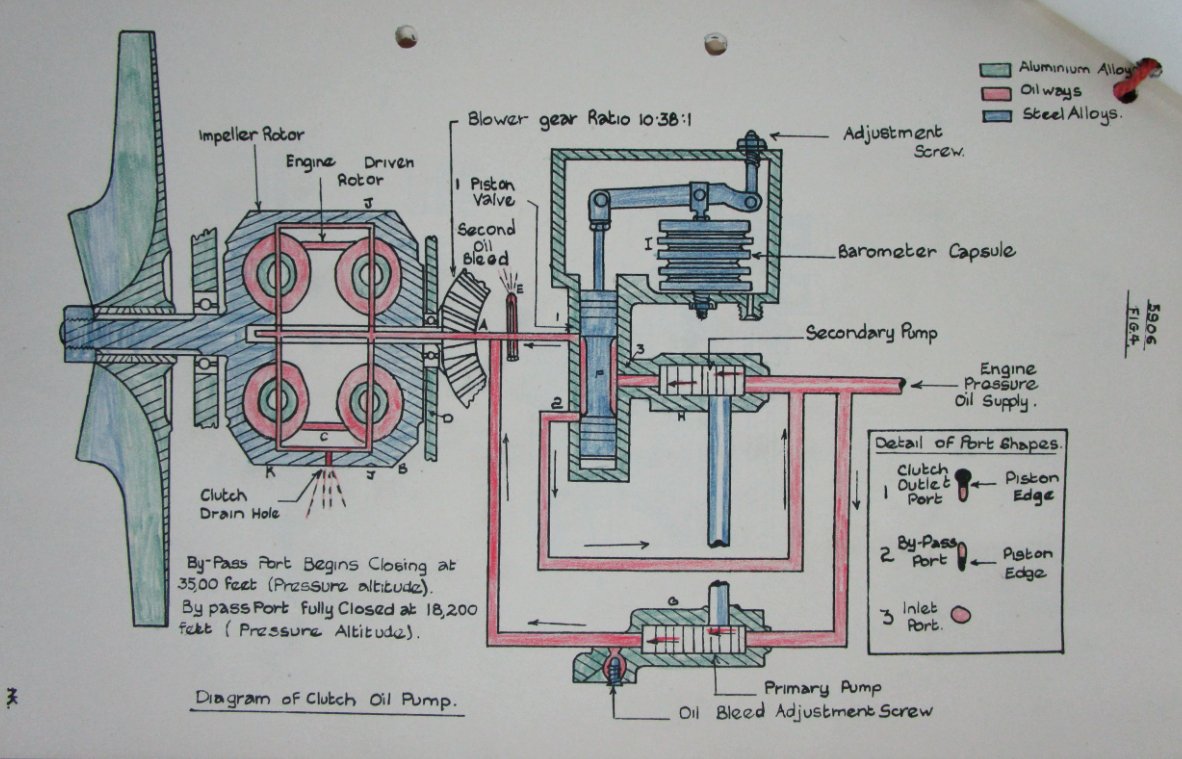
Daimler-Benz DB-601 variable speed supercharger fluid drive coupling.
The device is quite clever, and is a type of Föttinger coupling. You essentially change the gearing by varying how much oil is inside, but it is really a variable "slip" coupling, since it cannot raise the gear ratio, therefore it is combined with a step-up gear.
It had three main technical shortcomings:
1) It introduces a lot of heat into the oil except for when it is full, and near 1:1 gearing. Essentially the more you "slip" it, the more heat goes into the oil.
2) The oil can get very hot inside, if your oil is of poor quality, it tends to sludge and block up the oil galleries inside.
3) For practical reasons, the slip you can achive is limited to about 35%,
However, it has the following advantages:
1) Up to 10% power gain at take off, due to the almost total elimination of throttling losses you endure with a geared supercharger (which get less the more gears you have).
2) Quite high power density, you can transmit a lot of power in quite a small coupling.
3) Despite looking "tricky" it actually has only two moving parts.
Finally, the disadvantages are moderated by the following aspects:
1) Once you are at high altitude, the coupling is operating at minimum slip, and hence generates no appreciable heat. Since the heat is principally generated during climb on an operational standpoint, when the engine is anyway starting from cold, it may not necessarily require that you fit a very large oil radiator to compensate.
2) With better oils this is managable (the Germans had to make use of quite substandard aero-engine oils for much of the war).
3) Supercharger gearing tends to be fairly narrow, and the 35% slip is actually all that is needed except for very extreme cirumstances.
----------
Rolls-Royce engineers thought it very clever, and didnt much like their existing supercharger gearbox, which was a French patent by the Farman company, which needed royalties to be paid.
Geoffrey Wilde and Stanley Hooker visited the Sinclair Drives company to look at designing a similar system for the Merlin, but the Battle of Britain arrived in the middle of their discussions and all talk of major changes to the Merlin vanished instantly.
This type of coupling found use in American aero engines where it was used as a gearbox on the turbocompound radial to vary the speed between the power recovery turbines and the crankshaft.
Whilst it appears to be the same as a car automatic transmission (a torque converter), there are a number of detail design differences, as the torque converter has to operate over a higher range of speed "gearings", and so has more complex geometry, is larger, and typically has lower efficiencies as a compromise.
8
24
210
13,477
27 Nov 2024
¡NUEVA ENTREGA!
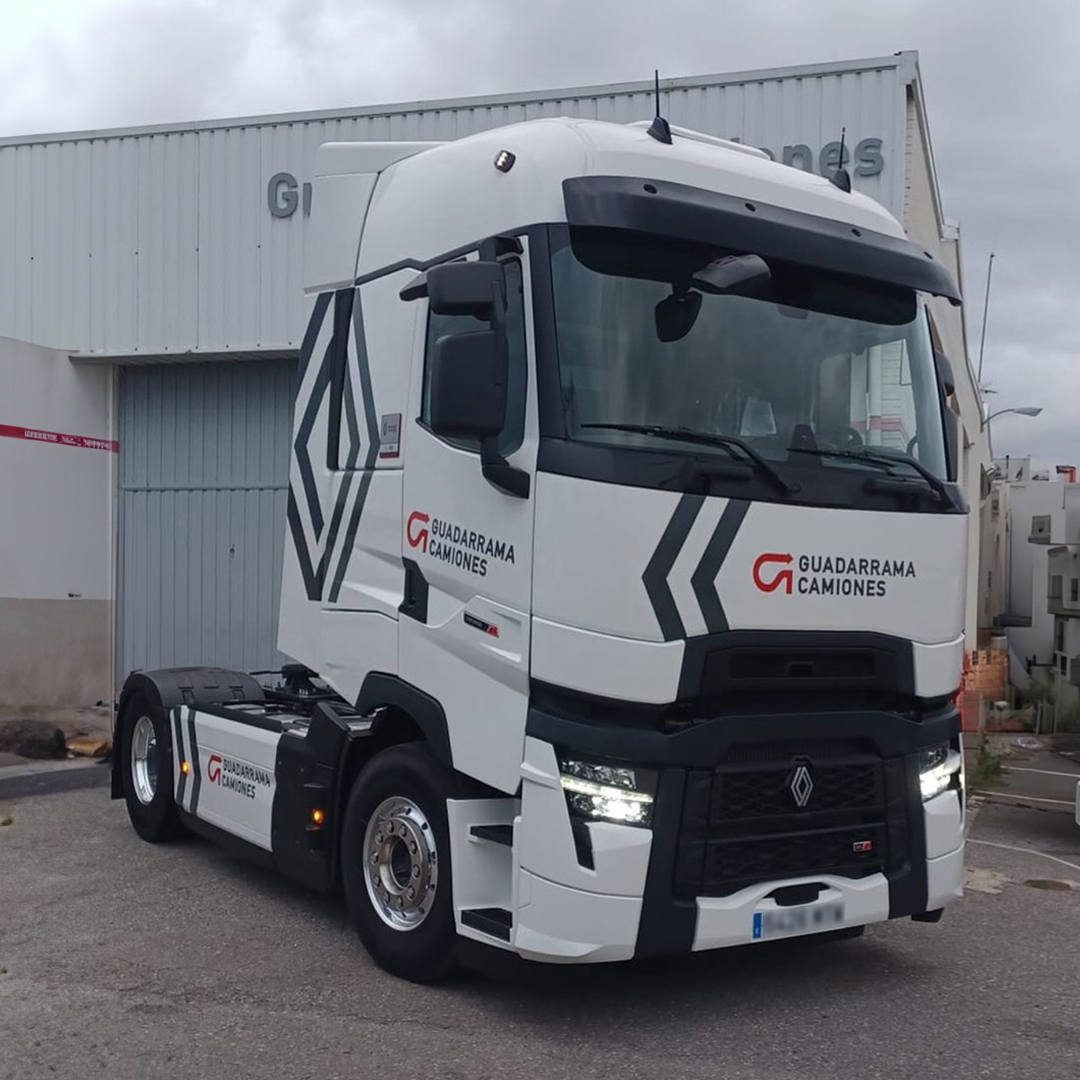
¡El Renault Trucks T High Turbocompound ya está en marcha!
El equipo de Transpaular está probando esta potente unidad durante unos días, y pronto nos compartirán su experiencia.
Agradecemos a @guadarramacamiones, por hacer posible esta entrega.
#RenaultTrucks
3
20
299
9 Oct 2024
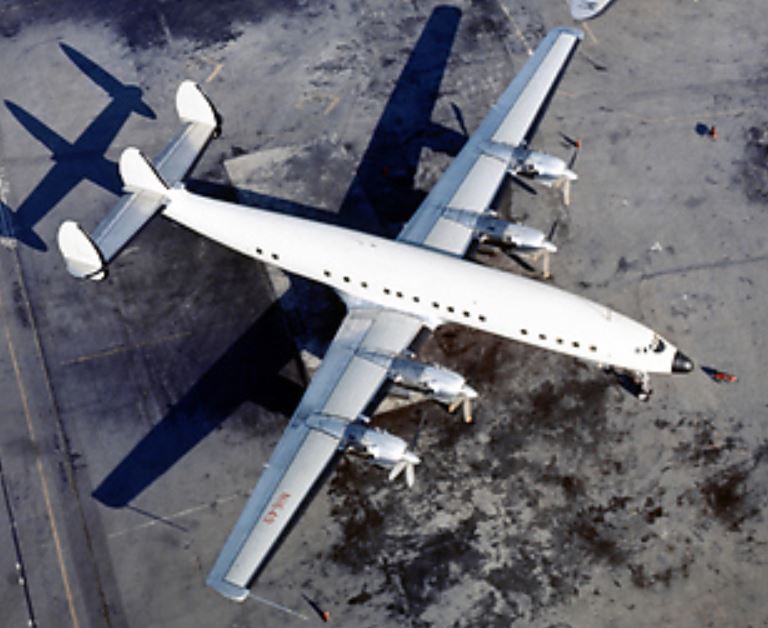
10 October 1956. First (50 minute) flight of the prototype Lockheed L-1649 Starliner c/n 1001 from Lockheed Air Terminal, Burbank, California. The final model of the Lockheed Constellation airliners. Powered by four Wright R-3350 TurboCompound engines.
4
35
1,024
30 Sep 2024
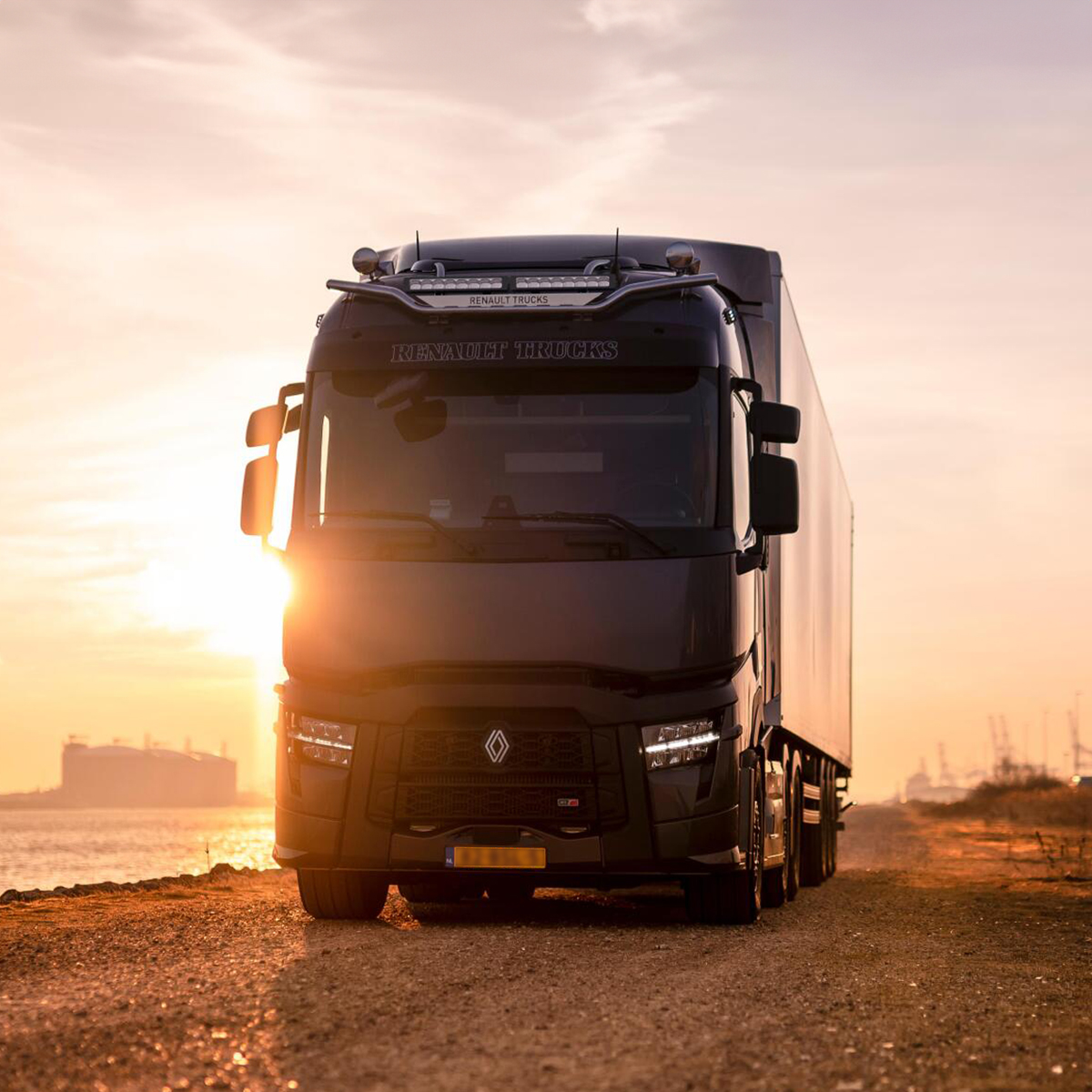
🚛 Descubre el Renault Trucks T 2024 Turbo Compound🚀
Preparado para maximizar tu productividad y minimizar el consumo de combustible en hasta 10%, este camión está diseñado para ofrecerte la mejor experiencia en carretera.
#RenaultTrucks #TurboCompound #Eficiencia #Transporte
4
617

17 Sep 2024
Thirty new Renault Trucks T480 6x2 Turbo Compound tractor units proudly presented to Oakland Distribution by Renault Truck Commercials.
Read the story in full 👉 bit.ly/4gFRVwb
#RenaultTrucksUK #TurboCompound #Sustainability
3
15
837
11 Sep 2024
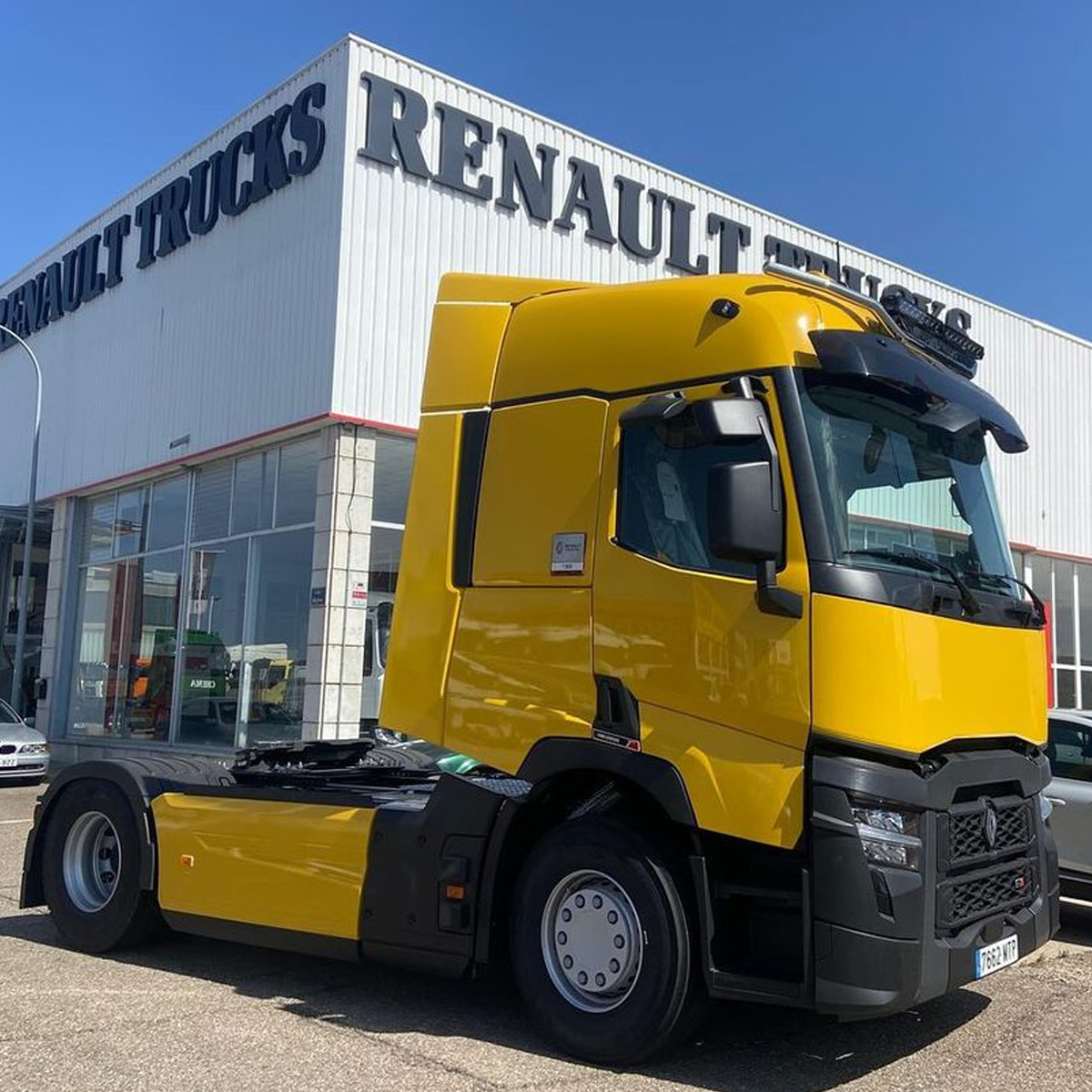
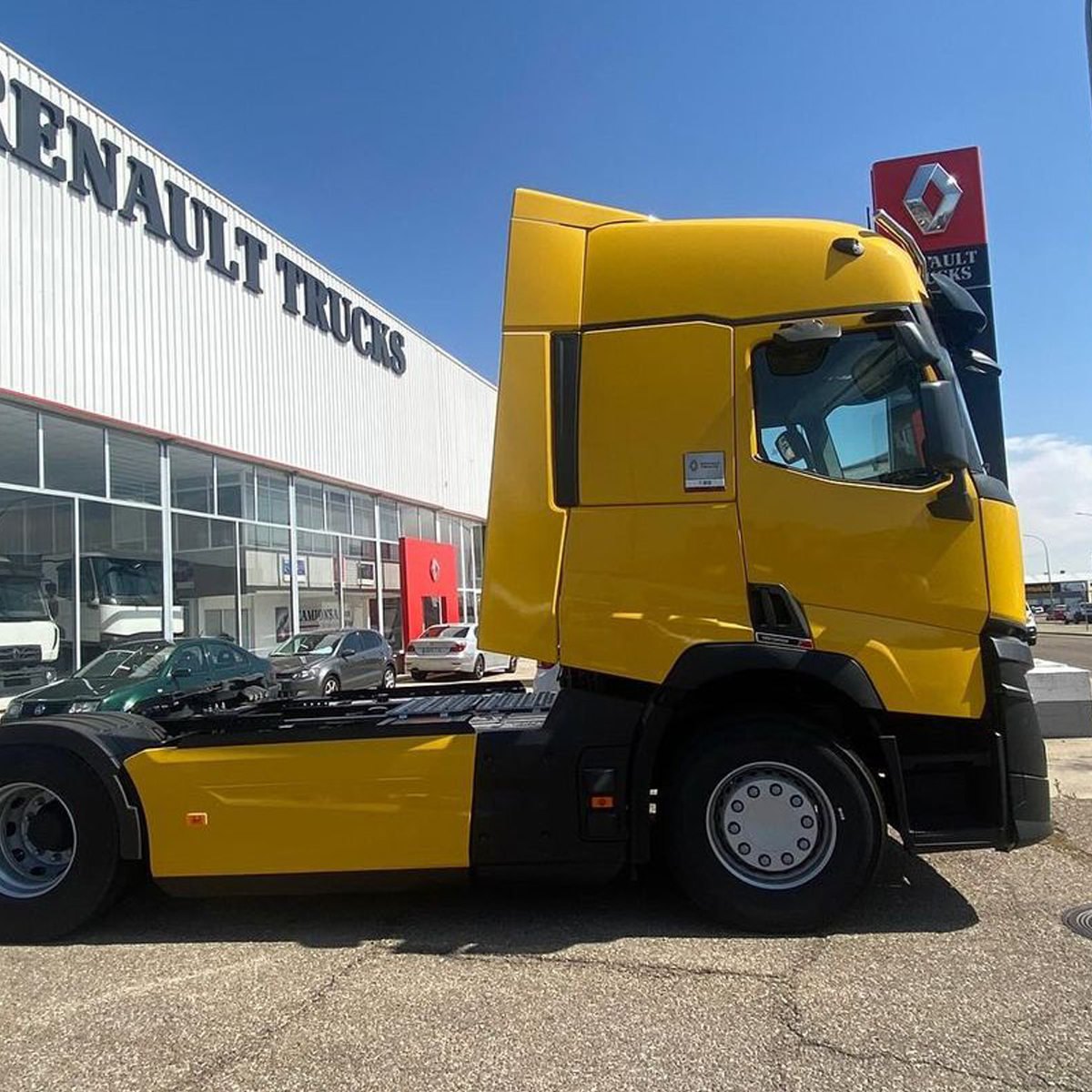
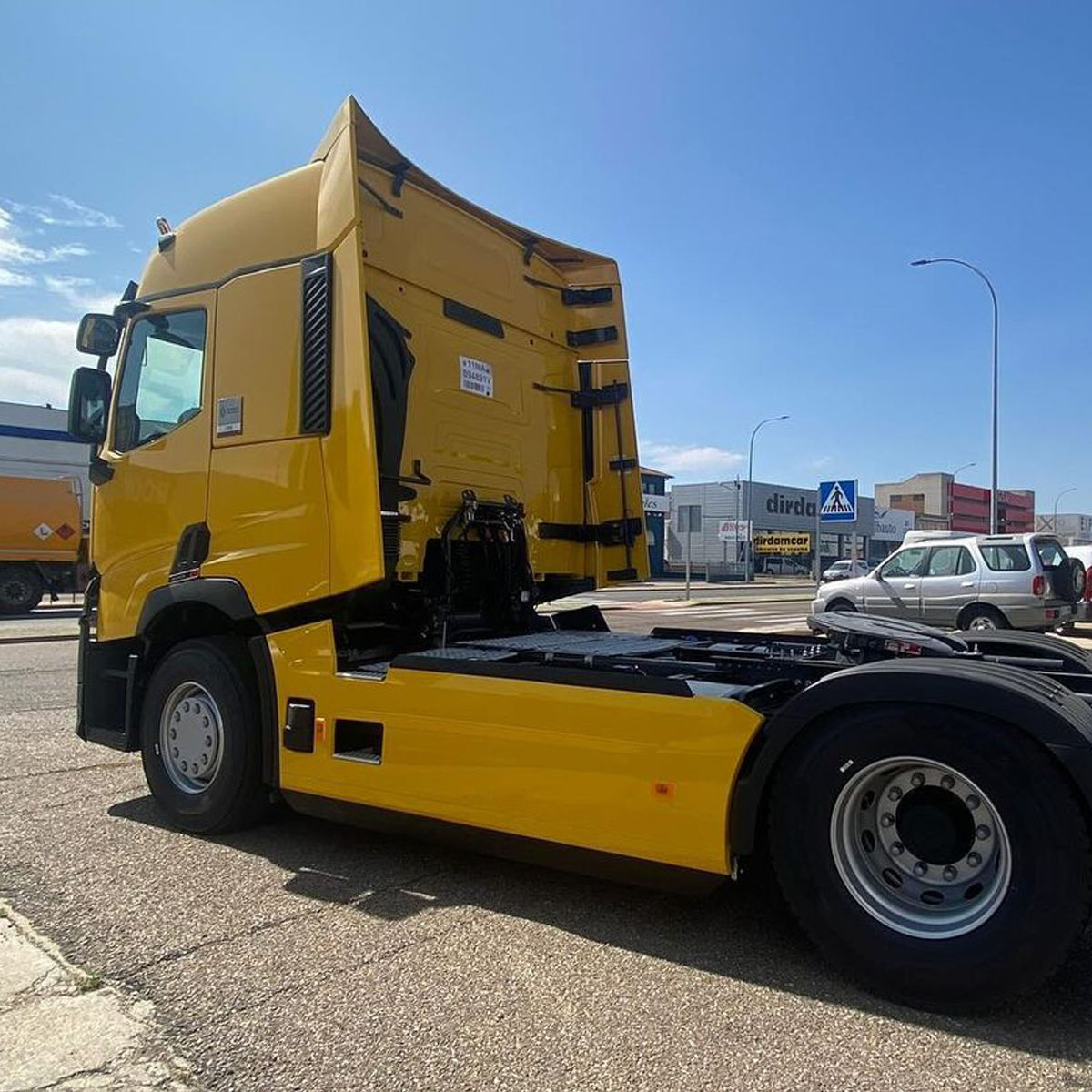
¡NUEVA ENTREGA!
Hermano Rogado González S.L. amplía su flota con su segunda unidad Renault Trucks T-480 Turbo Compound.
Agradecemos a nuestro distribuidor oficial @camionsasl por hacer posible esta entrega.
#RenaultTrucks #Camionsasl #TurboCompound #Eficiencia
4
341

17 Jul 2024
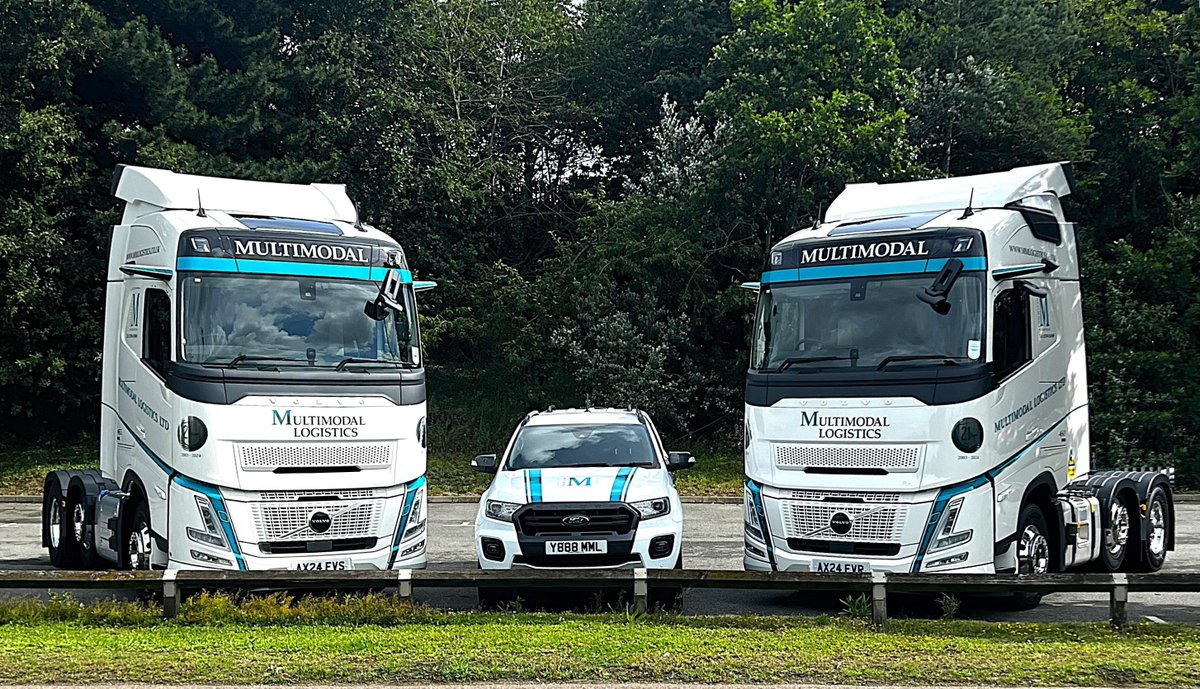
👍Congratulations to Multimodal Logistics, our #logistics partner in the UK, who expanded their fleet to a total of 65! The new @VolvoGroup FH Aero 460 Turbocompound is equipped with state-of-the-art technology, increasing safety and significantly reducing fuel consumption. 💚
3
478

13 Jul 2024
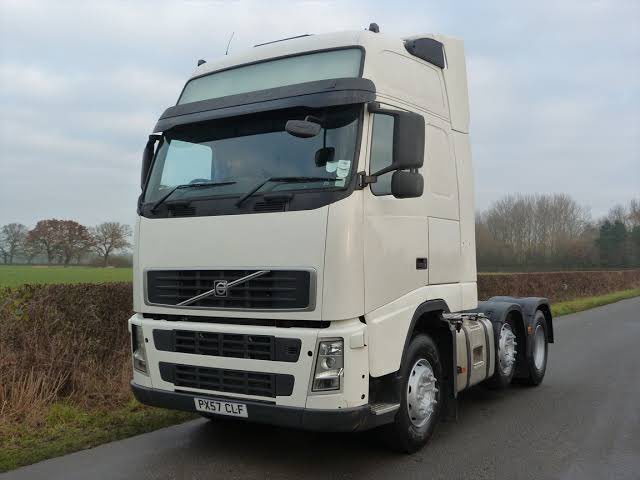
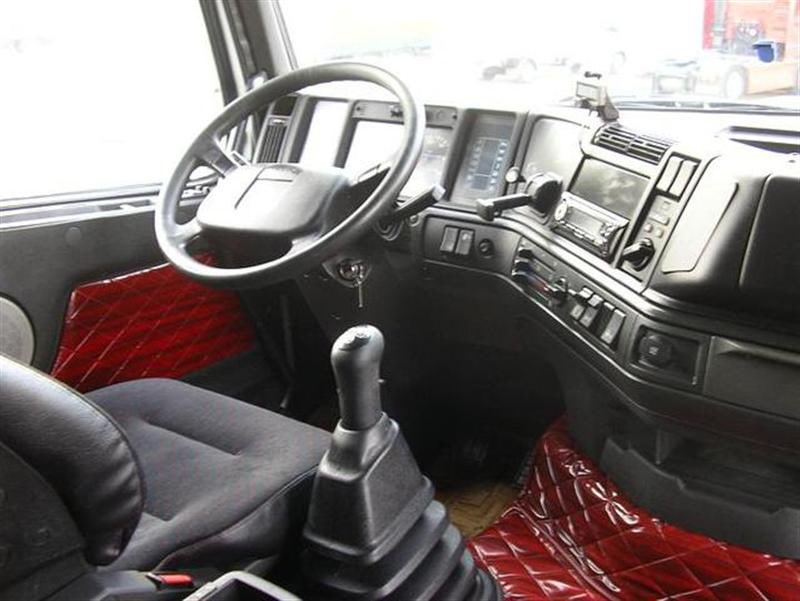
Hapa sasa volvo tayari kashajipata ataukiangalia muonekano wake ni upo tofauti kabisa na zilizopita.
Shuka nayo✍️
Volvo FH12 ni mfano wa lori nzito ambayo ilianzishwa na Volvo Trucks mwaka wa 1993.
Ni sehemu ya mfululizo wa Volvo FH, ambayo inajulikana kwa utendaji wake wa juu, faraja, na ufanisi.
FH12 inahusu hasa lahaja ya injini ya lita 12, ambayo inapatikana katika ukadiriaji mbalimbali wa nguvu.
FH12 imefanyiwa masasisho na maboresho kadhaa kwa miaka mingi, huku kizazi cha hivi punde kikitoa vipengele na teknolojia za hali ya juu ili kuimarisha usalama, ufanisi wa mafuta na faraja ya kiendeshi.
Baadhi ya vipengele muhimu vya Volvo FH12 ni pamoja na
Injini zenye nguvu: FH12 inapatikana na anuwai ya injini zenye nguvu, ikijumuisha injini ya D12C yenye matokeo ya kuanzia 420 hadi 540 farasi.
Vipengele vya hali ya juu vya usalama: FH12 ina vipengele mbalimbali vya usalama, kama vile Programu ya Uthabiti wa Kielektroniki ya Volvo (ESP), Usaidizi wa Kuweka Njia (LKS), na Usaidizi wa Kubadilisha Njia (LCS), ambayo husaidia kuzuia ajali na kuhakikisha usalama wa dereva na watumiaji wengine wa barabara.
Teknolojia zisizotumia mafuta: FH12 inajumuisha teknolojia mbalimbali za kuokoa mafuta, kama vile kifurushi cha I-Save, ambacho kinajumuisha vipengele kama vile teknolojia ya turbocompound, ekseli za nyuma zilizoboreshwa na suluhu za programu ili kupunguza matumizi ya mafuta na kuboresha kando.
Teksi ya kustarehesha na pana: FH12 inatoa teksi ya starehe na pana, yenye chaguzi kama vile teksi za Globetrotter XL na Globetrotter XXL zinazotoa nafasi ya kutosha kwa dereva na abiria wowote.
Mifumo ya hali ya juu ya usaidizi wa madereva:
FH12 ina mifumo ya hali ya juu ya usaidizi wa madereva, kama vile Uendeshaji wa Volvo Dynamic, ambayo humsaidia dereva na kupunguza mkazo wa kuendesha gari kwa umbali mrefu.
Kwa ujumla, Volvo FH12 ni lori la mizigo mizito linalotegemewa na linalofaa sana kwa kazi za usafiri wa masafa marefu na wa kikanda, na pia kutumika katika ujenzi, misitu, na tasnia zingine.
31
8
21
3,049
10 Jul 2024
📷 🅽🆄🅴🆅📷 🅴🅽🆃🆁🅴🅶📷📷
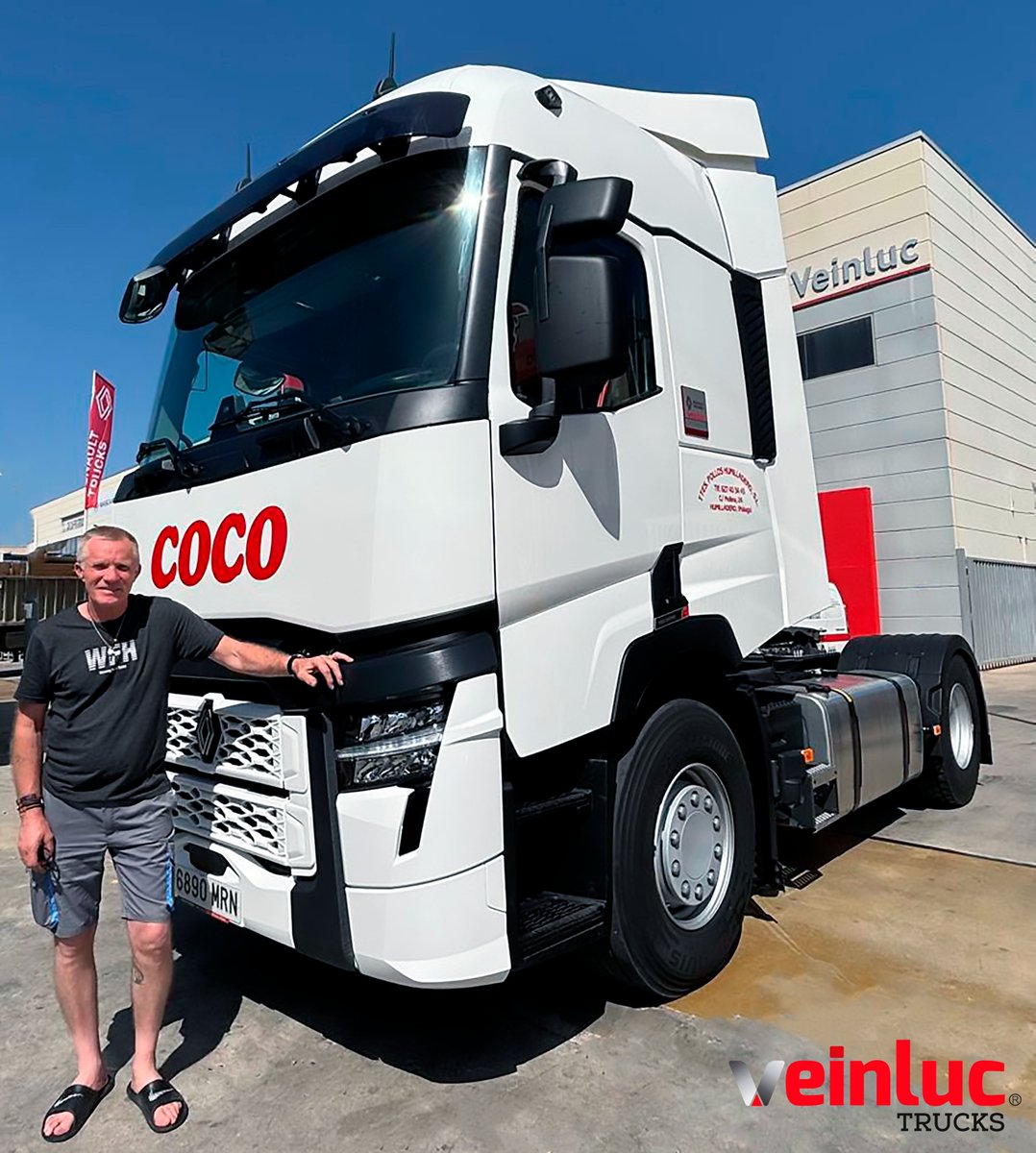
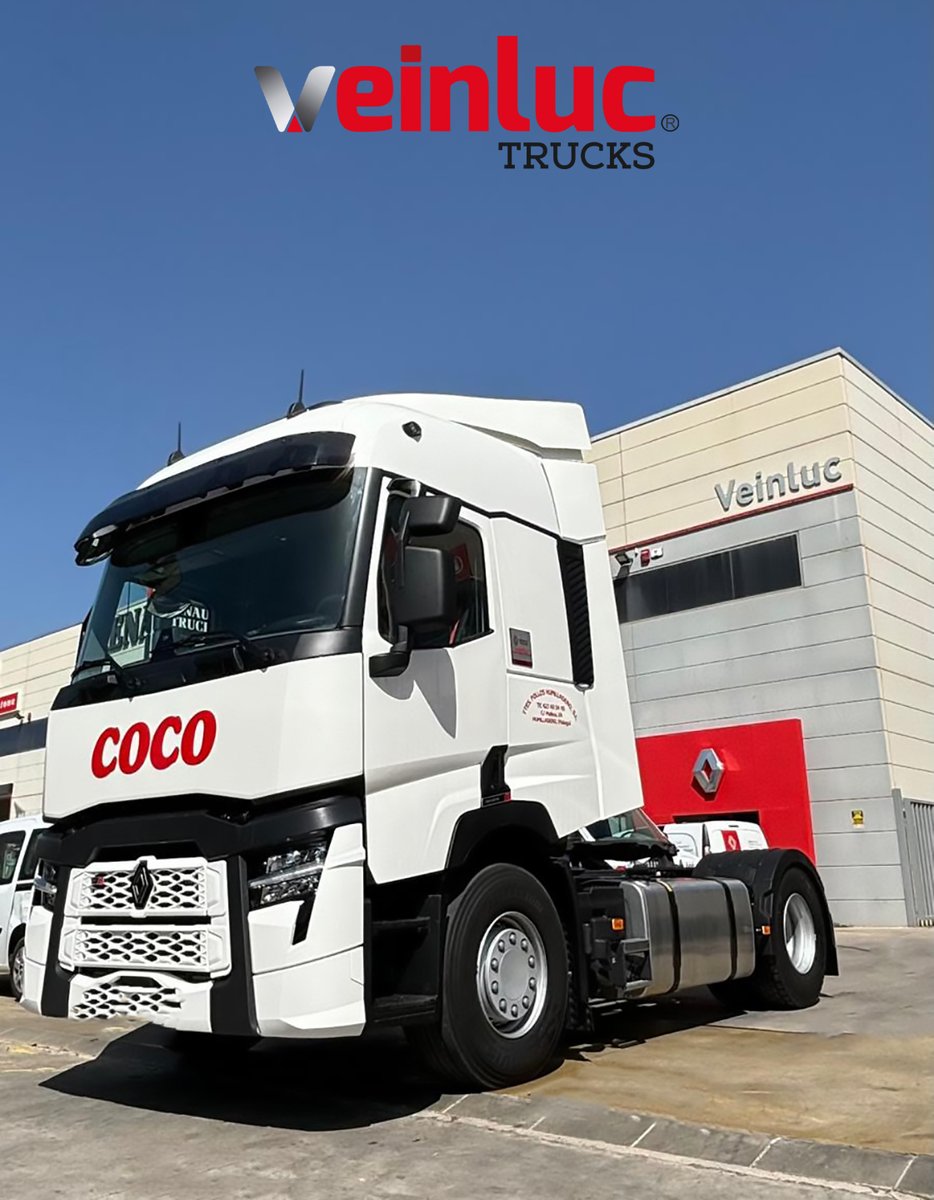
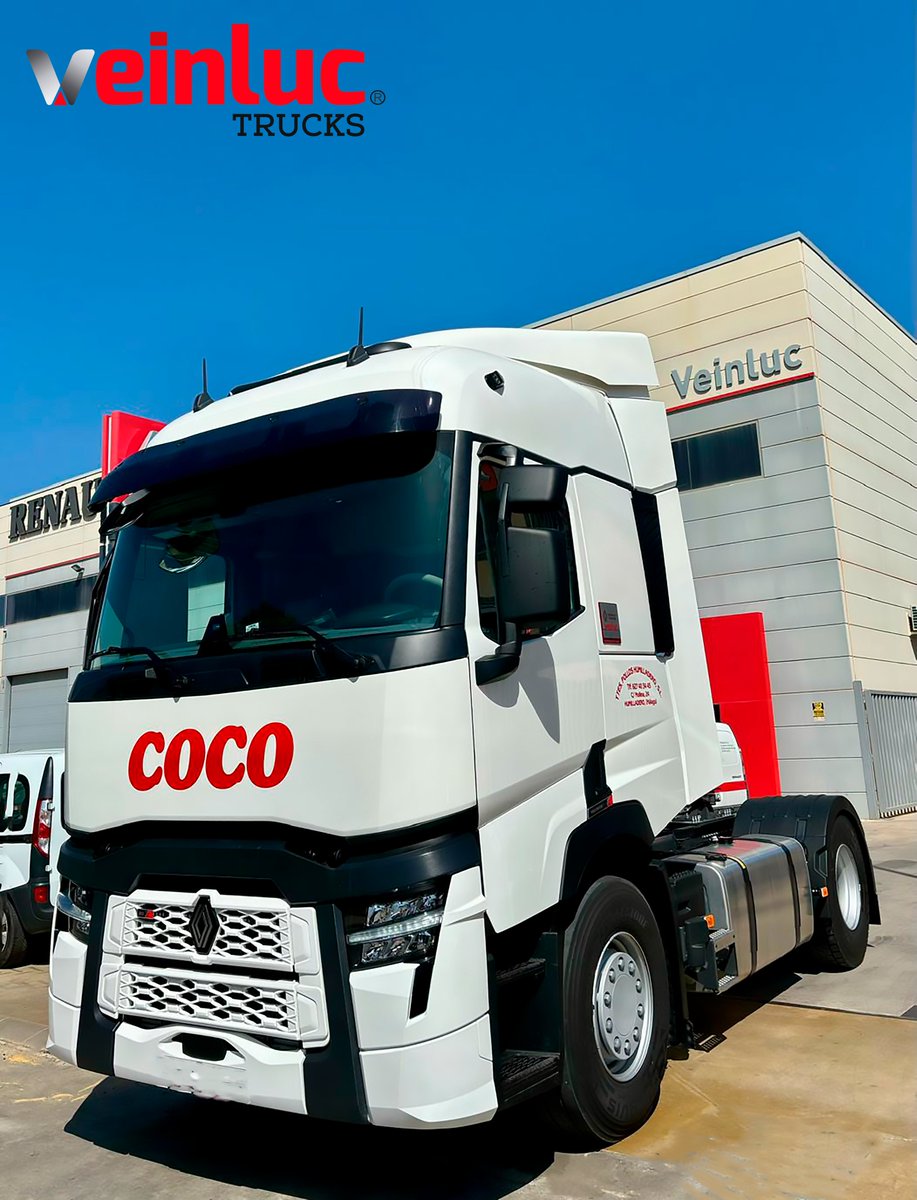
Transportes pollos Humilladero slu renueva flota con este #Renault #T480 #Sleeper #TurboCompound
𝐂𝐚𝐫𝐠𝐚𝐝𝐨 𝐝𝐞 𝐞𝐱𝐭𝐫𝐚𝐬 📷
Muchas gracias
#Veinluc @RenaultTrucksEs
"𝙀𝙡 80% 𝙙𝙚𝙡 é𝙭𝙞𝙩𝙤 𝙚𝙨 𝙝𝙖𝙘𝙚𝙧𝙨𝙚 𝙥𝙧𝙚𝙨𝙚𝙣𝙩𝙚".
1
66

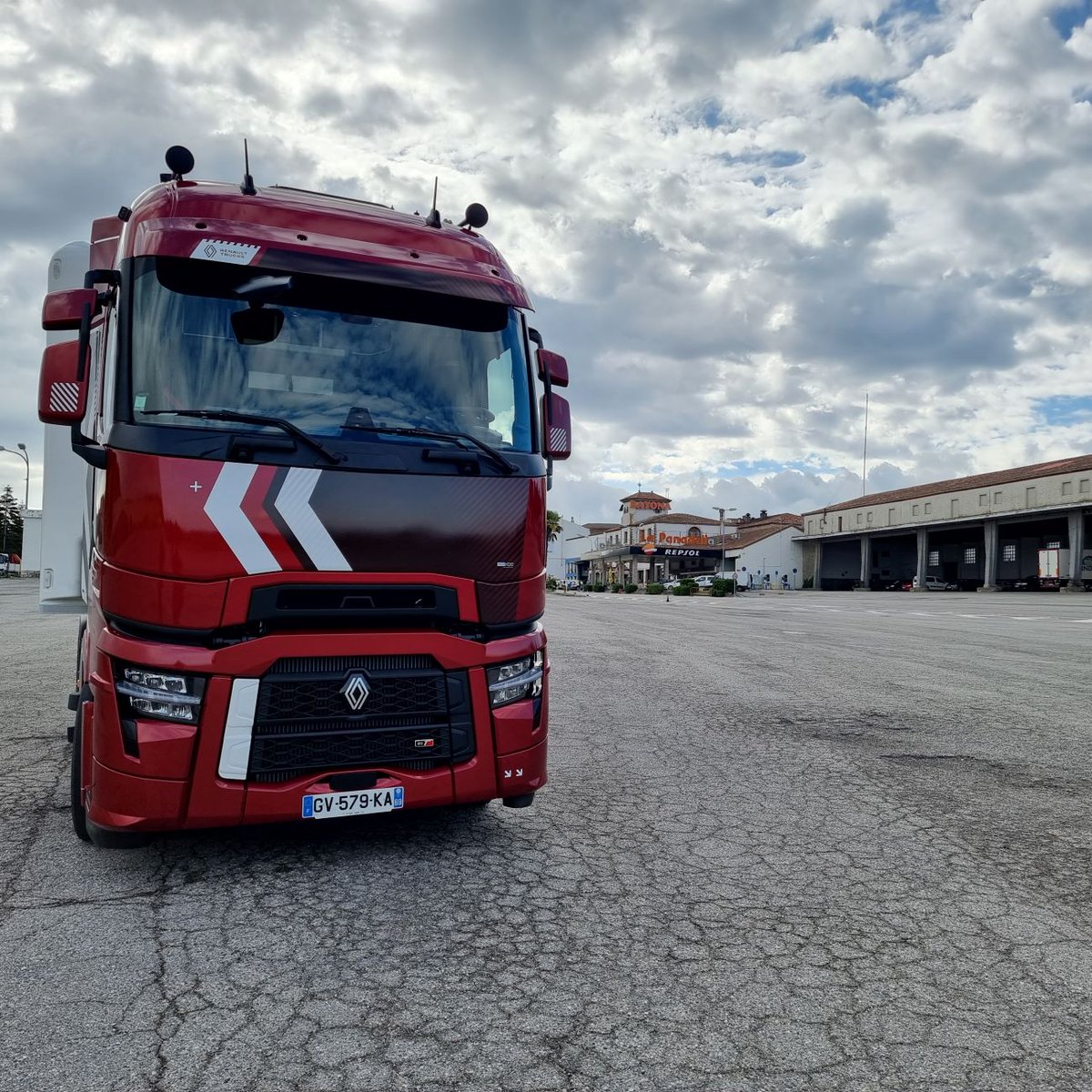
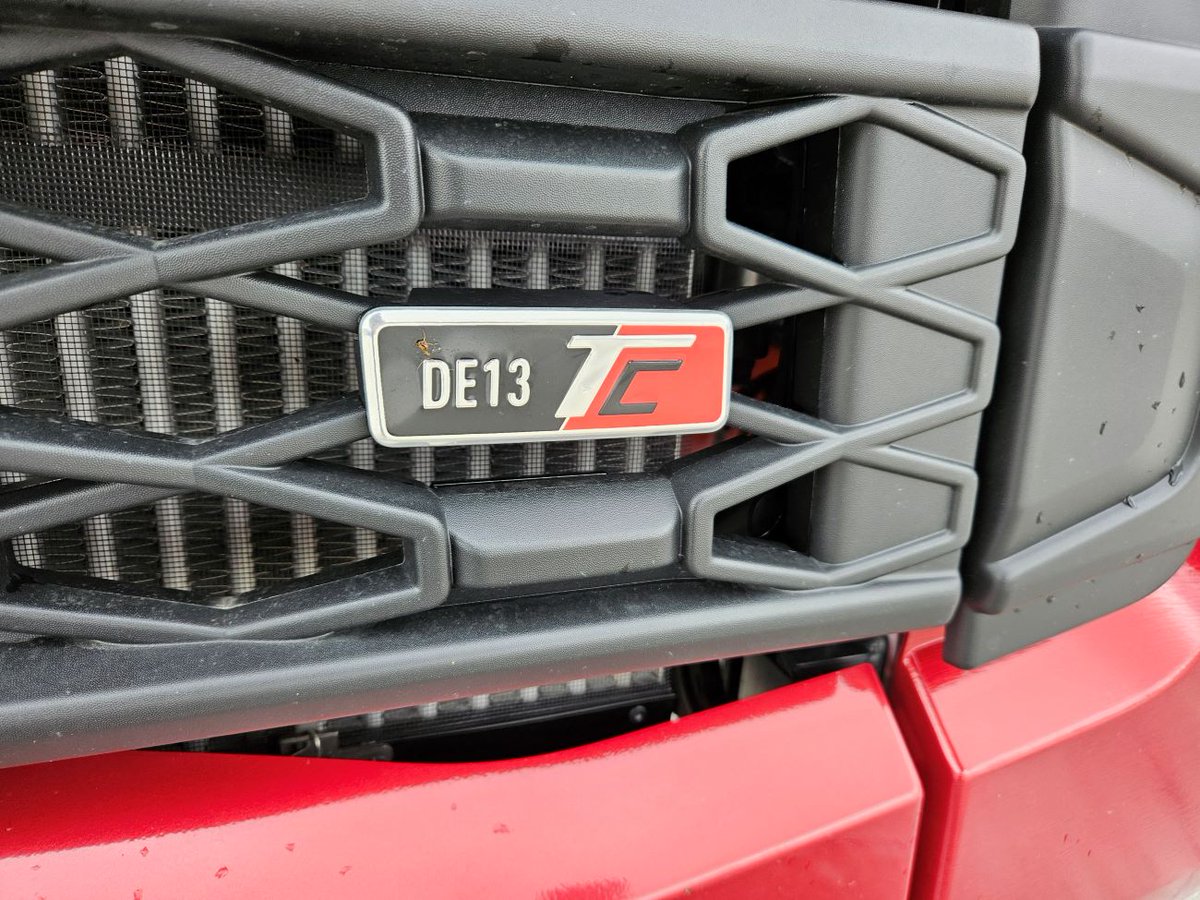
Prueba 800 kms Renault Trucks T 480 Turbocompound (Parte1ª) encamion.com/prueba-800-kms-… a través de @EnCamion @RenaultTrucksEs


2
268
29 May 2024
📷 🅽🆄🅴🆅📷 🅴🅽🆃🆁🅴🅶📷📷
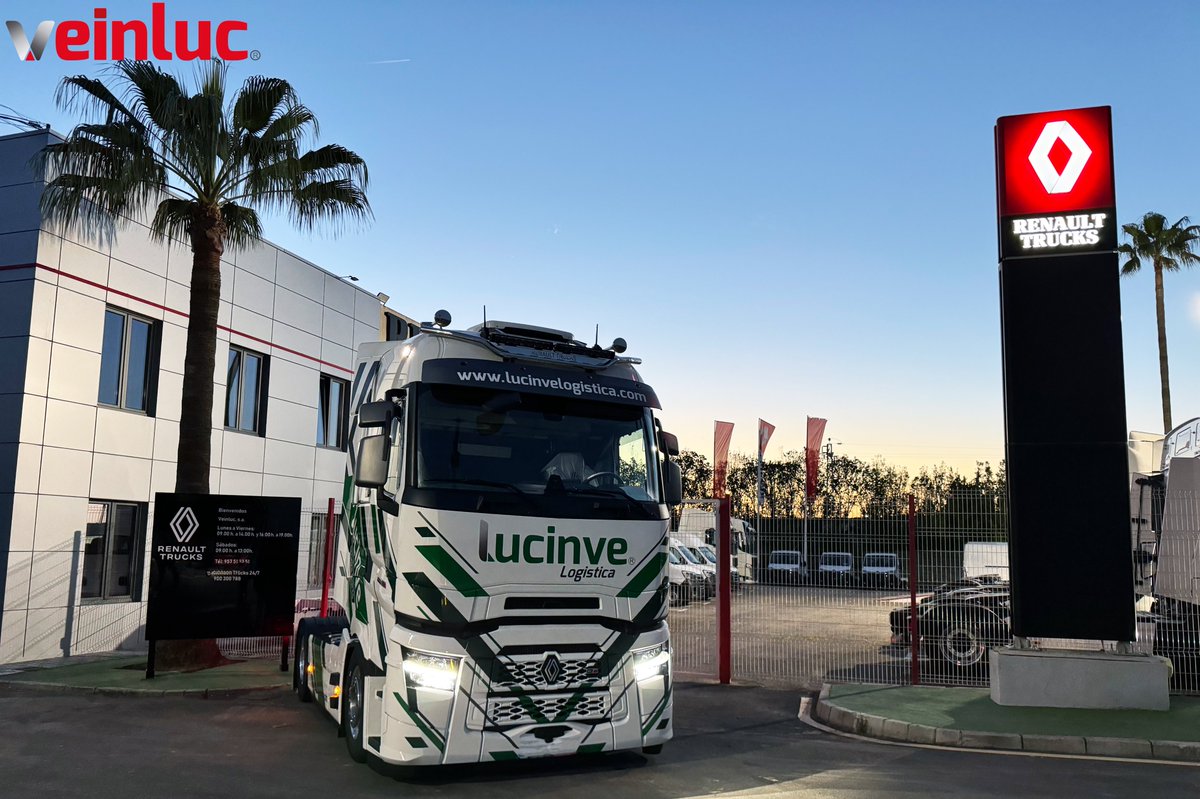
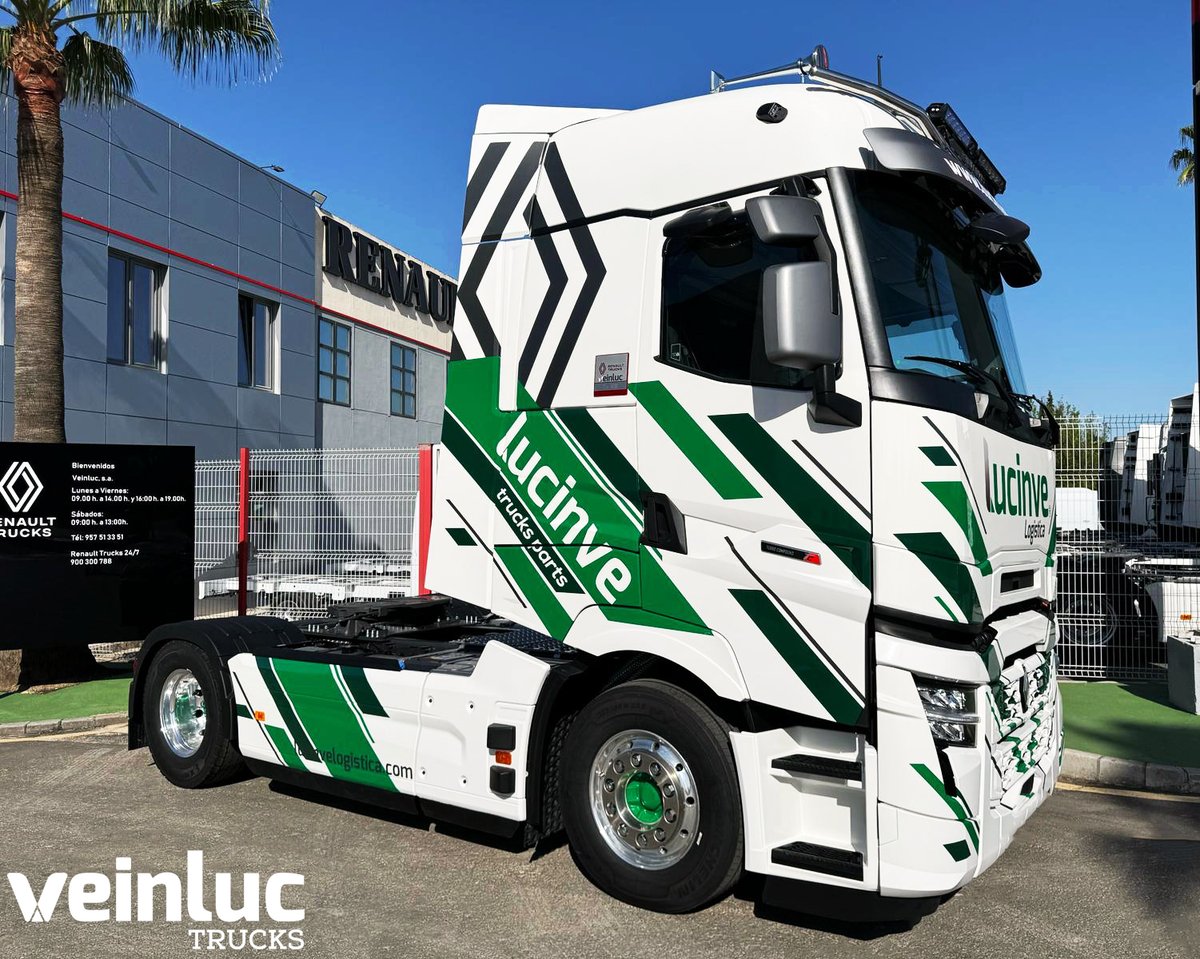
Lucinve sigue creciendo y abriendo fronteras ampliando flota con este #Renault #T480High #TurboCompound 📷
𝙇𝙖 𝙛𝙤𝙧𝙩𝙪𝙣𝙖 𝙚𝙨𝙩á 𝙖𝙡 𝙡𝙖𝙙𝙤 𝙙𝙚 𝙦𝙪𝙞𝙚𝙣 𝙨𝙚 𝙖𝙩𝙧𝙚𝙫𝙚
#Veinluc #Lucinve #Lucena #PuenteGenil #Antequera
4
81

13 May 2024
One of the most efficient engines ever built, even up to today. Harvesting wasted energy with a recovery turbine was a brilliant idea. I think there are a few truck lorries using turbocompound engines now.
autospeed.com/cms/a_112994/a…
8
397

1 May 2024
Though I think there was some thoughts (in a Kitplanes magazine article, iirc) that some kind of turbocompound solution might serve for "low performance" jets for the homebuilt/experimental sector, and early jet fighter replicas.
1
2
24