
20 May 2025
#TurfTrivia Tuesday is here! Take a guess: What’s the oldest horse race in the world? You’ve got 5 seconds!
إليك معلومة هذا الثلاثاء من قلب المضمار: ما هو أقدم سباق خيول في العالم؟ لديك 5 ثوانٍ فقط للإجابة!
#Horse #racing #trivia #abudhabiturfclub #ADTC #مضمار_أبوظبي_للسباق #خيل #سباق
1
2
265

19 Dec 2024
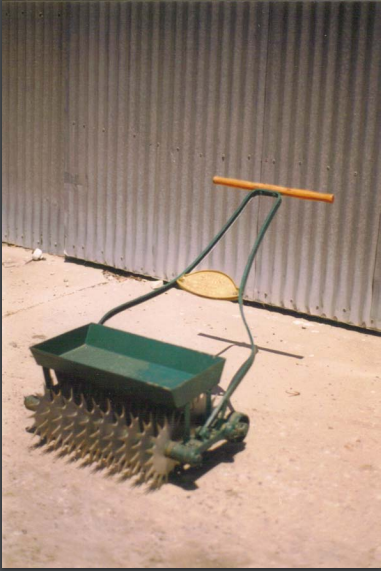
Throwback Thursday challenge! Can you name this vintage piece of turf equipment? Hint: It's an essential tool for healthy turf. Share your guesses in the comments! #TBT #TurfTrivia #SFMA
2
1
12
2,134

11 Feb 2024
🏈 It’s Super Bowl Sunday! #SBLVIII
This year, the Super Bowl’s being played on REAL #turfgrass.
Here’s some #turftrivia: Do you know the type of #turfgrass at Allegiant Stadium?
13%
Kentucky bluegrass
22%
Perennial ryegrass
56%
Bermudagrass
10%
Zoysia
124 votes • Final results
1
1
4
1,759

4 Jan 2023
Happy #NationalTriviaDay! Let’s celebrate with some #TurfTrivia. Which type of grass in the northern U.S. is more susceptible to crown hydration issues during the winter?
A. Annual bluegrass
B. Creeping bentgrass
C. Perennial ryegrass
D. Zoysia grass

1
1
5
3,408
14 Oct 2022
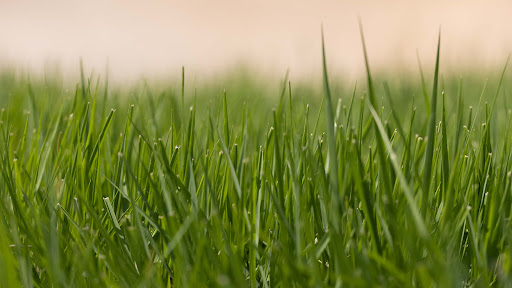
#TurfTrivia: Poa annua remains a tough weed to control. To manage it effectively, it is critical to provide turf with a competitive edge over Poa by which factors? ⛳
A) Maintain appropriate fertility
B) Decrease soil moisture
C) Keep mowing heights high
D) All of the above
5
9 Sep 2022
#TurfTrivia True or false: Poa annua grows on all seven continents, even on Antarctica.
Leave your answer in the comments.

4
7
3 Aug 2022
#TurfTrivia 🤔
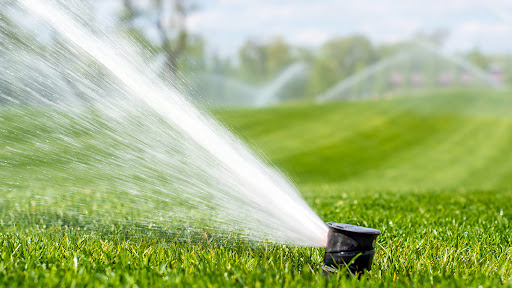
True or false: Golf courses are excellent biofilters, even when using already treated recycled effluent water.
1
5
6 May 2022
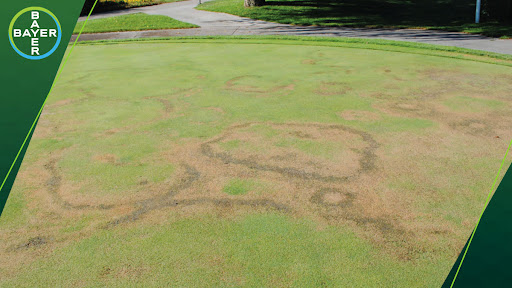
Hey, #TurfHeads, let’s talk warm-season #TurfTrivia: Fairy ring can be a nuisance on warm-season turf. Initial preventative applications should start in the spring and continue every how many days?
A. 12
B. 28
C. 36
D. 60
6
7
7 Apr 2022
Bonus #TurfTrivia: It’s #themasters week! ⛳ You already know Augusta National overseeds with perennial ryegrass to ensure green turf in the spring. But do you know what year the first perennial ryegrass cultivar Manhattan was introduced?
A. 1896
B. 1929
C. 1967
D. 1994
6
5

5 Apr 2022
It's time for #ThePeoplesShow with @BikNizzar and @RandipJanda!
12:30 - @eddielack
1:00 - Jannik Hansen
Plus #TurfTrivia where you can win a pair of #Canucks tickets!
LIVE:
📱 650-650
🎧 player.sportsnet650.ca
PODCAST:
🍎 apple.co/3w7gXNR
🟢 spoti.fi/3FA379V
3
2
2
7 Mar 2022
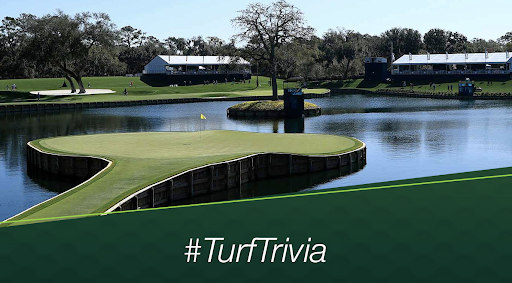
#TurfTrivia: The #PlayersChampionship tees off this week at TPC Sawgrass, and we all know it boasts 100% bermudagrass on the Stadium Course. But what specific strain do they use on the greens?
A. Tifdwarf
B. Tifway 419
C. Celebration®
D. MiniVerde®
7
2
8
18 Feb 2022
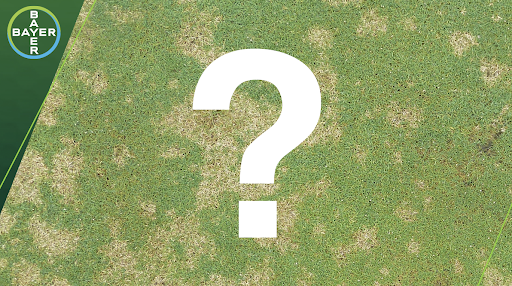
#TurfTrivia: The turf disease pictured below usually appears at temps between 60° F and 90° F and prefers warm days, cool nights, and heavy dew. What’s it called?
A. Brown patch
B. Snow mold
C. Dollar spot
D. Gray leaf spot
7
2
5 Feb 2022
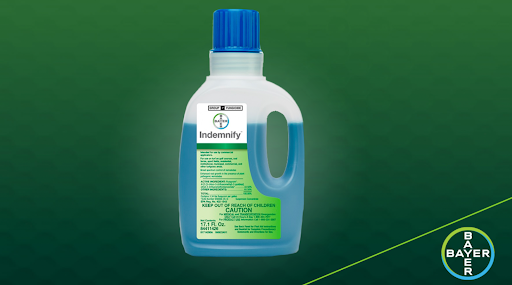
#TurfTrivia: Now is the best time to apply Indemnify®. What makes it the best option for nematode control on cool-season greens?
A. No surfactant or wetting agent needed
B. No additional fungicide required
C. Gets deep in the soil where nematodes thrive
D. All the above
2
21 Oct 2021
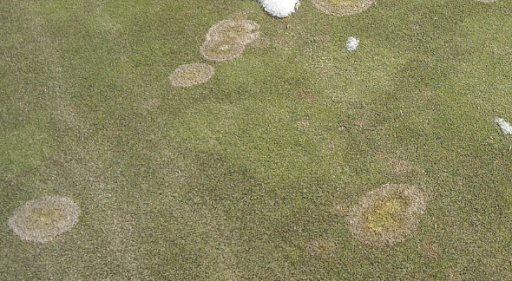
It’s #TurfTrivia time: Winter can bring the unwanted snow mold turf disease to your golf course. When is the best time to treat it?
A. January 1
B. After the first snowfall
C. Fall, as a preventative measure
D. Spring, after all snow has melted
2
5
13 Oct 2021
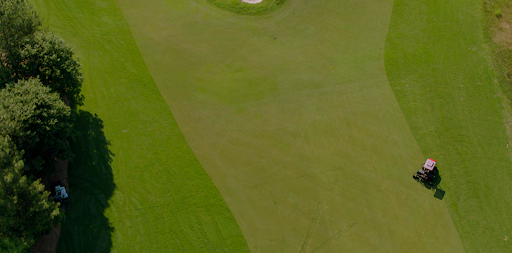
Let’s test your pest knowledge with this #TurfTrivia: Plant-parasitic nematodes are problematic on what part of the golf course?
A. Tees
B. Fairways
C. Greens
D. All of the above
2
2
11 Oct 2021
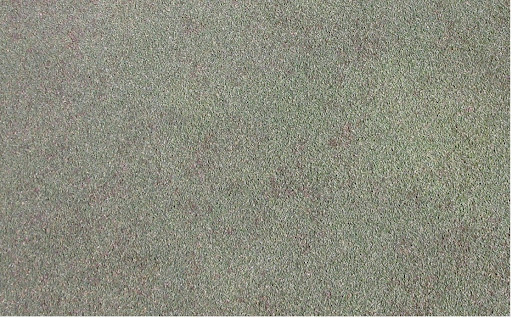
It’s #TurfTrivia time: The turf disease pictured below is typically a problem on greens in the deep south during winter play season. What’s it called?
A. Dollar spot
B. Bipolaris leaf spot
C. Anthracnose
D. Brown patch
14
2
4

#TurfTrivia #ThursdayTrivia
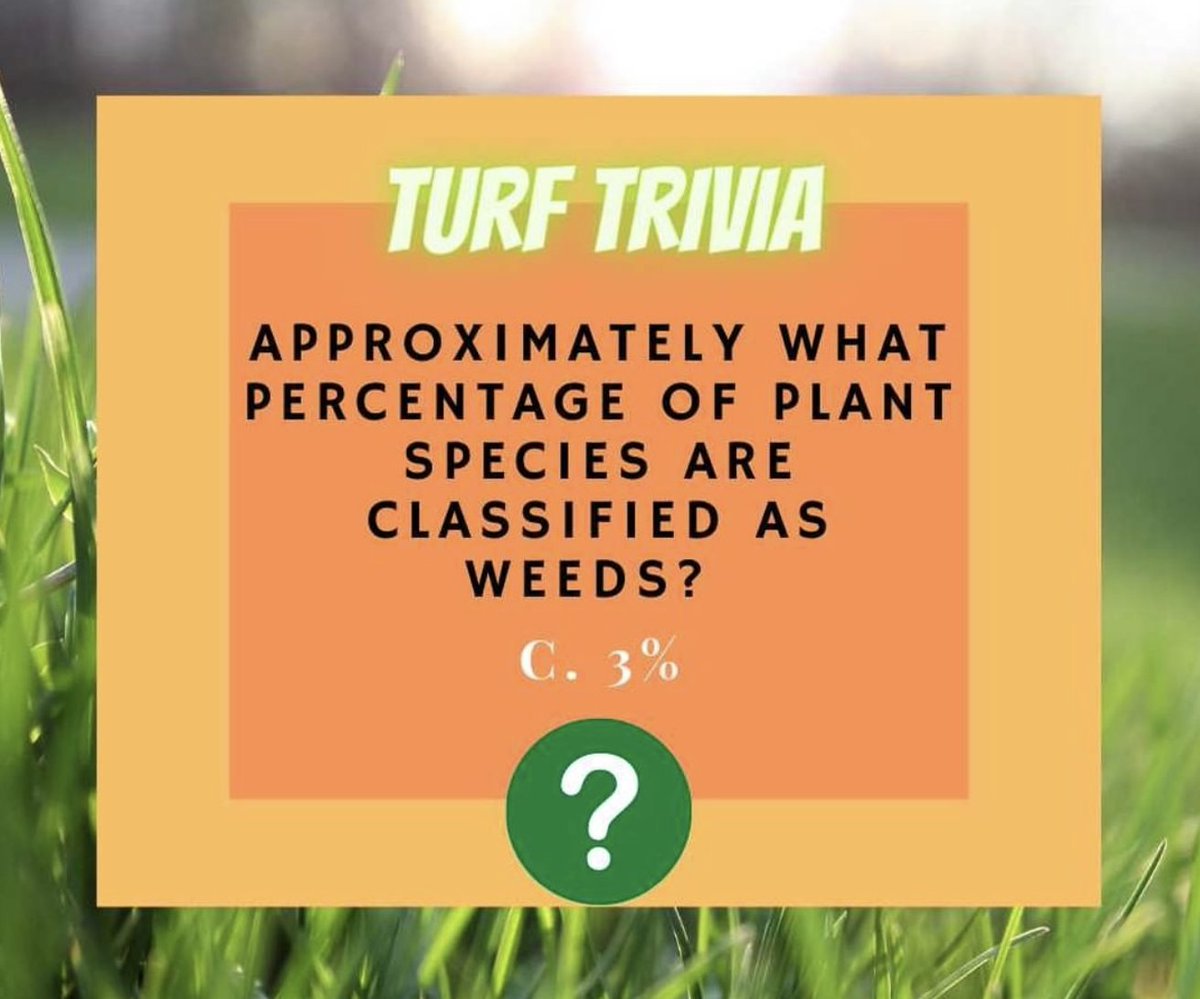
Only 3% of plant species are classified as weeds.
Nice job @Zeblun20 ! Were you as surprised as we were? Some days it feels like 300% 🙃
#nowyouknow
1
10 Aug 2021
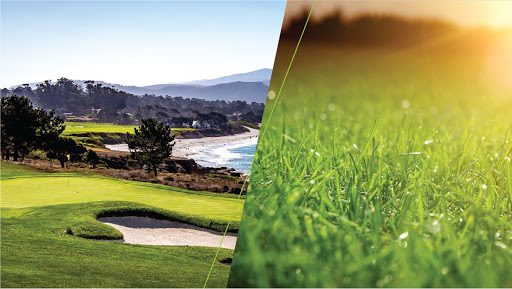
#TurfTrivia: Today is a two-part question. Which U.S. state has the most golf courses and what is the most common turf grass in that state?
A. California, zoysia
B. Texas, ryegrass
C. South Carolina, seashore paspalum
D. Florida, bermudagrass
7
5
14 Jul 2021
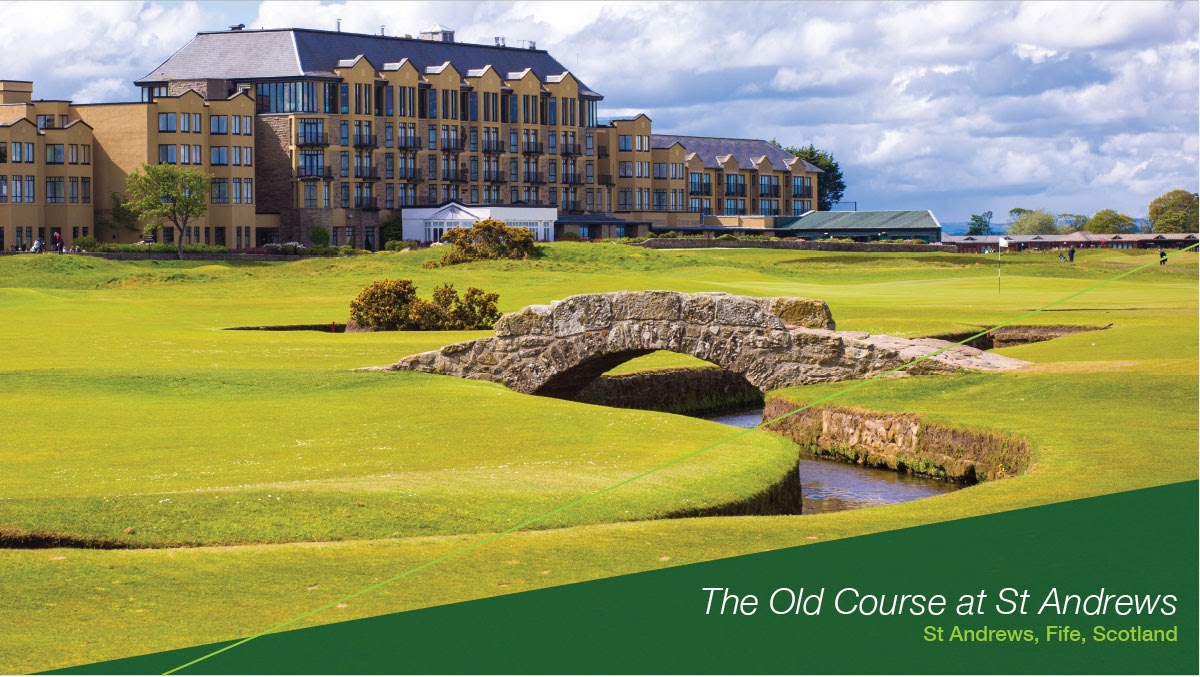
The 149th Open Championship starts tomorrow, so let’s do some #TurfTrivia for the event.
The Open Championship has been held in Scotland, England and what other country?
A. Wales
B. Ireland
C. Northern Ireland
D. Belgium
3
2
10 Jun 2021
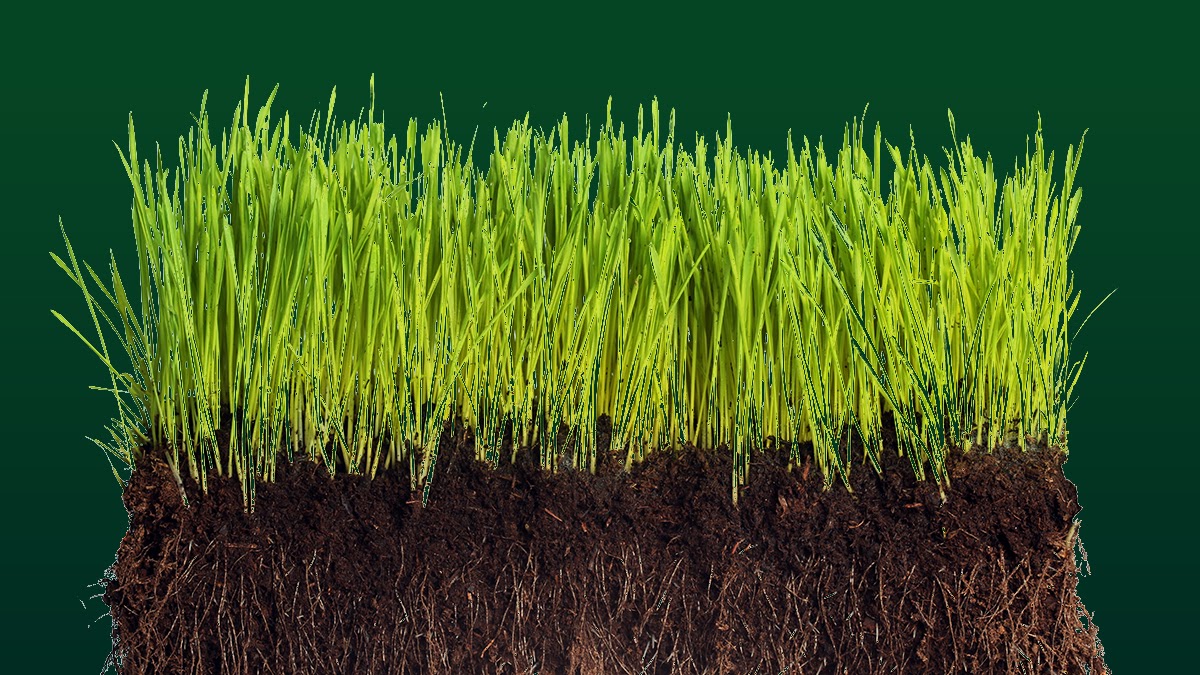
Let’s try some #TurfTrivia about summer stress in cool-season greens.
Root growth will slow when soil temperatures are above:
a. 65°F
b. 72°F
c. 77°F
d. 84°F
4
6