
Jun 10
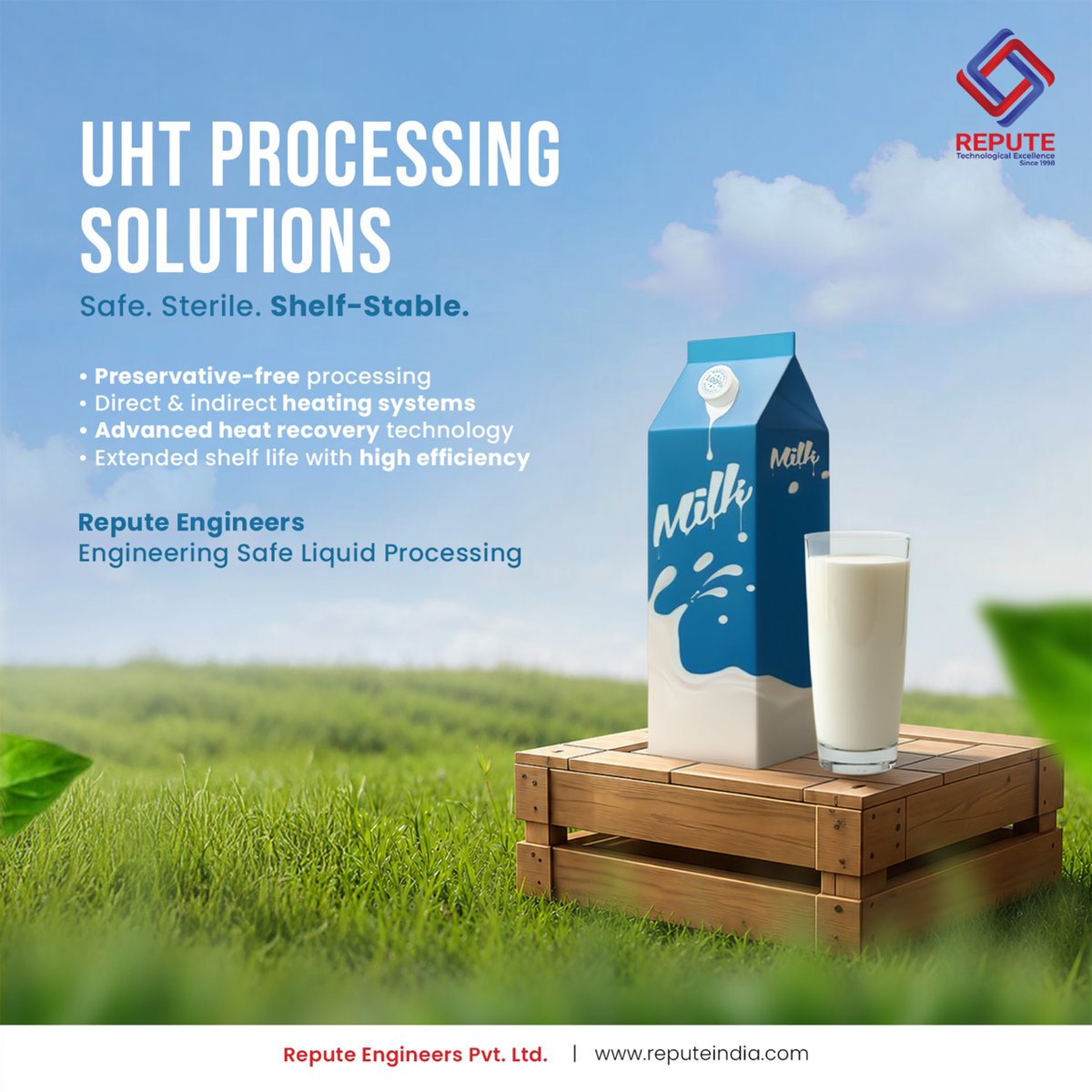
Ensure safety and extended shelf life with Repute’s UHT Processing Solutions.
#ReputeEngineers #UHTProcessing #FoodProcessing #BeverageProcessing #DairyProcessing #FoodSafety #HygienicDesign #ProcessAutomation #EngineeringExcellence #ConsistentQuality
1

15 Dec 2024
How Chemical Reactions Deplete Nutrients in Plant-Based Drinks
_ Plant-based drinks like oat, almond, soy, and rice alternatives to cow's milk are popular, but a new study highlights their nutritional shortcomings.
_ Extensive processing, including Ultra High Temperature (UHT) treatment, leads to chemical reactions that degrade protein quality, reduce essential amino acids, and produce potentially harmful substances.
Key Findings:
_ Low Protein and Essential Amino Acids: UHT-treated plant-based drinks contain 0.4–1.1 g of protein per 100 mL, much lower than cow’s milk (3.4 g).
Heat treatments cause Maillard reactions, which degrade amino acids critical for health.
_ Presence of Harmful Compounds: Acrylamide, α-dicarbonyl compounds, and hydroxymethylfurfural (HMF) were found in some drinks.
These compounds may contribute to inflammation, diabetes, or cardiovascular risks over time.
_ High Sugar Content: 7 out of 10 plant-based drinks contained more sugar than cow’s milk, further reducing their health appeal.
_ Nutritional Transparency Needed: Current labeling doesn’t disclose the quality of proteins (e.g., essential amino acids).
Recommendations for Consumers:
_ Opt for minimally processed foods and make your own plant-based beverages when possible.
_ Store plant-based drinks in the refrigerator to limit chemical changes.
_ Treat plant-based drinks as part of a balanced diet, ensuring adequate protein and nutrients from other sources.
Call to Manufacturers:
_ Explore less intensive heat treatments to preserve protein quality.
_ Improve labeling to include essential amino acid content.
_ Consider shorter shelf-life products to reduce processing intensity.
_ This study emphasizes the importance of considering nutritional quality alongside environmental benefits when choosing plant-based drinks.
Reference:
Pucci et al., Food Research International, 2024. DOI: 10.1016/j.foodres.2024.115418
#PlantBasedDrinks #NutritionalQuality #ProteinDegradation #UHTProcessing #EssentialAminoAcids #MaillardReaction #AcrylamideRisks #FoodTransparency #BalancedNutrition #HomemadeOptions #SustainableFoodChoices
2
199