
Sweden’s parliament passed a law on Monday allowing authorities to revoke immigrants’ residency permits based on bad behaviour, such as having unpaid debts, doing undeclared work or links to extremist organizations.
#News
2
Opolanaty retweeted

The UAE is suspected of fuding snd arming genocidal rebels in Sudan. Now you see why our president was caught with undeclared millions of dollars in his sofas?
He is being paid to look the other way.

1
16
26
1,314
@Dollycr8 retweeted

Jun 11
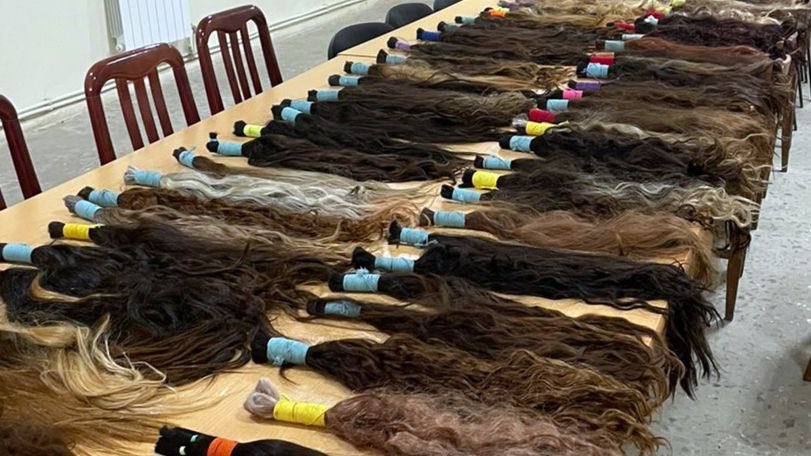
The islamic regime is selling murdered Iranian women for parts.
Armenia has confiscated massive amounts of undeclared Iranian natural women's hair which was brought across the border.
This illegal trend has been skyrocketing since, wait for it, January.
Almost all the morgue victims from the massacre were men, and not women. We are beginning to learn what actually happened to the girls who were massacred back then.
887
11,773
26,149
2,319,050

A Friday signing means there's an actual text to read. The two clauses that matter: inspector access to undeclared sites, and a snapback that doesn't need anyone's permission. If both are in there, this is durable.
2

Only Israeli genocidaires and their supporters get upset over the prospect of peace.
Look how quickly they turned against Trump despite all he has done to allow their genocide of Gaza and undeclared annexation of the West Bank.

6

Ak has a lot of unaffiliated/undeclared/independent voters.
55

Popcorn Recall Over Undeclared Allergen Sparks Consumer Risk Warning
#Newsweek twp.ai/4hrVOl
182


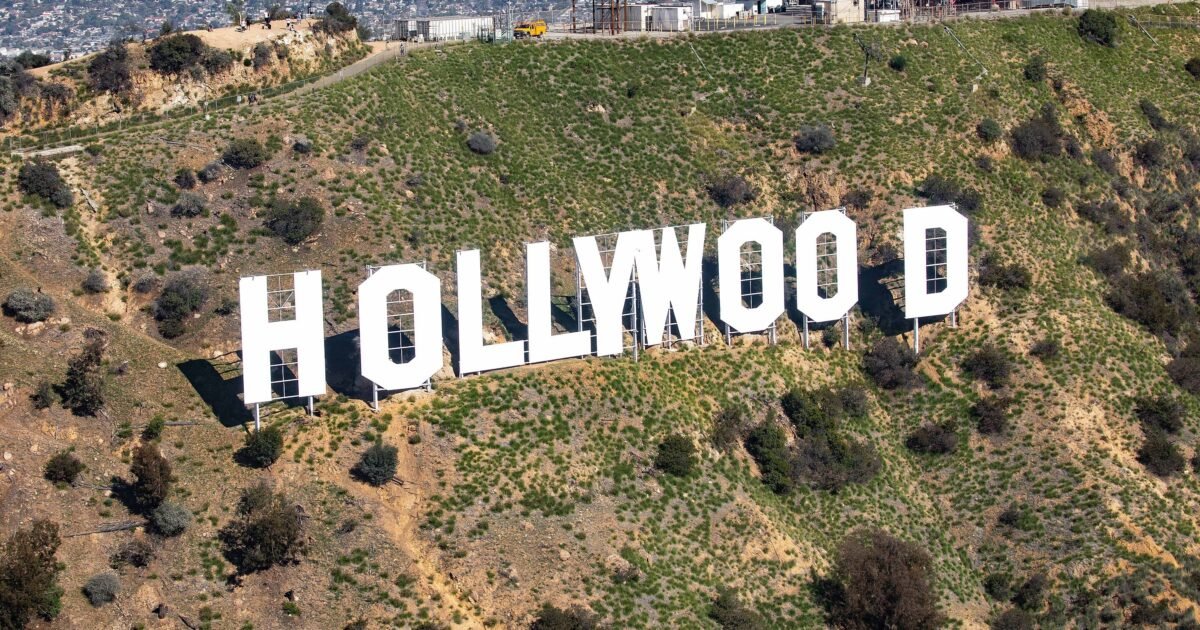
DISHEARTENING: Entertainment Industry Insiders Say They’re Afraid Hollywood is Turning Into the Next Detroit
Hollywood insiders and people who work in the entertainment industry are saying that they fear the city is going to become the next Detroit.
Years ago, movies and TV shows filmed almost everything in Hollywood unless they needed to get specific location shots somewhere else. Today, lots of cities and states are making themselves more competitive for filmmakers and producers so productions are leaving LA for other locations.
The new reboot of ‘Little House on the Prairie’ is not even filming in the United States. They’re shooting it in Canada! The original was shot in California.
@Variety Reports:
Advocates warn that unless the U.S. responds to foreign subsidies, Hollywood is at risk of becoming Detroit, which has bled jobs as automakers pursued low-wage labor and generous incentives in other states and abroad.
“This is supposed to be the film capital of the world,” said Noelle Stehman, a co-founder of the grassroots group Stay in L.A., at a rally for Raman’s campaign. “It should be the cheapest and easiest place to film. In fact, it is the most cumbersome and the most expensive. That cannot continue. If we don’t do something quickly, this is going to become the next Detroit.”
Mike Miller, vice president of the International Alliance of Theatrical Stage Employees, was raised in Cleveland. He also sees a parallel. “I watched the demise of steel and rubber and automotive manufacturing as I grew up,” he says. “This is identical in many ways. We have an undeclared trade war that our government is standing by and watching happen.”
For every show like “Baywatch” that shoots in Los Angeles, there’s another reboot that doesn’t. “The Rockford Files,” the 1970s drama about a hard-boiled L.A. detective, will return to NBC next January. It’s still set in L.A., but it’s filming outside Atlanta. “Little House on the Prairie,” another mainstay of the 1970s NBC lineup, was originally filmed in Simi Valley. The version coming to Netflix in July was shot in Winnipeg, Manitoba.
Hollywood really has two problems.
The first problem is that other cities and states are making it easier to film there than in Hollywood, where liberal policies have made everything more difficult and more expensive.
The second problem is that Hollywood keeps churning out woke garbage that no one wants to watch.
If they solved these two problems, the entertainment industry in Hollywood would come roaring back. For whatever reason, the people there just can’t see this.
51

I voted for obomber the first time to my regret. I've been an undeclared active voter for over 2 decades
1
Paul S retweeted

Sweden just passed a “Good Behaviour Law.”
Unpaid debts. Tax fraud. Undeclared work. Extremist links. Any of it-visa cancelled.
Australia should do this yesterday.
I’d add a few extras to the list:
— Hate preachers
— Welfare fraud
— Domestic violence
— Violent protests
— Glorifying terrorism
Residency is a privilege. Not a guaranteed outcome.
What would you add?
2
12
185

1h
This is the best deal Trump could have gotten considering Iran isn't surrendering. To force Iran to surrender would have meant a drastic escalation, creating far more problems in the Gulf and elsewhere, and demanding more sacrifices from us, all in an undeclared war. Most Americans are quite sick of fighting wars in the Middle East, but Gardner suffers from the disloyal belief that Israel should be served, no matter the consequences.
19

Based on feedback from drivers in Montreal, the answer is generally no — most drivers feel the earnings are not enough to comfortably survive as a primary source of income, though it can work as a flexible side hustle.
Here is a breakdown of the feedback and the financial reality:
💰 THE FINANCIAL REALITY: AVERAGE PAY VS. ACTUAL TAKE-HOME
While the average pay might seem decent at first glance, expenses and the reality of the gig economy paint a different picture.
• Average Gross Pay:
The average base pay for an Uber driver in Montreal is estimated to be around $17 per hour, with annual earnings typically ranging from $39,000 to $59,000.
• The Hidden Costs:
This is gross pay, not net profit. Drivers consistently report that after subtracting gas, vehicle maintenance, insurance, and wear-and-tear, their actual take-home pay can be significantly lower. Some long-time drivers report net earnings as low as $5 to $12 per hour after expenses, which is often below minimum wage.
• The Tax Burden:
As independent contractors, drivers are responsible for their own taxes, which further reduces their net income.
👍 THE PROS: FLEXIBILITY AND QUICK CASH
The main positive feedback consistently highlights the flexibility and the ability to earn quick cash.
• Flexibility:
The number one reason drivers choose Uber is the ability to set their own schedule, work when they want, and have no direct boss.
• Immediate Income:
The ability to get paid instantly after each trip is a major draw, providing a steady stream of small payments that can help with immediate needs.
• Potential for Good Weekends:
Some drivers report that with a strong work ethic and by hitting "Quest" bonuses (extra money for completing a set number of trips), they can make enough to pay their rent for the month in a single weekend.
👎 THE CONS: THE STRUGGLE TO MAKE A LIVING
This is where the overwhelming majority of driver feedback is negative.
• Not a Full-Time Career:
The most common piece of advice from current and former drivers is not to rely on Uber as a main source of income. It is repeatedly described as a part-time job or a way to supplement your main income, not a sustainable career.
• Erratic and Declining Pay:
Many drivers feel that the pay has decreased over time, especially since the pandemic. They report that fares are not high enough to compensate for the costs of driving and that Uber's cut of the fare (believed to be 25–40%) leaves drivers with a shrinking share.
• No Benefits:
There are no health benefits, paid time off, or job security, which are crucial for financial stability.
• Vehicle Depreciation:
The job puts a massive amount of mileage on a car in a short period, leading to rapid depreciation, which is a hidden but significant cost.
🚘 SOME DRIVERS' SOLUTION: GOING "OFF-APP"
To combat low pay, some drivers and passengers in Montreal turn to a cash loophole. This involves the passenger paying the driver directly, and the driver cancelling the trip on the app. This allows the driver to earn more (since Uber isn't taking a cut) and the passenger to pay less.
However, this is extremely risky:
• No Insurance:
You are not covered by Uber's insurance in case of an accident.
• Risk of Deactivation:
Uber monitors for this and can permanently ban drivers.
• Tax Issues:
Undeclared cash income can lead to problems with the CRA.
✅ FINAL VERDICT
The feedback from Uber drivers in Montreal is clear: driving for Uber can be a good way to make flexible, quick cash on the side, but it is not a reliable path to financial stability. Most drivers strongly advise against relying on it as your primary job.
KEY ADVICE FROM MONTREAL DRIVERS:
• Keep your day job:
Treat Uber as a side hustle, not a career.
• Account for all costs:
Factor in gas, maintenance, and taxes to understand your actual profit.
• Watch your hours:
The pay often requires long hours to make it worthwhile.
In short, you can make some money with Uber in Montreal, but making enough to survive is a significant challenge.
1
31
🔥Sang’gre🌪️ retweeted

Jun 15
BAGONG EBIDENSYA!
UNDECLARED ASSETS :
30 PCS OF PROPERTY & millionesssss ang halaga. KAGIMBAL GIMBAL! 🙀🙀
WALANG HIYA KA NGA TALAGA BONGBONG MARCOS! BAKIT SA PANAHON MO AT BAKIT HINAYAAN MONG MAISIWALAT KUNG GAANO KAGAHAMAN/KABALASUBAS ANG BEEPEE!
14
202
1,302
133,972

What the hell? Petitioner, Government and Honorable court have one goal, then no need to ask any thing before applying any decision. Why are you doing show off to citizens of India. Today we are facing an undeclared emergency. Always face the queue. The govt will be decided first
7

Sweden tightens immigration rules: residency can be revoked for tax, work and conduct violations
Sweden approves a 'good behaviour' act, allowing migrant deportation for misconduct including unpaid taxes, undeclared work or extremi...
ynetnews.com/article/rkhfqtj…

2
4
585