
May 27
Understanding Japanese Macaques No. 006 / Conditions for Joining a Group, Credits.
Matsuura (Acoustic Cafe)
The only requirement for being accepted into a group is simply to be together .
Wild Japanese macaques do not stay in one place; they move around daily, eating and living as they go.
Regarding their movements, a leading male doesn't determine the direction; rather, the group is generally pulled in the direction everyone else is heading.
For example, during the winter when food is scarce, monkeys are said to know where everything is.
"Where can I go to find food?" Moreover, some research suggests that it is the older females in the group who are most knowledgeable about this.
Being recognized as a member of the group means simply following along.
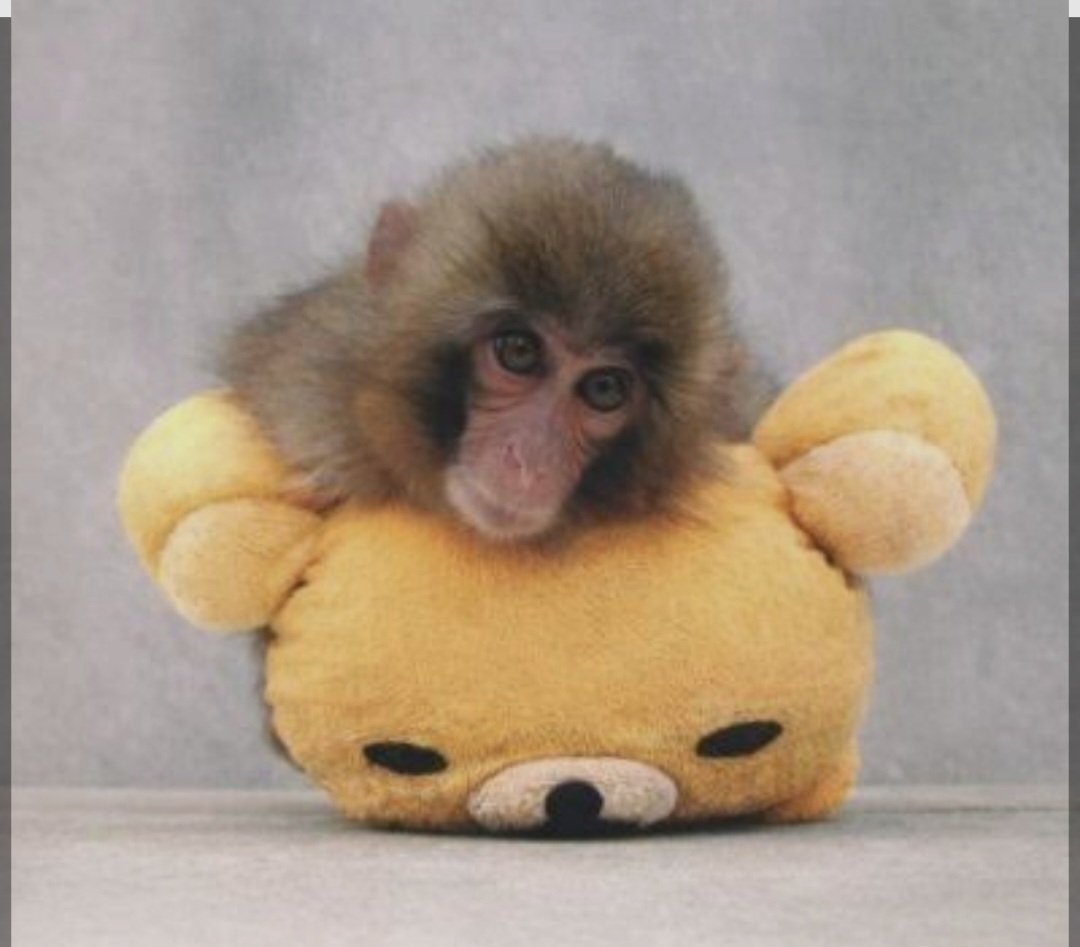
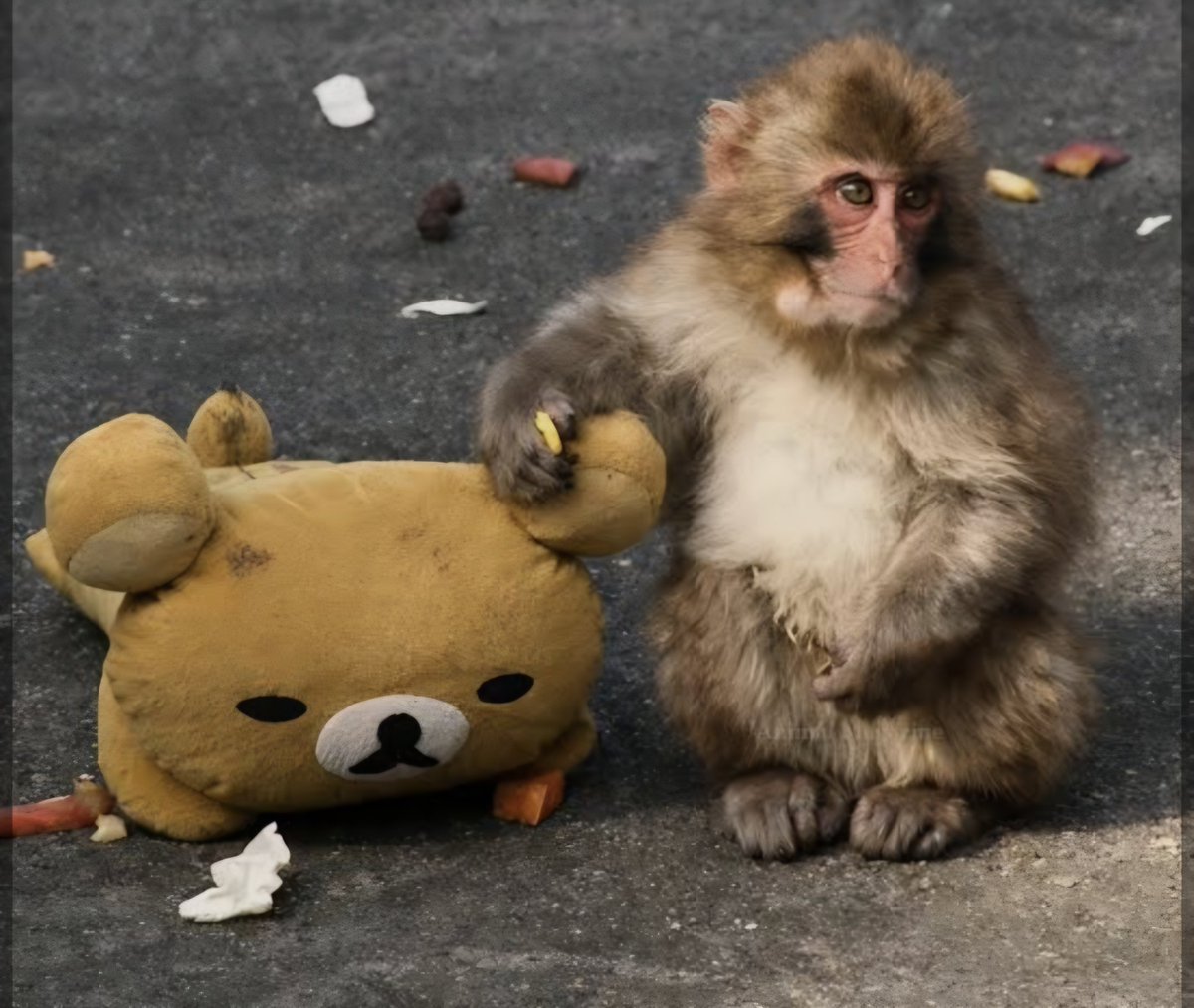
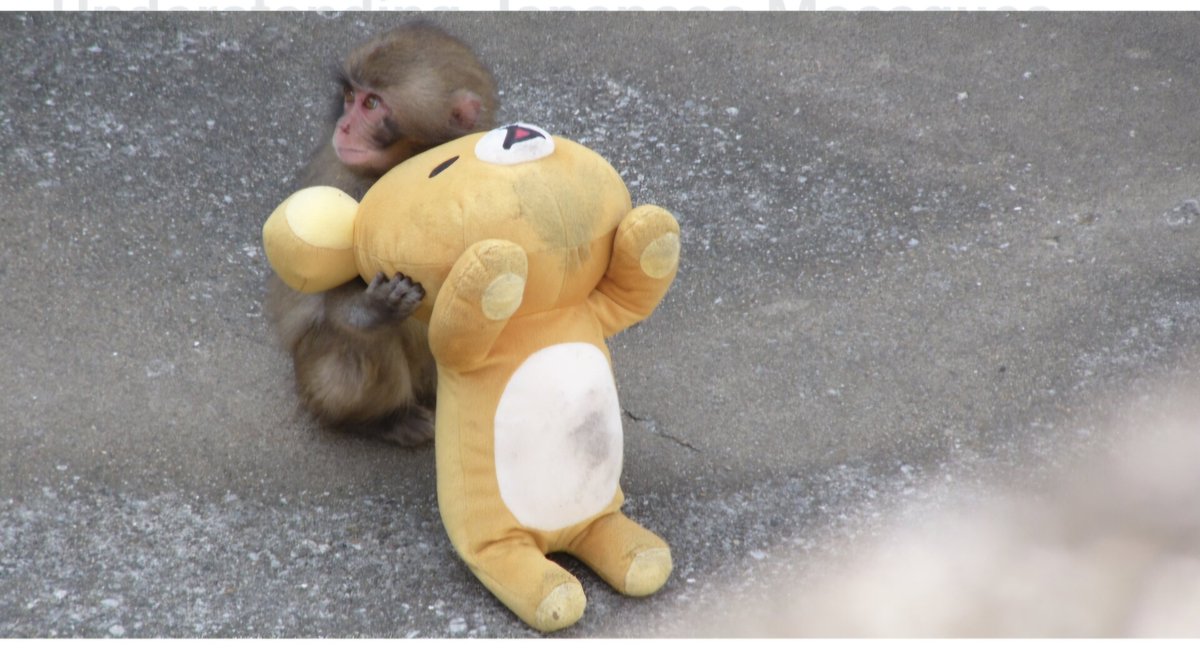
In that respect, Punch's minimum requirement for being recognized by the other monkeys is to stay in the monkey mountain no matter what.
Wild Japanese macaque males have no restrictions on their behavior, so they can leave their group or form groups of only males.
This is true even if they are males from other groups. If you want to join a group, the best thing to do is to follow them. You
might be excluded at first. If you don't like it, you can leave.
But if you still want to stay in this group, you must stick with them no matter what. It is said that
by spending time together, affinity will develop, and eventually, you will be recognized by the other members of the group.
Therefore, no matter how much he is bullied, bitten, or thrown into the water (and I repeat, no monkey would ever think of throwing someone into the water), Punch has no future unless he stays with them.
Who decides whether someone is pitiful? What lies beyond that word?
Japanese macaques are social animals that live in groups.
There is nothing more unfortunate than having to keep one alone.
For 30 years, it has been all alone, never being groomed by anyone, and never being able to groom anyone.
Can it really be said that it is happy to live such a monotonous life?
Imagine that you will never meet another human being for the rest of your life.
Or imagine that your newborn child will live an 80-year life without ever meeting you or any other human being.
Let me reiterate, the zookeepers are caring for this animal while considering how it will live for the next 30 years.
Even if, unfortunately, its ears are bitten off in a fight, or its tail is bitten off and shortened, don't they think that living with other monkeys would be better for its punching ability?
No matter how hard we try, we can't understand what monkeys are thinking.
But we have to focus on the monkeys, not the humans.
This doesn't mean they have to be together unconditionally 24 hours a day.
It's still dangerous to let them live with other monkeys at night.
It's up to the zookeepers to observe the overall situation and decide how to continue the cohabitation.
However, if they stop cohabiting, that's the end of it.
But if there's a clear threat to their lives, I think the zoo has no choice but to decide whether to continue or stop.
#JapaneseMacaque #SnowMonkey #UnderstandingMacaques #GroupIntegration #MonkeySociety #PrimateBehaviour #JapaneseMonkeys #MacaqueCommunity #AnimalBehaviour #PrimateCare #MonkeyLife #SocialHierarchy #MacaqueFamily #WildlifeEducation #NatureDiscussion #ZooLife #UnderstandingPrimates #MonkeyGroup #AnimalWelfare #PunchTheMacaque #MatsuuraAcousticcafe 🫡
@ichikawa_zoo
1
13
126
6,610