
25 Jan 2025
The Skill in #highdemand for 2025! The #uiuxdesign field is booming, and companies are actively seeking skilled professionals:
#ProductDesigner, #UIUXdesigner, #InteractionDesigner, #UserResearcher, #VisualDesigner
Learn UI/UX Design in just 3 months at #VikapriTraining!
2
10

24 Jan 2024
Snook #UserResearcher @gordontoon writes the latest article to land on our blog📝
In this insightful read, Gordon reflects on his lifelong passion for research & shares what he has learned from applying his craft in different contexts: wearesnook.com/a-researchers…
#UserResearch
1
3
300

31 Oct 2023
Heartfelt thanks for sharing your thoughts on UserBit! Our support team is always just a click away. 💬✨
#userresearch #uxr #uxresearch #saas #productdesign #userresearcher #g2review


2
54
25 Oct 2023
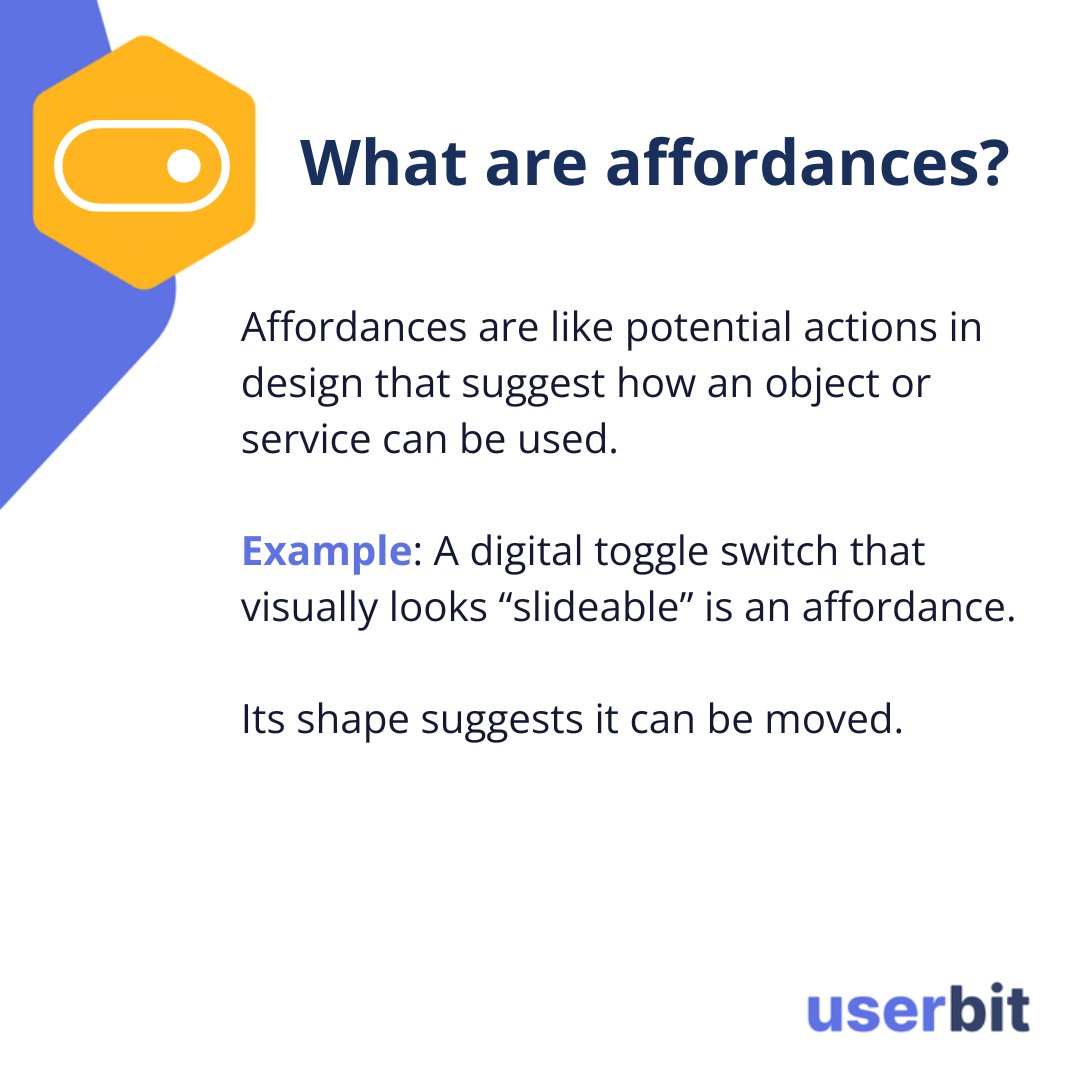
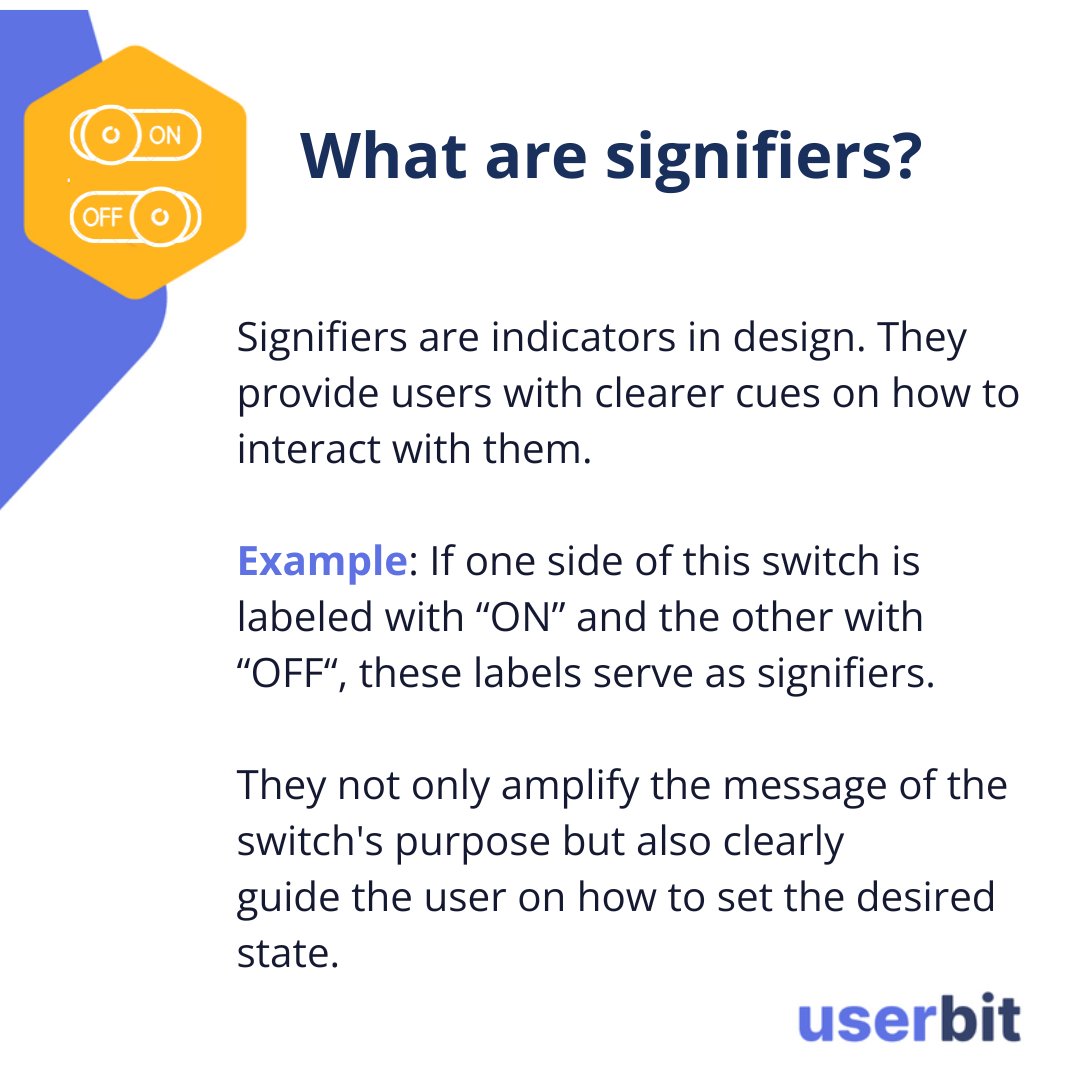
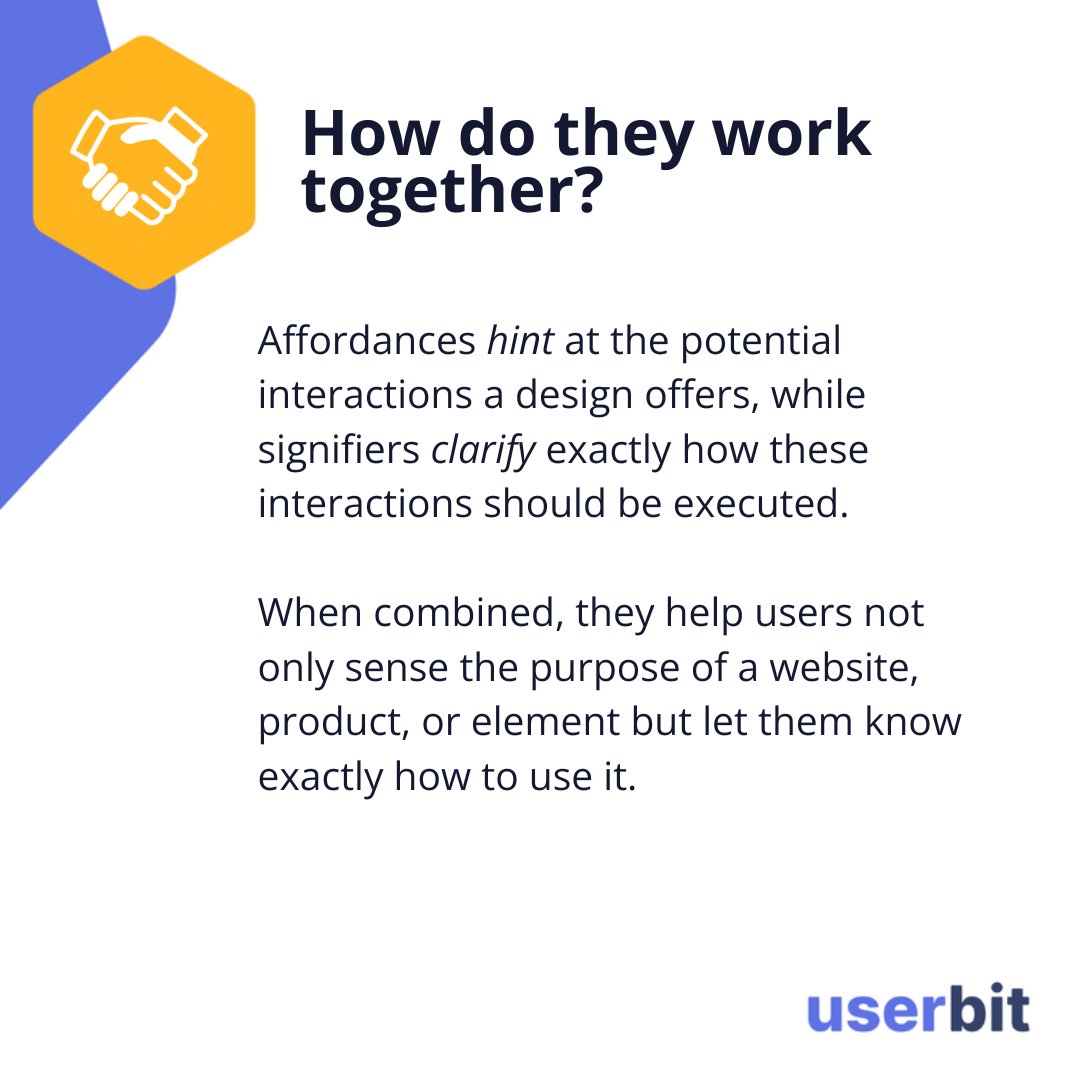
That "ON/OFF" switch isn't there just by chance… A lot of effort goes into including both affordances and signifiers in designs so users can intuitively understand their own actions.
#userresearcher #uxresearch #affordance #affordances #signifiers #uxterms #uxr #uiux
1
1
30
11 Oct 2023
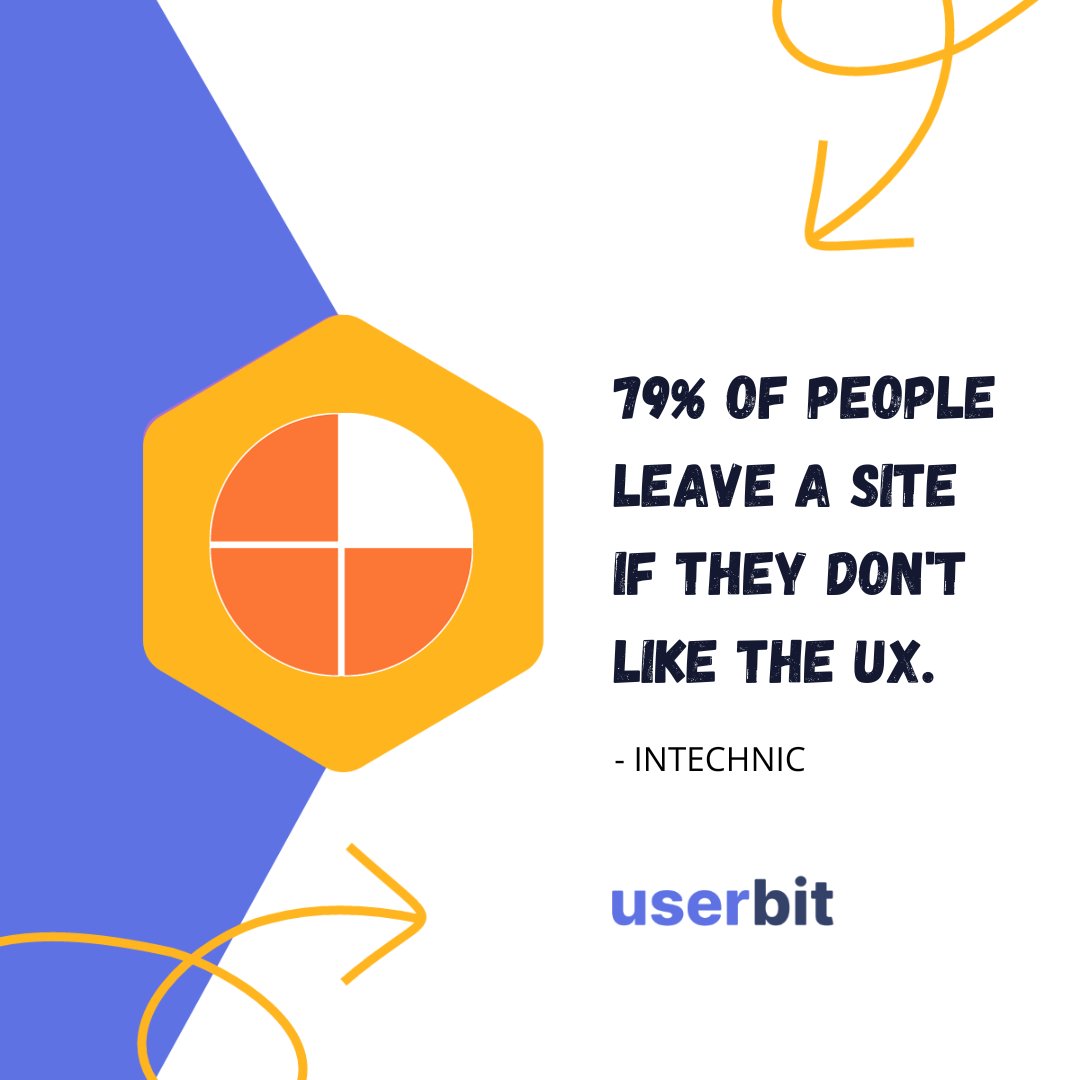
Identifying what's driving users away is the first step to a better redesign.
Source: @intechnic
#userresearcher #uxr #saas #uxtool #uxplatform #uxstat
1
32

26 Aug 2023
26/31
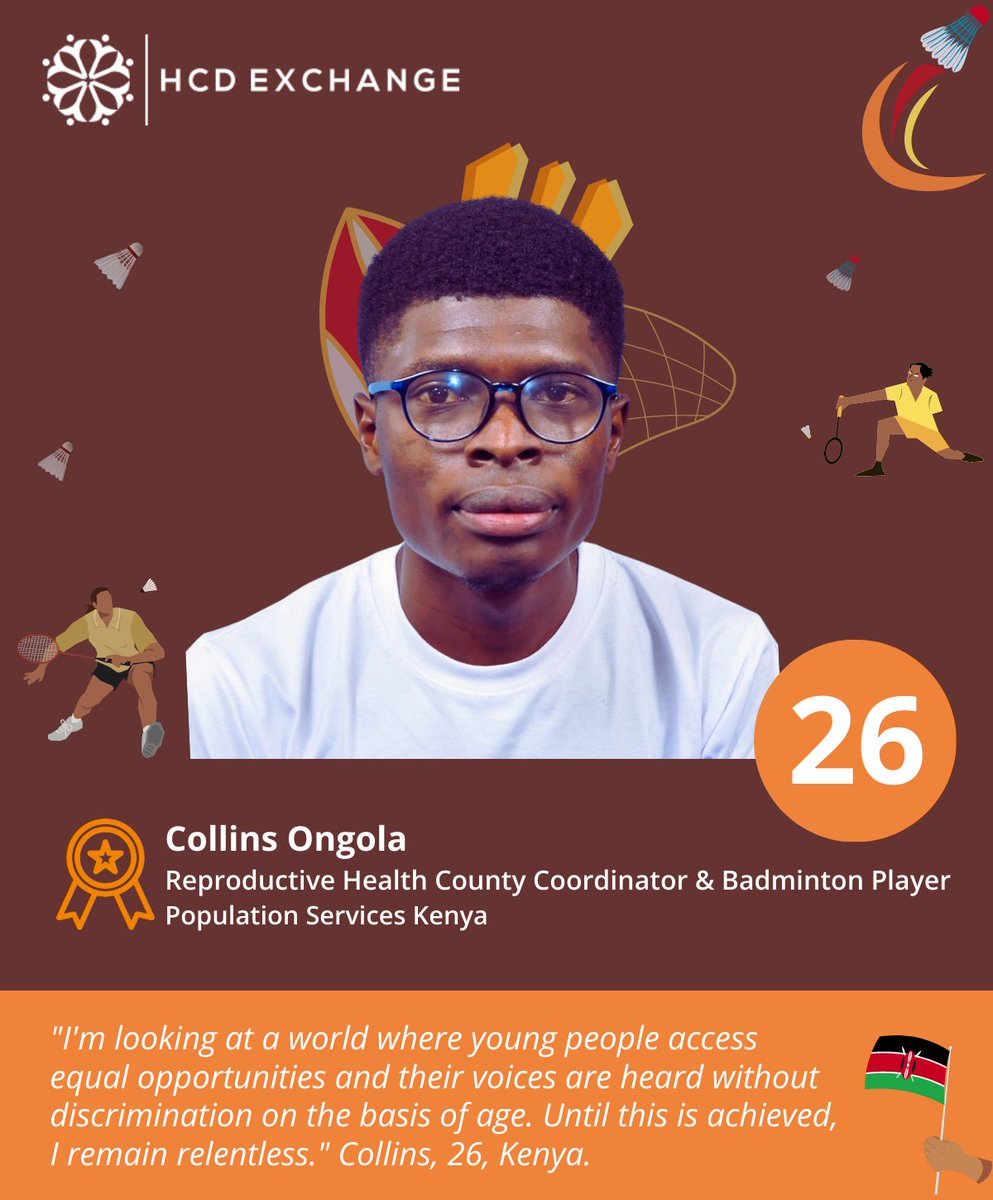
Today we lay out the red carpet for the only gentleman in our Youth Leadership Hub cohort @feddycollins! He is a #YouthEngagement Specialist, #UserResearcher, and #SBC expert. Collins is passionate about amplifying youth voices by supporting and encouraging young people to step up to the decision-making tables. He currently works at @PSKenya as a County Coordinator. Twakushukuru Sana! #HCDX31DaysOfAppreciation
6
17
637

22 Jul 2023
To ensure you know, here are the four UCD roles and responsibilities in GOV_UK GDS projects and digital transformation programmes.
#ServiceDesigner
#UserResearcher
#ContentDesigner
#InteractionDesigner
Service Designers focus on improving and transforming digital services provided by the UK government to the public.
User Researchers are vital in informing the design and development of user-centric digital solutions.
Content Designers are crucial in delivering content that is easy to understand, relevant, and compliant with government guidelines.
Interaction Designers are crucial in designing the user interface and ensuring citizens can efficiently and effectively interact with government digital products.
-----
Service Designers focus on improving and transforming digital services provided by the UK government to the public.
User-Centric Design: The service designer prioritises user needs by conducting user research, gathering insights, and understanding citizens' pain points and requirements when interacting with government services.
Service Mapping: They create detailed service maps that visualise the entire user journey, including touchpoints and interactions, to identify improvement areas and ensure a seamless end-to-end experience for citizens.
Collaborative Design: Service designers work closely with cross-functional teams, including developers, content designers, and policy experts, to co-create and iteratively design solutions that align with user needs and meet government objectives.
Prototyping and Testing: They develop prototypes and conduct user testing to validate concepts and gather feedback from citizens, enabling evidence-based decision-making and continuous improvement.
Accessibility and Inclusivity: Service designers ensure digital services are accessible to all citizens, including those with disabilities, by following best practices and guidelines for inclusive design.
Policy and Compliance: They ensure that the designed services adhere to relevant government policies, regulations, and data protection standards, maintaining the highest levels of privacy and security.
Data-Driven Insights: Service designers use data and analytics to evaluate the performance of digital services, enabling data-driven decision-making and identifying areas for optimisation.
Continuous Improvement: They advocate for a culture of constant improvement within the organisation, encouraging iterative design practices and embracing user feedback to drive ongoing enhancements.
Documentation and Communication: Service designers document their design decisions, processes, and outcomes and effectively communicate their findings and recommendations to stakeholders and the broader team.
Learn more: gov.uk/guidance/service-desi….
-----
User Researchers are vital in informing the design and development of user-centric digital solutions. Their key responsibilities include:
User Research Planning: User researchers collaborate with cross-functional teams to plan research activities that align with project goals and objectives. They define research questions, methodologies, and timelines to guide the research process effectively.
Conducting User Research: They work various research activities such as interviews, surveys, usability testing, and observational studies to collect data on users' experiences with government services.
Understanding User Needs: User researchers analyse and interpret research findings to identify user needs, pain points, and patterns. They provide valuable insights that inform the design of services tailored to citizens' requirements.
Stakeholder Collaboration: They work closely with designers, developers, content creators, and policymakers to ensure research findings are integrated into the design and development process.
Accessibility and Inclusivity: User researchers ensure that research activities are accessible and inclusive to all users, including those with diverse backgrounds and abilities.
Continuous Feedback Loop: They facilitate ongoing user feedback throughout the project, validating design concepts and refining solutions based on user insights.
Evidence-Based Decision Making: User researchers contribute to evidence-based decision-making, using data and research findings to inform project direction and prioritise improvements.
Data Analysis and Synthesis: They analyse and synthesise research data, translating complex information into actionable and understandable insights for the team.
Impact Assessment: User researchers assess the impact of implemented changes by conducting post-implementation research and analysing user satisfaction and service performance metrics.
Research Documentation: They document research methods, findings, and recommendations to share with the team and stakeholders, ensuring transparency and knowledge-sharing.
Learn more: gov.uk/guidance/user-researc….
-----
Content Designers are crucial in delivering content that is easy to understand, relevant, and compliant with government guidelines. Their key responsibilities include:
Writing Clear and Concise Content: Content writers create content that uses plain language and avoids jargon, making government information easily understandable for all citizens.
Aligning with User Needs: They collaborate with user researchers to understand citizen needs and tailor content to address specific user requirements and pain points.
Accessibility and Inclusivity: Content writers ensure that content is accessible to all citizens, including those with disabilities, by following accessibility guidelines and best practices.
Compliance with Policies and Standards: They adhere to government policies and standards, ensuring that content meets legal requirements and maintains consistency with other government communications.
Collaborating with Subject Matter Experts: Content writers work closely with subject matter experts, policy teams, and designers to accurately convey complex information and requirements.
Digital First Approach: They adopt a digital-first approach, creating content optimised for online consumption and appropriate for various platforms and devices.
User Guidance and Support: Content writers provide clear and helpful guidance to users on government processes, services, and requirements.
A/B Testing and Iteration: They participate in A/B testing and iterate on content based on user feedback, continuously improving content effectiveness and user satisfaction.
Documenting Content Guidelines: Content writers contribute to creating and maintaining content guidelines, ensuring consistency across government websites and platforms.
Content Governance: They collaborate with content strategists and governance teams to ensure up-to-date, accurate, and relevant content.
Learn more: gov.uk/guidance/content-desi….
-----
Interaction Designers are crucial in designing the user interface and ensuring citizens can efficiently and effectively interact with government digital products. Their key responsibilities include:
User Interface Design: Interaction designers create visually appealing and consistent user interfaces that align with GDS design principles and accessibility standards.
User Journey Mapping: They collaborate with user researchers and service designers to map out user journeys and identify critical touchpoints for interactions with government services.
Wireframing and Prototyping: Interaction designers use wireframes and interactive prototypes to visualise and validate design concepts before development.
Interaction Design Patterns: They establish and follow interaction design patterns and best practices to ensure consistency and familiarity for users across different government platforms.
Accessibility and Inclusive Design: Interaction designers ensure the interface is accessible to all citizens, including those with disabilities, by adhering to accessibility guidelines.
Collaborating with UX and Visual Designers: They work closely with UX designers and visual designers to integrate user insights and visual aesthetics into the interface design.
Usability Testing: Interaction designers use usability testing to gather user feedback and iterate on designs for optimal user experience.
Responsive Design: They design interfaces that are responsive and adaptable to various devices and screen sizes.
Compliance with GDS Design Principles: Interaction designers follow GDS design principles and guidelines to ensure that government digital products are user-centric and inclusive.
Continuous Improvement: They advocate for constant improvement by staying updated with industry trends and incorporating user feedback into ongoing design iterations.
Learn more: gov.uk/guidance/interaction-….
====
Please follow me for regular info and insights on these roles.
ALT GOV UK GDS UCD
1
1
1
210

The kiss was consensual and in no way influenced by the Amazon gift card
#uxresearch #userresearch #uxresearcher #userresearcher #tech #startup #firstdate
1
3
10
2,135

10 May 2023
Read Beatriz’s story about what it's like to work as a User Researcher in the Home Office
linkedin.com/pulse/working-u…
@McrDig
@SHFDigital
@bcs
@CTPinfo
#UserResearcher
#TechnologyJobs
#CivilServiceJobs
#ItMattersMoreHere
1
4
411

2 May 2023
"How could we encourage more women to start a career in tech?"
@womenintechuk put their questions to #UserResearcher, Kathryn Vickers.
Check out the full interview ⬇️
womenintech.co.uk/dwp-digita…
#WomenInTech #DigitalWithPurpose
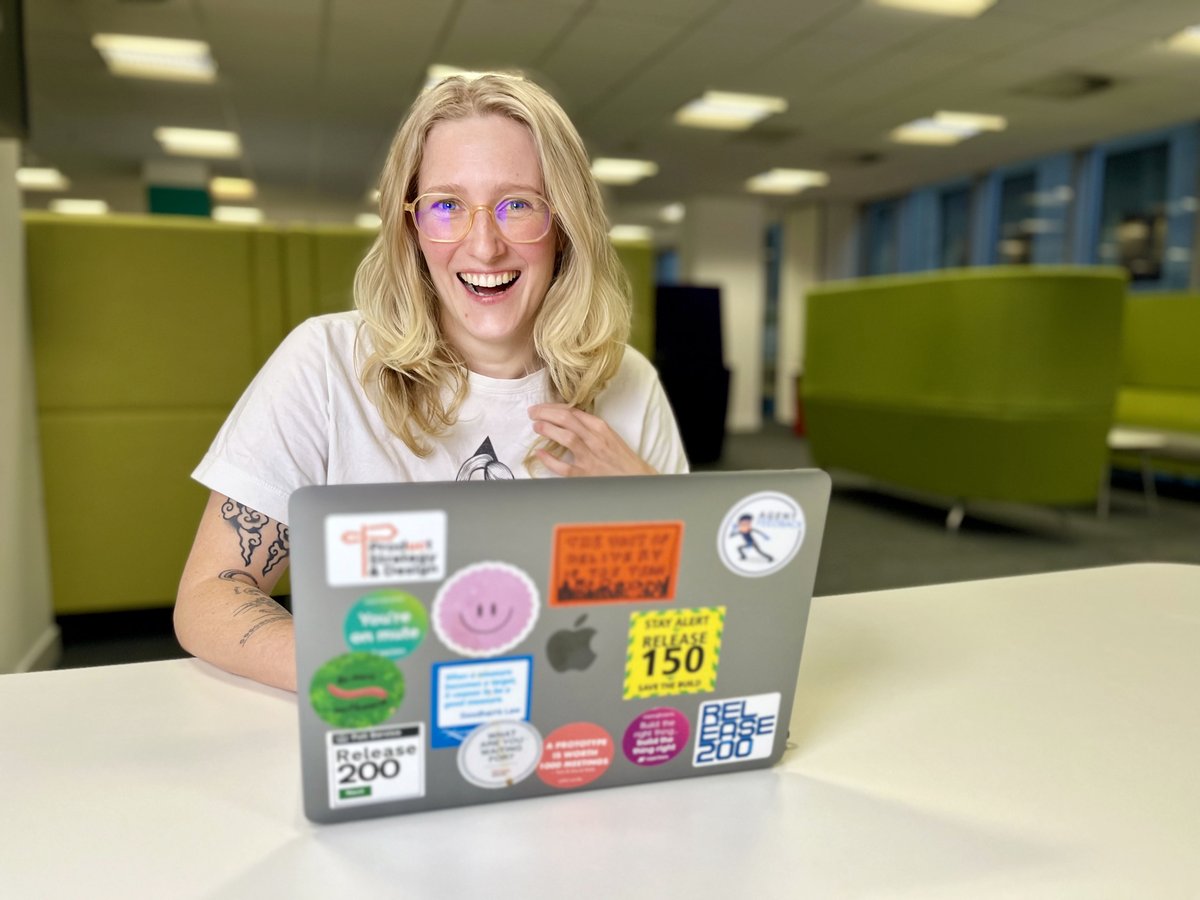
ALT Kathryn sat at desk with a laptop open.
6
658

25 Apr 2023
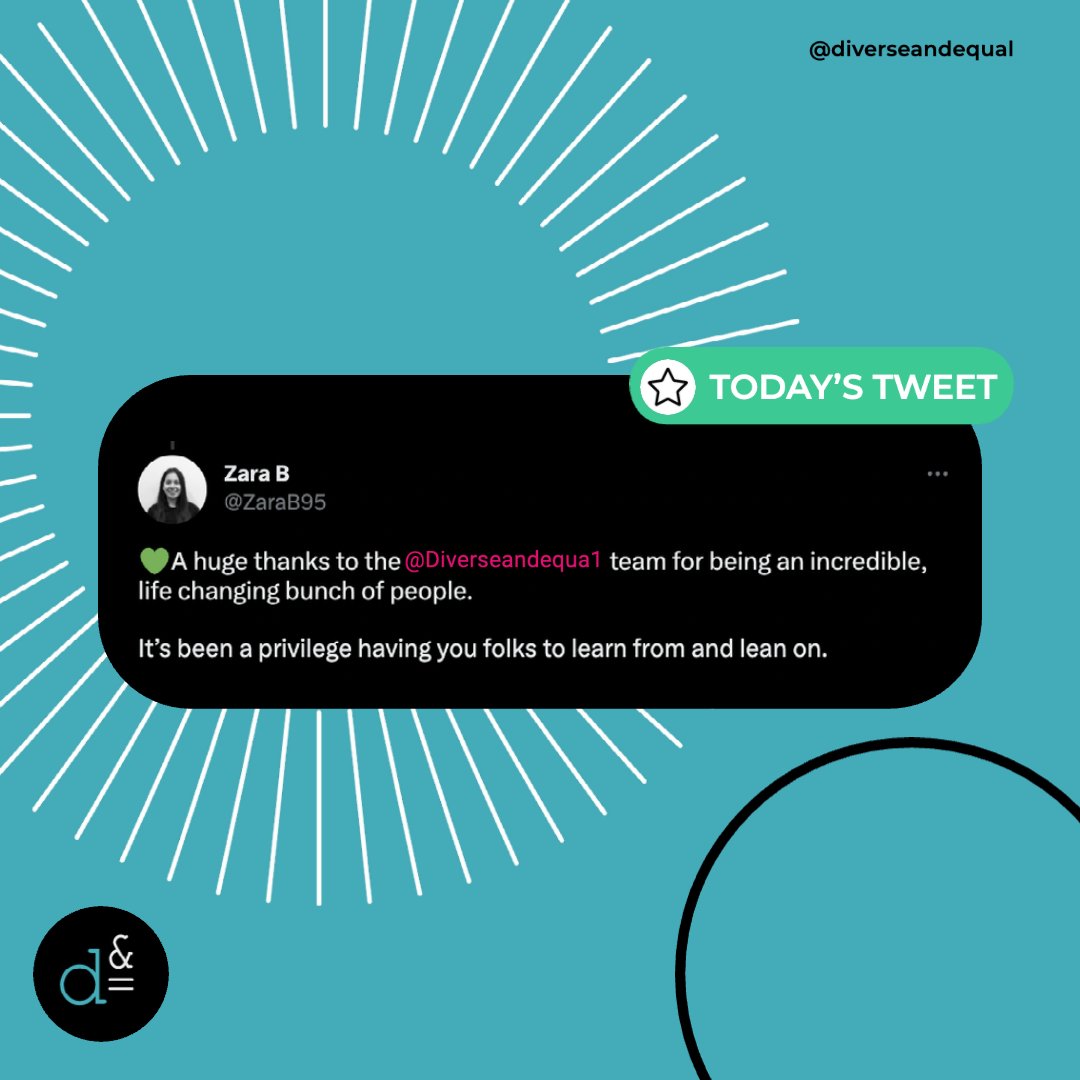
At Diverse & Equal, we are dedicated to providing you with the tools and knowledge you need to succeed in the tech industry.
From student to #UserResearcher! 🚀 We're thrilled to see Zara's career change and can't wait to see what she'll accomplish!
#TechIsHiring #TechCareer
1
3
530
21 Apr 2023
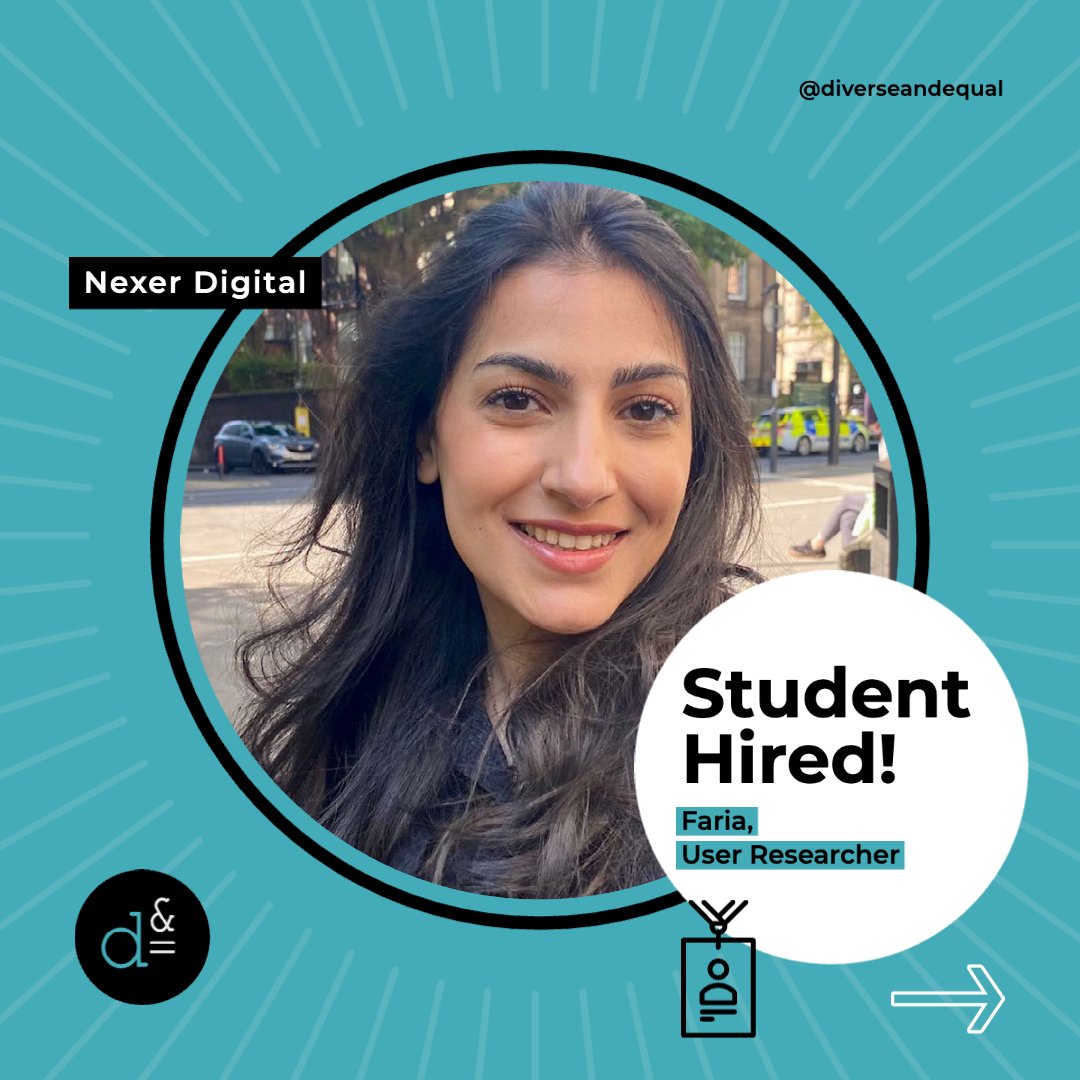
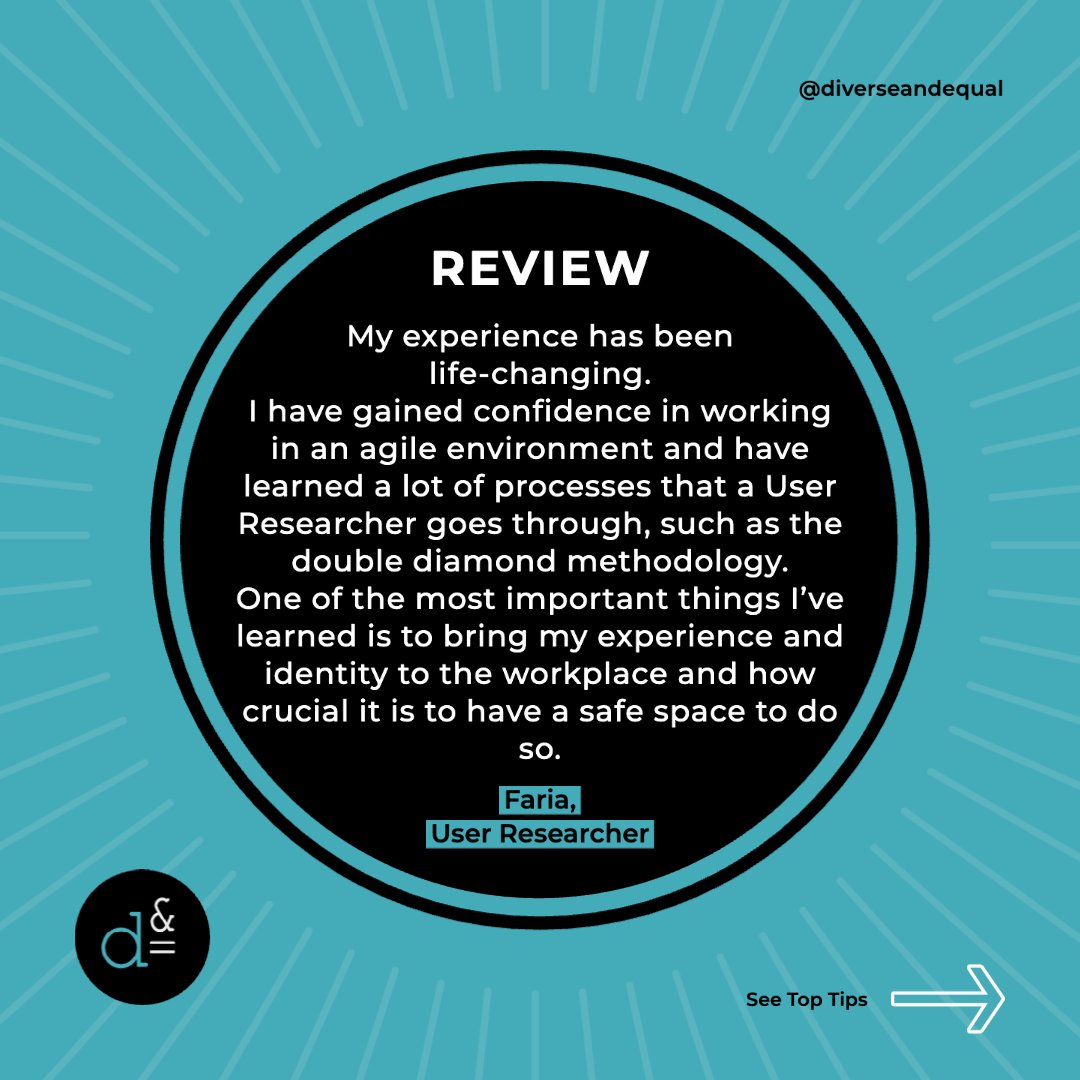
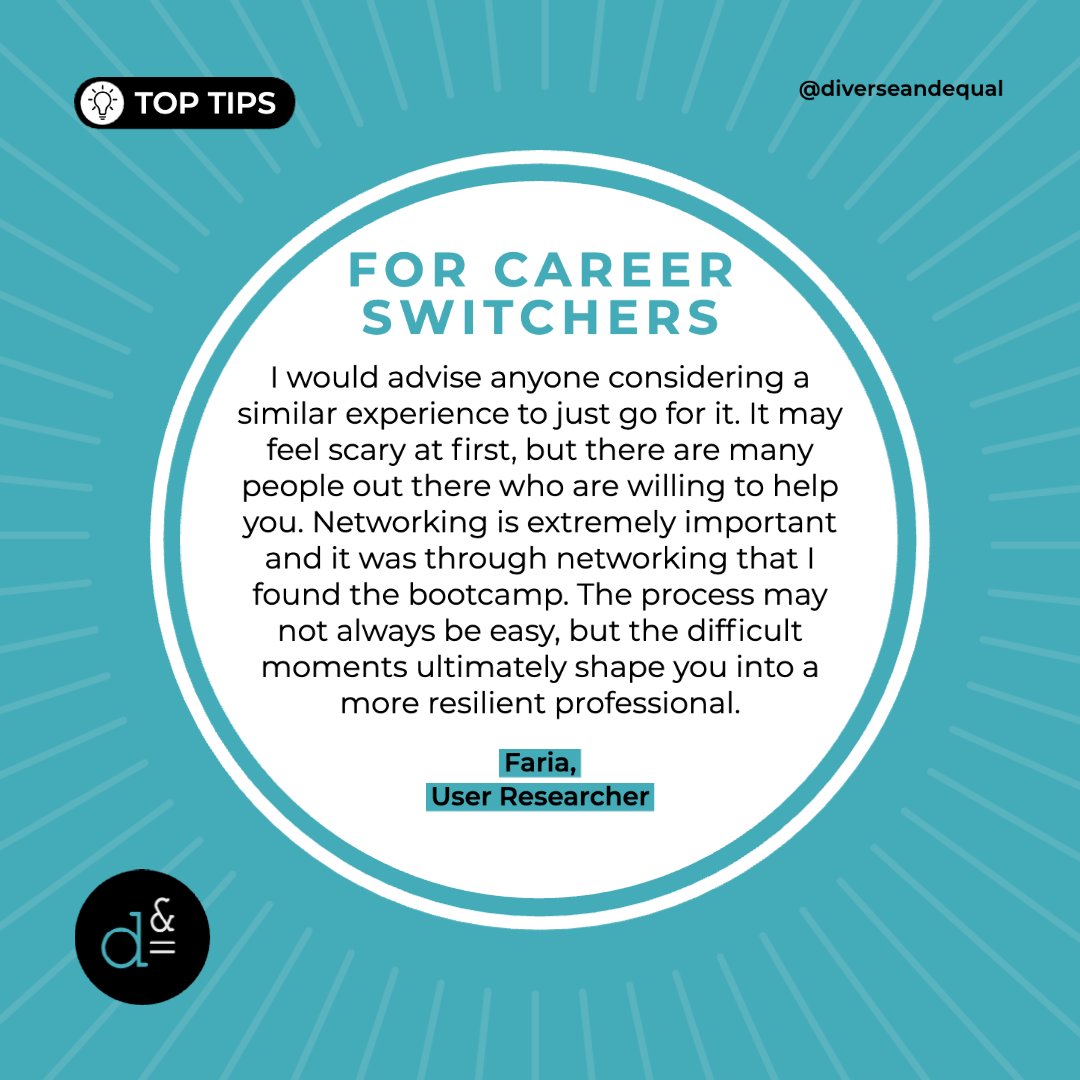
Fri-YAY!🎉 Faria lands her first role as a #UserResearcher at @Nexer_Digital after making a #CareerChange & up-skilling. Congrats Faria!💙
#DiversityInTech #TechForGood #StudentHired #TechIsHiring
2
4
740
13 Apr 2023
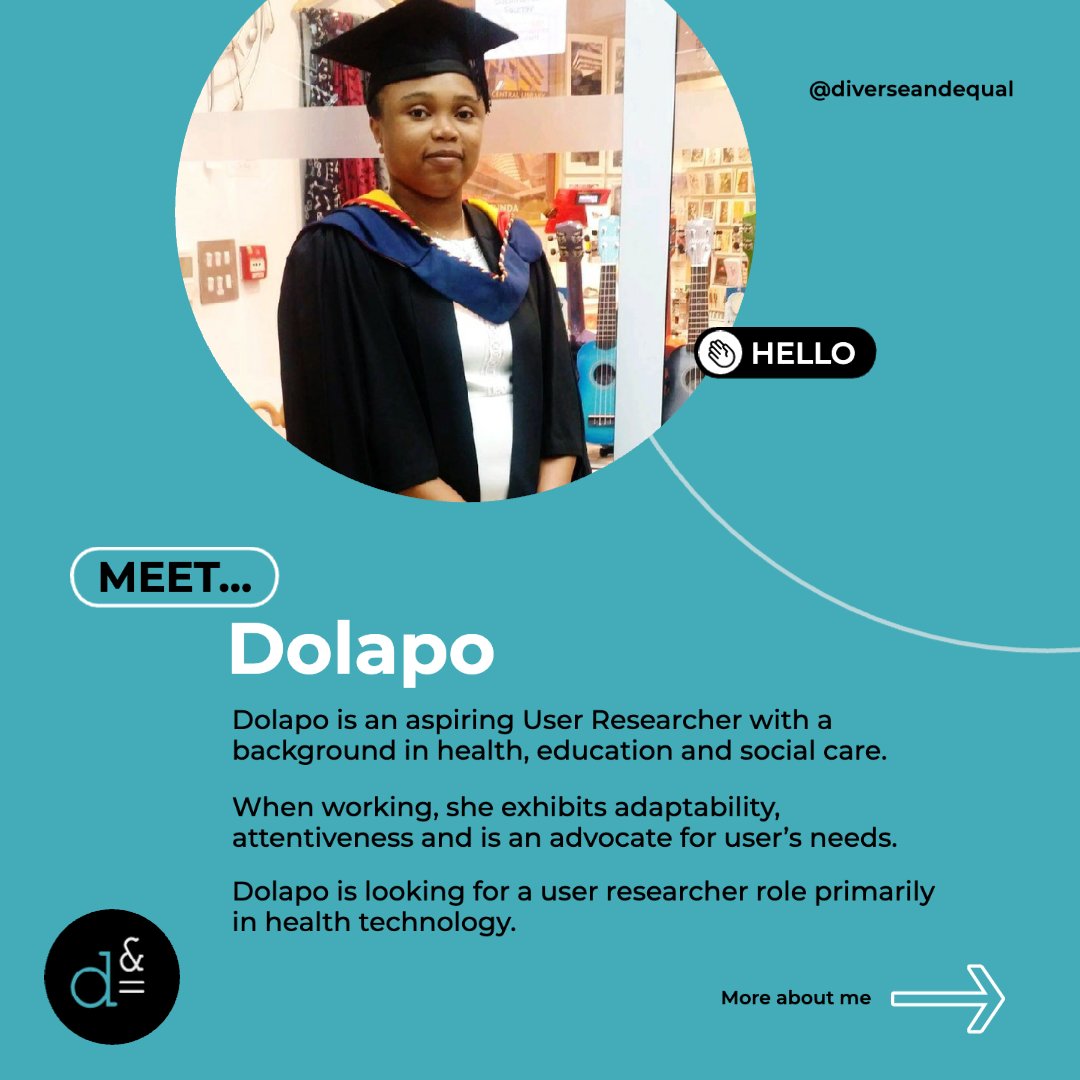
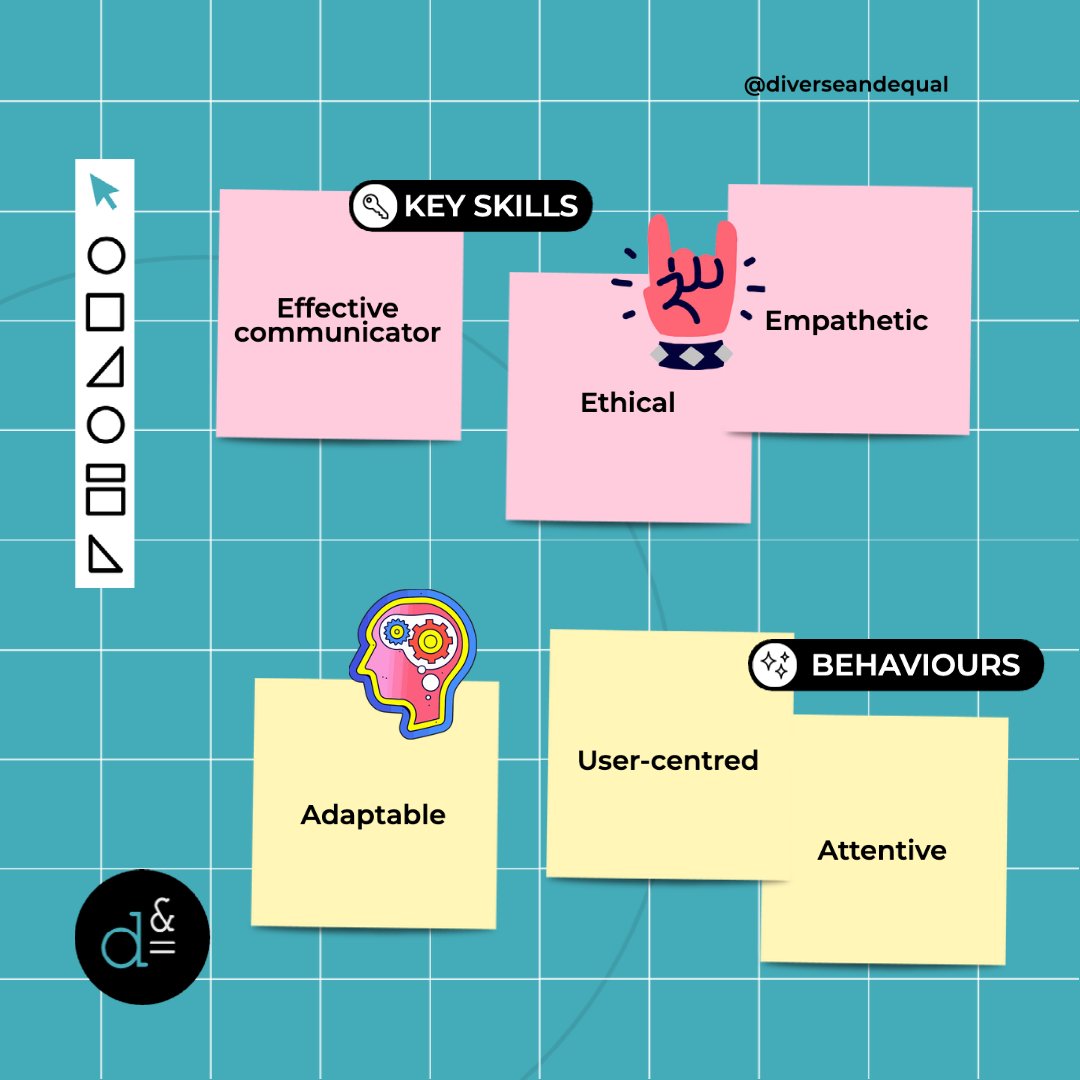
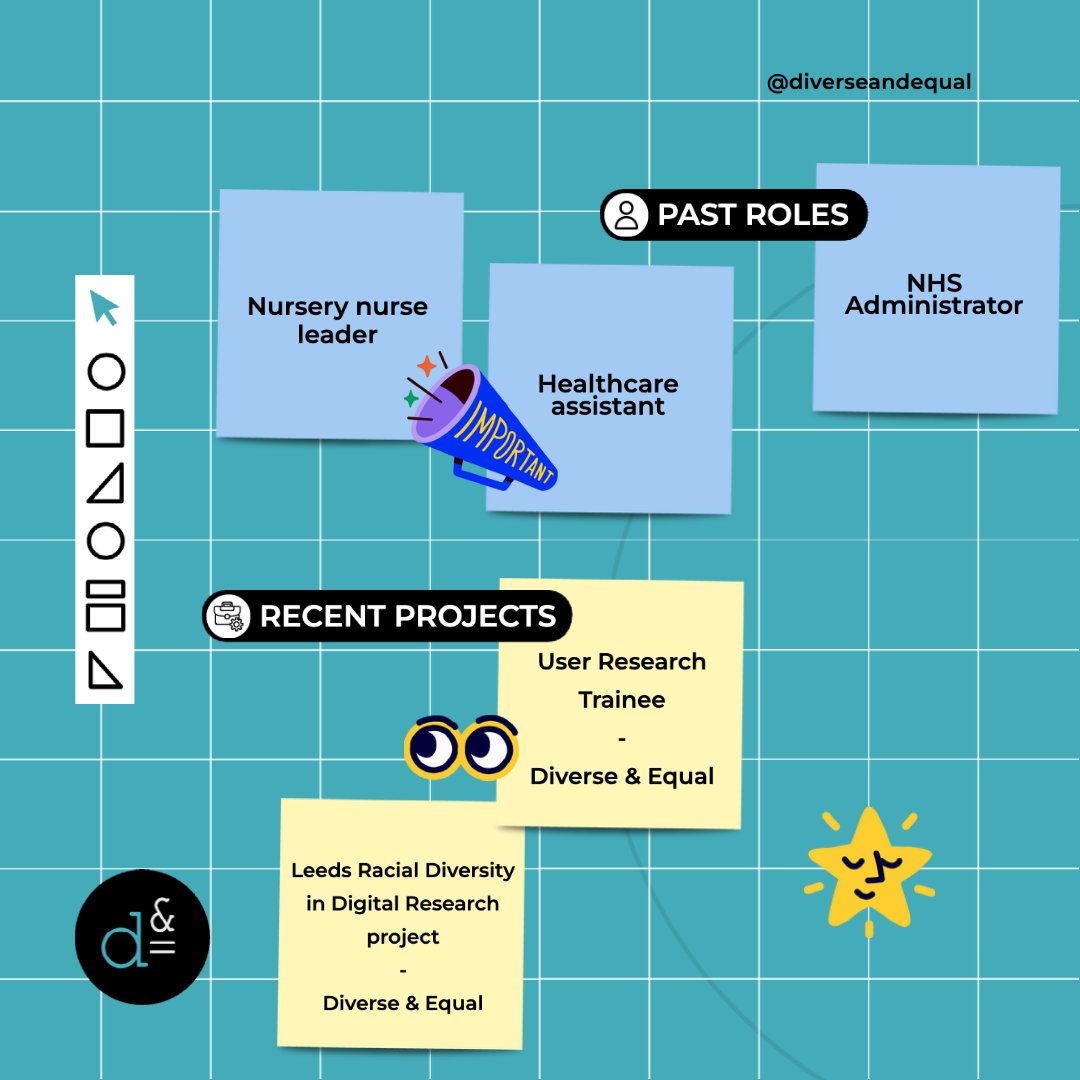
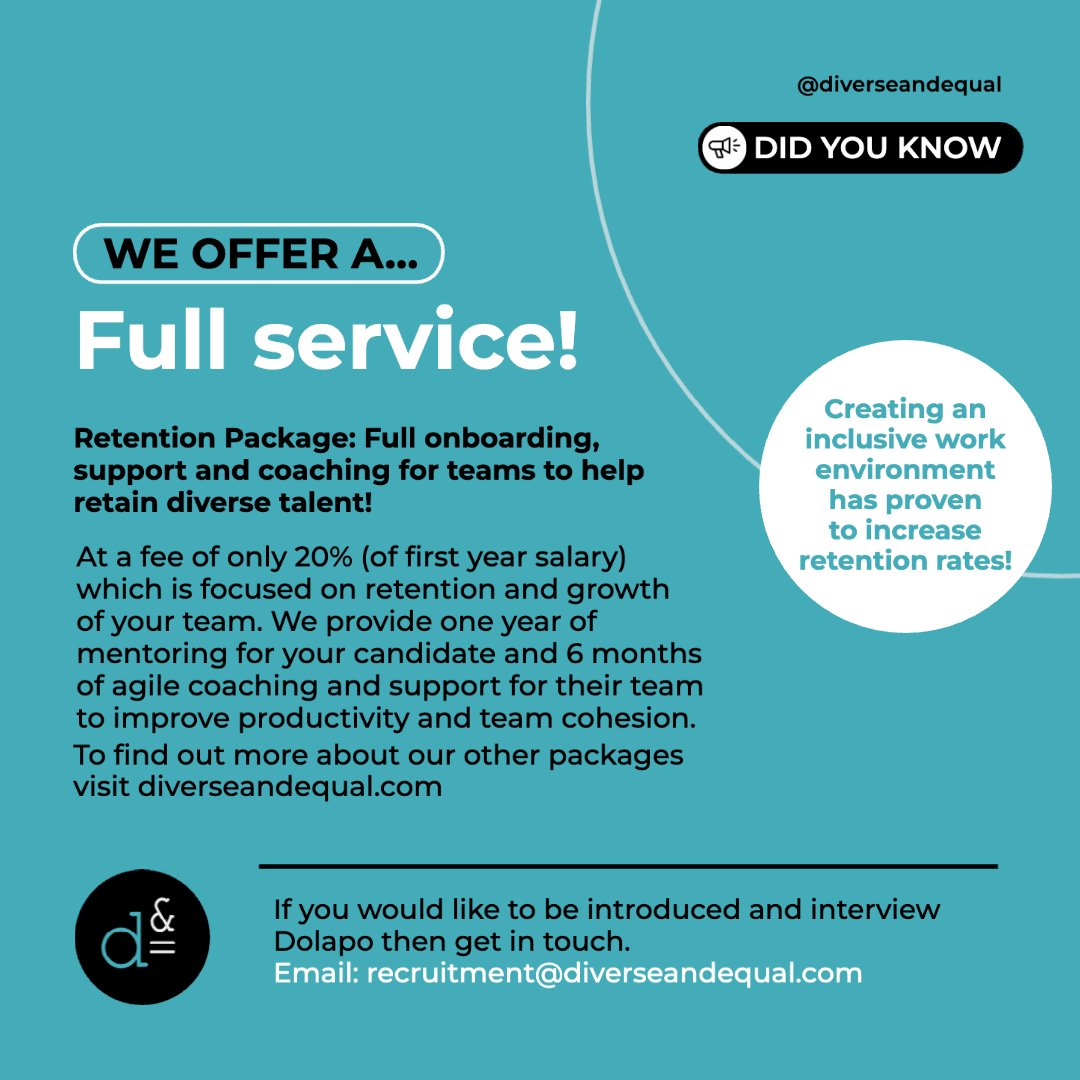
Meet Dolapo - a talented #UserResearcher with diverse experience in health, education, and social care sectors. Looking for a role, she has a strong interest in health tech/digital health.
Let's #PlugTheSkillsGap in the industry!
#DiversityInTech #UXRjobs #Hiring #TechIsHiring
2
2
675
29 Mar 2023
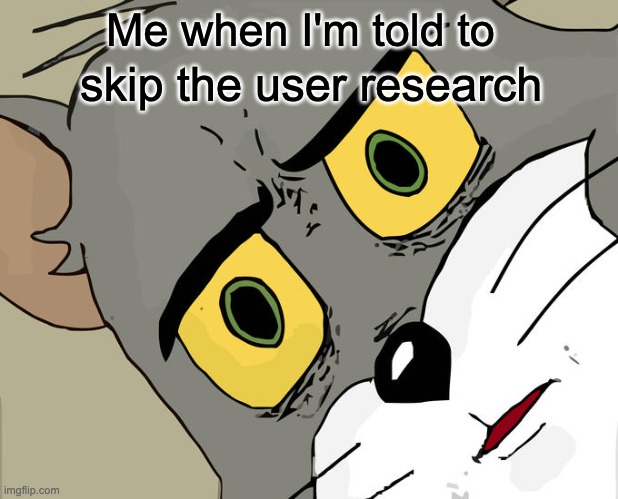
The result? A product that no one asked for...😬😅
#userresearch #uxmeme #uxresearch #productteams #userresearcher #ux #saas
5
79

26 Mar 2023
Hi! I'm Gwendolyn/Noumenie✨
I'm #UserResearcher #A11Y Consultant & I'm currently #KnowledgeManager at @DONTNOD_Ent
I'm also president of @PushStartGame & care deeply about #Diversity #inclusion #DEI for our industry 🌸
That's also #WhatAGameDevLooksLike
#videogame #gamedev

2
3
60
14,172
10 Mar 2023
"I had no work experience directly in a technology role before my first job as a #UserResearcher"
Kathryn Vickers, spoke with @womenintechuk to discuss what it's like working in DWP Digital.
womenintech.co.uk/dwp-digita…
#WomenInTech
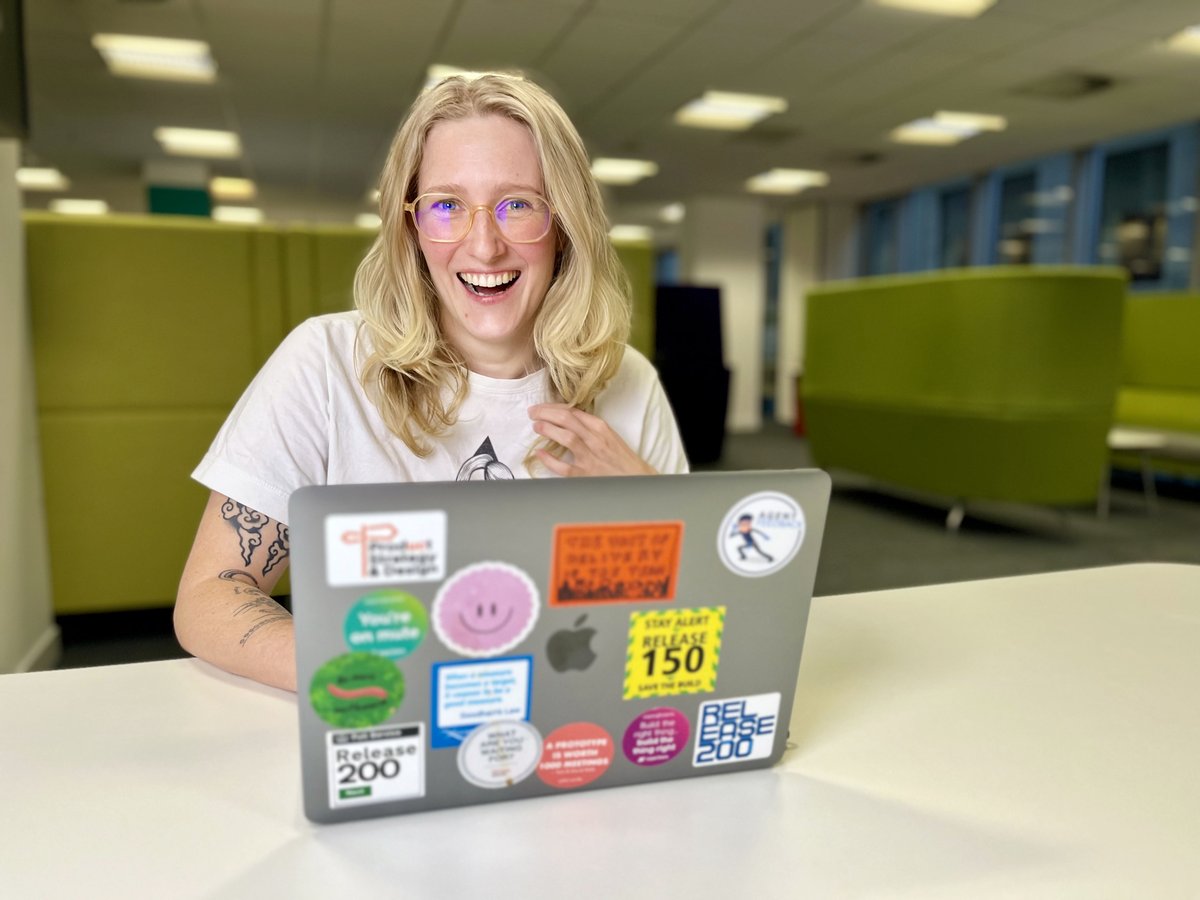
ALT Kathryn sat at desk with a laptop open.
2
8
565

#jobalert As a Senior User Researcher, you will help service teams to understand and articulate the needs of real people and will see the impact that your work has on people’s lives. Are you an experienced, skilled & creative #UserResearcher get in touch - workingforessex.com/apply/se…
500

21 Feb 2023
📢 Experts in #userinterface, #userexperiencedesign, #userresearcher: I'm seeking guest speakers to share their industry insights with my Winter 2023 Experience Design class. If you're interested in helping students learn from real-world perspectives, please reach out to me. 🙏
1
3
424

6 Feb 2023
The next UX Oxford event is taking place on 9th February. If you would like to come along, please visit the website and book your place: meetup.com/ux-oxford/events/…
#UXOxford #OxfordUX #UserResearcher #UX #Fruto
1
2
53

2 Feb 2023
2 x Senior #UserResearcher roles available in our Policy and Innovation Lab ! Applications close 19 February.
Generous starting salary of up to £64,900 allowance of up to £6,000 for those with exceptional skills and experience
📍Croydon
Apply here bit.ly/3JApy4m
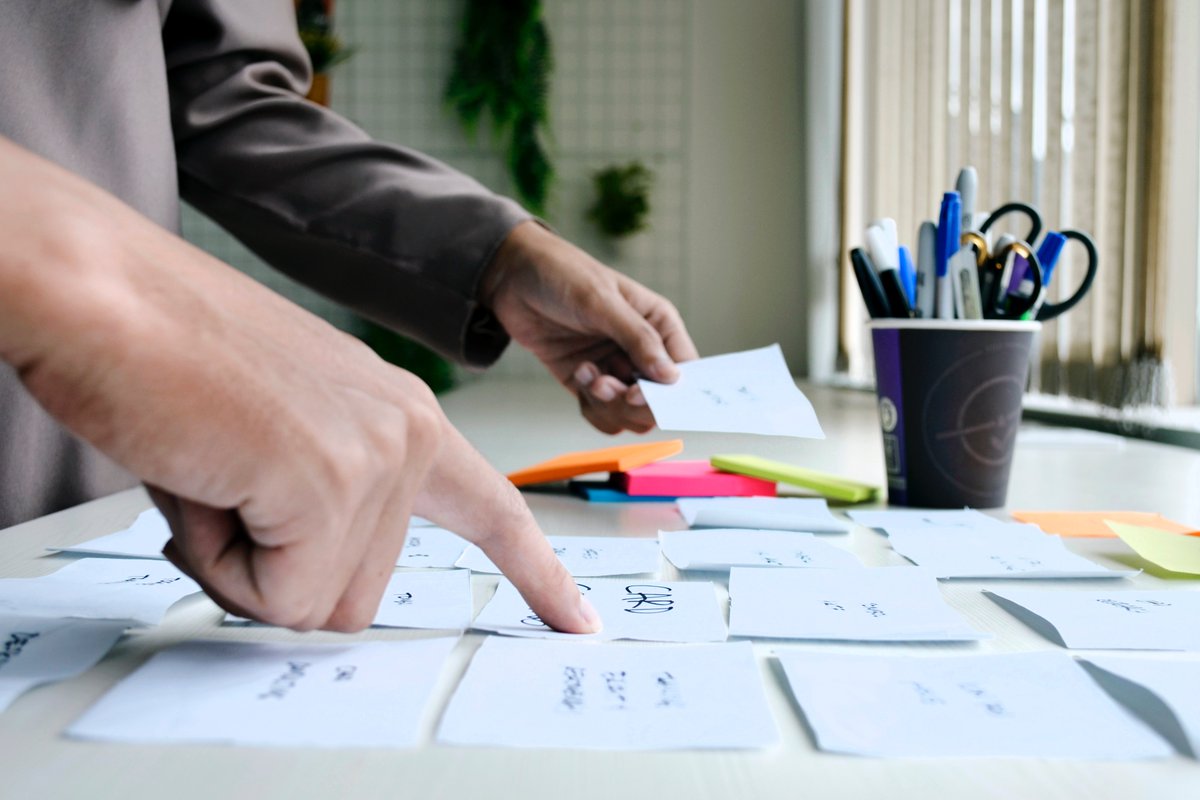
ALT An image of the hands of two people pointing to post-it notes on a desk.
2
505