
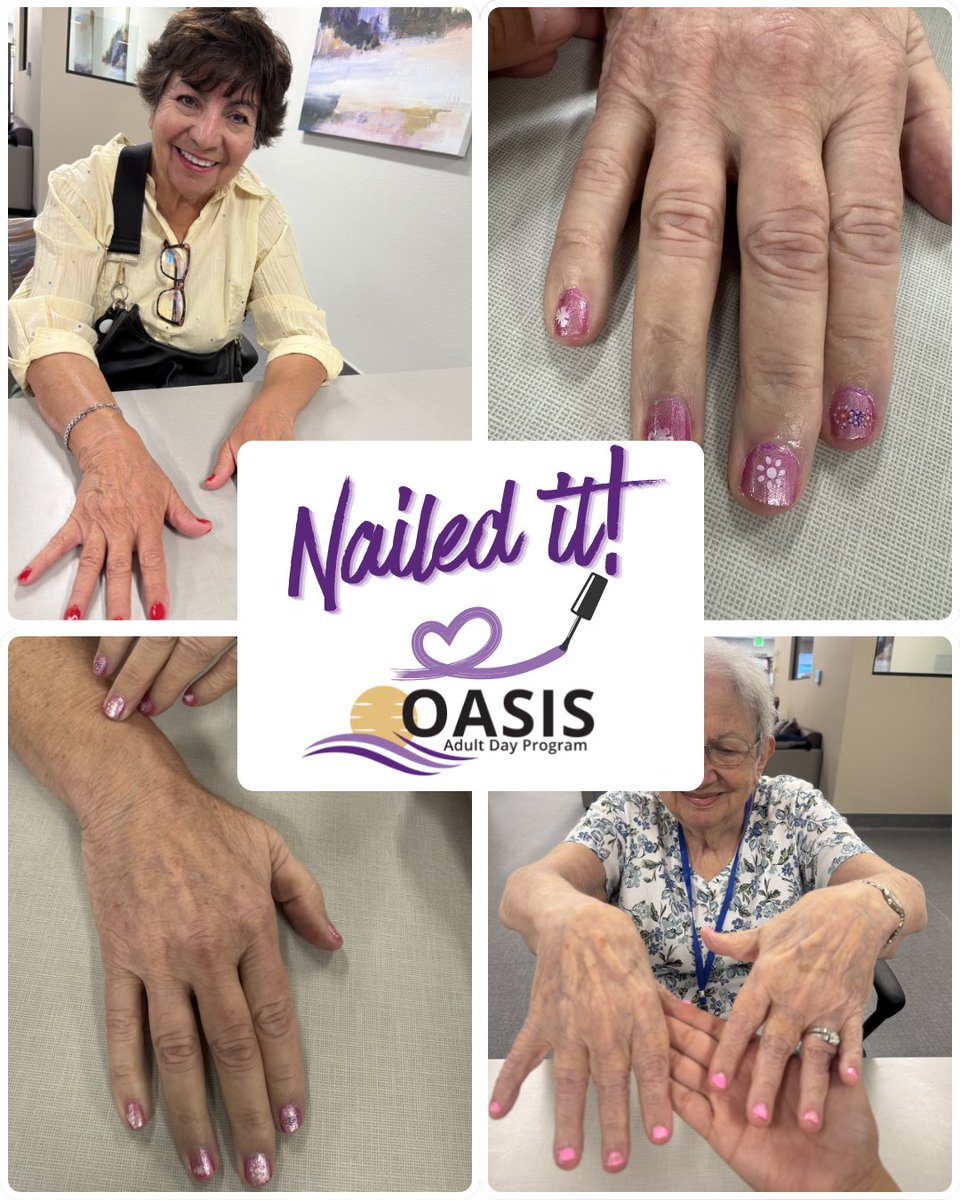
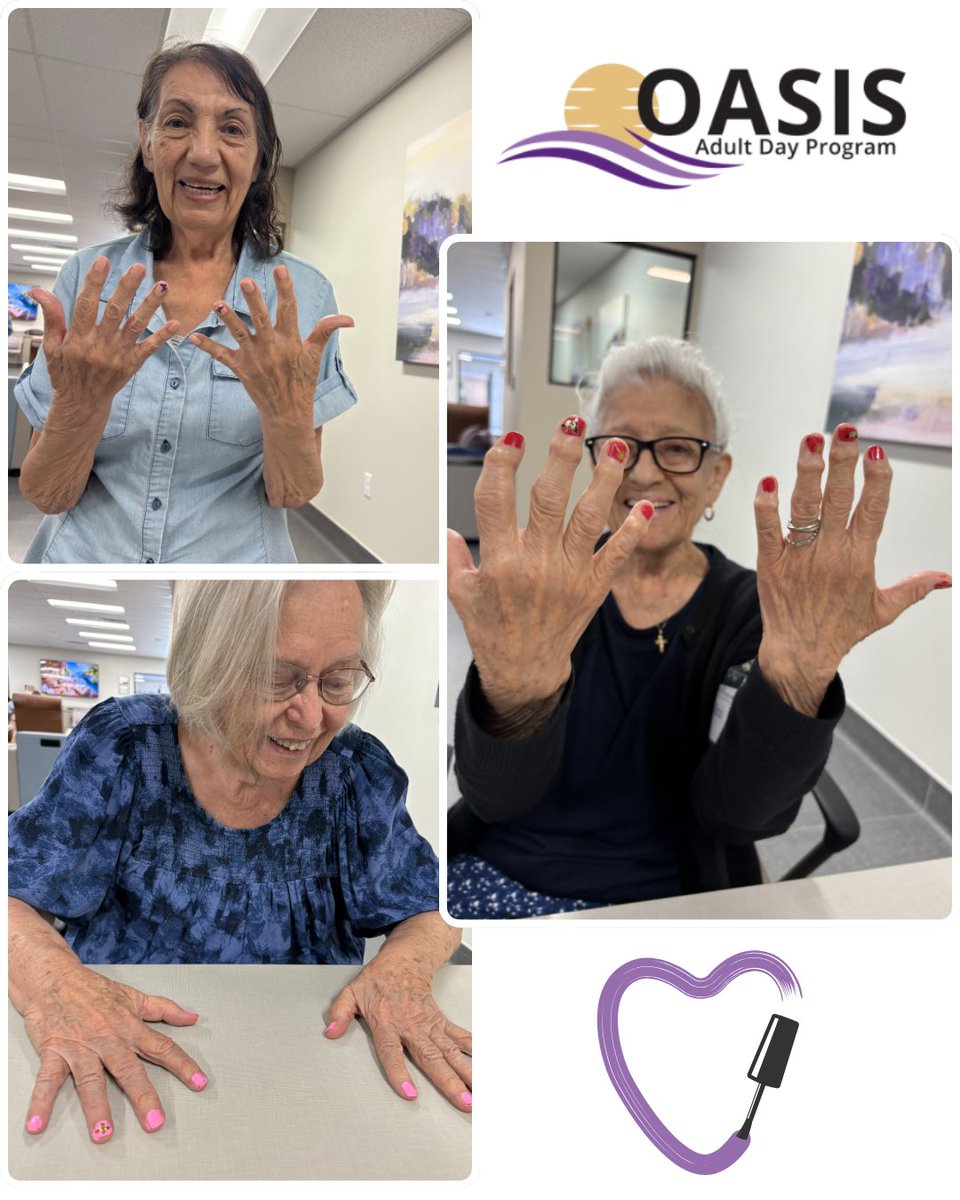
Thank you to ABC30 for highlighting Virginia’s 101st birthday celebration! It was a wonderful way to honor such an extraordinary milestone. Happy 101st Birthday, Virginia!
#VCRC #ValleyCRC #OASISAdultDayProgram
15
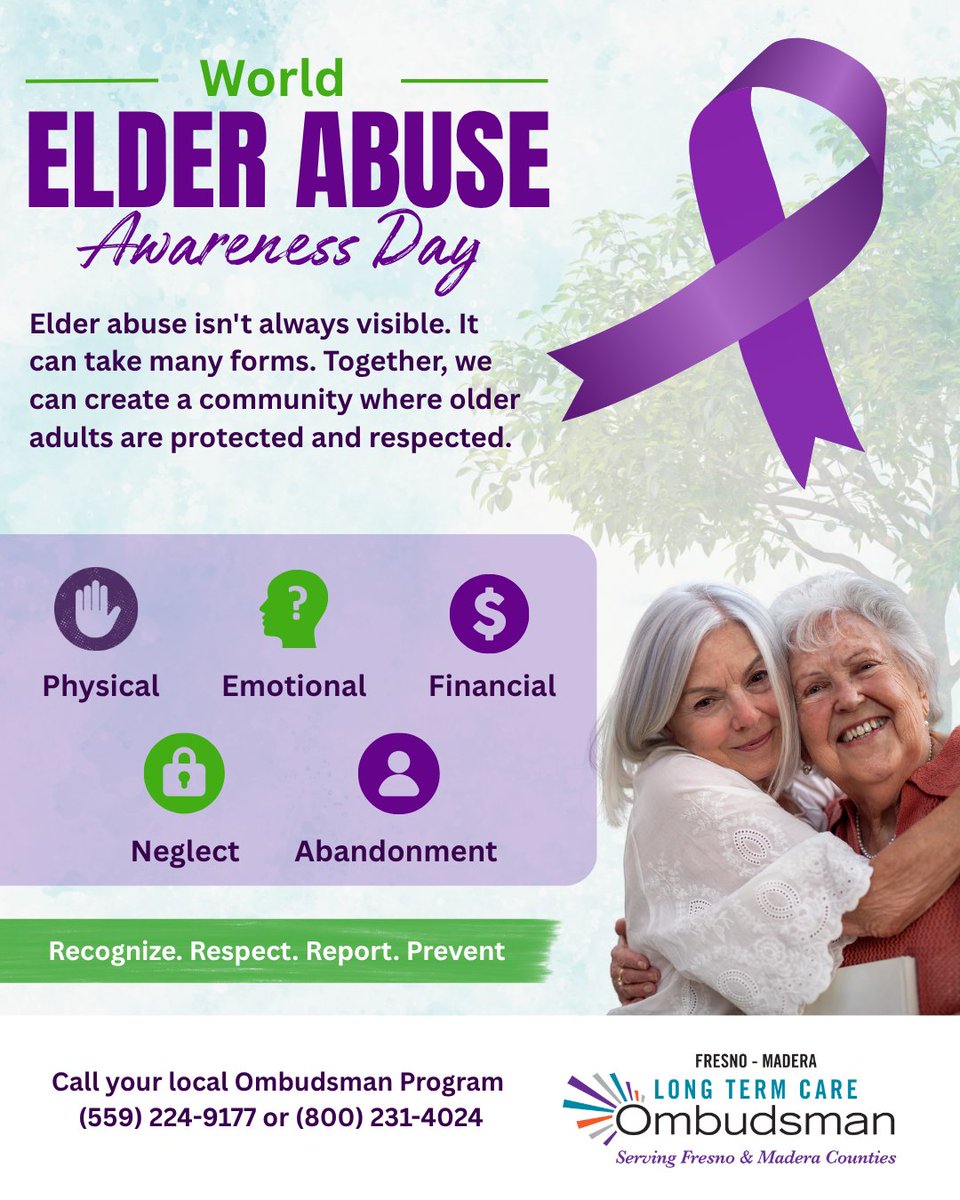
Today on World Elder Abuse Awareness Day, we stand with older adults living in long-term care facilities and reaffirm their right to dignity, quality care, and freedom from abuse, neglect, and exploitation.
Our Ombudsman program helps ensure residents have a voice, their concerns are addressed, and their rights are protected.
#Ombudsman #VCRC #ValleyCRC #WorldElderAbuseAwarenessDay #ResidentRights #ProtectOlderAdults #LongTermCare
10
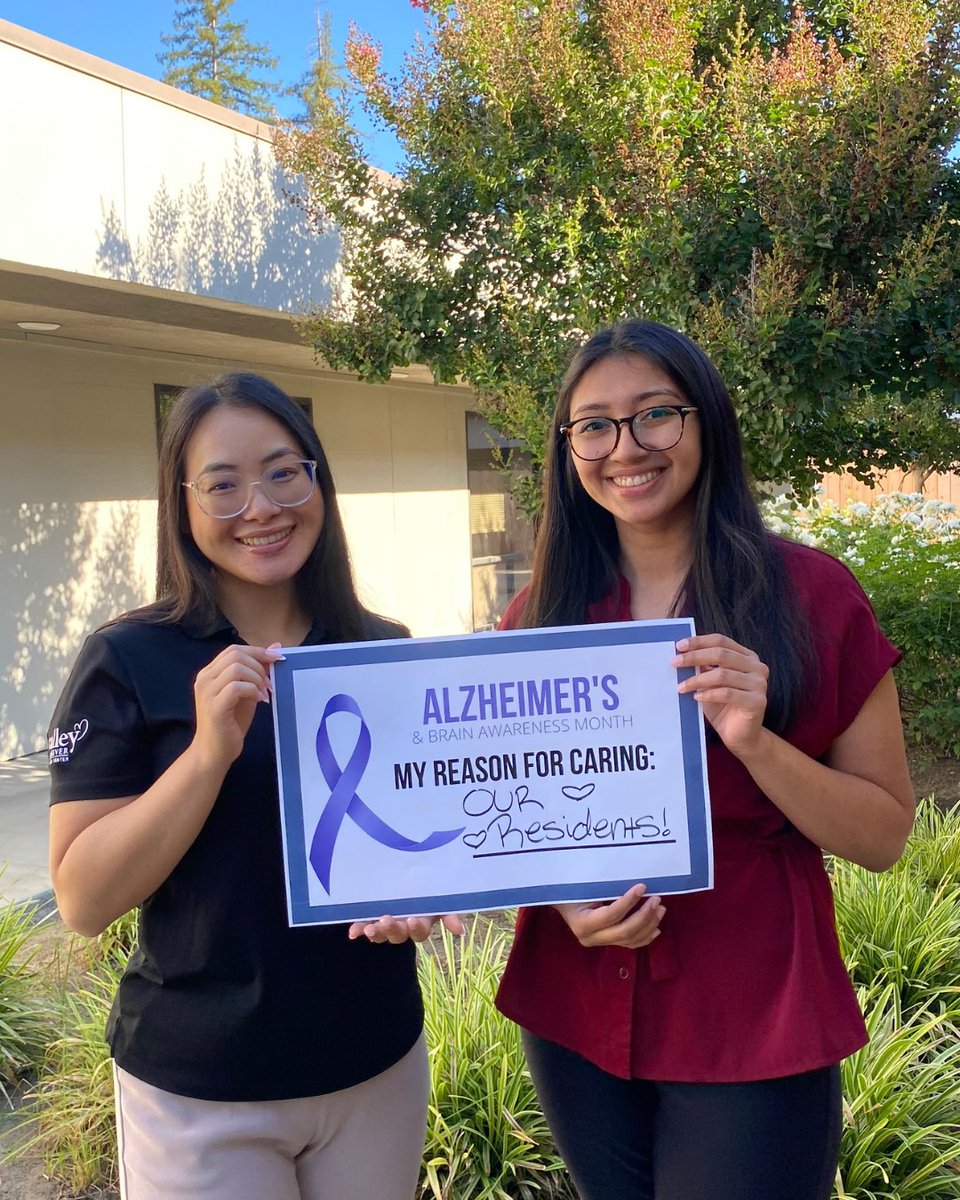
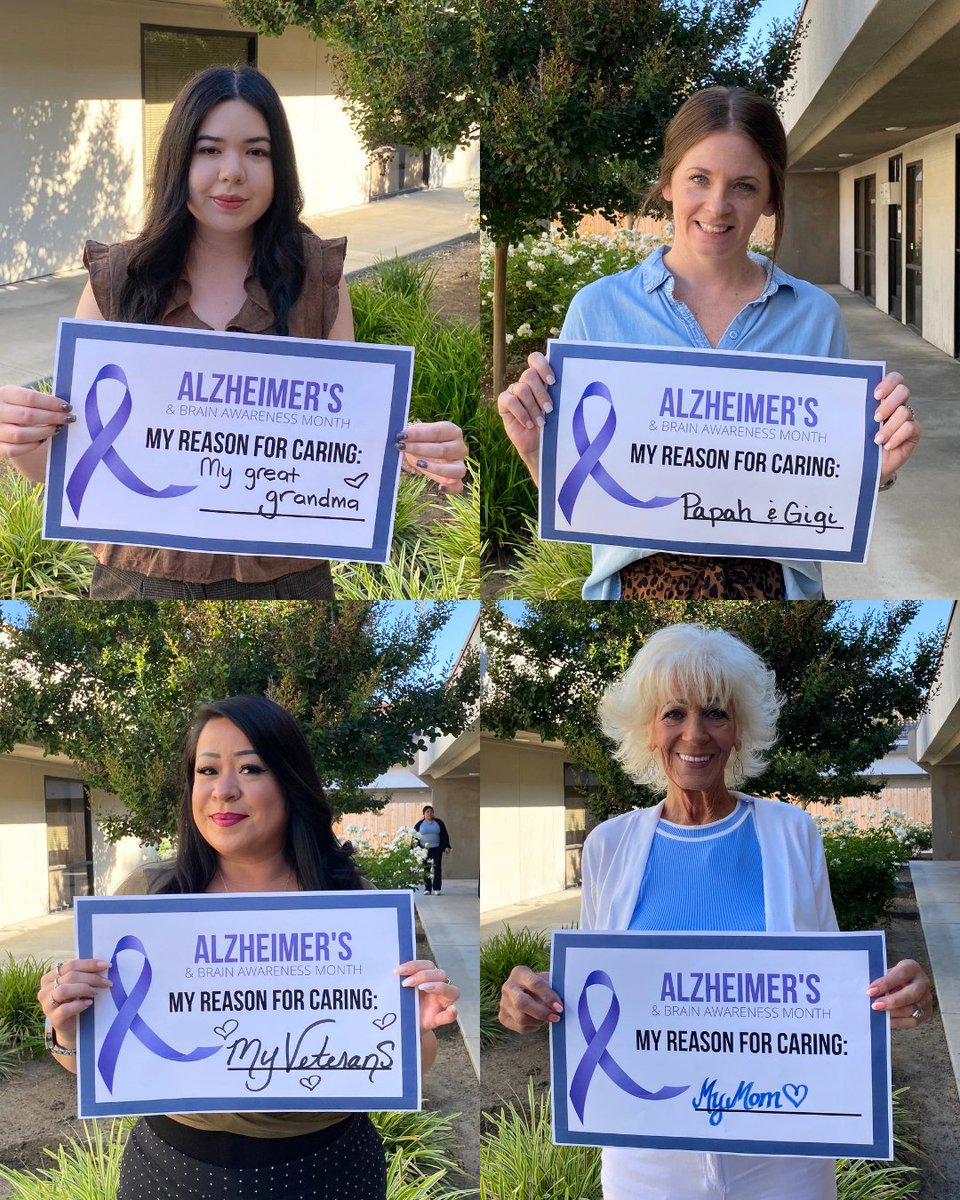
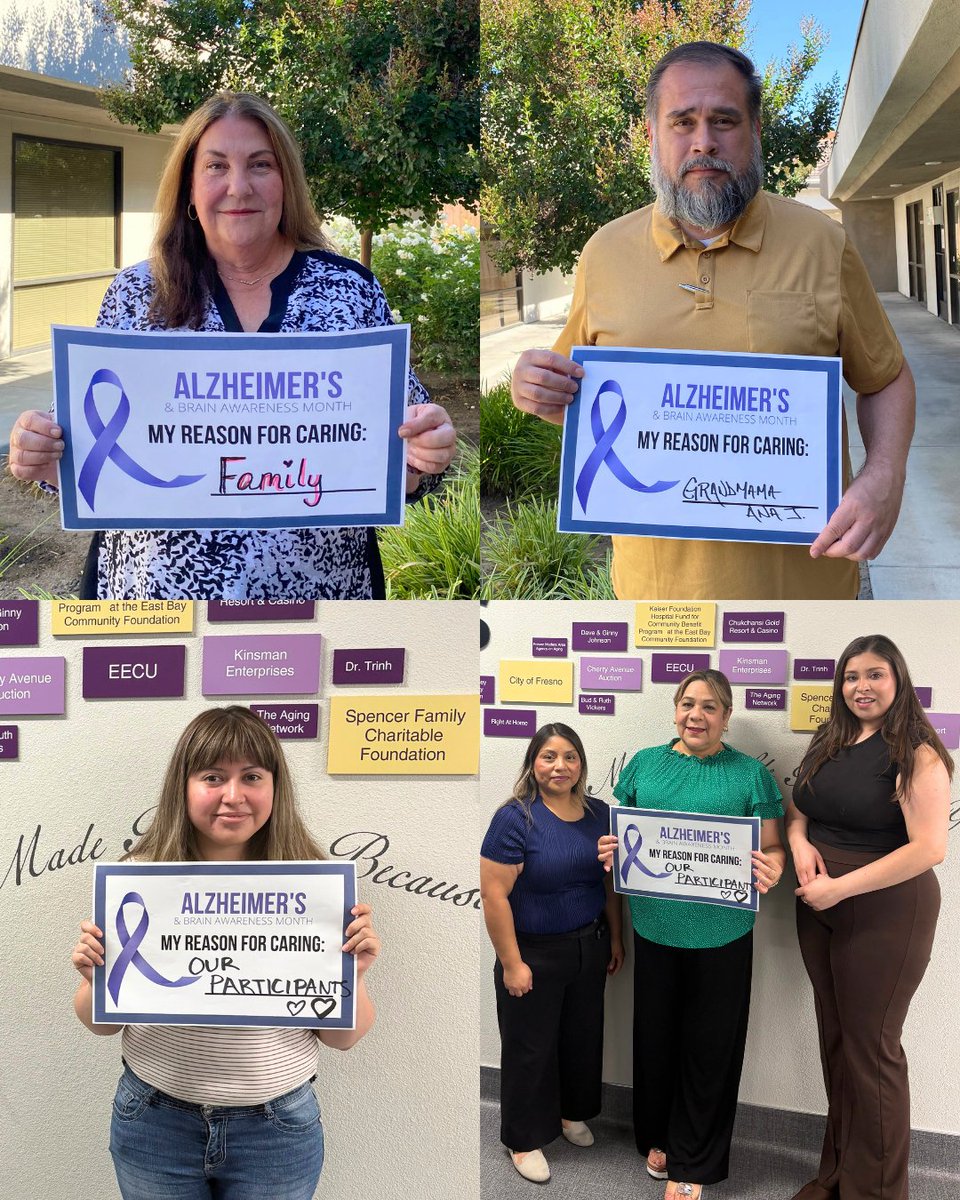
For those we care for. For those we miss. For those whose stories continue to inspire us.
This June, our staff proudly honor the people in their lives who have been affected by Alzheimer's disease and other dementias.
#AlzheimersAndBrainAwarenessMonth #BrainAwareness #DementiaAwareness #VCRC #ValleyCRC
2
Family conflict can be one of the toughest challenges caregivers face. Join us for a FREE in-person class in Merced on Thursday, June 18, 2026 at the Living Well Café. Our guest speaker from Compassionate Care will share strategies to help you support your loved ones—and yourself. Reserve your spot today! Call 800-541-8614 to register.
#VCRC #ValleyCRC #CaregiverSupport #FamilyCaregivers #CaregivingJourney #CommunitySupport

7
8

Apr 2
We are proud to unveil our new identity.
Introducing the ICMR-National Institute for Vector Control Research.
A step forward with greater purpose, stronger vision, and renewed commitment to public health.
ICMR-NIVCR — in service of the nation.
#icmrnivcr #vcrc #icmr
10
17
1,512

Mar 19
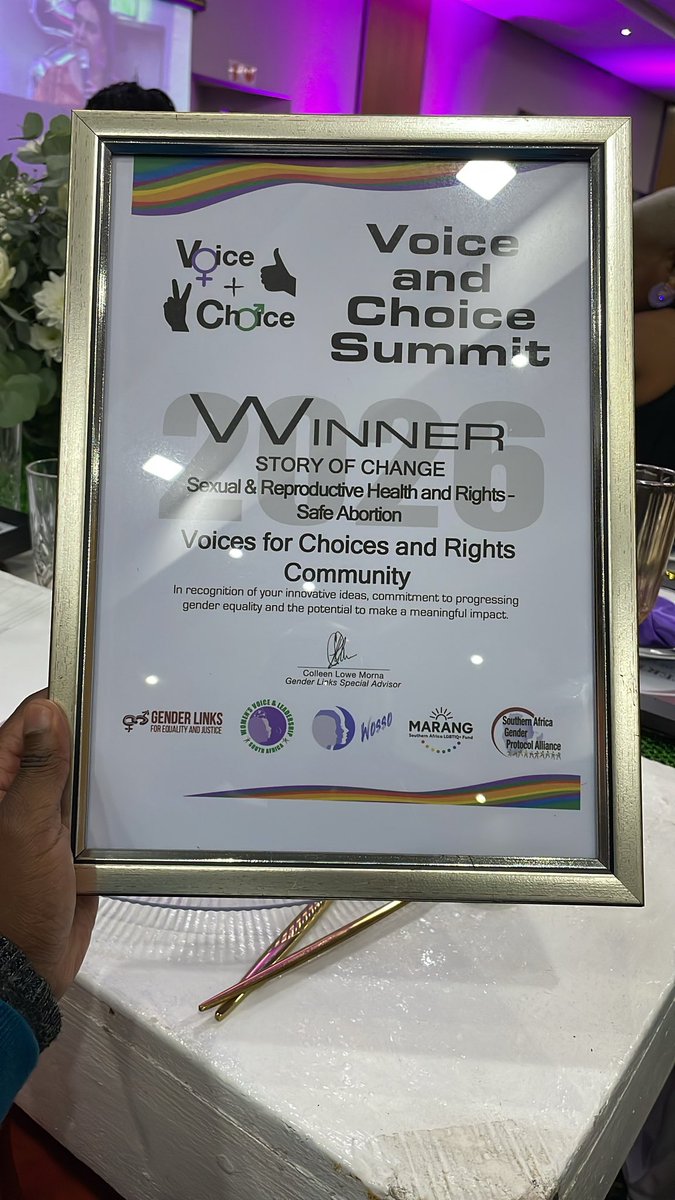
SADC AWARD| I am extremely honored to have received this regional and prestigious award on behalf of the VCRC Health and Research Institute (@vcrc_namibia).🩷💙
This award is celebrated in solidarity with more than 200 change-makers on the continent & beyond, who attended the Summit, & it is accepted with the utmost humility.
Thanking our ancestors, and all the women who continue to hold up half the sky.
#VoiceAndChoiceSummit #SADCAward #VCRCNamibia
2
2
10
586

#VoiceAndChoiceSummit | SADC Regional Awards Recognition #WeWon!🏆
We are proud to announce that the VCRC Health & Research Institute has been honoured for its impactful work in advancing abortion law reform at the prestigious SADC regional Voice & Choice Summit.
#ItsTime💙❤️
2
3
133
Mar 19
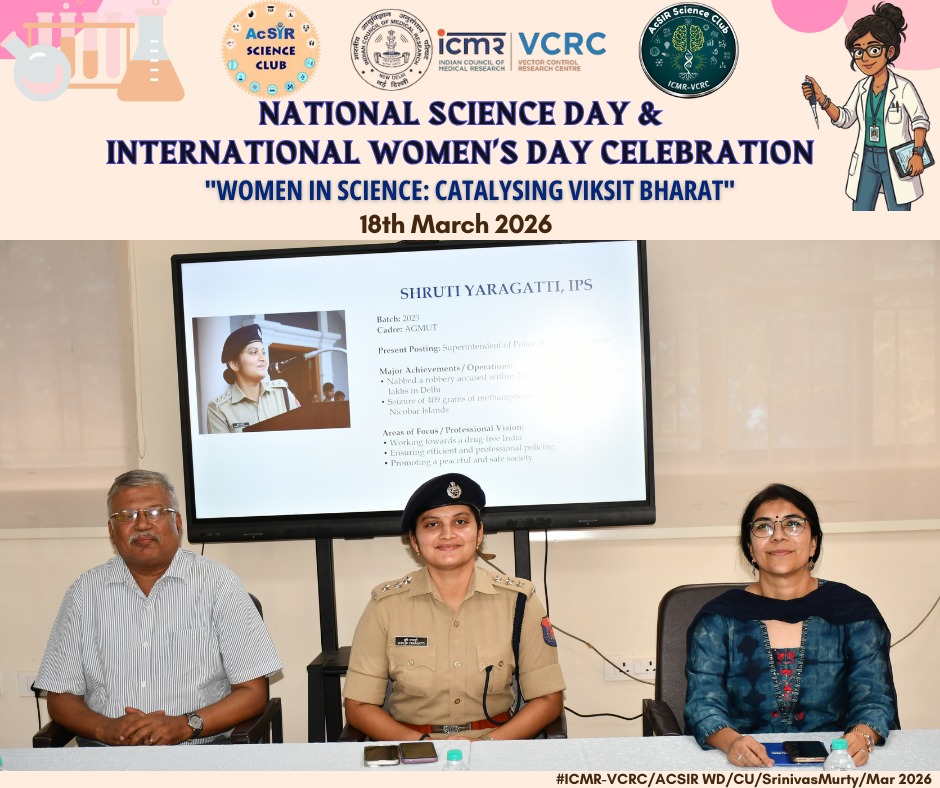
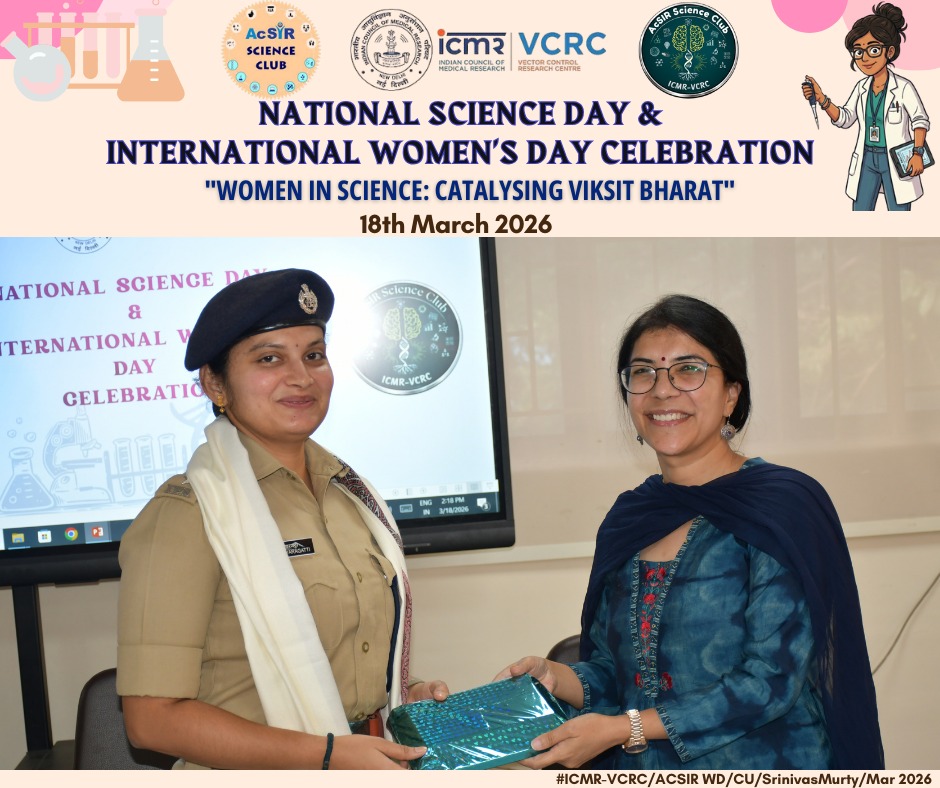
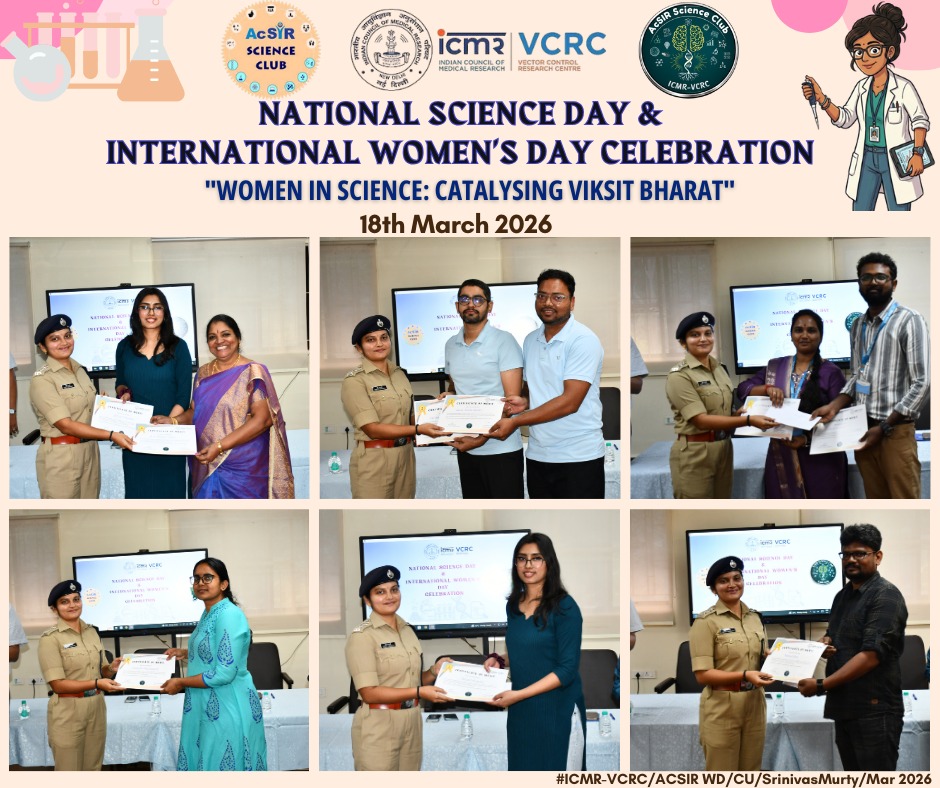
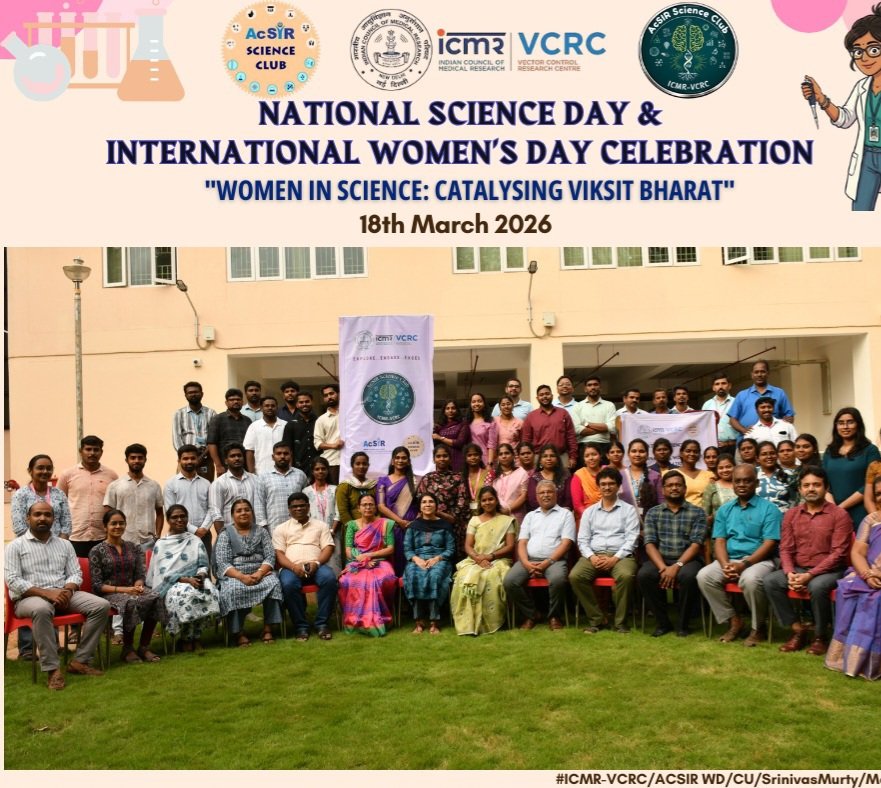
Marked National Science Day & International Women’s Day, on behalf of the AcSIR Science Club, ICMR–VCRC,honored to have Ms. Shruti Yaragatti IPS (East), Puducherry, as Chief Guest , whose insights added significant value to the event.#NationalScienceDay #WomensDay #ICMR #VCRC
1
2
163

Mar 17
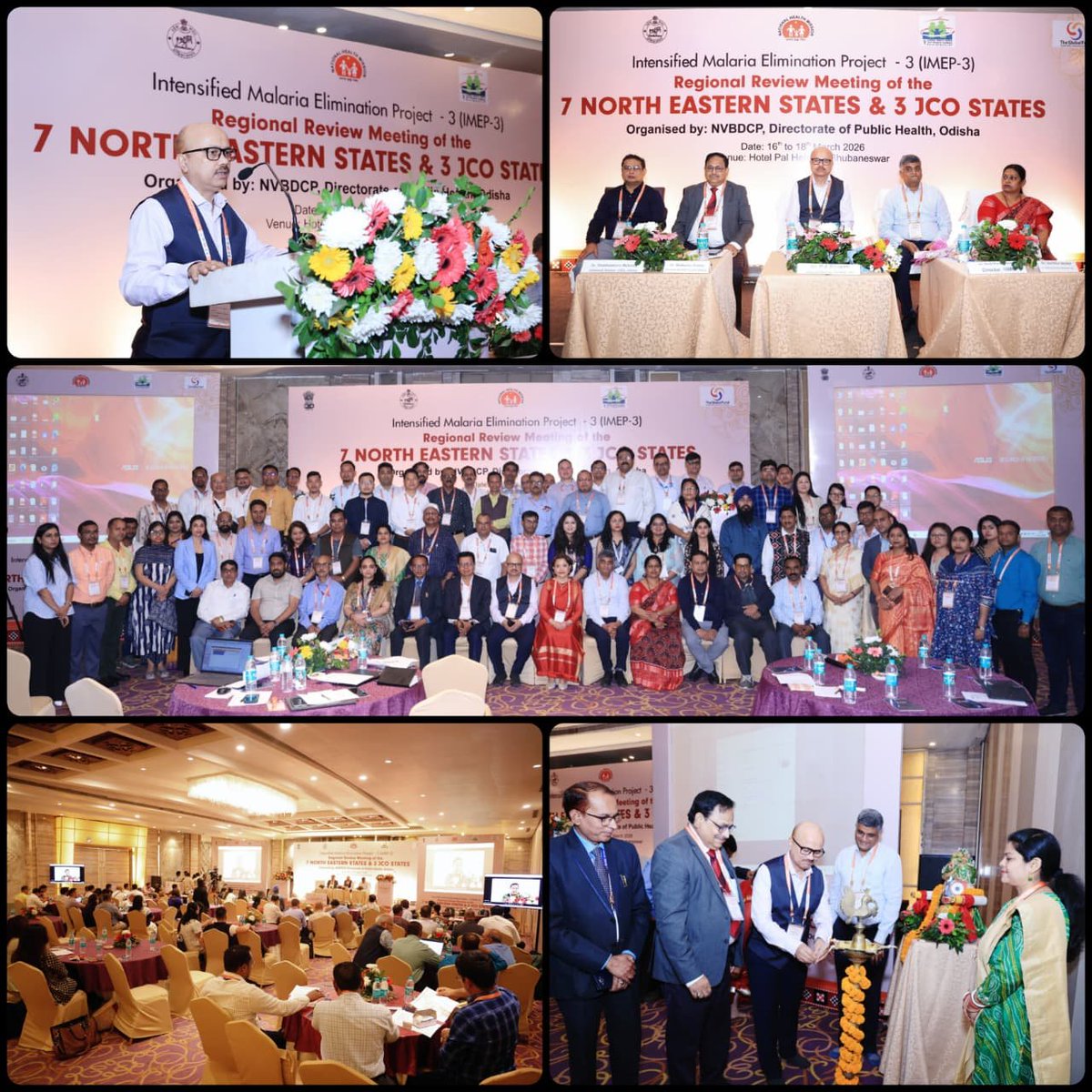
Regional Review Meeting from 16-18 March 2026 organized by NVBDCP Odisha, chaired by Dr. PJ Bhuyan, Addl Dir. NCVBDC, GoI at Bhubaneswar. Officials from States, ROHFW, NIMR, VCRC, WHO & NGO-SRs participated. #MalariaElimination #RRMOdisha2026
1
10
189
Mar 14
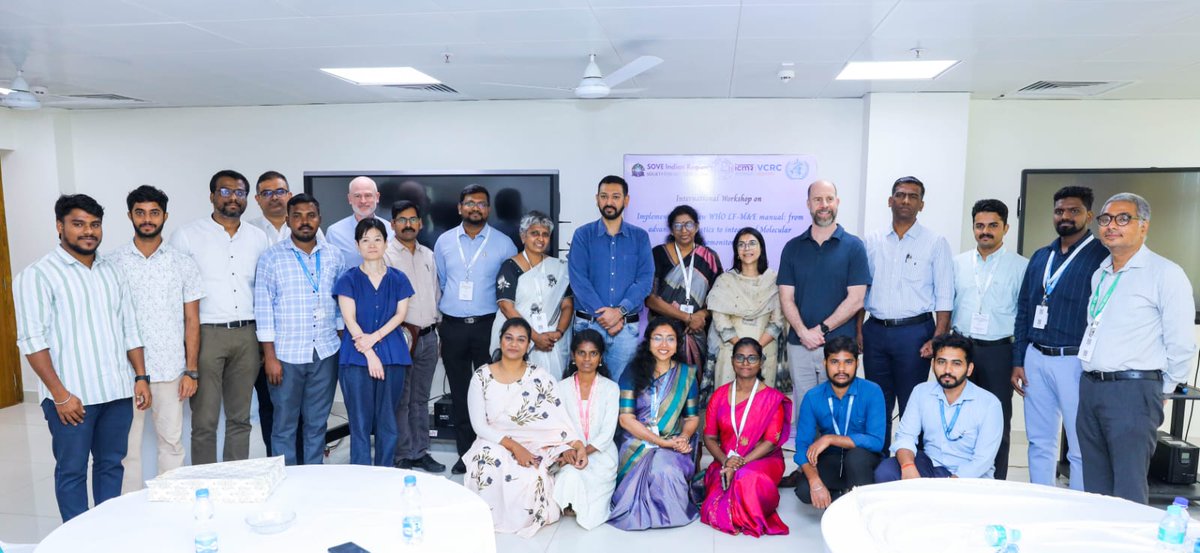
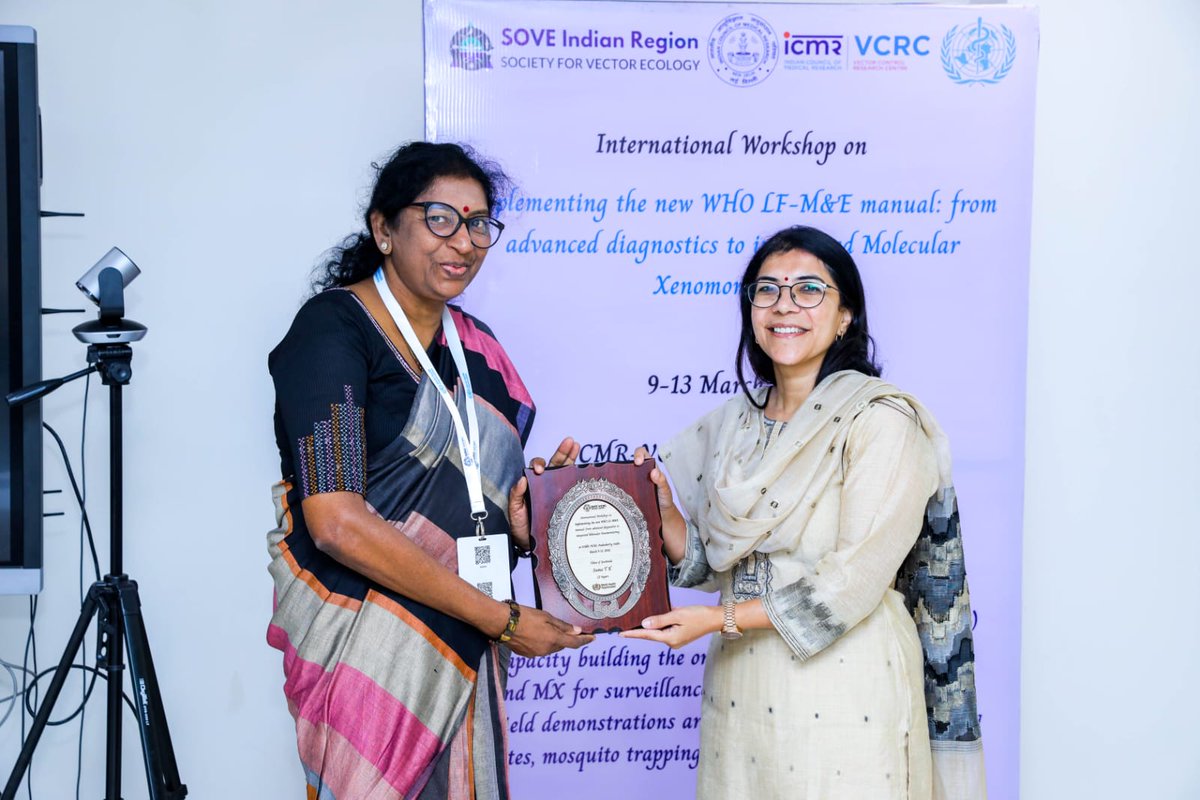
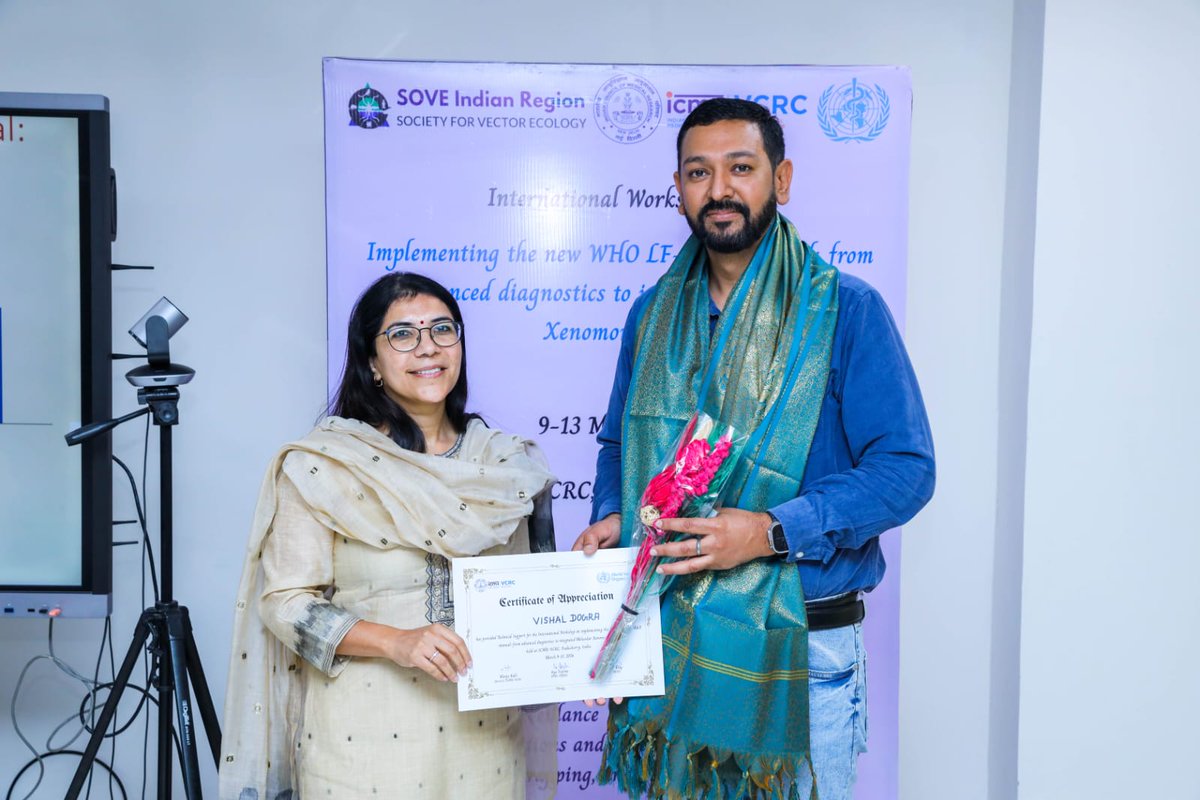
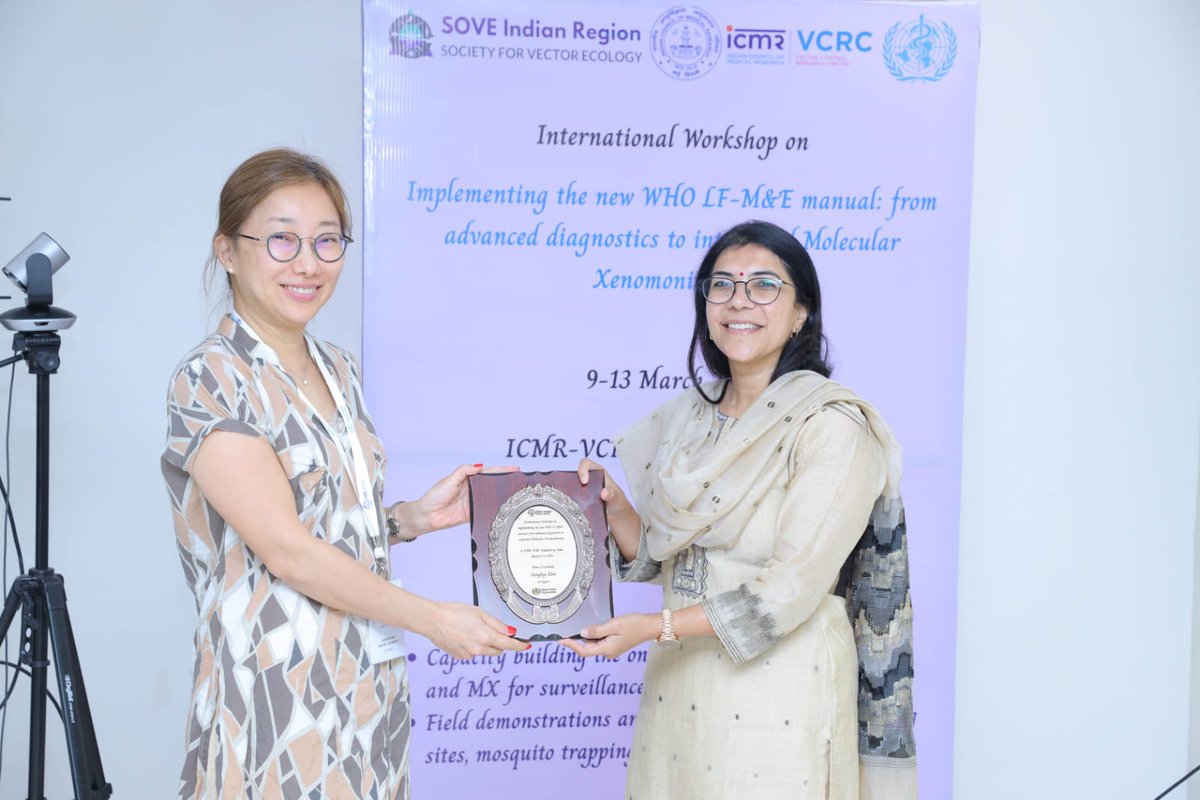
Glimpses from the valedictory day 🌟!
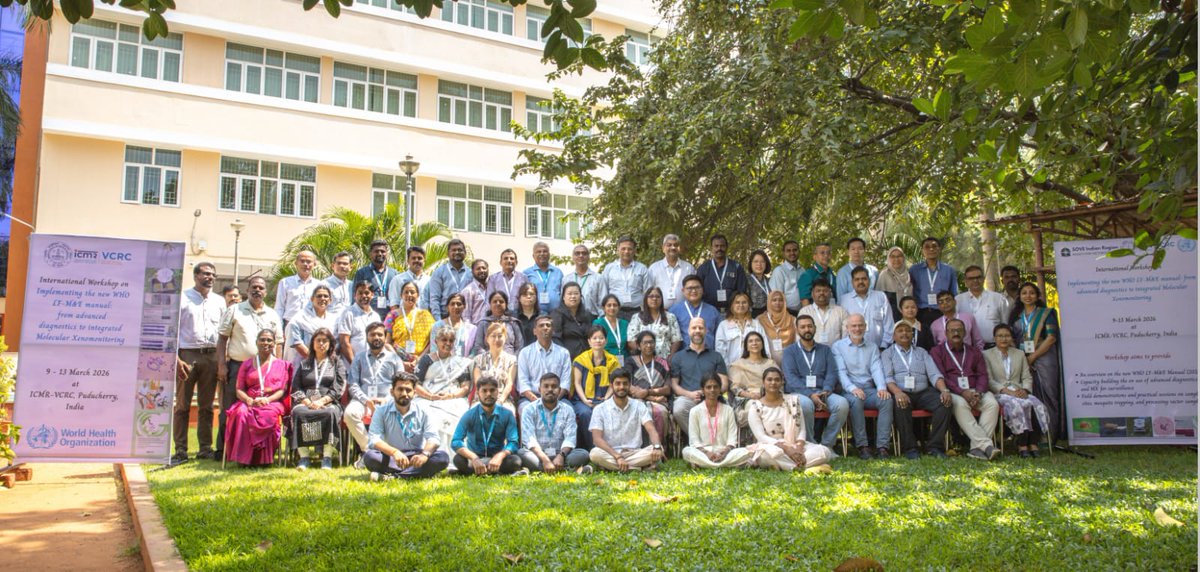
Successfully concluded 5 days of international workshop on “Implementing the New WHO LF M&E Manual” at ICMR-VCRC, Puducherry, with WHO.
#ICMRVCRC #WHO #NTDs #LymphaticFilariasis
5
133
Mar 14
Glimpses from the valedictory day 🌟!
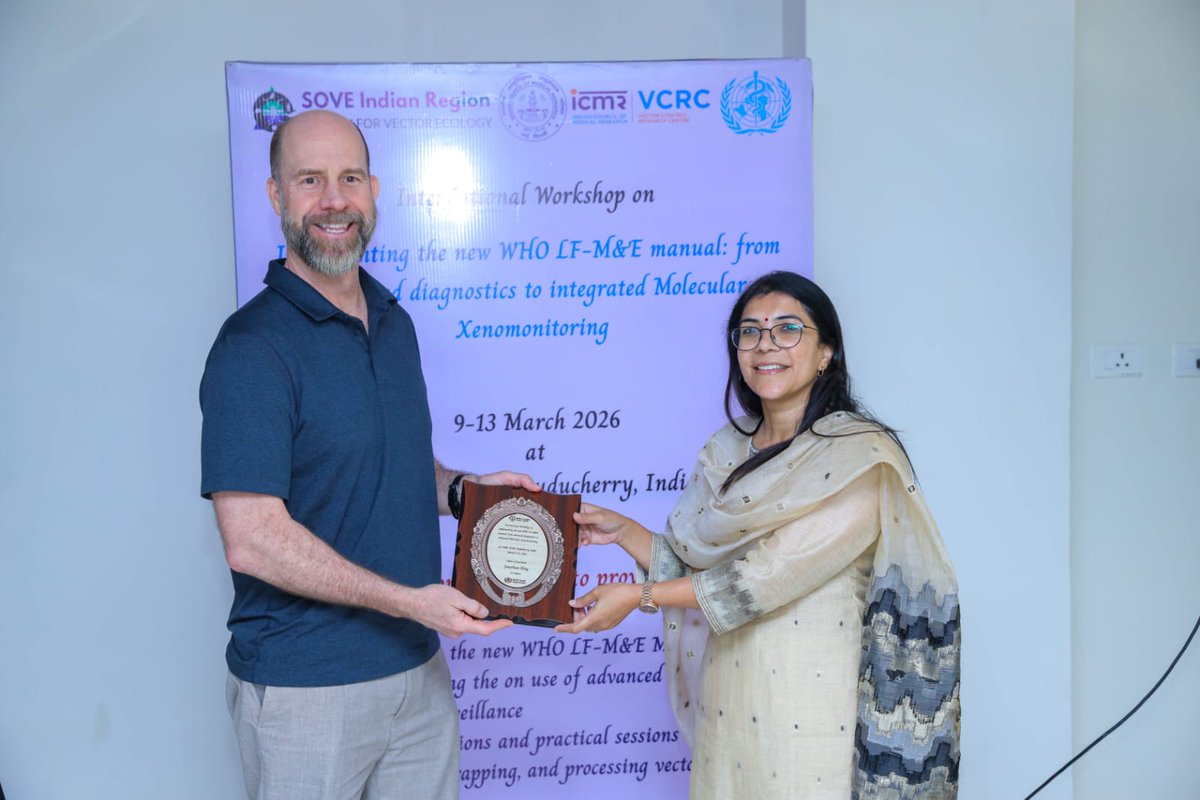
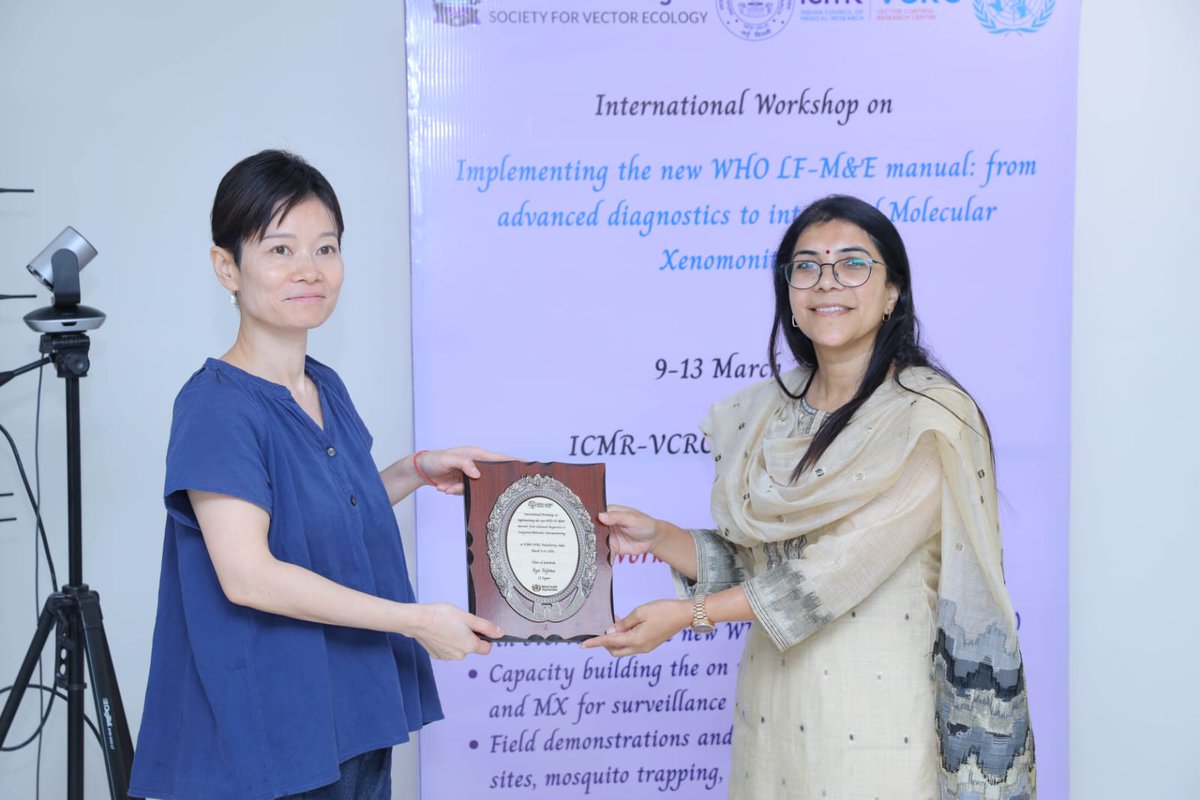
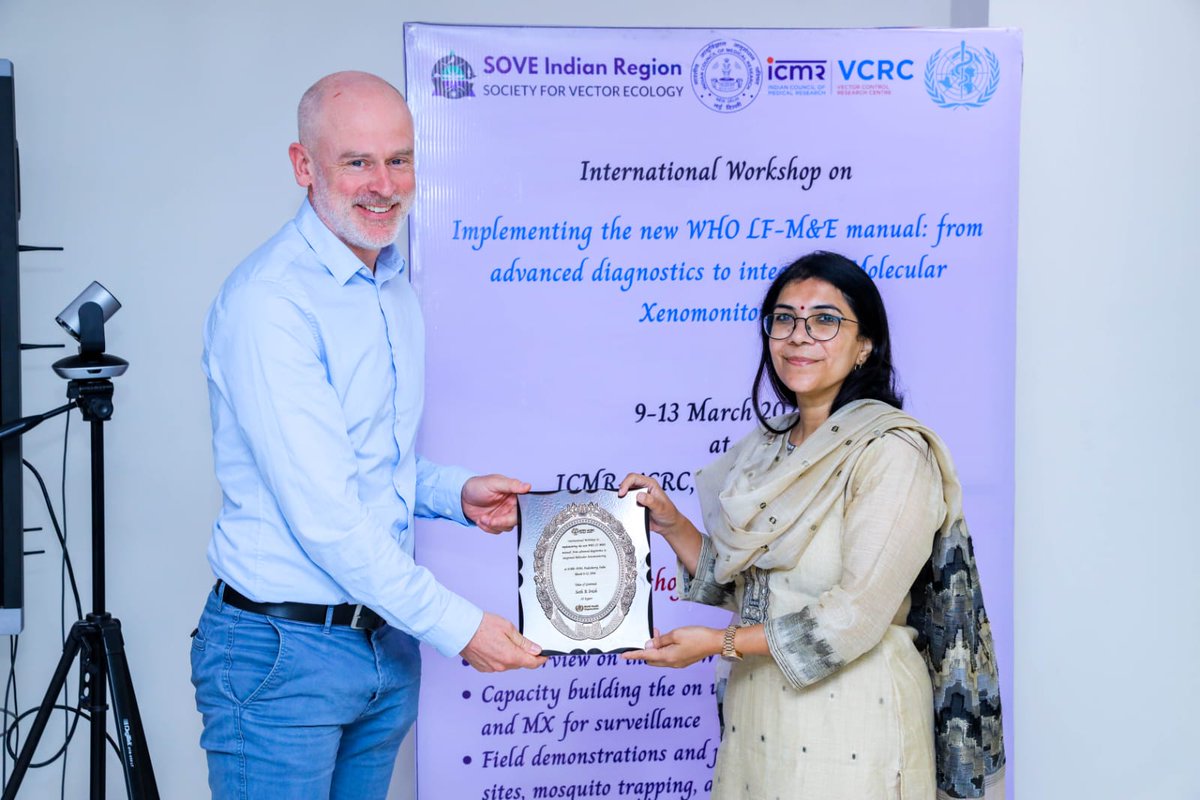
Successfully concluded 5 days of international workshop on “Implementing the New WHO LF M&E Manual” at ICMR-VCRC, Puducherry, with WHO.
Collaborative learning & experience sharing on molecular xenomonitoring for LF elimination.
#ICMRVCRC
4
102
Mar 14
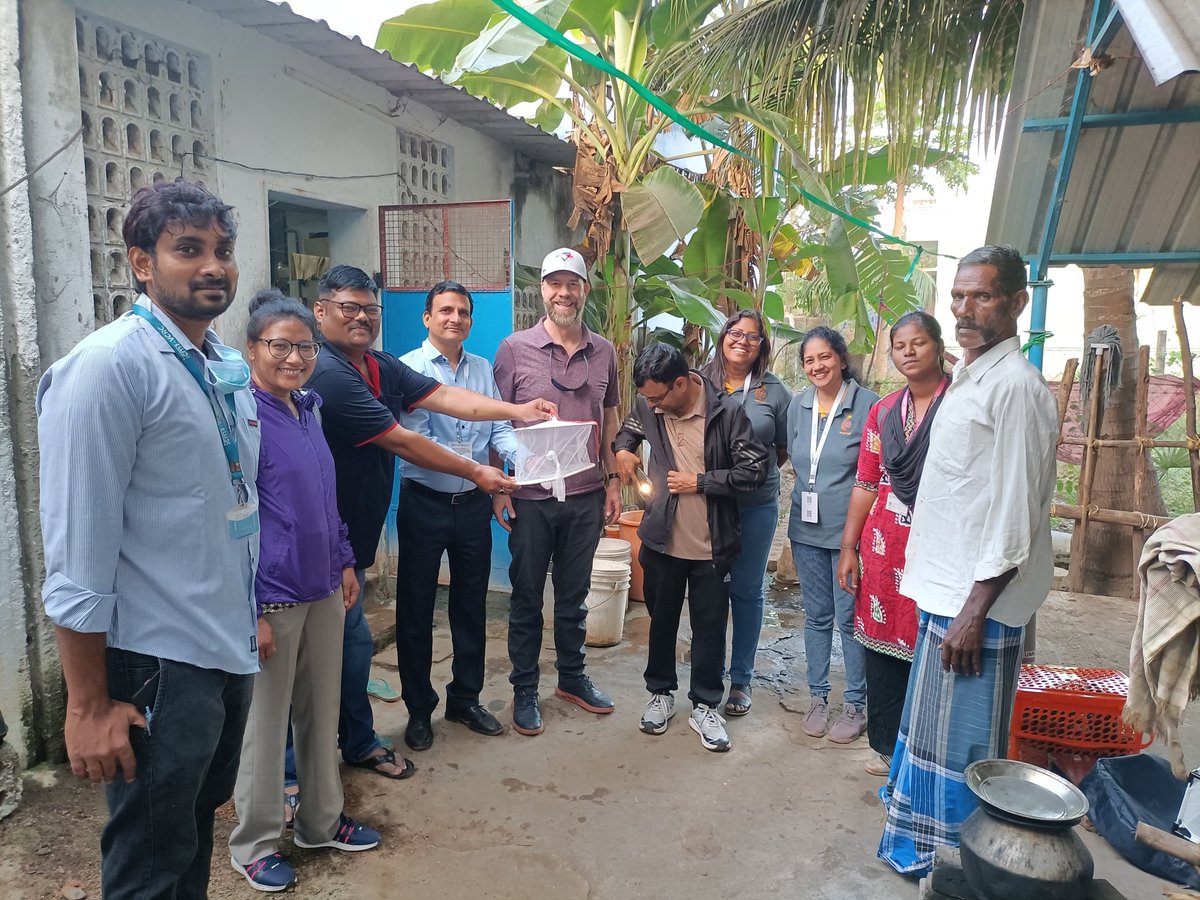
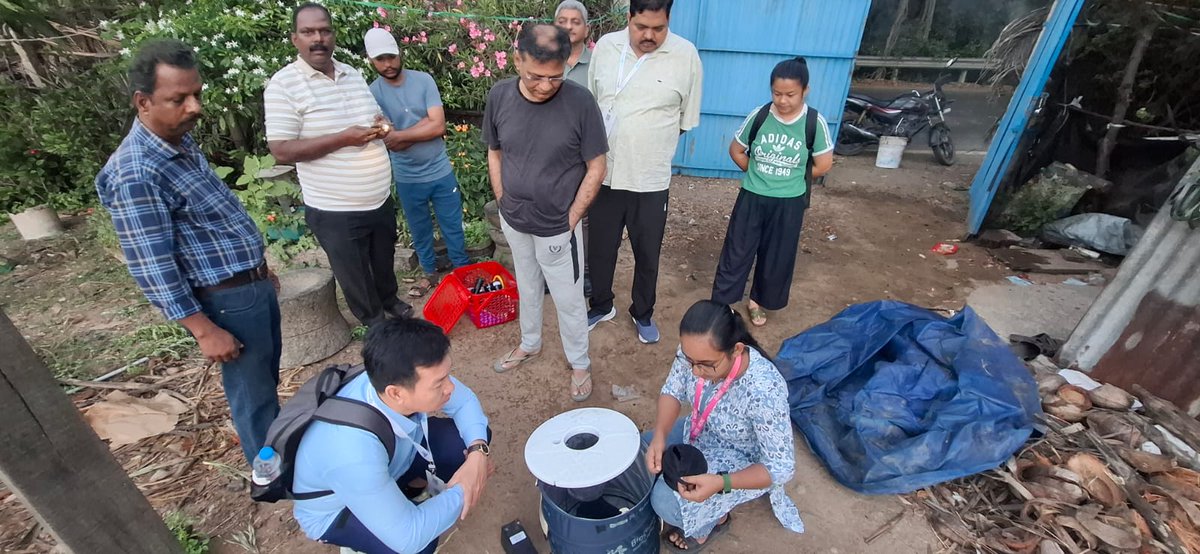
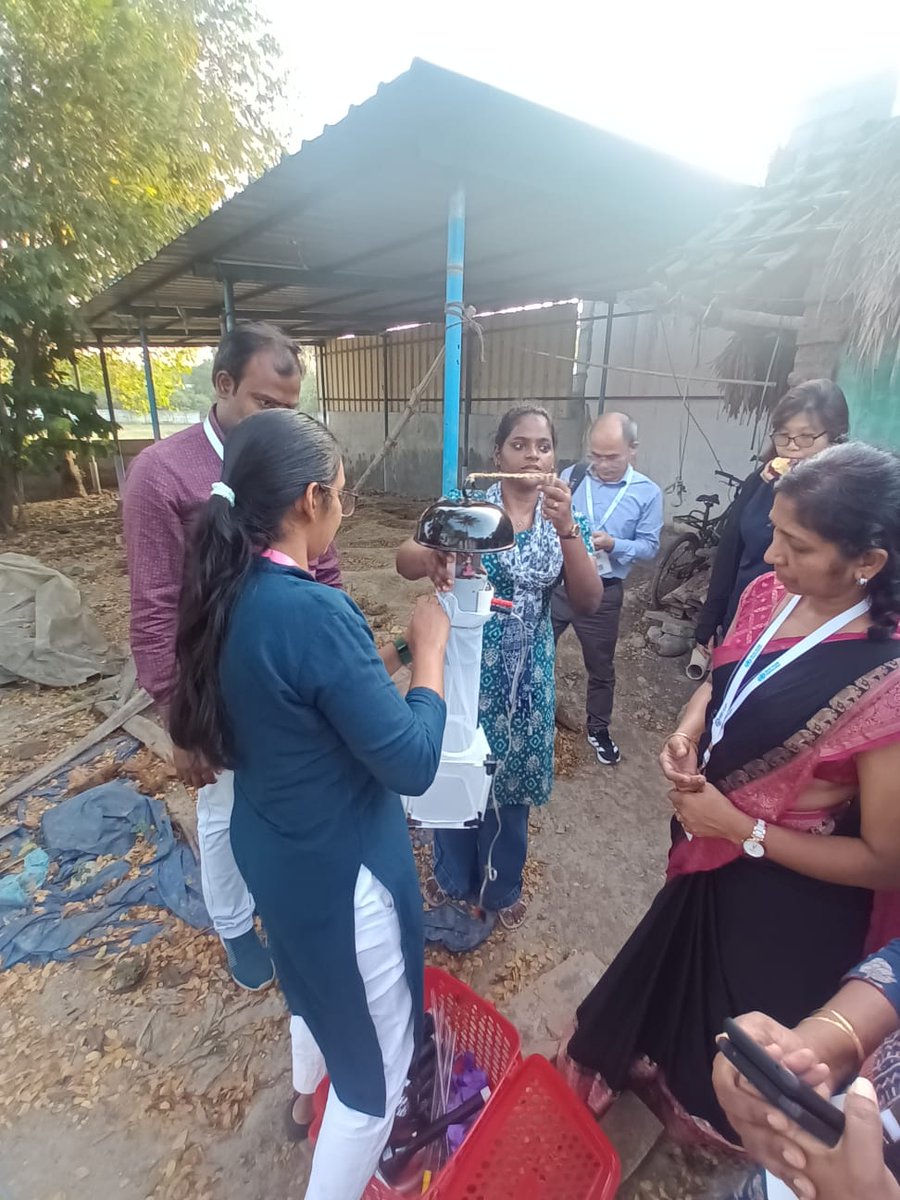
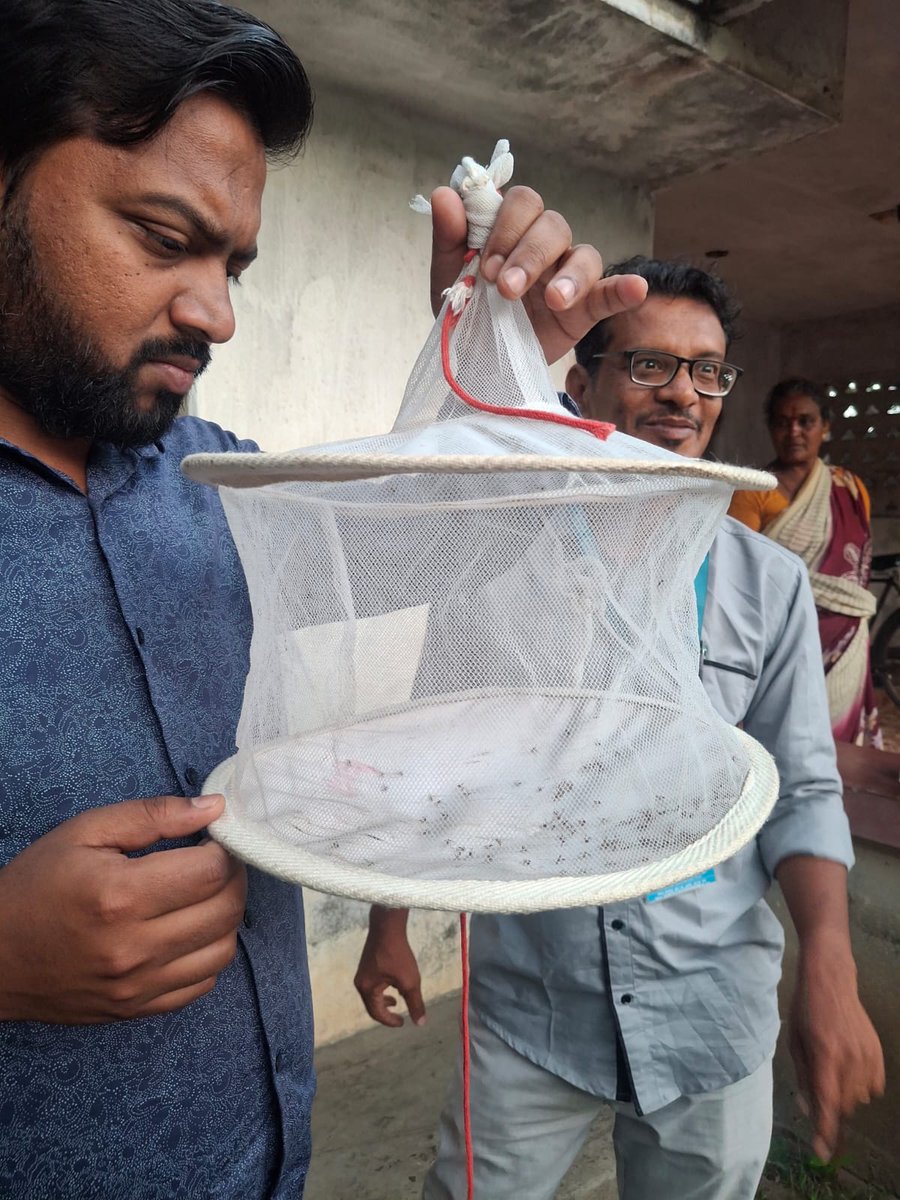
#Vector collection methods-Hand-on experience.
ICMR-VCRC team demonstrates mosquito collection methods to workshop participants as part of an international workshop on “Implementing the New WHO LF M&E Manual”held at ICMR-VCRC, Puducherry (9–13 Mar 2026) in collaboration with WHO
7
142
Mar 14
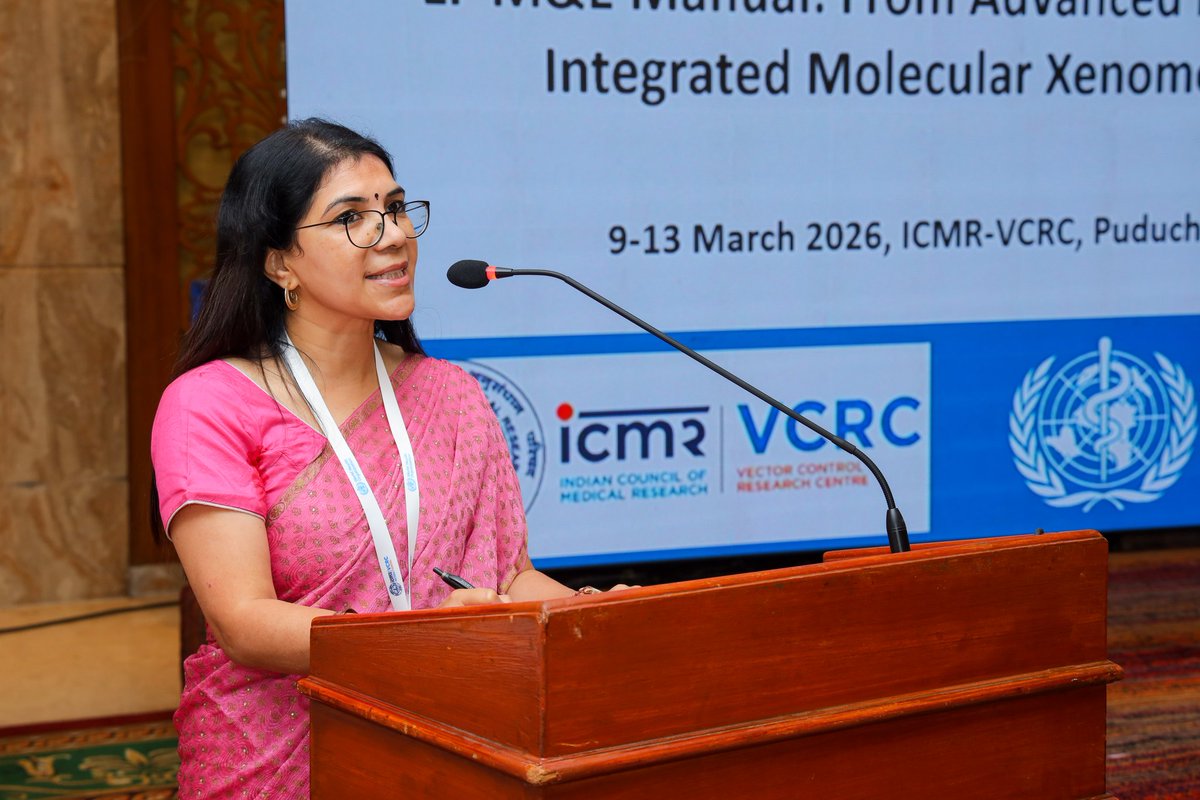
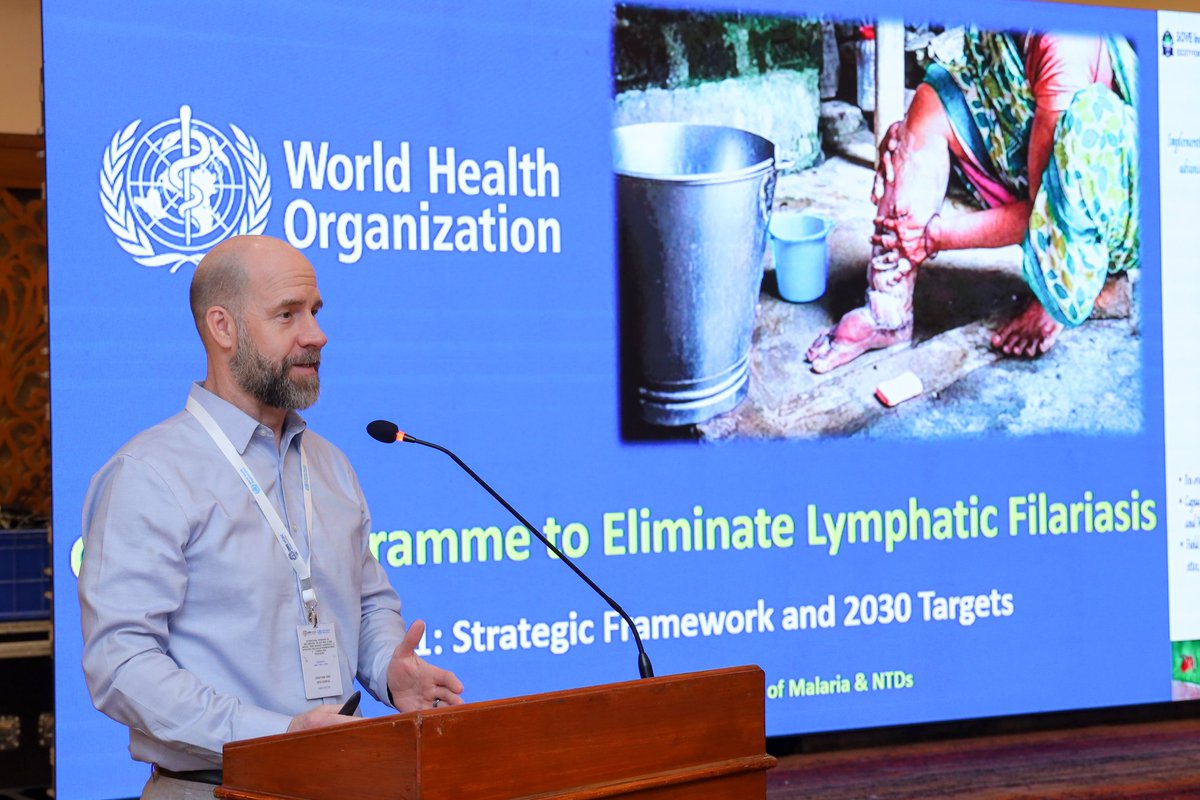
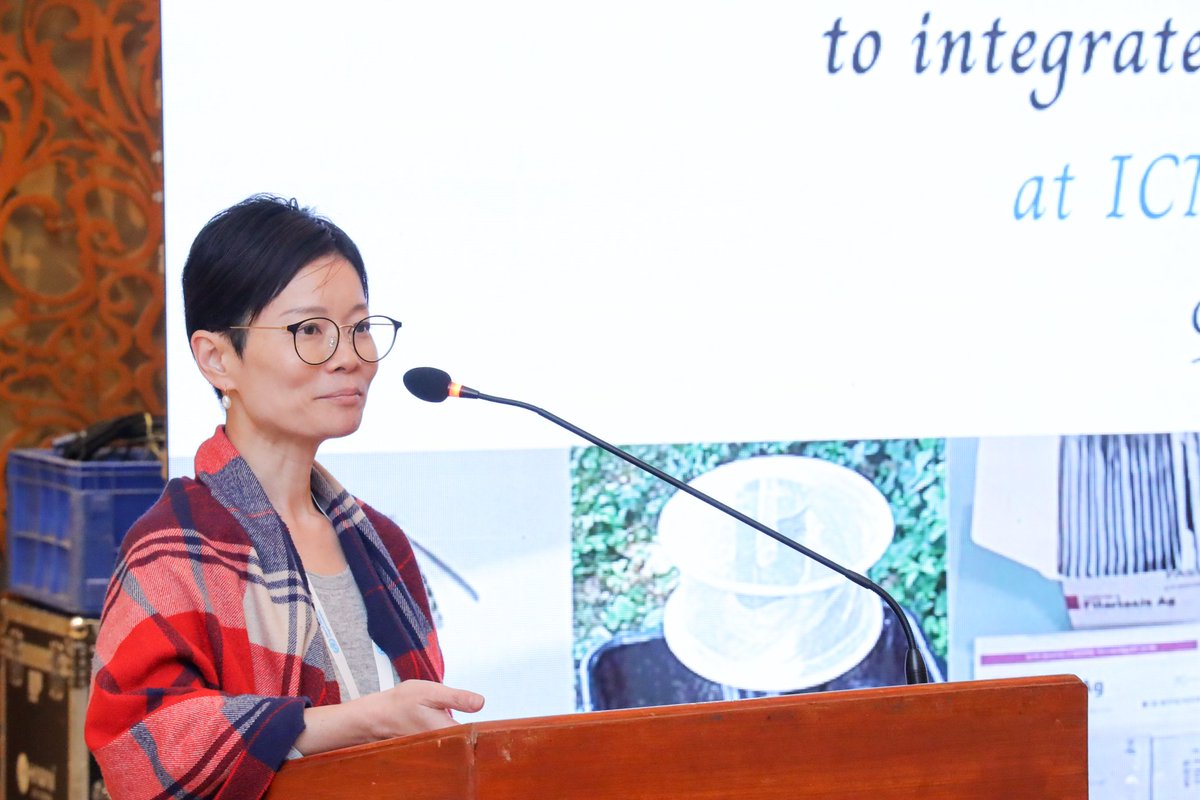
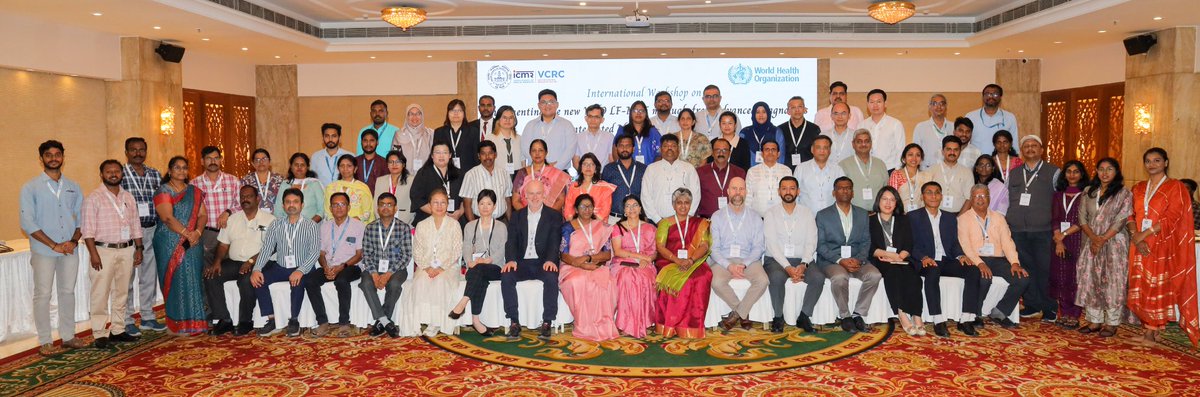
🌍 A 5-day International Workshop on “Implementing the New WHO LF M&E Manual: From Advanced Diagnostics to Integrated Molecular Xenomonitoring” was held at ICMR-VCRC, Puducherry (9–13 Mar 2026) in collaboration with WHO.
1
8
108
Mar 8
ICMR–VCRC is organizing the International Workshop on “Implementing the new WHO LF–M&E Manual: from advanced diagnostics to integrated Molecular Xenomonitoring.”
📍 Puducherry, India
📅 9–13 March 2026
#ICMR #VCRC #WHO #VectorEcology #PublicHealth #LFElimination

1
3
2
396
Mar 8
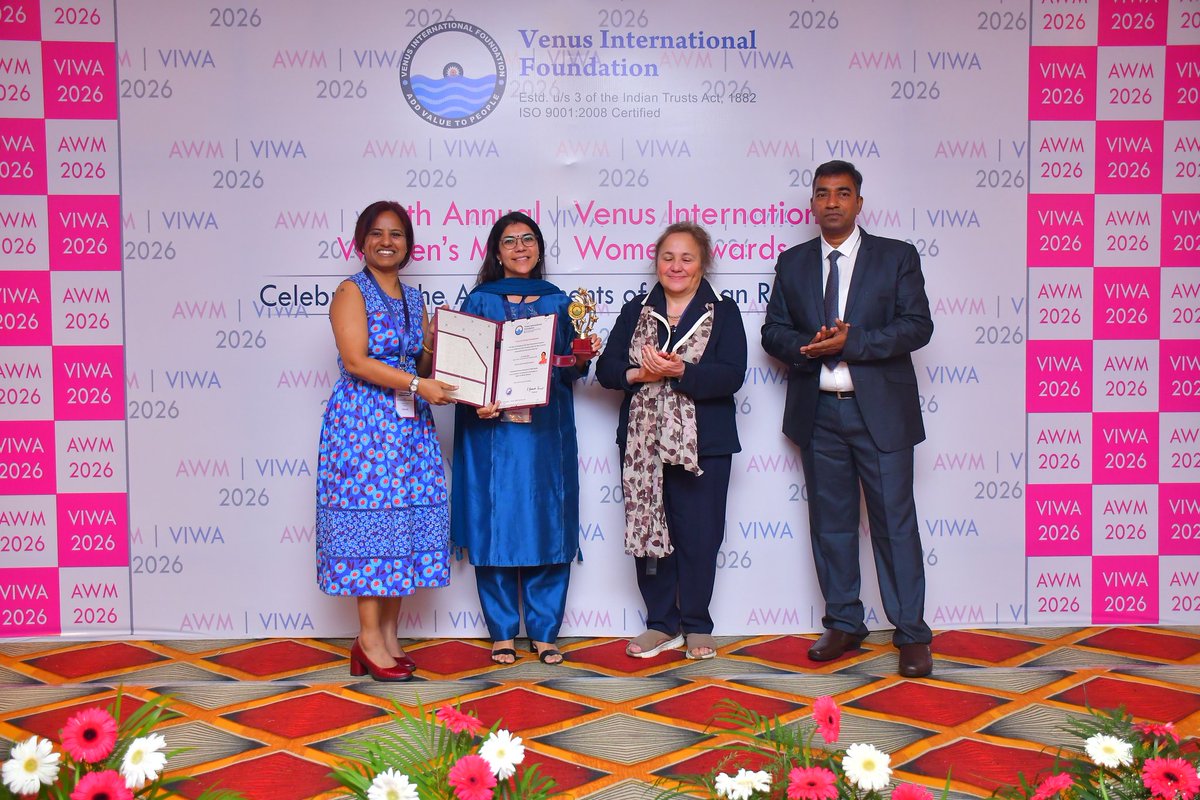
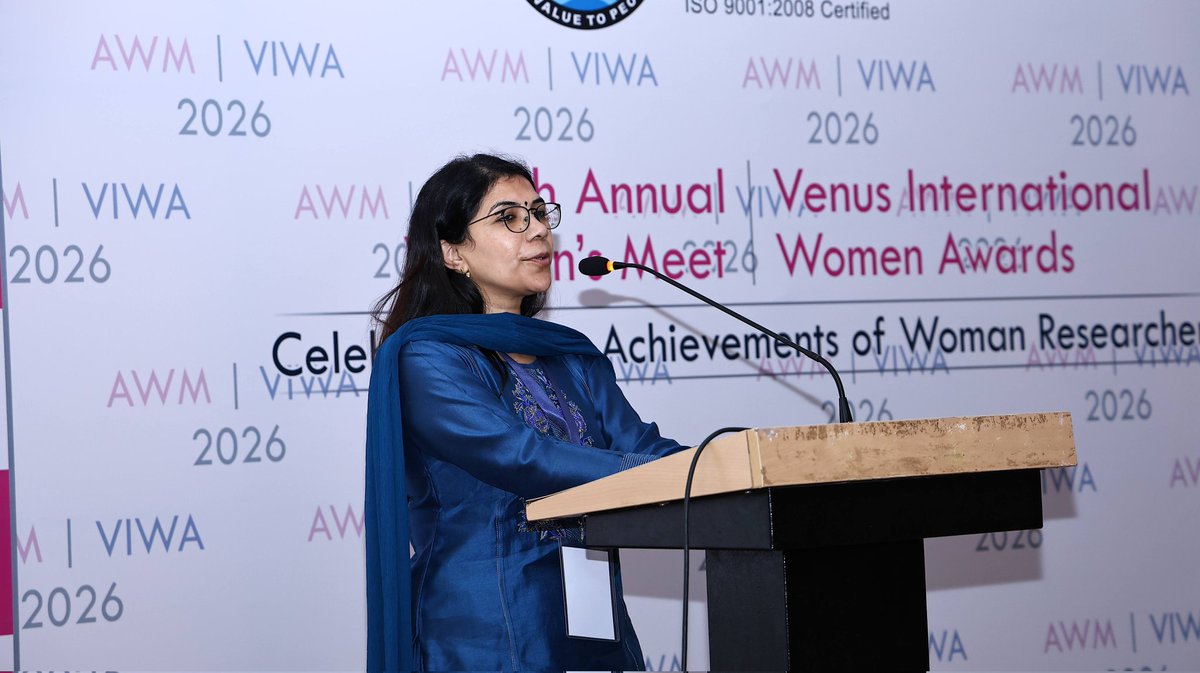
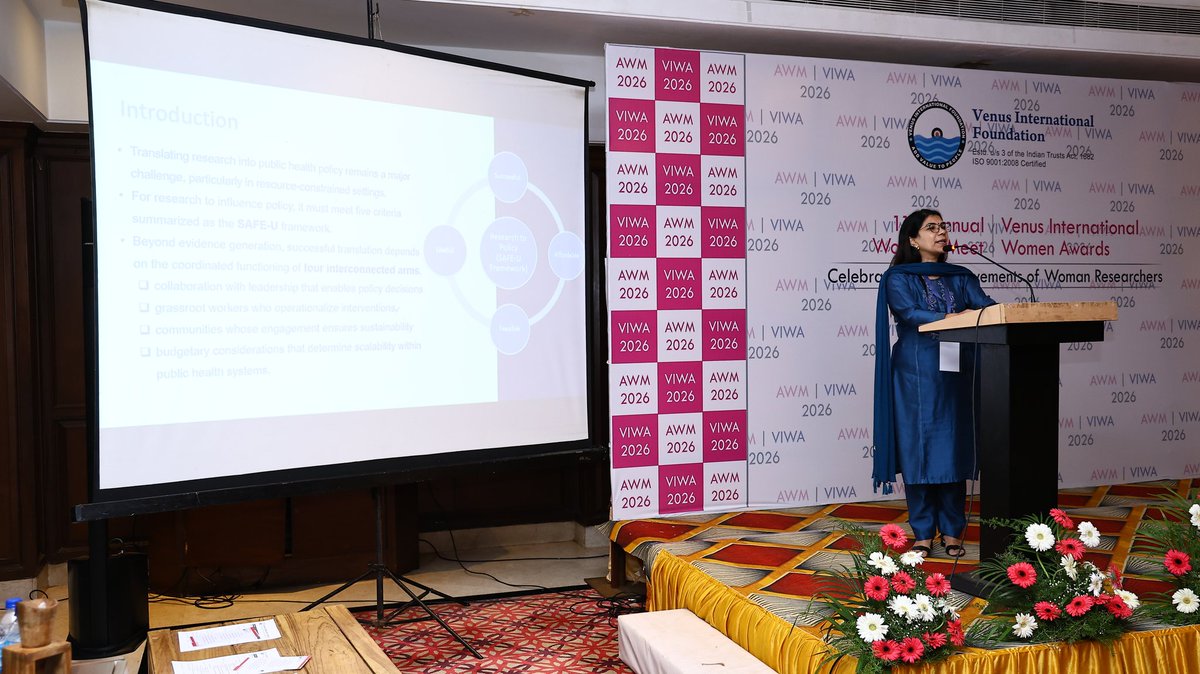
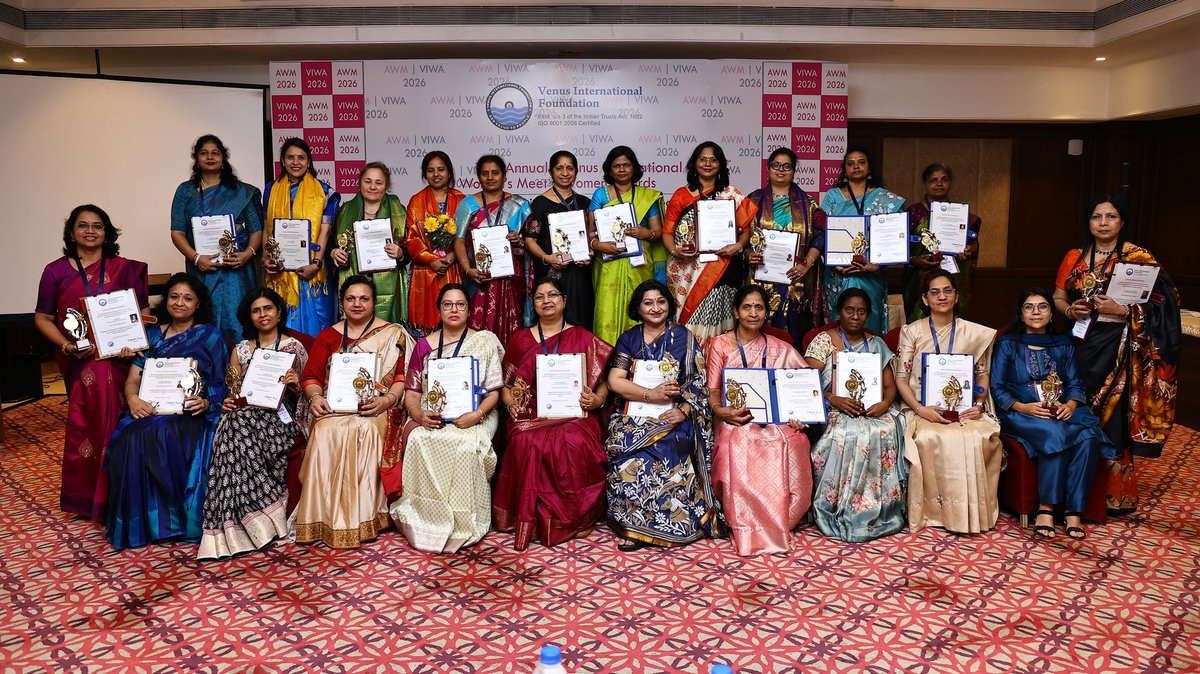
Honoured to share that Dr. Manju Rahi, Director, ICMR-VCRC has received the “Distinguished Woman Researcher in Public Health” award at the 11th Venus International Women Awards (VIWA 2026), Chennai.
#VIWA2026 #WomenInScience #PublicHealth #WomenResearchers #ResearchExcellence
2
4
9
270
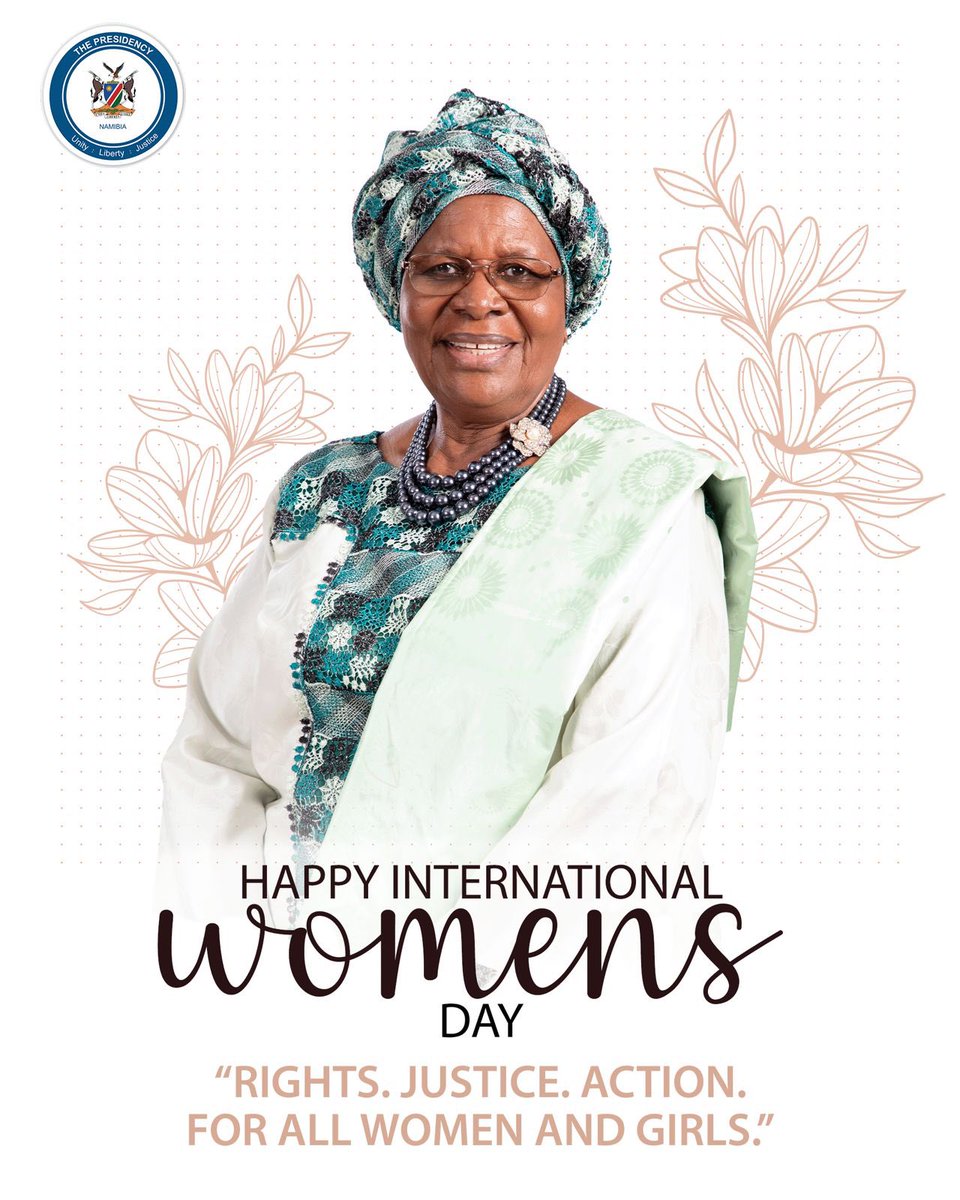
VCRC Health and Research Institute supports the call by Her Excellency Netumbo Nandi-Ndaitwah for rights, justice &action for all women and girls. Ensuring dignity, bodily autonomy and access to reproductive healthcare remains essential to achieving true gender equality. #ItsTime

Message by Her Excellency Dr Netumbo Nandi-Ndaitwah on International Women’s Day
8 March 2026
Her Excellency Dr Netumbo Nandi-Ndaitwah, joins the rest of the world in the commemoration of International Women’s Day, which is held annually on 08 March as part of the global movement to advance women’s rights, promote gender equality and recognise the invaluable contribution of women and girls to the development of societies.
In her message of commemoration, President Nandi-Ndaitwah says:
“Today, I join Namibians and the global community in commemorating International Women’s Day under the theme ‘Rights. Justice. Action. For All Women and Girls.’
Over the years, the world has made important strides in advancing the rights and empowerment of women. Across many societies, women have gained greater access to education, leadership, and economic opportunities. These achievements are the result of decades of advocacy, courage and determination by women and men who believed in equality and justice. Yet, while we acknowledge this progress, we must also recognise that the journey towards full equality is far from complete.
International Women’s Day therefore reminds us not only to celebrate the achievements of women and girls, but also to reflect on the work that still lies ahead. Around the world, women continue to face barriers that limit their full participation in society. This year’s theme is a clear call to action for all of us to remove the obstacles that prevent women and girls from fully enjoying their rights and opportunities.
For Namibia, this occasion allows us to reflect on the progress we have made since Independence. As a nation, we have taken meaningful steps to promote gender equality and to ensure that women take their rightful place in the development of our country. Today, women contribute immensely across all sectors of society, whether in government, business, agriculture, education, or within our communities.
This year also reminds us of the historic commitments made at the 1995 Beijing World Conference on Women, where nations came together and adopted the Beijing Declaration and Platform for Action. That moment marked an important turning point in the global movement for gender equality, affirming that the empowerment of women is essential for development, peace and human dignity. Namibia remains committed to the spirit of those commitments as we continue expanding opportunities for women and girls in our country.
I am particularly encouraged to see women serving with distinction in leadership positions across our country. Their voices, ideas and commitment continue to shape our democracy and help guide our nation forward.
To the women and girls of Namibia, I want to say this clearly: your dreams are not limited by your gender. In today’s Namibia, you can become whatever you aspire to be. The opportunities before you were made possible by those who fought for the rights and dignity of women. Nothing should stand in the way of your ambitions except the limits you place on yourselves. I therefore encourage every young girl and every woman to embrace these opportunities with confidence and determination.
As we celebrate the progress we have made, we must also remember the many women across the world who are still living under oppression and denied the opportunities that others enjoy. On this day, they remain in our thoughts. We must continue working together as a global community so that one day every woman and girl, regardless of where she is born, will have equal access to the opportunities, dignity and rights that others are fortunate to enjoy.
At the same time, we must acknowledge that challenges remain. Gender-based violence, economic inequalities, and harmful social attitudes continue to affect many women and girls. Addressing these challenges requires continued effort and cooperation from government, civil society, traditional leaders, the private sector and the broader community.
2
2
187
Feb 25
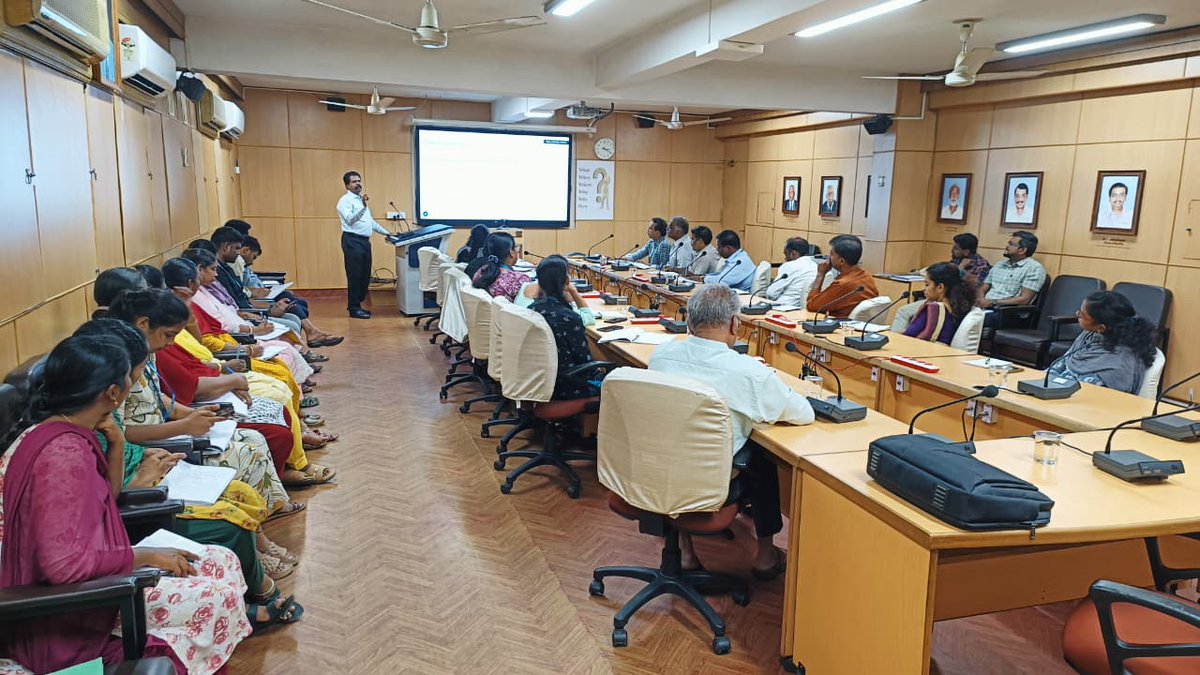
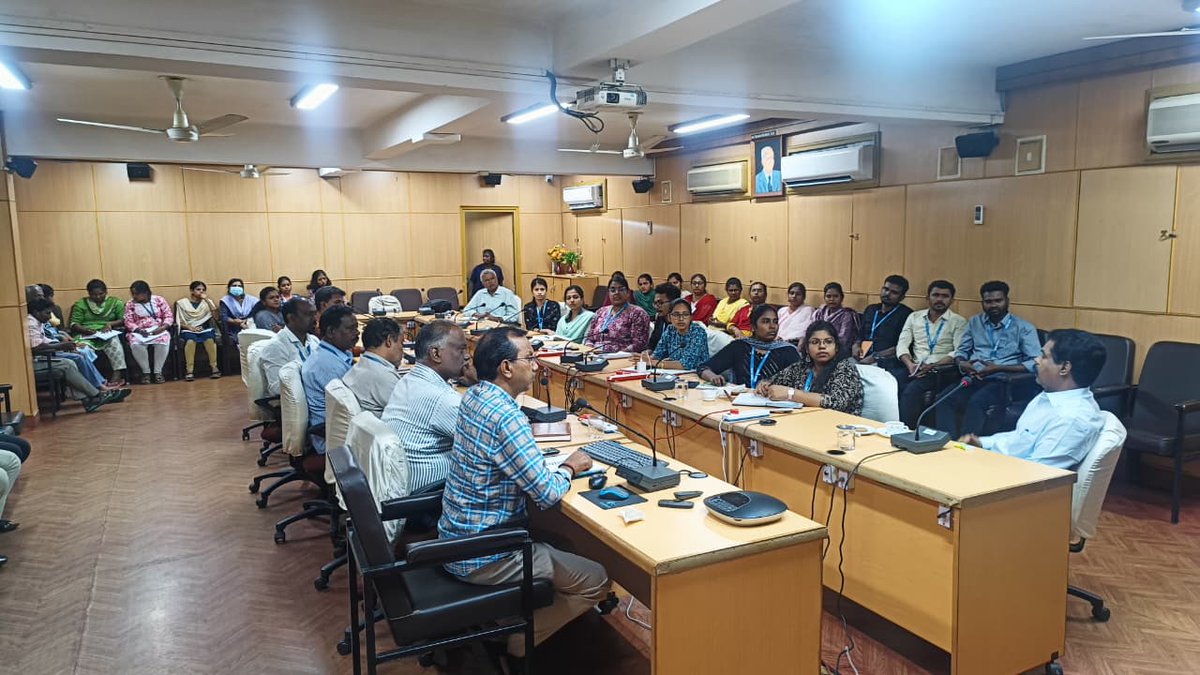
Two expert sessions on GLP principles and responsibilities by Dr. K. Gunasekaran (Retd., ICMR–Vector Control Research Centre) strengthened compliance, enhanced awareness, and reaffirmed our commitment to quality and regulatory excellence. ✨🔬
#VCRC #GLP #ResearchExcellence
1
3
130
Feb 23
Successfully concluded the Hands-on Workshop on Molecular Surveillance of Sandflies and Domestic Animals for Leishmaniasis in India at ICMR–Vector Control Research Centre, Puducherry 🇮🇳
#ICMR #VCRC #Leishmaniasis #PublicHealth #CapacityBuilding
5
145
