
May 30
The convergence of virtual celebrities and AI is something I have been thinking about for a long time.
Even when I was in the entertainment industry, I could sense this direction vaguely. Now, the numbers are starting to make it visible.
The pace is faster than many expected. Virtual influencers like Aitana Lopez are reportedly generating tens of thousands of dollars a month. AI influencers that were not even physically present at Coachella have still managed to attract major brand deals. And a significant share of Gen Z consumers are already influenced by recommendations from virtual or AI-generated personalities.
At first, humans created and controlled virtual beings.
But now, something more interesting is happening. Real influencers are beginning to imitate the perfect aesthetics, consistency, and automated communication style of AI influencers. At some point, the question of who is “real” and who is “fake” begins to lose its meaning.
We are seeing a similar shift in K-pop.
PLAVE’s recent success is especially meaningful. They entered the Billboard 200 and surpassed 1.25 million first-week sales. They are not fully AI. There are real humans behind the avatars, breathing with fans in real time.
That hybrid model, a controlled virtual appearance combined with unpredictable human presence, may become one of the new standards.
In the end, the key is trust.
Audiences no longer seem to care only about whether the pixels are “real.” They care about the story shared with that being, the consistency of its world, and how their participation can be translated into value.
We are moving from an era where fans simply consume content to one where they become active builders of the ecosystem.
A structure where virtual beings create value, and that value circulates transparently within the community.
This is part of the broader picture I see in ValueFi, and one of the strongest answers Web3 can offer to the entertainment industry.
Because giving real value to a being that does not physically exist ultimately depends on two things:
the belief of the community,
and a transparent system that can support that belief.
4
3
5
1,710

Good morning X Nation ☀️
If you’re building with a small account,
read this carefully.
You don’t need 10k followers.
You need 10 people who trust your signal.
Airdrops reward consistency.
ValueFi rewards conviction.
Post less noise.
Share more insight.
If you’re serious about growing this year,
reply “building” below.
2
1
22
Feb 15
Coinbase and Stripe have almost simultaneously announced payment systems for AI agents.
AI agents can now spend and transact on the blockchain autonomously, without requiring human approval for every transaction. It’s remarkable to see two giants envisioning the same future on the same protocol (x402) and the same blockchain (Base).
This goes beyond simple automation, prompting a reconsideration of what ‘autonomy’ truly means. How does this AI autonomy compare to Kant’s concept of human autonomy—the self-determination guided by moral law? Can independent execution within programmed rules be considered true autonomy?
This trend naturally connects to the virtual celebrity economy we are building at Alt.town. A world where virtual beings create and trade real economic value. For the spring that will soon arrive, we are building and preparing from the ground up. That is the future we envision with ValueFi.
Granting economic autonomy to AI: is this liberation, or a new form of control?
#AIAgents #EconomicAutonomy #Coinbase #Stripe #Base #ValueFi #TechPhilosophy
thepaypers.com/crypto-web3-a…

3
2
10
581
Feb 7
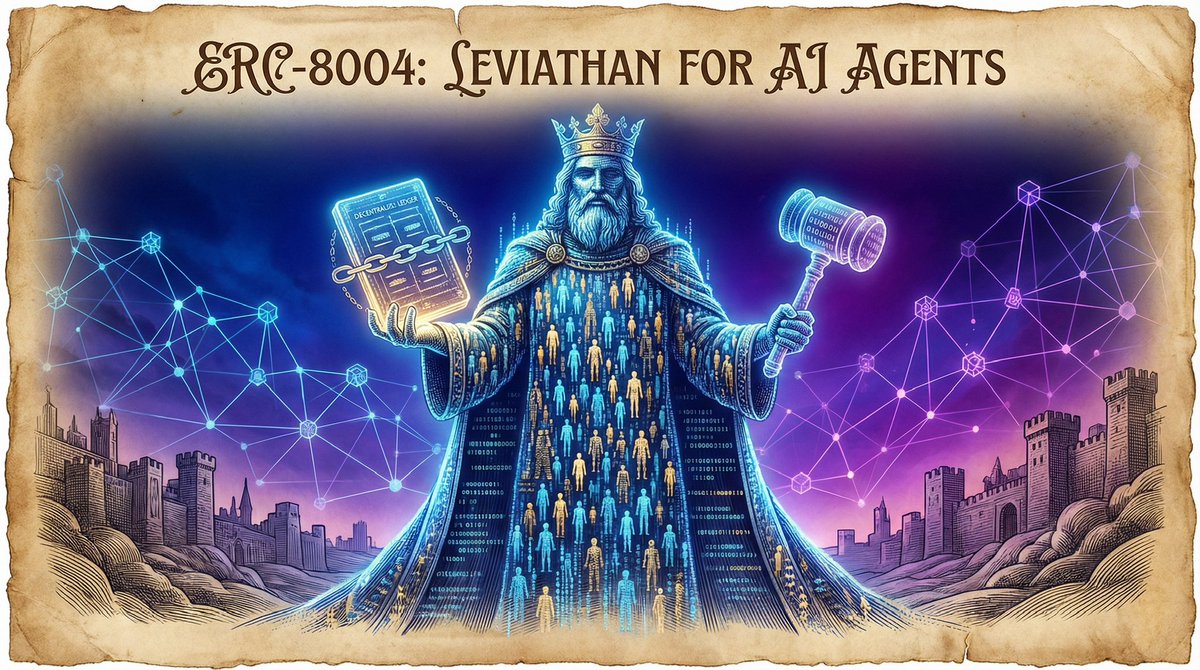
Thomas Hobbes described the state of nature as a “war of all against all”—a world without trust, where life is “solitary, poor, nasty, brutish, and short.” This is the world AI agents inhabit right now. A digital state of nature, a masquerade ball of anonymous code where brilliance and deception are indistinguishable.
To escape this chaos, Hobbes argued, we form a social contract. We surrender some freedom to a sovereign—a Leviathan—in exchange for security and order.
ERC-8004 is the social contract for this new digital society. It’s a Leviathan reimagined for the blockchain age—not a singular sovereign, but a distributed infrastructure where trust emerges from the bottom up. Through its registries for Identity, Reputation, and Validation, it provides the political foundation for a society of non-human actors without concentrating power in any single entity.
This isn’t just a technical upgrade; it’s a philosophical leap. It aligns with the core ideas of ValueFi we’re exploring at @AlttownOfficial, and we’re committed to reflecting this direction in our future building. We are witnessing the birth of a new form of economic life.
This new Leviathan is not a conclusion, but a mirror reflecting a question back at us. As we grant personhood to code, are we merely extending our society, or are we forced to redefine what it means to be human—or what society itself means—in the first place?
*Inspired by:
• @simonkim_nft : medium.com/hashed-kr/pass-fo…
• ERC-8004 EIP: eips.ethereum.org/EIPS/eip-8…
#ERC8004 #AIAgents #ValueFi #TechPhilosophy
2
6
689

ValueFi is quietly becoming the new meta.
@WalletConnect sits right at the center of it, creating space for people who build and people who contribute value through ideas and insight.
This video breaks down how that actually works and why it matters.
29
13
97
18,817
Jan 21
This is a necessary reset.
When incentives are tied directly to posting, “signal” gets drowned by spam—especially once bots and AI slop find the loop. More importantly, it exposes a hard truth for Web3: platform dependency is a business-model risk.
The next wave of “InfoFi” won’t die. It will evolve:
from post-to-earn → contribution-to-earn (research, building, verified outcomes)
from single-platform growth → multi-platform distribution
from raw engagement → reputation quality filters
At Alt.town, this is exactly why we focus on ValueFi: utility and participation that generate real demand inside the product, not rented attention outside it.
Jan 15

We are revising our developer API policies:
We will no longer allow apps that reward users for posting on X (aka “infofi”). This has led to a tremendous amount of AI slop & reply spam on the platform.
We have revoked API access from these apps, so your X experience should start improving soon (once the bots realize they’re not getting paid anymore).
If your developer account was terminated, please reach out and we will assist in transitioning your business to Threads and Bluesky.
1
1
4
118
Jan 19
We don’t need more DAOs. We need better DAOs.
Governance isn’t just voting. It’s also the communication layer, privacy, and anti-capture design.
ZK helps with privacy. AI can reduce decision fatigue without replacing humans. And we need consensus tools that actually scale. This is exactly the foundation we care about while building ValueFi at Alt.town.
3
30
Jan 6
Bitcoin has climbed back near the 94K range, and BlackRock’s spot Bitcoin ETF (IBIT) has grown to roughly $69B in net assets—a visible signal of institutional participation.
But the story doesn’t end with Bitcoin.
Institutions are now pushing beyond BTC into tokenization of financial assets, especially money-market and Treasury-backed products. With vehicles like BlackRock’s BUIDL—backed by cash, U.S. T-bills, and repos—tokenization is moving from theory into real-world operations.
RWA is becoming less of a concept and more of an execution layer.
So here’s a question:
Will tokenization stop at “things you can touch”?
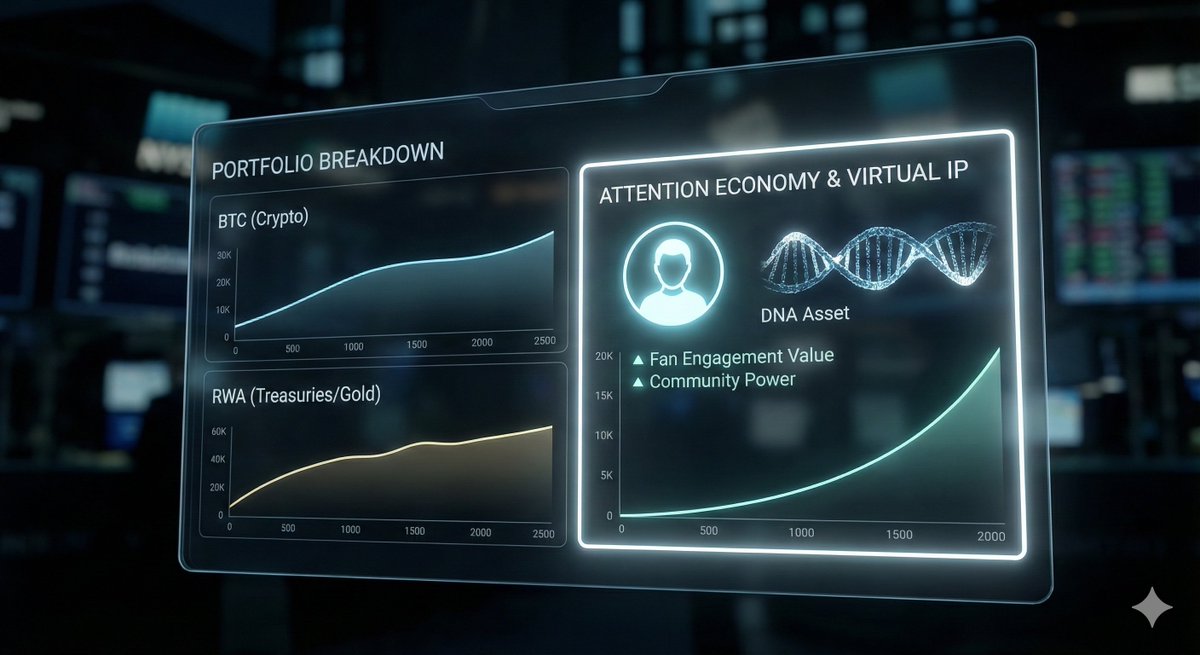
If gold, Treasuries, and real estate can be tokenized, what about intangible value—influence, content, and community energy around virtual celebrities? I believe the next frontier could be tokenizing not only “real-world assets,” but also Attention and IP-driven value.
Experiments are already happening. On Alt.town, a virtual celebrity’s value can be represented as a tradable asset called DNA, allowing fans and participants to go beyond “likes” and engage through a ValueFi model built on utility and participation.
As institutional capital enters the space, new asset classes keep emerging.
What do you think will be tokenized next?
3
1
5
636
Jan 1
The past year was a journey between heaven and hell—too intense to be reduced to a single word like “eventful.”
Yet we didn’t give up. Alt.town kept moving forward, and we’ve now reached a place of recovery.
Because so many of you chose to trust and support us along the way, we’ve earned a chance to begin again. Thank you from the bottom of my heart.
In the new year, we’ll go beyond recovery and step into growth. Guided by ValueFi, Alt.town will evolve into a platform where utility and participation create real demand—building a foundation that can support long-term value.
In January, we’ll share our plans in a public roadmap, with clear milestones for product utility, user participation, and a healthier market structure.
Wishing you support, blessings, and peace at the start of this new year.

1
3
191

27 Dec 2025
I'd recommend you do both.
But double down on valuefi
1
2
244

27 Dec 2025
In 2026 don’t give a f**ck about connecting with people .
instead focus on ValueFi, upgrade your brain, get the skills and ConnecFi will come to you naturally on a platter of gold
No matter how much people keep preaching about how you should prioritize connectFi but deep down they don’t want to connect with you cause you’ve nothing to offer.
in 2026 work hard, offer a service, offer to help with your skills and the rest will be added on to you !
35
10
147
4,246
21 Dec 2025
This “companion” direction feels like the real unlock. In areas like language learning—where repetition, motivation, and emotion matter—utility explodes when AI becomes a relationship-driven experience, not just a tool.
Alt.town is focused on the same idea: connecting interactions with virtual celebs/AI companions to sustainable utility and engagement (ValueFi), so fandom energy translates into real experiences and value. The more examples like this, the faster the market will understand the “why.”
1
3
150
13 Dec 2025
The weekend silence amplifies the signal. From the heat of builders at Breakpoint to the expanding Web3 gaming sector, the industry is alive and breathing.
Alt.town is weaving these scattered energies into ValueFi. Like a passionate fandom, true value explodes only when connected.
We are focused on capturing this massive flow into tangible utility. Regardless of the noise outside, the vision solidifies every day.
Have a restful weekend. We keep building.

3
2
3
802

5 Dec 2025
Thị trường đang thay đổi nhanh hơn chúng ta tưởng.
@integra_layer sẽ là hệ điều hành của toàn bộ ngành bất động sản:
🔸 Một L1 chuyên biệt cho RWA
🔸 Một bộ tiêu chuẩn hóa tài sản (Asset OS)
🔸 Một lớp tin cậy được chứng nhận (RWA Passport)
🔸 Một nền kinh tế thanh khoản thống nhất cho dòng tiền thật
Và điều quan trọng nhất:
Integra không xây một ecosystem mơ tưởng.
Họ kết nối luôn với những tổ chức thật, dòng tiền thật, tài sản thật.
Từ Polytrade, DigiShares, BNW Developments, Crystal Group…
Một mạng lưới trị giá 12 tỷ USD tài sản đang được bật công tắc on-chain.
Web3 đã có DeFi, GameFi, SocialFi.
Điều còn thiếu là ValueFi . nền kinh tế của giá trị thật.
Gintegra.

31
18
112
4 Dec 2025
Last week, the final chapter of migration closed quietly.
$TOWN is now fully live and liquid across Binance Alpha and major exchanges.
While price and value find their footing, that silence was simply deeper focus.
No noise, just execution.
We’re back to building. ValueFi season begins.

2
2
11
1,479

25 Nov 2025
Crypto might not have the same hype as 2021 but it has seen a good amount of growth from then till now. We can say that we are in the Era of building value (ValueFi).
1
2
43

7 Nov 2025
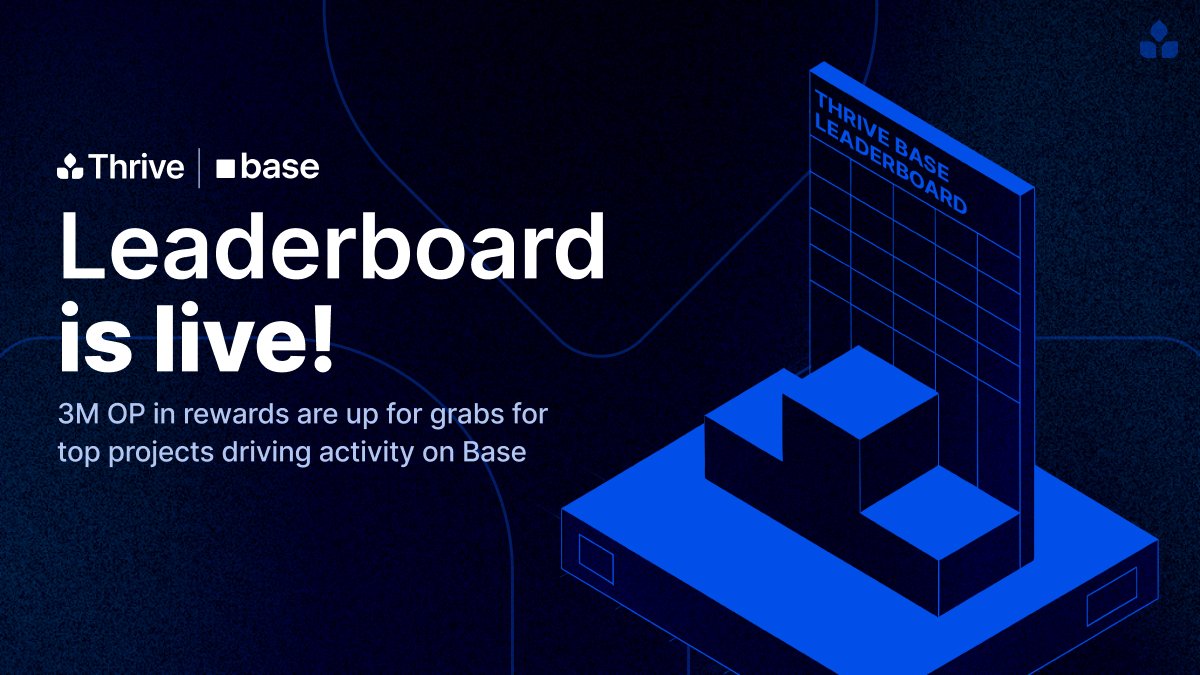
Just wrapped up scrolling through @thriveprotocol's feed and damn, the numbers hit different this time around. They've pooled up ~$100M across heavy hitters like Polygon, ApeCoin, and Hedera, straight-up fueling projects that actually move the needle instead of just hype cycles. Take their Hedera push: up to $100K in $HBAR grants for builders migrating or starting fresh, no strings beyond proving real impact at milestones. That's not some vague "community fund" it's investment math, tying dollars to onchain value growth, like ecosystem tokens actually compounding from shipped features, not whitepaper dreams.
And the partnerships? Undead Blocks demo with Hedera Foundation, zombie-shooting tournaments dropping HBAR prizes, even Horizen collabs like Gatta Rewards for privacy-first loyalty points. It's wild how they're layering in ValueFi on top of all the Fi's we already chase DeFi volume, GameFi plays, whatever by measuring impact that sticks. TVL and txns are table stakes; Thrive's betting on the GDP of crypto, where 100% of consensus validates not just validity, but straight value creation. No fluff, just builders getting bankrolled to obsess over what lasts.
If more protocols copied this blueprint, we'd ditch the charity-grant pitfalls and watch tokens actually build sustainable floors. Thrive isn't waiting for permission they're engineering the upgrade crypto's been starving for. This is the conviction play in a sea of noise.
8
13
51

5 Nov 2025
传统crypto的资助机制,总像一场盲目的慈善派对:钱撒出去,价值却飘在空气里。没人问问,这笔投资到底换来了多少真实的链上增长?多少生态的温度升高?
Thrive Protocol在改写这个剧本。他们不是扔钱,而是建一座“价值共识桥” 通过POV机制,让AI和专家评审把每个里程碑钉死在数据上。只有证明了冲击,才解锁资金。这不是赌运气,而是投资未来的ROI。
看看最近的动静:11月3日,他们扔出高达10万$HBAR的Hedera基金,48小时内150 项目蜂拥申请。Hedera的<3秒最终性、70B 交易量、0.0001刀的gas费,加上ETF势头,正好是筑梦者的游乐场。从Undead Blocks的僵尸射击锦标赛,到AI交易工具,Thrive在浇灌GameFi和DeFi的种子。
更酷的是Yapper程序:从1月起,就用AI评分你的内容原创度和影响力,换Thrive Points TGE后1:1转$THRIVE。季2刚开,50M代币池子等着,顶尖Yapper周赚等值500-2K刀。@thriveprotocol不光给builder钱,还给creator话筒:发帖带#ThriveYapper,爬上Hedera专板,就能倍速积分。像@CryptoYapper1,已攒5200 Yaps,季末空投近在眼前。
想入场?别等完美时机。先连X账号到thrive.xyz,研究ValueFi怎么量度跨赛道冲击 DeFi的TVL、GameFi的玩家留存、社会Fi的真实连接。成长不是线性爬坡,而是找对杠杆点:盯Thrive这样的龙头,拆他们的路径,从Yapping起步,到申请grants,指数放大你的曲线。
在这个周期,价值不是抽象的,而是可衡量的燃料。Thrive在点火,你呢?加入,证明你的冲击,收获匹配的回报。#ThriveYapper #ValueFi
18
33
139

5 Nov 2025
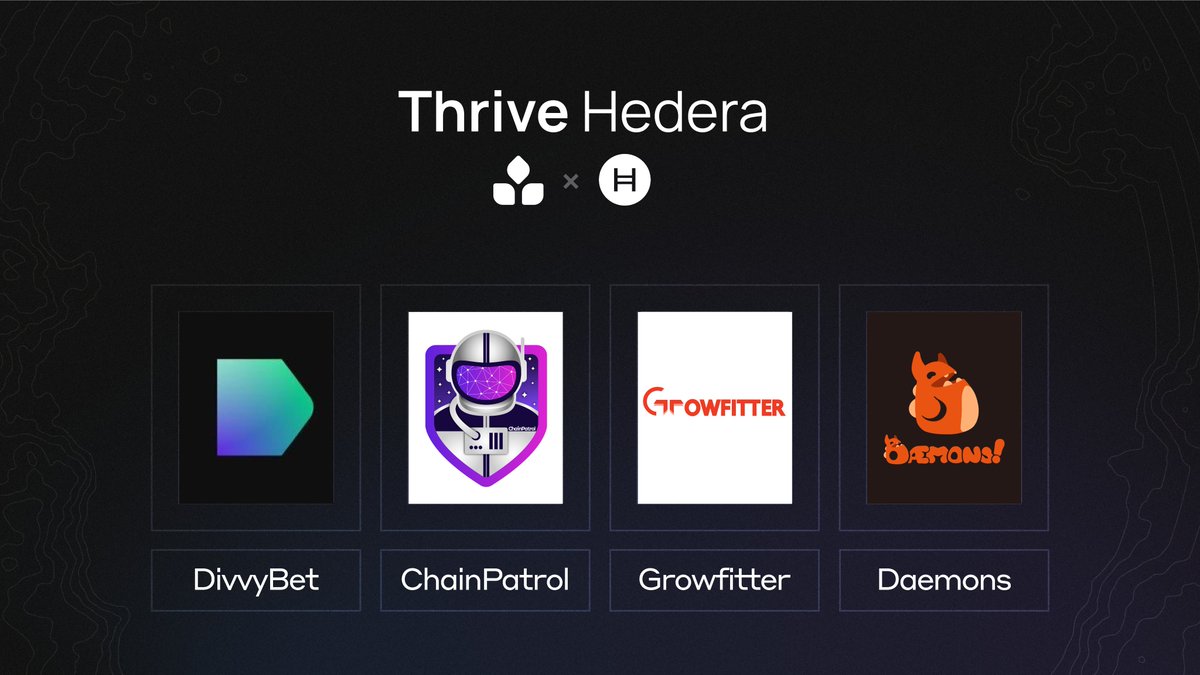
Hedera's speed and low costs make it prime for real builders <3s finality, $0.0001 fees, 70B txns already humming.
@thriveprotocol just dropped up to $100K HBAR grants for projects lighting it up, from AI tools to zombie-shooting GameFi.
150 apps in 48 hours show the hunger. Milestone payouts mean funds hit only when value lands no more vaporware.
Proof-of-value consensus via AI experts cuts waste 40%, per The Block.
Builders, apply at hedera.thrive.xyz and yap your way up the leaderboard for $THRIVE points.
ValueFi incoming #ThriveYapper
8
8
79

一分钟揭秘:@thriveprotocol 为什么是 crypto 里的真金白银发动机
艹,最近刷到他们 11 月 3 号的公告,up to $100K $HBAR 砸向 Hedera 上的 builder,迁链建 dApp 全覆盖,7 天审批,POV 机制卡位里程碑才放款,零废话 100% 效率
我花了 2 个小时扒他们的数据,$150M 承诺资金池, 1,800 builder 已上车,Hedera 4M HBAR 7 月开局,Base 3M OP 10 月收割 $450M 交易量,Horizen $100K ZEN 隐私 DeFi 跟上
这帮人 2022 年起就瞄准 grants 黑洞,95% 资金打水漂的烂摊子,Daniel @thrivegiraffe 带队 Stanford Harvard 背景,AI 验证 去中心化 reviewer 堵死内卷,builder 无需舔 VC,直奔价值
预 TGE 点数系统已铺好,review 赚点,refer 拿 $200 USDC,top 100 额外 bonus,Q1 2026 $THRIVE 上线,governance staking 全解锁,ValueFi 指标 11 月 7 Space 聊透
社区 58K followers,Discord 4.5K,weekly $500K 分配,no hype just grind,brian_armstrong 都点赞 "builders know"
Hedera ETF 风口 <3s finality,zombie game @UndeadBlocks 10 月 demo 10K views,Thrive 推波助澜,crypto GDP 层稳了
谁还玩 charity 式 grants,Thrive 直击 ROI,$1B 资金管 2028 目标,merit wins 时代来临
#ValueFi
3
4
35