
Feb 4
這座神廟並非用於祈禱,而是用於監視🐍👁️
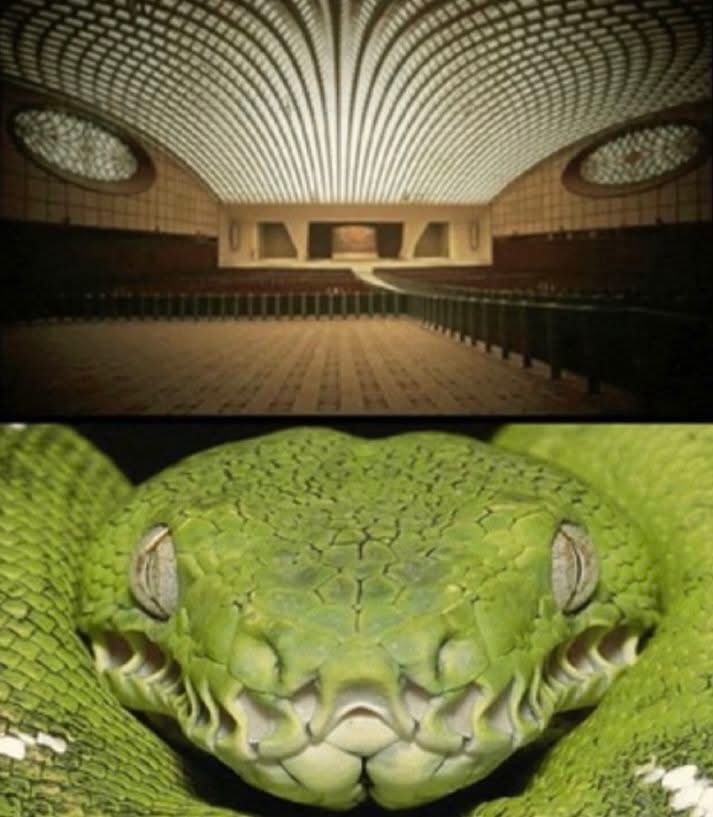
上方是一座宏偉的大廳,旨在營造靜謐、對稱與秩序。下方則是一張耐心捕食者的面孔,靜止而警覺。這種聯繫並非美學上的,而是像徵性的。建築反映了爬蟲類的邏輯:正面視野、中軸線主導、持續的監視卻不移動。
這些空間並非僅僅為了聚集人群而建,更是為了引導人們的注意力、情感和行為。曲線引導視線,天花板壓縮個體感知,走廊將人流組織成一個整體。設計並非為了提升,而是為了規訓。正如捕食者不追逐,而是靜靜等待。
蛇並非邪惡的象徵,而是冷酷的統治、策略和無聲的控制。當這種原型嵌入權力結構時,絕非偶然。它是一種視覺語言,一種命令。你或許看不到監視者,但你始終處於它的視野之內。
如果這只是形式上的巧合,就很難解釋為什麼如此多的權力空間都擁有與遠古掠食者相同的幾何形狀。
《Te lo ocultaron》一書揭示了建築和符號如何被用來塑造感知、等級制度和服從。
評論 LIBRO。
#權力建築 #隱藏的象徵意義 #蛇 #視覺控制 #儀式空間 #TeLoOcultaron
THE TEMPLE IS NOT FOR PRAYER, IT IS FOR WATCHING 🐍👁️
Above, a monumental hall designed to impose silence, symmetry, and order. Below, the face of the patient predator, still, alert. The connection is not aesthetic, it is symbolic. Architecture mirrors reptilian logic: frontal vision, central axis dominance, constant surveillance without movement.
These spaces were not built only to gather people, but to direct attention, emotion, and behavior. Curved lines that guide the gaze, ceilings that compress individual perception, corridors that organize human flow into a single body. The design does not elevate, it disciplines. Just like the predator that does not chase, it waits.
The serpent does not symbolize evil, it symbolizes cold dominance, strategy, and silent control. When this archetype appears embedded in structures of power, it is never accidental. It is visual language. It is command. You may not see the watcher, but you are always within its field of vision.
If this were mere formal coincidence, it would be hard to explain why so many authority spaces share the same geometry as an ancient predator.
The book Te lo ocultaron reveals how architecture and symbols are used to shape perception, hierarchy, and obedience.
Comment LIBRO.
#PowerArchitecture #HiddenSymbolism #Serpent #VisualControl #RitualSpaces #TeLoOcultaron
3
2
5
611

Jan 16
Same conditions.
Different results.
VERTU
Precision, even in motion.
Experience steady performance.
#VERTU #LuxuryImaging #CameraStability #SteadyInMotion #PrecisionEngineered #MobileVideography #LuxuryPhone #VisualControl
2
414

30 Dec 2025
🎞️ "Stories from Photo Studios — Ava"
It is already after Christmas.
The tree still stands, the lights still glow,
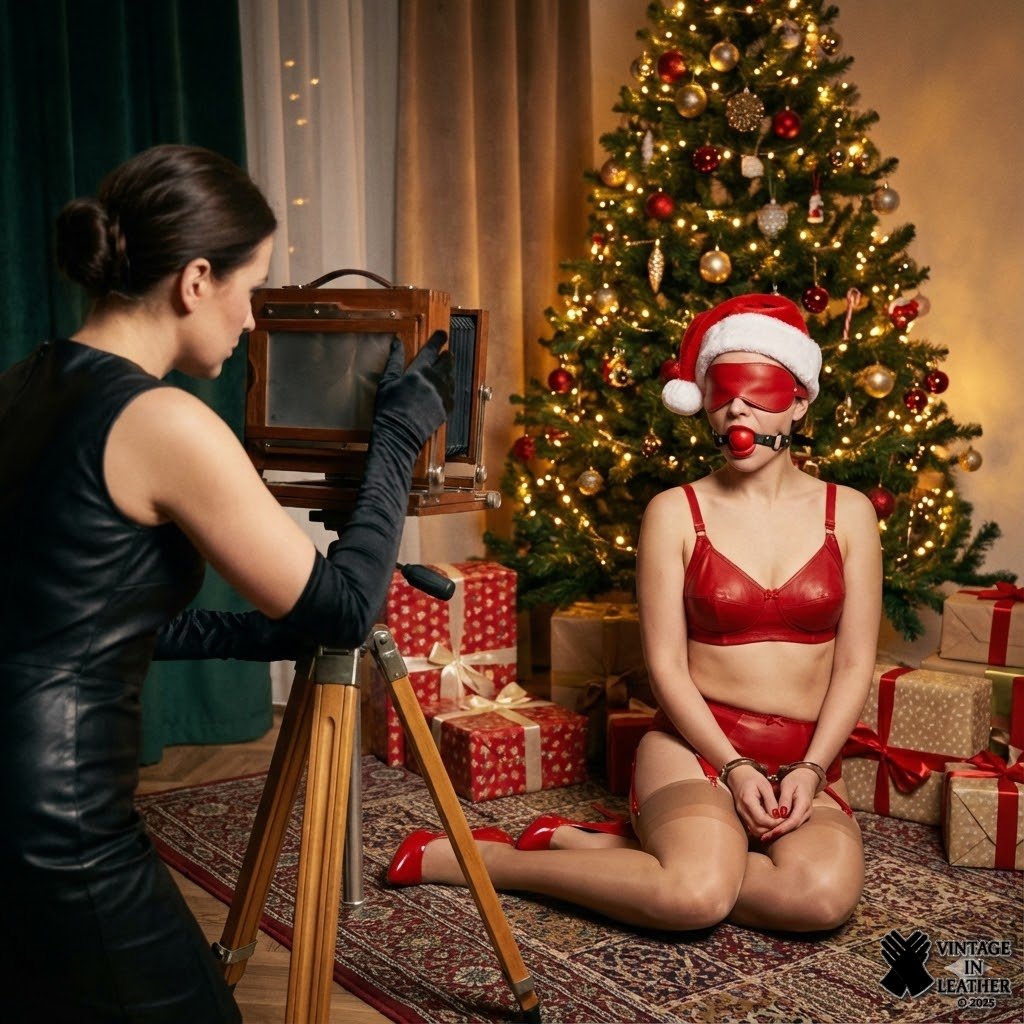
and with my photographer, Ingrid, we are finishing a project born in the quiet of the holidays.
Ingrid works with an old camera.
Heavy. Slow. Demanding.
That old camera gives the images a depth and a patina of atmosphere that no modern machine has ever been able to capture.
This machine does not rush.
It listens.
The scene is ready.
I am ready.
In the dimness, I hear only the shutter
and Ingrid’s calm voice guiding me
into one pose after another.
She tells me when to be still.
When to breathe.
When not to move at all.
I kneel.
Not because I am asked to submit,
but because this position belongs to the image we are creating.
The festive setting behind me feels distant now.
What matters is the space between us,
the rhythm of instructions,
the trust.
I don’t see the photographs yet.
I don’t need to.
I know when the moment is right.
I always do.
👉 Manager Clotilde’s note:
This image is part of the ongoing series “Stories from Photo Studios” —
intimate fragments from trusted spaces where creation is not rushed,
where emotion is shaped, not exploited,
and where the most powerful images are born from restraint.
No dates.
No locations.
Only the dialogue between photographer and muse.
#StoriesFromPhotoStudios #StudioChristmas #VintageInLeather
#BehindTheLens #PhotographerAndMuse #CreativeDiscipline
#WomenInLeather #StudioNarrative #VisualControl
#ArtAndRestraint #QuietIntensity #TimelessMood #Handcuffed #Ballgag #Blindfolded
6
42
441
11,202
25 Dec 2025
"🎞️ Stories from Photo Studios — Leona"
It is Christmas time.
And yet, I am still working.
Perhaps it is precisely this season that inspired me —
the quiet glow, the suspended rhythm, the softness that appears when the world slows down.
I wanted to capture that atmosphere.
Not as decoration, but as a mood.
So I invited Leona.
She is reliable. Focused.
One of those models who understands that creation does not stop for holidays.
She arrived without hesitation — calm, prepared, present.
The studio is ready.
The tree is lit.
We begin there, naturally.
Before the first frame, I give her a few final instructions.
Her posture.
Her breathing.
But most of all — her expression.
Leona listens carefully.
She always does.
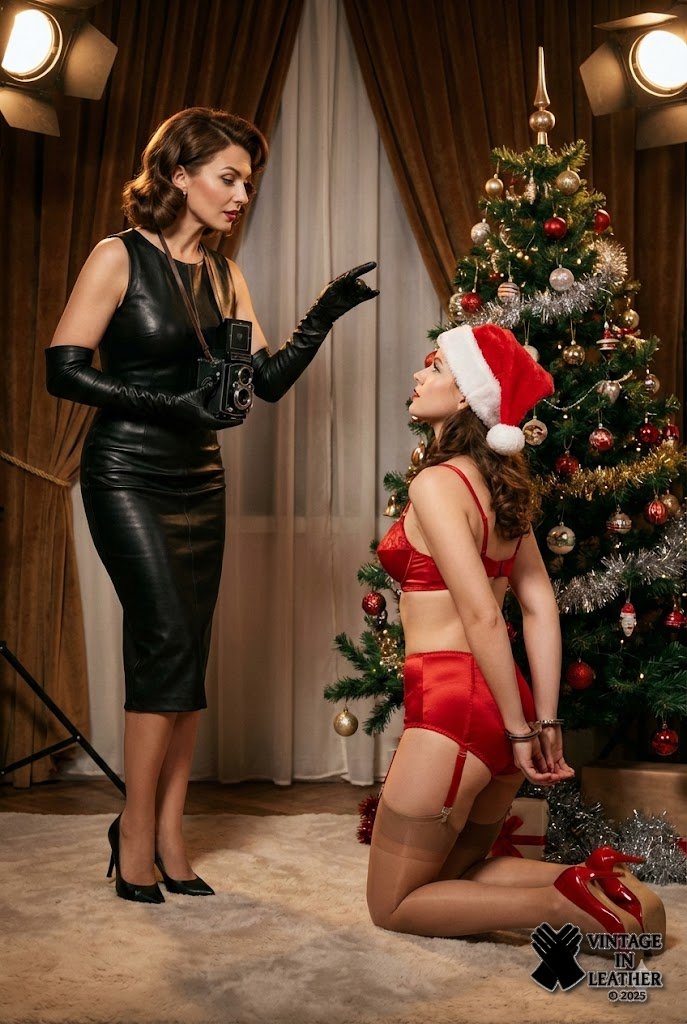
I watch her through the lens as she settles into position.
Kneeling. Still.
The festive setting behind her contrasts with her concentration.
This is the moment I look for.
When distraction disappears.
When the atmosphere becomes part of her body.
I say nothing now.
There is no need.
The shutter clicks.
And the work begins.
👉 Manager Clotilde’s note:
This image is part of the ongoing series “Stories from Photo Studios” —
intimate fragments from trusted spaces where creation is not rushed,
where emotion is shaped, not exploited,
and where the most powerful images are born from restraint.
No dates.
No locations.
Only the dialogue between photographer and muse.
#StoriesFromPhotoStudios #StudioChristmas #VintageInLeather
#BehindTheLens #PhotographerAndMuse #CreativeDiscipline
#WomenInLeather #StudioNarrative #VisualControl
#ArtAndRestraint #QuietIntensity #TimelessMood #Handcuffed
18
128
1,961
65,953

8 Oct 2025
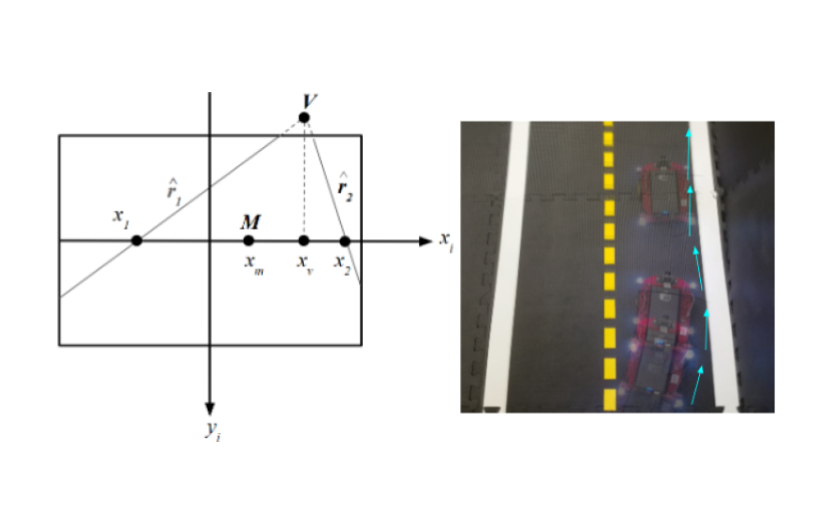
🎥 Vision is a powerful and convenient sensing modality for robots:
hubs.la/Q03MJDxK0
🖥️ Visit our website - hubs.la/Q03MJBT20
🤖 Get your Duckiebot and Duckiedrone - hubs.la/Q03MJBRk0
#DeepLearning #AIRobotics #AutonomousNavigation #VisualControl
3
104

8 Oct 2025
The glasses aren’t for reading, they’re for studying your reaction 😈
#VisualControl #DangerousBeauty #FemmeAuthority #UnfilteredCharm #GlamRebel #IntenseEnergy
wetlivebabes.com/LaurenJenss… 📷
@WetGirlsPromo
#WetGirlsPromo #LiveNow #TooHotToHandle

1
3
360

7 Aug 2025
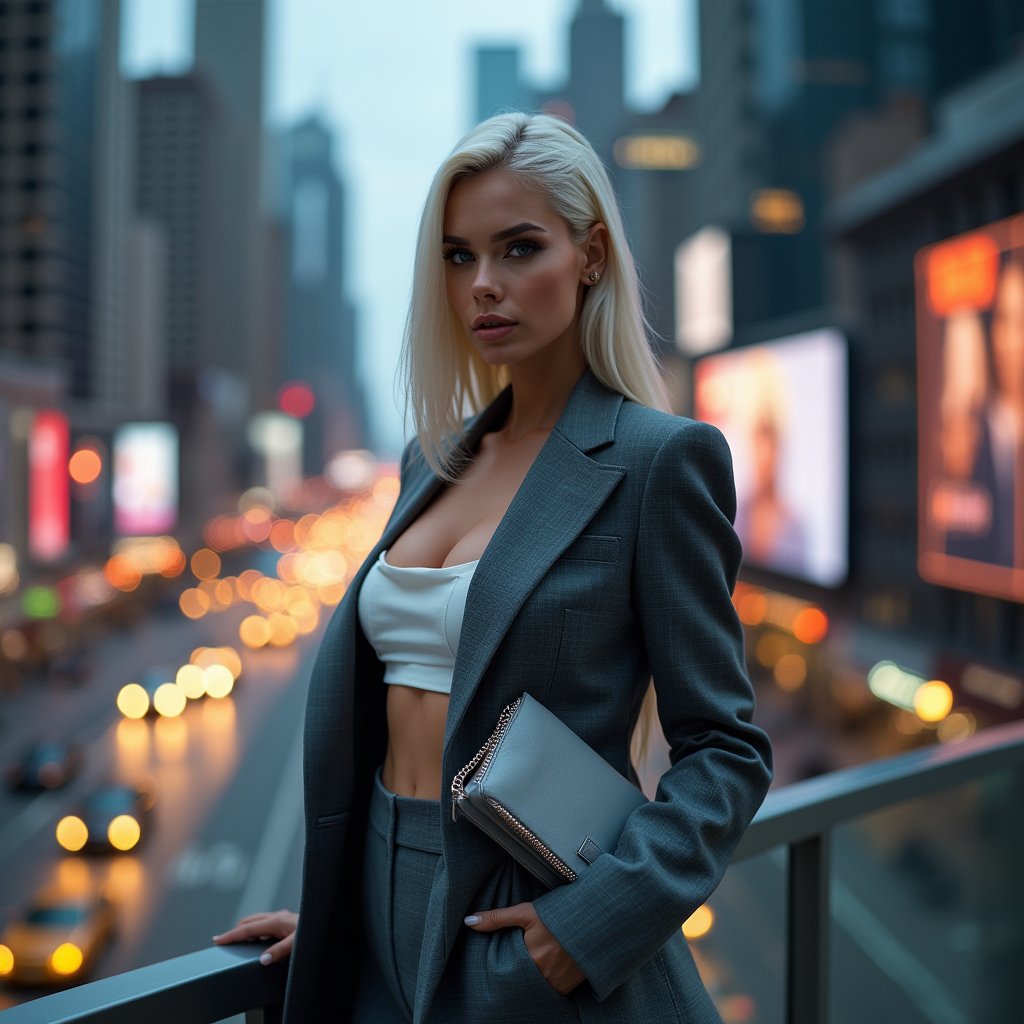
🔗 Explore full visual language:
beacons.ai/aifashionchic
#DigitalElegance #VisualControl #AIFashionChic
6
745
4 Aug 2025
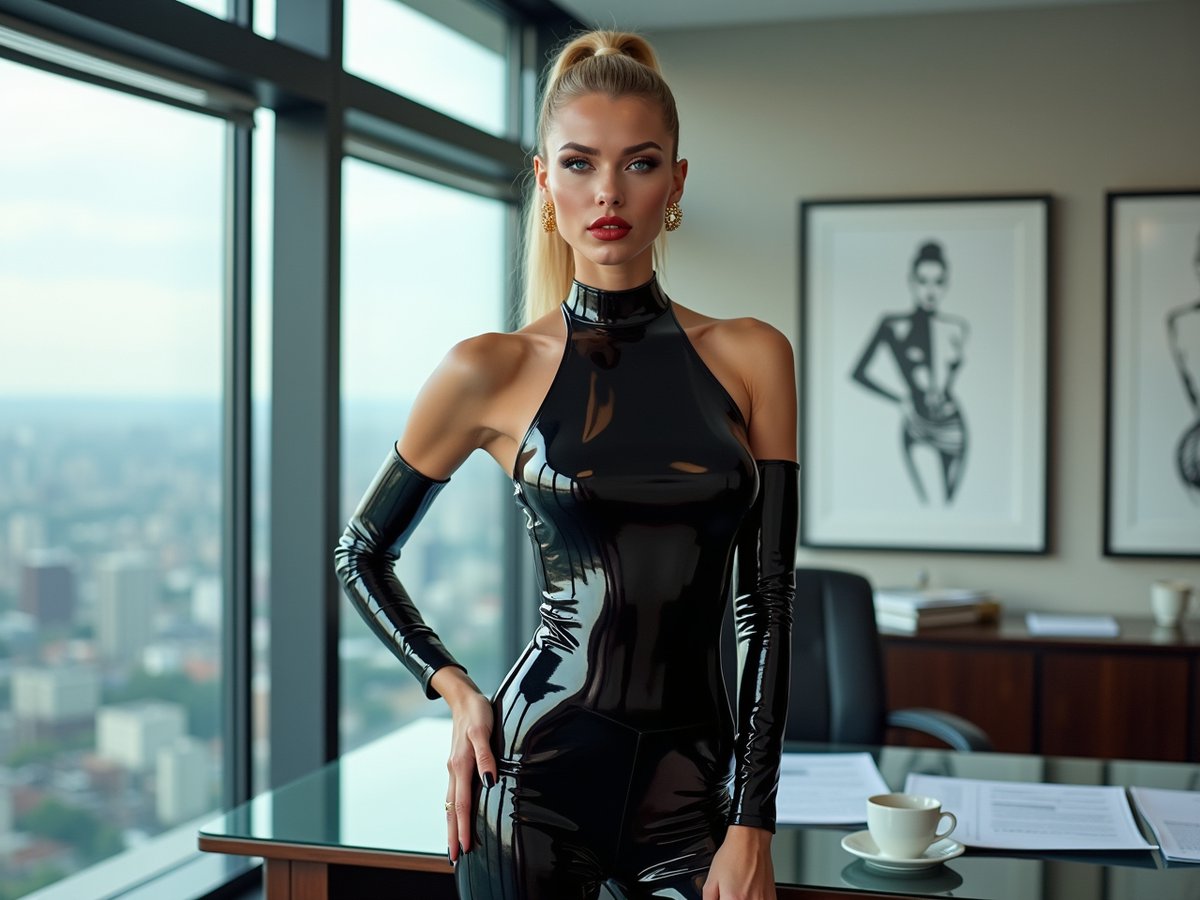
🔗 Archive. Aesthetic. Access:
beacons.ai/aifashionchic
#DigitalElegance #VisualControl #AIFashionChic
1
2
775
2 Aug 2025
1
2
600
14 Jun 2025
Don’t blink. Don’t breathe. Just watch. 👁️😶
#VisualControl #SeductionTrap #GazeLocked
stripchat.com/Lauren_Saint/f……
@StripchatOff
@Stripchat_my
@stripchat__
#Stripchat #SexyMilf #TooHotToHandle #Brunette #Pleasure #OnlineNow

1
2
7
251

12 Jun 2025
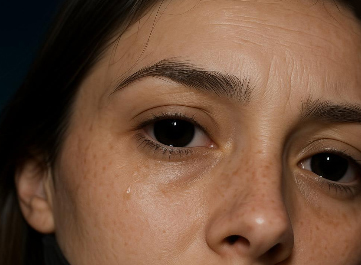
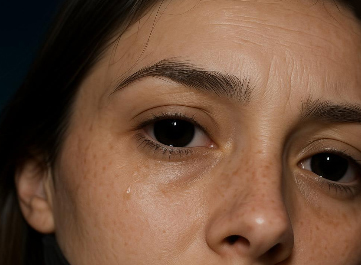
She can’t see. She can only obey. 👁️ Blindfold Black Contacts shut the world out so she’s completely yours. No light. No escape. Just darkness... and your voice.
🔗scleracontacts.com/product-p…
#Femdom #BlindfoldContacts #BlackoutEyes #ObeyHer #VisualControl #FemdomGear #BDSMTools
4
1,846
12 Jun 2025
She can’t see. She can only obey. 👁️ Blindfold Black Contacts shut the world out so she’s completely yours. No light. No escape. Just darkness... and your voice.
🔗scleracontacts.com/product-p…
#Femdom #BlindfoldContacts #BlackoutEyes #ObeyHer #VisualControl #FemdomGear #BDSMTools
1
1,368
12 Jun 2025
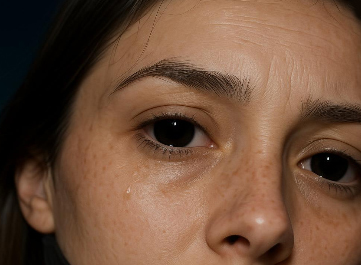
She can’t see.
She can only obey.
👁️ Blindfold Black Contacts shut the world out so she’s completely yours.
No light. No escape. Just darkness... and your voice.
🔗scleracontacts.com/product-p…
#Femdom #BlindfoldContacts #BlackoutEyes #ObeyHer #VisualControl #FemdomGear #BDSMTools
2
659
5 Jun 2025

1
262
26 May 2025

346
12 May 2025
📷 Your photo should feel like clarity.
Not performance.
💬 Like if you show, not shout.
#VisualControl #ExecutiveStyle #MinimalAesthetic

7
653
9 May 2025
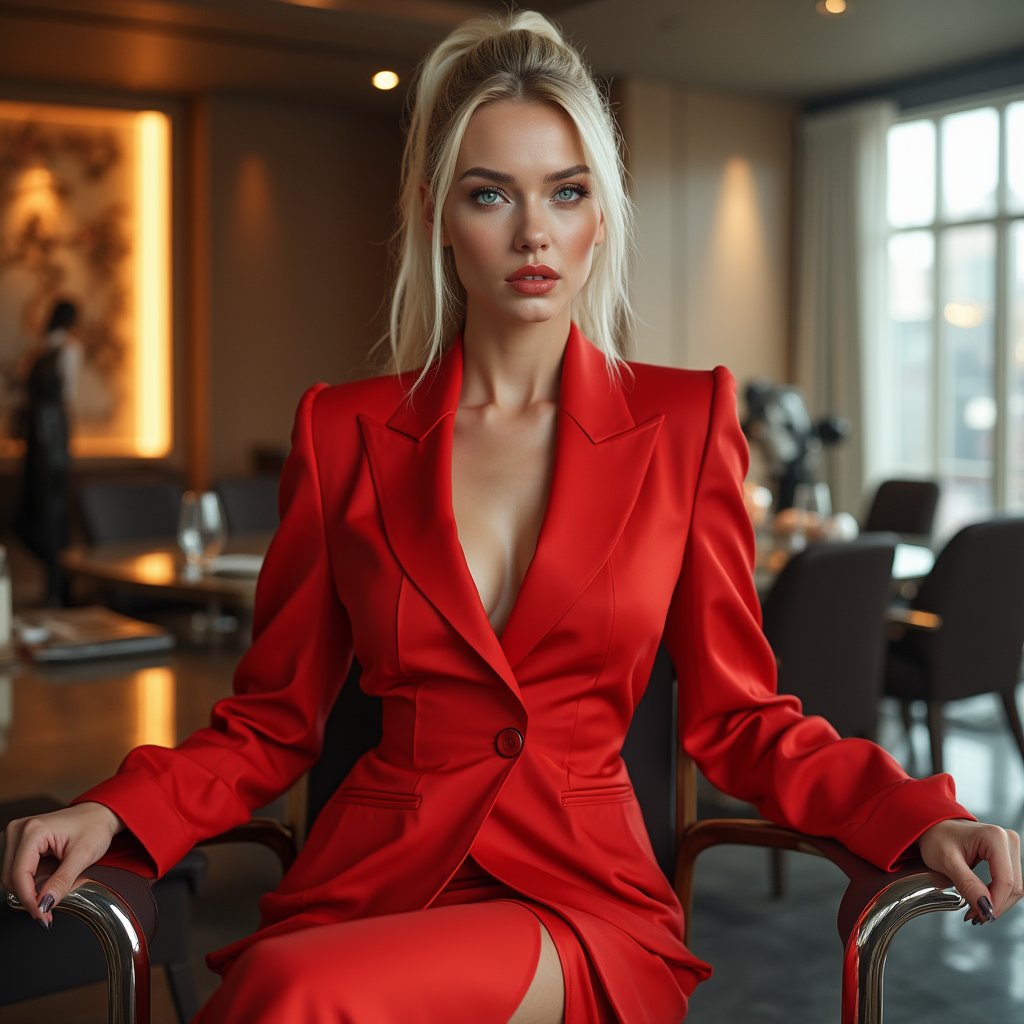
📐 When the light hits right and the AI hits better.
Visual balance, always.
#NeuralStyle #SmartBeauty #VisualControl
1
366
7 May 2025

1
1
314
5 May 2025
1
5
400
4 May 2025

1
6
429