
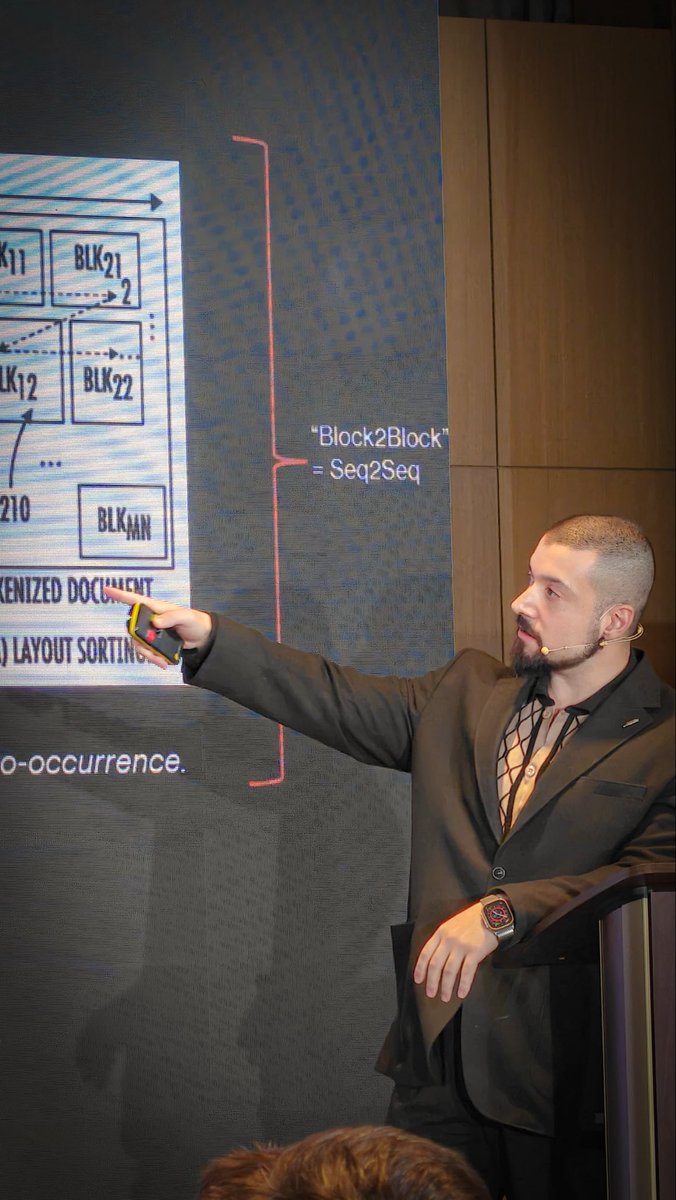
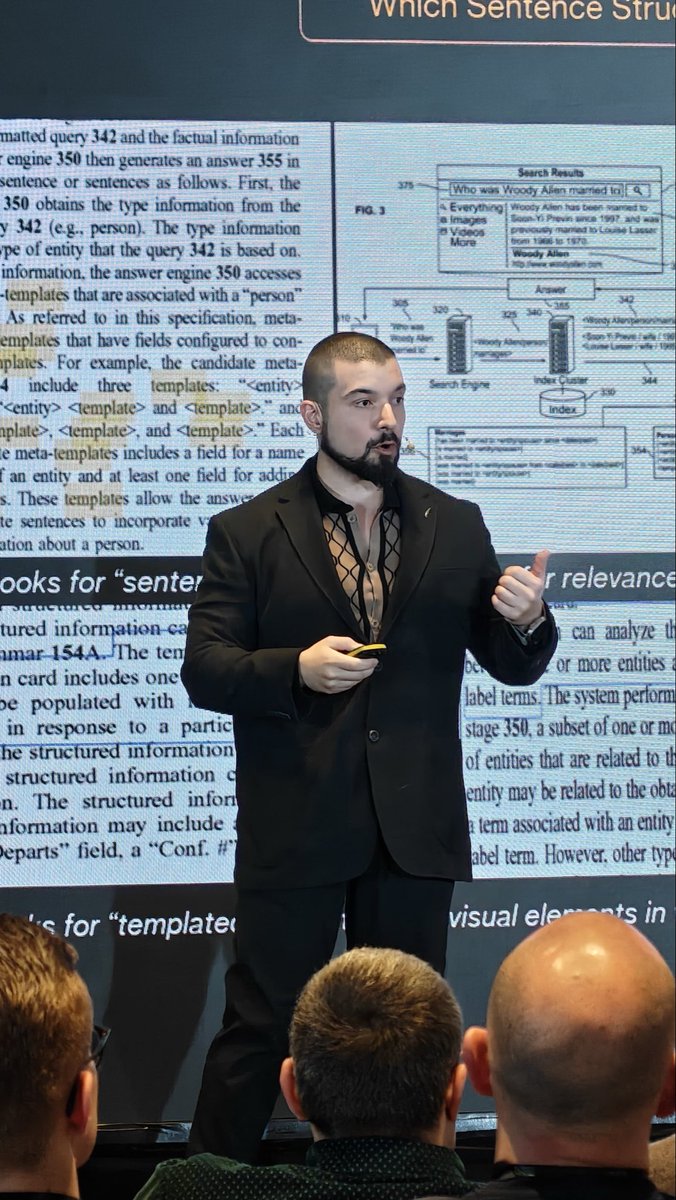
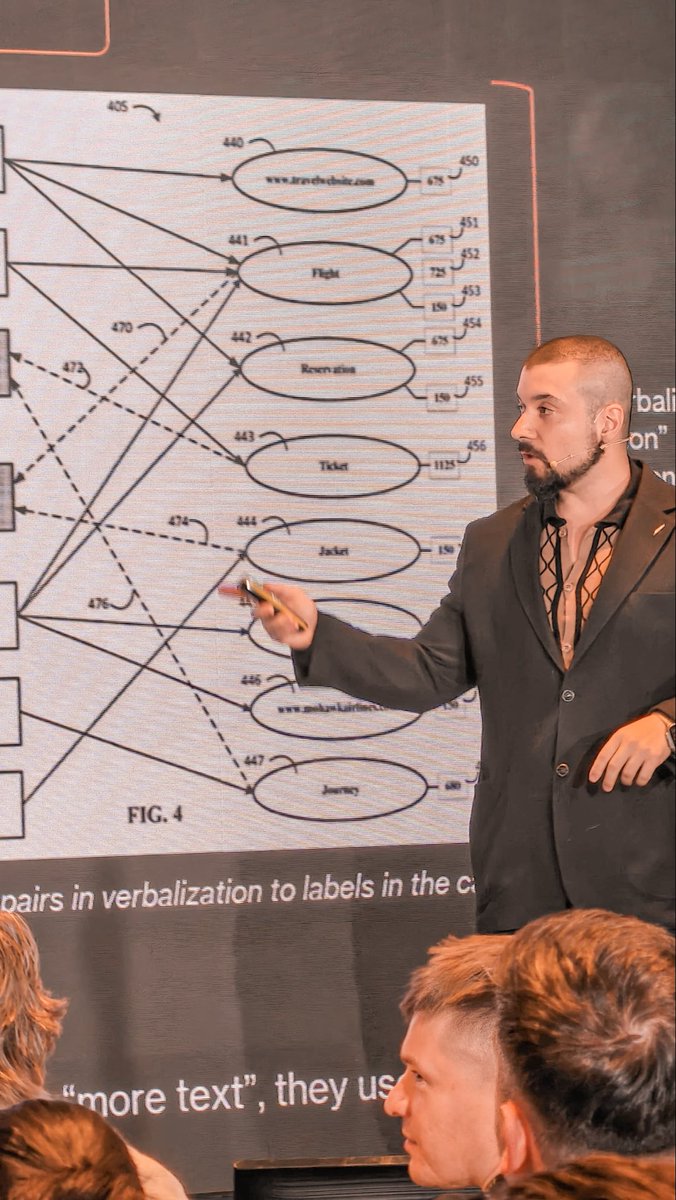
Seq2seq (sequence-to-sequence modeling) is the architectural foundation of large language models and modern information extraction. Google has been explicit about what they want from publishers: non-commodity content. Knowledge that goes beyond common sense. Insight that requires genuine human effort to produce.
But most SEOs are missing a critical layer.
Google operates a model internally referred to as “block2block” that parses how web documents are structurally assembled. Just as non-commodity text signals quality, non-commodity design does too. Unique, human-effort-driven layouts directly influence how a source gets classified.
We have observed this firsthand. The same content, under different structural annotations on a web document, performs differently in rankings. Not because the words changed. Because the signals around them did.
This is Visual Semantics.
Classifying websites by design characteristics is computationally cheaper and more scalable than processing millions of word tokens for mathematical distinction. A quality rater can identify an expert source from a non-expert one before reading a single sentence, purely from layout, annotation, and visual hierarchy.
Scaled content is not only a text problem. Auto-generated and templated design carries its own classification signal. Google’s models are reading it.
This September, we are hosting the Holistic SEO Mastermind, and our Visual Semantics course launches there first before public release.
If you are serious about SEO, this is the layer most competitors have not started thinking about yet.
#SEO #VisualSemantics #HolisticSEO #ContentStrategy #TechnicalSEO
To learn more: seonewsletter.digital/subscr…
1
3
30
2,138

21 Dec 2025
Visual Semantics is quietly becoming the next major shift in SEO.
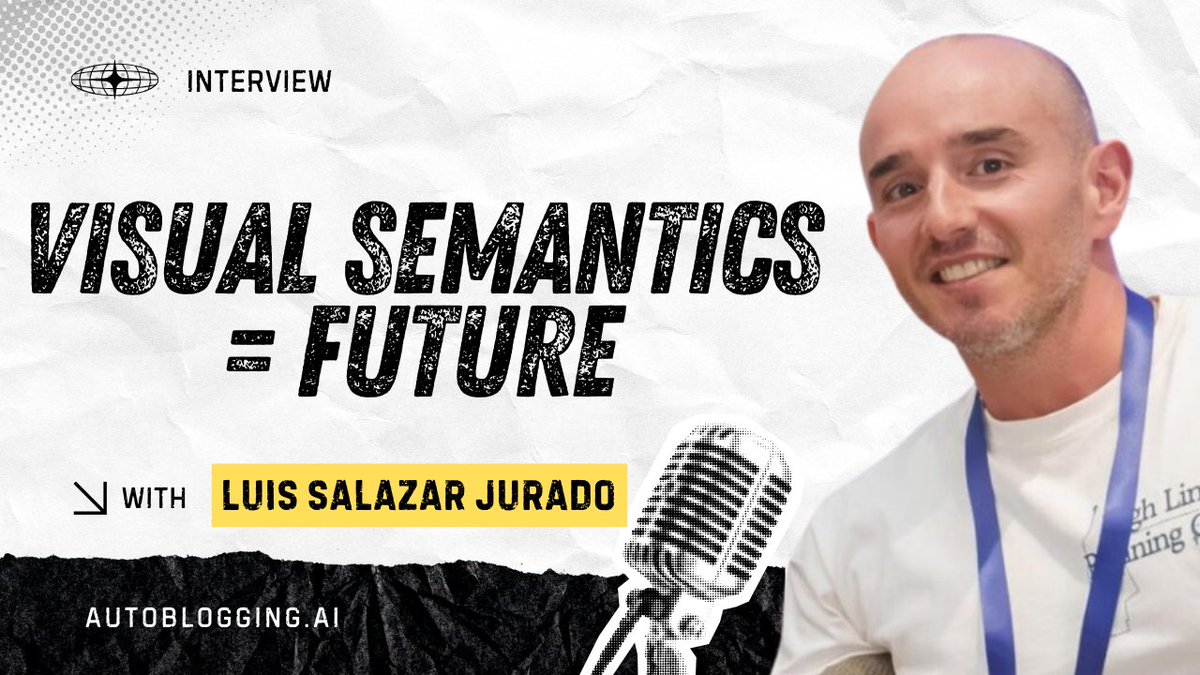
I interviewed Luis Salazar Jurado — a solo SEO consultant based in Spain who's worked with the same clients for up to 9 years.
He shared something that stuck with me:
He's spending months redesigning every image on a client's site. Not for aesthetics — for rankings.
He tested it: changed an image 3 times on a landing page, and watched the AI Overview update each time.
His framework for images:
- Brand logo visible
- Text that describes the page intent
- Visual that matches what the user is searching for
"When everyone uses the same AI-generated images with no logo, no text, no effort — you stand out by doing the opposite."
Semantic SEO was about structuring content for crawlers.
Visual Semantics is about structuring design for users AND machines.
Worth paying attention to.
🔗 Full interview: youtu.be/870AH7Zzk00
#SEO #VisualSemantics #DigitalMarketing
3
6
29
4,831

Essential reading #distantviewing = 'methodological & theoretical framework for studying large collections of visual material' not at expense of #closeviewing not claiming objectivity #visualsemantics #imagecontagion #artlas #culturalanalytics #deeplearning #digitalarthistory
14 Jun 2019

In case people are interested in the article on @DistantViewing : distantviewing.org/pdf/dista…
5

14 Jun 2019
#visualsemantics: Alexander M. Strecker, Duke University, Durham, NC - his first Conference paper! "Dangerous Dematerialization: Countering Techno-Utopianism with Material Specificity " @ENS_ULM
1
5

14 Jun 2019
Allison Leigh citing the cool Mnemosyne project. #visualsemantics warburg.library.cornell.edu/
2
14 Jun 2019
#visualsemantics: "Aby Warburg’s Mnemosyne Atlas as Art Historical Method"- with Allison Leigh, Univ. of Louisiana, Lafayette
3
14 Jun 2019
#visualsemantics: Idalina Conde, ISCTE-IUL University Institute of Lisbon: "EUROPEANA: Looking at a screen on cultural heritage, art, and remembrance" @Europeanaeu @EurResearch
4
14 Jun 2019
Distant viewing as a process that :
· Explicitly encodes semantic elements within a collection of images using computer vision
· Aggregates, explores, and interprets the semantic elements at scale.
#Visualsemantics, #distantviewing
4
14 Jun 2019
Getting ready to present at #visualsemantics on @DistantViewing and work on sit-coms. Shout out to @SayAnniething for collaborating with us. Thank you to @NEH_ODH for funding for the DV Toolkit. More info at: distantviewing.org
1
1
14
14 Jun 2019
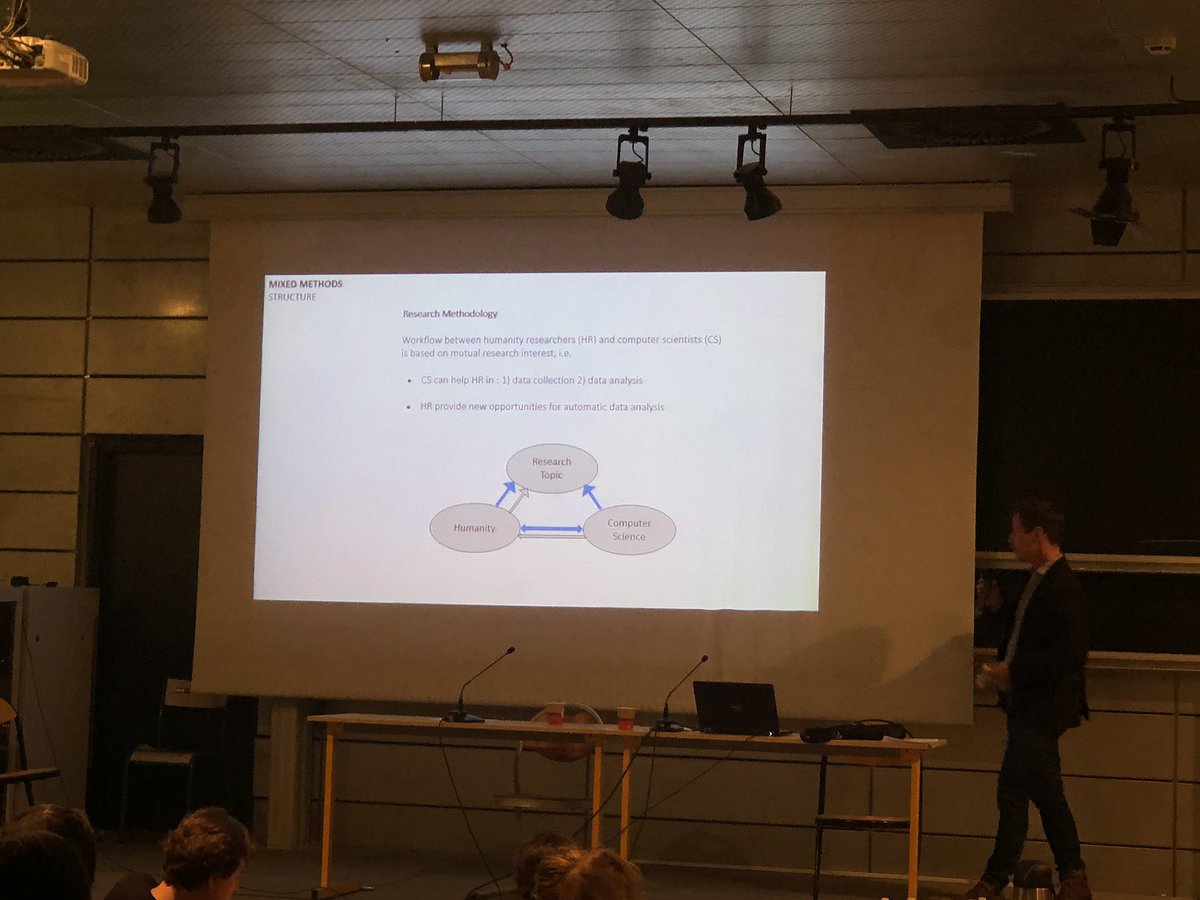
Couldn’t agree more with @tinomager that we have to develop research questions that are of shared interest among collaborators in a project. #Visualsemantics
4
14 Jun 2019
#visualsemantics: @tinomager, Delft Univ. of Technology: "Beyond Text. Retracing Artistic Shapes Through Computer Vision"
2

14 Jun 2019
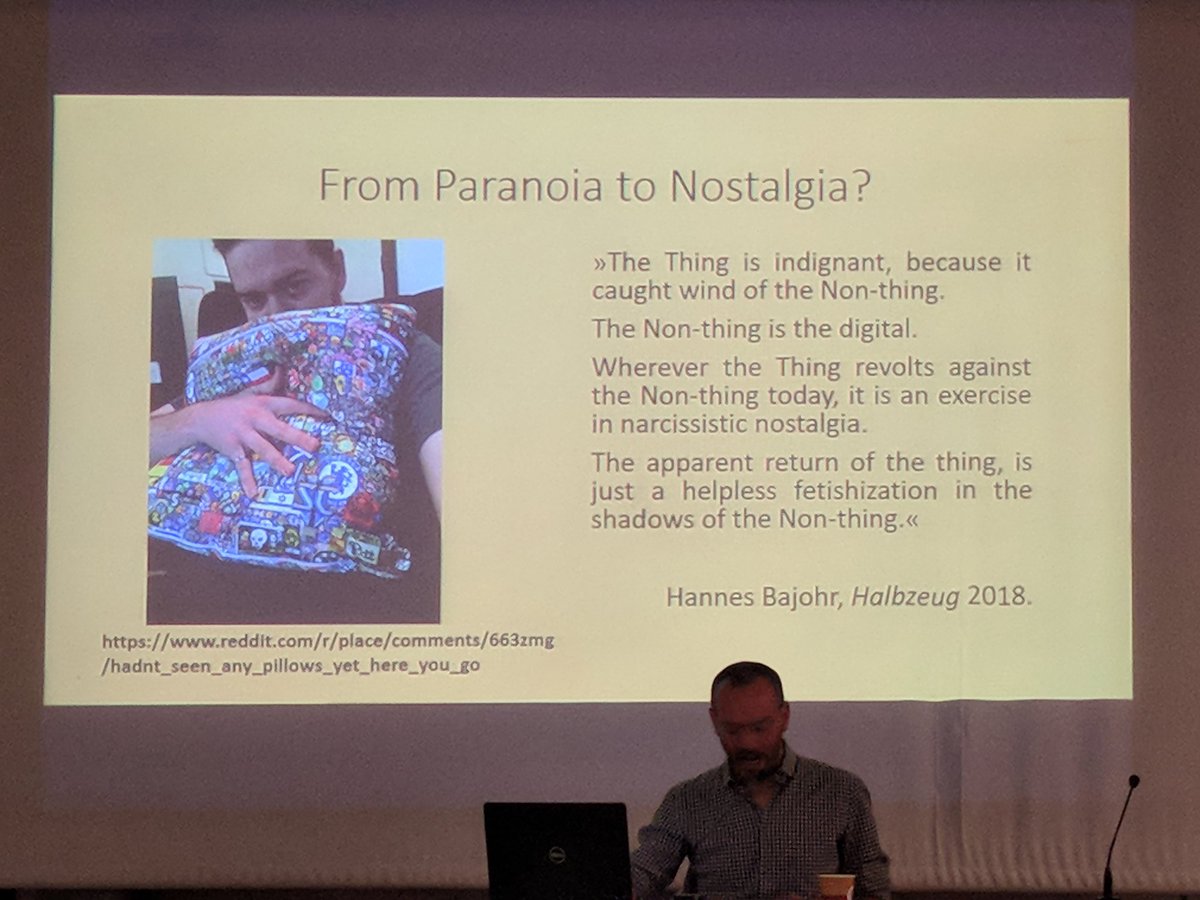
Conclusion of Philipp Wuschner presentation about Reddit "Place" a Warburgian case study in image circulation and affective afterlife in collective online art #Visualsemantics
3
14 Jun 2019
#visualsemantics: Philipp Wuenschner on Warburg, atlases, #distantviewing: “Madness is the method” !
2
14 Jun 2019
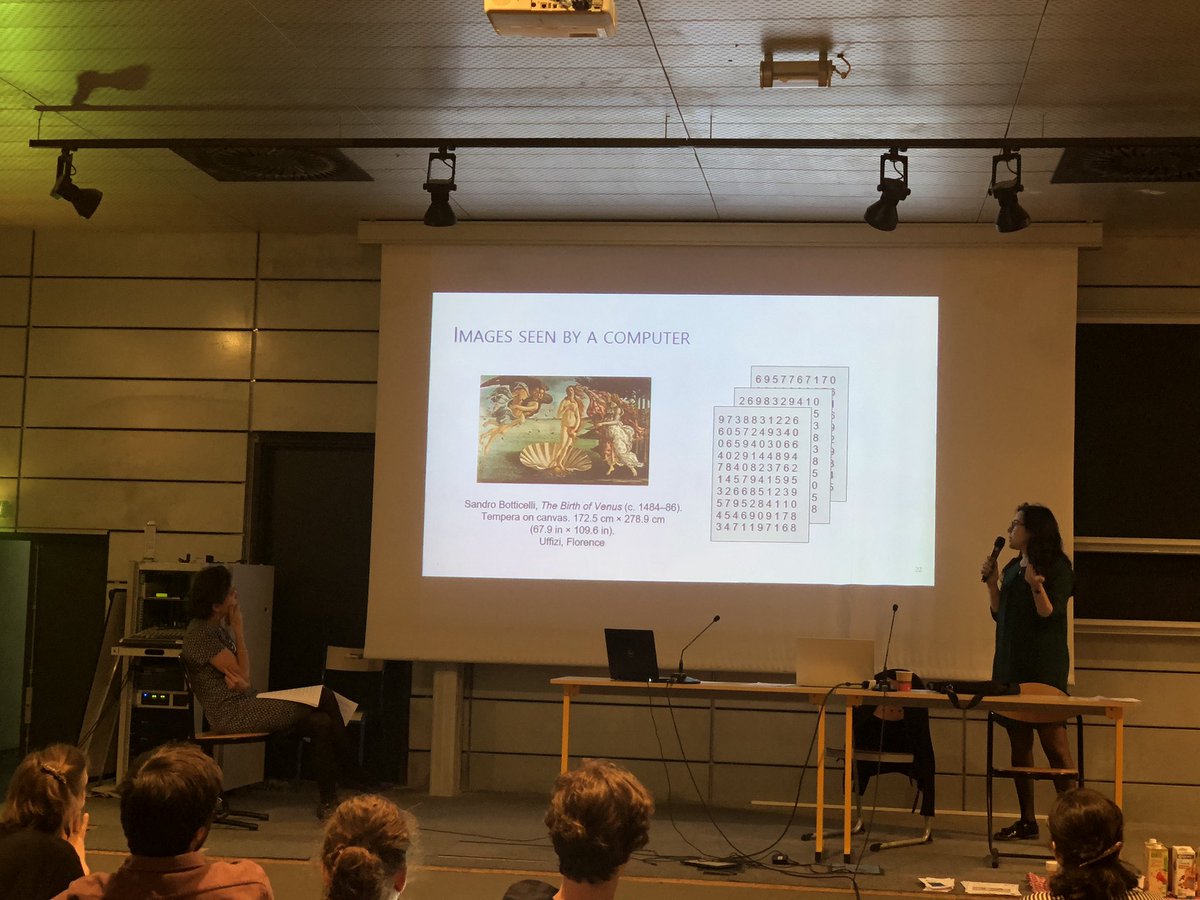
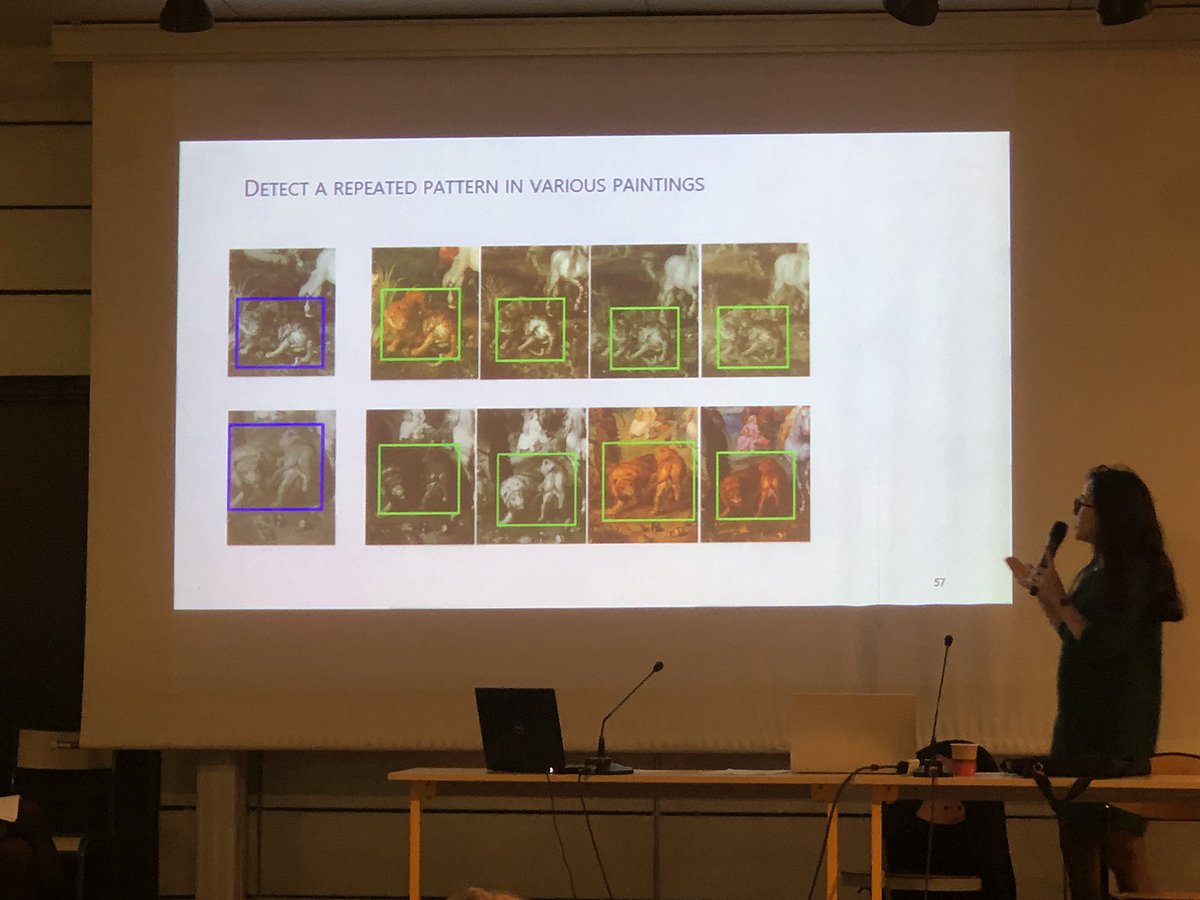
Exploration of representations of Venus using a database from @bender_k to apply deep learning by @JoyeuxPrunel and Oumayma Bounou. Love the conversation about how this opens up questions about gender and visuality. #visualsemantics #distantviewing
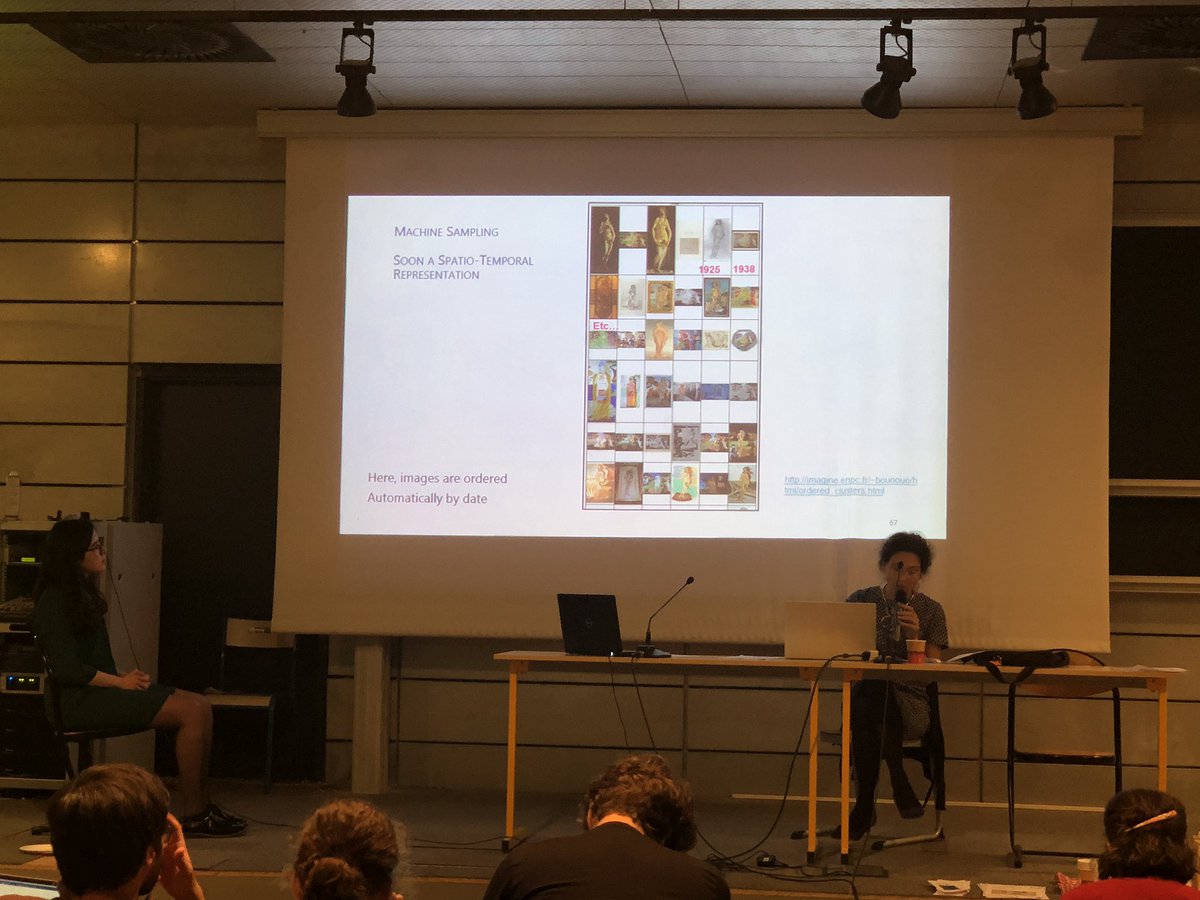
7
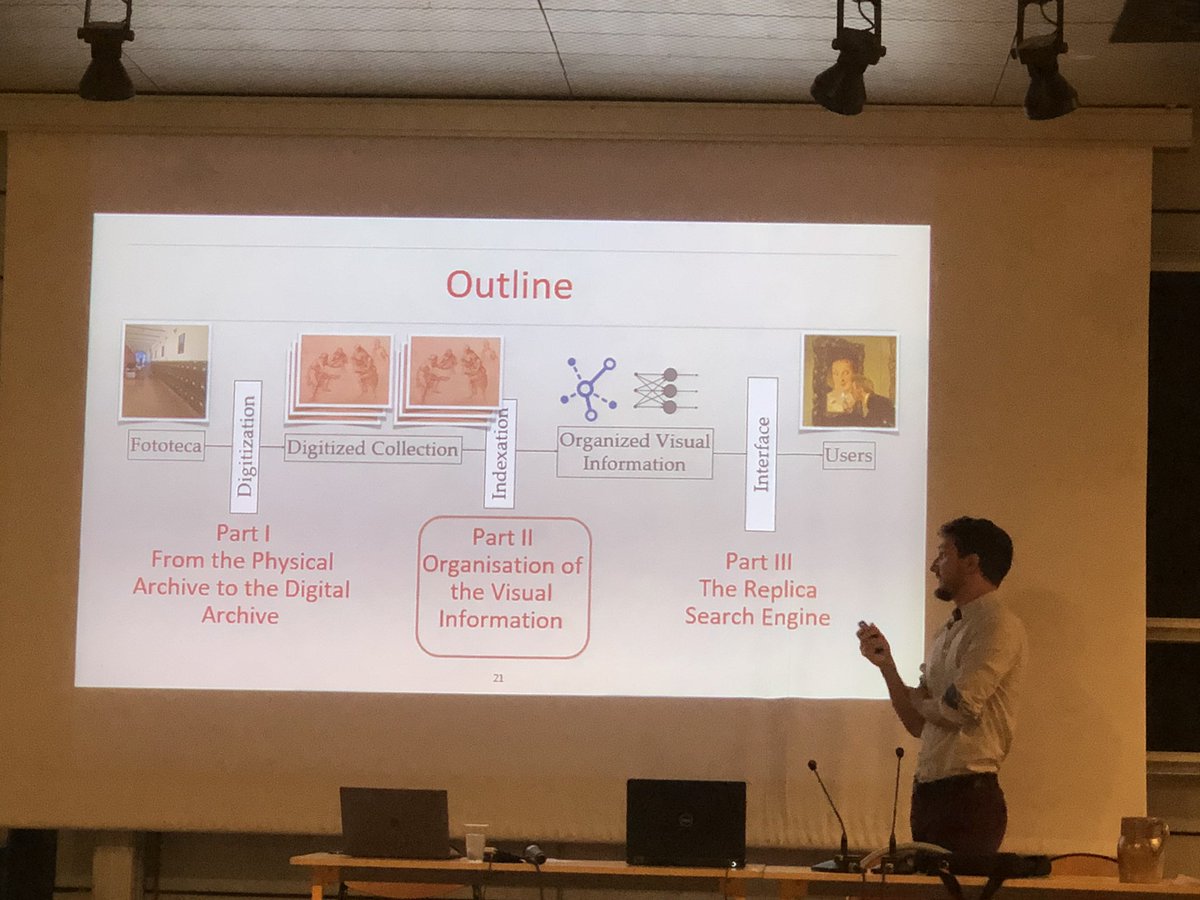
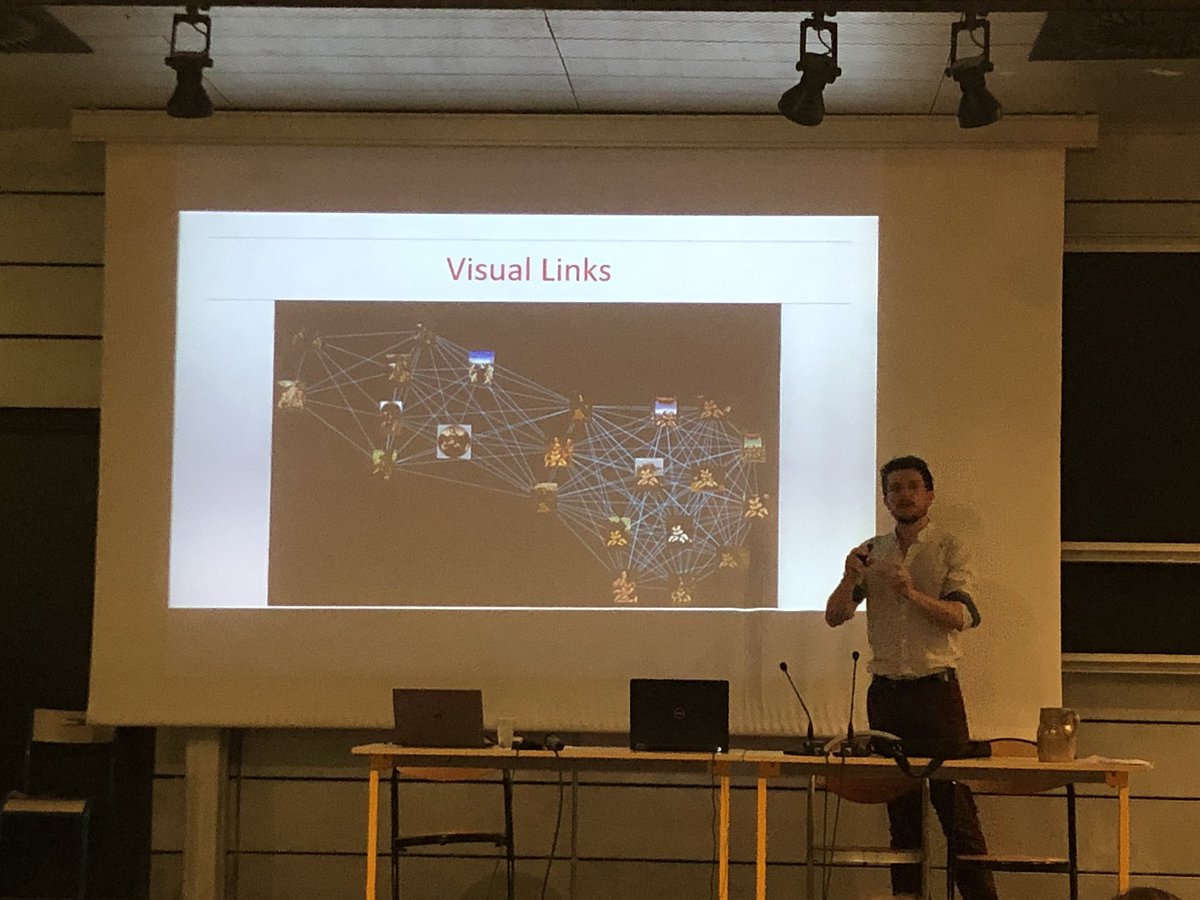
14 Jun 2019
#Visualsemantics; Starting with a presentation of the ambitious @TimeMachineEU Project.
1
1
13 Jun 2019
#Visualsemantics, last paper of our day: Taylor Walsh (MoMA) : "Side by Side: Al Freeman's Art History "
2
13 Jun 2019
Should be of interest to the #visualsemantics metadata community! Here is the link: ncarboni.github.io/vir/
13 Jun 2019

#Visualsemantics, now Nicola Carboni from the Univ. of Zurich: " A Formal Ontology for the description and contextualization of iconographical representations".
2
13 Jun 2019
#Visualsemantics, now Nicola Carboni from the Univ. of Zurich: " A Formal Ontology for the description and contextualization of iconographical representations".
2
13 Jun 2019
#Visualsemantics: then Sophie Cohen-Bodenes @ENS_ULM, showing her research on"Images of Political Leaders in Circulation in Africa.
A Digital Cognitive Approach "
1