Jun 8
.@EcoWavePower_ ( $WAVE ) is pushing to turn wave energy into smart infrastructure: WaveGPT for predictive ops plus a wave‑powered, AI‑optimized coastal data center concept with FAU and the University of Michigan.
#WAVE #AI #RenewableEnergy #WavePower #DataCenters #EdgeComputing
prismmarketview.com/eco-wave…
28

May 15
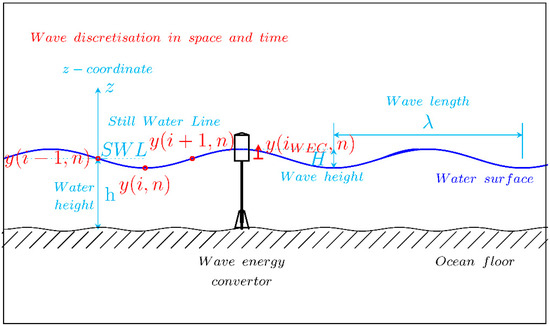
✨ #HighlyCitedPaper Techno-Economic Analysis of Green #HydrogenProduction as #Maritime #Fuel from #Wave #Energy
👉 brnw.ch/21x2vfd
#ChangingRoleOfPorts #WavePower #Hydrogen #AlternativeFuels
#mdpienergies #openaccess
1
1
3
51

The ocean isn’t the next frontier. It’s already operational.
$OPTT #OceanAI #AtTheEdge #WavePower
ft.com/content/711ce313-16fb…
2
6
28
1,601

Apr 26
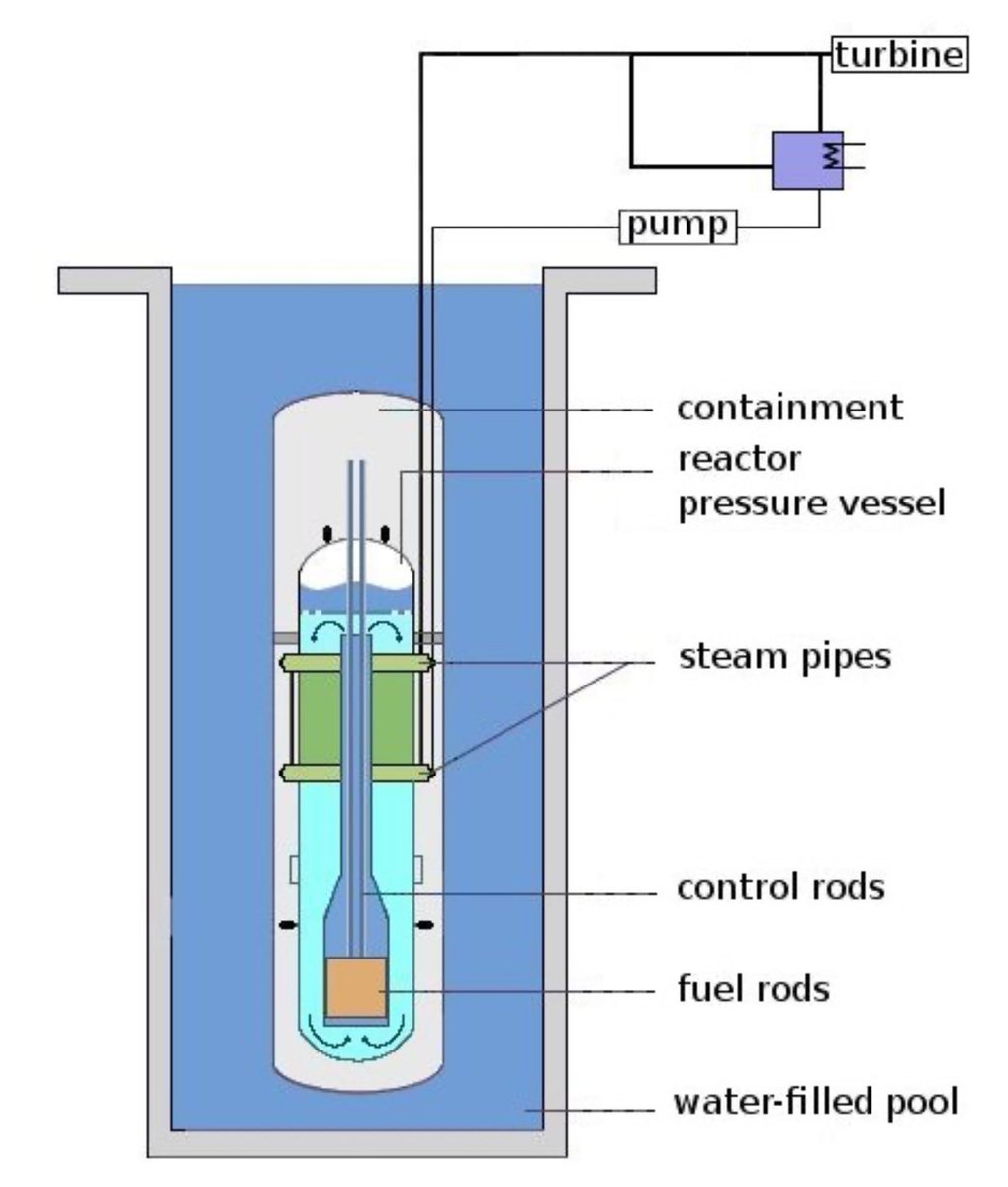
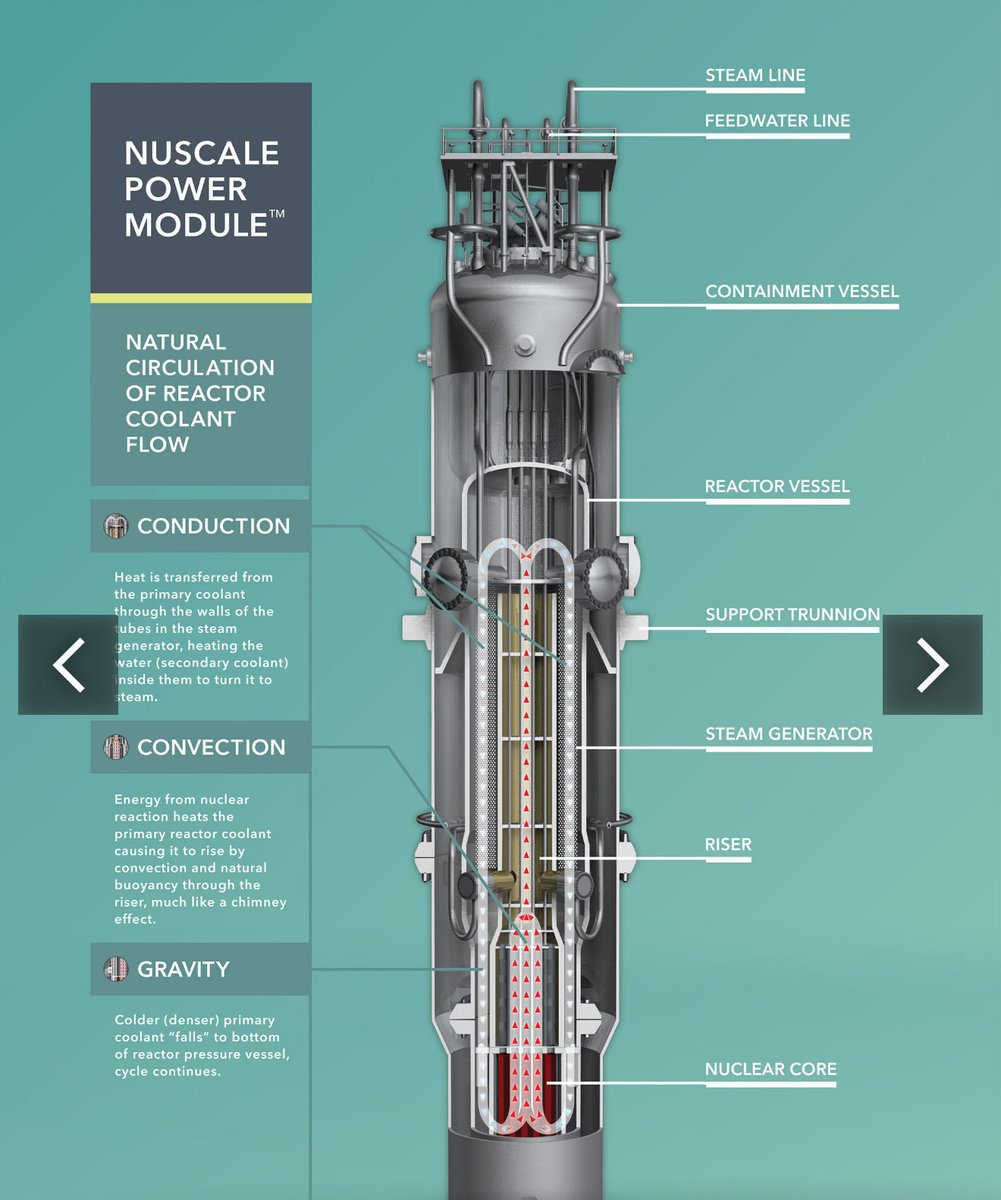
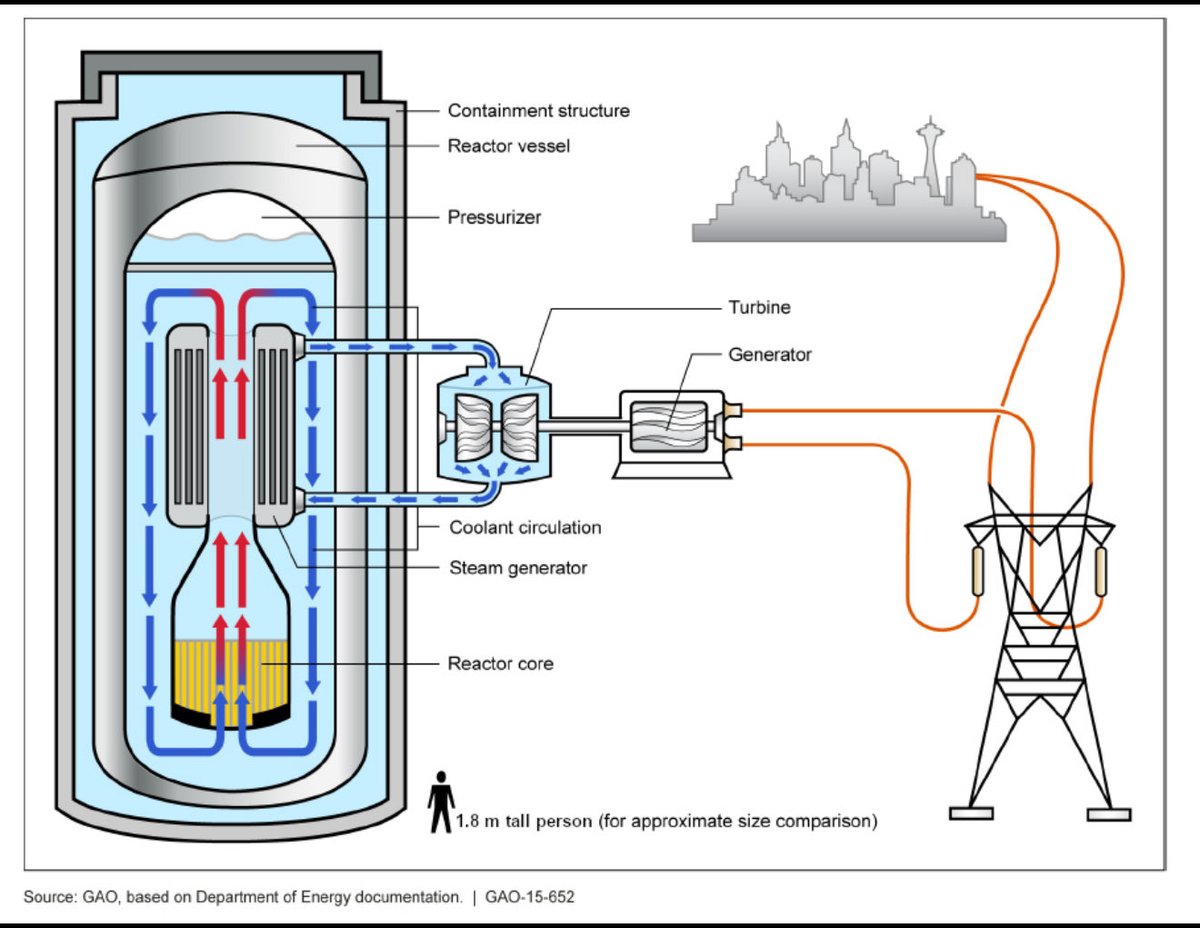
Vor allem brauchen wir Technologieoffenheit und Mehrfachansätze!
Kleinreaktoren, Solar, GeoThermie, Fracking, LNG, WavePower…
Und zwingend - weniger Ideologie!
Energie = Wirtschaftskraft Sicherheit!!

1
2
6
178

Apr 26
Margaret River não perdoa, é força bruta esculpida em água e pedra.
Um palco onde cada onda quebra com peso, precisão e respeito.
#MargaretRiverPro2026 #Surf #WSL #Surfing #BigWaves #PowerSurf #SurfCompetition #OceanEnergy #WaveCulture #SurfLife #SurfArt #WavePower #WesternAustralia #HeavyWave #SurfDesign

ALT Margaret River não perdoa, é força bruta esculpida em água e pedra. Um palco onde cada onda quebra com peso, precisão e respeito. #MargaretRiverPro2026 #Surf #WSL #Surfing #BigWaves #PowerSurf #SurfCompetition #OceanEnergy #WaveCulture #SurfLife #SurfArt #WavePower #WesternAustralia #HeavyWave #SurfDesign
4
75

Apr 24
📢 #highlycited paper
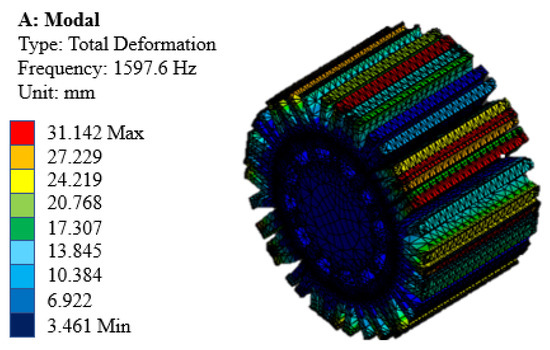
📚 Electromagnetic and NVH Characteristic Analysis of #EccentricState for Surface-Mounted Permanent Magnet Synchronous Generators in #WavePower Applications
🔗 mdpi.com/2076-3417/15/17/969…
👨🔬 by Woo-Sung Jung et al.
🏫 Chungnam National University
#permanentmagnetsynchronousgenerator #waveenergy
2
3
86

Apr 16
I'm still waiting for this government to achieve ANYTHING.
We have plenty of ( free) wind, wavepower.
It diesen't take a rocket scientist to see these energy sources should have been prioritised, to free us from imported fuels.
1
1
9
194

Fusion energy!! A good step on the way😉. While at it. Can you send solarpower and wavepower tech to Cuba? 😊❤️ That islad would be a great example on how to become a frot figure in green energy hight tech society. From poor to welthy, prosporuse and fosile free. 😉❤️ perfecaa
1
2
1
65

Wavepower inbound for Vopak/Navigator.
Only delivered in China February last year.
6,805GT
IMO 1043097.

1
18
331

Jan 9
Let’s be brutally real about this: what is being sold as “inclusion” in leisure centres – the idea that men can undress in women’s changing rooms on the basis of declared identity alone – is not a vaguely compassionate policy. It is an abandonment of safeguarding, a substitution of slogans for substance, and a breathtaking act of risk distribution masquerading as virtue.
Changing rooms are places where people – often including children – are naked, vulnerable, and unprotected by spatial barriers. The reason these spaces have historically been separated by sex, not identity, is not prejudice. It is precisely because of vulnerability. It is when people are most exposed that the material differences between male and female bodies matter most – not least because of long-established patterns of sexual abuse.
And this is not conjecture. These environments are already exploited by predators.
In 2023, a detailed investigation based on police Freedom of Information data found that across 257 leisure centres in England and Wales there were 16 recorded rapes, 80 sexual assaults, and 65 voyeurism offences. These were not hypothetical risks or imagined harms. They were classified sexual crimes recorded in the very spaces now being treated as ideologically neutral. This is safeguarding data, not rhetoric. And given the chronic under-reporting of sexual offences, it would be naive to assume these figures capture the full scale of the problem.
For anyone still inclined to doubt that changing rooms are a locus of danger, there are the reported UK cases of men clandestinely photographing and filming people in swimming-pool changing areas. In one such case, two men were jailed after secretly photographing thousands of people – including children – while they changed. That is not an abstract policy concern. It is a crime, with victims.
Safeguarding bodies themselves are under no illusions. Swim England’s Wavepower safeguarding policy restricts phones and recording devices in changing areas precisely because image-based abuse is a documented risk. That policy exists because of real incidents – not because someone invented a problem to justify rules, or woke up with an overactive imagination.
Yet when women point to this reality, the response is rarely engagement with evidence. Instead, they are branded “transphobic”, as though a slur negates the need for a thorough risk assessment. That tactic does not protect anyone. It dismisses safeguarding concerns and replaces them with moral posturing. Suggesting that opening changing rooms protects “everyone” is not inclusion, and is factually incoherent. It prioritises ideology over safeguarding.
Sex remains a protected characteristic in UK law because, in certain contexts, biological sex is materially relevant. Single sex changing facilities are one of those contexts. A policy that reduces sex based provision to something that can be overridden on demand does not preserve those protections – it empties them of meaning and leaves renders theoretical.
So let’s be clear. Women arguing for the retention of single sex changing spaces are not expressing hatred toward trans people. They are articulating evidence based safeguarding concerns, grounded in documented crimes and well understood patterns of abuse. Reframing safeguarding as “bigotry” is not only dishonest – it actively obscures harms that already exist.
Policies that increase exposure in high risk environments without addressing those realities are not inclusive. They are a gamble with the safety and dignity of the people who are required to use them.

We are calling a counter demo this Saturday at 12pm outside The Castle Leisure Centre to protect trans rights in public services. This is in response to a demo at the same time that seeks to reverse Southwark council’s decision to allow trans women in female changing rooms.

1
4
13
577

23 Dec 2025
It’s been a massive year for the team at Carnegie! We’ve spent 2025 building the foundation for a wave-powered future. 🌊
Wishing our partners, shareholders, and followers a safe and happy holiday season.
#CleanEnergy #WavePower
$CCE | $CCE.AX | $CWGYF

2
5
14
249

19 Dec 2025
تقوم مولدات الطاقة بالأمواج بتحويل حركة أمواج المحيط إلى كهرباء باستخدام أنظمة ميكانيكية أو هيدروليكية، مستغلة المياه المتحركة بدلاً من ضوء الشمس مثل الطاقة الشمسية.
#waves
#powergeneration
#ocean
#WavePower
#الأمواج
#المحيط
1
4
49

17 Sep 2025
1
3
10
400

17 Sep 2025
9
435

20 Aug 2025
Sometimes the waves knock us down, but they teach us how to rise again 🌊💪 #StayStrong #WavePower

8
57

The one free (after initial investment) & unlimited energy source is all around us .
We are an island!
#wavepower
Reliable & totally predictable!
1
2
16

15 Aug 2025
🌊 How does marine energy get tested?
In our latest video, we explore how the National Renewable Energy Laboratory (NREL) uses its MODAQ system—built on NI hardware—to power advanced data acquisition for marine energy testing. From wave-powered devices to underwater turbines, MODAQ helps researchers gather critical performance data in real time.
🎥 Watch now to see how NI tech supports the future of renewable energy: youtube.com/@apexwaves
#ApexWaves #MODAQ #NREL #MarineEnergy #RenewableEnergy #NIHardware #DAQ #TestEquipment #NationalInstruments #WavePower
1
2
78



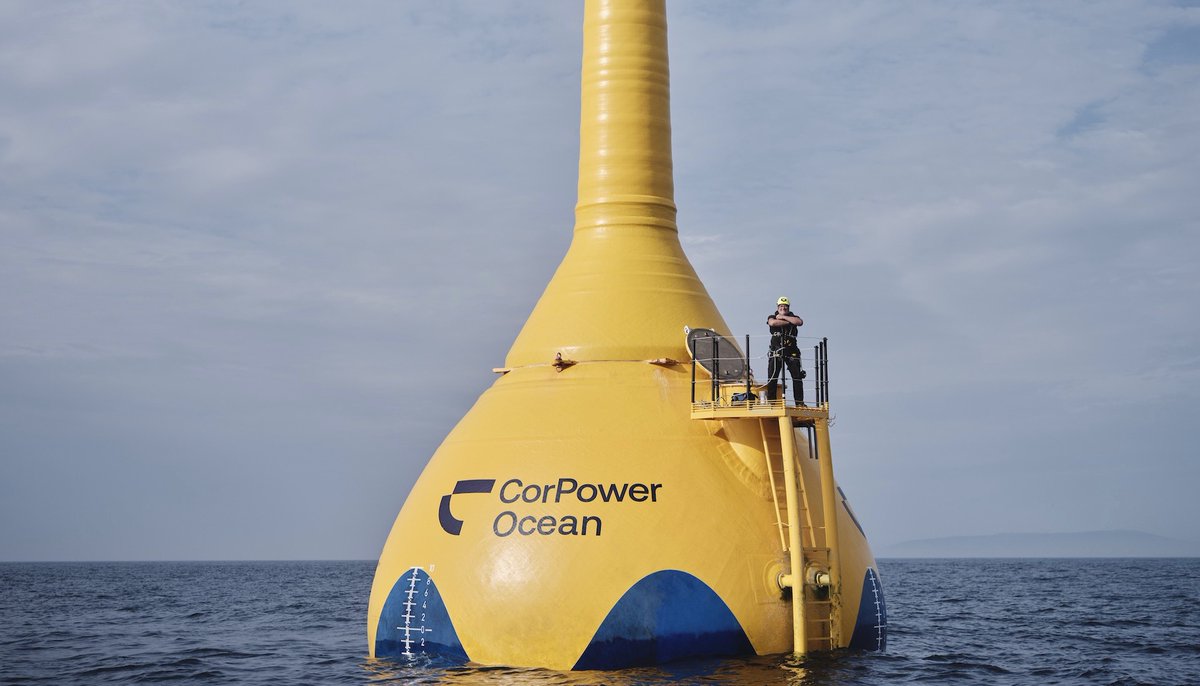
Wave energy developer CorPower Ocean has signed a berth agreement to build a 5MW wave energy project at the European Marine Energy Centre in Orkney, Scotland.
renews.biz/100579/ #wavepower #Scotland #renewableenergy
1
4
7
324