
Jun 10
[Spotify]
@_IUofficial's "Bye, Summer" streams on Spotify (06/02 ~ 06/08)
Week36: 6,550,775 ( 55,893)
Week37: 6,608,081 ( 57,306)
Week38: 6,662,846 ( 54,765)
Week39: 6,716,604 ( 53,758)
#아이유 #LeeJiEun #IU #바이썸머 #ByeSummer
open.spotify.com/album/42SnK…
1
20
396

Jun 9
What took 3 hours on Monday took 12 minutes on Tuesday.
Same person. Same task. Same quality. The only difference? On Tuesday, she used AI.
Here are 5 everyday tasks with real before and after numbers:
1. Writing a project status email.
Before: 45 minutes (checking notes, drafting, rewriting, proofreading).
With AI: 5 minutes (paste rough notes, get a clean draft, adjust one sentence, send).
Saved: 40 minutes.
2. Summarizing a 20-page document.
Before: 2 hours (read, highlight, re-read, write summary).
With AI: 3 minutes (paste text, get 5 bullet points focused on decisions and risks).
Saved: Nearly 2 hours.
3. Creating a presentation outline.
Before: 1 hour (stare at blank slides, try different structures, start over).
With AI: 8 minutes (describe audience and goal, get clean 8-slide outline).
Saved: 50 minutes.
4. Understanding a complex formula or code.
Before: 30 minutes (decode, search Stack Overflow, read conflicting answers).
With AI: 2 minutes (paste it, ask "explain step by step in simple English").
Saved: 28 minutes.
5. Preparing meeting talking points.
Before: 40 minutes (read past emails, check calendar, scribble notes, rewrite).
With AI: 5 minutes (paste notes, get 5 talking points and one question to ask).
Saved: 35 minutes.
Weekly total: 4.5 hours before AI. 23 minutes with AI. Nearly 4 hours saved.
That is 200 hours per year. Five full work weeks given back to you.
None of these tasks are exciting. Nobody writes "summarized a document" on their performance review. But they eat your time quietly, every week.
AI's biggest impact is not in the spectacular. It is in the boring. The repetitive tasks you do weekly without thinking about them. When you add up the minutes, the result is transformative.
Pick your most time-consuming recurring task this week. Try AI for just the first step. Time yourself both ways. That number is your personal AI ROI.
What is the most time you have saved using AI on a single task?
#WEEK38
66
よしゑ(●`ε´●)@六角精児似は失業中…。😱 retweeted


3
6
2,638


2
4
1,975
[Spotify]
@_IUofficial's "Bye, Summer" streams on Spotify (05/26 ~ 06/01)
Week36: 6,550,775 ( 55,893)
Week37: 6,608,081 ( 57,306)
Week38: 6,662,846 ( 54,765)
#아이유 #LeeJiEun #IU #바이썸머 #ByeSummer
open.spotify.com/album/42SnK…
1
18
322

May 30
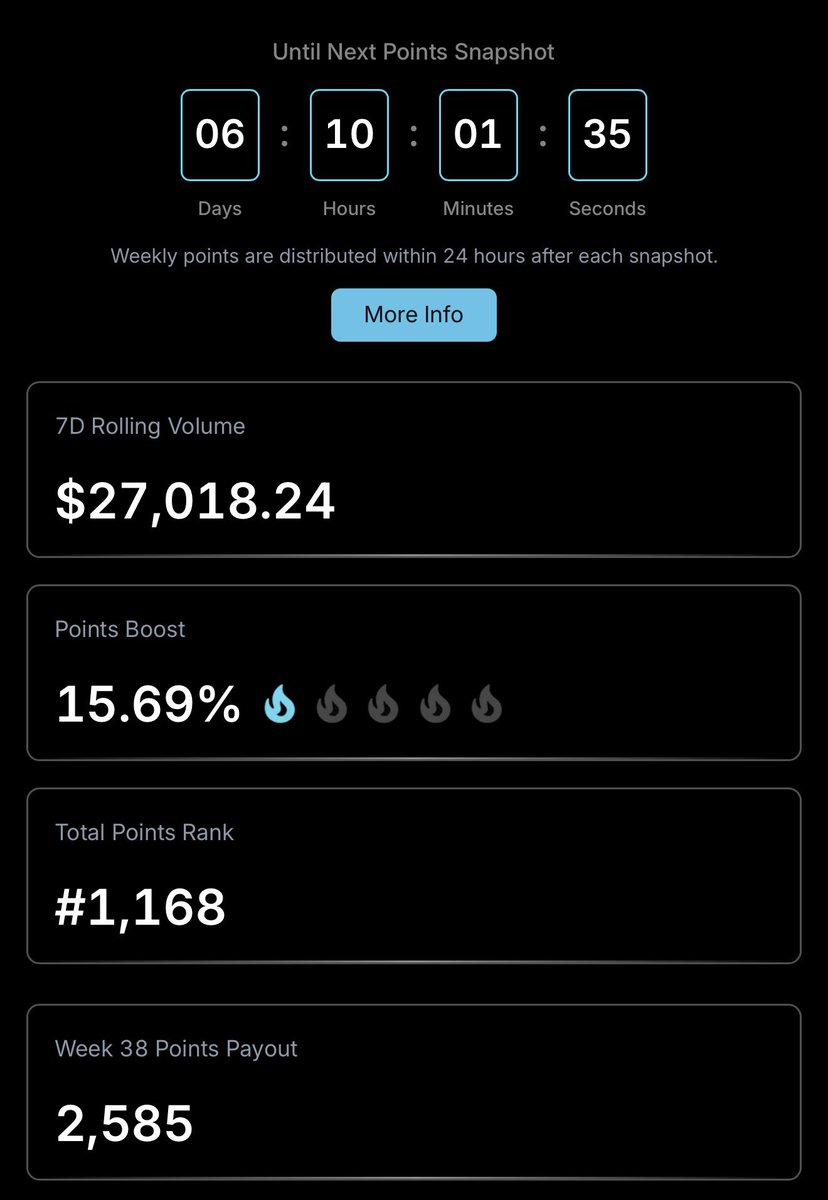
Pacificaでkeep swimming
week38
vol27k 2585pts
ゴールドとhype往復したくらい。
スイングのOIがデカいからなのか、swimで$1×100くらい遊んだからなのか不明だが先週よりvol半分でポイント2倍なので4倍効率?
今月 1万ドルの瞬間ついにあったのに含み益は幻だったなぁ。
市場の痛みと自分の痛み大事😣
2
13
819

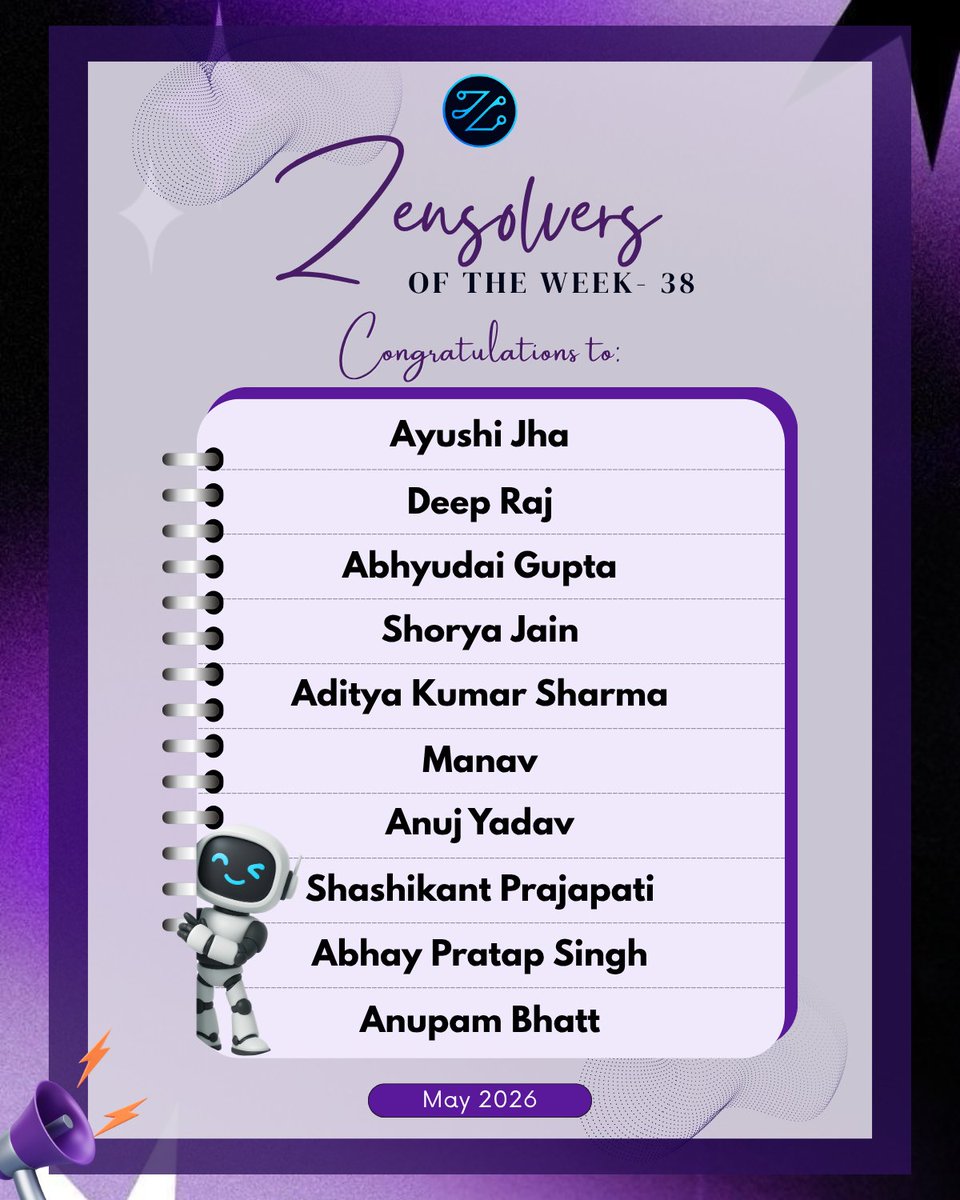
Week 38 just made things more interesting.
Close calls, shifting positions, and a month that refuses to end quietly. The race for this month's crown is entering its final stretch.
ZenSolver of the Month is coming soon. Stay ready.
#ZenSolve #ZenYukti #Week38 #Consistency
1
5
34

#EAL Cleansheet #ShoutOuts #Week38
Jonathan Long @BuckhurstWayFC
Amine Matouk @Jaysfcmens
Chris Osei-Mensah @buckhursthillfc
Well done lads 🙌🧤🥅

2
442
𝙒𝙀𝙀𝙆𝙇𝙔 𝙍𝙊𝙐𝙉𝘿-𝙐𝙋 / #Week38
Review of all the #EAL league & cup football action from a busy past week
𝘙𝘦𝘢𝘥 𝘔𝘰𝘳𝘦 ➡️ buff.ly/JgiVI7h

1
7
611
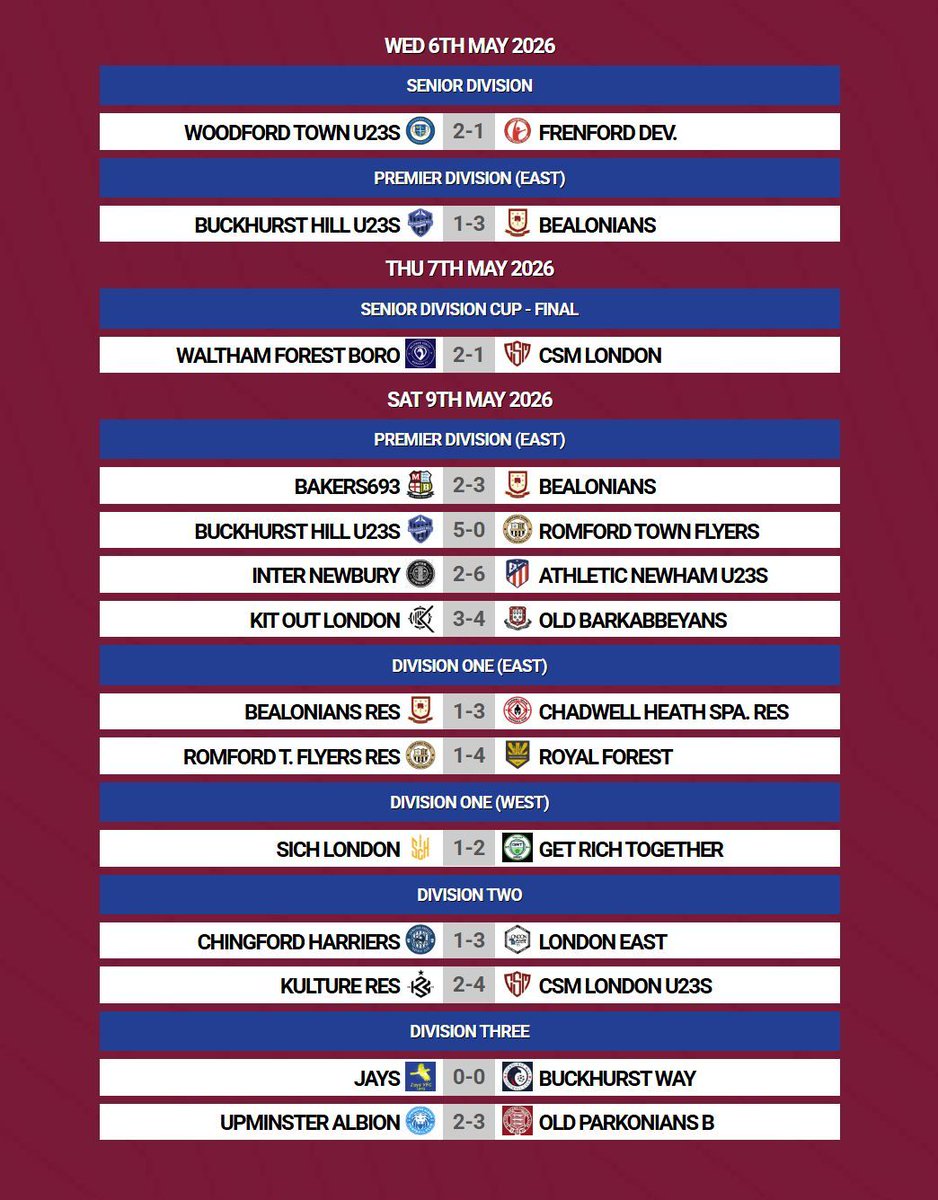
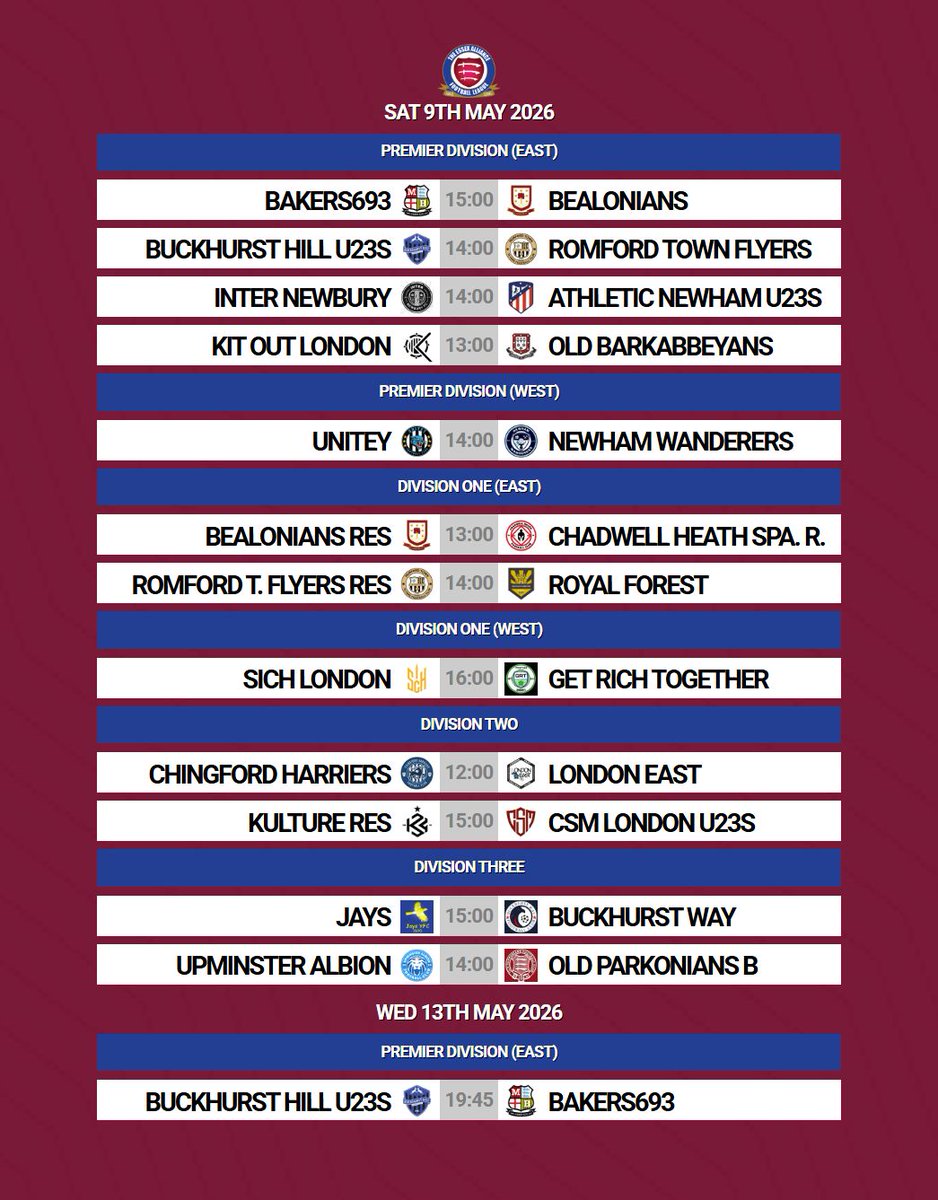
All the #EAL results from the past week including silverware for @barkabbeyans @OldParksFC B & @FcWaltham87872
#Week38
1
5
423

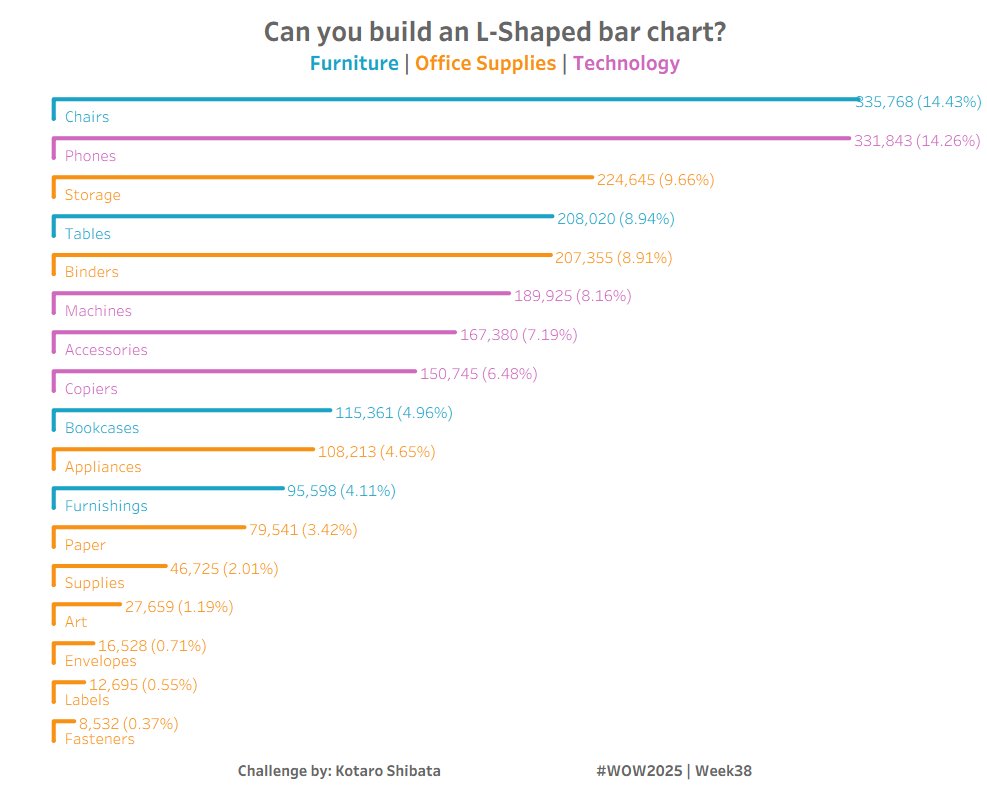
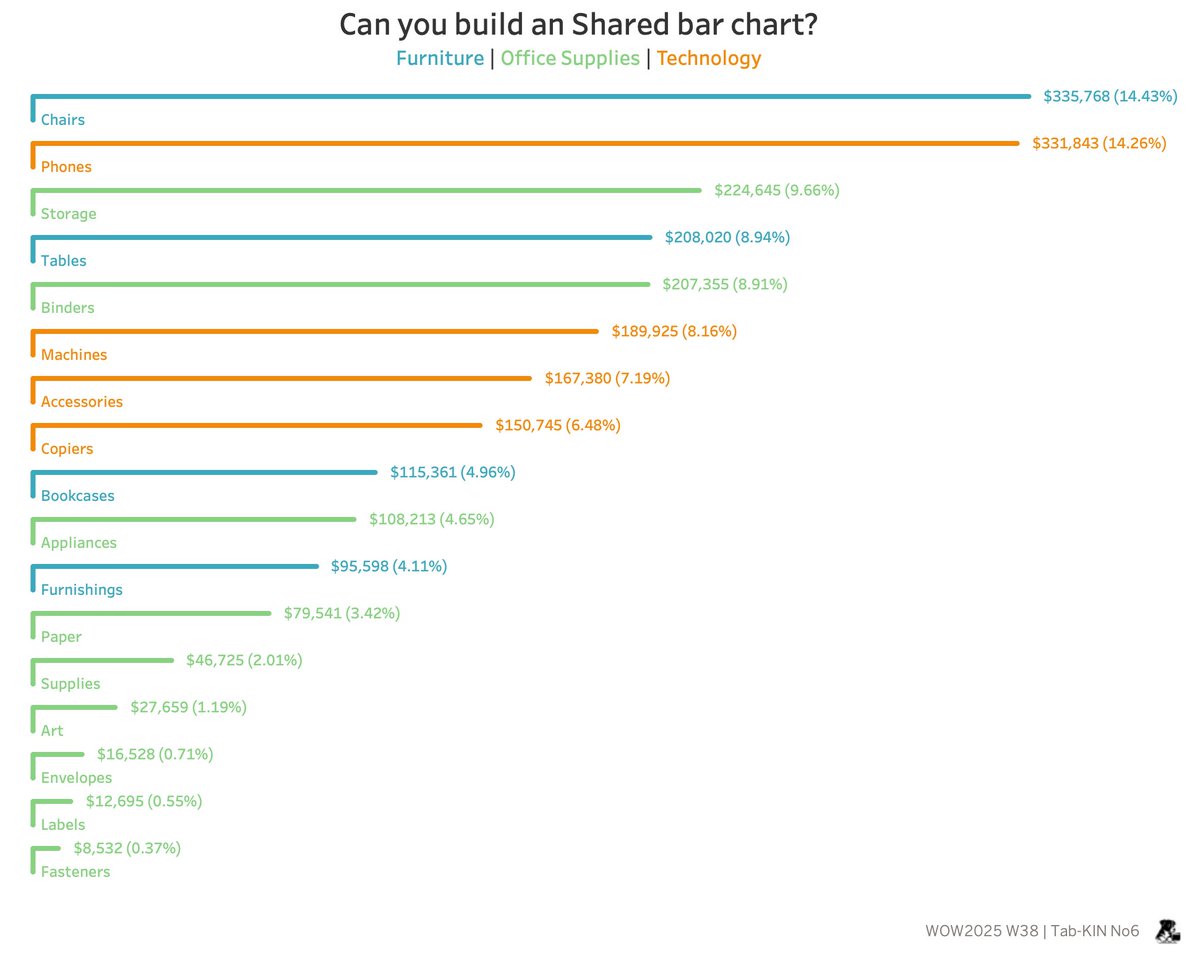
<Tableau Charts -100Types- No.84>
#WOW2025 Week38
Can you build an L-Shaped bar chart?
#1日1Tableau #Tableau
11
228

tesshin_tableau sun、pyonpyon_tab sunの #Tableau筋トレセット10 のうちNo6(#WOW2025 week38)を実施しました
使いこなせると 洒落たチャートが作れそう
#Tableau #DATASaber @WorkoutWednsday @tesshin_tableau @pyonpyon_tab
9
304

Mar 14
WOW2025🤯Week38
L字バーが可愛くて作ってみたけどデザインだけじゃなく情報量もしっかりあって、しかも棒グラフより読み取りやすくなる👏🏻シンプルなのに見やすいVizって本当いい!“見た目の工夫”と“伝わりやすさ”が両立するとTableauの魅力が爆発する🤯笑
public.tableau.com/app/profi…
8
242
Feb 25
[Spotify]
@_IUofficial's “Flower bookmark 3” streams on Spotify (02/17 ~ 02/23)
Week36: 20,492,788 (213,550)
Week37: 20,709,039 (216,251)
Week38: 20,918,877 (209,838)
Week39: 21,111,203 (192,326)
#아이유 #LeeJiEun #IU #IU_KkotGalpi3
open.spotify.com/album/4TeDL…
1
9
244
Feb 18
[Spotify]
@_IUofficial's “Flower bookmark 3” streams on Spotify (02/10 ~ 02/16)
Week36: 20,492,788 (213,550)
Week37: 20,709,039 (216,251)
Week38: 20,918,877 (209,838)
#아이유 #LeeJiEun #IU #IU_KkotGalpi3
open.spotify.com/album/4TeDL…
1
18
343

#ゼップバウンド 💉 #肥満治療薬
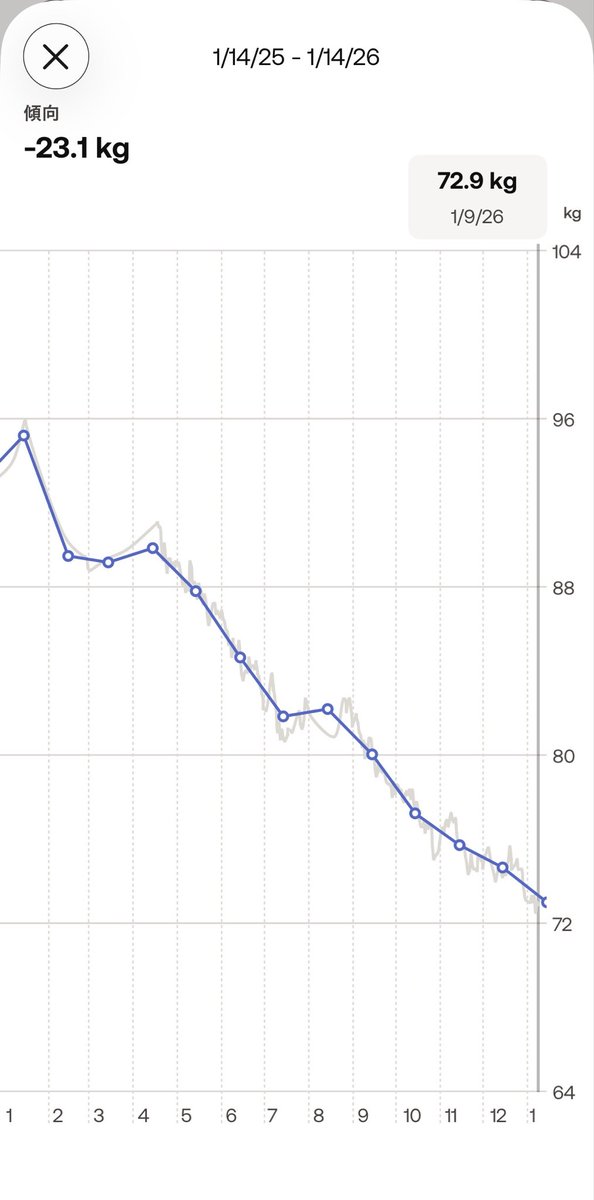
Week37報告📉72.9kg
2025/01のMax96kgから23.1kg減↘️⭕️
2025/04、36週間前の💉開始時91.1kgから18.2kg減↘️⭕️
3週間前の73.0kgから0.1kg減↘️⚠️
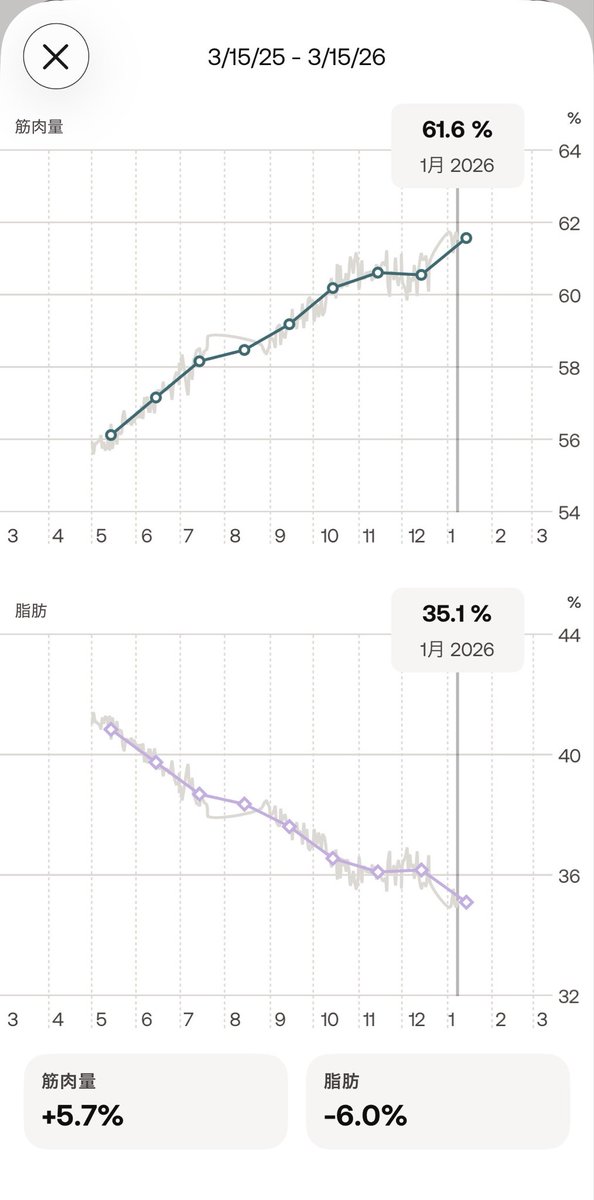
体脂肪率: 41.2%↘️35.1%⭕️
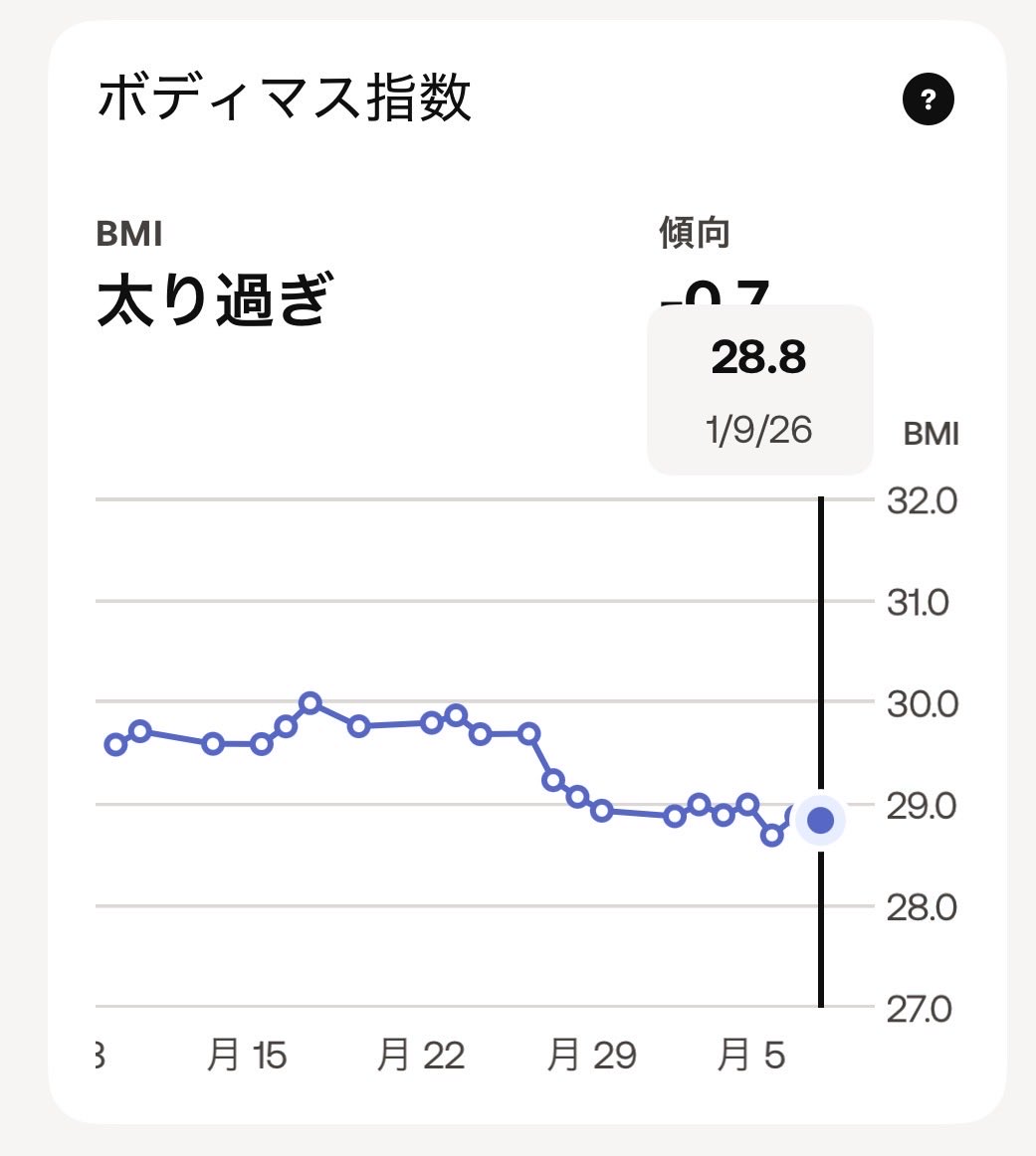
BMI: 38↘️28.8⭕️
Week37の目標は72kg台定着でした。
定着したとまでは言えないけど一応72kg台で終了することができました❗️
現在10mg💉ですがWeek38から12.5mg💉開始予定です。
抜け毛が心配ですが、できるだけしっかり栄養を摂り、さっさと体重を減らしてゼップバウンド💉卒業に向けて動き出したいです❗️
9/2から通い始めた@OfficialHOTWORX 50℃のサウナエクササイズ❤️🔥
今週からやったことないクラスにも挑戦し始めました❣️
🏋🏻♀️トレーニングメニュー🏋🏻♀️約週4日
💪HOT BANDS(上半身)
🧘🏻♀️HOT YOGA
🦵HOT BUNS(下半身)
🧘🏻♀️HOT STRETCH
🏋🏻♀️HOT CORE(中心部)👉初
🚴♀️HOT CYCLE👉初
🥢基本の食事🍴
朝: 残り物 or ギリシャヨーグルト、☕️
昼: フレッシュスムージー🍹or Thistleのデリバリーサラダ🥗(肉入り)
小さい🍙orふりかけ🍚
おやつ: ナシ
夜: 私か夫が作った普通の食事 or 外食/デリバリーメニュー
来週から新しくフレッシュプロテインスムージーを食事に取り入れていく予定です🍹
#肥満治療薬 #肥満症 #チルゼパチド #GLP1 #肥満治療 #マンジャロ #マンジャロダイエット #メディカルダイエット
2
648

26 Dec 2025
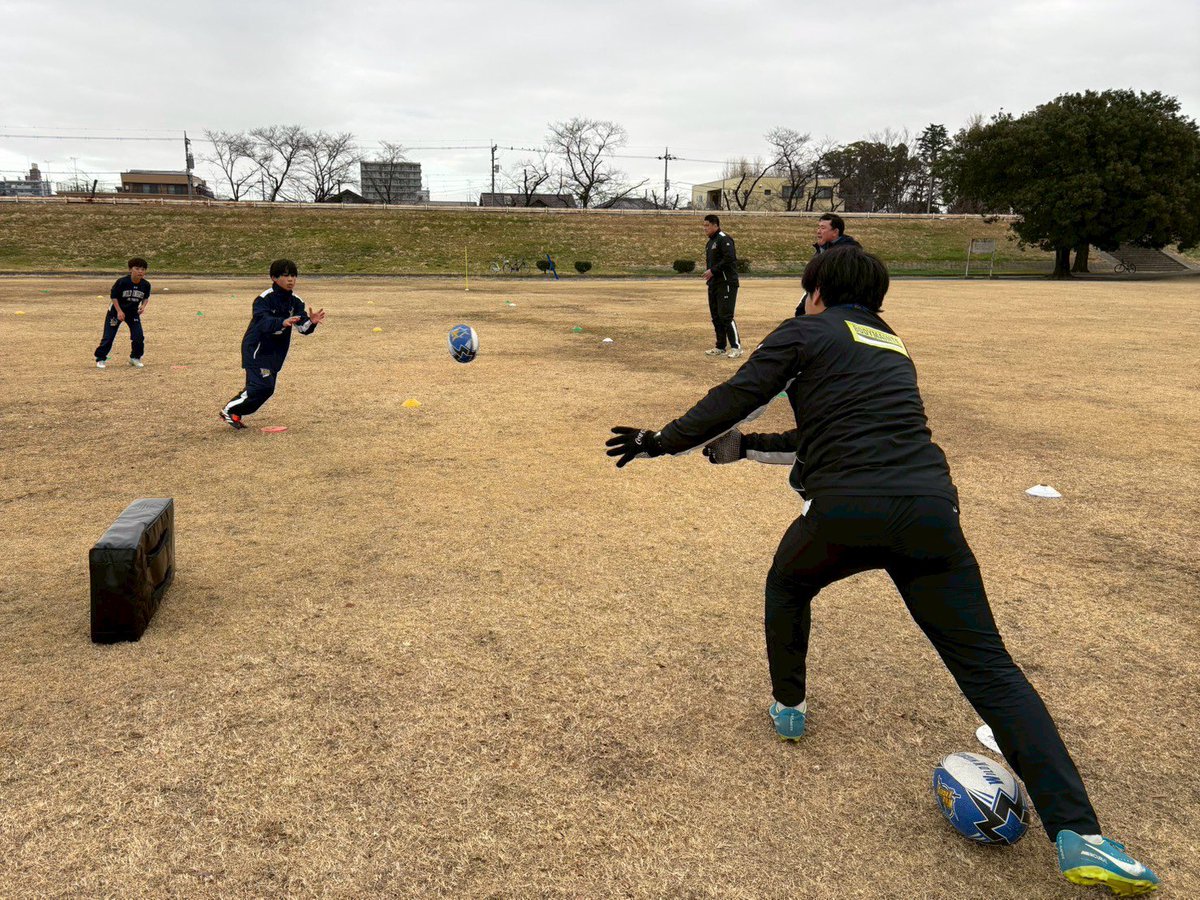
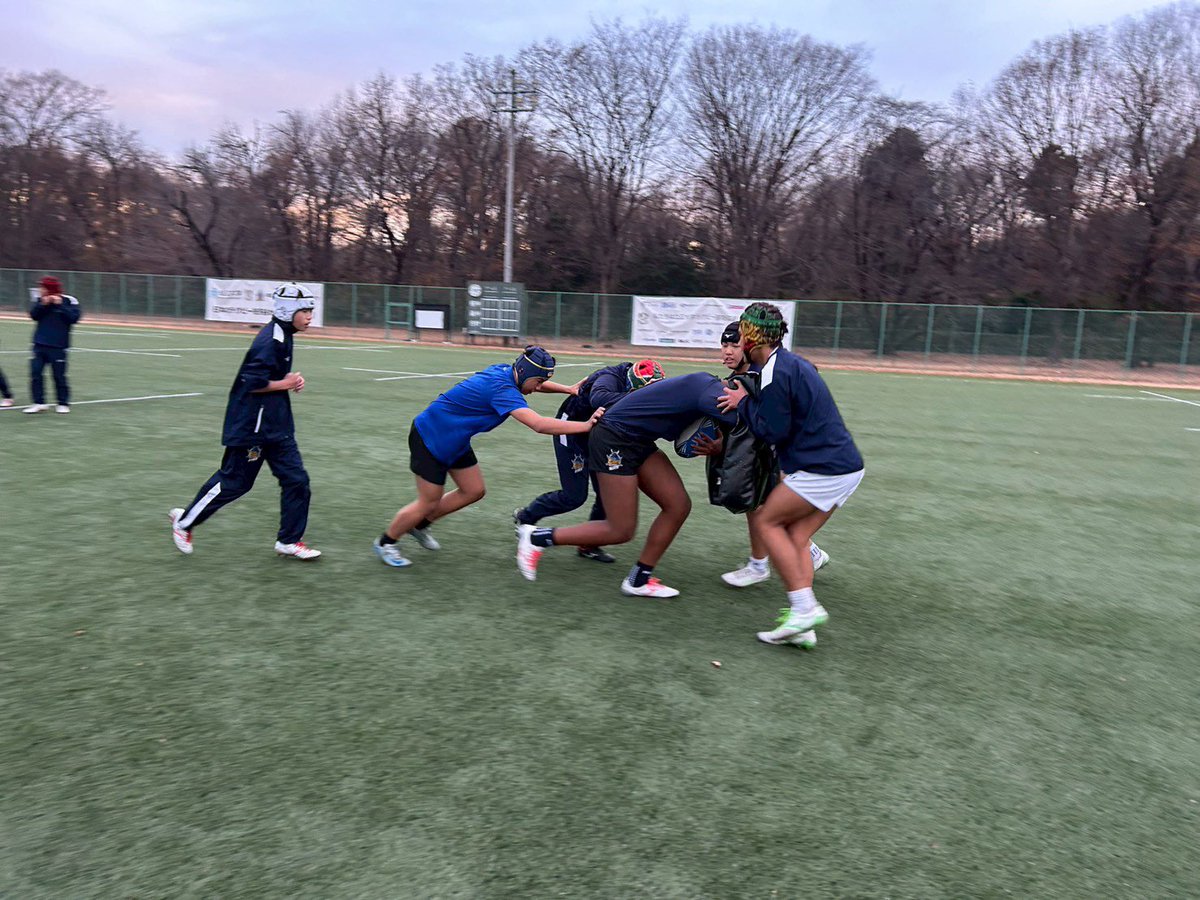
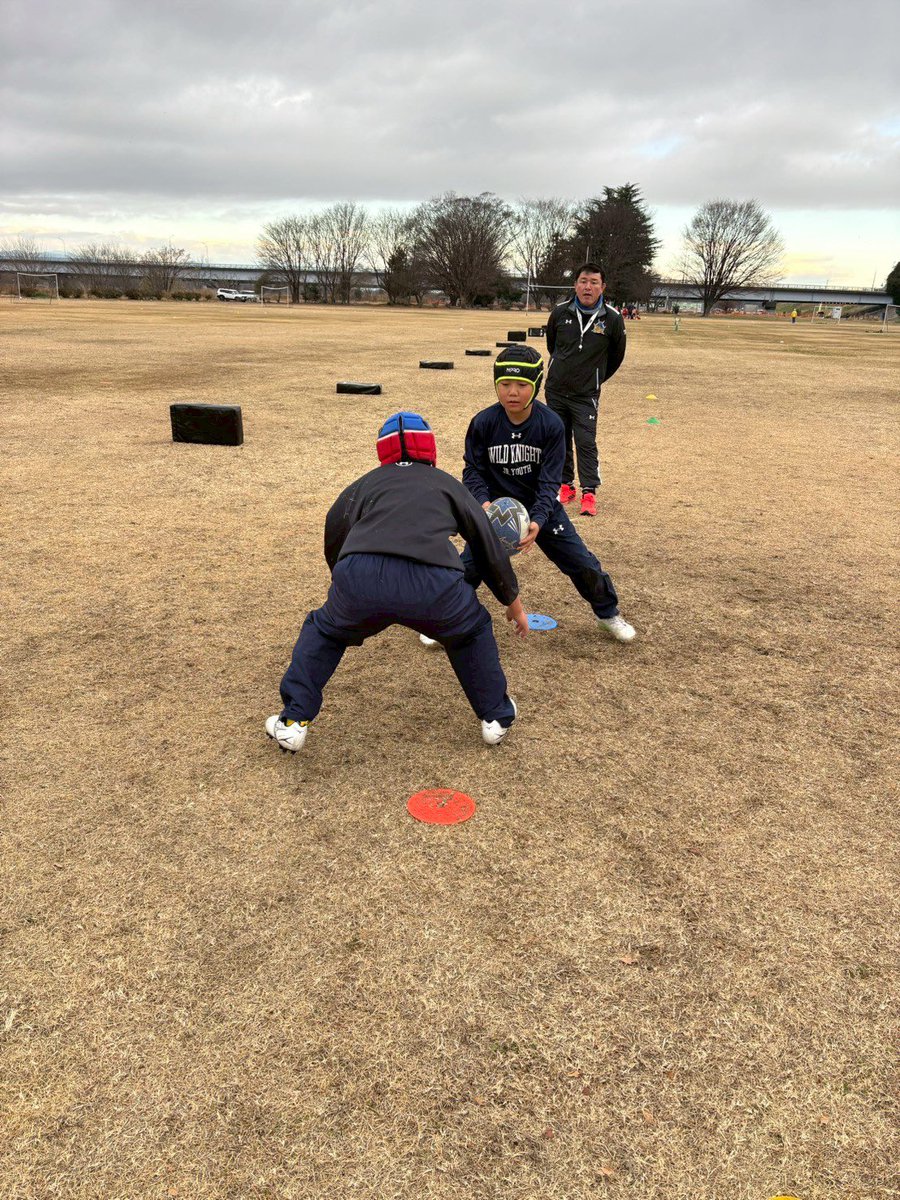
■2025年度 WEEK38 ワイルドナイツjr.ユースレポート
我らがワイルドナイツのホームゲームが行われました。
今日から、今からできることがあります。どんどん色々なことにチャレンジして成長していきましょう。
wildknights-jryouth.com/news…
#WK_JrYOUTH
#WKSP

1
23
1,445