
Mar 25
My work is doing the same thing. "Wellable" app that tracks our "fitness" for "rewards". Everyone gets a fitbit or apple watch. It will all tie into the digital ID. I threw mine away. They don't own me. We have paycom now for payroll and they need a copy of my kids BC. FN
2
116

28 Sep 2025
In our recent Wellable Wellness Challenge, team members across #Exterro came together to push themselves, cheer each other on, and discover what wellness means to them.
Here’s Kristen Moreno, in a conversation with Anamika Kumar, sharing her perspective on what it means for her.
2
60

16 Feb 2025
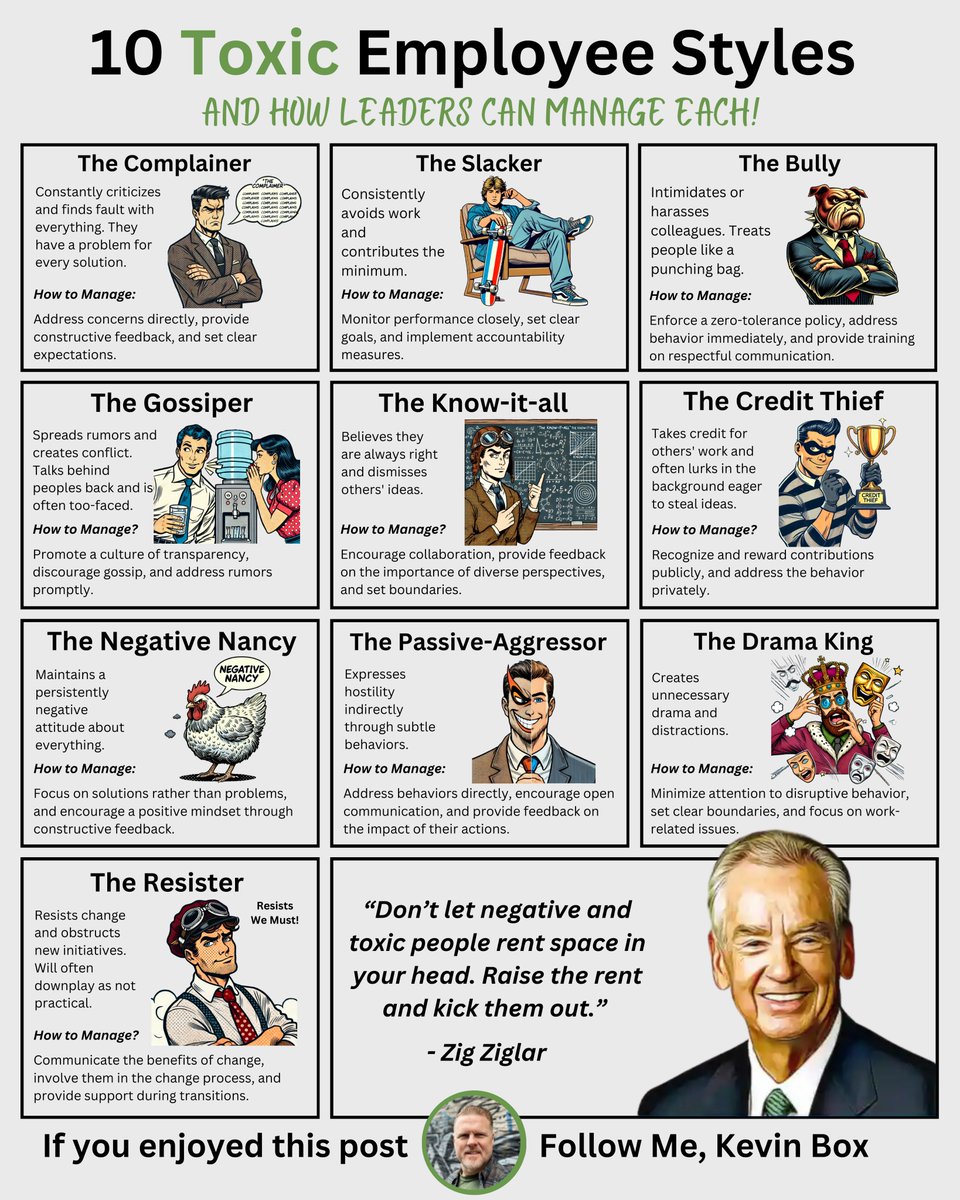
Do you have a clue how to handle toxic people?
Most don't!!
Yet, research shows that 1 out of 5 workers battle a toxic workplace. (Source: Wellable)
It’s time we equipped leaders with the skills needed to manage toxic people more effectively.
Study my 10 types of toxic workers!
And learn to manage each like a boss!
15
16
70
5,689

16 Jan 2025
God is at least as good as a GPS, recalculating your route to get you back on track to your final destination. Say goodbye to fear and doubt, take the limits off God, and stop seeing yourself as a grasshopper, like the ten spies in the Old Covenant (Num. 13:33). Tune in to today’s #GospelTruth! #BackonTrack #WellAble Watch here: l.awmi.net/BackOnTrack
Surely you are well able to do what God has called you to do (Num. 13:30).
4
24
120
1,902

5 Dec 2024
Not that I'm aware of, glad the only one I'm missing right now is the new Fred, and he's 'Wishing-Wellable'
2
99
30 Oct 2024
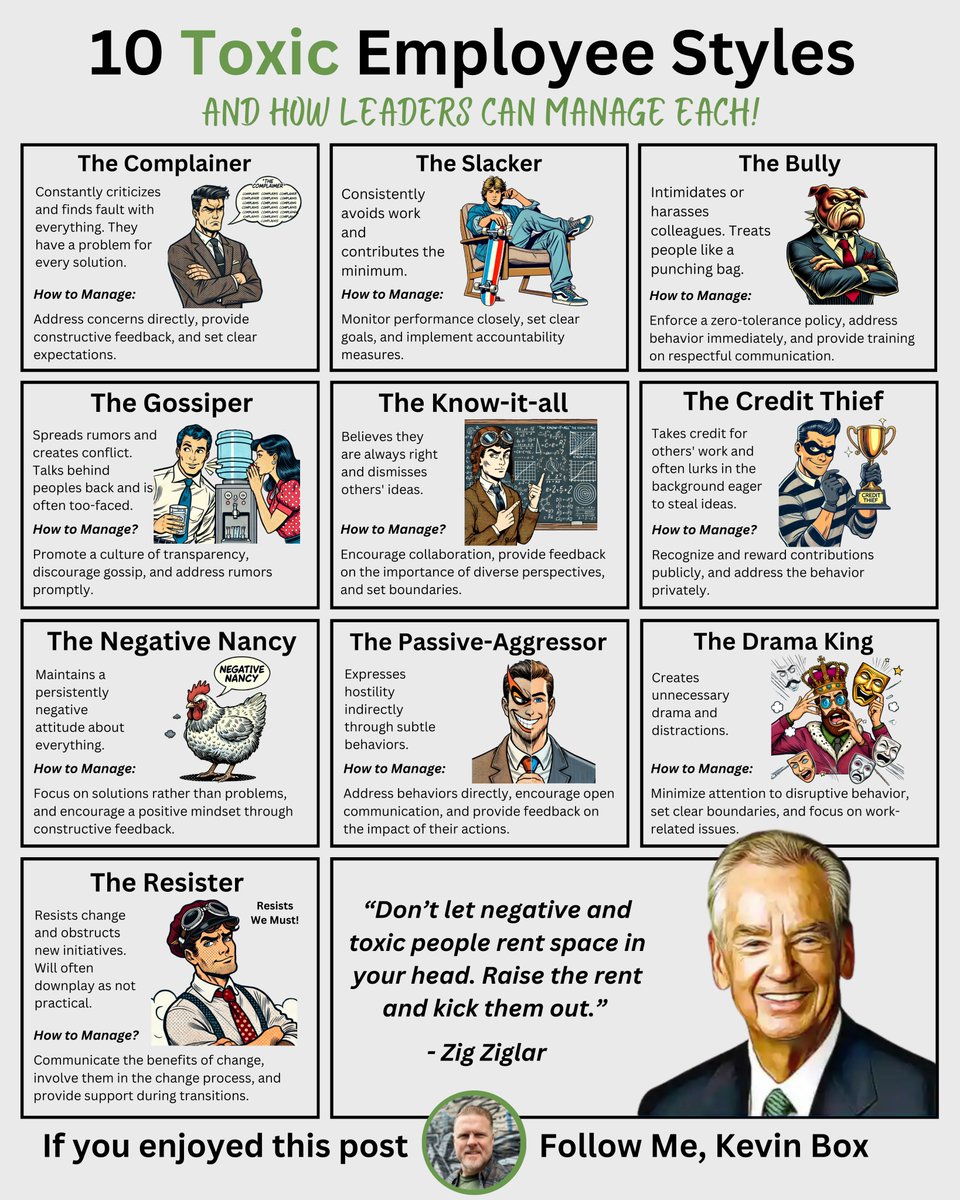
Most have no clue how to handle toxic people.
Yet, research shows that 1 in 5 workers battle a toxic workplace. (Source: Wellable)
The impact this has on mental health cannot be understated.
We must do more to help alleviate mental stress at work.
Here’s 10 ways to handle toxic people at work.
1. The Complainer
2. The Slacker
3. The Bully
4. The Gossiper
5. The Know-It-All
6. The Credit Thief
7. The Negative Nancy
8. The Passive-Aggressor
9. The Drama King
10. The Resistor
♻️Enjoy this? Repost to educate your network and Follow me, @Fuel_YourGrowth
18
124
560
91,392
2 Sep 2024
Most have no clue how to handle toxic people.
Yet, research shows that 1 in 5 workers battle a toxic workplace. (Source: Wellable)
The impact this has on mental health cannot be understated.
We must do more to help alleviate mental stress at work.
People in toxic cultures are more likely to experience:
↳ Higher absenteeism and greater turnover rates
↳ Frequent conflicts and disputes among coworkers
↳ Decreased collaboration and strained relationships
↳ A pervasive sense of negativity and low morale
↳ Lack of enthusiasm and lowered productivity
↳ Isolation or withdrawal from team activities
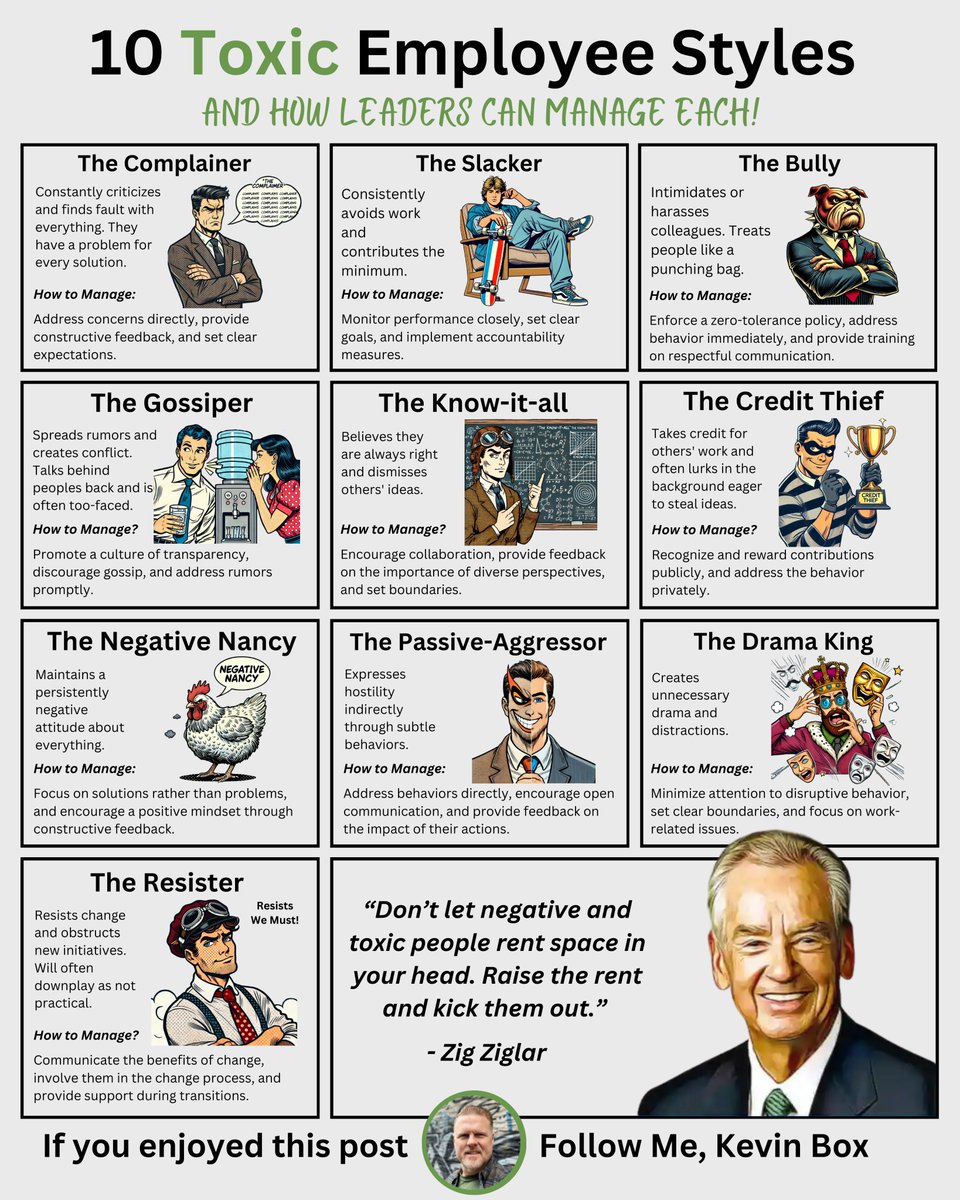
It’s time we equipped leaders with the skills needed to manage toxic workers more effectively.
In this Fuel Your Growth cheat sheet, we explore 10 types of toxic people...
...and how leaders can manage each more effectively.
Here’s the 10 we dive into:
1. The Complainer
2. The Slacker
3. The Bully
4. The Gossiper
5. The Know-It-All
6. The Credit Thief
7. The Negative Nancy
8. The Passive-Aggressor
9. The Drama King
10. The Resistor
♻️Enjoy this? Repost to educate your network
Follow me, Kevin Box🚀for more posts like this.
#fuelyourgrowth
4
3
35
10,234

2 Aug 2024
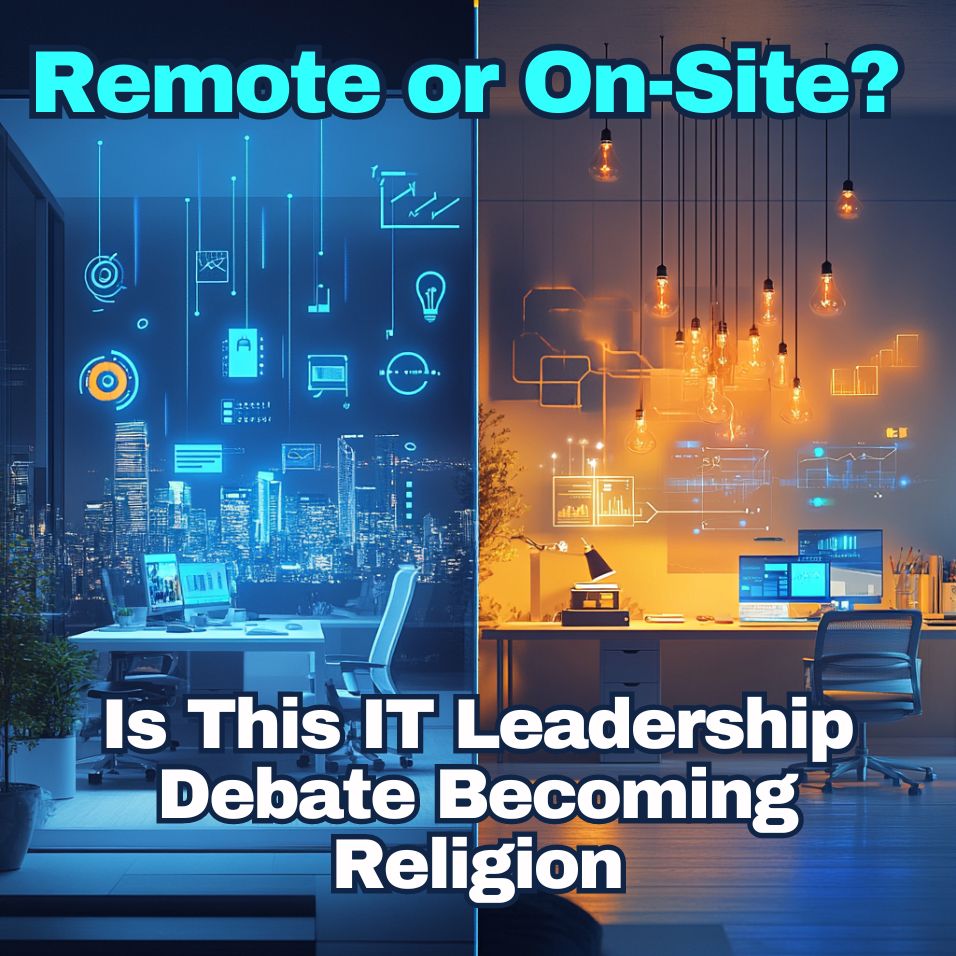
In the evolving landscape of IT leadership, a new kind of fervor has emerged, not over code or hardware, but where work is done.
The great debate between remote and on-site teams has become a central dogma for modern IT departments.
This isn't just about logistics; it's a philosophical divide that speaks to the heart of productivity, employee satisfaction, and operational efficiency.
As an experienced IT leader, I've witnessed this debate unfold within organizations, and I've seen the practical and cultural impacts of both approaches.
Why is this debate so polarized? Let's uncover the real reasons behind the intensity:
1. Cultural Shift
The pandemic has reshaped our work culture, normalizing remote work and creating strong preferences based on recent experiences.
2. Productivity Paradox
While some argue that remote work boosts focus, others believe on-site collaboration is irreplaceable. The truth? It's nuanced.
3. Talent Wars
Remote work has expanded the talent pool, but at what cost to company culture?
4. Innovation Dilemma
Does physical proximity spark creativity, or can digital tools bridge the gap?
5. Financial Considerations
Office space vs. digital infrastructure - each choice carries its own price tag.
Key statistics that shed light on this debate:
Adoption & Preference: 87% of employees choose flexible work when offered, highlighting a strong demand across demographics and job types (McKinsey).
Productivity & Collaboration: Remote work led to a 12% reduction in large meetings and a 9% increase in customer interactions. However, feedback exchange dropped by 50%, impacting work quality (Wellable).
Retention & Savings: Offering remote work options reduces turnover, saving US employers $2.9 million daily in recruitment costs (Wellable).
For tech leaders navigating this divide, three key factors demand attention:
1. Nature of Work:
Analyze which tasks truly require physical presence and which thrive in a digital environment.
2. Employee Well-being:
Consider the human element. Happy employees are productive employees, regardless of location.
3. Technological Infrastructure:
Ensure your systems support seamless work, whether in office or remote.
The remote vs. on-site decision isn't black and white—there's a vast gray area to explore. As leaders, our job is to find the balance that drives innovation, satisfaction, and results.
What's your experience with this divide? Have you found a middle ground that works? Share your insights below.
1
41

22 Jul 2024
Did you know that 1 in 5 workers struggle with a toxic work environment? (Source: Wellable)
Unfortunately, a toxic culture can be heard through minor comments like ones seen in this post.
It is important we correct our speech and build a healthy work environment for all💜
2
2
137

27 Apr 2024
Mr. Xinzhong Li served as Managing Partner & Investment Committee Member at BHR Partners. Prior to joining BHR, Mr. Li served as Executive Director and Investment Committee Member of Bohai Capital. Mr. Li also served as the head of China M&A at DBS Asia Capital Limited, the director of Anglo-Chinese Finance Limited, Executive Director of BNP Paribas Peregrine Capital Limited, Executive Director of Alta Capital (HK) Ltd, Director of Peregrine Capital Limited and Deputy General Manager of Tianjin International Economic Cooperation Consulting Ltd. Mr. Li has representative investment experience include successful investments in Jilin Connell Chemical Industry Co., WELLABLE group reverse merger, China Telecom hotel assets restructuring, etc.,
1
4
12
2,451

26 Jan 2024
Want to work in health & fitness? 👇
Start your job search with this list of 20 handpicked openings and our jobs board featuring hundreds of roles at leading health, fitness, and wellness companies → jobs.fitt.co
𝗛𝗶𝗿𝗶𝗻𝗴? Partner with our recruiters to access the Fitt Insider network of executives and operators → talent.fitt.co
Tonal
VP of Product
lnkd.in/e2cSmpDa
ŌURA
Director of Retail, EMEA
lnkd.in/eWKSDVss
Equinox
Data Manager
lnkd.in/egfs3mPJ
Nix Biosensors
Partnerships Lead
lnkd.in/e3CrWG22
PerformX Live
Marketing Intern
lnkd.in/etR4mRQU
SoulCycle Inc.
Talent Manager
lnkd.in/eH5rTfYg
Project Healthy Minds
VP of Brand Partnerships
lnkd.in/e5Jenn-y
CORE
Head of Marketing
lnkd.in/ePGzMzWV
Empower Sleep
Sales & Growth Manager
lnkd.in/eWcuSWud
FightCamp
Director, Content Production
lnkd.in/e9vEsCzr
Aviron Interactive
Creative Strategist, Performance Marketing
lnkd.in/exigs3a8
hims & hers
Sr. Data Engineer
lnkd.in/ehf_WXcy
Wellable
Content Writer
lnkd.in/eaMNdvGJ
New York Mets
Associate, Performance Technology
lnkd.in/eWFGAQc4
Ultimate Fighting Championship
Athlete Health & Performance Coordinator
lnkd.in/evnv8Xh2
NOBULL
Chief Supply Chain Officer
lnkd.in/esFVhUK8
Nourish
Head of Payer Strategy & Partnerships
lnkd.in/esCk6SpE
Oak Street Health
VP of Product
lnkd.in/eEmkMDMe
IMG Academy
Mental Performance coach, Athletic & Personal Development
lnkd.in/evGK-fMa
MyFitnessPal
Editorial Intern
lnkd.in/erjqRxre
Thesis
Chief of Staff to the CBO
lnkd.in/eYfRNqRS
Once Upon A Farm
Business Planning Manager
lnkd.in/exGB7fUk
Pelago
Director, Recruiting
lnkd.in/eY84Wa4u
Sheffield Wednesday Football Club
Data & Research analyst
lnkd.in/eBMubH-d
UsAgainstAlzheimer's
VP for Early Detection
lnkd.in/eqaUHdnG
Slingshot Biosciences
Sr. Scientist, Process Development
lnkd.in/eSHX-WAU
2
10
1,163

15 Dec 2023
【経済・身体・メンタル面で従業員のウェルビーイングを向上させる高評価のアプリ】
works-i.com/column/roundup/d…
従業員のウェルビーイングをサポートする欧米のサービスの中から、導入実績が多く、企業からの評価が高いアプリ「Wagestream」「Wellable」「Wysa」のサービス内容を紹介します。
5
756

27 Oct 2023
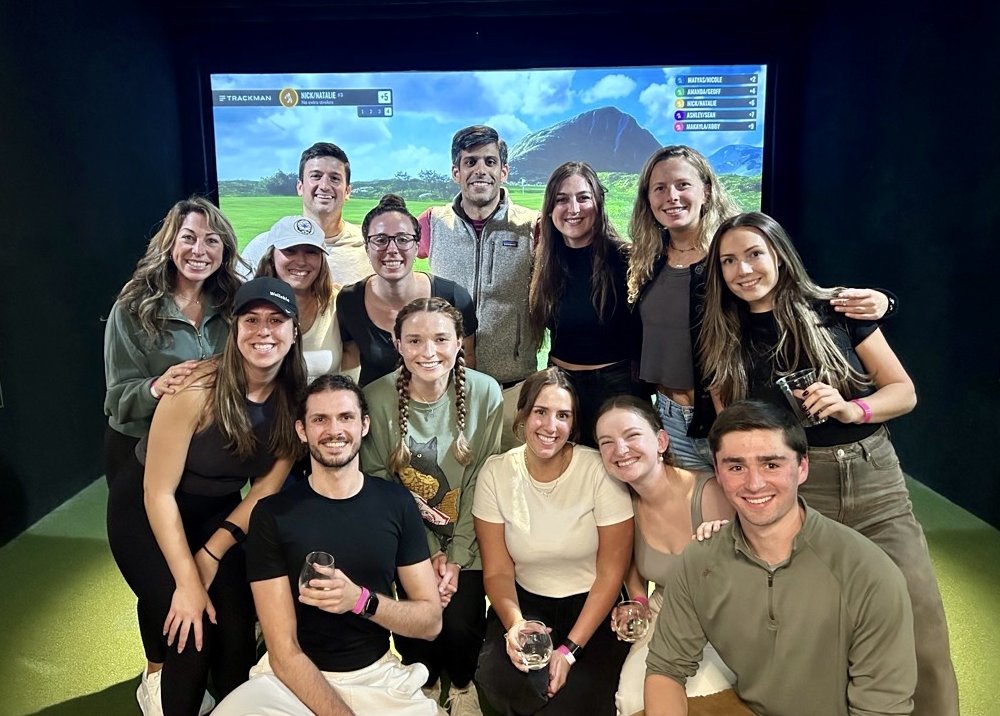
🏌️⛳Swinging into the weekend with memories from yesterday's epic golf simulator event at @fiveirongolf! Big thanks to Geoff and Tate for absolutely crushing their tournament and winning this immersive golfing experience, which they so kindly shared with the Wellable team.🙌🧡
1
4
494


5 Jun 2023
so it's expected of us to keep focus on the promises of God in His Word. May God heal us of all forms weariness and fatigue.🙏
#WellAble
2
7

27 Mar 2023
Views from above around CDK! We're eagerly awaiting the removal of the skating rink at Skate Kendall to make way for our seasonal beer garden with Vitamin Sea Brewing, bocce ball and cornhole with Volo Sports, and fitness series with Wellable starting April 4th!



2
545
14 Feb 2023
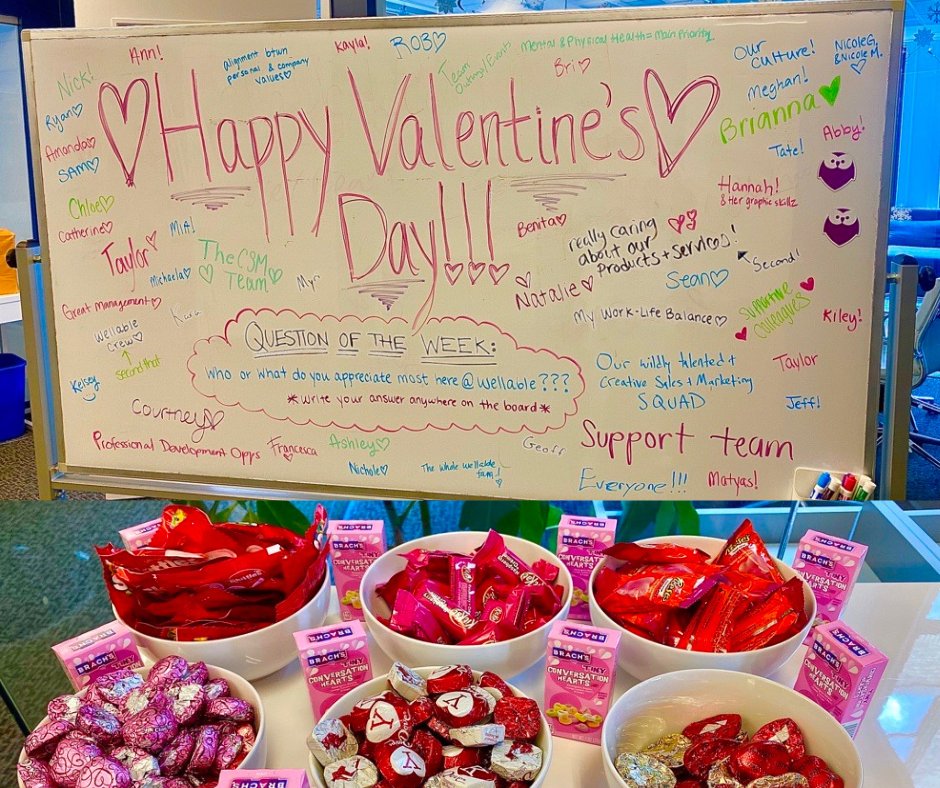
🧡Happy Valentine's Day from our wonderful Wellable crew! To celebrate, we brought in some Valentine-themed candy and created an employee appreciation board! Check out all of the shared love below. #EmployeeAppreciation #ValentinesDay
3
100

23 Dec 2022
Employee wellness platform Wellable acquires DailyEndorphin #Wellness #health #ui via twinybots.ch mobihealthnews.com/news/empl…
2
3
21 Dec 2022
We are thrilled to announce that Wellable has acquired DailyEndorphin! @DEndorphin customers will now benefit from Wellable’s modern technology and comprehensive ecosystem of well-being solutions! #wellness #employeehealth #workplacehealth

4
86
20 Dec 2022
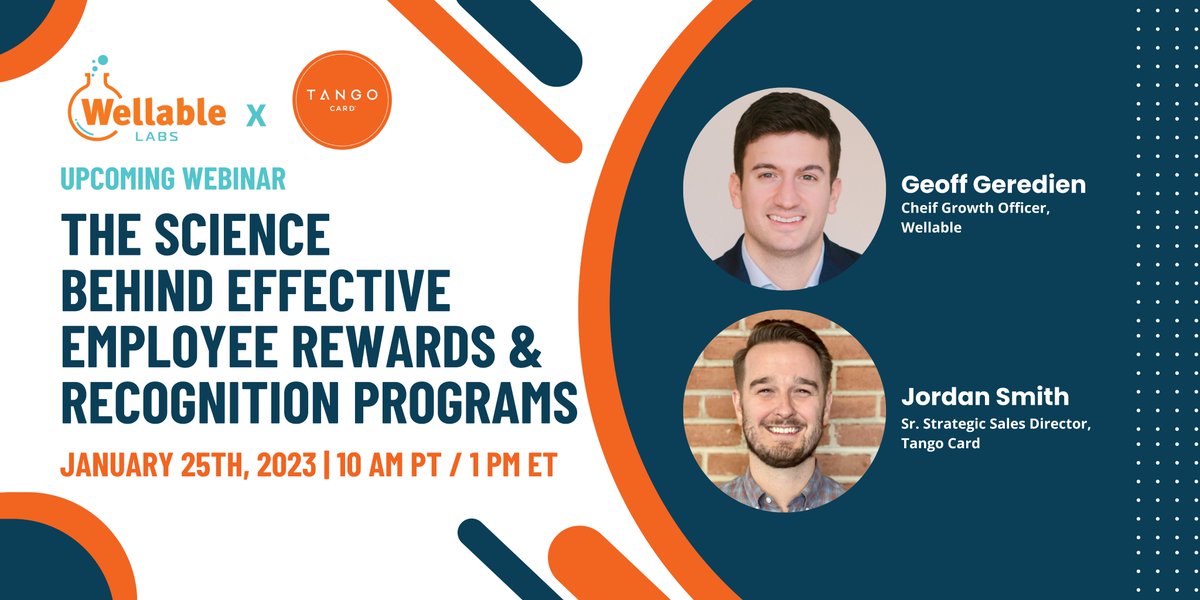
Want to stay ahead of the curve in 2023 with modern employee rewards and recognition practices? Tune in on 1/25 to hear Geoff Geredien, CGO at Wellable, and Jordan Smith, Sr. Strategic Sales Director @TangoCard, discuss #employeeretention best practices: us02web.zoom.us/webinar/regi…
1
2
73