
In meiner TCG Niche würde ich never ever Whatnot oder generell Live Auktions-Livestreams machen. Finde die sehr fragwürdig und das da mittlerweile mit super vielen kleineren Creatorn so krass geworben wird (Tiktok) auch ganz kritisch.
1
1
🍮cloudy。*゚ ☆ retweeted

okay that actually did take me two days with breaks and whatnot but YAYYY i put more whimsy in my uni bag
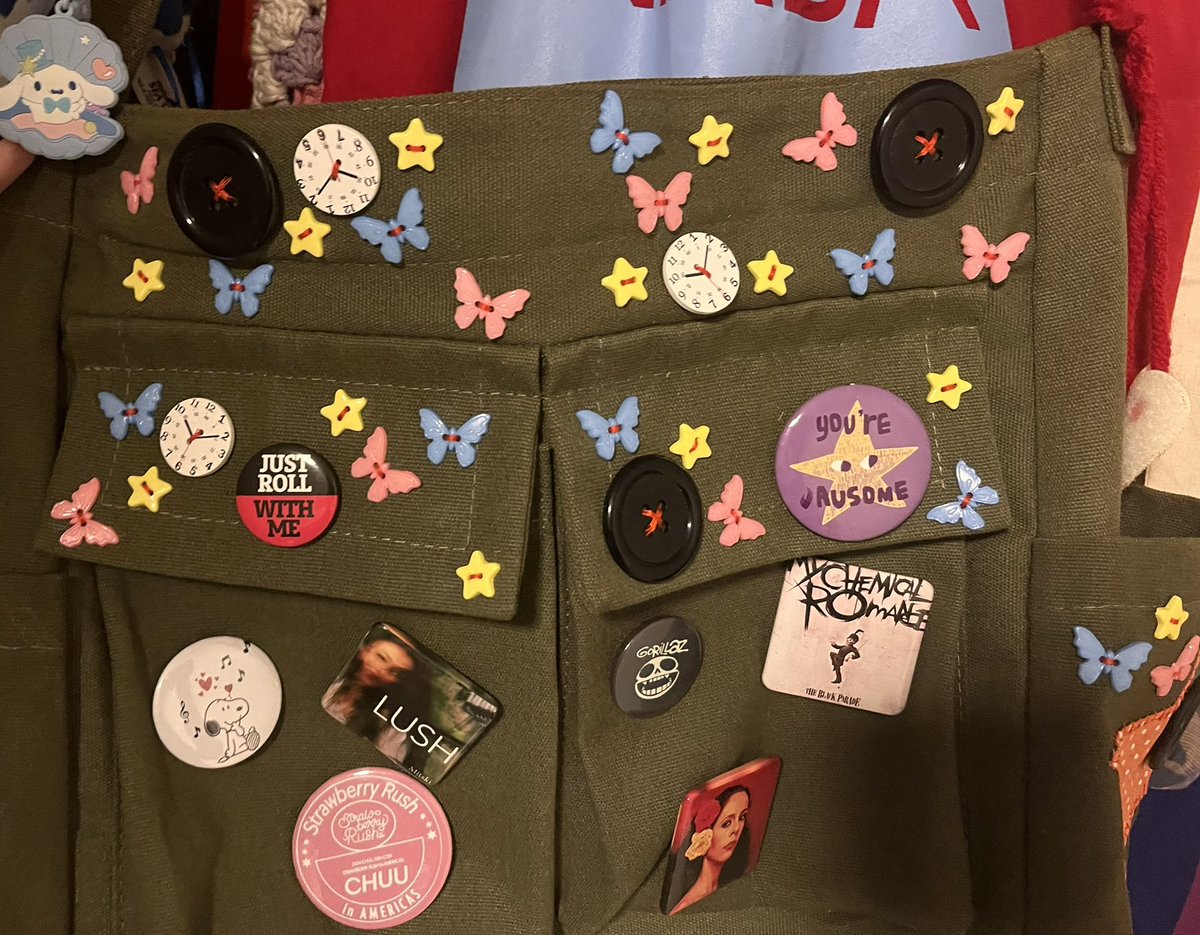
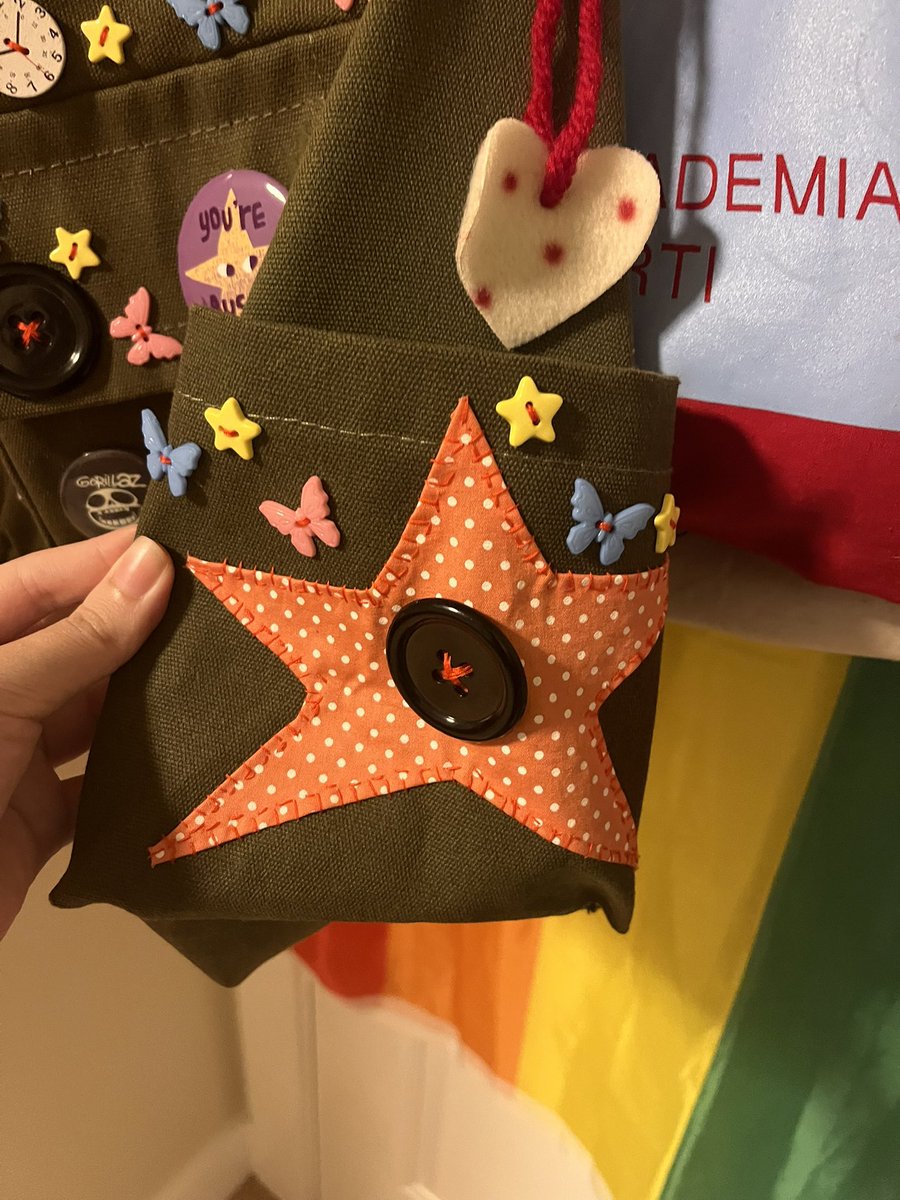
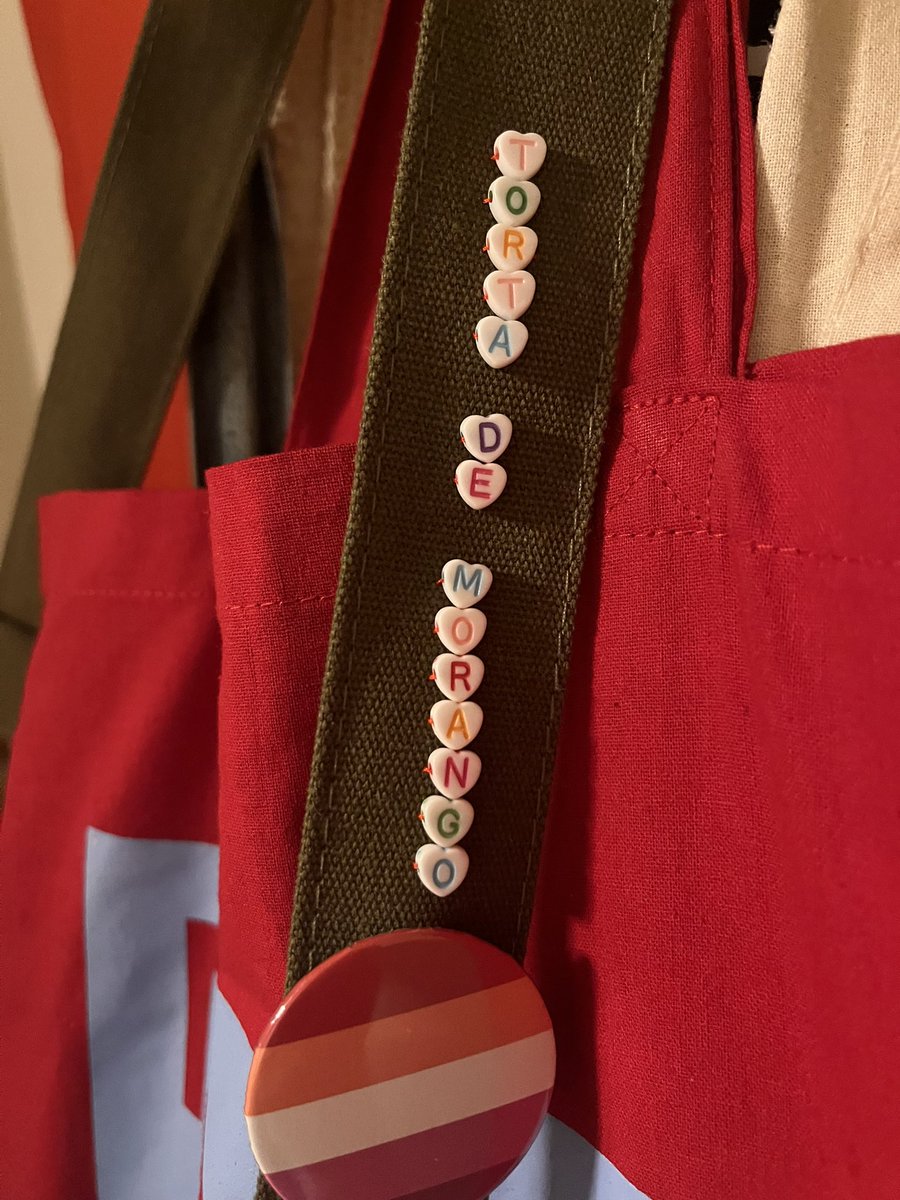

im so bored im gonna start a new sewing project just wait for the results in like two days
1
2
15

🧵¿Cómo funciona el nuevo programa de #patrocinios de Substack?
1. Socios estratégicos: Uber, Whatnot, Granola, Balenciaga, T-Mobile, Polymarket y Yahoo Scout.
2. Acuerdos directos entre marcas y creadorxs que ya han construido comunidades sólidas alrededor de su trabajo

1
6

Especially if it’s impacting games like halo and fallout and whatnot and gears of war, and fable as well, yes fable is multiplatform but I’d imagine the next fable game if it sells well for them will be exclusive to the brand, we’ll see tho, I think with them focusing on
1
14

early uekawa art was all about breaking the rules and whatnot, but i feel like when it's breaking the rules, it shouldn't make the drawing WORSE. that's what i feel like this one is doing.
the extra quill, the shoulder arm, and the lowered eyebrow are making it worse

1
2

Mass tourism is gonna massively scale back over the coming decades, as most people do cultural travel to flex. Almost nobody goes to the Louvre for the Louvre, they go to have said to have been there - to have a bad picture taken besides the Mona Lisa.
Most people would not travel to cultural spots if they were sworn to secrecy.
When you can automatically imitate a whole euro-trip with a prompt and virtually for free, there's no flex value, as the brokest people can imitate your "evidence" and the AI generated one looks better as there's no crowds, unless you want them.
Similar thing happened with the aristocratic Grand Tour, where noblemen would go to Italy and whatnot for years at a time, to showcase how cultured/rich they were. This tradition more or less died out when trains made travel more affordable and more available, as it stopped being a flex.
That leaves us with people who want to travel because of genuine cultural reasons. I'd say those are a minority (I include myself there, but I'm a pretentious pseudo intellectual). Are these people plentiful and wealthy enough to make up for the 90% of people travelling for bragging rights? Doubtful.
This will create a negative feedback loop where travel becomes more expensive because there's not enough people creating economies of scale to fund the supply necessary to keep it affordable. Yes, initially there's a race to the bottom with lowering prices, but eventually the providers just close shop.
Cultural travel will never die, but it'll cater to richer people, and be inaccessible to everyone else.
Don't get me wrong, assuming that normal people still have money, they'll definitely want to travel. But they'll not feel compelled to get the touristy selfies, they'll instead go to resorts, to get pampered in luxury places by a pool or somesuch.
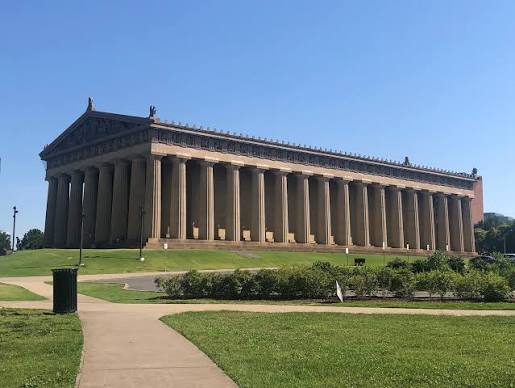
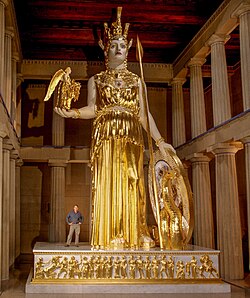
Furthermore, the simulacra of real things are starting to get more compelling. For example, there's a full-scale replica of the Parthenon in Nashville, with a giant golden statue of Athena inside.
If you want to see how the Parthenon was like 2000 years ago, ironically travelling to the U.S. might be the better option. We know full well what the Parthenon looked like, it was blown up in the 17th century, so rebuilding an accurate simulacra is not out of the question. Europeans deciding not to is a conservation decision, the Japanese would not have made the same choice - as proven by them constantly rebuilding historical sites that get damaged/destroyed. For them, it's the idea that is more important than the form. Each society decides how they view the Ship of Theseus.
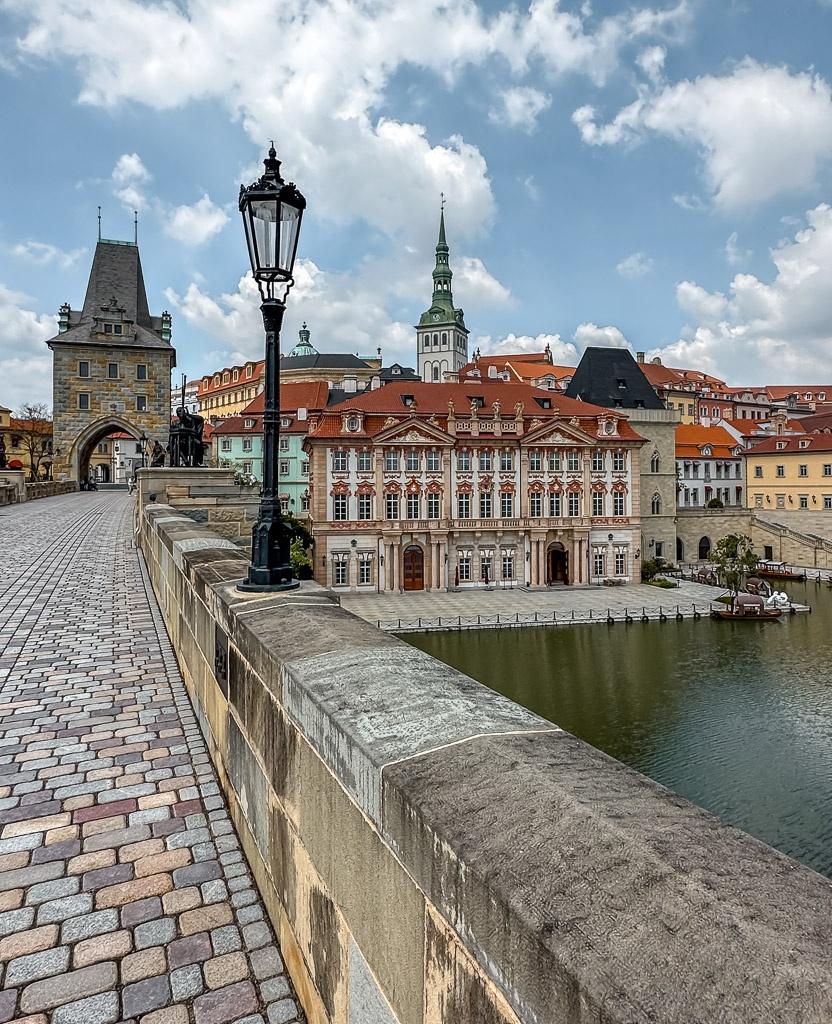
Or look at the Huawei campus, which has one-to-one copies of the buildings of Bruges, Český Krumlov, Verona, Bologna, Budapest, Tallinn, and Granada. This random campus in Dongguan, China ironically feels increasingly more European than Europe does at times given that it's increasingly deracinated.
While yes, these simulacra places are artificial and surface-level, the surface is exactly where most people stay.
It's arrogant to assume that Europe will forevermore retain the cultural monopoly of Western thought.


Europe will persist forever from tourism and other rentier behaviors.
It's the only continent with such a density of history, beautiful cities, landscapes, it's the only 100% safe region on earth. I can go on.
1
23


[[ im a little scared about the recent stuff about qwel and whatnot, but im waiting until her response to decide how i finally feel on it. but right now i just feel unsure
9

I was LITERALLY JUST THINKING about what Wanda vs the backrooms would be like, since they’re both reality-altering entities and whatnot.
1
1
13

IT MAKES SUCH A DIFFERENCE!!! It's good for learning anatomy and whatnot, but when you really wanna start pushing proportions it's such a hinderance
1
3

What isn't cool is what the pride month or the pride parades are doing to society. It has gone from a movement that sought equality to now pushing agendas of big corporations and whatnot and in many places, parades are just open fetish displays n obscenity. It'll catch on!
11

no, what’s abominable is what happens to a society that doesn’t have the right to bear arms. This would be fine in the US because no cop wants to get blasted for trying to arrest internet racists and whatnot. But UK people are completely at their government’s mercy.

It's truly abominable how quickly it went to "no it's just porn" to "everything in the centralised Internet is on lockdown until we are able to arrest everyone for memes"
1
1
20

honestly that's pretty much what the current 343 lore is too, with the Mantle Of Responsibility and whatnot
1
2
17


She wasn’t more famous then zendaya ever like im sorry but being a YouTuber girlfriend and whatnot don’t make you famous sorry
18


I have been playing through them all from the beginning and trying to 100% them. just about finished with 6. If you want to play through then quickly and have the pixel remaster they have 4x exp and whatnot options
265

28m
My ex-wife and current housemate has had a stable of serums and whatnot for as long as I've known her, also, sunscreen. It's Colorado, there is no atmosphere. Moisturize.
Young people botoxing disgusts me for them and for society at large.
You live a life, look like it.
4

Well, when you're in Rome, you behave the Romans do. It's only ideal to have more yatch and whatnot in Miami. I mean, they've the beaches for it, don't they? And the weather too, apparently 😕.
Jun 14

Quit porn
and replace your worn-out boxers
get a haircut every 2 weeks
shower twice daily
own a few quality polos and button-down shirts
have at least 5 pairs of footwear for different occasions
own at least 2 good perfumes. If you can afford it, invest in 1 quality designer fragrance
use a roll-on deodorant (not antiperspirant)
drink a glass of water first thing in the morning and do a few push-ups
brush your teeth twice a day and clean your tongue before retiring for the day
use the restroom before leaving the house
dress well no matter where you’re going
above all, love God
save, bookmark, and share with your brothers
buena suerte as you walk with me. 🫱🏼🫲🏾
25