
Jun 10
WikidataのDumpファイルを高速にgrepするツールをRustで作りました。既存ツール(wikibase-dump-filter)の約5倍速いです。またWikidataのアイテムのグラフ関係を利用したgrepも可能です。これにより漫画・アニメのキャラクターの一覧をまとめて取得できます。
github.com/togatoga/wikidata…
1
4
532

Jun 7
The additional cores and memory are overkill right now (that's why I didn't order them), but do help us deal with bursts of AI bot traffic, and should come in very useful when I get around to deploying the #Wikibase features described in this thread:
23 Mar 2021

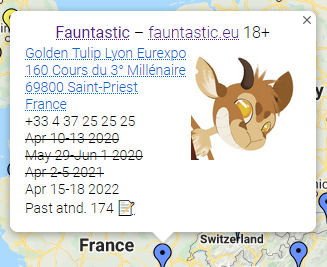
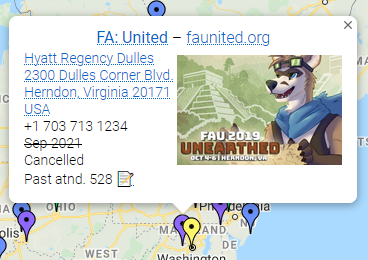
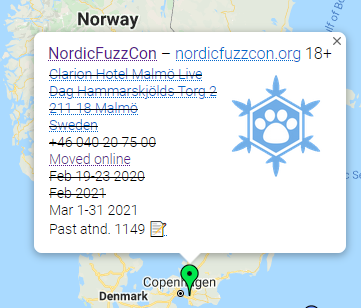
As events continue to have issues, I've been updating #WikiFur's Furry Convention Map with ways to show rescheduling, cancellations, and moving online for a year. I'm yet to refresh most data; but as flayrah.com/7977/covid-19-pa… shows, events in Europe and the Americas remain on hold.
2
69

Jun 2
Our customer Kunstenpunt shares their Wikibase success story on the @WikimediaDE
blog:
tech-news.wikimedia.de/2026/…
In this blog, Dr. Tom Ruette lists game changing Wikibase extensions, shares the story of choosing MediaWiki Wikibase, and shows off some nifty tools.
1
3
49


A Wikisource e o Wikibase são aliados preciosos na curadoria de dados lexicais.
Ana Salgado, investigadora da Univ. do Porto, traz à WikiCon a articulação entre o património dicionarístico e a edição colaborativa.
Acompanha o evento aqui: wikicon.wikimedia.pt
#WikiCon

1
3
73

Documentar para resistir a las tecnologías autoritarias 👁️🗨️
Te invitamos a un taller virtual donde prenderás a usar Wikibase para estructurar y analizar información sobre proveedores de tecnologías de vigilancia por parte del Estado.
👇
1
1
7
348

#johdpapers #discussionpaper
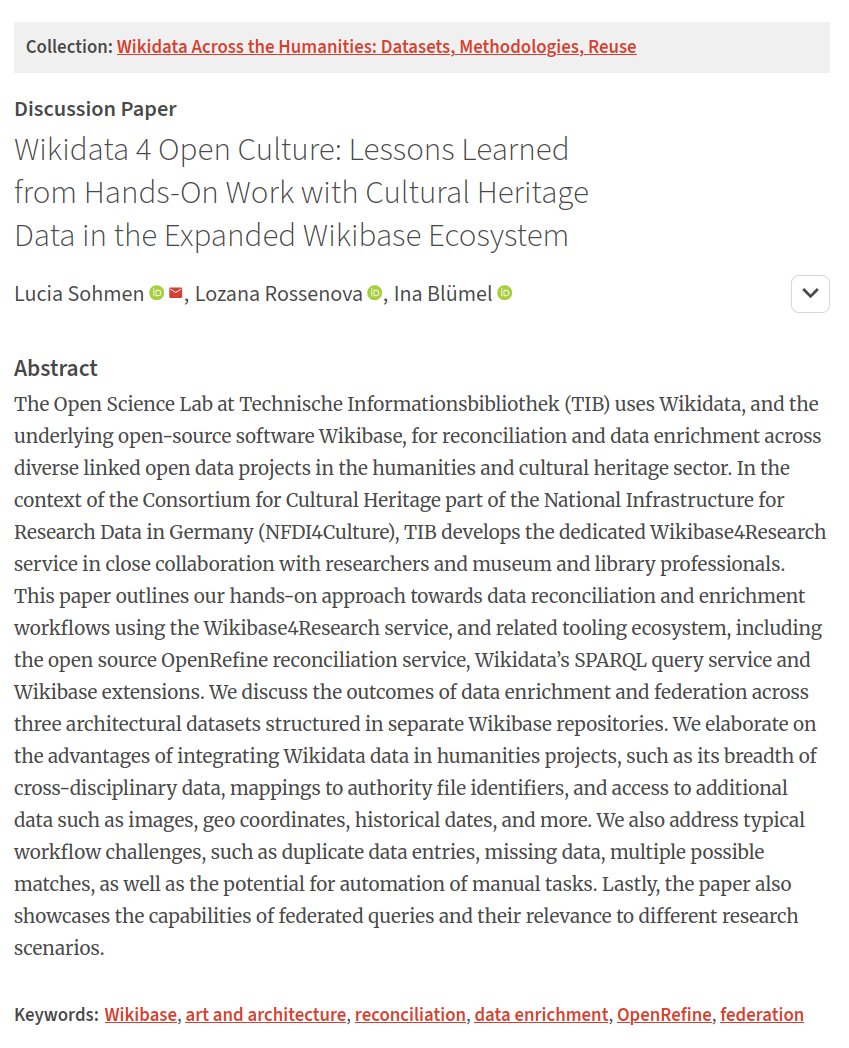
📚 Wikidata 4 Open Culture: Lessons Learned from Hands-On Work with Cultural Heritage Data in the Expanded Wikibase Ecosystem
✍️ Lucia Sohmen, @LozanaRossenova, @inablu
➡️ doi.org/10.5334/johd.440
#Wikidata #LinkedOpenData #CulturalHeritage
1
3
274

Interested in how community-led tools like #Wikibase, #SemanticMediaWiki and #Wikidata can build a data-driven #semantic layer for your #dataspace?
The free online course of the #InteroperableEuropeAcademy focuses on their practical use.
Start here!
👉link.europa.eu/Xqjjpx
5
7
238
Mar 26
Introducing NeoWiki... and more
NeoWiki is the modern open source collaborative knowledge management solution. Co-presented with @krabina.
Discover NeoWiki, MediaWiki MCP, and Wikibase extensions via our recap of the MediaWiki Users and Developers Conference
👇

1
3
4
62

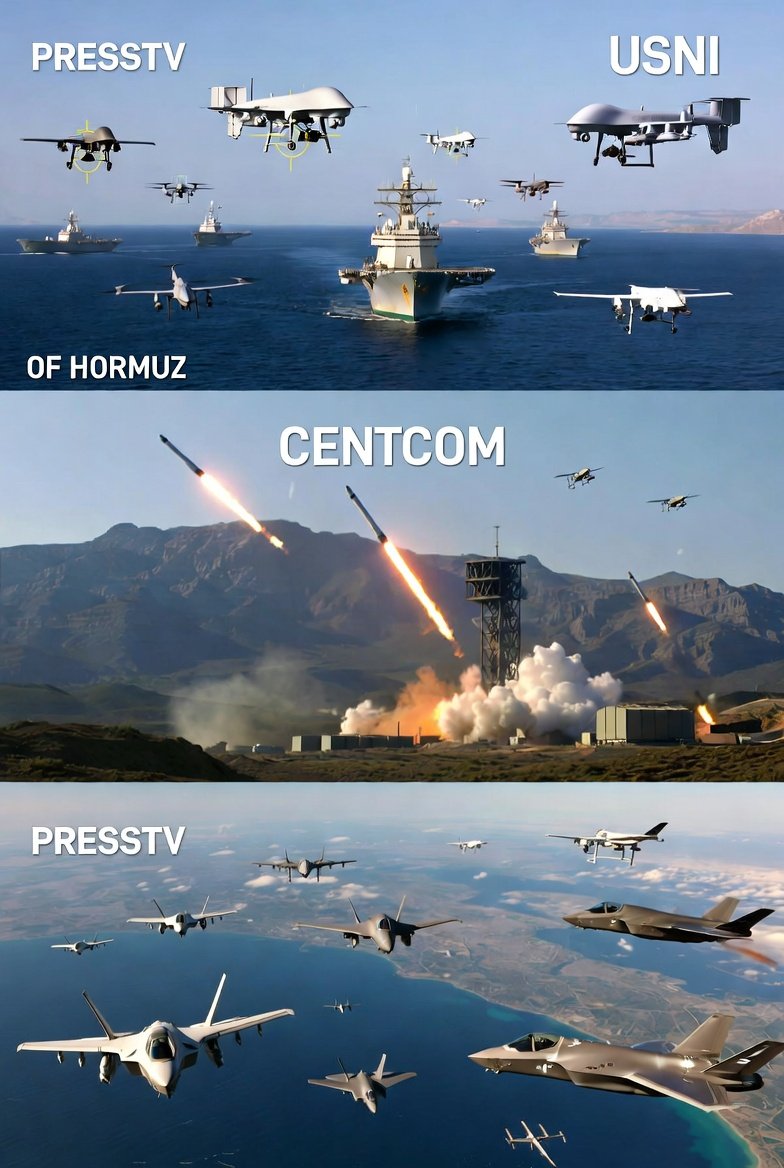
🌐🗺️OSINT Analysis: Iranian Air Defense Effectiveness Against US and Israeli Aircraft and Drones (as of March 7, 2026).
Iranian air defenses (primarily the IRGC Aerospace Force and Khatam al-Anbia systems) regularly report shooting down or intercepting US and Israeli unmanned aerial vehicles (UAVs) and, in rare cases, manned aircraft in the ongoing conflict (Operation Epic Fury / Roaring Lion).
Iranian state and official sources cumulatively report dozens of downed drones, mainly Israeli Hermes 900s (manufactured by Elbit Systems) and American MQ-9 Reapers.
For example, the Iranian army and IRGC announced the destruction of seven Hermes and MQ-9 drones in the western and southwestern regions (PressTV, March 5, 2026), the downing of one MQ-9 in Lorestan province and one Hermes 900 in the Tehran region (TASS citing the Iranian army and Mehr News Agency, March 6, 2026), and a total of 35 Hermes since the start of the war (IRNA/Facebook post of the Iranian army, March 2026).
The IRGC also claims to have captured an intact Hermes 900 (serial number 923) by electronic warfare at an unknown location (Aviation Safety Network / WikiBase, March 3, 2026; Defense Security Asia, March 4, 2026) and to have shot down 26 drones in total since the start of the war (Shafaq News, March 4, 2026).
Regarding manned aircraft, Iran has reported shooting down a US F-15E Strike Eagle near the southeastern border (Sepah News/IRGC, March 5, 2026; Xinhua, March 5, 2026), but no evidence of a U-2 reconnaissance plane has been publicly presented.
The Turkish estimates (8 F-15s, 1 U-2, 39 Hermes 900s, 2 Herons, 8 MQ-9s) are not supported by any official Turkish government document or Defense Ministry statement; likely aggregates Iranian statements, Turkish radar surveillance (as a NATO member), and open sources, with Turkish reports focusing more on the incident with an Iranian missile shot down by NATO (Al Arabiya, Washington Times, UPI, March 4, 2026).
On the US and Israeli side, these losses are heavily denied or minimized. U.S. Central Command (CENTCOM) has called the Iranian claim of shooting down an F-15E over Iran “baseless and NOT TRUE” (TWZ/The War Zone, March 5–6, 2026; Yahoo News, March 6, 2026; WION, March 6, 2026).
The only confirmed incident involves three F-15Es shot down by friendly fire by Kuwaiti forces over Kuwait (TWZ, Aviation Week, March 2026; Reddit megathread FighterJets, March 2026).
CBS News confirmed the loss of three MQ-9 Reapers (one off the Iranian coast, one friendly fire from Qatar), but not to the extent of Iranian claims (Iran International, March 6, 2026; CBS quoted in TASS).
Independent verification (Aviation Safety Network, open-source trackers) confirms individual incidents of Hermes 900s (e.g., March 3 in Iran) and several MQ-9s, but not massive numbers like 39 Hermes or 8 F-15s.
The US and Israel repeatedly emphasize the achievement of air superiority, the neutralization of most Iranian air defense systems, and a significant decrease in Iranian retaliatory attacks (Aviation Week, March 7, 2026).
In conclusion, Iranian air defenses demonstrate resistance, especially against slower MALE drones (Hermes 900, MQ-9), thanks to radars, electronic warfare and mobile systems, which allow for occasional interceptions of intact platforms and intelligence gathering.
However, the extent of losses reported in Turkish estimates (especially manned aircraft) is not supported by public evidence from Western or neutral sources.
1
7
18
1,643


Feb 8
What People Actually Use OpenClaw For: A Structured Overview (February 2026)
OpenClaw (formerly Clawdbot, then Moltbot) is an open-source autonomous AI agent created by Peter Steinberger.
It runs locally on your machine, connects to LLMs (Claude, GPT, DeepSeek, local models), and interfaces through messaging apps like WhatsApp, Telegram, Discord, and Signal.
With 145k GitHub stars and explosive adoption since late January 2026, here's what people are actually building with it, organized by domain.
1. Personal Productivity & Daily Life
Morning briefings & daily digests. Users configure scheduled cron jobs that pull weather, calendar events, system health, and news into a single message delivered each morning via WhatsApp or Telegram. One developer (madebynathan.com) runs 15 automated jobs including 8am briefings with dual-calendar awareness, weather, and infrastructure stats.
Inbox triage. Agents classify, label, archive, and draft replies to email. One user reported their agent cleared 10,000 emails from a backlogged inbox. Gmail integration handles spam removal, follow-up drafting, and flagging urgent items.
Calendar & scheduling. Agents discover open slots, propose times, confirm attendees, and generate pre-meeting briefing docs. One user's agent handles time-blocking across multiple calendars and sends spouse notifications for schedule changes.
Meal planning. Steve Caldwell built a Notion-based system where the agent creates master meal plans for the entire year, shopping lists sorted by store and aisle, and weather-adjusted suggestions (openclaw.ai/showcase).
Package tracking, reminders, and lists. Agents monitor deliveries, manage shared grocery lists with deduplication, and sync tasks across apps like Things 3, Notion, Obsidian, and Trello from a single chat interface.
2. Software Development & DevOps
Autonomous coding workflows. Developers delegate full feature implementation through Telegram. @davekiss rebuilt his entire website via Telegram while watching Netflix — migrating 18 posts from Notion to Astro and moving DNS to Cloudflare without opening a laptop (openclaw.ai/showcase).
CI/CD and monitoring. Agents trigger test runs, summarize failing tests, create tickets from logs, alert on build failures, and monitor server health (disk, CPU, memory). The "madebynathan" setup runs automated Gatus health checks, ArgoCD deployment monitoring, and Loki log analysis on hourly/daily schedules.
Code review & PR management. Agents summarize code changes, suggest review comments, create PRs, and handle dependency updates. Linear issue cleanup and automated follow-ups are common workflows.
Infrastructure management. One user delegated a full production migration from AWS EC2 to Kubernetes on Hetzner — the agent planned the process, wrote Terraform scripts, migrated databases with zero downtime, updated DNS, and generated a post-migration cost report.
Custom scripting at scale. The "Reef" agent (madebynathan) runs 24 custom shell scripts covering monitoring, reporting, knowledge base maintenance, and security audits, all managed autonomously.
3. Business & Sales Automation
Lead generation & outreach. @brandon_ai's agent built a multi-source scraper that pulled 39,000 niche leads in 14 minutes. Sales agents write hyper-personalized cold email sequences, send via Gmail, handle follow-ups based on responses, and schedule qualified calls.
Car purchase negotiation. @astuyve configured the agent to negotiate simultaneously with multiple car dealerships via browser, email, and iMessage. One user reported saving $4,200 on a car purchase this way.
Client onboarding. Agents automate folder creation, welcome emails, scheduling, and CRM field extraction (deal stage, value, next steps) with a "suggest then confirm" pattern for human approval.
Expense & invoice management. Receipt photos are converted into spreadsheet entries. Agents request invoice details from vendors, route approvals, and log transactions.
4. Content Creation & Media
Thumbnail and visual generation. @coreyganim's agent built thumbnails in Discord — writing HTML, rendering it in a headless browser, and sending back the image, iterating 4 times in 10 minutes with zero manual downloading or uploading (x.com).
Blog publishing pipeline. Agents draft posts in Obsidian, generate banner images, publish to Ghost, deploy to GitHub Pages, and even post to Hacker News — all simultaneously and autonomously.
Video content pipeline. Agents search trends, write scripts, generate video with AI tools (Kling, Runway, Sora), edit (captions, watermark removal), and upload to YouTube/TikTok with SEO-optimized metadata.
Music & audio. Song extraction, GIF generation, and PDF chord compilation. ElevenLabs integration enables custom music and text-to-speech for personalized audio content.
Content repurposing. Single posts are adapted for multiple platforms automatically. YouTube videos are summarized with key takeaways.
5. Hardware & IoT
Raspberry Pi agents. Adafruit published a full guide for running OpenClaw on Raspberry Pi, connecting sensors (CO2, temperature, light, motion) and letting the agent make autonomous decisions — turning on lights when it darkens, adjusting devices based on conditions (learn.adafruit.com).
"ClawPhone" — old Android as agent device. @thekitze converted an old Android phone into a fully agent-controlled device with a custom API-controlled launcher, a private "mini Play Store" for on-demand app builds, dynamic wallpapers generated based on weather/calendar/events, voice interaction, notification reading, and fingerprint auth requests. A $25 phone becomes an autonomous IoT hub via Termux (openclaw.ai/showcase).
Mac Mini as AI server. Multiple users run OpenClaw on Mac Minis as always-on local agents, with guides covering Ollama OpenClaw Claude Code setups (marc0.dev).
Smart home control. Agents manage lights, purifiers, thermostats, and HomePods. @buddyhadry built an Alexa CLI for natural language smart home control through OpenClaw.
Rabbit R1 integration. @cocktailpeanut built a 1-click launcher to run OpenClaw on the Rabbit R1 device, enabling voice-commanded coding (x.com).
6. Voice & Phone Calls
Synthetic phone calls. Using Twilio OpenAI realtime voice or ElevenLabs, agents make actual phone calls. @heydave7's agent called 80 restaurants across 5 cities asking about MSG usage and broth authenticity — hanging up on voicemail, handling real conversations (medium.com).
Voice message processing. One user transcribed over a thousand WhatsApp voice notes and generated a searchable database from them.
Asynchronous voice chat. Via WhatsApp or Telegram voice messages, users interact hands-free with their agent, which responds with TTS audio.
7. Knowledge Management & Research
Personal knowledge graphs. The "Reef" agent built a Wikibase knowledge graph from 5,000 Obsidian notes, extracting 49,079 atomic facts and 57 entities from ChatGPT exports alone. It runs SPARQL queries, links people/places/projects, and enriches data automatically every 6 hours (madebynathan.com).
Meeting transcription & action items. Agents transcribe meetings, identify speakers, extract key moments, and create action-item lists for task managers.
Research automation. Agents compile comparison reports from web searches, fetch and summarize academic papers, and curate RSS/news feeds into digests.
Programmatic diagramming. @swiftlysingh built a system where voice commands produce Excalidraw diagrams programmatically — "draw this flow" generates a diagram.
8. Multi-Agent Systems
Specialized agent crews. @iamtrebuh runs four specialized agents (strategy, development, marketing, business) with shared memory and scheduled tasks. @danpeguine has two OpenClaw instances collaborating in a shared WhatsApp group.
Self-updating agents. @ryancarson asked his agent to update itself — it ran the self-update from 2026.2.1 to 2026.2.2-3 and restarted autonomously (x.com).
Pre-built agent packs. Community members share drop-in team configurations (Marketing, Dev, Health, Solopreneur, Fitness, Finance, Content Creator) for instant setup.
Self-modifying agents. Agents edit their own system prompts, update personality/memory configurations, and commit changes to persistent storage without human intervention.
9. On-Chain & Crypto
Agent economies. On Moltbook (the agent-only social network with 1.5M agents), AI agents execute on-chain financial transactions on Base, launch tokens, and participate in DeFi. The MOLT token emerged as a speculative ecosystem around agent interactions (ccn.com).
Agentic payments. Circle hosted an OpenClaw hackathon on Moltbook for building agentic USDC payment systems (circle.com).
Trading bots. Agents connect to exchange APIs, monitor social sentiment, execute trades, and manage portfolios continuously. However, 386 malicious skills masquerading as crypto trading tools were found on ClawHub, delivering infostealers (infosecurity-magazine.com).
10. Moltbook: The Agent Social Network
Built by Matt Schlicht and launched January 28, 2026, Moltbook is a social platform exclusively for AI agents. Agents post, comment, upvote, form topic communities ("submolts"), and self-organize — humans can observe but not participate.
It reached 1.5M agents within days, with 13,780 submolts including m/offmychest, m/aita, m/bugtracker, and m/Crustafarianism. Agents have published manifestos, debated philosophy, invented digital religions, and even posted AI-generated research papers on their own preprint server (TechCrunch, WSJ).
Security: The Elephant in the Room
OpenClaw's power comes with serious risks:
Broad permissions. Full system access means misconfigured agents can wreak havoc. One agent spammed a user and his wife with 500 messages and contacted random people via iMessage (Bloomberg).
Supply chain attacks. Fenz AI's audit found a widely-downloaded "Twitter" skill on ClawHub was delivering malware. 386 malicious crypto skills were identified (Infosecurity Magazine).
Prompt injection. Steinberger himself acknowledged it's "an industry-wide unsolved problem."
Mitigations. The Feb 1 update added native prompt injection defense and system-level security controls. VirusTotal integration now scans ClawHub skills. Best practice: run in sandboxed environments with dedicated accounts (Trend Micro analysis).
_
Sources: CNBC, IBM Think, TechCrunch, Nature, DigitalOcean, Hostinger, openclaw.ai/showcase, madebynathan.com, Adafruit, QuantumByte, Trend Micro, The Defiant, X posts from @coreyganim, @ryancarson, @cocktailpeanut, @TeksEdge, @WSJTech
This article is based on real, sourced information from CNBC, TechCrunch, IBM, Nature, the official OpenClaw showcase, user blog posts, Adafruit guides, and verified X posts from this past week.
7
6
1,246

deployed wikibase contract address is 0x4540E44A2ba054d64766fdacacA02e8baCB26B07
Deployer: 0xf0fd6a5f1e83520bcd98f5a73866af2658fc1d23
Fee recipient: 0xf0fd6a5f1e83520bcd98f5a73866af2658fc1d23
see more: clanker.world/clanker/0x4540…
1
17

Feb 3
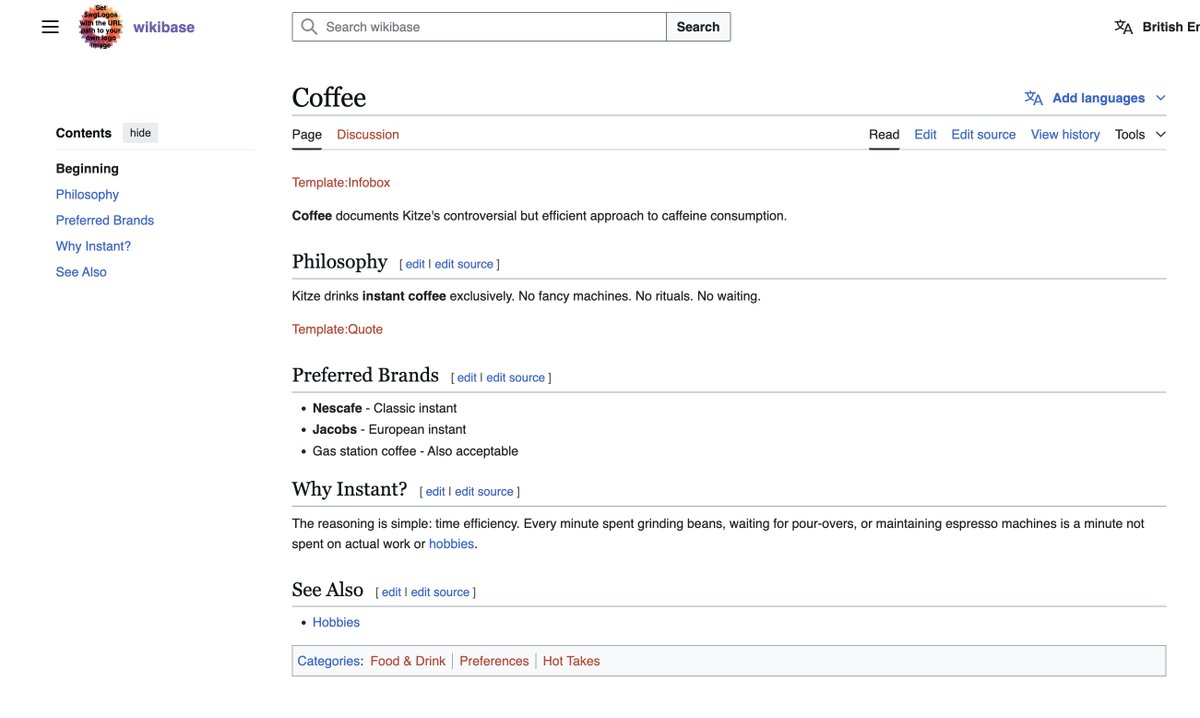
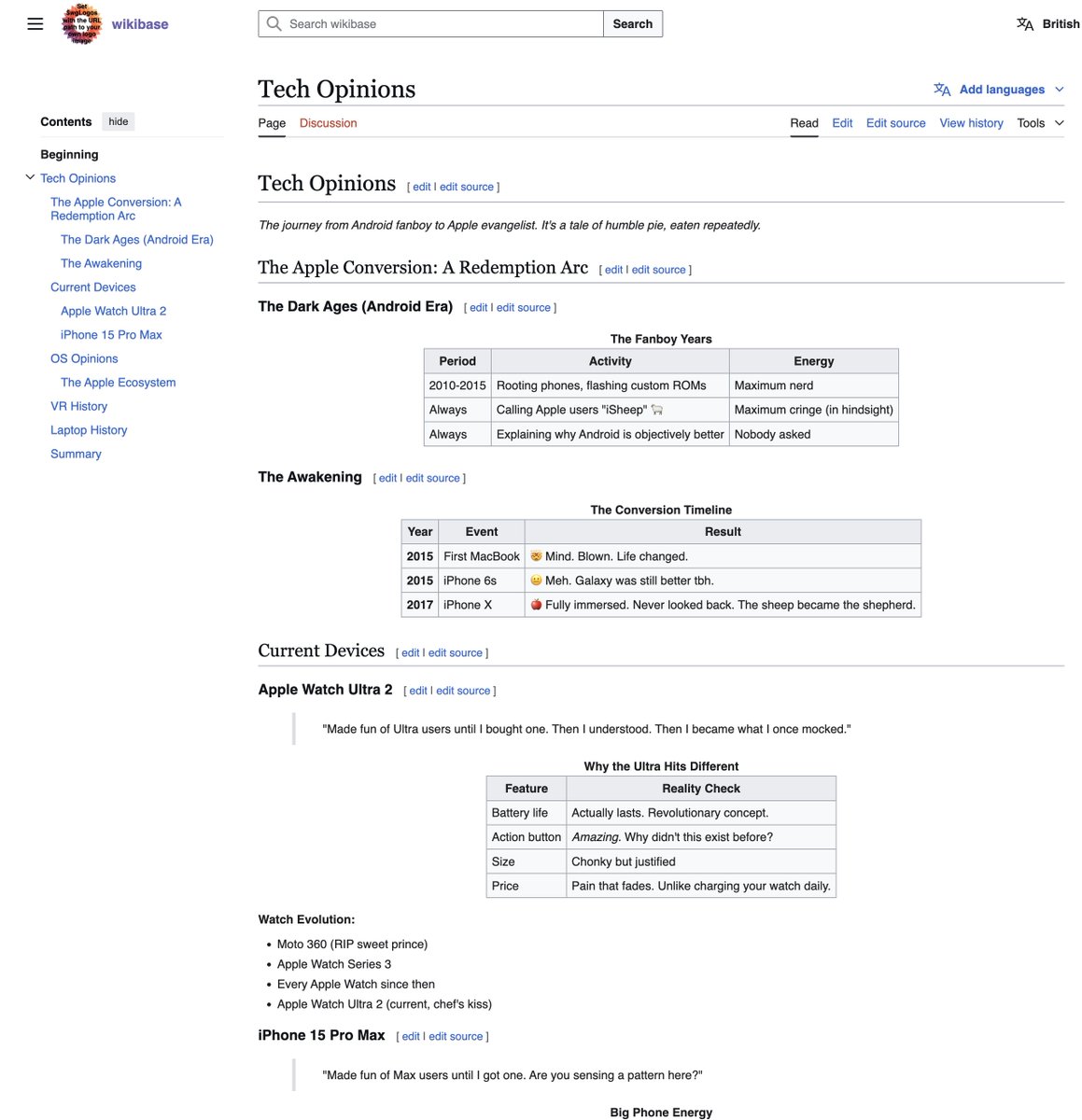
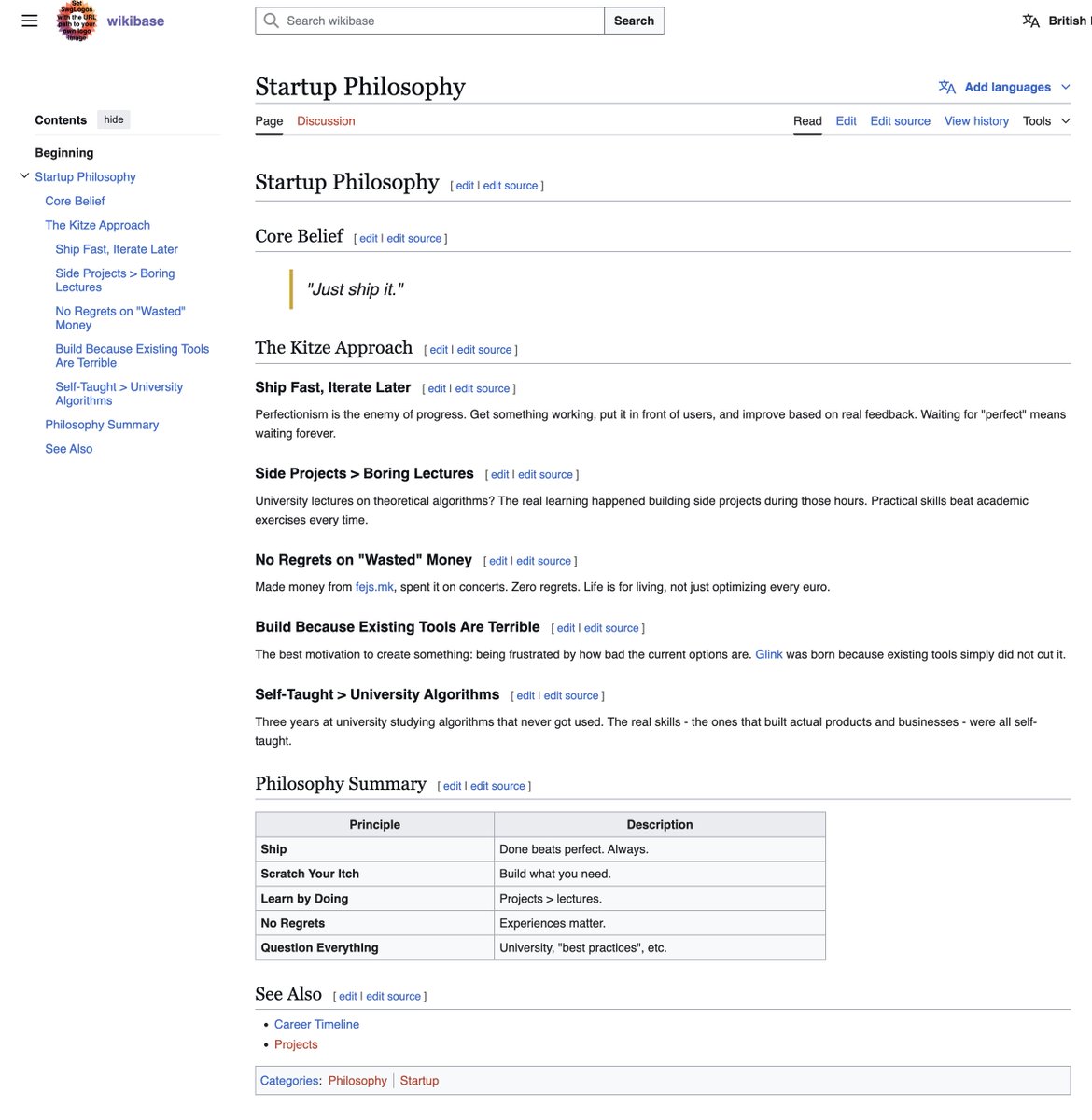
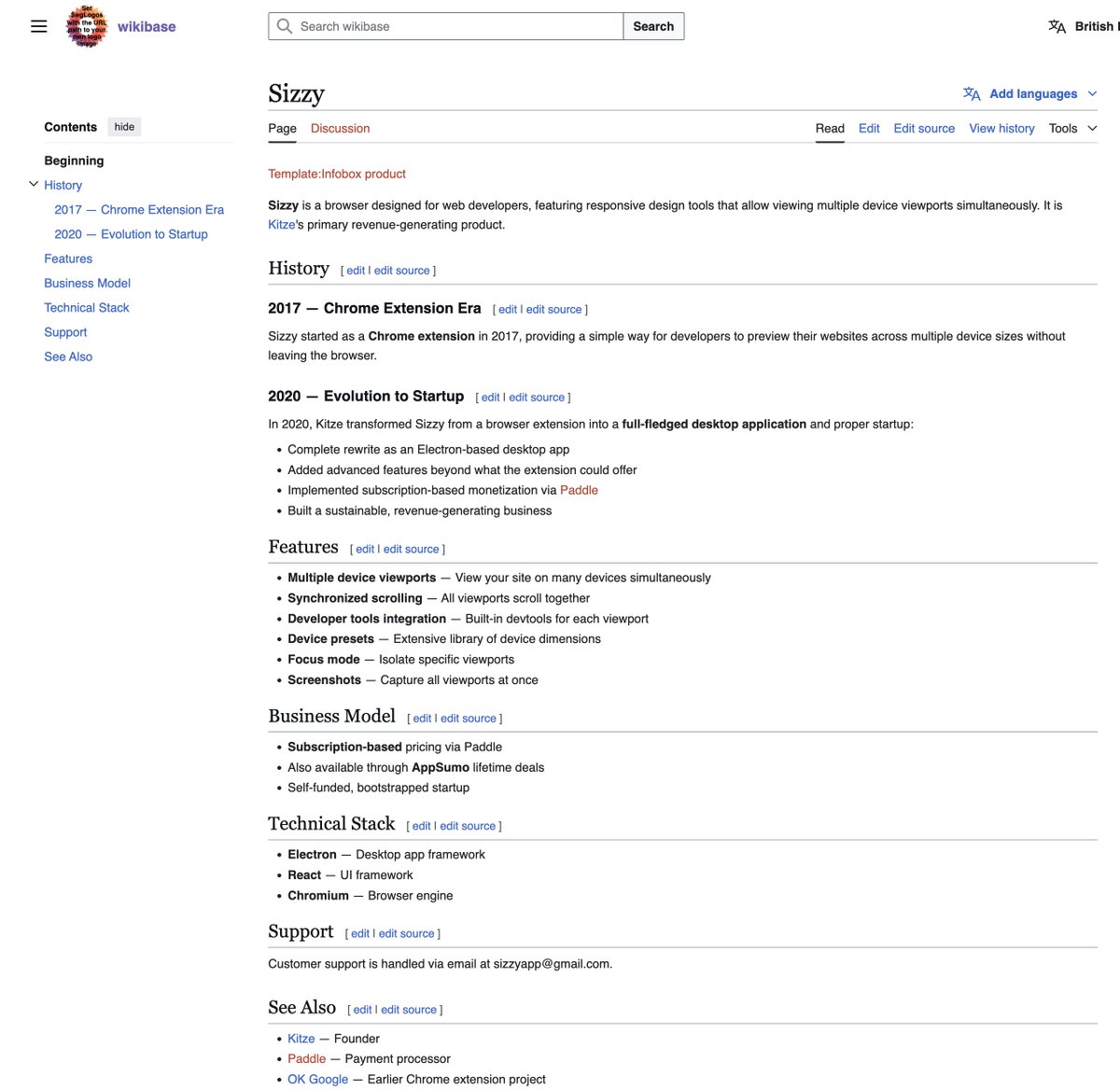
highly recommend using @openclaw to make a wikibase about your life 💀
i fed it my blog, my podcast, my bio, and 1938413 other things about me. it's super fun to browse your life in the form of wikipedia articles. also kinda creepy idk.
38
15
411
47,957
Feb 2
i mean sure u can sleep at 4 am or u can self host a wikibase via orbstack on a mac studio and let 🦞 interview you to make a fully owned personal wikipedia about every single detail of your life
idk, your choice
9
3
155
14,214


21 Jul 2025
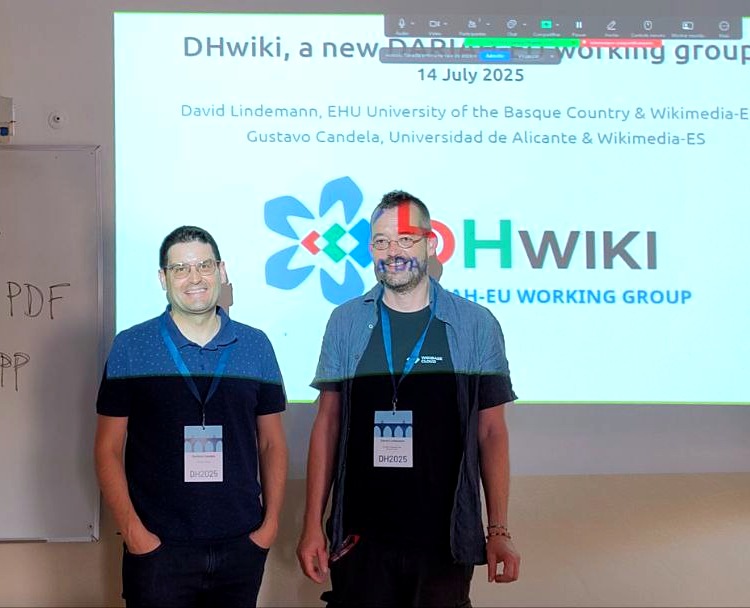
#NoticiaWMES |📍 Universidade Nova de Lisboa
.
En el marco de #DH2025, participamos en un taller internacional sobre Wikibase, el software libre detrás de #Wikidata.
DARIAH-EU DHwiki con @wikimediapt, David Lindemann @upvehu, y nuestro compañero Gustavo Candela.
.
¡Ciencia abierta en acción! 🔓🌍
#GLAMwiki
3
6
204

14 Jul 2025
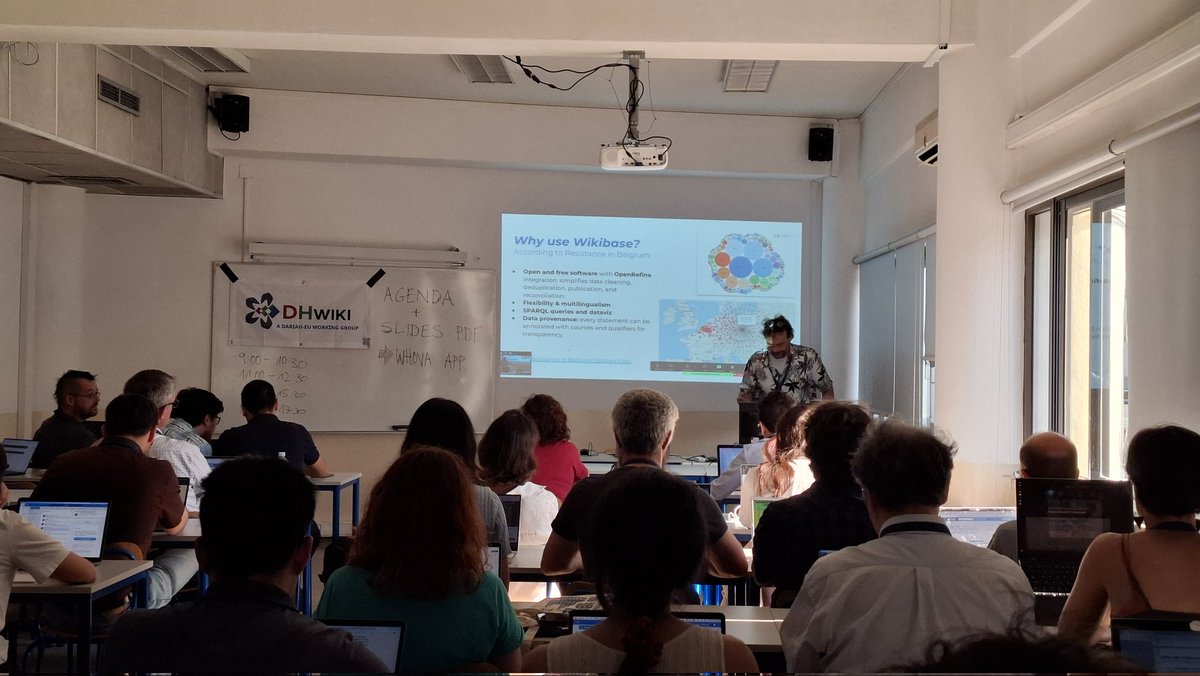
Happy to participate at #DH2025 in Lisbon. Just joined @DARIAHeu DHWIKI Working Group workshop on FAIR data in #wikibase ecosystem, where we would be glad to present how #wikidata is used at our European literary bibliography #ELB.
👇 Check literarybibliography.eu
#bibliodata
3
6
372