
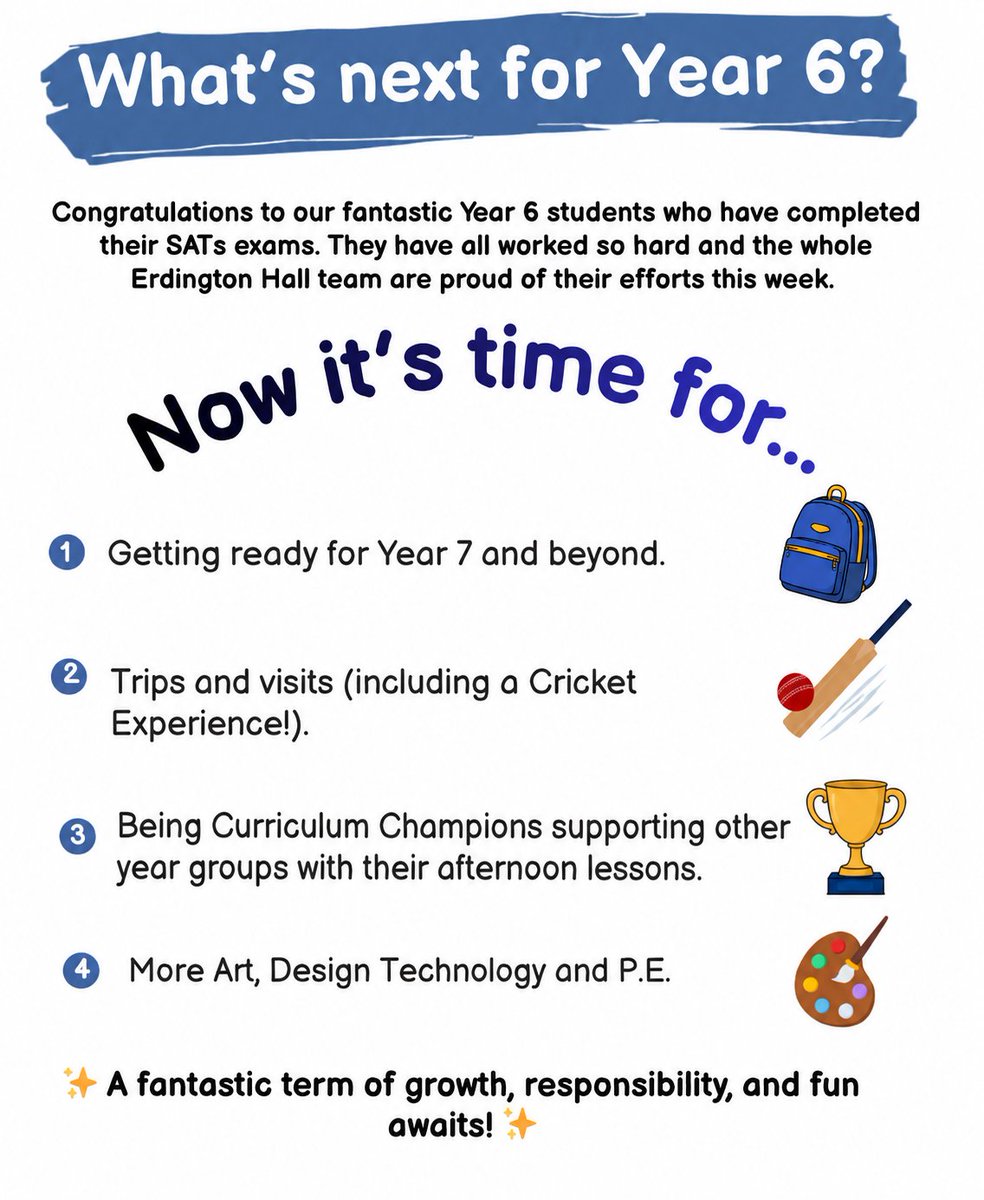
Year 6 are finishing their writing masterpieces as part of preparing for moving to Year 7. At Erdington Hall, we make transition smooth, purposeful and memorable, so all are ready for success.
#WritingMatters #Aspiration #ReadyForTheFuture #EducationEndowmentFoundation
1
3
104

Jun 11
Video Game Writing Is Dying — And It’s Not Just a Nerd Problem
In the last ten years, video games have never looked this good, been this technically impressive, or cost this much to make. Yet they’ve never felt so mute.
Too many characters speak like instruction manuals. Too many choices feel like they were spat out by a tired algorithm. Too many conversations evaporate from memory five minutes after the credits roll. I’m not asking for forty‑minute monologues or Pulitzer‑level plots. I just want dialogue that sounds human, motivations that hold up, and choices that actually carry weight.
It’s Not About Quantity
We’ve had games with millions of words of dialogue and productions that bet everything on narrative. But quantity is not quality. Cyberpunk 2077 (before patch 2.0) drowned under a chaotic mountain of text. God of War and The Last of Us tell strong stories, but they do so by cleanly separating narrative from gameplay.
The rare exception remains Red Dead Redemption 2: there, the writing seeps into every system, every interaction, every silence.
Living It or Watching It? The Difference Between a Pre‑Packaged Story and One With Real Repercussions
This is the heart of the issue. Some games let you live a story. Others let you watch a pre‑packaged story with a bit of interactivity sprinkled on top.
The Witcher 3 is the gold standard: it doesn’t just have three endings. Almost every action — even seemingly minor ones — creates benevolent or malevolent repercussions that reshape the world, the characters, and the tone of your entire playthrough. A decision made in the first hours can lead to a destroyed village, a dead ally, or an enemy who becomes a friend. That’s living a story.
By contrast, many modern titles mock you with choices that aren’t really choices.
In Assassin’s Creed, the Horizon series, or Dragon Age: The Veilguard, you’re offered different dialogue options… that all lead to the exact same outcome. It’s an illusion of agency.
When choices change nothing, even the best writing loses its power. Players realize their actions don’t matter and stop investing emotionally.
When Gameplay Loses Gravity
A fight is just a fight. A fight for someone becomes something else entirely.
I dropped Crimson Desert after forty hours — not because the mechanics were bad (they’re solid and spectacular) — but because every character spoke like a walking tutorial. Without an authentic voice and without real emotional consequences, even the most beautiful world full of content feels mute.
I fully understand why the game appeals to many: tons of content, a massive open world, visually striking combat. But for me, it lacked the soul that holds everything together.
Systemic Writing, Not Decorative Writing
Video games are not interactive movies. The best examples — Disco Elysium, Outer Wilds, Baldur’s Gate 3, Hades — show that strong narrative doesn’t sit on top of the systems. It speaks to them, sometimes even subverts them. It becomes part of the gameplay itself.
The AAA Meat Grinder and the AI Alibi
Massive productions, endless development cycles, leadership churn, and obsessive metrics: narrative is always the first thing sacrificed. Studios invest in what makes good trailers, not what makes games memorable.
And then comes generative AI. It can speed up prototypes and variations, but when it’s used to “fill” dialogue, it produces exactly the flat, generic language we see in so many recent titles. AI is not the enemy — but it’s not the solution either. The real danger is that it becomes the perfect excuse to stop investing in quality human writing.
The 60 FPS Paradox
The biggest problem, however, is cultural. We demand mature stories, complex characters, and adult themes. Then we crucify a game if it doesn’t run at a locked 60 fps, if an animation stutters, or if a conversation forces us to slow down.
We want video games to “grow up,” yet we consume them like disposable content. We crave depth, yet we skip anything that isn’t action.
It’s an ecosystem that rewards what is immediate, fast, and shareable — and sacrifices what requires time, attention, and emotional presence.
Until this paradox is acknowledged, writing will remain the first thing thrown under the bus.
The Performative Empathy Paradox
There’s an even subtler issue. Many modern games aim for tear‑jerking scenes calibrated for players with little real‑life experience of pain. These moments work extremely well on those who react performatively, but often leave colder those who have actually lived through grief, betrayal, or loss.
The latter often understand the scene better precisely because they recognize it — but they don’t react with the same easy emotion. And so developers, chasing likes, reaction videos, and “you made me cry” comments, end up writing for the most emotionally fragile audience, impoverishing the medium for everyone.
So What Should We Do?
Studios need to give real power to lead writers from pre‑production, dedicate proper budget to narrative quality control, create narrative milestones alongside gameplay ones, and treat writing as design, not decoration.
Writers need to learn how to write for systems, not just screenplays, and defend their vision with playable prototypes and strong arguments.
Conclusion
Writing is what turns “pressing buttons” into “living an experience.” It’s what makes a game stay in your memory instead of just in your Steam library.
The next time you finish a game and instinctively think “great game, but the characters sucked” — or “nice choices… but nothing actually changed” — say it out loud.
It matters more than you think.
#GameWriting #NarrativeDesign #VideoGameWriting #WritingMatters #AIinGaming #StorytellingInGames #GameNarrative #StoryDrivenGames
ALT Grok Imagine
4
284
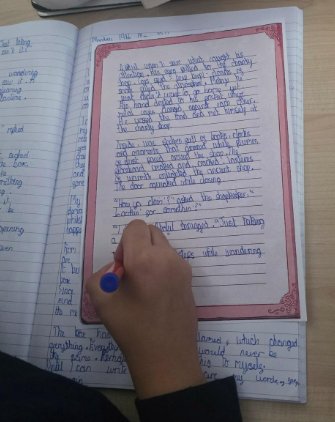
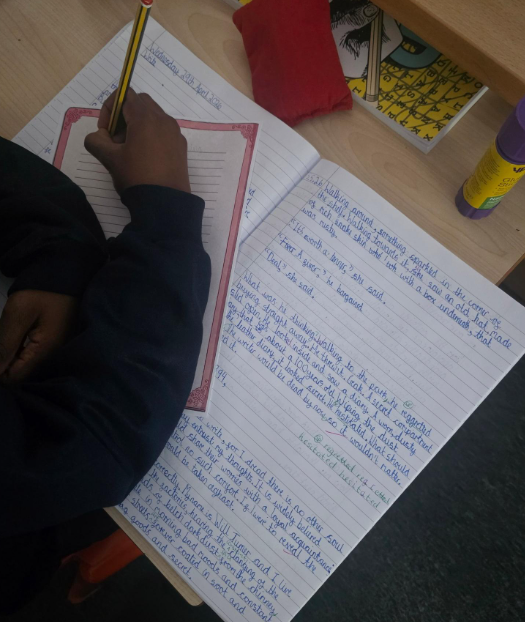
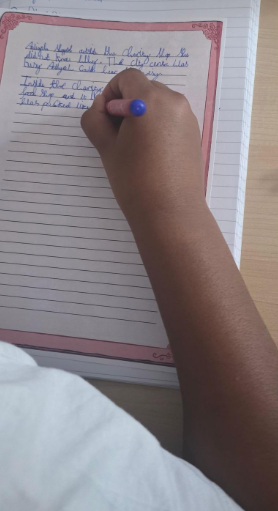
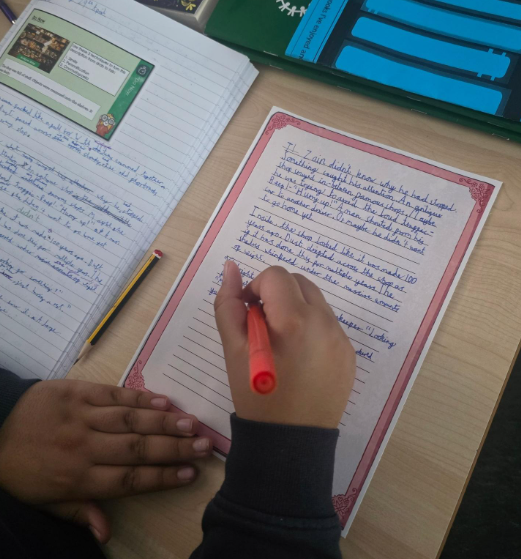
✍️ Our Year 5 writers take pride in their creations. Here they are redrafting, concentrating on purposeful content and high-quality presentation. We are so proud of their resilience and ambition as authors!
#WritingForPurpose #PieCorbett #ArkMastery #WritingMatters
2
81

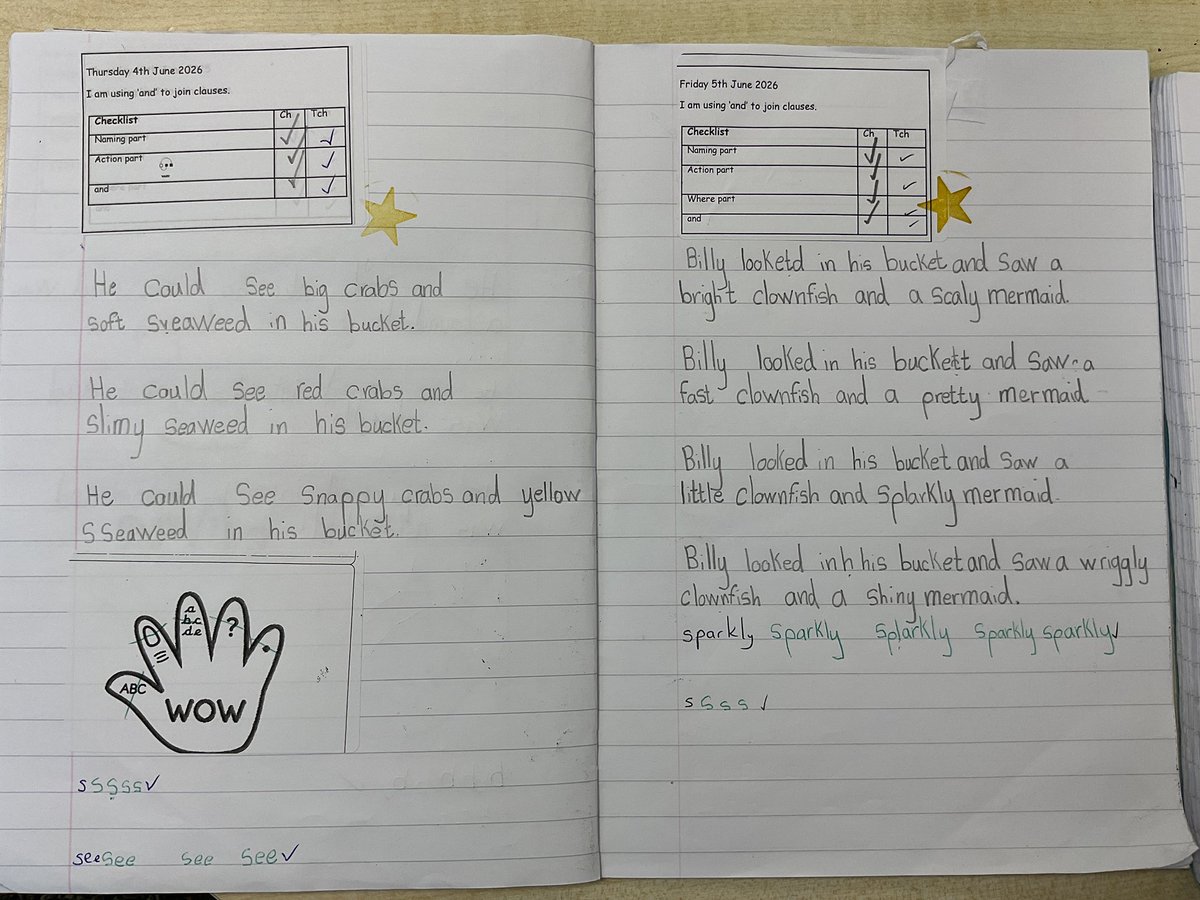
Wow 🤩 Check out this writing from Year 1 at @GlasshoughtonIA.
Using conjunctions, building sentences and developing confidence as young writers. Amazing work and a credit to everyone involved 👏
#WritingMatters #EarlyYearsExcellence

Year 1 are amazing writers today using “and” to join clauses.
@CastlefordTrust
3
184

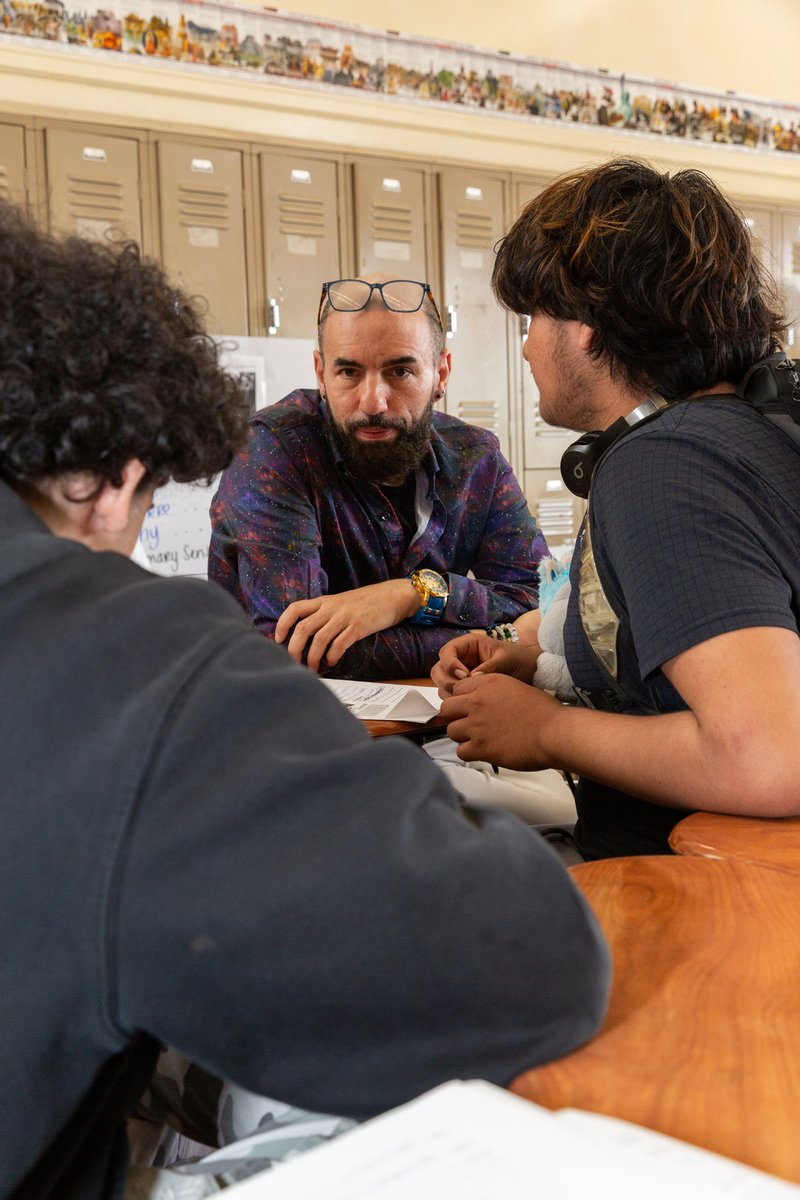
There's no age limit on going back to basics. ✏️
"This course was wonderful. I liked how it brought us back to the basics, and how to almost reteach the way we structure sentences." — Teacher, Grades 9-12, Cortland, NY
When teachers have the right training and tools, student writing transforms at every grade level. That's why TWR pairs deep professional learning with ready-to-use resources teachers can carry straight into the classroom. Learn more about training for your secondary educators. #TheWritingRevolution #HochmanMethod #WritingMatters
1
9
470
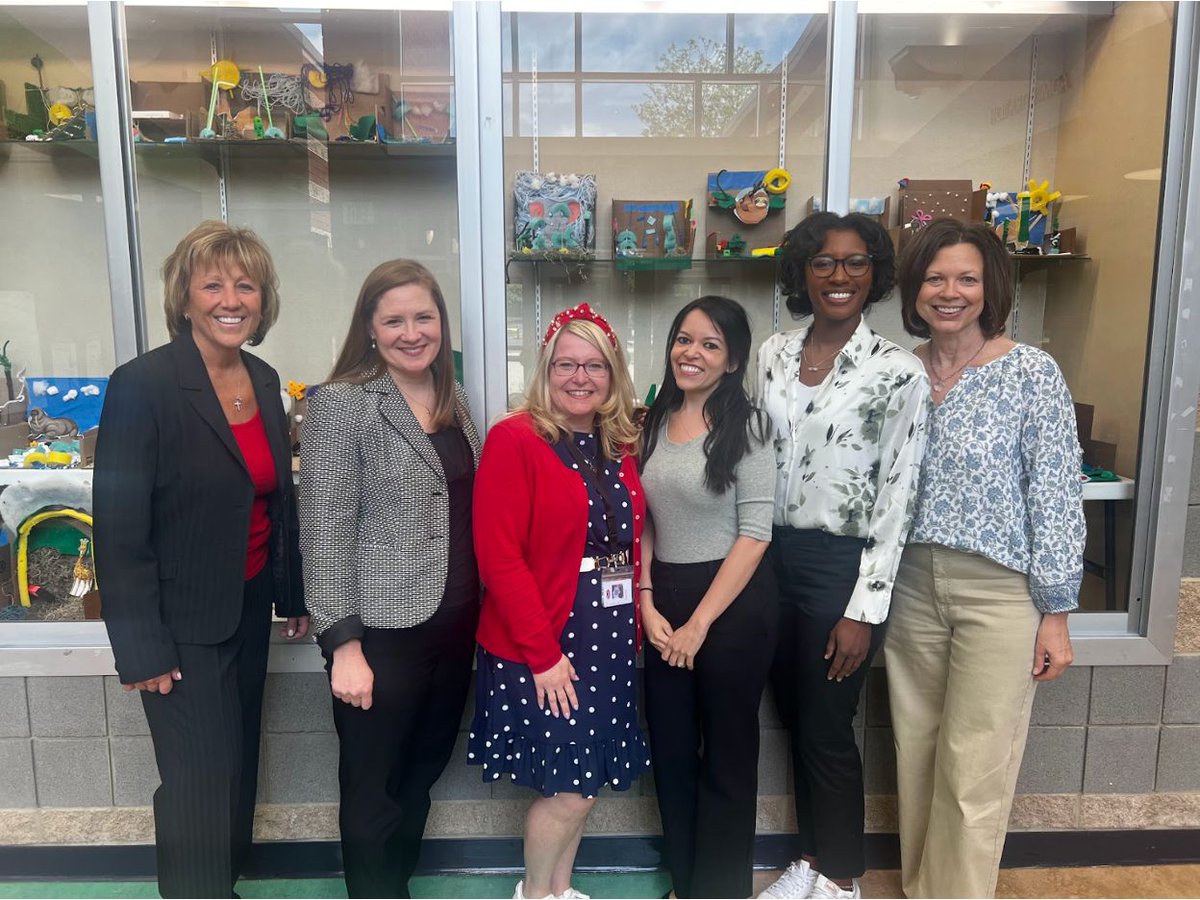
There is something special about catching a school in the middle of momentum.
That is exactly what our team felt at Campbell City Elementary in Campbell City School District, where Principal Lisa Young and Literacy Coach Stacy Blasko are leading the revolution in how their youngest learners write and think.
Classroom after classroom, we watched The Writing Revolution's strategies taking root. Students stretching sentences. Asking sharper questions. Building ideas one careful word at a time. It is the kind of work that does not announce itself loudly, but it changes everything downstream.
Imagine what that kind of work does for everything that comes next.
Thank you to Lisa and Stacy for the warm welcome, and to the TWR team on the ground for the visit:
#TheWritingRevolution #ElementaryLiteracy #WritingMatters #ohio
1
7
600

May 19
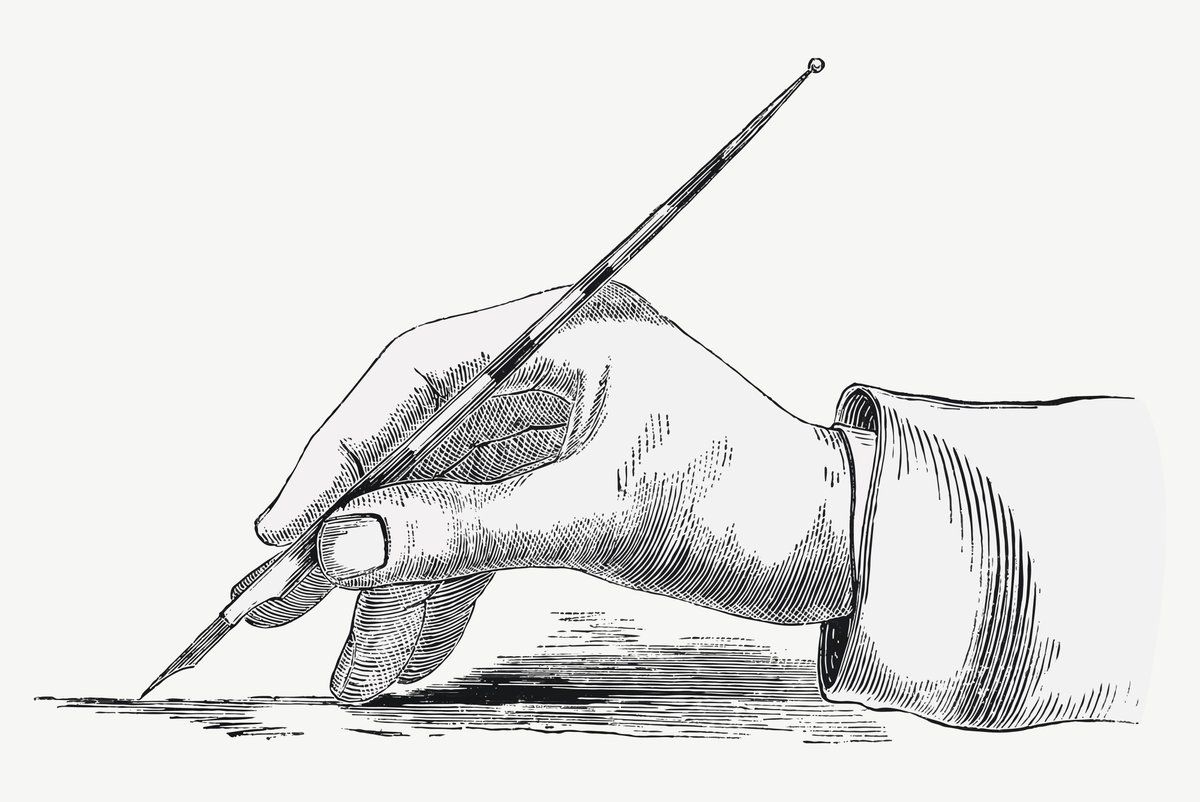
Leaders don’t type ideas.
They write them.
Writing slows you down enough to think clearly and clarity is a leader’s real advantage.
Before ideas scale,
they are shaped in silence.
#Leadership #Thinking #WritingMatters
1
3
35
May 18
Not all pens are created equal.
Some simply write.
Others shape thoughts, bring clarity, and turn ideas into something lasting.
This is more than ink on paper.
This is the power of writing.
@ParkerPens @ParkerPensIndia #WritingMatters #CreativeProcess #LuxuryWriting
1
3
31

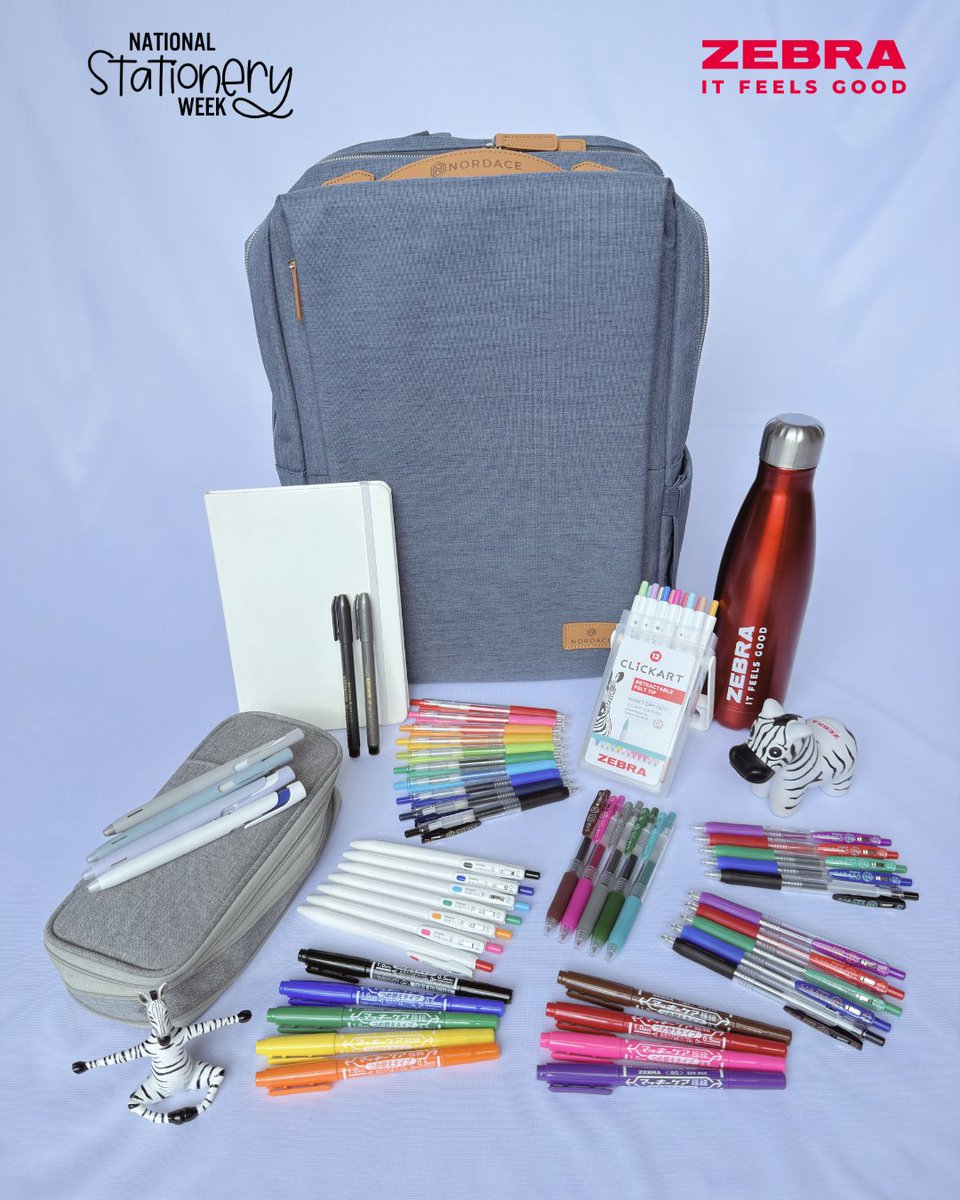
Our fifth sponsor of the week is @ZebraPenUK!
They are doing an amazing all-day treasure hunt over on Instagram to celebrate National Stationery Week, so head over there 👀
#NatStatWeek #WritingMatters #LoveStationery #ItFeelsGood
1
2
62

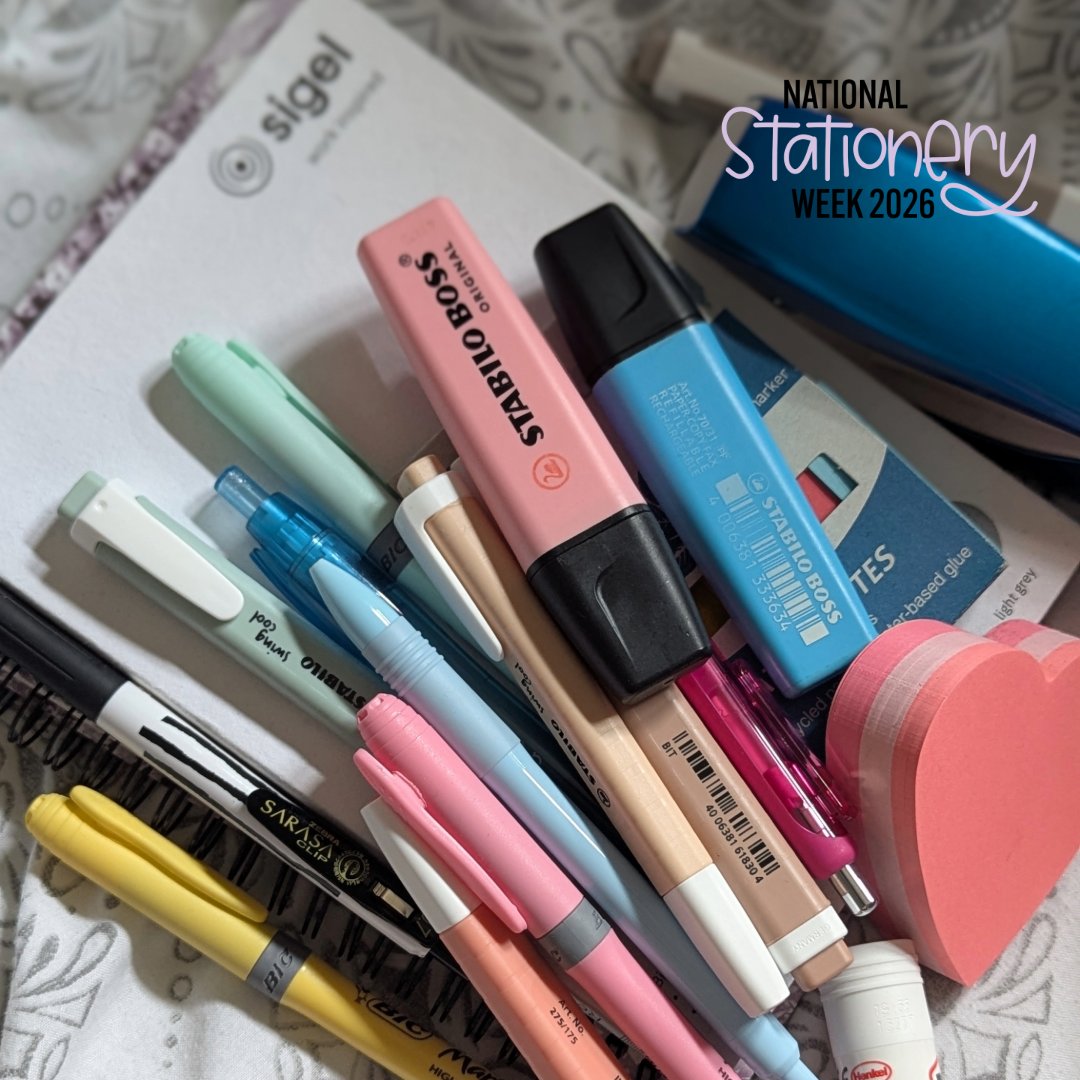
POV: choosing a favourite stationery item turns into a full haul…
Sounds about right for National Stationery Week.
What’s the item you can’t work without?
@NatStatWeek ✨
. . .
#NatStatWeek #WritingMatters #LoveStationery
1
2
3
143
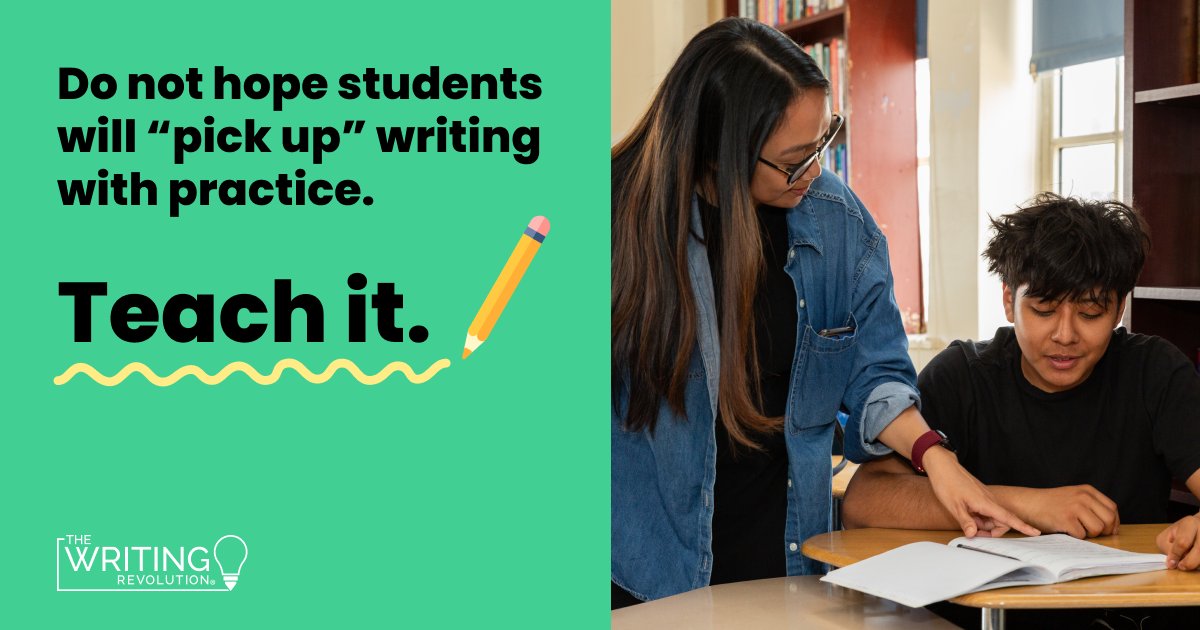
Practice makes perfect, right? Not quite. Practice without instruction simply cements whatever a student is already doing, strong habits and shaky ones alike. A student who does not know how to build a complete sentence will not stumble into one by writing more of them.
Writing is not absorbed through repetition or osmosis. It is taught, sentence by sentence, with intention and care. When educators name the moves, model the thinking, and guide the revision, students stop guessing and start writing with purpose.
Hope is lovely. Instruction is transformative. Let us show you how.
#TheWritingRevolution #WritingMatters #TeachWriting #LiteracyForAll
1
11
452
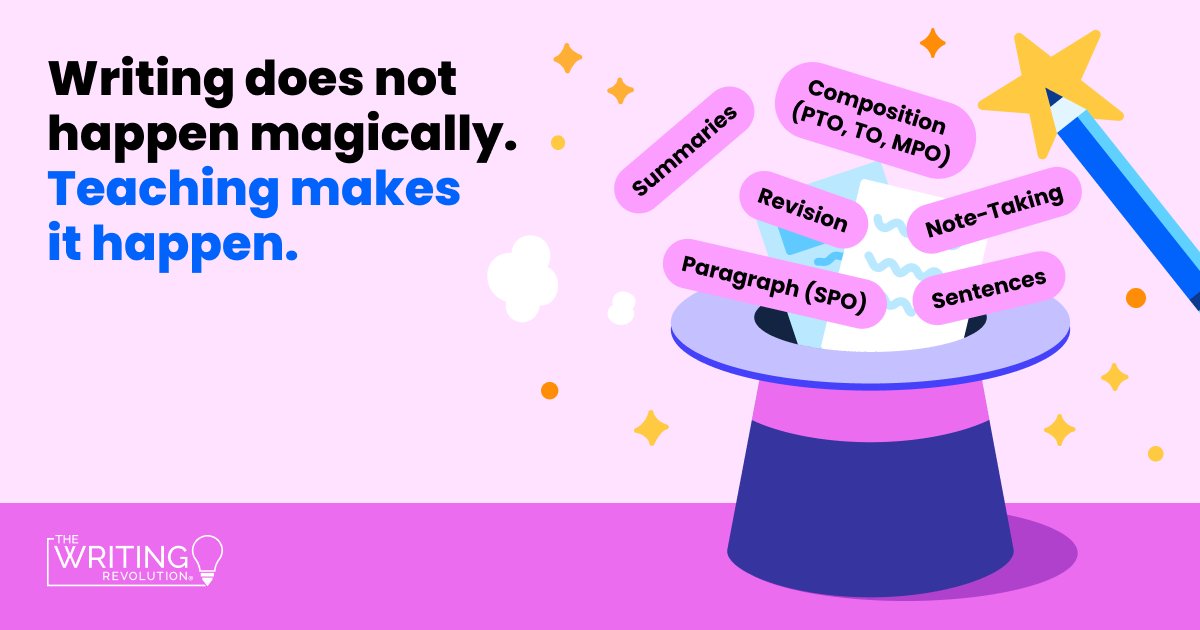
Abracadabra! Alakazam! ...and still, no essay appears.
Funny how that works. No matter how many times we wave the wand, strong writing simply will not poof into existence on its own. The real magic happens when teachers roll up their sleeves and show students exactly how it is done: how to build a sentence, shape a paragraph, and revise with purpose.
The strategies taught by the educator in the classroom is where the spell is truly cast.
#TheWritingRevolution #WritingMatters #TeachingIsTheMagic #LiteracyForAll #K12Teachers #writinginstruction #hochmanmethod
1
5
447
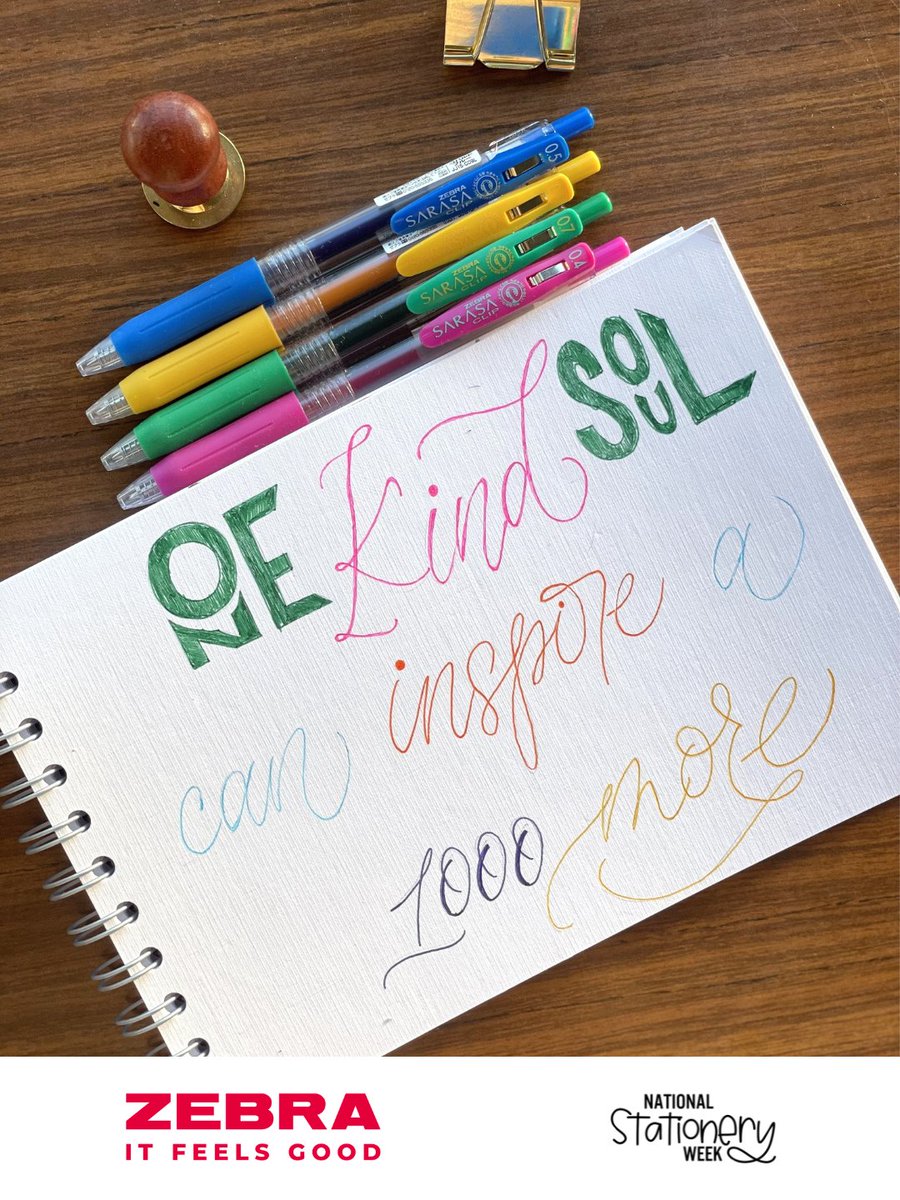
“Up for a treasure hunt to kick-start your weekend? Then watch this space. If you’ve taken part before, you’ll know you won’t want to miss out!”
Just a teaser of what’s to come from Friday's sponsor: @ZebraPenUK!
#NatStatWeek #WritingMatters #LoveStationery #ItFeelsGood
2
3
109
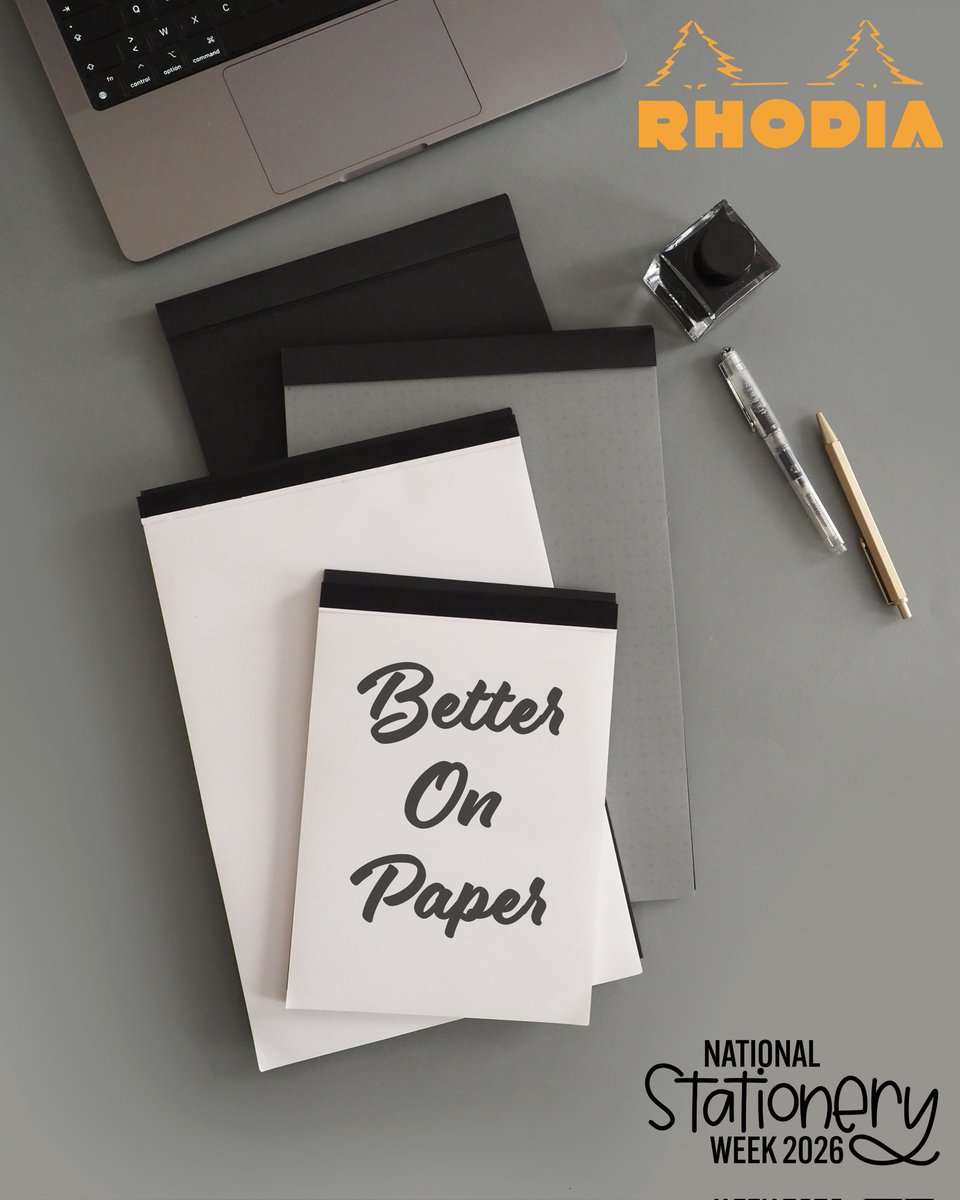
“We’re getting ready to launch a giveaway inspired by the simple power of putting pen to paper!”
Just another teaser of what’s to come from our Thursday sponsor: @RhodiaNotebooks! 📓
#NatStatWeek #WritingMatters #LoveStationery #BetterOnPaper
2
2
63
Indie retailers: apply now for FREE Pentel samples! Giving your customers a chance to win a bundle of products worth £100…
For more info from our Tuesday sponsor: @PentelUK, see our FB or IG social pages!
#NatStatWeek #WritingMatters #LoveStationery #80YearsOfPentel

3
4
249

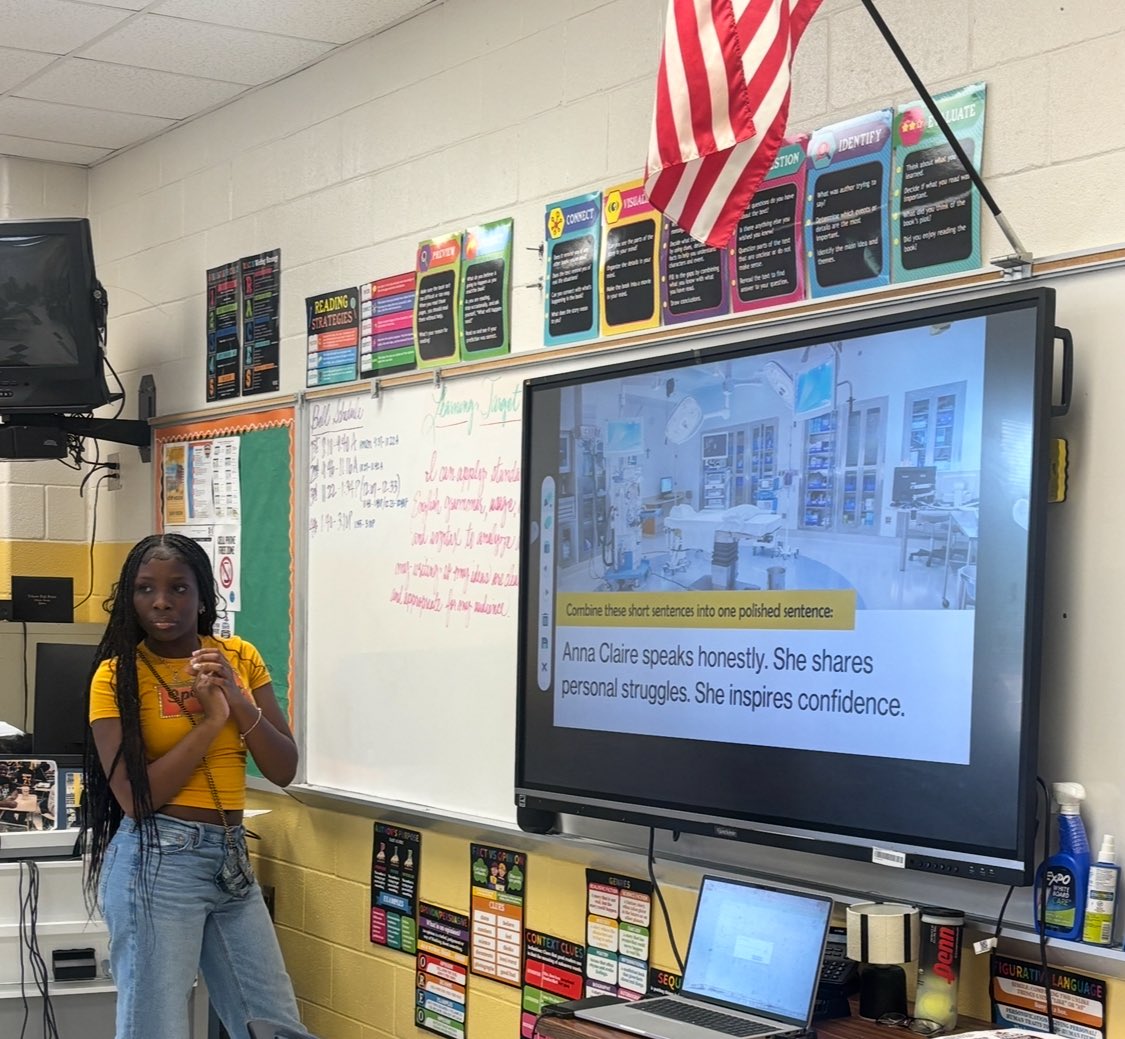
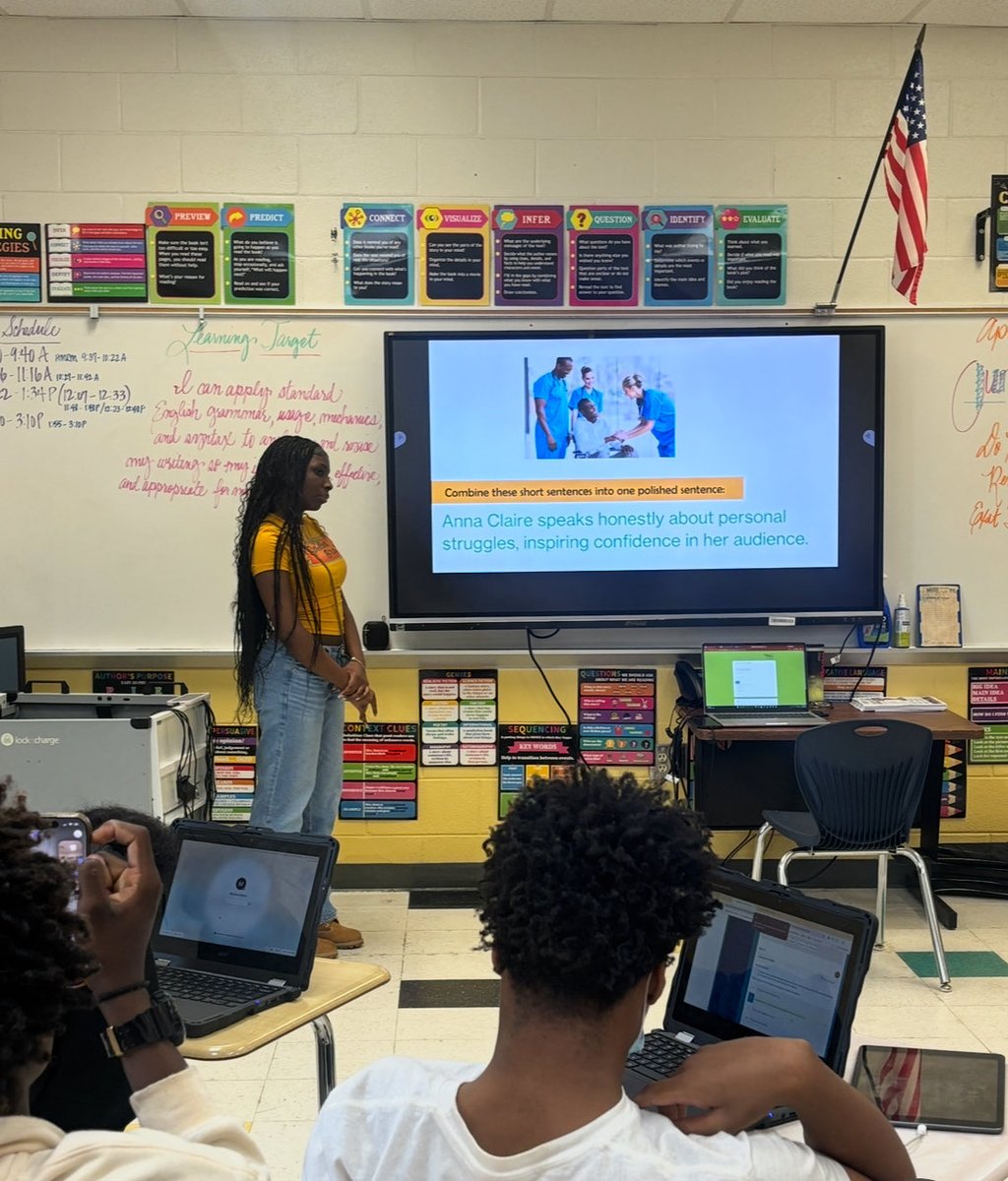
LHS Sentence Surgery Room 🩺
Students stepped into the role of surgeons—diagnosing errors, combining ideas, and producing polished sentences with precision. Engagement was real and the thinking was deep. #LiteracyInAction @MCWilkinsPhD @APDavisLHS #WritingMatters #LHS

1
3
5
98
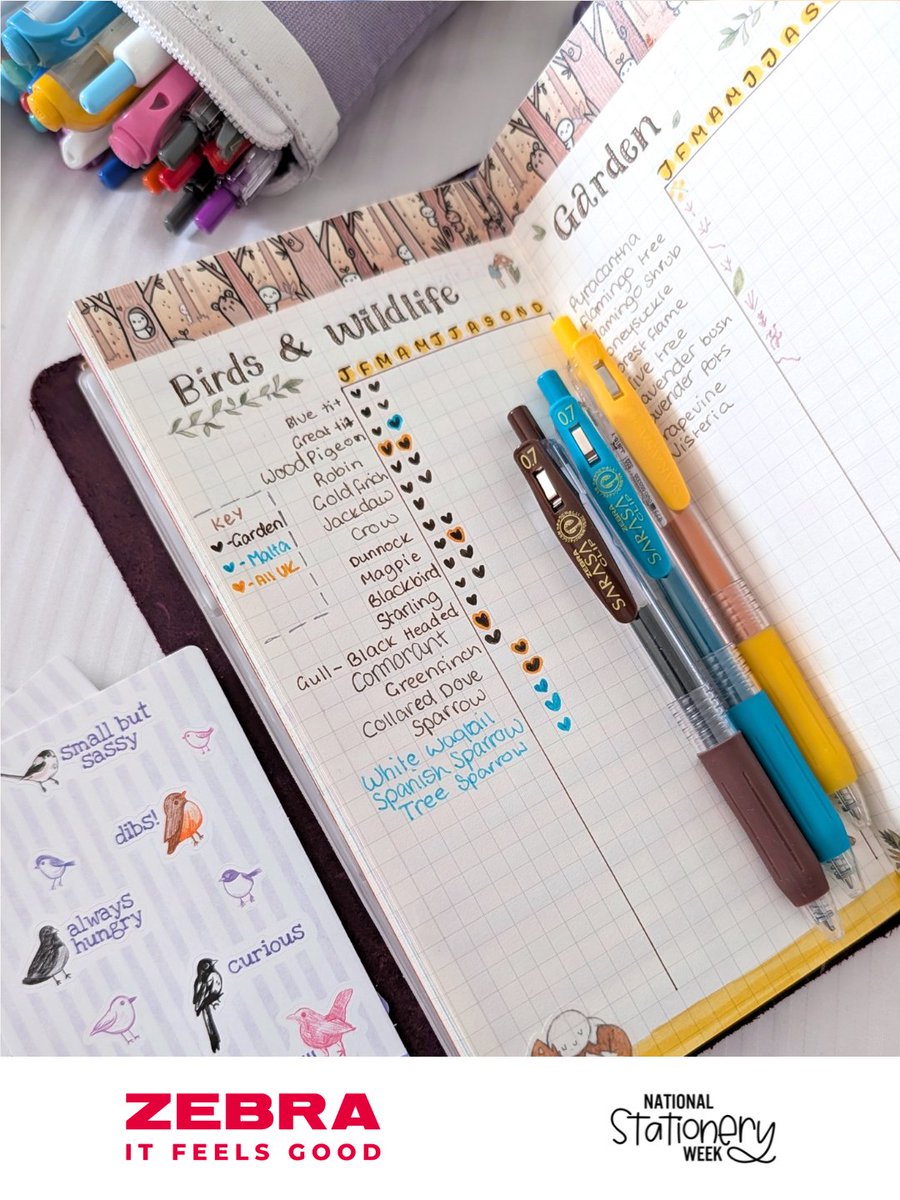
“When we allow ourselves time and space to just be, we do wonders for our wellbeing. It’s about feeling good.”
Just a teaser of what’s to come from our Friday sponsor: @ZebraPenUK! ✍️
#NatStatWeek #WritingMatters #LoveStationery #ItFeelsGood
📷 SparkleFish
3
4
73
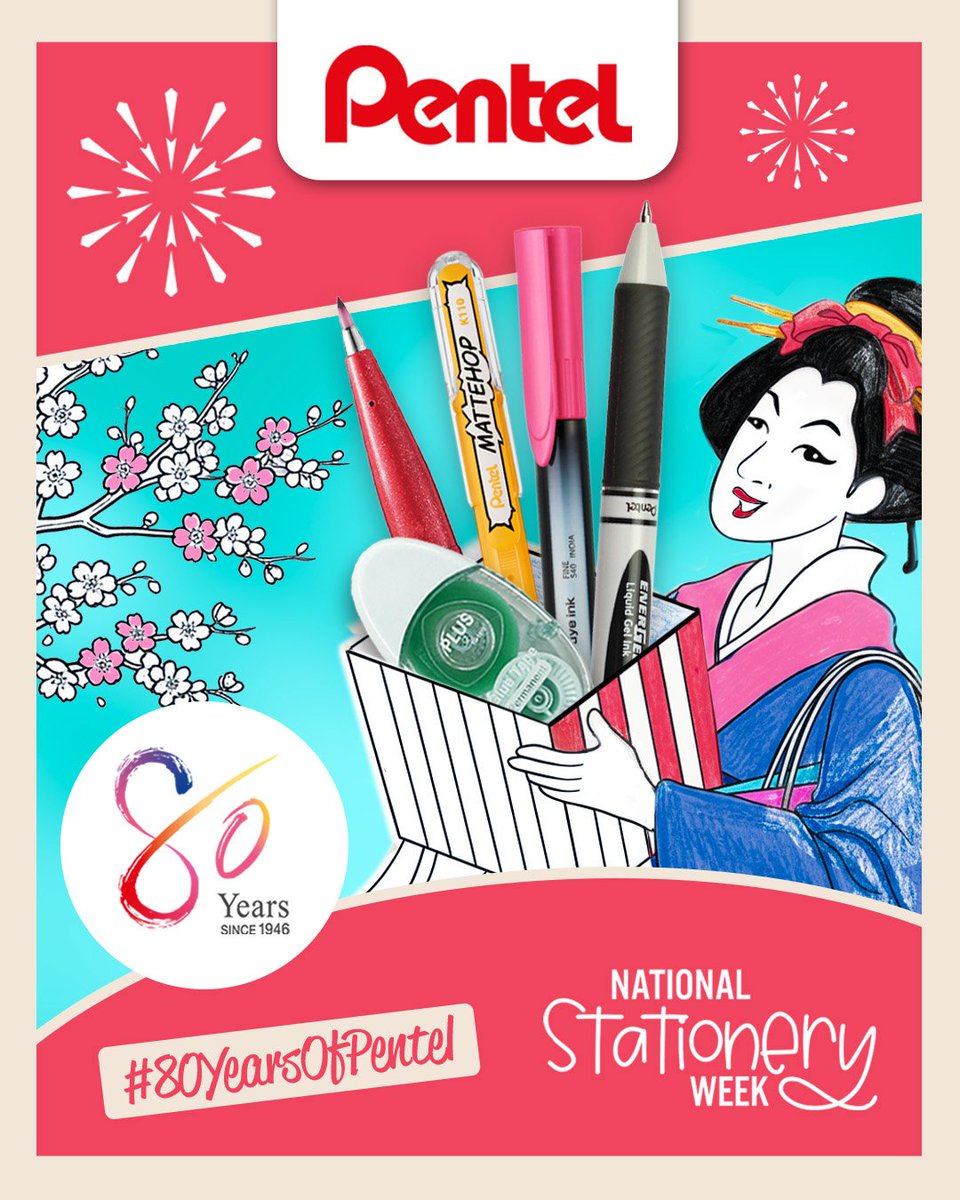
“We want you to express your creativity with our amazing products, so we have some exciting samples & a prize package coming up soon”
Just teaser of what’s to come from our Tuesday sponsor: @PentelUK! 👀
#NatStatWeek #WritingMatters #LoveStationery #80YearsOfPentel
3
4
120
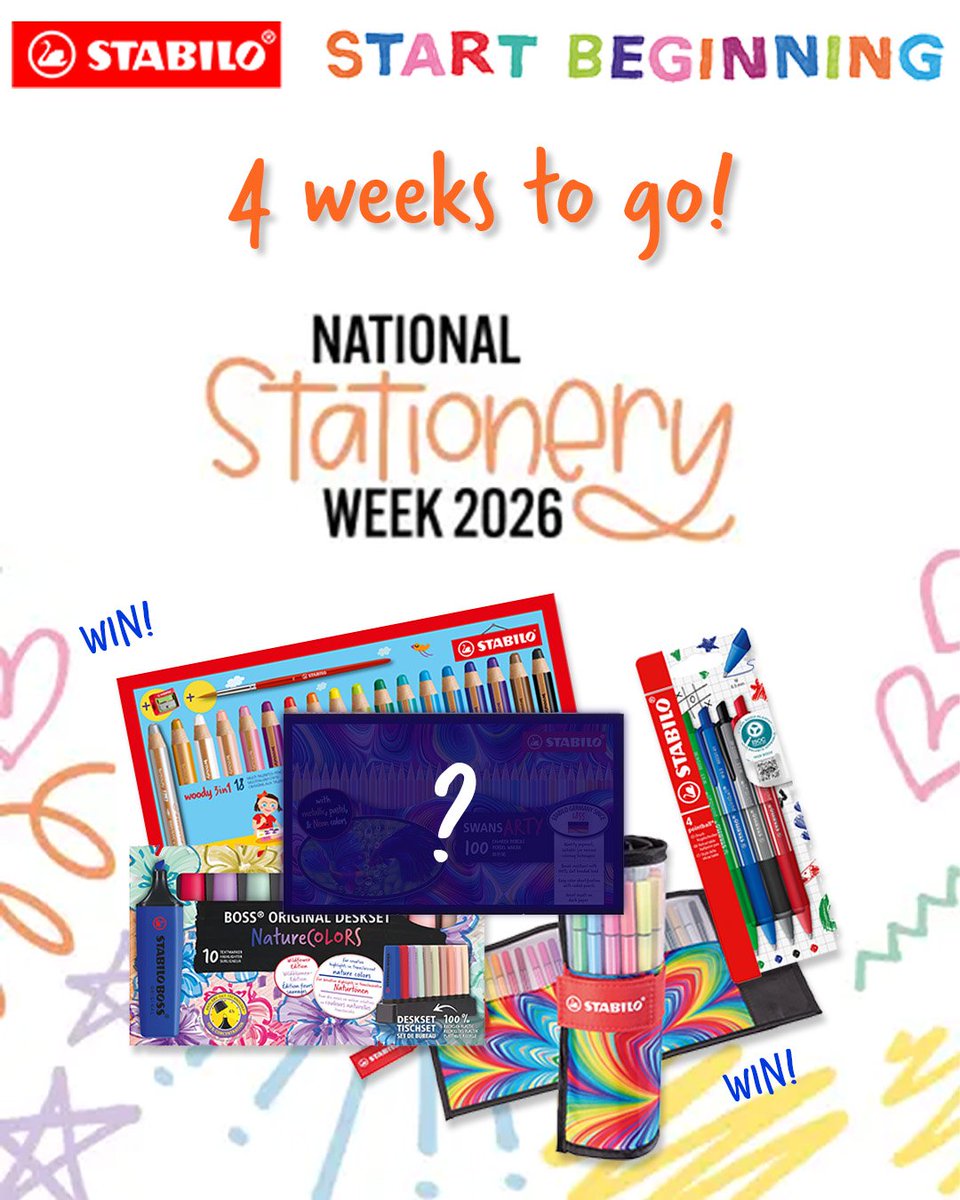
It's just 4 weeks until National Stationery Week & to celebrate @STABILOUK is sponsoring a giveaway! ✨
Hop on over to our Instagram to be in with a chance to win 1 of 2 ultimate stationery hauls… 👀
#NatStatWeek #WritingMatters #LoveStationery #StabiloStartBeginning
1
2
3
159
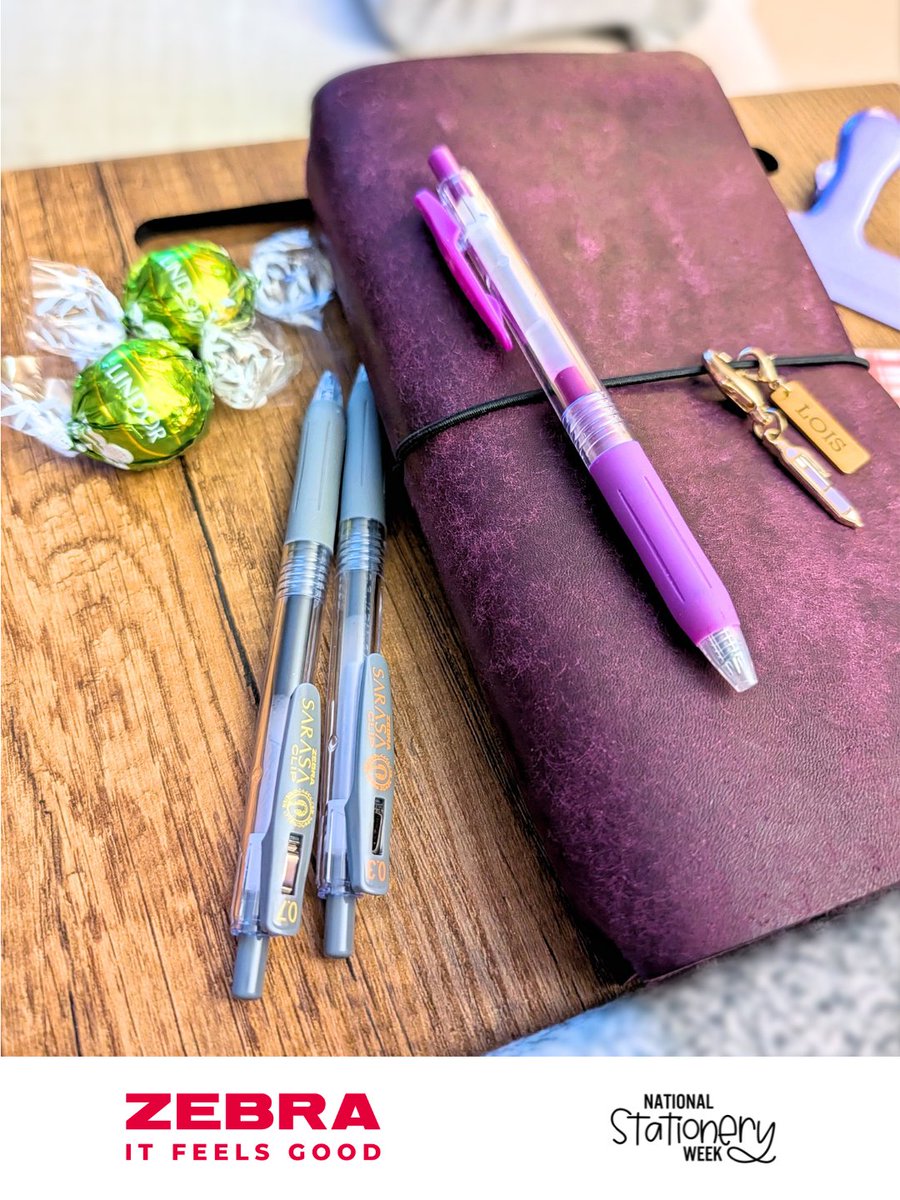
“We make emotional and human connections… it’s more than writing or drawing. It’s an experience. It’s a feeling.” 🥰
Head over to FB, IG or LinkedIn to see more from our final sponsor of the week: @ZebraPenUK!
#NatStatWeek #WritingMatters #LoveStationery #ItFeelsGood
1
3
4
98