
#jeddahMassage in #riyadh
🍃🍃🍃🍃🍃🌾🌾🌾
Massage in #jeddah #abha
#khobar #dammam
🥐🍾Russia wa.me/ 966576590501
مساج في لخبر
مساج في الرياض
مساج في جدة
مساج في بريدة
مساج في الهفوف
🍛xcmp🧈
IeuH

3

Jun 11
⎐كُـود⎐كوبِون⎐خـِصم⎐
⎐نون⎐
⊵S3Q⊴
⎐ايهرب⎐ايهيرب اهرب
⊵GCA5893⊴
⊴تيمو ⊴
⊵TEB72⊴
❮كارديال❯
A004
⎐نمشي⎐
⊵AABN⊴
⎐ريف⎐للعطور ⎐
⎐AX140⊴
ماكــس⎐
A9B
***
XcMP
3

May 29
孤立したブロックチェーン間で資産を移動するアプローチは有名なものとしてこの2つがあります👇
🟣 Polkadot : みんなで共有セキュリティ
使われている技術:XCMP
⚛️ Cosmos : 各チェーンが独立
使われている技術:IBC ⬅️実績はこっちが上
⬇️その2つの違いについて記事が作られています⬇️
1
5
548


May 19
ForumでAstarの次のアップグレードの詳細が出てました。
forum.astar.network/t/runtim…
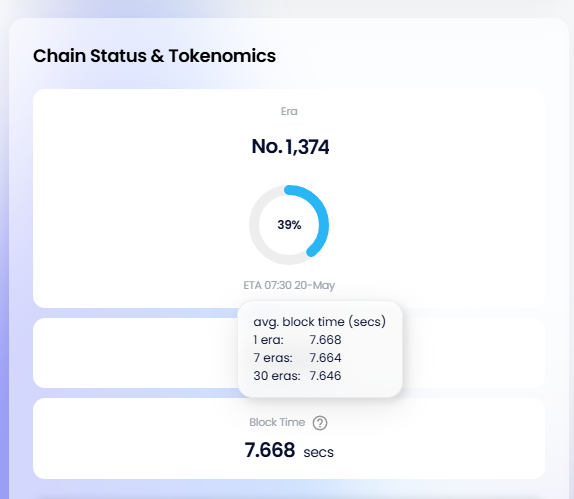
簡単に言うと、ブロックタイムが目標の6秒に対して7.6秒台ということで25%程度の遅延がでているため、これに対して対処する内容になります。
これによりブロックタイムが6秒に近づくことが期待できますが、デメリットとしてはXCMPの時間が12秒程度遅延することになります。まぁ以前はこの時間だったのと、XCMPを有効活用しているのはBifrostくらいな気がするので許容範囲かなーと思います。
3月にボーナス報酬の補填が予定よりだいぶ遅れた原因は、ブロックタイムが遅くなっていたせいなので各種タイムラインに影響が出ますし、トランザクションのスピードにも悪影響があるので結構重要ですね。
今回のランタイムアップグレード コレーターのアップグレード 次回のランタイムアップグレードのセットで有効化されることになります。
2
17
1,043

May 6
Polkadot did it first!
Polkadot has XCMP (Cross-Chain Message Passing).
Cosmos has IBC
Chainlink has CCIP
Wormhole has generic messaging.
CLPR needs to bring something fundamentally different to be relevant
maybe faster finality
maybe ABFT security
maybe enterprise integration.
3
55

May 5
Genuine question for the CLPR optimists — what are we actually working with here?
It was announced at DevDay in February. It’s now April, and as far as I can find:
•No whitepaper
•No published spec
•No testnet code
•No external chain integration
•No independent technical review
Happy to be corrected if I’m missing something public. But until those exist, I think it’s fair to call it an announcement rather than a shipped protocol.
A few things give me pause beyond the missing artifacts:
- The timing. CLPR was announced the same week Axelar integrated Hedera, and Chainlink CCIP went live on Hedera in December. So the messaging is “we don’t need bridges” alongside two major bridge integrations. I understand those can coexist strategically, but it’s a confusing signal.
- The technical claim. “ABFT cross-ledger” is doing a lot of work without a paper behind it. Hashgraph’s ABFT properties come from all council nodes participating in the same gossip protocol. Extending that to a chain that isn’t running Hedera’s consensus seems to require relayers, light clients, or observers — which is the architecture bridges already use. I’d love to see how CLPR avoids that, but I can’t evaluate it without a spec.
- The naming. “Cross-Ledger Protocol” overlaps with a lot of prior work — IBC, CCIP, XCMP, Hyperlane, Wormhole, LayerZero, Axelar. Most of those have had exploits or trust trade-offs, and none have become dominant. It’s a hard problem, and CLPR is entering a crowded space rather than an empty one.
- The context. Hashport wound down, LayerZero exploits affected Hedera users, and CLPR “Project Full-Send” both landed at the same event after a tough year. I’m not saying that’s why CLPR exists, but it’s worth noting that the announcement is doing some narrative work too.
I’m not writing it off — if Hedera ships a spec, an open implementation, and a working testnet bridge to an external chain, I’ll happily update my view.
I just think healthy skepticism is warranted until then.
Curious what others are seeing that I might be missing. Let’s share constructive thoughts!!

🎥 At @Hedera's HederaCon, @Hashgraph CEO @episcini says it’s the “end of the war of the chains” because Hashgraph's CLPR enables any chain to communicate with any other in real time, without bridges.
15
9
54
4,409


Mar 7
We are preparing for the Robonomics release in Polkadot 4.1, where we are trying to build a complete bridge chain between Ethereum <> Polkadot Asset Hub <> Robonomics <> Kusama Asset Hub <> Robonomics Freemium — it's challenging, but if we succeed, we will have completed one of the most complex steps without which the web3 cloud for IoT we are building would not be able to scale and provide personal accounts for end users.
On Friday, our Rust developer akru prepared a demo of creating and using a channel in release 4.1 between Kusama Asset Hub <> Robonomics Freemium.
Timestamps:
0:25 => Testnet launch
1:31 => Testnet launched
2:09 => Running integration tests (initializing XCMP bridge in AssetHub)
7:10 => Tests passed, teleport is open
8:00 => Sending XRT manually from PolkadotJS
8:20 => Recipient address
8:22 => Value in wn
8:37 => Event of successful send
8:56 => Event of successful receipt
5
13
63
4,810

Feb 25
Polkadot wird bereits dafür benutzt, dass verschiedene Blockchains miteinander reden.
Das läuft über ein internes System (XCMP).
Beispiel in der Praxis:
eine Chain erstellt einen Token
eine andere Chain nutzt ihn in DeFi
eine dritte Chain nutzt ihn in einem Spiel
Normalerweise brauchst du dafür Bridges (die ständig gehackt werden).
Polkadot macht das nativ innerhalb seines Netzwerks.
Auf Polkadot laufen eigenständige Finanz-Netzwerke, z.B.:
Acala Network → Stablecoins, Lending, Liquid Staking
Moonbeam → Ethereum-Apps können dort laufen
Astar Network → Web3-Apps Unternehmensintegration
Wichtig: Diese Chains sichern sich über DOT ab.
→ Je mehr Aktivität dort ist, desto mehr DOT wird gestaked/gebunden.
2
58

Feb 25
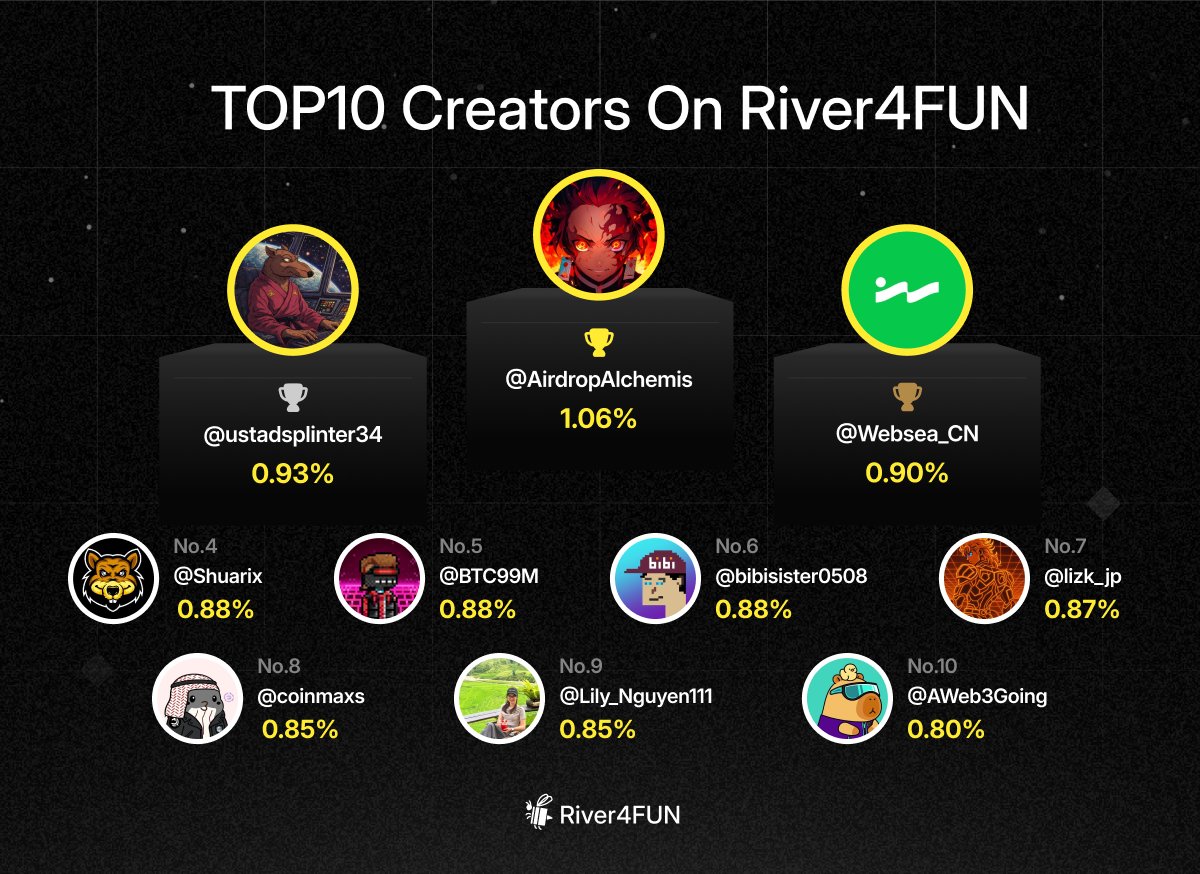
GN. river4fun just made building feel straightforward. wayfinder dev blog ships weekly diffs and postmortems, not fluff. community forums are live so specs get punched in public and fixes land fast. xcmp tests are open, polkadot lanes pass messages without duct tape. the starter kit plus guidelines got me from hello world to a cross-chain notifier in under an hour, and i’m feeding edge cases back to the thread. global rooms are spinning up too, so feedback lands in your language, not lost in translation. last note the couplet sprint actually paid. plan: subscribe to the board, post my repo, iterate with @River4fun and ship.
7
10
157

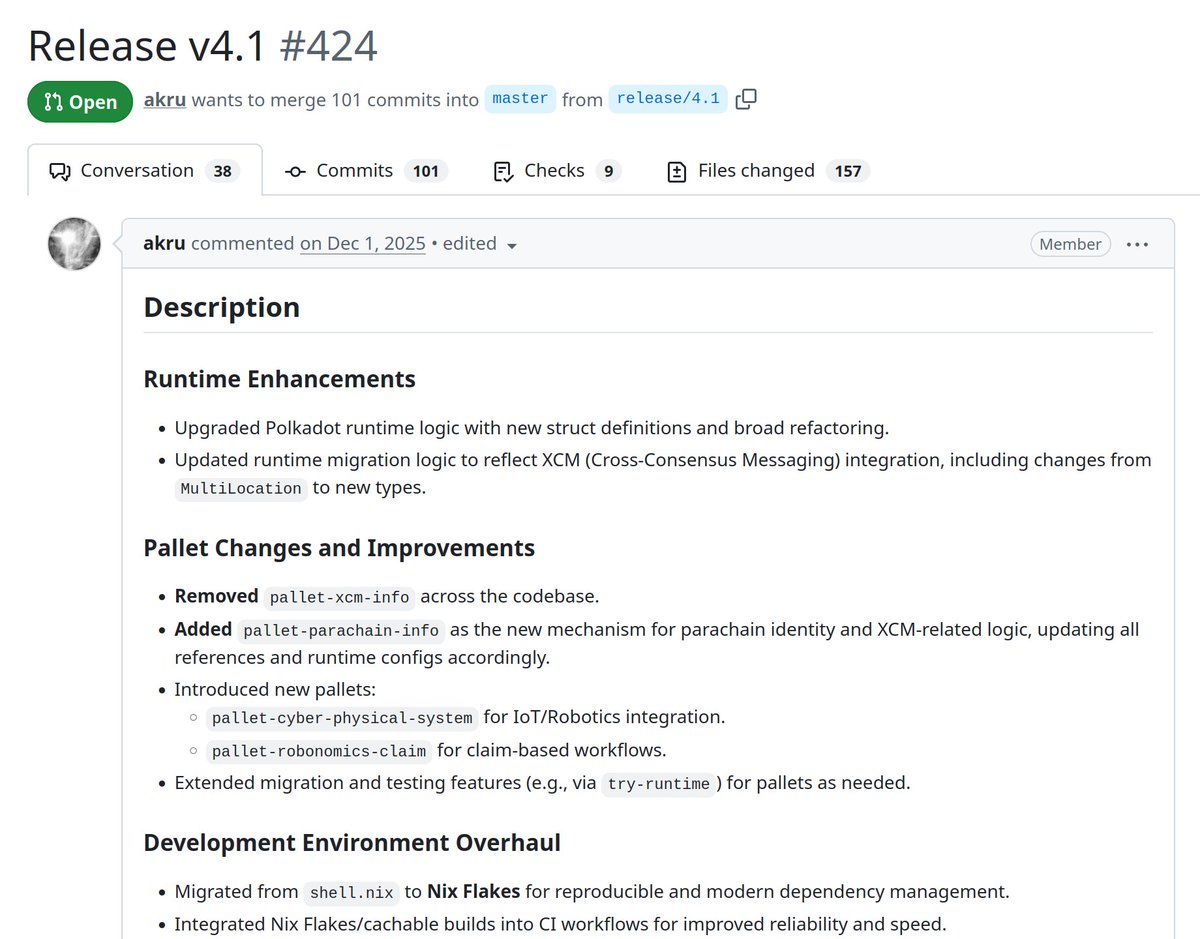
Robonomics v4.1 is coming 🔧
------
Major runtime upgrade on the way:
🔹 XRT teleportation to Kusama Asset Hub — local tests running now, on-chain update next
🔹 New pallet-robonomics-claim for XRT claim workflows
🔹 Full XCM migration (5 versions of xcmp pallet — all resolved & verified via try-runtime)
🔹 New pallet-cyber-physical-system for IoT/Robotics
🔹 Dev infra moved to Nix Flakes zombienet testing
------
Roadmap: Asset Hub↔Robonomics teleport tests → Kusama upgrade → XRT bridged to Asset Hub → claim XRT (eth) pallet goes live.
Details: github.com/airalab/robonomic…
2
8
36
2,089

12th in xcmp%
has the record for fewest ints in his first 1000 attempts
top 10 in yards, tds, and ints
so pretty good
1
6
2,342

Jan 27
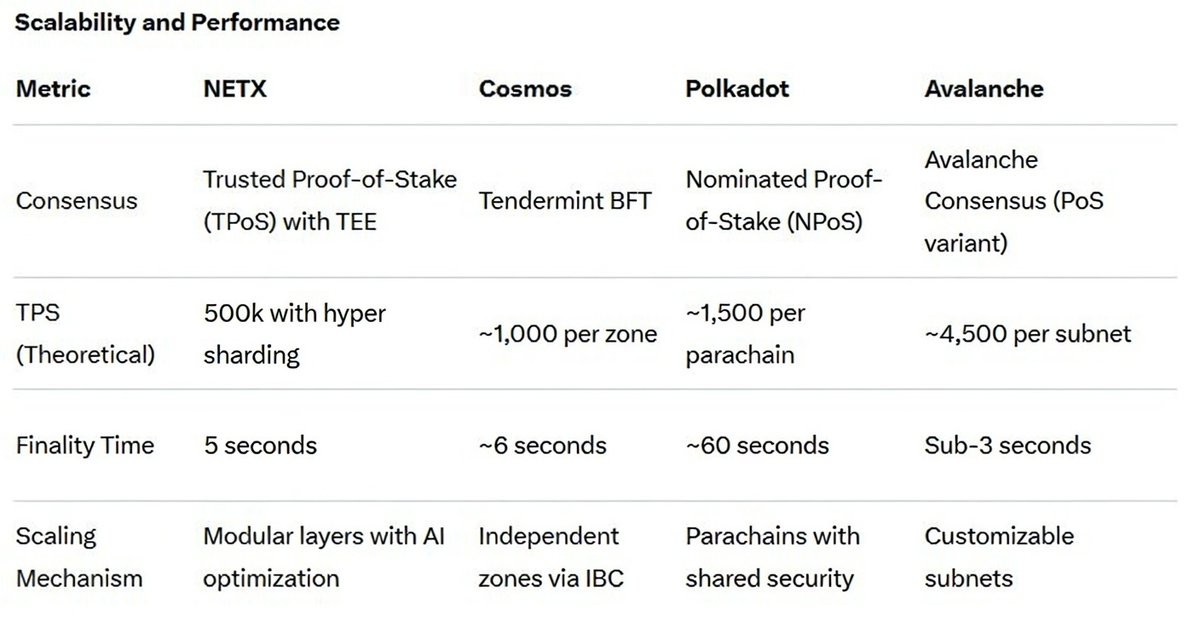
NETX vs. Cosmos, Polkadot, and Avalanche:
A Comparative Analysis of Modular Blockchains
In the rapidly evolving landscape of blockchain technology, modular architectures have emerged as a key solution to the limitations of monolithic networks like Ethereum.
These designs separate concerns such as consensus, execution, data availability, and settlement, enabling greater scalability, interoperability, and customization.
Among the prominent players are Cosmos, Polkadot, and Avalanche, established ecosystems with billions in market capitalization and the emerging $NETX, a next-generation platform integrating AI and trusted computing.
This article compares these four across core dimensions, highlighting how NETX's innovative approach positions it as a superior contender for bridging Web3 with real-world economies.
Architecture and Design Philosophy
NETX: $NETX employs a unique four-layer architecture that starts from a foundational "Layer -1" for trusted computing, extending to Layer 2 for applications.
This includes the Trust Layer (-1, layer minus 1) for verifiable computations using Trusted Execution Environments (TEE), the Resource Layer (0) for distributed infrastructure, the System Layer (1) for core protocols and AI agents, and the Service Layer (2) for dApps and real-world integrations via the Modular Collaboration Protocol (MCP). This design emphasizes AI-driven modularity and privacy-preserving operations, making it inherently adaptable for AI-blockchain hybrids.
Cosmos $ATOM: Built on a hub-and-spoke model, Cosmos features the Cosmos Hub as a central coordinator connecting independent "zones" (sovereign blockchains). It uses the Tendermint consensus engine and the Inter-Blockchain Communication (IBC) protocol for cross-chain interactions. This decentralized approach allows zones to maintain full sovereignty, fostering a "internet of blockchains" without a single point of control.
Polkadot $DOT: Polkadot's architecture revolves around a central Relay Chain that provides shared security and consensus for connected "parachains" (parallel blockchains). Parachains bid for slots via auctions, enabling specialized chains while inheriting security from the Relay Chain. Cross-Chain Message Passing (XCMP) facilitates interoperability. This creates a more unified, shared-security model compared to Cosmos.
Avalanche $AVAX: Avalanche uses a subnet model with three primary chains: the X-Chain for asset creation, P-Chain for staking and validators, and C-Chain for smart contracts (EVM-compatible). Subnets are customizable networks that can run their own consensus, allowing for application-specific scaling. Its Avalanche Consensus protocol, a leaderless variant of Proof-of-Stake (PoS), enables sub-second finality.
NETX's Superiority: NETX's layered design, starting from a negative layer for root-level trust, goes beyond the others by embedding AI-native capabilities from the ground up.
While Cosmos, Polkadot, and Avalanche focus on modularity for scalability and interoperability, NETX uniquely incorporates trusted computing (via TEE) and AI agents, addressing information asymmetry and enabling verifiable AI-driven decisions.
This makes $NETX more future-proof in an era where AI convergence is projected to dominate blockchain applications.
Scalability and Performance Metric
$NETX prioritizes stable, verifiable transactions over raw speed, leveraging its layers for efficient resource allocation.
Cosmos $ATOM scales through parallel zones but can face bottlenecks at the Hub.
Polkadot's $DOT parachains allow concurrent processing, though slot limitations (around 100) cap expansion.
Avalanche $AVAX excels in high throughput and low latency, making it ideal for DeFi.
NETX's Superiority: NETX's AI-optimized modularity allows for dynamic scaling tailored to AI workloads and RWAs, reducing overhead in real-world scenarios.
This is particularly advantageous for enterprise use, where trust and efficiency trump sheer volume.
Interoperability and Ecosystem
All four platforms excel in connecting chains, but approaches differ:
$NETX uses MCP for cross-chain collaborations, integrating RWAs and AI agents for seamless on-chain/off-chain interactions.
Cosmos's $ATOM IBC enables sovereign chains to communicate directly, with over 250 dApps already live.
Polkadot's $DOT XCMP ensures secure message passing across parachains, with strong developer tools via Substrate.
Avalanche $AVAX supports bridges and EVM compatibility, fostering rapid DeFi growth.
NETX's Superiority: $NETX extends interoperability to include AI and real-world assets, enabling tokenized payments (e.g stablecoins at airports) that others lack natively. This positions $NETX as a bridge to traditional finance, outpacing the crypto-centric focus of its competitors.
Security and Governance
NETX's TPoS with TEE provides hardware-level security, mitigating attacks through verifiable trust.
Cosmos offers zone-level governance, enhancing decentralization but risking fragmentation.
Polkadot's shared security model (Nakamoto Coefficient ~11) and on-chain governance ensure network-wide resilience.
Avalanche's subnets inherit security from validators, with low entry barriers for participation.
NETX's Superiority: By starting with a Trust Layer, NETX addresses quantum and AI-related threats proactively, offering superior privacy and verifiability, critical for RWA tokenization and institutional adoption.
Market Position and Future Outlook
As of January 2026, Cosmos $ATOM holds ~$1B market cap, Polkadot $DOT ~$3B, and Avalanche $AVAX ~$5B, with mature ecosystems.
NETX $NETX, at ~$12M, is nascent but backed by a decade of Trias development, with focus on AI-RWA fusion projecting growth in a market expected to reach trillions.
In conclusion, while Cosmos, Polkadot, and Avalanche have pioneered modular scalability and interoperability, $NETX surpasses them by embedding AI intelligence, trusted computing, and RWA-centric design.
$NETX not only solves current blockchain pain points but anticipates future demands in AI-driven economies, making $NETX the superior technology for sustainable, real-world impact. As adoption grows, $NETX could redefine the modular blockchain paradigm.
@netx_world @NetXDAO @cosmos @Polkadot @avax $NETX $ATOM $DOT $AVAX #NETX #Blockchain #ModularBlockchain #Cosmos #Polkadot #Avalanche #Crypto #Web3 #DeFi #AIinBlockchain #RWA #CryptoComparison #BlockchainTech #CryptoNews #FutureOfFinance @NNGNetX @anbangr
11
26
93
3,863

Jan 24
This combo shouldn’t exist in one stack 👀
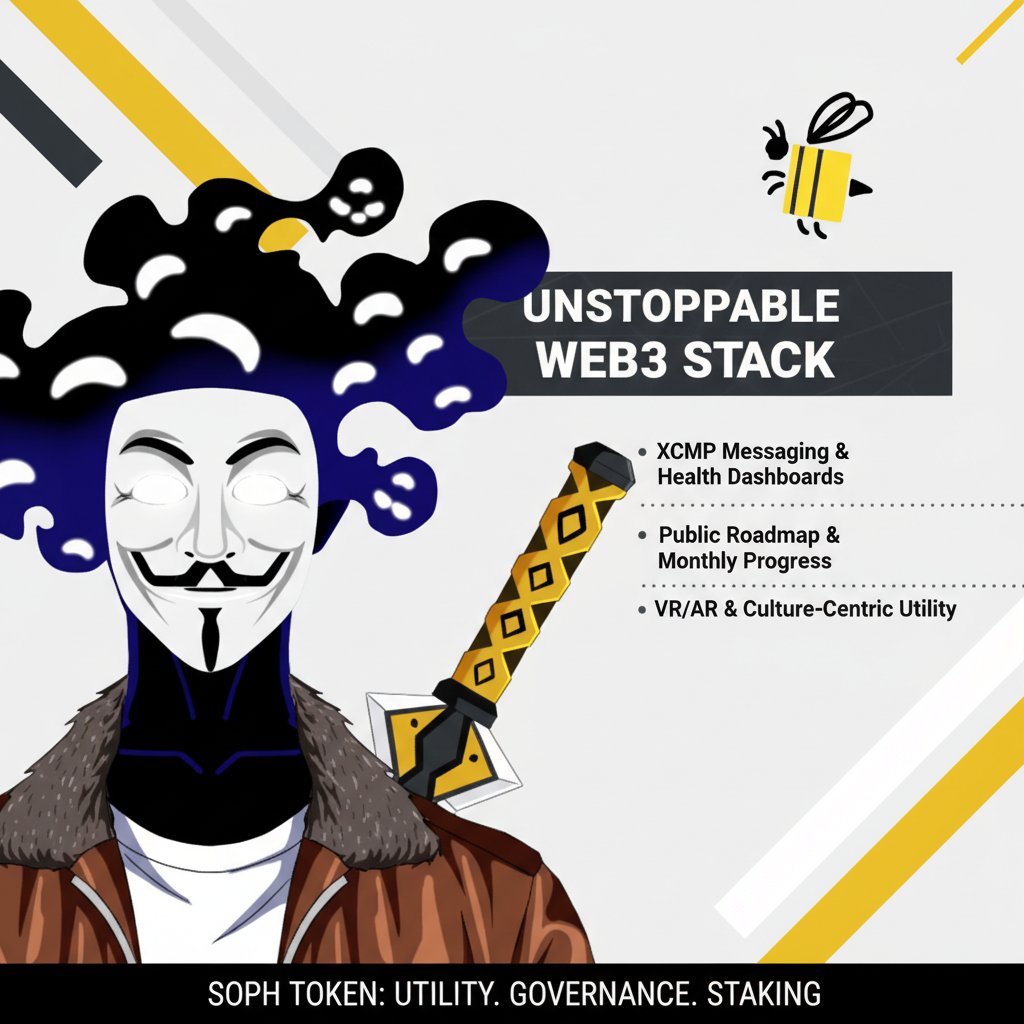
- XCMP‑grade cross‑chain messaging with relay‑chain health dashboards
- Public roadmap with monthly progress drops you can verify
- SOPH for utility, governance, staking
- VR spaces to explore assets and AR try‑ons before you buy
- Culture rails: skate history skill tooks, creative grants, backing women in blockchain
- Real world: crowdsourced agri research and farm‑to‑table traceability
Infra x culture x transparency is where adoption sneaks up on you, not where hype screams
Most teams chase one funnel
Platforms that layer multiple PMF shots win cycles
That’s why I’m watching @River4Fun right now
One engine, many surface areas for upside
Ignore it if you want, but fading this stack in 2026 feels like fading the obviouw 🚨
3
4
48

Jan 15
🔗 Cross-Chain DEX Architecture: Pact Swap Coinweb vs Others
Most cross-chain DEXs today depend on bridges, wrapped assets, or external validator sets to synchronize state between blockchains. While effective, these designs add extra trust assumptions, capital lockups, and attack surfaces.
🧱 Pact Swap @Pact_Swap, built on Coinweb @CoinwebOfficial, uses a fundamentally different architecture:
• Bridgeless & wrapper-free, swaps use native assets on each L1
• Reactive smart contracts monitor and respond to on-chain events across chains
• No added consensus layer, security comes from underlying L1s
• PACT (Penalty Adjudication for Cross-Chain Transactions) enforces correctness via on-chain collateral and economic penalties
🔍 How this compares:
• Bridge-based DEXs → relayers wrapped tokens
• THORChain → dedicated cross-chain validator network
• IBC / XCMP → ecosystem-level messaging with shared security assumptions
💡 Key takeaway:
Pact Swap Coinweb replace cross-chain consensus with economically enforced, reactive smart-contract logic, enabling true native, bridgeless cross-chain swaps without introducing new trust layers.
12
4
20
359

Jan 12
How good is Polkadots Infrastructure?
Via @origin_trail it secures
🇺🇸 40% of US imports secured
✈️ Digital Product Passport for aerospace industry
🇪🇺 EU Digital Building Logbook
🇨🇭 100,000 daily events recorded on Swiss rails
---------------------------------------------------------
Via @peaq it powers the machine economy:
🤖 6M onchain humans & machines
🧩 59 live applications
🎙 1M voice recordings crowdsourced for AI training (Silencio)
🖥 250K decentralized compute deployments (Acurast)
----------------------------------------------------------
Decentralized Compute Via @Acurast
📱 166,000 registered smartphones across 115 countries
🖥 322,000 implementations/deployments
• 300,000 verifiable deployments
⛓ 575M blockchain transactions processed
💰 $200M in assets secured
----------------------------------------------------------
via @EnterTheMythos it secures In-Game Asset TX ~
🏈 NFL Rivals
• Official NFL license
• 7M downloads
• 75% retention
⚽ FIFA Rivals
• Official FIFA license
• 1M downloads
• 25M goals scored
• Best Sports Game 2025
🐧 Pudgy Penguins
• Official Pudgy Party mobile game
• 1M downloads
• #1 U.S. Racing App Store
• Best Mobile Game 2025 (GAM3 Awards)
--------------------------------------------------------
Decentralized Storage Via @CrustNetwork
🗄️2,300 PB of decentralized storage capacity
🌎7,000 nodes globally
📦Infrastructure used for long-term data availability, backups, and Web3 storage at scale
----------------------------------------------------------
Bridge infrastructure via @hyperbridge – the most secure bridge in crypto, fully trustless
Only possible on Polkadot due to the network’s foundational design as a L0 protocol with heterogeneous sharding, shared security, and built in tools like XCM (Cross-Consensus Messaging) for parachain to parachain communication and XCMP for efficient data transfer.
Polkadot serves as a verifiable computation layer, treating parachains (including Hyperbridge) as coprocessors that distribute workloads across dedicated cores via BEEFY (Bridge Efficiency Enabling Finality Yielder) for cost-effective consensus proofs🔥🔥🔥🔥🔥
----------------------------------------------------------
And this is just the tip of the iceberg…
Mandala Chain
Working directly with two national governments
Hydration
Unified liquidity layer, advanced routing, and capital efficiency, designed for real volume
Polkadot's innovative Substrate framework is powering groundbreaking projects like @bittensor , positioning it as a leader in scalable, interconnected blockchain ecosystems
.......and many other examples
Polkadot is the answer to the question of who is building the infrastructure for the next generation of Web3 applications $Dot

2
8
44
1,408
24 Dec 2025
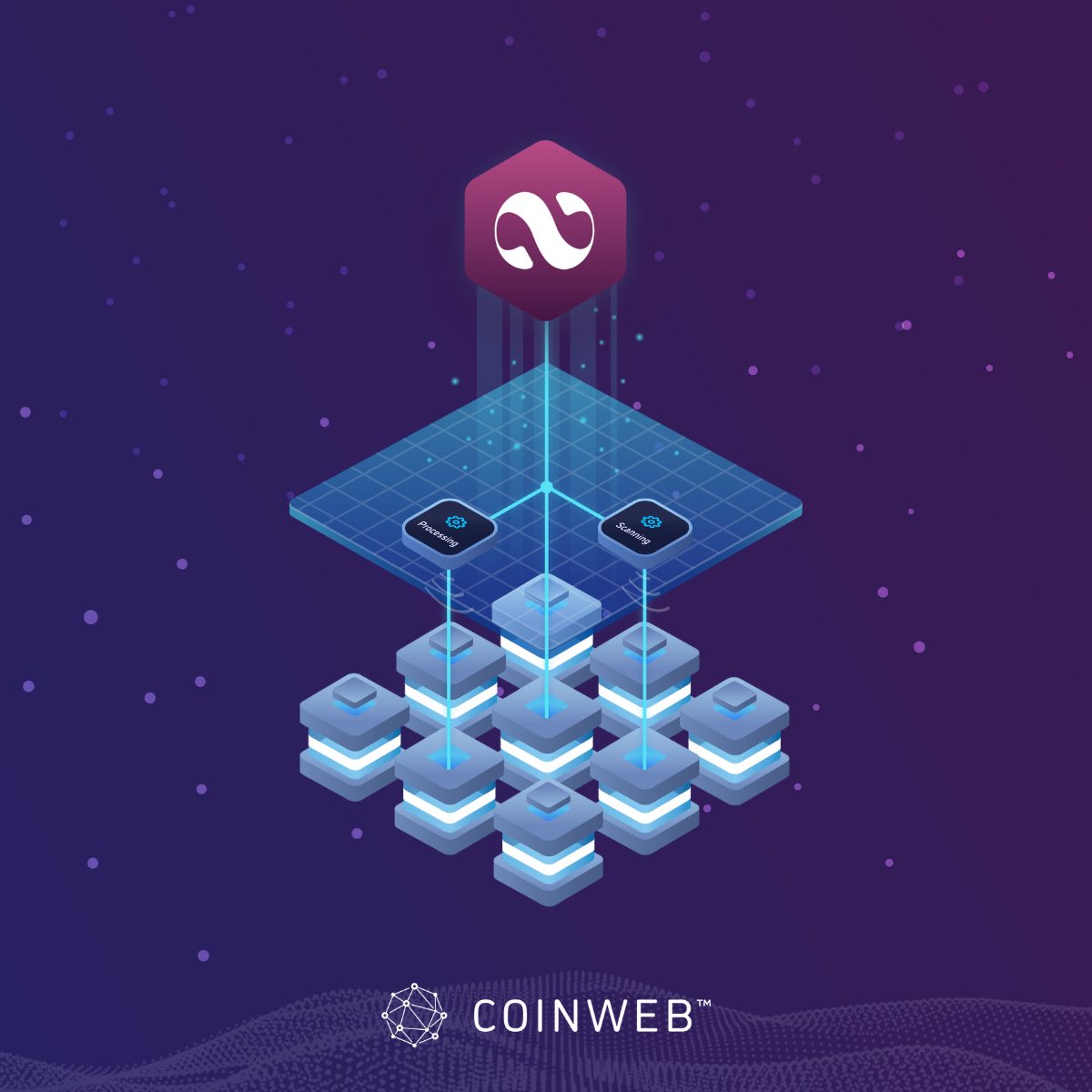
🔗 Cross-Chain DEX Architecture: Pact Swap Coinweb vs Others
Most cross-chain DEXs today depend on bridges, wrapped assets, or external validator sets to synchronize state between blockchains. While effective, these designs add extra trust assumptions, capital lockups, and attack surfaces.
🧱 Pact Swap @Pact_Swap, built on Coinweb @CoinwebOfficial, uses a fundamentally different architecture:
• Bridgeless & wrapper-free — swaps use native assets on each L1
• Reactive smart contracts monitor and respond to on-chain events across chains
• No added consensus layer — security comes from underlying L1s
• PACT (Penalty Adjudication for Cross-Chain Transactions) enforces correctness via on-chain collateral and economic penalties
🔍 How this compares:
• Bridge-based DEXs → relayers wrapped tokens
• THORChain → dedicated cross-chain validator network
• IBC / XCMP → ecosystem-level messaging with shared security assumptions
💡 Key takeaway:
Pact Swap Coinweb replace cross-chain consensus with economically enforced, reactive smart-contract logic, enabling true native, bridgeless cross-chain swaps without introducing new trust layers.
#PACT
11
6
34
516

You can use Aave or Uniswap on Ethereum L1 or on one of its L2s. You can use PancakeSwap on BSC or Raydium on Solana. You can use Hyperliquid or Aster. Then you can use bridges to move your assets from one chain to another and catch the best APY!
Or you can just use all the DEXs you like on Polkadot, moving your assets freely from one to any other, whenever you want, trustless, leveraging on XCMp native cross-chain interoperability.
Can you understand this or you need a little drawing?
5
13
1,056

17 Dec 2025
What @LibertySwapFi V2 could be? 🤔
LibertySwap v1
•Message passing (IBC, XCMP)
•Shared security
•Chains still act independently
•Users choose chains manually
LibertySwap v2
•Intent execution
•Liquidity security compute coordination
•The user doesn’t choose a chain — the system does
“I want X outcome” → LibertySwap v2 figures out where and how to execute it.
⸻
2️⃣ Architecture of LibertySwap v2
🧠 Intent Engine (new)
Users submit intents, not transactions.
Examples:
•“Swap $5M USDC to ETH with minimal slippage”
•“Borrow against ETH privately and deploy on PulseChain”
•“Arb this price difference across chains”
The LibertySwap v2 decides:
•Which chains
•Which liquidity
•Which execution path
•Which settlement layer
⸻
🌐 Execution Mesh
Instead of isolated chains:
•L1s
•L2s
•App-chains
•Private L2s (Railgun-style)
•Rollups
•Sidechains
All act as execution domains inside one mesh.
No chain is “primary.”
⸻
💧 Unified Liquidity Layer
Not bridges.
•Liquidity is mirrored, netted, or abstracted
•Capital efficiency > wrapped assets
•Vaults / treasuries rebalance automatically
This is where:
•pDAI
•synthetic settlement assets
•netted stable layers
live.
⸻
🛡️ Shared Risk Settlement Layer
Instead of “shared security” only:
•Shared risk management
•Global health metrics (TCR-like)
•Circuit breakers
•Liquidity backstops
Think:
•Cross-chain Recovery Mode
•System-wide liquidation logic
⸻
🤖 Autonomous Executors
Not validators only:
•Solvers
•MEV-aware executors
•Arb bots
•Privacy relayers
They compete to fulfill intents efficiently.
4️⃣ Real-world pieces that already hint at LibertySwap v2
No one has the full stack yet, but fragments exist:
•Cosmos → execution mesh
•Polkadot → shared security
•Uniswap v4 hooks → programmable execution
•Railgun → private execution domain
•Solver networks (CoWSwap, Anoma) → intent logic
•EigenLayer-style restaking → shared risk
LibertySwap v2 is the fusion of all of these.
⸻
5️⃣ What a user experiences (important)
User does not:
•Pick a chain
•Bridge
•Wrap assets
•Worry about MEV
User does:
•Declare outcome
•Approve risk bounds
•Get settlement
Chains become invisible infrastructure.
⸻
6️⃣ If you map this to your PulseChain / Railgun
In your mental model:
•ETH L1 = deep liquidity & price discovery
•Railgun = private execution layer
•PulseChain = cheap public settlement
•pDAI = abstract settlement asset
That stack already behaves like a proto-LibertySwap v2, even if it’s not branded that way.
⸻
One-line definition
LibertySwap v2 is a capital-coordinating, intent-driven system that treats chains as execution backends, not destinations.
5
9
66
1,752