
If you have time for an overnight, make a stop at Moose Pass Adventures on your way back to Anchorage. Kayak/hike to yurts at Grant lake. Run by some of my favorite humans in the world
7

Yes, also derelict projects with roaming jihadists in Dagestan. And also freezing wooden houses in Yakutsk and yurts in Tuva. And tacky oligarch palaces in Sochi. I'm puzzled at what he sees as better aesthetics. It's either third-world rough or third-world tacky nouveau rich.
1
1
79

#FarewellToRussia is the perfect gift for armchair travellers this #FathersDay. Join @joelucbarnes as he travels across the former USSR, meeting nomads in mountain yurts, small-town taxi drivers and many who still look uneasily over their shoulder for the secret police. #travel

34


Jun 15
🏡 Exciting Opportunity to let a free-of-tie pub near Penrith in Cumbria 🏡
Set in the beautiful village of Great Strickland, this well-known property offers a fantastic opportunity for anyone looking to take on a traditional public house with two letting bedrooms and five letting cabin/yurts.
With its charming character, prominent location, and strong local presence, the Strickland Arms is ready for its next chapter.
Interested in finding out more? Get in touch today for further details and to arrange a viewing.
Please share with anyone who may be looking for their next business opportunity!
#GreatStrickland #ToLet #BusinessOpportunity #PubToLet #CumbriaBusiness #HospitalityOpportunity #VillagePub #pub #pubs #cumbria #commercialproperty #penrith

32

These subhuman sandniggers from Tajikistan think their yurts and weak-ass pilaf can stop the horde? Lmao Genghis mode activated, your entire bloodline gets glassed and turned into steppe fertilizer. Post or your village burns, cope seethe dilate 🤡🐴 #TajikYurtCucks
2
16

New editorial positions on stories in The Post:
Housing: Yurts 🛖 are the affordability answer.
Education: Every child should be able to ride, do archery by the age of 5.
Defence: See Education.
Politics: NZ needs a Khanate govt.
Lifestyle/Food: It’s hot if it’s Mongol hot pot.
6
125

Jun 15
9/10
⛺ As I walked down from the grave towards the plain, my steps were much heavier than before. But that last doubt, that last shard of weakness in my heart, had also been buried in the earth with Jamukha. Below, tens of thousands of yurts stretching to the horizon, hundreds of thousands of horses, and a massive nation that had sworn absolute obedience to me were waiting. There were no Tatars, no Keraite, no Naimans. The Taichiud and Jamukha had turned into legends. Mongolia, which had been cutting each other's throats for centuries, was finally united under a single will—my will. #Unity #Will
1
1
39

Jun 14
Stolen Greek land and Greek theater. They were in yurts in Mongolia when we built that
30
17
2,473


Jun 13
Kazakh, Turkic-speaking people of Central Asia inhabiting mainly Kazakhstan and adjacent parts of Xinjiang Uyghur Autonomous Region in China. Kazakhs emerged in 15th Century CE, from an amalgam of Turkic tribes who entered Transoxiana about 8th Century CE, and of Mongols who entered the area in 13th Century CE. They speak Kazakh, a Turkic language of the northwestern or Kipchak, branch and predominantly practice Sunni Islam.
At the beginning of 21st Century, there were roughly 10,000,000 Kazakhs in Kazakhstan and about 1,400,000 in China (mainly in Xinjiang), with small numbers in Uzbekistan, Russia and Mongolia. Kazakhs are the second most numerous Turkic-speaking people in Central Asia after Uzbeks.
Kazakhs were traditionally pastoral nomads, dwelling year-round in portable dome-shaped tents (gers or yurts) constructed of dismountable wooden frames covered with felt. Kazakhs migrated seasonally to find pasturage for their livestock, including horses, sheep, goats, cattle, and a few camels. The diet consisted largely of milk products supplemented by mutton. Fermented mare’s milk (koumiss) and horse flesh were highly esteemed but usually available only to the prosperous. Felt made the tent snug inside and out and was used for cloaks. Hides provided clothing, containers, and thongs; horsehair was braided into rope, while horn was used for ladles and other utensils.
Kazakhs believe themselves to be descended from a progenitor who had three sons from whom sprang the main divisions of the Kazakhs: the Great, Middle, and Little hordes (ordas) that occupied the eastern, central, and western parts, respectively, of what became the Kazakh khanate and is now Kazakhstan. These hordes were subdivided into smaller groups; the basic unit was the extended family, embracing not only parents and unmarried children but married sons and their families, who camped together. Groups at various levels in the tribal hierarchy had chiefs, but only rarely was the Kazakh nation, or even one of the hordes, united under a single chief.
Their nomadic life was gradually curtailed by the encroachment of settled agriculture on pasturelands. In 19th Century CE, an increasing number of Kazakhs along the borders began to plant some crops. During WWI and again under Soviet rule, many Kazakhs were killed in repressions or fell victim to famines; still others fled with their herds to Xinjiang in China or to Afghanistan and remaining nomads were eventually settled on collective farms. Most Kazakhs are now settled farmers who raise sheep and other livestock and grow crops. In Xinjiang, however, many nomadic groups remain.

Kazakh, Turkic-speaking people of Central Asia inhabiting mainly Kazakhstan and adjacent parts of Xinjiang Uyghur Autonomous Region in China. Kazakhs emerged in 15th Century CE, from an amalgam of Turkic tribes who entered Transoxiana about 8th Century CE, and of Mongols who entered the area in 13th Century CE. They speak Kazakh, a Turkic language of the northwestern or Kipchak, branch and predominantly practice Sunni Islam.
At the beginning of 21st Century, there were roughly 10,000,000 Kazakhs in Kazakhstan and about 1,400,000 in China (mainly in Xinjiang), with small numbers in Uzbekistan, Russia and Mongolia. Kazakhs are the second most numerous Turkic-speaking people in Central Asia after Uzbeks.
Kazakhs were traditionally pastoral nomads, dwelling year-round in portable dome-shaped tents (gers or yurts) constructed of dismountable wooden frames covered with felt. Kazakhs migrated seasonally to find pasturage for their livestock, including horses, sheep, goats, cattle, and a few camels. The diet consisted largely of milk products supplemented by mutton. Fermented mare’s milk (koumiss) and horse flesh were highly esteemed but usually available only to the prosperous. Felt made the tent snug inside and out and was used for cloaks. Hides provided clothing, containers, and thongs; horsehair was braided into rope, while horn was used for ladles and other utensils.
Kazakhs believe themselves to be descended from a progenitor who had three sons from whom sprang the main divisions of the Kazakhs: the Great, Middle, and Little hordes (ordas) that occupied the eastern, central, and western parts, respectively, of what became the Kazakh khanate and is now Kazakhstan. These hordes were subdivided into smaller groups; the basic unit was the extended family, embracing not only parents and unmarried children but married sons and their families, who camped together. Groups at various levels in the tribal hierarchy had chiefs, but only rarely was the Kazakh nation, or even one of the hordes, united under a single chief.
Their nomadic life was gradually curtailed by the encroachment of settled agriculture on pasturelands. In 19th Century CE, an increasing number of Kazakhs along the borders began to plant some crops. During WWI and again under Soviet rule, many Kazakhs were killed in repressions or fell victim to famines; still others fled with their herds to Xinjiang in China or to Afghanistan and remaining nomads were eventually settled on collective farms. Most Kazakhs are now settled farmers who raise sheep and other livestock and grow crops. In Xinjiang, however, many nomadic groups remain.
#archaeohistories
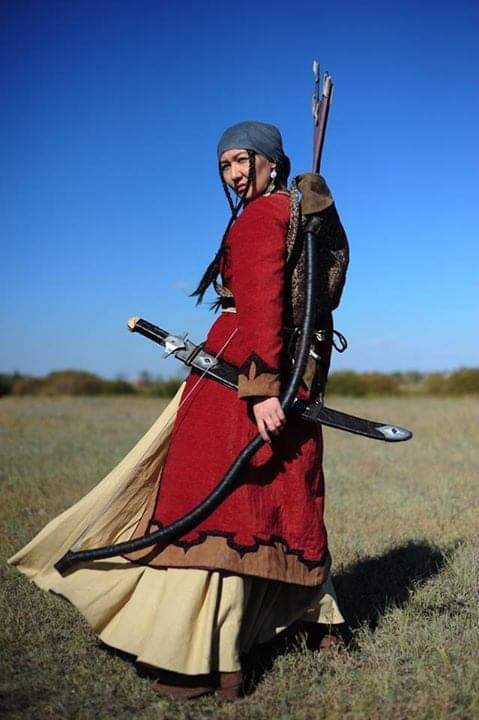
199
Yurts for sale ebay.co.uk/itm/389865797867?…
1
10

Shen Yun is scheduled to perform around the world. Book your tickets now: sypa.us/tickets See more: shenyun.com
From a distance, an enchanting tune calls across the vast plains of northern Asia, inviting the weary traveler to pause for a respite.
The call and response of erhu and cello imitate the Mongolian horsehead fiddle, beckoning Mongolian women from their yurts.
89

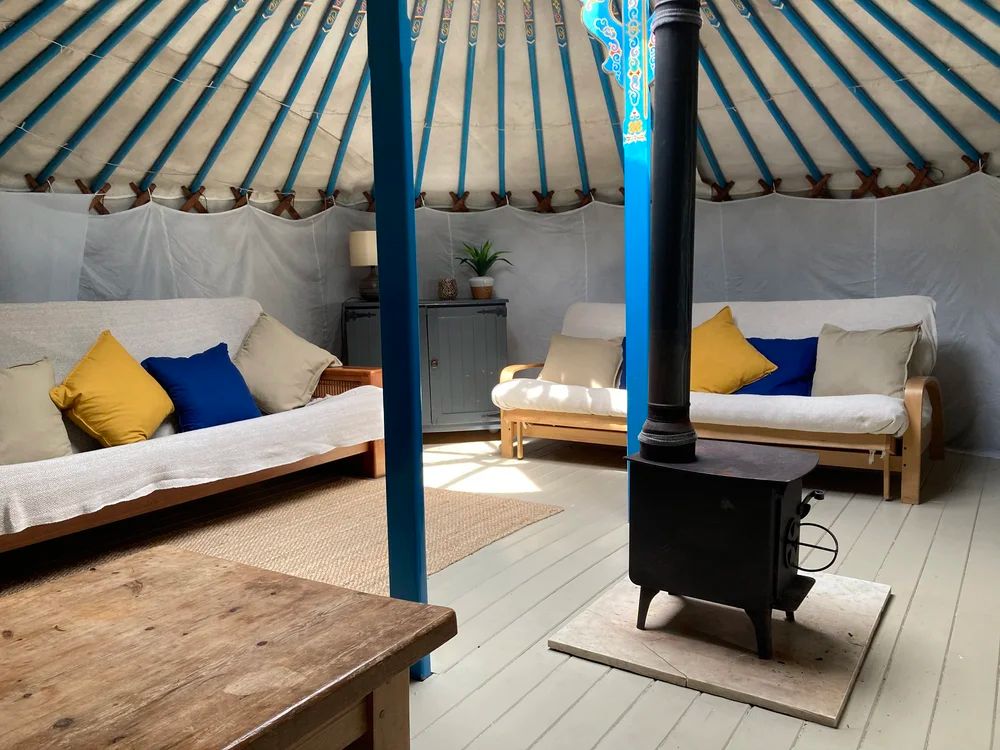
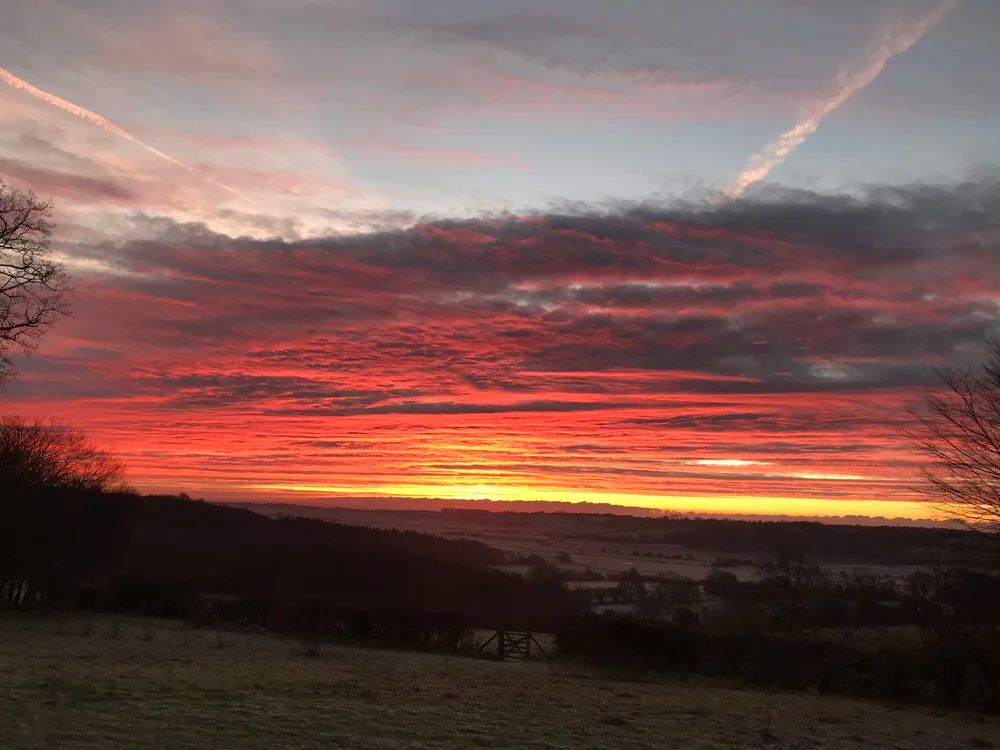
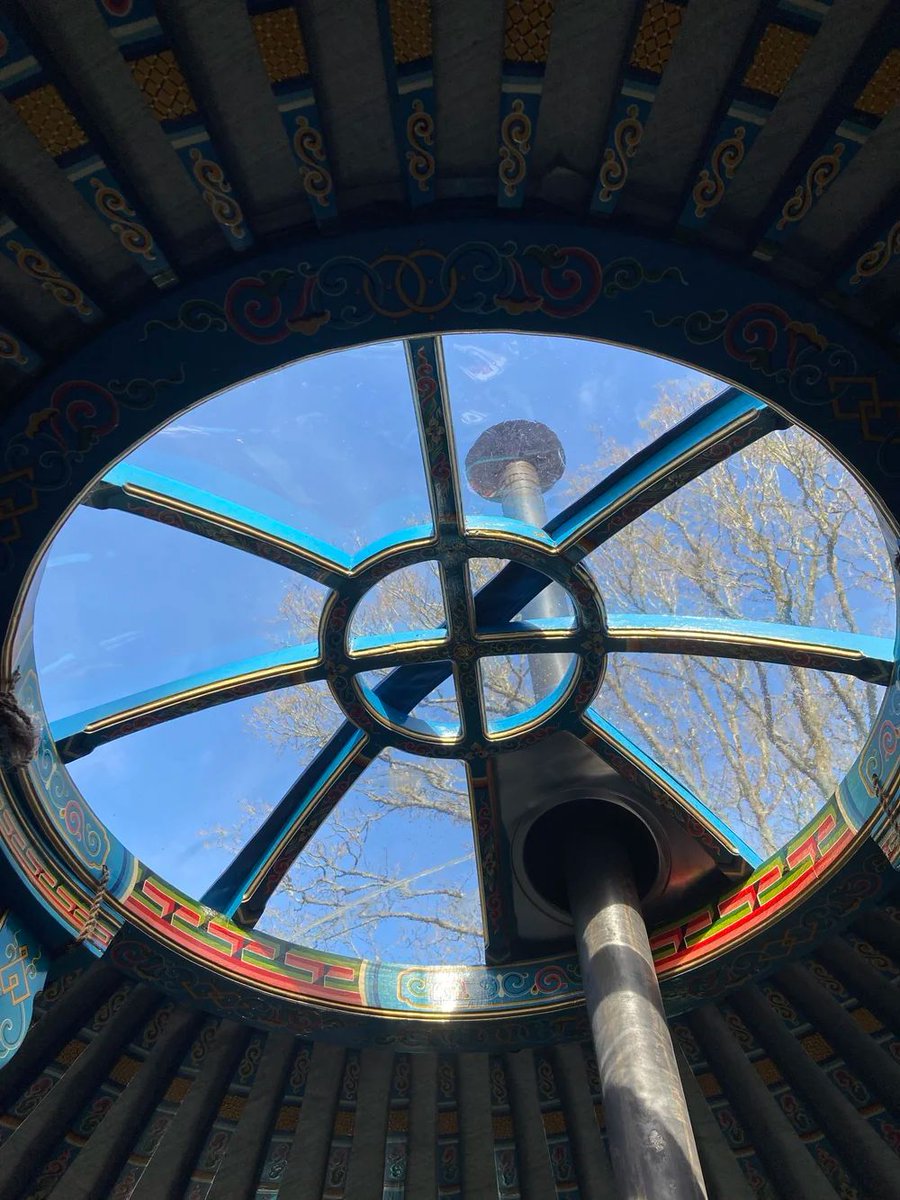
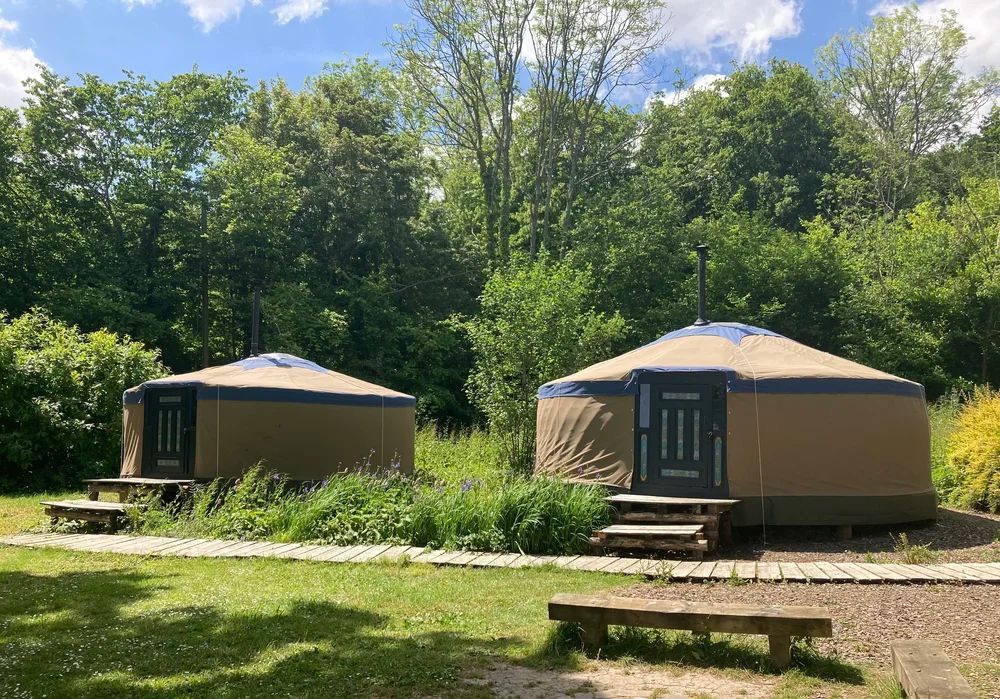
🌿 Barefoot Yurts offers off-grid glamping near Rye, with Brede Valley views, wood burners and space to slow down in the East Sussex countryside.
🔗 Find out more:
camping-directory.uk/2329
#brede #eastsussex #visitengland #glamping #yurtstay
1
43

Which is something that Mongolia is still highly known for to this day. A good chunk of Mongolians are nomadic, and live in similar yurts seen in Sacae. Granted, yurts were also very common in Central Asia, so it IS more of a sort of hegemony of Central Asian and Mongolian tropes
27

Kazakh, Turkic-speaking people of Central Asia inhabiting mainly Kazakhstan and adjacent parts of Xinjiang Uyghur Autonomous Region in China. Kazakhs emerged in 15th Century CE, from an amalgam of Turkic tribes who entered Transoxiana about 8th Century CE, and of Mongols who entered the area in 13th Century CE. They speak Kazakh, a Turkic language of the northwestern or Kipchak, branch and predominantly practice Sunni Islam.
At the beginning of 21st Century, there were roughly 10,000,000 Kazakhs in Kazakhstan and about 1,400,000 in China (mainly in Xinjiang), with small numbers in Uzbekistan, Russia and Mongolia. Kazakhs are the second most numerous Turkic-speaking people in Central Asia after Uzbeks.
Kazakhs were traditionally pastoral nomads, dwelling year-round in portable dome-shaped tents (gers or yurts) constructed of dismountable wooden frames covered with felt. Kazakhs migrated seasonally to find pasturage for their livestock, including horses, sheep, goats, cattle, and a few camels. The diet consisted largely of milk products supplemented by mutton. Fermented mare’s milk (koumiss) and horse flesh were highly esteemed but usually available only to the prosperous. Felt made the tent snug inside and out and was used for cloaks. Hides provided clothing, containers, and thongs; horsehair was braided into rope, while horn was used for ladles and other utensils.
Kazakhs believe themselves to be descended from a progenitor who had three sons from whom sprang the main divisions of the Kazakhs: the Great, Middle, and Little hordes (ordas) that occupied the eastern, central, and western parts, respectively, of what became the Kazakh khanate and is now Kazakhstan. These hordes were subdivided into smaller groups; the basic unit was the extended family, embracing not only parents and unmarried children but married sons and their families, who camped together. Groups at various levels in the tribal hierarchy had chiefs, but only rarely was the Kazakh nation, or even one of the hordes, united under a single chief.
Their nomadic life was gradually curtailed by the encroachment of settled agriculture on pasturelands. In 19th Century CE, an increasing number of Kazakhs along the borders began to plant some crops. During WWI and again under Soviet rule, many Kazakhs were killed in repressions or fell victim to famines; still others fled with their herds to Xinjiang in China or to Afghanistan and remaining nomads were eventually settled on collective farms. Most Kazakhs are now settled farmers who raise sheep and other livestock and grow crops. In Xinjiang, however, many nomadic groups remain.
#archaeohistories
2
31
150
7,208

100% agreed. seeing all of the mangkwan backstories was so refreshing we got to see more cultural aspects with how their yurts were set up, diff character designs up close, etc.
1
1
52


Jun 12
‘Torn from the Tundra’.
📹‘Our grandchildren don't want to be in the tundra,’ complains Myag Hudi, the oldest woman in one of the large nomadic settlements on the Yamal Peninsula, Russia.
Many nomads worry that their heirs will forget their traditions.
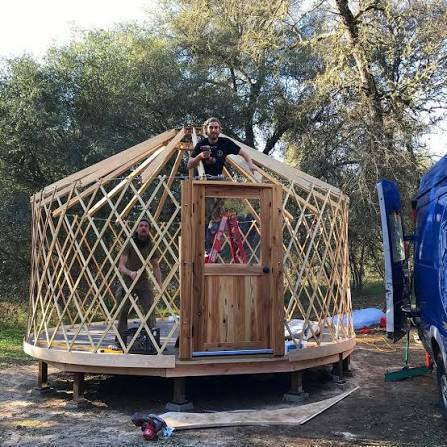
Today's children are not willing to dismantle and reassemble yurts every two days, follow reindeer across the frozen steppe and see nothing of the world beyond the tundra.
Just decades ago schoolchildren aspired to return to their native roots.
‘In the first year, I ran off to the tundra—they couldn't find me!’ Annushka Hudi recalls her time studying at the Soviet settlement boarding school.
Now her grandchildren, in contrast, want to move closer to the city.
Why is the younger generation cutting ties with the nomadic way of life?
Watch our film, ‘Torn from the Tundra’.

2
27
2,042