
Imo APP senatorial candidate asks NJC to suspend judge over parties’ deregistration order
Rufus Omeire, candidate of the Action People’s Party (APP) for Imo west senatorial district, has criticised the court judgement ordering the deregistration of five opposition parties.
On Monday, Peter Lifu, judge of the federal high court in Abuja, ordered the Independent National Electoral Commission (INEC) to deregister APP, African Democratic Congress (ADC), Action Alliance (AA), Accord (A), and the Zenith Labour Party (ZLP), over their inability to secure the constitutionally required electoral performance in the 2023 polls and subsequent by-elections.
thecable.ng/imo-app-senatori…
1
6
917

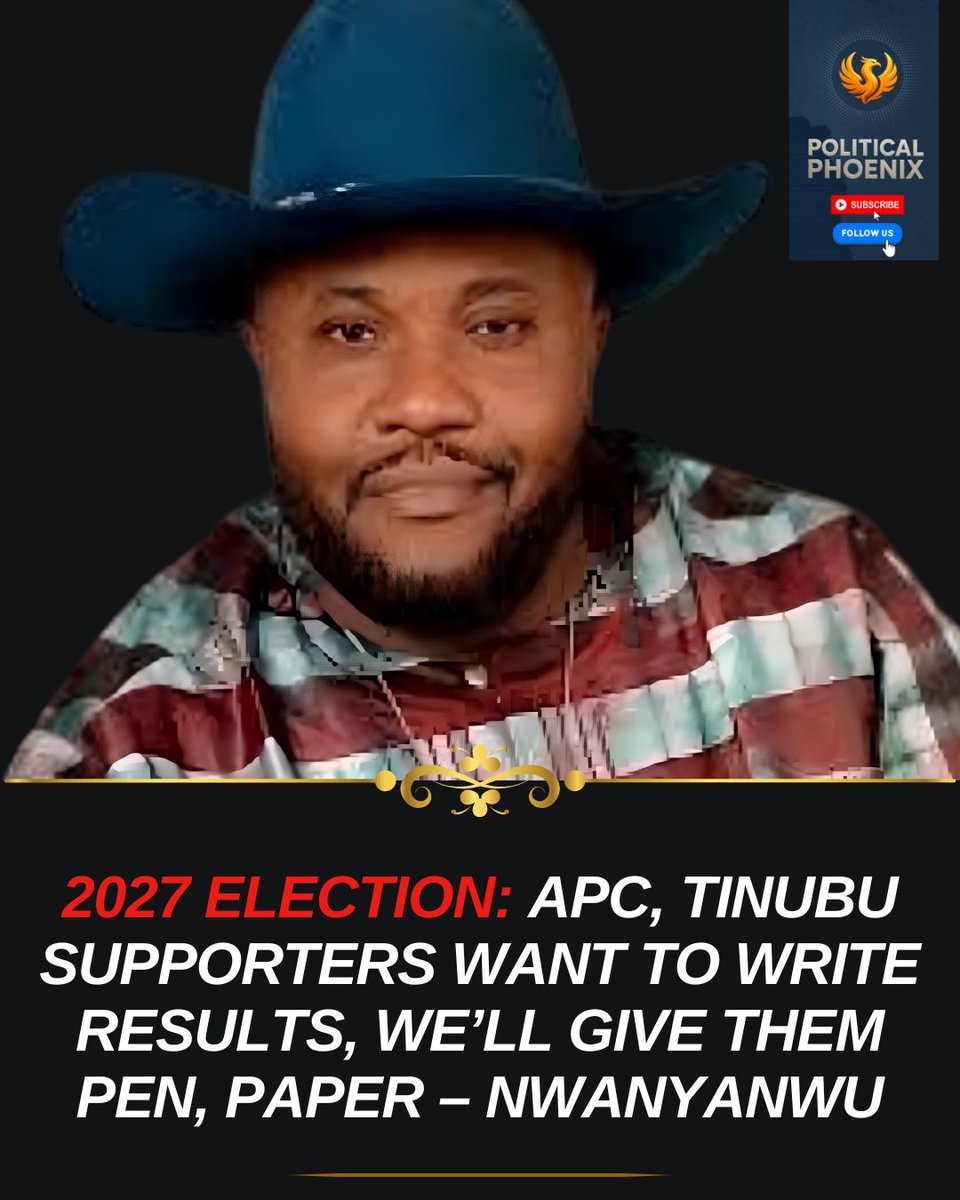
"WE WILL GIVE THEM PEN AND PAPER" — NWANYANWU FIRES BACK AT APC & TINUBU SUPPORTERS AHEAD OF 2027
The rhetorical fireworks for the 2027 presidential election have officially begun, and Chief Dan Nwanyanwu isn't pulling any punches!
The National Chairman of the Zenith Labour Party (ZLP) has thrown down a massive gauntlet challenging the ruling All Progressives Congress (APC) and supporters of President Bola Tinubu over allegations and rumors regarding election manipulation.
The Protests and the Bold Defiance:
Responding to murmurs that political machineries might try to bypass the actual voting process, Nwanyanwu delivered a biting, highly sarcastic warning to anyone planning to undermine the democratic process:
> "If APC and Tinubu supporters want to write the results of the 2027 election, we will willingly give them pen and paper to do so."
Why This Is Riling Up Political Circles:
Nwanyanwu’s fiery commentary taps directly into the deep-seated anxieties of the Nigerian electorate regarding votes counting. By daring the ruling party so openly, the ZLP leader is signaling that the opposition is highly alert, highly mobilized, and will not quietly tolerate structural rigging or the "writing" of election returns behind closed doors.
As alliances shift and rhetoric sharpens, the battle lines for 2027 are being drawn much earlier than anyone anticipated.
How do you read Nwanyanwu’s statements? Is this standard political bravado from the opposition, or a timely warning that the 2027 elections will face unprecedented scrutiny from opposition parties?
Sound off with your thoughts in the comments! 💬👇
#DanNwanyanwu #ZLP #APC #Tinubu Supporters #PoliticalPhoenix
7
Xrystal Blacck retweeted

The Federal High Court judgment deregistering the ADC, Accord, APP, ZLP and other opposition parties must be condemned by all and sundry.
We stand in solidarity with these opposition parties and call on every Nigerian to resist the attempt by the rudderless APC to drift our nation into a one-party state.
An injury to one is an injury to all.
183
1,399
4,173
93,109
Comrade Oviendo For PO ✌️ retweeted

Jun 16
Tinubu’s Supporters’ Overdrive Making Him Unpopular, Says ZLP Chairman
channelstv.com/2026/06/16/ti…
7
12
63
8,358
みちさちパパ retweeted
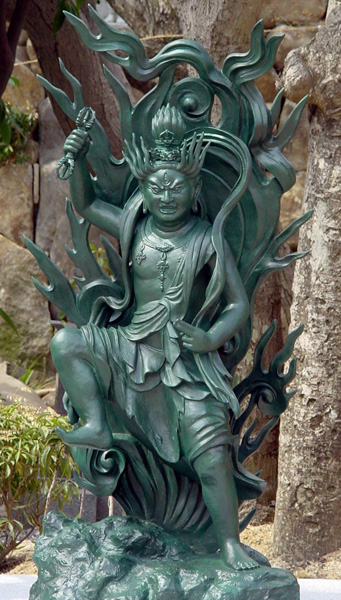
蔵王権現、金剛蔵王権現、日本独自の神仏像
山嶽仏教、修験道の本尊
修験者、山伏、山岳信仰、密教、真言宗、天台宗...
~~~~
日本の仏像、神像、他
seihou8.sakura.ne.jp/art/
seihou8.sakura.ne.jp/art/ind…
天、明王、他
seihou8.sakura.ne.jp/art/ten…
五体の像(蔵王、他)
seihou8.sakura.ne.jp/art/jii…
7 Aug 2025

【骨仏、納骨仏像、お骨仏】
納骨堂の堂内や上部に祀られ、合葬墓、合祀墓として
永代供養が行われます。
seihou8.sakura.ne.jp/art/kot…
seihou8.sakura.ne.jp/art/kot…
日本の仏像、他
seihou8.sakura.ne.jp/art/
seihou8.sakura.ne.jp/art/ind…
寺院の仏像
seihou8.sakura.ne.jp/art/jii… seihou8.sakura.ne.jp/art/jii…
~
32
243
2,298


⎐كُـود⎐كوبِون⎐خـِصم⎐
⎐نون⎐
⊵CBB54⊴
⎐تُيموُ⎐
⊵tea37⊴
⎐نمشي⎐
⊵BLK13⊴
⎐مفارش▬الحبيب⎐
⊵sm29⊴
⎐دبدوب⎐
⊵DA14⊴
▬جىني⎐
⊵AApy⊵
⎐باث▬اند▬بودي⎐
Af8p⊴
⎐ايهرب⎐ايهيرب اهرب
⊵KIH8768⊴
***
loudest
zlP
Benjamin Fernández retweeted

Jun 10
PROHIBIDO OLVIDAR! ESTOS SON LOS SINVERGÜENZAS QUE NO DIERON PASO AL JUICIO POLÍTICO A INÉS MANZANO!

9
70
75
1,388

The Court of Appeal has stayed the execution of a judgment ordering the deregistration of the ADC, APP, AA, Accord Party and ZLP. Allowing them to remain recognised pending the outcome of an appeal.
Read more: therealmediang.com/news/cour…
#ADC #Politics #Nigeria
11

14h
Party, AP, and Zenith Labour Party, ZLP.
The appellate court described the development as the highest form of judicial impertinence, stating that the trial judge brazenly disregarded its earlier order.
The panel of justices held that Justice Lifu exhibited
1
27

The Court of Appeal in Abuja has ordered a stay of execution on the Federal High Court judgment that directed the deregistration of the African Democratic Congress (ADC), Action Peoples Party (APP), Action Alliance (AA), Accord Party (AP), and ZLP.
adbntv.com/appeal-court-susp…
12

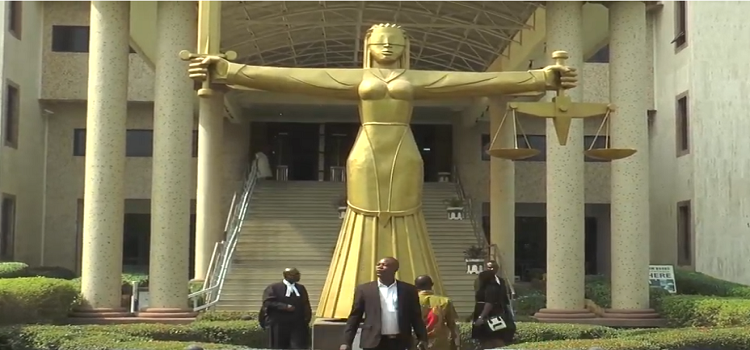
Political Implications Of Party De-registration Ahead of 2027 Elections
Utibe Umoren
Nigeria’s political landscape faces a major shockwave just 6 months before the 2027 general elections.
Tremors of uncertainty are building following an Abuja Federal High Court order directing the country's electoral umpire, INEC, to de-register five existing political parties.
With the Electoral Commission already bogged down by a flurry of legal battles, this judgment further muddies the political waters ahead of the polls.
Monday's ruling by the Court risks completely redefining the 2027 electoral contest.
Section 225A of the 1999 Nigerian Constitution (As Amended) provides States:
“The Independent National Electoral Commission shall have the power to de-register a political party for—
(a) breach of any of the requirements for registration;
(b) failure to win at least twenty-five per cent of votes cast in one State of the Federation in a Presidential election...”
(c) failure to win at least:
i. One ward in the chairmanship election
ii. one seat in the National or state House of Assembly election, or
iii. one seat in the councilorship election)
Justice Peter Lifu invoked Section 225A of the Constitution. He ruled that the affected 5 political parties - ADC, Accord, ZLP, AA, and APP failed to attain the performance thresholds.
But the timing introduces heavy volatility ahead of a crucial election year.
The immediate fallout means a shrinking ballot and limited choice for voters. INEC argues that purging non-performing groups clears "briefcase parties".
But the judgment itself raises curious posers. The ADC won two House of Reps seats in 2023 in Ijumu/Kabba Bunu and Yagba East/Yagba West/Mopa Federal Constituencies. The ADC also currently has about 7 members in the Nigerian Senate. The Party is asking how it still failed the constitutional requirements to be a political party
This is why critics are warning that this ruling severely stifles political diversity. Some label it a strategic plot to weaken opposition threats.
Suspicion grew when the Attorney General supported the lawsuit. The AGF's involvement reinforced claims of a ruling party agenda. But the All Progressives Congress, APC, has firmly denied any interference.
Justice Lifu's decision leaves affected groups scrambling for lifelines. For political heavyweights, the disruption to alternative routes is massive.
Take the African Democratic Congress, ADC, for instance. The ruling directly undermines the strategic calculus of its newly minted ticket.
Former Vice President Atiku Abubakar and Rotimi Amaechi just emerged as presidential and vice-presidential candidates. Now, their very political vehicle faces sudden dissolution.
The impact hits even closer in off-cycle races. Osun State holds its governorship poll on August 15, 2026. Incumbent Governor Ademola Adeleke is running for re-election on the Accord platform. The ruling threatens his clearance despite completed nominations.
Governor Adeleke and the Accord leadership are fighting back. They allege that the judgment violates a subsisting Court of Appeal stay of proceedings. The APP has similarly cited existing appellate protections, while the ADC warns of an active plot to cripple the opposition.
An even more immediate test arrives this weekend in Ekiti State. INEC originally cleared 14 candidates for the June 20 gubernatorial vote. Now, 5 choices face immediate disqualification under this Court ruling.
Affected candidates include: Patrick Bejide of the ADC, Olu Omotosho of the AA, and David Falegan of Accord. APP’s Olaiya Awogbemi and ZLP’s Adetunji Damilola are also sidelined.
With the window for primaries closed, these parties face complete exclusion from the 2027 races if the judgment stands.
This is where the electoral management body faces a crisis of its own. With Monday’s judgement, is INEC going to disqualify candidates of the affected parties for the upcoming Ekiti and Osun States off-cycle governorship elections, and those cleared for the 2027 general elections? How does INEC navigate the litany of Court cases and orders dropping at its offices with limited time left to plan for elections? So far, there has been no reaction
As the legal battle moves to the Court of Appeal, the short-term reality is chaos. Candidates have lost their platforms, structures are fractured, and campaign momentum has broken down.
(Editor: Ken Eseni)
2
7
1,092
88-yasohachi retweeted

23 Jan 2025
蔵王権現、金剛蔵王権現、日本独自の神仏像
山嶽仏教、修験道の本尊
修験者、山伏、山岳信仰、密教、真言宗、天台宗...
~~~~
日本の仏像、神像、他
seihou8.sakura.ne.jp/art/
seihou8.sakura.ne.jp/art/ind…
天、明王、他
seihou8.sakura.ne.jp/art/ten…
seihou8.sakura.ne.jp/art/ten…
~~~~
5
215
1,477
25,342