Some basic pointers:
1. Negative keywords: Depending on your spend and keyword match type, you want to go through your search terms daily for the first 1-2 weeks and populate your negative keyword lists. Careful on the match type of the negatives because they do not work the same as the targeting kw.
Since you have a limited space for negatives, you must be efficient with them. Block general themes carefully using phrase and broad match either on the account level (if its themes that you NEVER want to participate in the auction regardless of the campaign) or on the campaign level. Careful not to block anything unwanted.
To find negative patterns easily, use some ngram scripts. (bigrams and trigrams will be the most useful)
2. Structure: There is no one size fits all account structure but a good rule to follow is semantic/intent theme grouping on the adgroup level. Each adgroup should cover a single theme and the copy of the ad should match that 100%.
Example:
Campaign 1: US - Car Insurance
Adgroup 1: Brands - Ford (car insurance about ford brand)
Adgroup 2: Brands - Chevvy etc etc.
Now if you want you can segment things even more granular and make a campaign only for Fords and each agroup can target a specific model/year of the brand but that depends on the general context of what you are promoting what volumes do those keywords have (if they are too low volume such tight compartmnetalization might not be worth it and you are better off consolidating the themes).
3. Tracking: The more data (and high quality) you can feed the algo the better. Sending first-party data with the conversions api is usually the move (if possible ofcourse)
4. Time: Depending on the daily spend & conv type you have chosen, it takes time for performance to optimize and stabilize. You want at least 30-50 conv. per campaign, per 30 days to see some stability, but ideally you want that per adgroup within the campaign to have a chance at scaling. Now if you have a portfolio bidding strategy where campaigns share conv. data that limit might not exactly apply but its a good rule of thumb. There is a lot of nuance here and its hard to properly cover it in a simple tweet.
5. Match Types: Google has gotten very good at intent matching with theyr algorith so if you have money to burn and you want to brute force it go with broad match from the get go.
If are scared of the algo and the initial instability that comes with broad, you can always start with exact match and once you have enough conv. data on the account then slowly transition to broad
6. Number of kw's: Since all match types have gotten a lot looser, keyword stuffing your adgroups doesn't really make sense. I would say a good rule of thumb is 3-12 kw per adgroup is a decent rule to follow. If 2 keywords have overlap -> consolidate.
Example:
cheap aca insurance
inexpensive aca insurance
Those 2, especially in broad match, are basically the same thing. In that specific case i would just make them 2 different ad groups where the copy of one would use the attributive adjective (cheap, inexpensive) as the focal point.
7. Changes: DO NOT touch the account often. Google takes time to optimize. If you introduce new variables in the learning phase or in general in the acccount shit is going to break. After the initial setup (given that its correct) focus on negatives and let it spend for a couple of weeks (or even more). THEN analyze the data and optimize accordingly -> repeat.
8. Ads: The copy should ALWAYS match the semantic theme of the keywords you are targeting. Intent and semantic relevance is key. You want a high exp. CTR which will come from good ad copy (and the bid ofc) -> high relevance score = lower CPC.
You don't necesserily have to fill in all the headlines and desc but that depends on how autistic and hands on you want to be.
You either fill them all and let google do its thing and optimize OR you get really autistic and micro manage everything by single variable testing headlines.
Personally i would fill in everything and let google handle the headline/desc combination opt in the initial setup and then run 14-30 day experiments trying to bit googles algo on a later phase.
9. Ad Real Estate: Try to utilize all the available real estate that is given to you by google. Sitelinks, images and whatever else ad extension/asset feature applies to your product/offer. You want to occupy as much ad real estate as possible.
10. Bidding stratgy: There is a ton of nuance here and i've seen everything work but...if the account is new you can always start with a manual bidding strat like maximize clicks, set max CPCs and micro manage it to get some data without overpaying OR you can go brute force autism mode, start with max conv (or max. conv value if you track $) -> when enough data transition to tCPA or tROAS. (set it to the 30 day average and slowly push it to your desired goal over time).
When changing anything related to bidding you might see some instability in perf. IF the account stops spending after a tCPA/tROAS update you've limited the potential "auction bucket" of the algo because the change was too strict and google doesn't have enough confidence to bid on queries. In that case, revert the change to the previous checkpoint.
Disclaimer: All this shit can be thrown out the window since I've seen accounts spending 500-600k per day with the most hideous structure and without following any of the advice I've written above, but that's besides the point.
1
4
292

Jan 27
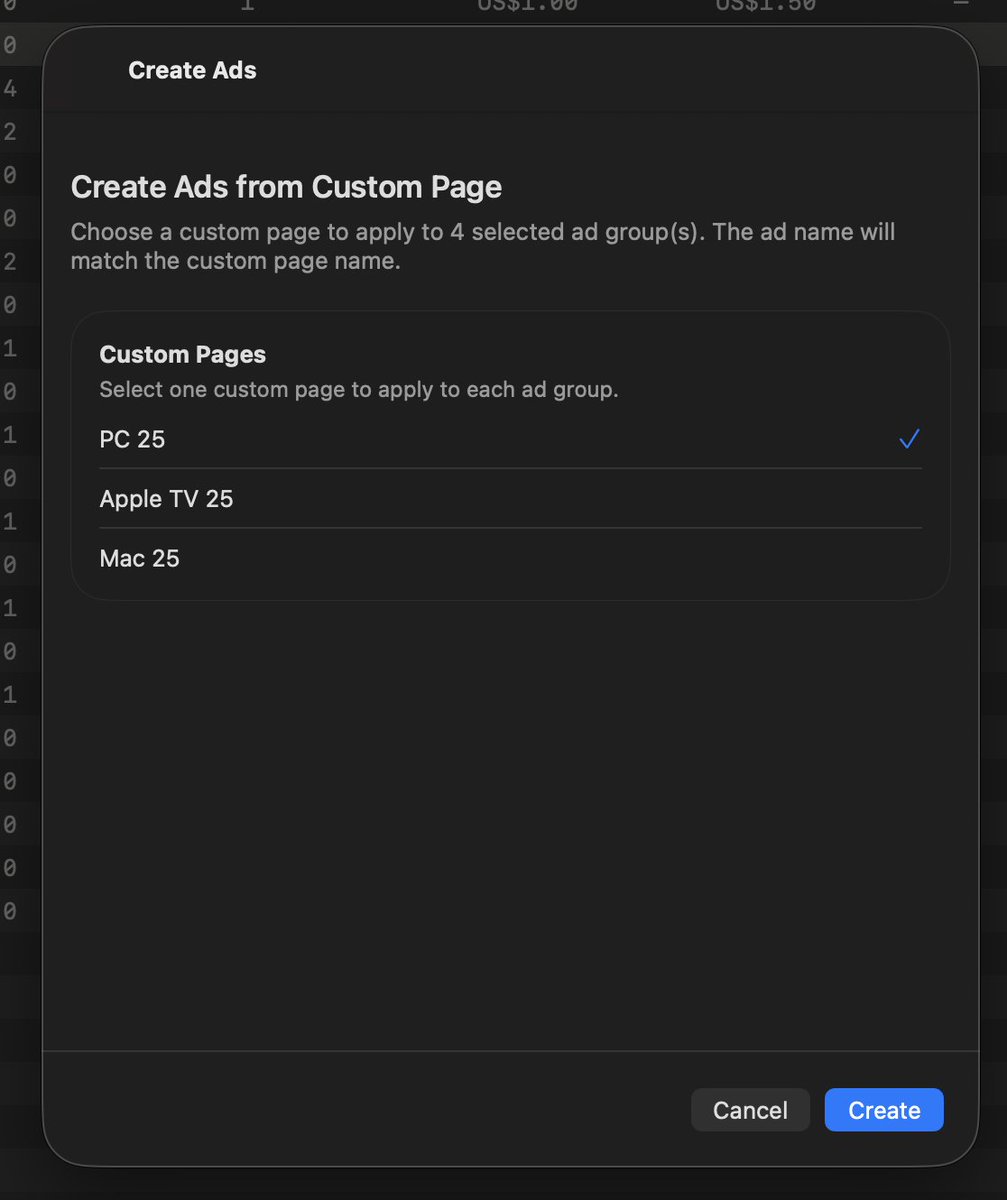
Assigning custom product page to SearchAds adgroups via the website is a pain in the ass... it's slow, you can do it one group at a time, and the website kicks you out, so you have to login multiple times...
So I just added this feature to my SearchAds monitor- which should be renamed to manager.
2 hours with codex, which initially made mistake and use deprecated API, and that's it. The job I had to spend hours, is done in 2 min, 12 campaigns, 56 ad groups.
1
3
218

19 Dec 2025
If you want to aggressively scale your SaaS or Ecom Brand then apply this slightly above average Google Ads Search strat
in full transparency, i'm lazy. I don't work if i don't have to and only want to work on shit that is fun to me or spending millions of dollars on my own or enterprise offers.
This isn't a high-level "use AI" post. This is the actual, slightly-above-average technical playbook I use to build massive campaigns that scale.
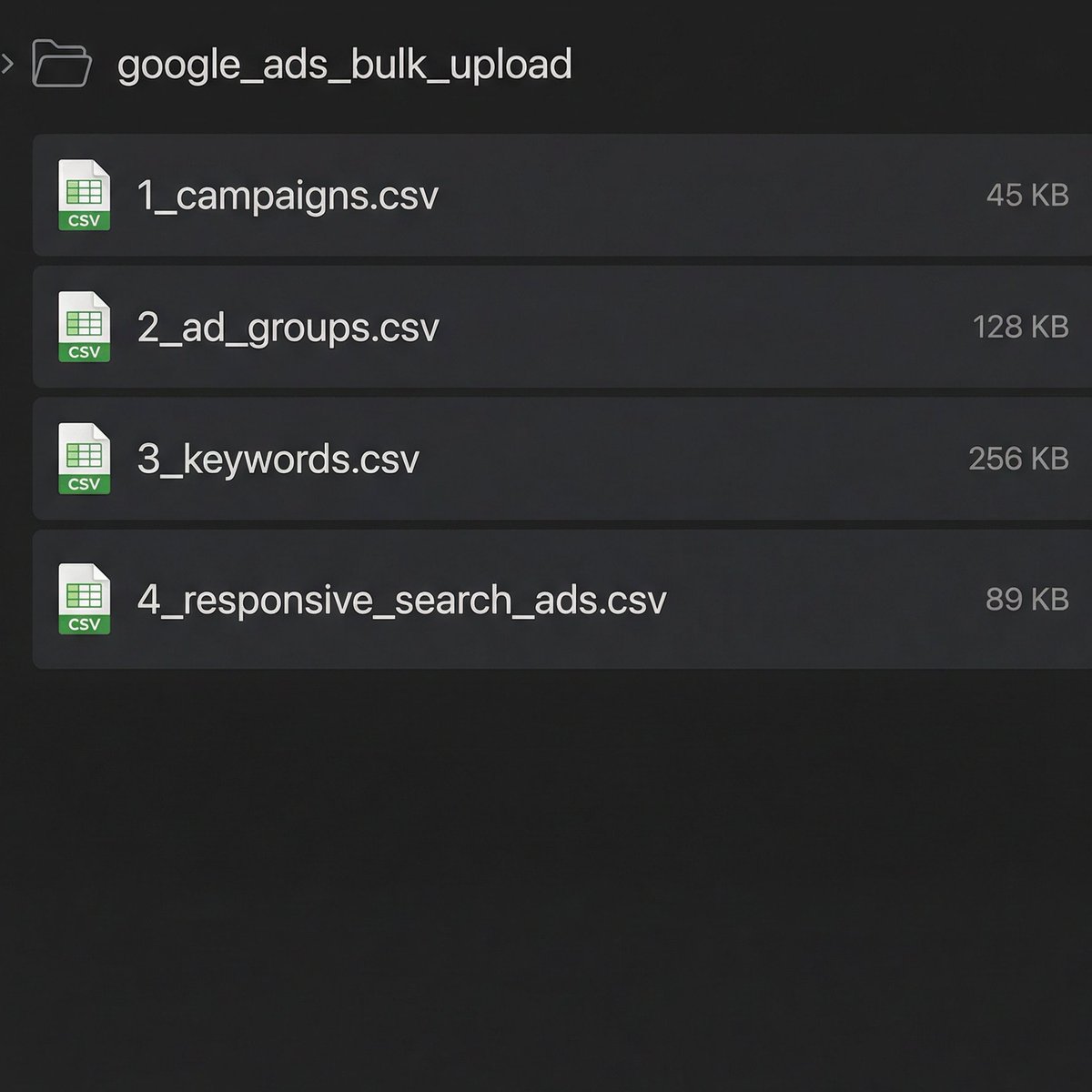
1. The core of this strategy is a set of 4 CSV files. This structure is your step 1.
1. 1_campaigns.csv
2. 2_ad_groups.csv
3. 3_keywords.csv
4. 4_responsive_search_ads.csv
Step 2. The Prompt:
Prompt: "Act as a market researcher and my head marketing strategist, then Find the top 5-15 competitors for [my product/brand] scrape their landing pages, analyze their ad copy angles, and identify their core keyword themes output the findings in a structured report."
My AI assistant i created "runads ai" uses search and browser tools to do this in minutes, it already is trained as an AI media buyer so you don't have to feed it too much information because it already knows, and not this isn't a softlaunch of my software. i built it for myself.
Step 3. Building the Keyword List:
Prompt: "Based on the competitor research, generate a keyword list for [product/brand/competitor]. Include long-tail variations, buying intent keywords (e.g., 'buy', 'for sale'), and informational keywords ('research', 'review').
Structure it for Exact and Phrase match types."
With the competitor intel, I generate the keyword list for 3_keywords.csv.
This gives me hundreds of targeted keywords instantly.
Step 3 - AI as the Direct Response Copywriter
Now for the ads (4_responsive_search_ads.csv). I feed the angles back to the AI.
Prompt 1: "Using these competitor angles, write 15 direct-response inspired headlines (under 30 chars) and 4 descriptions (under 90 chars) for a campaign targeting [customer pain point]. Focus on urgency, purity, and 'USA-Made'."
Prompt 2: "After you created the .csv file please send it back to me to review and i will add any changes if needed after approval, once approved, set the ad groups to active in the sheet so when i upload them into google ads editor it will auto sync and let the adgroups run live."
Step 4: This is where some EQ/IQ is needed.
Prompt: "Write a Python script that takes a list of products, keywords, and ad copy, and generates the 4 Google Ads bulk upload CSVs. Create a separate campaign and ad group for each product."
The script uses the `csv` library in Python. It loops through my product list and:
1. Creates a new row in `1_campaigns.csv` for each product.
2. Creates a corresponding row in `2_ad_groups.csv`.
3. Populates `3_keywords.csv` with all keyword variations for that product group.
4. Populates `4_responsive_search_ads.csv` with all the headline/description combos.
This is how you build 30 campaigns as fast as you build one.
You're going to take everything (files created) and tell the AI to use the prompt i wrote below.
I don't manually copy-paste anything, i don't even have to type anything inside of google ads.
I had the AI write a Python script to build the CSV files for me, i then had the AI deploy via API into the google ads editor app, NOT the actual google ads website and it uploaded the 4 files by going to
campaigns -> file -> import from file -> "campaigns.CSV" -> import
Ad groups -> file -> import from file ->
"adgroups.csv" -> import
Ads -> file -> import from file ->
"responsive_search_ads.csv -> import
Keywords -> file -> import from file ->
"keywords.csv" -> import
after everything is imported either with an AI or with human input you can prompt your AI to post changes to the ads account,
if posting comes back as errors, then select all campaigns, right hand side bulk edit errors then click save and post again.
I take over by now, edit budgets based on competitive intel and adjust bids based on auction insights or setting bids at $1 max CPC and increasing or decreasing after a few hundred in spend to asses where spend and bids need to be.
I start my campaigns mostly search at maximize clicks, Max CPC at $1 then after performance can adjust to a different bidding strategy like max conversions or conversion value, just varies on what your offer specifically is.
you can also do this to have dozens of ad groups inside of each of the campaigns, this current set up only creates 1 ad group inside of each campaign however it's as simple as just prompting AI to create more ad groups and it will auto populate into the CSV file with the corresponding campaign.
your competitor campaigns will likely be your best CPA and best arbitrage opportunity so scale your competitor campaigns, be aggressive on bids and scale.
happy scaling :)
3
3
95
19,172

6 Sep 2025
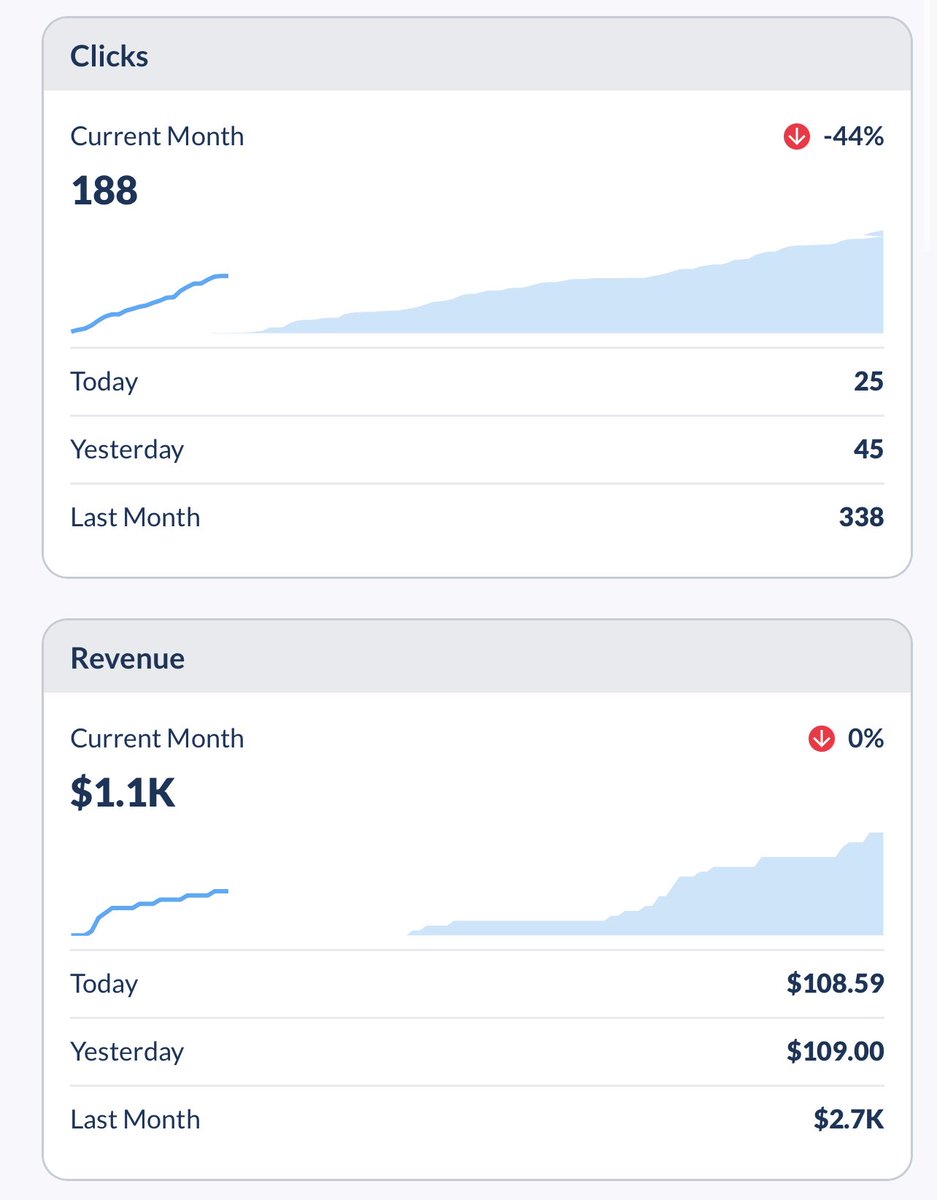
Made a lot of changes today.
The new offer is breakeven which is good however the offer that was converting great has gone to zero.
Testing exact match keywords in either SKAGS or very tightly themed adgroups.
2
14
1,642
18 Aug 2025
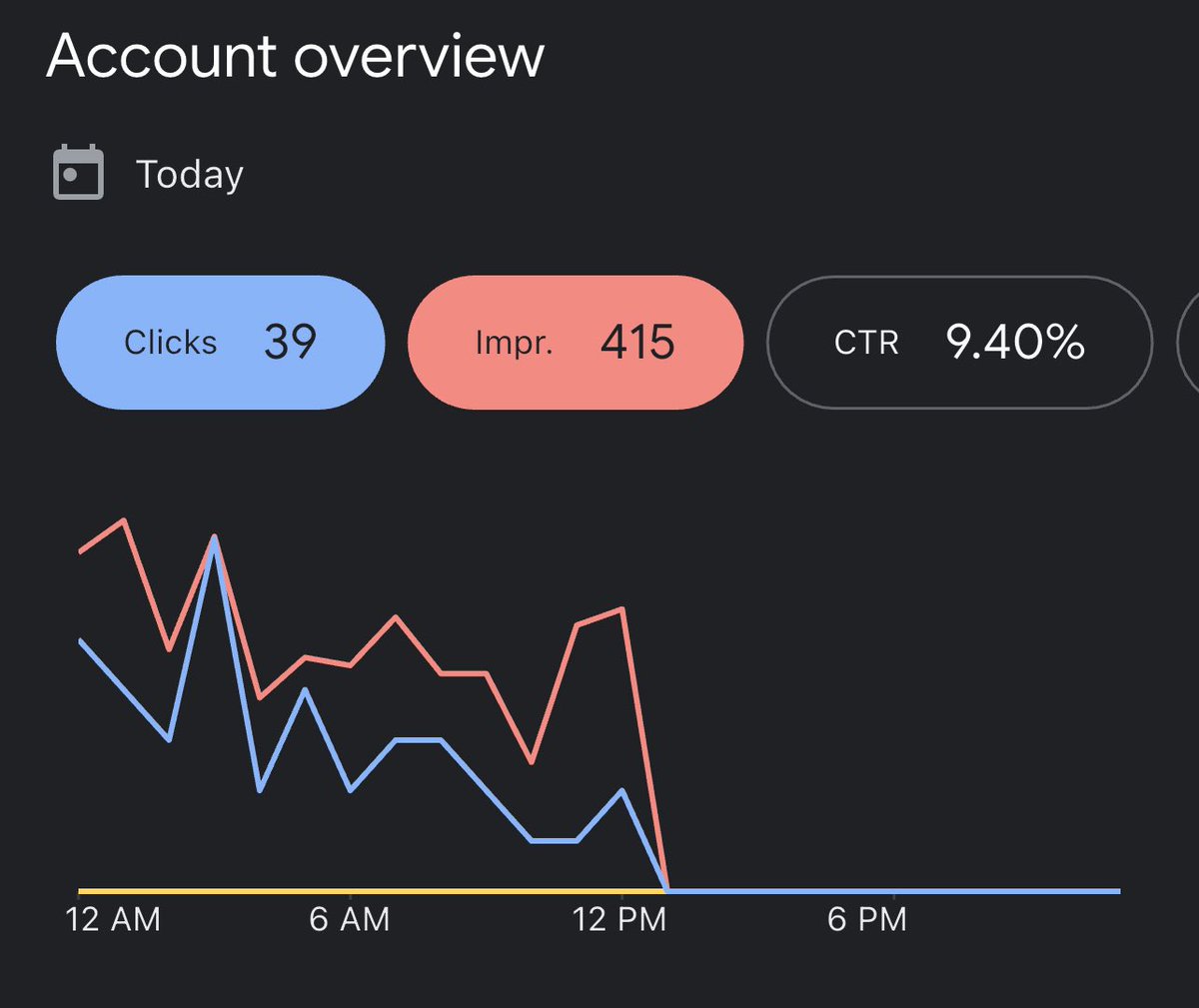
Conversions dropped to zero.
I got a bit ahead of myself and launched three new angles once I saw conversions coming in.
This has caused budget to spend on the new adgroups to test those, taking spend away from the converting ads.
Have since paused two of those angle bringing me back down to three angles in total, more applicable to my testing budget
2
599
14 Aug 2025
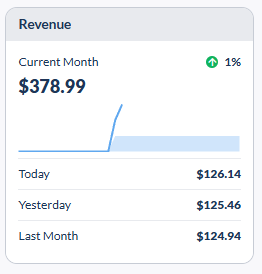
Pixel is definitely starting to fine tune to the clicks that convert.
This ad is now profitable, not going to touch it and just let it run for a bit before I try scale it.
Still testing a handful of other adgroups.
2
5
751
13 Aug 2025
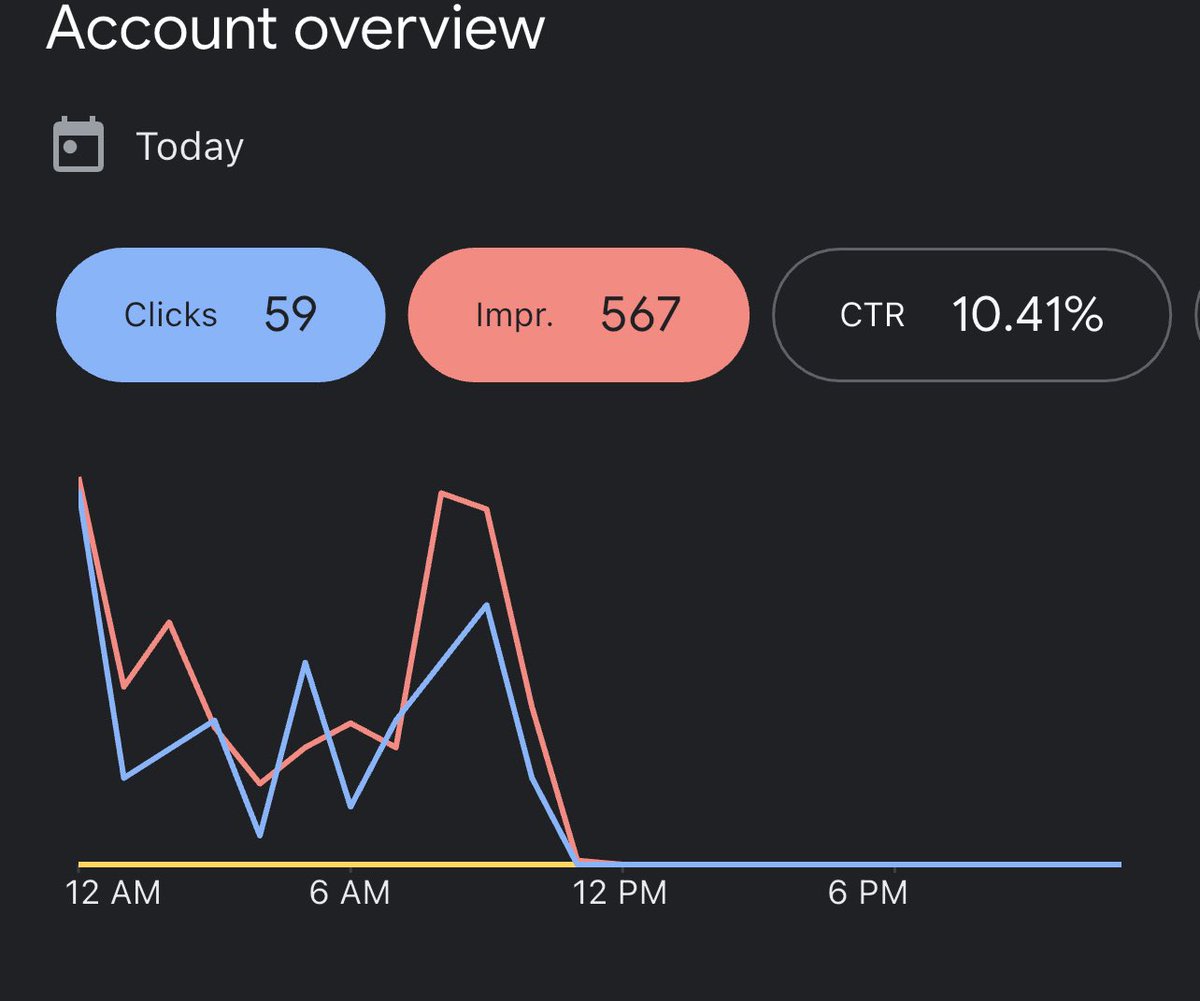
Now running 5 adgroups:
3x targeting low volume keywords
1x targeting woman niche
1x targeting broad keywords
1
2
372

5 May 2025
Thread Google Ads - Avec ou sans Broad Match?
Google te harcèle pour transformer tous tes mots clés en requête large? Prends 5min et lis ça avant de faire une dinguerie ⬇️
1️⃣ Comprends VRAIMENT comment Broad Match bosse
• Il se base sur l’historique de recherches de l’utilisateur: top pour un cycle long, pas pour un achat impulsif (tu risques de focus uniquement sur des clients existants).
• Il lit ta LP : génial si ta page est focus, risqué si elle change souvent ou liste 50 produits/services.
• Il regarde les autres mots clés du même ad group. Si ton ad group est fourre-tout, c’est le brouillard.
→ garde des adgroups propres, consolidés mais pas trop, des LP cohérentes
2️⃣ Analyse ton Impression Share
Impr. Share haut ? OK pour tester le broad et grappiller du volume.
Impr. Share bas ? Commence par virer les mots clés qui convertissent mal, sinon le broad va juste diluer ton budget
3️⃣ Choisis la bonne stratégie d’enchères
Pas de suivi des conversions? Pas de broad match.
Le combo gagnant c’est Broad tCPA/tROAS
⚠️Attention avec “Max Conv” gros budget = Google dépense tout le budget sans se soucier de la rentabilité.
4️⃣ Mets-en place une vraie routine Search Terms / Mots clés négatifs
Avec le broad, ton audit termes de recherche est 2x plus important.
• Analyse les requêtes, ajoute des mots clés negatifs pour piloter l’algo (1x par semaine mini)
• Utilise l’analyse N-gram pour repérer les termes qui fument ton CPA et les idées de nouveaux ad groups.
5️⃣ Exceptions
• Volume tres faible sur la niche ? Broad est parfois ton seul robinet de trafic.
• Si ton Broad Max Conv fait déjà un ROAS solide, ne casse pas la machine par principe.
En bref:
✅ Tracking solide tCPA/tROAS.
✅ Impression Share élevée sur tes mots clés principaux.
✅ Search Terms bien cadrés.
→ Là tu peux ajouter des mots clés en requête large.
Comme d’hab, un RT ou un ❤️ ça ne coûte rien et ça peut sauver le budget d’un copain dans ta TL.
Merci pour la force
1
10
975

13 Mar 2025
[2/7] Solimar (Kokai’s predecessor) provides you with a more straightforward user experience - basically, this is very similar to what we see on other DSPs - easy-to-follow campaign hierarchy (you click on an advertiser and see all active Campaigns and main KPI metrics → click on a campaign and see all AdGroups and tons of ways to customize it to show metrics that are relevant for you, and this is EXTREMELY helpful for traders → click on an AdGroup and see AdGroup settings) → on the AdGroup level, you see all of the adgroup targeting parameters, just like in all the other DSPs.
1
6
1,675

1 Mar 2025
The general idea is:
1. One campaign, with multiple adgroups. Each adgroup corresponds to a single search theme/concept. (For example: Plumbing Campaign - US, AdGroup 1: Pipe Clog Repair, AdGroup 2: Water Heater Repair etc).
2. Ideally start with Manual CPC, until your campaign has AT LEAST 30 conv. the last 30 days and then switch to Smart Bidding (tROAS or tCPA). If I am being honest I would suggest 30-50 conv. per AdGroup before switching but depending on the product/search volume that might not be possible.
3. Product page can work but you should split test a custom LP since this is an eatable product. (you need more trust for cold users to convert)
4. I would suggest 5-8 keywords PER adgroup. Start with a mix of exact match and phrase match. Start slowly switching to broad match once you change to Smart Bidding. Read very well what each type does: support.google.com/google-ad…
5. Regarding spend, google needs a lot of data to work with and ideally you need your daily budget (per adgroup) to be around x3-x10 your average (or expected) CPA.
6. It will take time to stabilize. Sometimes you break even from the get go and you technically "buy" data for free, but sometimes you have to lose money in the beginning (and wait 2-4 weeks to see any progress).
7. Make sure to click off "Search Network" and "Display Network"
8. When choosing location make sure to click on "Location options" and choose ONLY Presence.
9. Build up your negative keyword list daily to get rid of most irrelevant searched and maybe develop a Brand Exclusion list as well.
10. Your CTR seems to be very low. Either the keywords are bad (or broad) or the copy is (or both). Make sure the keywords and ads are relevant to each other.
2
9
411


30 Oct 2024
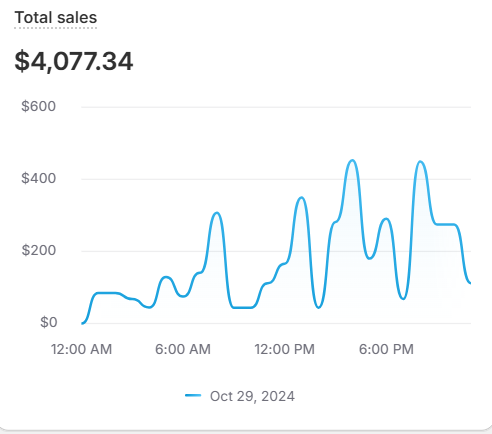
Day 298 of documenting 0-1M
ngl honestly surpised how numbers held today. Througout the last 2-3 months for some reason tuesdays are always are lowest performance days. This has been consistent for months. We held strong today though, margins started to dip toward eod, but i'll take it honestly especially in comparison to the prior tuesdays
currently pushing ABO's on TT hard rn, scaling individual creatives within the adgroups. Going back and forth with a few FB suppliers, this is taking longer than it should, but I'm trying to find a consistent asset supplier for Q4
going to continue to push these ABO's, also fired up snap just to see how we do. Camp launching in a few hours so i'll see how that goes
Locktober is coming to an end. Elite output this month
onward
🧘
9
640

17 Oct 2024
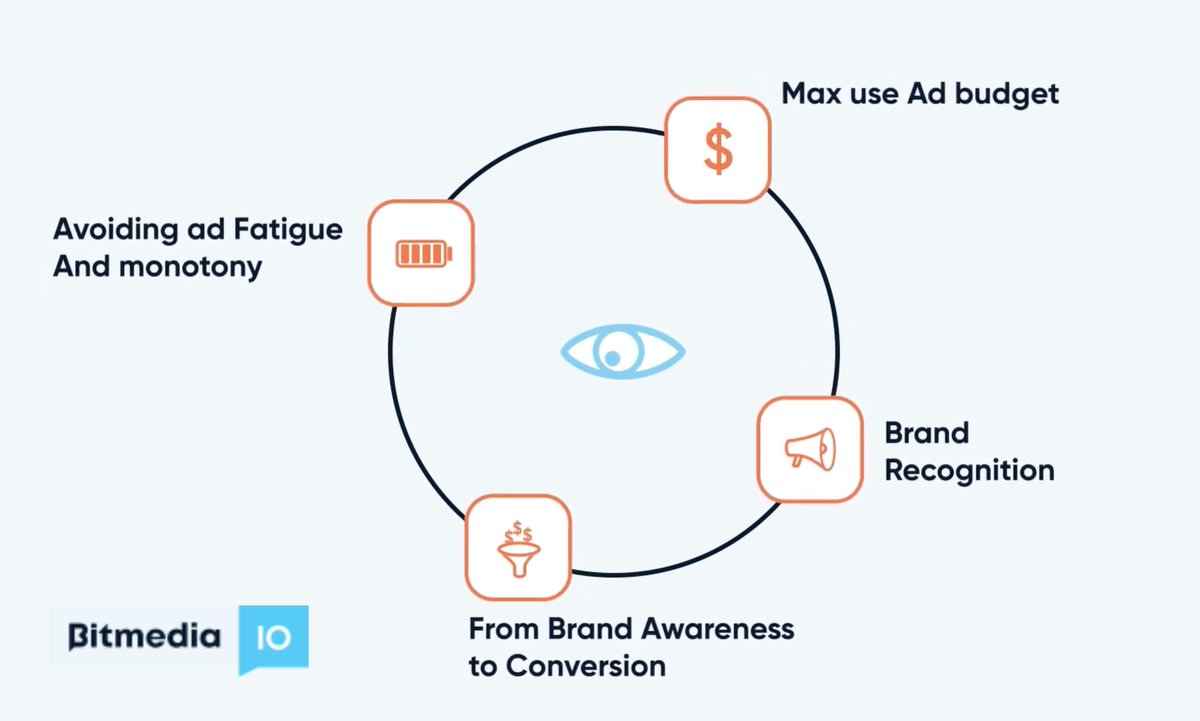
Control how often users see your ads with Frequency Capping! Keep your campaigns fresh & engaging 💪
1️⃣ Log In
2️⃣ Go to 'Adgroups' tab
3️⃣ Select your campaign
4️⃣ Set your cap
Details👇
bitmedia.io/blog/frequency-c…
1
4
118
19 Sep 2024
Day 248 of documenting 0-1M
scaled-down today, was forcing creatives that were clearly exhausted, wasnt worth the spend with margins dropping.
Scaled-down, worked on creatives all day, got everything new launched for tmr. Really have been doing well with ABO's so far in September despite some ups and downs.
1 camp
1 ad group for each creative individually
US 18
with 1 cbo alongside it with all the creatives in it, with 5 adgroups
surf by 50% of the budget every 2-3 conversions
just looking to help bc I usually get dms about that type of stuff
another day we advance
🧘
1
1
13
650

12 Aug 2024
3. Running paid ads on Facebook and TikTok:
There is no “better” platform. They’re both great.
There is no single strategy that works better when testing/scaling. You have to test everything and see what works best for your specific niche/target audience.
Here’s how I like to setup my testing campaigns to see what works best:
Facebook/Instagram:
1 ABO Campaign, 5 adsets $10/day each targeting some interests. 3 creatives in each adset.
and
1 Broad CBO Campaign $50/day with 3 creatives.
TikTok:
1 campaign with 2 adgroups, one broad, and one with some related interests, stack all of your creatives in each adgroup. $20/day each adgroup.
Testing this way will give you a chance to test interests and broad right away to see what gets you better results. Also gives you a chance to test both platforms to see which does best for your product/creatives.
Kill anything that underperforms after a couple days, scale up what worked.
8
1,284

19 Jul 2024
TikTok Scaling Strategies Working Right Now to Grow past £5k p/d profitability, and consistently.
Before going into specific strategies it’s important to take a step back and see what fundamentals we need to achieve this scale:
1. High Converting UGC
2. Having a Repeatable Creative Testing System
3. Scaling Horizontally and Utilizing Multiple Scaling Set-Ups for Stability
4. Having Consistent Creative Pipeline
5. Iterating on Winning Creatives
On TikTok specifically, we’ve seen much great stability when scaling horizontally.
Typically when an adgroup reaches around £500-£1K/day we have diminishing returns if we scale it further by adding budget on an adgroup level.
That is why we scale horizontally. This can be done through various ways:
1. Duplicate the ad group running but at a higher budget.
2. Duplicate the same ad group with the same ads but use a different audience.
3. Relaunching that worked well in the past,
4. Duplicate into a different bidding strategy method (Value,LC)
5. Duplicate into a manual bidding campaign or a different scaling set-up from the ones we are going to talk about below.
It is essential to have multiple scaling set-ups as you scale past a certain point of spending (£3K ) to provide stability and be more aggressive.
Therefore it is recommended to experiment with the options below. ABO, Single Ad, and Manual Bidding scaling methods will be the most efficient and consistent ones across accounts.
CBO & Dynamic Creative Scaling require a lot more budget and are a bit more aggressive methods; therefore, we only deploy them in certain situations.
Option 1: Single Ad Scaling
ABO budget - ad set budget set at 50 conversions per week x CPA/7 with #1 best ad in the account.
Set-Up:
○ Budget = CPA x 150 / 7
■ Ad Set: 1001.1 | Broad - F24 (Budget = CPA x 50 / 7)
○ Ad: 1001.1
○ Ad: 1001.1 | B
■ Ad Set: 1002.1 | Broad - F24 (Budget = CPA x 50 / 7)
○ Ad: 1002.1
○ Ad: 1001.1 | B
Maybe one of the easiest and most effective strategies is to force more spending behind a winning ad.
Isolating the #1 creative in the account allowing maximum budget going through that concept. Typically works well with products that have a broad enough appeal.
The downside of this method is that you need to have a strong creative pipeline as the creative will fatigue faster most of the time.
Option 2: ABO Scaling
ABO budget - adset budget set at 50 conversions per week x CPA/7 with 3-4 best ads.
One of the most traditional ways to scale which is working great across accounts and is maybe the first way to start pushing budgets and testing some of the winning creatives from testing campaigns at scale. One of the most consistent scaling set-ups across accounts.
Option 3: Manual Bidding Scaling
Cost-caps - Test at 1X CPA,1.5x CPA,2X CPA and see where you get delivery with #3-4 best ads.
Set-Up:
○ Budget = Start with 2X-3X CPA
■ Ad Set: 1001.1 | Broad - F24 (Cost Cap: $50.25)
○ Ad: 1001.1
○ Ad: 1002.1
○ Ad: 1003.1
■ Ad Set: 1001.1 | Broad - F24 (Cost Cap: $55.25)
○ Ad: 1001.1
○ Ad: 1002.1
○ Ad: 1003.1
■ Ad Set: 1001.1 | Broad - F24 (Cost Cap: $60.25)
○ Ad: 1001.1
○ Ad: 1002.1
○ Ad: 1003.1
■ Ad Set: 1001.1 | Broad - F24 (Cost Cap: $65.25)
○ Ad: 1001.1
○ Ad: 1002.1
○ Ad: 1003.1
A great way to scale when efficiency is the #1 goal and you are willing to take a hit in volume. Monitor closely and walk down the cap to the bid that gets the best CPAs and adequate amount of spend.
A great tool to implement on paydays sales periods. It works great when looking to control costs at scale and bring overall account CPA down.
Option 4: CBO Scaling
CBO budget - ad set budget set at 50 conversions per week x CPA/7 with 3-4 best ads.
Set-Up
○ Budget = CPA x 150 / 7
■ Ie. $50 CPA ($1,057/day = $50 x 150 / 7)
■ Ad Set: Broad - F24
○ Ad: 1001.1
○ Ad: 1002.1
○ Ad: 1003.1
■ Ad Set: 10% Buyers List - F24
○ Ad: 1001.1
○ Ad: 1002.1
○ Ad: 1003.1
■ Ad Set: Interest Stack - F24
○ Ad: 1001.1
○ Ad: 1002.1
○ Ad: 1003.1
The least preferable way to scale is due to attribution as you would on campaign level need to ensure that you are getting out of the learning phase across the different groups.
Once you have a good feel of the account and are comfortable with launching campaigns at $500-$1000/day and you have that acceptance from the client/business it is something that you could also incorporate here.
Also, TikTok due to the fact of being a newer ad platform would need a bit more control we found so ABO would be the first action here.
Option 5 DCS (Dynamic Creative Scaling)
Set-Up:
Budget = CPA x 150 / 7
■ Ie. $50 CPA ($357/day = $50 x 50 / 7)
■ Ad Set: Broad - F24 (Cost Cap: $50)
○ Creative: 4-6 proven ads
○ Ad Text: 2-3 proven hooks/copy
A strategy to be deployed on certain occasions as we are giving all the control to TikTok to deliver our ad.
Bidding Optimisation Scaling
Testing Value as an optimization method is working extremely well when transitioning into scaling and you have a lot of conversion signals going through the account.
Essentially with value as your bidding type, you are signalling the TikTok algorithm to go out and find the highest-value customer thus pushing AOV and results in most cases.
Duplicating with Value-Based Optimisation/Minimum ROAS.
Duplicate the Lowest Cost campaigns into VBO to enable TikTok to optimize for the higher purchase value.
You can also duplicate a winning ad group into a Min.
ROAS campaign where you take a look at the average ROAS and you set the minimum ROAS at that number. If you see great spend going through that adgroup is a good signal we can increase the Min.
ROAS bid and vice versa. This will also refresh things slightly in the auction and extend the creative lifespan.
You can also treat your value adgroups as an environment where the winning creatives from your lowest-cost ad groups are being promoted to further scale them and hit them with a different bidding type.
All in all, so far from our testing we had mixed results as some of the accounts thrived with Value optimization and others did better with the standard setup.
The trend we see is that Value optimization did better with larger product catalogues while standard did better with higher AOV/smaller product catalogues.
1
9
926

7 Jul 2024
Step 5 - delete all adgroups except one, duplicate the one that's left, and go to targeting
Include everyone who's seen
Exclude everyone who's followed
make sure frequency is set to 3 / 7 days
Duplicate 20 og adgroups and 30 targeting ones
launch
1
1
3,432
7 Jul 2024
Step 2 - Launch a standard glitch campaign:
Reach Optimization
$50 lifetime campaign budget (not CBO)
50 adgroups
$150 adgroup budget
Connect tiktok business acc to ad acc
Select all 5 posts
launch
I referenced this glitch 2 years ago here:
4 Apr 2022

Thread: My Journey and the journey of the Glitch
1
1
5
7,973
29 May 2024
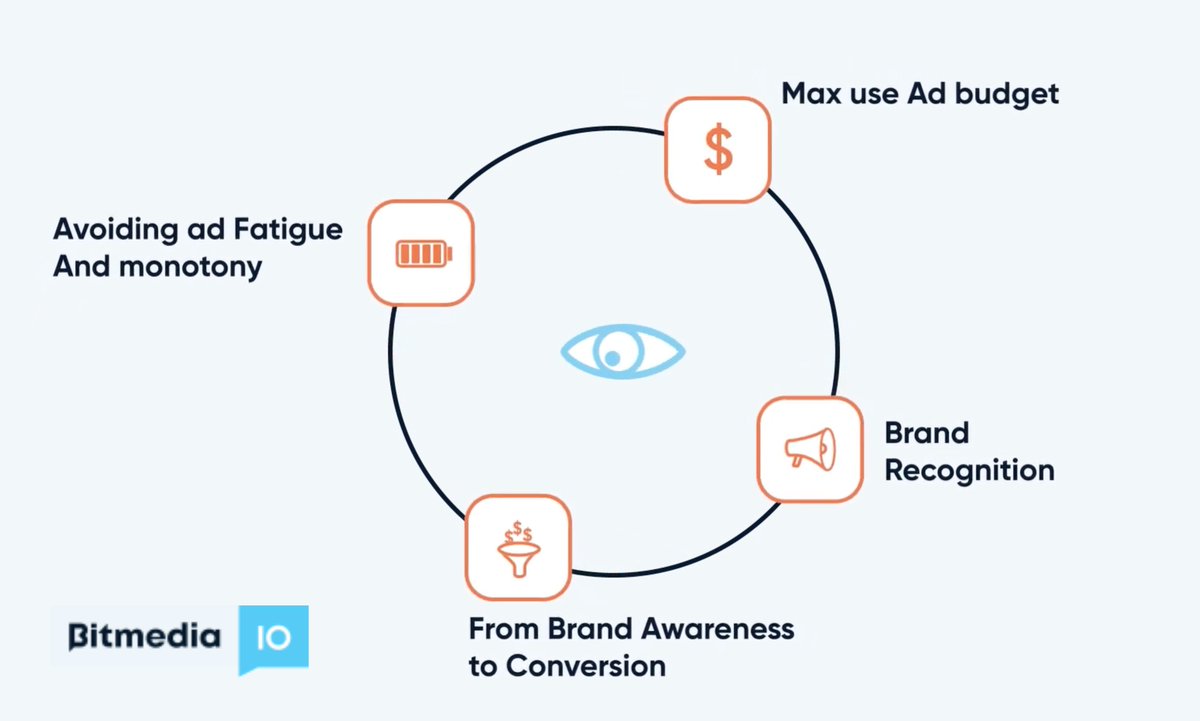
Ever feel like your ads show too often? Not anymore 💪
With #FrequencyCapping, control how often users see your #CryptoAds 👇
1️⃣ Log In
2️⃣ Go to 'Adgroups' tab
3️⃣ Select your campaign
4️⃣ Set your cap
Questions? support@bitmedia.io 📨
More info👇
bitmedia.io/blog/frequency-c…
6
219

7 May 2024
Having to select a combination of Campaigns and Adgroups from drop-down menus instead of just clicking on them like it is now absolutely defies common sense
2
22