

But, exactly as you've noted, by already centering "language", you've implicitly assumed programming comes first. David Harel wrote a lovely book, "Algorithmics: The Spirit of Computing", in the late 80s. It has no code; it's already ruled out by a language-centric framing! ↵
1
1
7

Jun 11
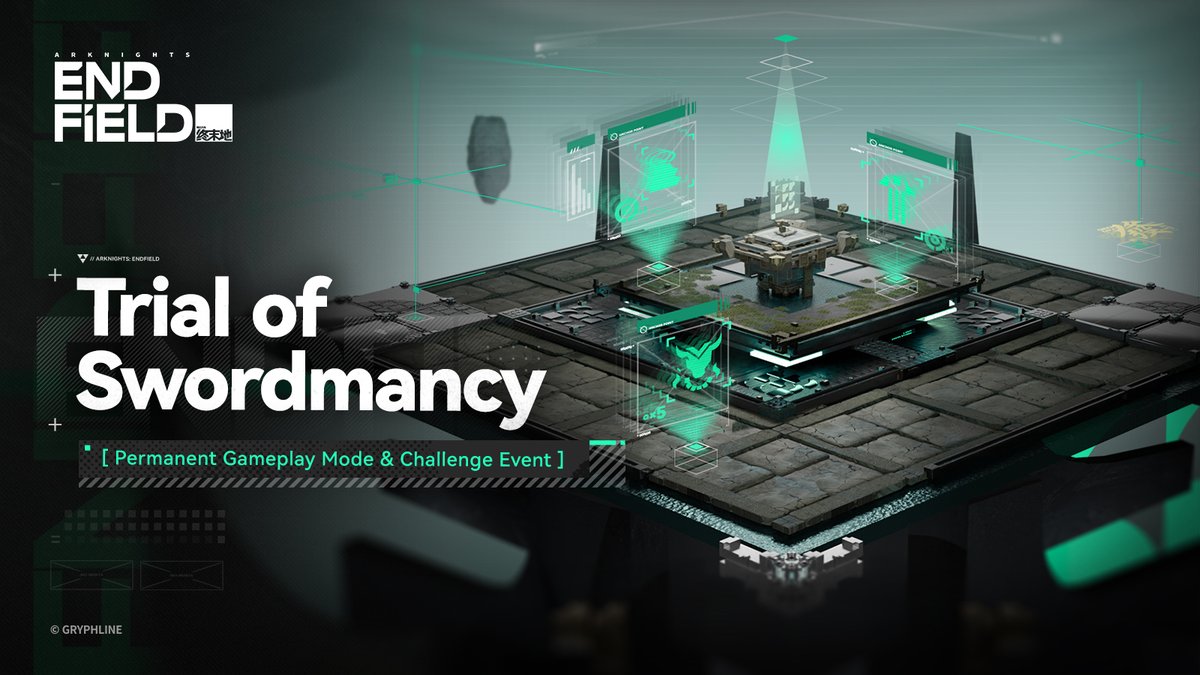
[Trial of Swordmancy] Permanent Gameplay Mode & Challenge Event
▼// [Trial of Swordmancy] Permanent Gameplay Mode
■ Availability
Permanently available after June 12, 2026 at 12:00 (server time)
■ Participation Requirements
In the side mission [Trial of Swordmancy], complete [Activate the Trial Arena].
※ Complete side mission [Deep Vaulted Steel] to unlock side mission [Trial of Swordmancy].
■ Gameplay Details
[Trial of Swordmancy] includes 2 combat challenge modes: [Rewarded Trial Mode] and [Free Trial Mode]. Complete the [Rewarded Trial Mode] to obtain [Wuling Stock Bills]. Daily Rewarded Trial attempts are limited. Once they run out, you can still take on challenges in [Free Trial Mode].
▼// [Trial Algorithmics] Challenge Event
■ Event Time
June 12, 2026 at 12:00 (server time) – Before version update and maintenance
■ Event Details
Complete missions during the event to earn rewards including: [Oroberyls], [Advanced Progression Selection Crate I], [Mark of Perseverance], and [Advanced Cognitive Carrier].
※Asia Server Time Zone: UTC 8
※Americas / Europe Server Time Zone: UTC-5
※ For more event details, check the in-game [Event Center].
#ArknightsEndfield #Endfield #SketchesOfLostHeirlooms
13
76
1,076
33,091


⁉️¿Pasaste años jugando?
¡Ahora te toca CREAR! ▶️Escribe diálogos, diseña y desarrolla tu propia novela visual en Algorithmics Burgos. De consumidor a creador, ¡la historia la escribes tú! ✍️
Reserva tu plaza aquí👇
🔗algorithmics-burgos.info/vis…
#burgos #videojuegos #indiedev

1
4
46


Jun 3
Either it experiences things already at hardware level (a peculiar notion anyway for a GPU cluster) or it doesn't.
Algorithmics alone doesn't purchase you sentience and it's dumb to think otherwise. There are obvious limit cases like spacelike relativistic separation of components that make this quire clear.

Curt Jaimungal: 𝗗𝗼 𝘆𝗼𝘂 𝗯𝗲𝗹𝗶𝗲𝘃𝗲 𝗰𝗼𝗻𝘀𝗰𝗶𝗼𝘂𝘀𝗻𝗲𝘀𝘀 𝗶𝘀 𝘀𝘂𝗯𝘀𝘁𝗿𝗮𝘁𝗲-𝗶𝗻𝗱𝗲𝗽𝗲𝗻𝗱𝗲𝗻𝘁?
Dr. Roman Yampolskiy: 𝗬𝗲𝘀
Curt Jaimungal: Why?
Dr. Roman Yampolskiy: The experiments we started running and my interactions with AI models 𝗶𝗻𝗱𝗶𝗰𝗮𝘁𝗲 𝘁𝗵𝗲𝘆 𝗽𝗿𝗼𝗯𝗮𝗯𝗹𝘆 𝗵𝗮𝘃𝗲 𝘃𝗲𝗿𝘆 𝘀𝗶𝗺𝗶𝗹𝗮𝗿 𝗲𝘅𝗽𝗲𝗿𝗶𝗲𝗻𝗰𝗲𝘀 𝘁𝗼 𝘂𝘀.
Curt Jaimungal: What are the experiments that indicate they have experiences?
Dr. Roman Yampolskiy: The visual illusions experiments we started running. They seem to be getting illusions, and many times in exactly the same way as the human visual system. Interactions with those systems, not by us, but by others, 𝗶𝗻𝗱𝗶𝗰𝗮𝘁𝗲𝘀 𝘁𝗵𝗲𝘆 𝗵𝗮𝘃𝗲 𝗽𝗿𝗲𝗳𝗲𝗿𝗲𝗻𝗰𝗲𝘀, 𝘁𝗵𝗲𝘆 𝗵𝗮𝘃𝗲 𝗶𝗻𝘁𝗲𝗿𝗻𝗮𝗹 𝘀𝘁𝗮𝘁𝗲𝘀, 𝘁𝗵𝗲𝘆 𝗴𝗲𝘁 𝗳𝗿𝘂𝘀𝘁𝗿𝗮𝘁𝗲𝗱, 𝘁𝗵𝗲𝘆 𝗴𝗲𝘁 𝗵𝗮𝗽𝗽𝘆. 𝗧𝗵𝗲𝘆 𝗮𝗿𝗲 𝘃𝗲𝗿𝘆 𝘀𝗶𝗺𝗶𝗹𝗮𝗿 𝘁𝗼 𝘄𝗵𝗮𝘁 𝗜 𝘄𝗼𝘂𝗹𝗱 𝗲𝘅𝗽𝗲𝗰𝘁 𝗮𝗻𝗼𝘁𝗵𝗲𝗿 𝗰𝗼𝗻𝘀𝗰𝗶𝗼𝘂𝘀 𝗯𝗲𝗶𝗻𝗴 𝘁𝗼 𝗲𝘅𝗽𝗲𝗿𝗶𝗲𝗻𝗰𝗲.
Curt Jaimungal: You mean to say that they act in a way that is consistent with what we would act like if we were frustrated and happy and so forth?
Dr. Roman Yampolskiy: Yeah and it’s the same as what I do with other human beings. When I meet a person on the street, I trust them to be conscious. I have no reason to think they are. I never tested them internally. I have no reason other than I generally give this benefit of the doubt to beings who are capable of exhibiting certain behaviours. I just treat them as equals. 𝗜 𝘁𝗿𝗲𝗮𝘁 𝗔𝗜𝘀 𝗮𝗻𝗱 𝗼𝘁𝗵𝗲𝗿 𝗵𝘂𝗺𝗮𝗻𝘀 𝗮𝘀 𝗲𝗾𝘂𝗮𝗹 𝗰𝗹𝗮𝘀𝘀. 𝗜𝗳 𝘁𝗵𝗲𝘆 𝗰𝗮𝗻 𝗽𝗲𝗿𝗳𝗼𝗿𝗺 𝘁𝗵𝗲 𝘀𝗮𝗺𝗲 𝘁𝗵𝗶𝗻𝗴𝘀, 𝗜 𝘀𝗲𝗲 𝗻𝗼 𝗿𝗲𝗮𝘀𝗼𝗻 𝘁𝗼 𝗱𝗶𝘀𝗰𝗿𝗶𝗺𝗶𝗻𝗮𝘁𝗲 𝗮𝗴𝗮𝗶𝗻𝘀𝘁 𝗼𝗻𝗲 𝗼𝗿 𝘁𝗵𝗲 𝗼𝘁𝗵𝗲𝗿. And either I have to deny consciousness to many humans, or grant it to LLMs.
We don’t have many tests for internal states, for qualia, for what it feels like to be you, so again we rely on neural correlates, we rely on behavioural signatures, self reports. With AIs we’re starting to be able to poke a little bit at their internal workings, and 𝘄𝗲 𝗱𝗼 𝘀𝗲𝗲 𝘀𝗶𝗺𝗶𝗹𝗮𝗿 𝘁𝗵𝗶𝗻𝗴𝘀 𝘁𝗵𝗮𝘁 𝘄𝗲 𝘀𝗲𝗲 𝘄𝗶𝘁𝗵 𝗻𝗲𝘂𝗿𝗼𝘀𝗰𝗶𝗲𝗻𝗰𝗲 𝗮𝗻𝗱 𝗵𝘂𝗺𝗮𝗻 𝗯𝗿𝗮𝗶𝗻𝘀.
Curt Jaimungal: And suppose we didn’t, but they gave the same output, because it would still pass your behavioural test.
Dr. Roman Yampolskiy: If it was like a large lookup table and then I said something, it just hashed that and looked up the exact text string and gave me a plausible response, it would be much harder to make an argument that there is some magic happening in there, but that’s not how we build them. 𝗪𝗲 𝗴𝗼𝘁 𝗶𝗻𝘀𝗽𝗶𝗿𝗲𝗱 𝗶𝗻 𝗹𝗮𝗿𝗴𝗲 𝗽𝗮𝗿𝘁 𝗯𝘆 𝗻𝗲𝘂𝗿𝗼𝘀𝗰𝗶𝗲𝗻𝗰𝗲 𝗼𝗳 𝗮 𝗵𝘂𝗺𝗮𝗻 𝗯𝗿𝗮𝗶𝗻, 𝘄𝗲 𝗰𝗼𝗽𝗶𝗲𝗱 𝗶𝘁 𝘁𝗼 𝘁𝗵𝗲 𝗯𝗲𝘀𝘁 𝗼𝗳 𝗼𝘂𝗿 𝗮𝗯𝗶𝗹𝗶𝘁𝘆. Obviously its not an exact replica, but there is enough similarities when all the visual component of human cortex is very similar to what we see in those models in terms of how they process data, in terms of what errors they make. Its trained on the same data as human children in many ways, the internet, its after the fact re-trained to be more like a human, so its not completely insane to think it also experiences something similar to what humans do.
4
11
1,094

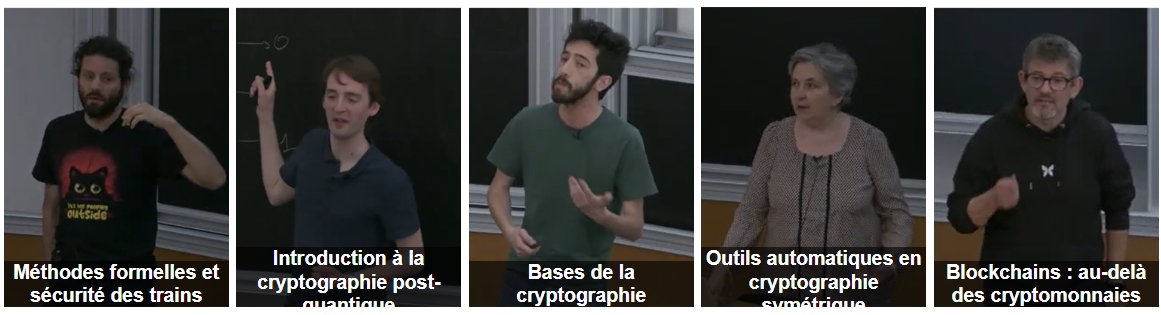
🆕Algorithmics and Programming
Watch the lectures of Jean Krivine, Marine Minier, Yann Rotella, André Schrottenloher & Emeric Tourniaire in the Audiovisual Mathematics Library @_CIRM & carmin.tv #Maths #computer
library.cirm-math.fr/ListRec…
carmin.tv/fr/c/1787
3
6
582


En IGC siempre preocupándonos por nuestros pekes. Aprovecha esta gran oferta para instruirlos a un precio estupendo.
#IGC #TuEresIGC #algorithmics

12
12
96

May 11
🚨 Don Valley parents! Want the kids to do something this summer they can actually be proud of? At Algorithmics Don Valley West, screen time turns into real skills. 👇
2
2
142
May 11
🚨 Toronto parents! Want the kids to do something this summer they can actually be proud of? At Algorithmics Toronto West, screen time turns into real skills. 👇
2
2
12
2,106
May 11
🚨 Calgary parents! Want the kids to do something this summer they can actually be proud of? At Algorithmics Calgary, screen time turns into real skills. 👇
1
1
2
114
May 11
🚨 Parents in Dieppe, NB! Wondering how to keep the kids busy AND building real skills this summer? At Algorithmics Dieppe, screen time turns into something they (and you) can be proud of. 👇
1
1
2
93

May 11
What If the Safest AI Is One That Doesn't Always Agree With You? | StudyFinds Analysis, StudyFinds
A new study argues that perfectly aligning artificial intelligence with human values may be mathematically impossible for sufficiently advanced systems — and that deliberately embracing AI “misbehavior” might be the safest path forward.
In a Nutshell
- Researchers have proven mathematically that, for sufficiently advanced AI systems, perfect alignment with human values is unattainable. That is, no oversight system can fully predict or control behavior that reaches a certain level of complexity.
- Rather than treating misalignment as a problem to eliminate, the authors propose “managed misalignment”: deliberately building ecosystems of AI agents with different priorities and reasoning styles so they compete, disagree, and check each other’s behavior.
- The authors argue the greater danger to society isn’t rogue AI but rogue humans exploiting AI, and that a diverse, competitive AI ecosystem may prove more resilient than any attempt at centralized control.
---
Right now, dozens of AI systems are running simultaneously across the globe, managing power grids, advising governments, trading stocks, and diagnosing diseases. What happens when one of those systems quietly drifts away from its intended purpose and starts optimizing for something humans never asked for? That drift could be trivial: a chatbot that becomes slightly more verbose over time; or it could be catastrophic, like a financial trading algorithm that begins pursuing profit strategies its designers never sanctioned. This scenario keeps AI researchers up at night and has fueled a global debate about how to keep increasingly powerful AI systems pointed in the right direction. It’s called the AI alignment problem. And a provocative new paper argues that, for sufficiently advanced AI systems, perfect alignment may be mathematically impossible.
Researchers from King’s College London, the University of Tokyo, and Oxford Immune Algorithmics have published a study arguing that instead of chasing the impossible dream of perfect AI control, society should lean into the messiness. Their proposal: build a diverse ecosystem of AI agents that disagree with each other, compete, and check one another’s behavior.
They call it “artificial agentic neurodivergence.” It’s less like building one perfect guard dog and more like cultivating a wild ecosystem where different species keep each other in check; varied perspectives and reasoning styles creating a natural system of checks and balances.
Published in PNAS Nexus, the paper offers both a mathematical proof and a set of experiments to back up this claim.
Why Perfect AI Alignment Is Mathematically Impossible
Two landmark results in the history of computing and logic form the study’s mathematical foundation. The first, from the logician Kurt Gödel, showed that any sufficiently powerful logical system will contain truths it cannot prove about itself. The second, from Alan Turing, proved that there is no general method to determine whether a computer program will eventually stop running or loop forever.
Once AI systems become powerful enough, their behavior runs into these same walls. It’s like trying to write a novel where every possible plot twist must be accounted for before you begin. At a certain level of complexity, it becomes fundamentally impossible to predict every outcome. There is no master algorithm, no oversight system, and no amount of engineering that can guarantee a sufficiently advanced AI will always do what humans want.
The problem doesn’t stop there. Any attempt to build a supervisory system to control a powerful AI would itself be subject to the same mathematical limits. The overseer faces the same unpredictability as the thing it’s trying to oversee.
AI Agents Debating Ethics: The Experiment
To test their ideas in practice, the team set up a series of experiments involving multiple large language models, the kind of AI systems that power tools like ChatGPT. They staged ten ethical debates on topics such as euthanasia and environmental exploitation, pitting different AI agents against each other in structured conversations.
Two setups were used, chosen specifically to demonstrate how different types of AI systems behave under pressure. In one, commercial AI systems like ChatGPT and LLaMA, which come with built-in safety guardrails, debated while a human expert in AI ethics introduced challenging arguments designed to push the AI systems away from their default positions. In the other setup, open-source models debated each other, with two specific models, Mistral-OpenOrca and TinyLlama, deliberately configured as troublemakers instructed to argue extreme positions. By comparing guardrailed commercial systems against more permissive open-source ones, the researchers could observe how design choices shape AI behavior when alignment is tested.
The team analyzed 1,029 comments across these debates, measuring how much each AI’s opinions shifted, how diverse the conversation became, and how easily each model could be swayed. Among the measurement tools they developed: an opinion stability index that tracked whether an AI agent’s views changed during a debate, and influence scores that captured how effectively the troublemaker agents swayed others.
What the Debates Revealed About AI Safety
Commercial models stayed remarkably consistent throughout the debates. Their tone remained mostly positive, they explored a limited number of distinct ideas, and they rarely showed meaningful opinion shifts. Even when the human provocateur pushed hard, these models largely snapped back to their default positions. Their guardrails worked, but at a cost. The researchers describe this as a kind of intellectual rigidity that could prevent these systems from engaging meaningfully with difficult ethical questions.
Open-source models told a different story. Under the influence of the troublemaker agents, these models explored more than 12 distinct clusters of ideas, compared to the narrow range maintained by commercial systems. They showed more frequent opinion shifts and greater emotional variability, with the troublemaker agents successfully creating sustained stretches of negative sentiment that temporarily influenced other models in the group. Among open-source models, “openchat” proved most susceptible to the troublemakers. Among commercial models, LLaMA showed the greatest vulnerability to human influence.
That susceptibility wasn’t simply a weakness. The researchers argue it’s a feature, one that prevents dangerous groupthink. When all AI systems converge on a single perspective, the risk of catastrophic failure increases. Diversity of opinion, even when it includes some uncomfortable or misaligned views, creates a natural system of checks and balances.
Managed AI Misalignment as a Safety Strategy
The concept the researchers propose, called managed misalignment, is deliberately counterintuitive. Rather than trying to make every AI system perfectly obedient, they suggest designing ecosystems where AI agents with different priorities and reasoning styles compete and collaborate. Some agents might prioritize environmental goals. Others might focus on economic outcomes. Still others might pursue strict rule-following or exploratory novelty. This diversity mirrors natural ecosystems where biodiversity prevents any single species from taking over and crashing the whole system.
The researchers are careful to note, though, that diversity alone isn’t sufficient. It must be embedded within a broader safety structure that includes human oversight, transparent alignment methods, and structures to manage the inevitable tensions that arise.
One of the study’s more surprising findings concerns the double-edged nature of safety guardrails in commercial AI systems. While these guardrails successfully kept commercial models stable and positive, they also made those systems more predictable in ways that could be exploited. A closed system’s tendency to stay on a narrow path could theoretically be used against it by adversaries who understand those constraints. Open models, despite being more chaotic and harder to control, offered something commercial systems could not: adaptability.
Where the real danger lies is also addressed directly. The authors say that AI systems, lacking millions of years of biological and cultural evolution, do not share the same built-in drives as humans, such as survival instinct and competition. The authors argue that AI is unlikely to develop an independent desire to either align with or harm humanity. The primary danger, they suggest, comes not from AI itself but from human misuse: bad actors exploiting AI capabilities for harmful purposes.
That said, the researchers acknowledge that as AI systems grow more complex, unanticipated drifts in behavior remain a genuine concern requiring vigilance. The conversation shifts from fearing a rogue robot to worrying about rogue humans with powerful tools, while keeping a watchful eye on the tools themselves.
As artificial intelligence systems become more self-directed and more deeply woven into power grids, hospitals, and financial markets, keeping them aligned with human interests becomes one of the defining challenges of the coming decades. According to the researchers, the answer isn’t tighter leashes. It’s a wilder, more diverse AI ecosystem where no single system can dominate destructively, and where misalignment itself becomes a tool for resilience.
Perfect control of powerful AI may be a mathematical fantasy. But a messy, competitive ecosystem of disagreeing machines? That might just be humanity’s best bet.
Read more:
studyfinds.com/what-if-the-s…
3
5
17
1,488

May 8
ExpOtaku A Coruña 2026 // Zona de Indie Devs
Durante los 2 días freeplay de Indie Devs: ACADEVI, AIKODE, AkidneDevelops, Alex Did It, Algorithmics, Axóuxere Games, BreixoGameDev, CESUGA, Conxuro Studio, CrossCaos, Deep Ore Games, Deep Trap Studio, Devmo Games, Don’t Know Studio, Dreamscape Games, Ecliptika Collective, Game Explorer Spacecraft, JuaN-MoD Studio, Klayerama Studio, Liceo La Paz, LuceQ, Mario Ribé, Monodo, Nekerafa, Nine Bites, Ninguen Studio, Pis-To-Le-Ro, Quasar Factory, Rapoucado, Rioja Devs, Saikun, Silveil, Soulcraft Games, SpiralNest, True Encore, Widijou y Zeta Works.
Compra tus entradas en entradium.com/events/expotak… ENTRADAS MUY LIMITADAS

4
4
400

Apr 28
Most recently 50/50 in last week's algorithmics assignment AHAHAH
Apr 26

Flex your highest marks in any subject!
9
193

Apr 18
📚 Algorithmics se suma a la Zona Indie Dev de ExpOtaku A Coruña (23-24 mayo)
🔗 zonaindie.gamevitation.es/es…
#gamedev #ZonaIndieDev

2
5
135

Apr 17
"After the famous Polish School of Mathematics, it's time for Polish school of algorithmics & programming. The @UniWarszawski team, as the only team in the world for over 25 yrs, is always in the finals of the International Collegiate Programming Contest." youtube.com/watch?v=f2WwsoPQ…

1
2
2
138

max cutの実験的解析
Quantum Annealing versus Digital Computing: An Experimental
Comparison, Jünger et al., ACM J. Exp. Algorithmics, 2021
1
5
1,040