
Jun 14
Apiterapi (atau apitherapy) adalah metode pengobatan tradisional yang memanfaatkan lebah madu beserta seluruh produk turunannya untuk menjaga kesehatan dan membantu menyembuhkan berbagai penyakit.
60


There's so much wisdom inside the hive.
I'm excited to watch apitherapy continue to grow and I'm hopeful to teach more of you will are curious enough to explore it.
10
Filip retweeted

Jun 8
New benefits for holders 🐝
Genesis NFT and HaaN holders can now get free Hive Air Inhalation sessions at our apitherapy center in Sviloš.
Because HiveBits goes far beyond the blockchain.
It’s about connecting people with nature and showing the real value created by bees.
1
3
15
185

Essential to Life on this planet.
They buzz at a healing frequency.
Honey is an excellent, natural healing antiseptic and never goes off, a super food.
Research has shown that bee stings - of a specific bee, who's name escapes me - could lead to cures for breast cancer.
Future research could prove to be very important.
Scientific interest centers on **honeybee venom** (and its key component **melittin**, a peptide making up much of the venom), studied in **preclinical** settings (lab cells and mice), not on live bee stings or apitherapy (bee venom therapy via stings or injections) as a cure.
- **Key 2020 study (Harry Perkins Institute, Australia)**: Honeybee venom and synthetic melittin rapidly killed aggressive breast cancer cells (especially **triple-negative** and **HER2-enriched** subtypes) in lab dishes. A specific concentration destroyed cancer cell membranes within 60 minutes with ~100% cell death, while having minimal effect on normal cells. It worked by disrupting growth factor receptors (like EGFR and HER2) and signaling pathways. In mice, melittin enhanced the chemotherapy drug docetaxel, reducing tumor growth more effectively than chemo alone.
- **Mechanisms**: Melittin can induce apoptosis (programmed cell death), inhibit cell migration/invasion/metastasis, suppress tumor growth, and increase sensitivity to other treatments like radiation or chemo in preclinical models.
- **Other components**: Studies also explore apamin and other bee venom peptides, sometimes in combination with viruses or nanoparticles for targeted delivery.
These findings are promising for **potential future therapies** (e.g., synthetic melittin-based drugs), but they remain experimental.
### Important Limitations
- **No human clinical trials** have established bee venom or melittin as a safe, effective cure or standard treatment for breast cancer. Results are from cell cultures and animal models; human safety, dosing, delivery (to avoid toxicity/allergies), and efficacy are unproven.
- A few small case reports mention bee venom injections alongside chemo with some symptom relief or tumor shrinkage, but these are anecdotal, not rigorous trials.
- Viral social media claims often exaggerate lab results (e.g., "100% cure in minutes") without context. Experts emphasize these do not translate directly to people.
**Do not attempt self-treatment with bee stings or venom.** Consult oncologists for evidence-based treatments ..
1
2
86

Kenya remains one of the leading countries in Africa in advancing holistic youth empowerment through impactful and transformative programs aimed at creating sustainable opportunities for young people.
NYOTA Project Management Unit and the World Bank had the privilege of hosting a delegation from Botswana for a benchmarking visit on Kenya’s youth-centered initiatives, including the NYOTA Project and its precursor project, the Kenya Youth Empowerment Project (KYEOP).
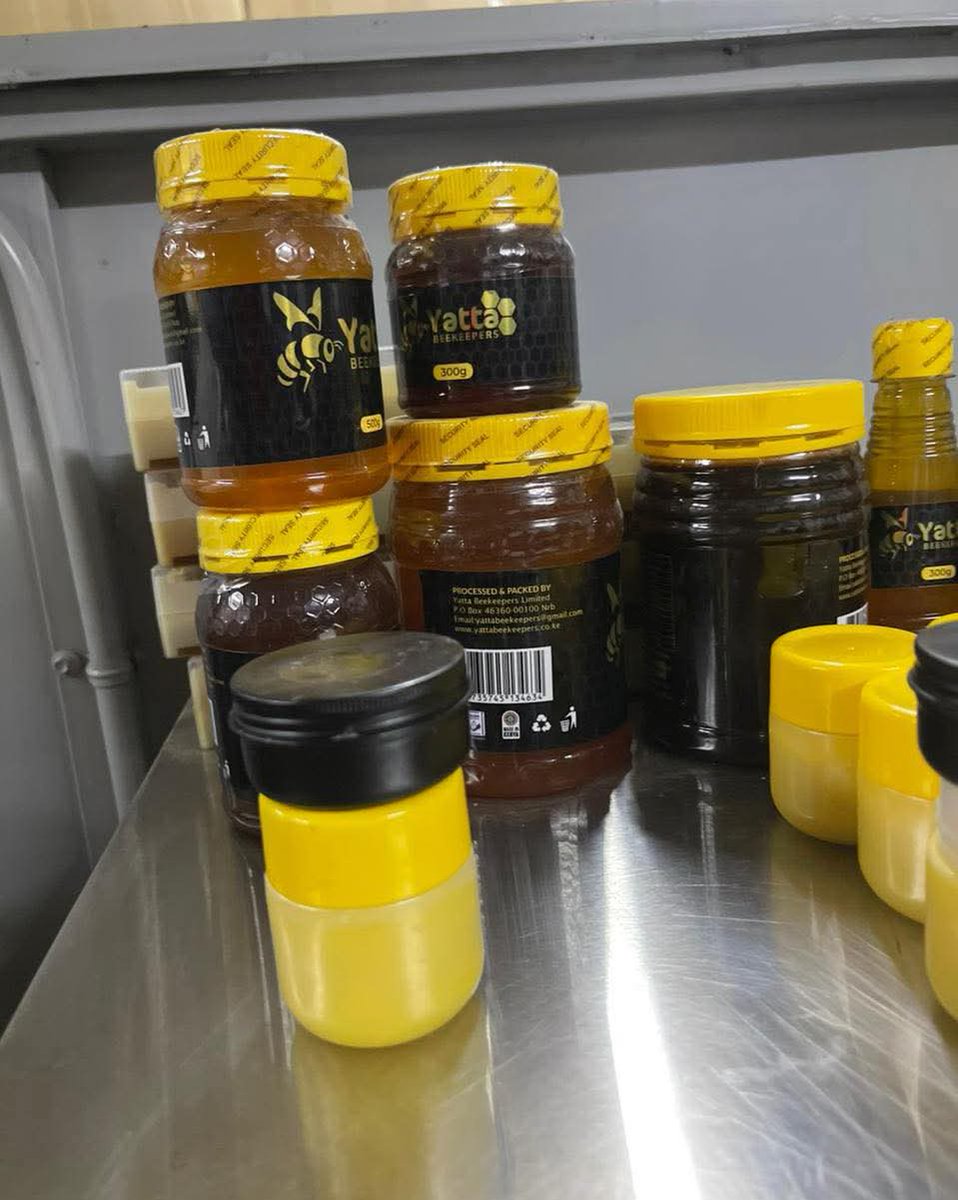
The delegation led by NYOTA Project officials later visited KYEOP beneficiary Joan Kinyanjui in Juja Town, the founder of Yatta Beekeepers. Joan began her journey as a small-scale farmer in 2016 before receiving grant support that enabled her to expand her business significantly. Today, she produces honey on a large scale, which has created employment opportunities for other youths, trains farmers on modern beekeeping practices, and supplies beekeeping equipment to local farmers. She also looks forward to venturing into apitherapy in the near future; a simple natural wellness practice that uses bee products such as honey and bee venom, inspired by the healing properties of bees and their natural “buzzing” environment.
The team also visited Dr. Chege Mbiu, a dentist and founder of Arrow Dental Clinic in Thika.
He established Arrow Dental Clinic in Thika through the Mbele na Biz initiative under KYEOP and has since expanded to two additional branches, creating employment opportunities for other young people who are now able to sustainably support themselves and their families.
The NYOTA Project continues to transform lives across the country by equipping young people with skills, financial support, and opportunities that enable them to build sustainable livelihoods and contribute meaningfully to economic growth.
#KuzaImarishaEndelezaVijana
#NYOTAProjectKenya
#YouthEmpowerment
#RegionalCollaboration
#OJE
#MSMEDevelopment


14
1
12
3,501

May 25
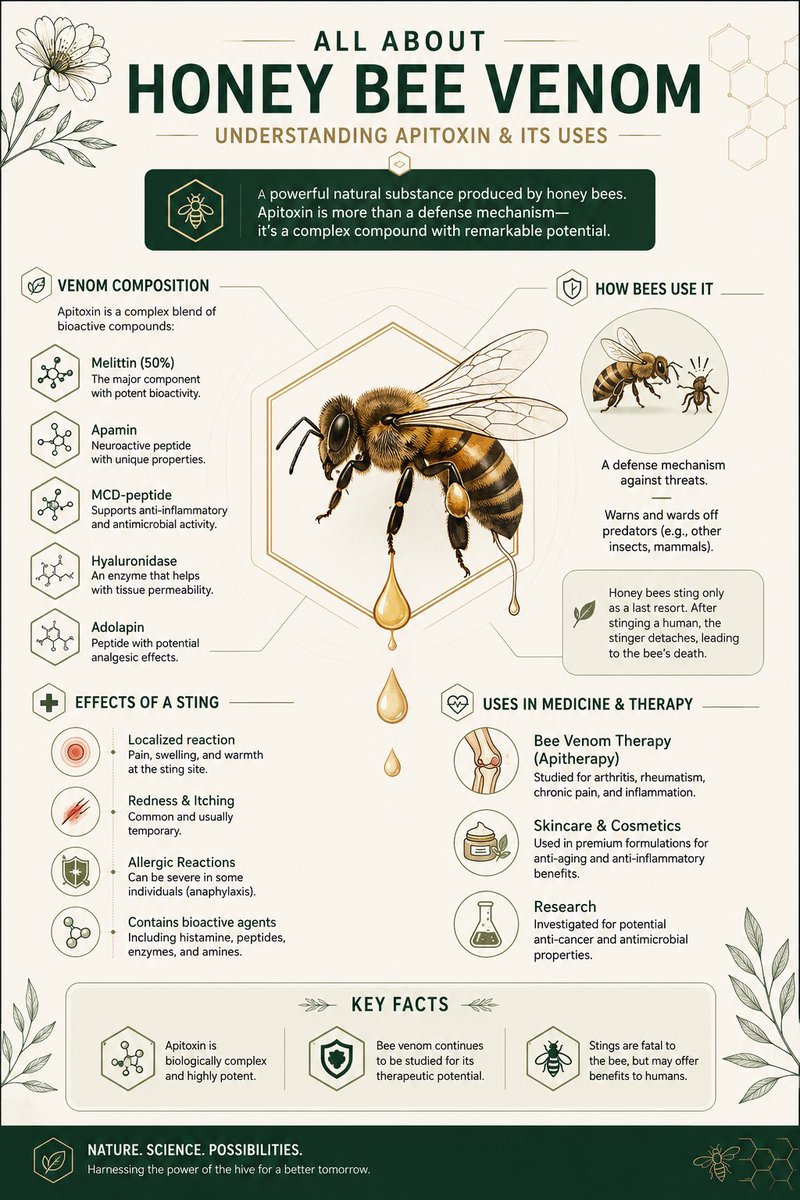
🐝 All About Honey Bee Venom: Threat or Nature’s Hidden Wonder? 🧪
For most of us, a bee sting means instant pain and swelling. But behind that sting lies something remarkable: honey bee venom, also known as Apitoxin — a complex natural substance that continues to intrigue scientists and researchers worldwide.
Here are a few fascinating facts:
🧬 Nature’s Complex Chemistry: Bee venom contains a unique blend of compounds, including Melittin, alongside naturally occurring peptides and enzymes such as Apamin and Adolapin.
🏥 Research & Therapeutic Interest: Bee venom has attracted attention in areas exploring inflammation, pain pathways, and other biological responses through the practice often referred to as apitherapy.
🧴 Beyond the Hive: Bee venom has also found its way into premium skincare formulations, where its unique properties have made it a growing area of interest in beauty and cosmetic innovation.
💔 Nature’s Ultimate Sacrifice: Honey bees use their venom purely as a defense mechanism. After stinging humans, the stinger becomes lodged in the skin, an act that often costs the bee its life.
Discover more in the infographic below and explore one of nature’s most extraordinary creations. 👇
#BeeVenom #BeeFacts #Apitherapy #HoneyBees #NatureAndScience #DidYouKnow #ScienceOfNature
1
4
53

May 24
While these beautiful blue carpenter bees are completely non aggressive and rarely sting, their honeybee cousins carry a punch that is actually changing modern medicine.
It's called Apitherapy, the medical use of controlled bee venom. Scientists are finding that the compound melittin inside bee stings behaves like a powerful anti-inflammatory, showing incredible promise in treating severe rheumatoid arthritis and chronic nerve pain.
Nature’s most painful weapon might actually be a powerful pharmacy.
1
4
363

May 22
I started back on sweetness cuz of this. My younger cousin (rock out in peace) convinced me with just “nnnnot gonna lie my guy, we all deserve a little sweetness in life 🤓😎😜”
That and the fact that we’re a beekeeping/apitherapy family. And maple syrup, cuz vt
1
8
1,099

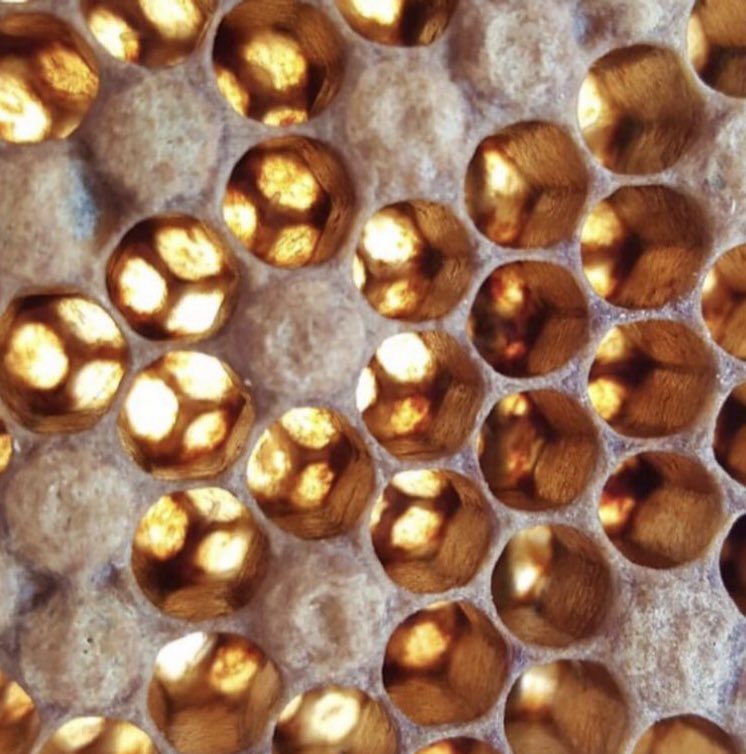
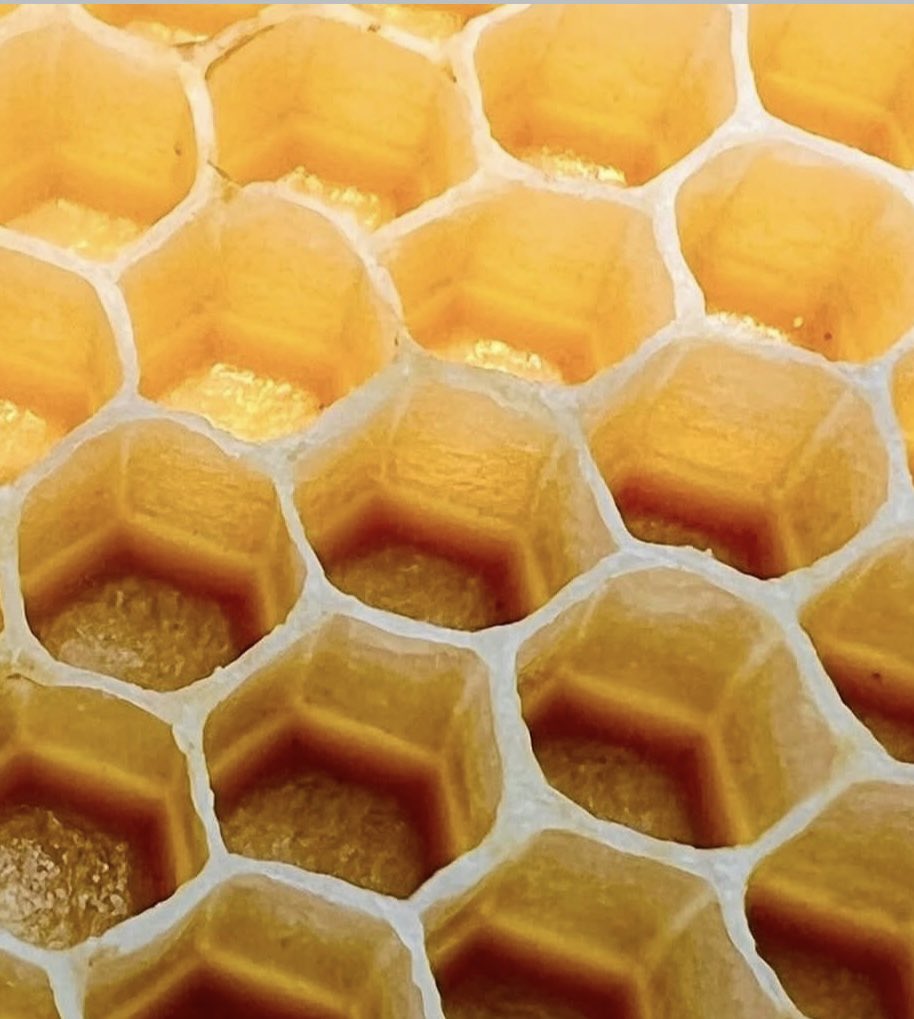
Happy World Bee Day! These are perfectly formed honeybee cells.🐝Aside from being some of nature’s finest architects, honeybees produce a number of unique nutrient rich substances- bee pollen, royal jelly and ⚡️propolis; which has natural antibiotic, anti viral & anti inflammatory properties & over 2500 studies behind its use for immunity, health & skin healing.
Honeybees make propolis by collecting resin from plant & tree buds & they use it to line, seal & sanitise their hives. It is said that a bee hive is one of the most germ free places on earth.
Interesting fact: Egyptians used propolis in the mummification process - it prevents bacteria & is a natural preservative.
It’s great for the immune system & skin repair and has also been shown to aid with production of elastin & collagen. It’s also shown to help hay fever. It’s easy to take in supplement form.
#apitherapy #healthtips
1
3
103

May 18
It cured a woman's lime disease too. She gives talks now about the benefits of Apitherapy ("Bee venom therapy"). The story is pretty wild... she was gonna kill herself the day she got lit up by a bunch of Africanized honeybees. That's when she realized she felt better. Watch. 👇
2
7
254

🐝🌿 International Congress of Api-Phyto & Aromatherapy
📍 Sibiu, Romania, 📅 May 29–31, 2026
👨⚕️ Doctors • 💊 Pharmacists • 🐝 Beekeepers • 🔬 Researchers
#Apitherapy #IntegrativeMedicine #BeehiveAirTherapy
💻 ONLINE access for all 3 days:
🌍 api-fito-aromaterapie.ro/con…
3
3
26
 ناصر 🎖

May 15
Bee sting therapy (apitherapy) treats back pain via bee venom compounds, mainly melittin:
•Anti-inflammatory: Blocks key inflammatory pathways (NF-κB, cytokines) → reduces swelling around spine/nerves.
•Pain relief: Activates natural pain inhibition and blocks pain signals.
•Applied via live stings or injections at painful/acupoints for localized effect.
Clinical trials show significant pain reduction and improved function in chronic low back pain. Risks: allergy, swelling. Not first-line treatment.
امرأة تشعر بالم شديد في ظهرها لمدة عام وزارت اكثر من 20 مركز طبي للعلاج ولاكن دون جدوى فكان الحل الأخير الذي طرأ عليها تجربة لدغات النحل هل سيشفي ما صعب على الطب فكانت النتيجة صادمة
2
163
May 15
Bee products have been used in medicine and skincare for over 6,000 years. 🐝
Bee venom was used to treat joint pain, while honey and wax were used in cosmetics and healing creams.
We keep that tradition alive. That’s why our apitherapy center, Sviloš, is so important to us.
2
2
18
410

NO COINCIDENCE… 🐝 BRING HEALING ❤️🩹; of course the Cabal wants them exterminated; or weaponized against us!
Propolis: A resinous mixture bees collect from tree buds. It has powerful Antimicrobial and anti-inflammatory properties, often used in immune support and oral care.
Apitherapy—the use of bee-derived products and the hive environment—offers diverse therapeutic benefits. Propolis and honey provide strong antibacterial and wound-healing properties, bee venom is studied for anti-inflammatory and neurological uses, and the hive's acoustic vibrations are used for deep relaxation and stress relief.
Honey: Rich in antioxidants and natural enzymes, it is widely used to treat wounds, burns, and soothe sore throats. Medical-grade honey actively prevents infection.
Royal Jelly: A nutrient-dense secretion used by worker bees to feed the queen. It is known to support immune function, reduce inflammation, and improve skin health.
🐝 Hive Environment and TherapyVibroacoustic Therapy: Spending time near active beehives allows you to experience the ~190 Hz hum of the hive. These subtle vibrations and sounds are utilized in specialized "bee beds" to lower cortisol, reduce anxiety, and promote restful sleep.
Hive Air: Inhaling the aerosolized aroma of the hive (rich in propolis and beeswax) is believed to provide respiratory relief and promote a calming, meditative state.
May 13

🚨 DEAD BEES EVERYWHERE — AND THEY’RE NOT COMING BACK!
Look at this guy’s hand… that’s a dead bee. He’s finding them everywhere. No buzz in the flowers. No pollinators left. This is the beginning of the end of food as we know it.
While bees vanish, Bill Gates partners with Monsanto and “Bee Logic” to breed aluminum-resistant bees and crops — right as geoengineering sprays aluminum into our skies. At the same time, he’s quietly buying up massive farmland across America. Coincidence? Or a calculated move to control the global food supply?
NO BEES = NO POLLINATION = NO FOOD.
They’re engineering a famine while we watch. Control the food… control the people. This isn’t climate change. This is orchestrated collapse. Wake the hell up before it’s too late.
Share this before they scrub it.
3
74

May 3
BEECOMING🐝🐝🐝
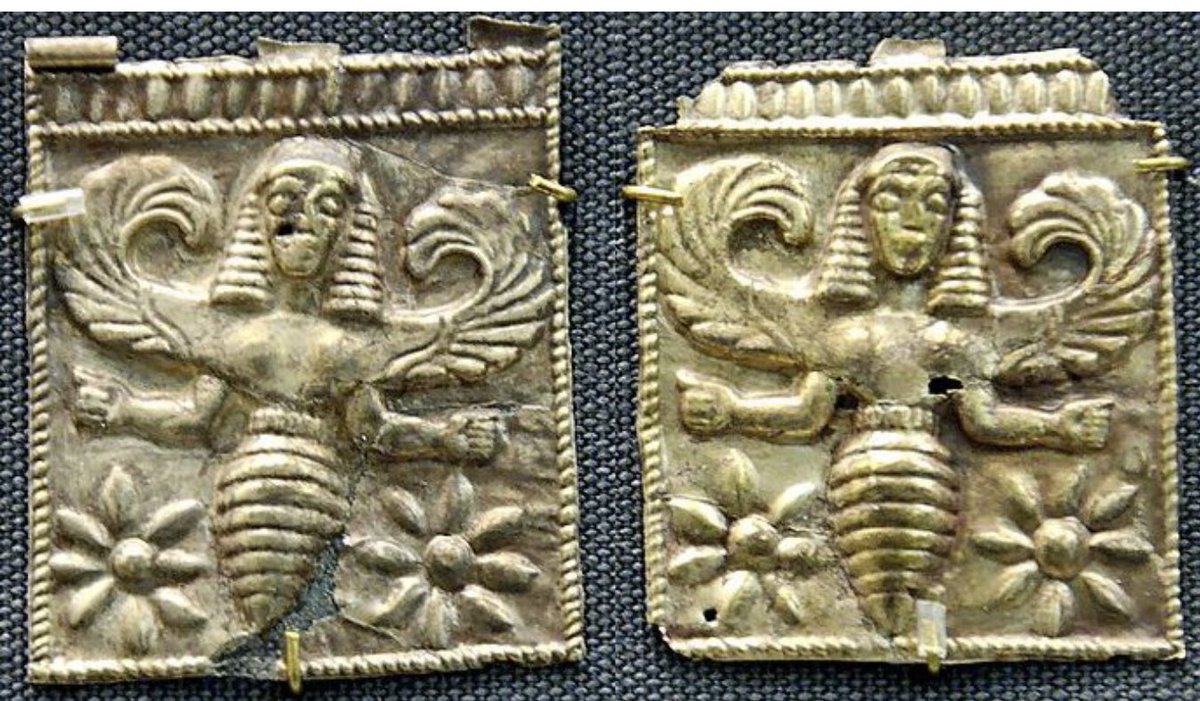
"The story of Rennes-le-Château has an exhaustive list of subplots including sacred geometry, art history, Vatican secrets, complex codes, Mary Magdalene and Jesus Christ, the Holy Grail, royal families, lost lineages, Knights Templar, Cathars, Visigoths, the treasure of Solomon and the Priory of Sion, to name a few. But there is another, lesser-known facet to the story: the honey bee. Prehistory is full of clues that hint at ancient man’s fascination with bees, and so is the mystery of Rennes-le-Château. However, to appreciate them we must first turn our attention to the genesis of bee adoration, back in the age when temples of Venus graced the Aude valley, long before the churches dedicated to Mary Magdalene were erected there. In Anatolia, a ten-thousand-year-old statue of the Mother Goddess adorned in a yellow and orange beehive-style tiara has led scholars to conclude that the Mother Goddess evolved into the Queen Bee around this time. At the Neolithic settlement of Çatal Höyük rudimentary images of bees dating to 6540 BCE form a circle above the head of a goddess figure, creating the first ever ‘halo’, while beehive-inspired designs are stylistically portrayed on the walls of its most sacred temples. Not surprisingly, it was the Sumerians who soon emerged as the forefathers of organised beekeeping, known as apiculture, and invented apitherapy, or the medical use of bee products such as honey, pollen, royal jelly and venom. The adoption of bee symbolism in Egyptian society developed rapidly and by the start of the First Dynasty, Egypt was known as the ‘Land of the Bee’. Minoan and Greek mythology soon followed and adopted the sacred bee as a vital element of their societies, depicting bees on the statues of their most important gods and goddesses. They also developed the coveted position of female bee shamans, called Melissas.
4
22
85
2,460
Apr 29
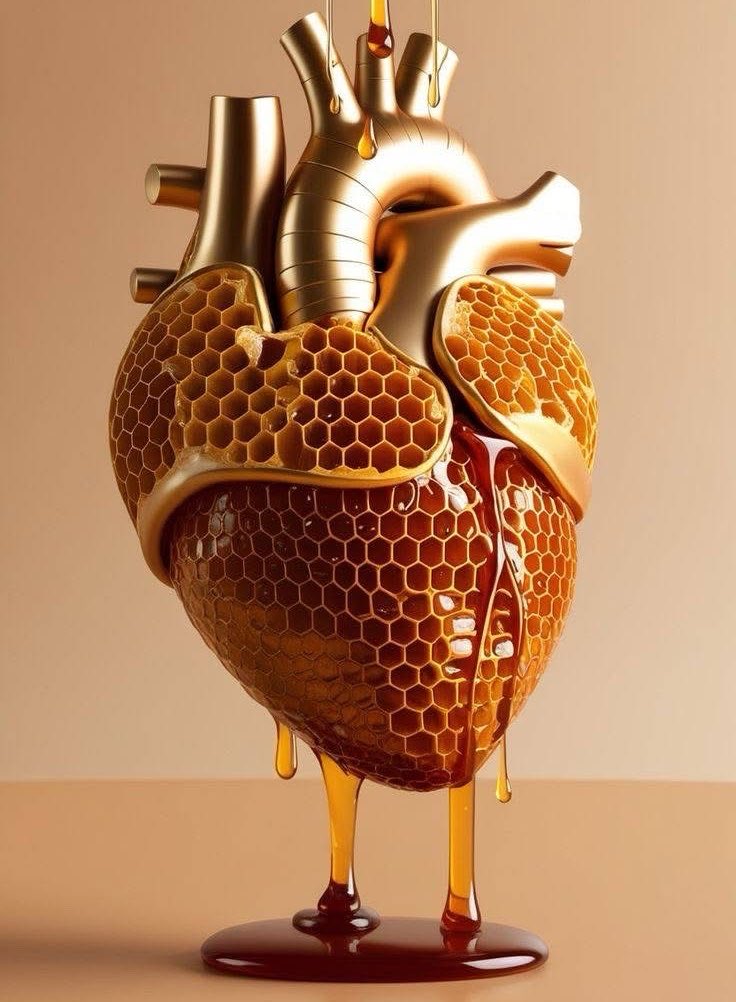
🐝What is apitherapy?
Apitherapy is the use of bee products to support health, help prevent illness, and ease or treat certain health conditions. The word apitherapy means bee therapy, from the Latin word apis, meaning bee.
1
3
35

Apr 24
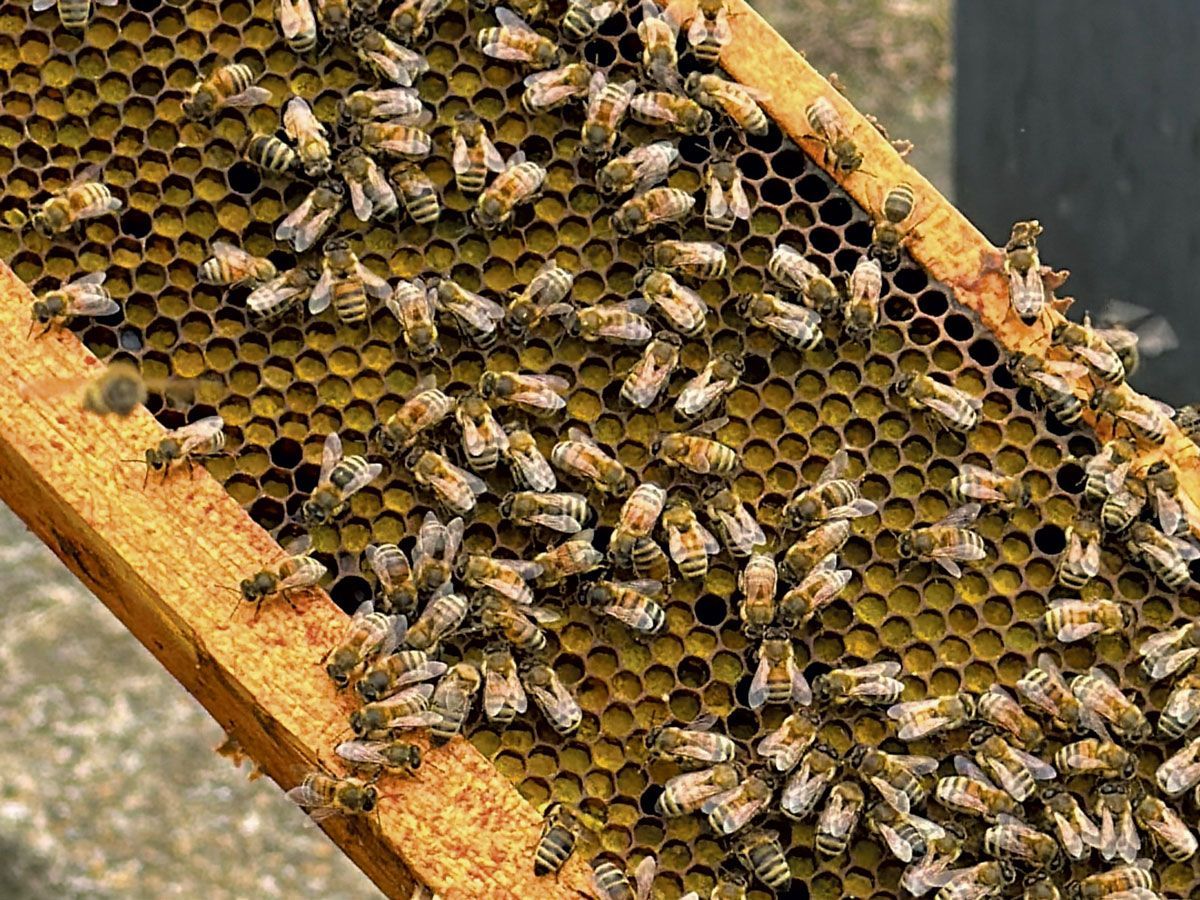
Despite dire bee die-offs, Curtis Mraz has stepped up at Champlain Valley Apiaries, his family’s nearly 100-year-old Middlebury biz. Honey and apitherapy sales will help support a new headquarters in New Haven. sevendaysvt.com/food-drink/f…
1
2
4
368