
Jun 10
37

"Need basketball cards? Grab 'em from APSM Cards – clean selection, & great prices! 👟🏀
Shop now: apsmcards.com
2
2
4
73

Apr 11
ريفون علي نائبة الرئيس في منظمة APSM "تحالف حماية الأقليات السوريةوهي منظمة تهدف إلى دعم الأقليات السورية، كتبت عن العلويين الذين يدافعون عن ما يسمى "محور المقاومة" كلمات تستحق القراءة والنشر والتعميم
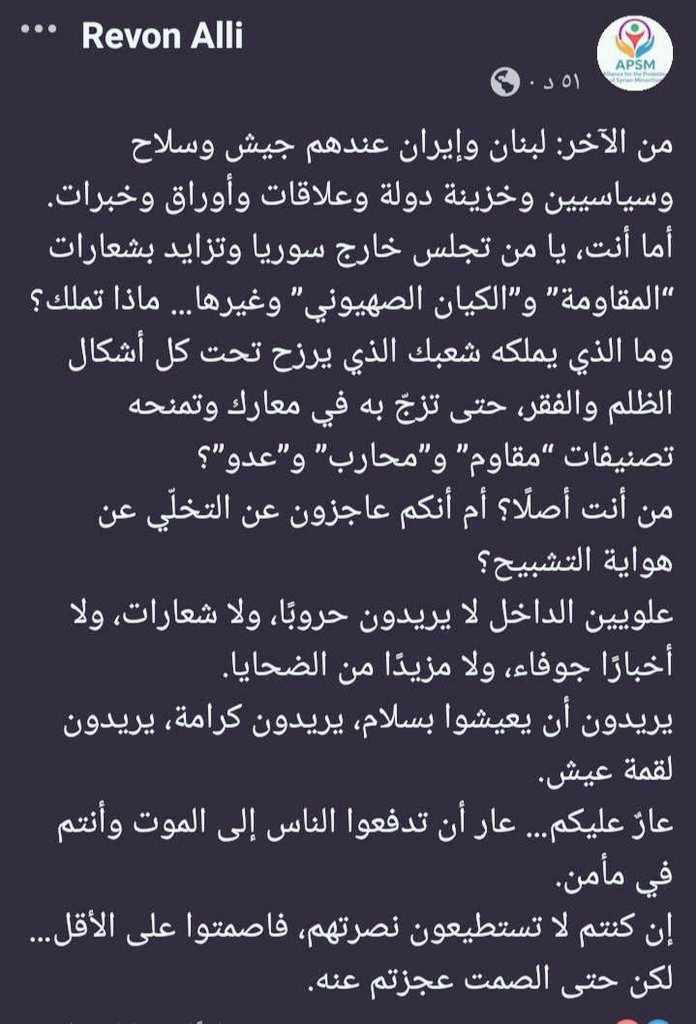
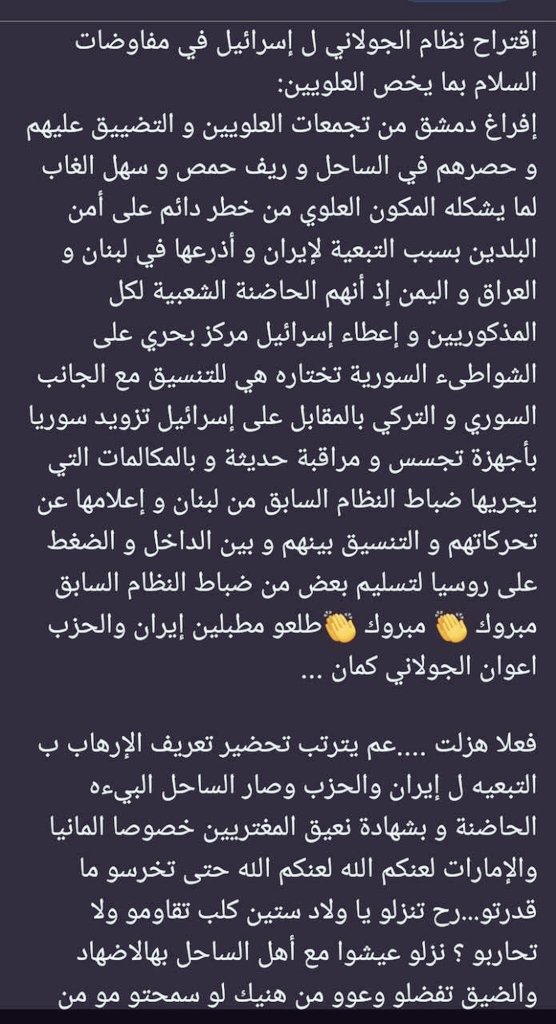
1
23

APSM 3332’s own!
Apr 5

News from the other side of the world: Former TCU, SMU & Memphis guard Kendric Davis was named MVP of @NBL Finals leading @SydneyKings over @Adelaide36ers in decisive 5th game.
1
1
2
4,191

Mar 19
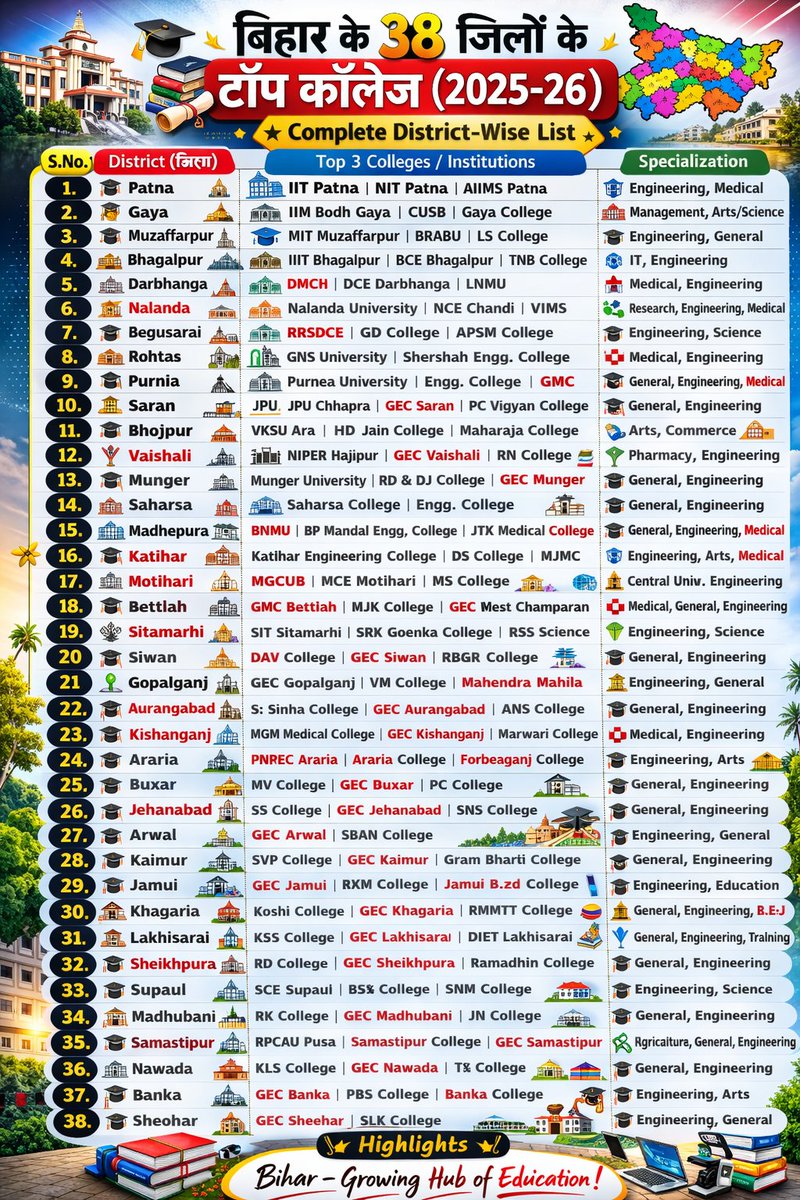
🎓🔥 बिहार के 38 जिलों के टॉप कॉलेज (2025-26) – पूरी लिस्ट 🔥🎓
📌 बिहार के हर जिले में अब कम से कम एक Government Engineering College (GEC) खुल चुका है — ये राज्य के लिए बड़ा बदलाव है।
🏫 1. पटना
IIT Patna | NIT Patna | AIIMS Patna
🏫 2. गया
IIM Bodh Gaya | CUSB | Gaya College
🏫 3. मुजफ्फरपुर
MIT Muzaffarpur | BRABU | LS College
🏫 4. भागलपुर
IIIT Bhagalpur | BCE Bhagalpur | TNB College
🏫 5. दरभंगा
DMCH | DCE Darbhanga | LNMU
🏫 6. नालंदा
Nalanda University | NCE Chandi | VIMS Pawapuri
🏫 7. बेगूसराय
RRSDCE | GD College | APSM College
🏫 8. रोहतास
GNS University | Shershah Engineering College | SPM
🏫 9. पूर्णिया
Purnea University | Purnea College of Eng. | GMC Purnea
🏫 10. सारण
JPU Chhapra | GEC Saran | PC Vigyan College
🏫 11. भोजपुर
VKSU Ara | HD Jain College | Maharaja College
🏫 12. वैशाली
NIPER Hajipur | GEC Vaishali | RN College
🏫 13. मुंगेर
Munger University | RD & DJ College | GEC Munger
🏫 14. सहरसा
Saharsa College | Saharsa Engineering College
🏫 15. मधेपुरा
BNMU | BP Mandal Eng. College | JTK Medical College
🏫 16. कटिहार
Katihar Engineering College | DS College | MJMC
🏫 17. मोतिहारी
MGCUB | MCE Motihari | MS College
🏫 18. बेतिया
GMC Bettiah | MJK College | GEC West Champaran
🏫 19. सीतामढ़ी
SIT Sitamarhi | SRK Goenka College | RSS Science College
🏫 20. सिवान
DAV College | GEC Siwan | RBGR College
🏫 21. गोपालगंज
GEC Gopalganj | VM College | Mahendra Mahila
🏫 22. औरंगाबाद
S. Sinha College | GEC Aurangabad | ANS College
🏫 23. किशनगंज
MGM Medical College | GEC Kishanganj | Marwari College
🏫 24. अररिया
PNREC Araria | Araria College | Forbesganj College
🏫 25. बक्सर
MV College | GEC Buxar | PC College
🏫 26. जहानाबाद
SS College | GEC Jehanabad | SNS College
🏫 27. अरवल
GEC Arwal | SBAN College
🏫 28. कैमूर
SVP College | GEC Kaimur | Gram Bharti College
🏫 29. जमुई
GEC Jamui | KKM College | Jamui B.Ed College
🏫 30. खगड़िया
Koshi College | GEC Khagaria | RMMTT College
🏫 31. लखीसराय
KSS College | GEC Lakhisarai | DIET Lakhisarai
🏫 32. शेखपुरा
RD College | GEC Sheikhpura | Ramadhin College
🏫 33. सुपौल
SCE Supaul | BSS College | SNM College
🏫 34. मधुबनी
RK College | GEC Madhubani | JN College
🏫 35. समस्तीपुर
RPCAU Pusa | Samastipur College | GEC Samastipur
🏫 36. नवादा
KLS College | GEC Nawada | TS College
🏫 37. बांका
GEC Banka | PBS College | Banka College
🏫 38. शिवहर
GEC Sheohar
1
11
664

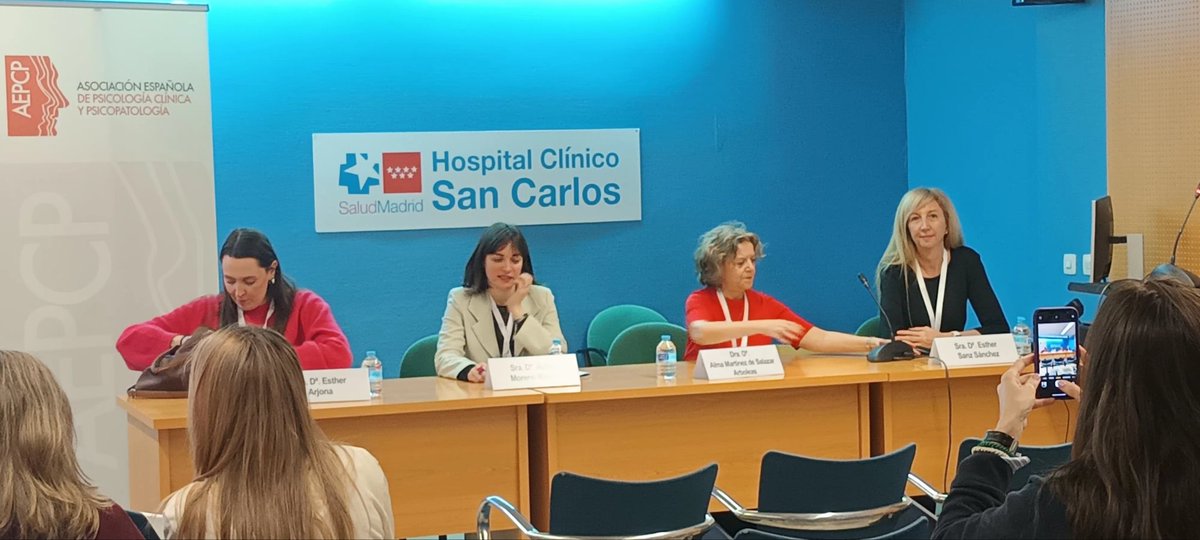
📋 Mesa redonda: Análisis DAFO - retos de la Psicología Clínica
Con:
• Áurea Moreno (@SCEPC_)
• Esther Arjona (@SEPC_ANPIR)
• Esther Sanz (AEN-APSM)
¿Debilidades, amenazas, fortalezas y oportunidades de nuestra profesión? #PsicologíaClínica #DAFO #Futuro #CongresoAEPCP2026
1
2
9
429

APSM 🕊️🕊️🕊️
Alliance for the Protection of Syrian Minorities
التحالف لحماية الأقليات السورية
⸻
OFFICIAL ANNOUNCEMENT — ENGLISH
The Alliance for the Protection of Syrian Minorities (APSM) proudly announces its official launch as an independent nonprofit organization committed to protecting, supporting, and advocating for minority communities across Syria.
APSM works to advance humanitarian assistance, legal protection, and strategic political advocacy in cooperation with partners and institutions in the United States, Israel, and Europe, with the goal of promoting human dignity, security, justice, and long-term stability for all Syrian minority communities.
⸻
Organizational Structure & Members
Founding Leadership
Honorary President
Dr. Edy Cohen
Executive President
Sam Abraham
Vice President
Revon Ali
⸻
Founding Board of Leadership
1. Hassan Merhij
2. Younes Ammasheh
3. Edy Cohen
4. Walid Hdaifi
5. Sam Abraham
6. Revon Ali
7. Natalie Khoury
8. Viyan Yousef
9. Aysr Alwli
10. Malfono Yakob Bardaisan
⸻
Leadership Members
• Alan Al-Wali
• Maan Yahya
• Fathi Traboush
• Kotaiba Nasser
• Radwan Ali
• George Henawi
⸻
Media & Cultural Advisor
George Barshen
⸻
Mission Statement
APSM’s mission is to safeguard and empower Syrian minority communities through coordinated humanitarian relief, legal advocacy, international engagement, and policy initiatives aimed at ensuring dignity, safety, equal rights, social stability, and sustainable prosperity.
⸻
⸻
البيان الرسمي — العربية
يعلن تحالف حماية الأقليات السورية (APSM) بكل فخر عن إطلاقه الرسمي كمنظمة غير ربحية مستقلة تعمل على حماية ودعم والدفاع عن الأقليات في سوريا.
يسعى التحالف إلى تقديم المساعدات الإنسانية، وتوفير الدعم القانوني، وتعزيز العمل السياسي والاستراتيجي بالتعاون مع شركاء ومؤسسات في الولايات المتحدة وإسرائيل وأوروبا، بهدف تعزيز الكرامة الإنسانية والأمن والعدالة والاستقرار طويل الأمد لجميع مكونات الأقليات السورية.
⸻
الهيكلية التنظيمية وأسماء الأعضاء
القيادة التأسيسية
الرئيس الفخري
الدكتور إيدي كوهين
الرئيس التنفيذي
سام أبراهام
نائب الرئيس
ريفون علي
⸻
مجلس القيادة (الأعضاء المؤسسون)
١. حسن مرهج
٢. يونس عماشه
٣. إيدي كوهين
٤. وليد حديفي
٥. سام أبراهام
٦. ريفون علي
٧. ناتالي الخوري
٨. فيان يوسف
٩. أيسر الولي
١٠. ملفونو يعقوب برديصان
⸻
الأعضاء القياديون
• ألان الولي
• معن أبو شمعون
• فتحي طربوش
• قتيبة نصر
• رضوان علي
• جورج حناوي
⸻
المستشار الإعلامي والثقافي
جورج برشيني
⸻
الرسالة الأساسية
تتمثل رسالة التحالف في حماية وتمكين الأقليات السورية عبر تقديم المساعدات الإنسانية، والدعم القانوني، والانخراط في العمل السياسي والاستراتيجي الدولي بما يضمن الكرامة الإنسانية، والأمان، والعدالة، والاستقرار المجتمعي، والازدهار المستدام على المدى الطويل
3
2
25
1,248


Jan 15
I swear your @X community could be names something the APSM-er Amateur Professional Situation Monitor-er or simply Laundry with Lu, and could be the light that you are but with a similar light as our dearly departed Scott Adams
2
32

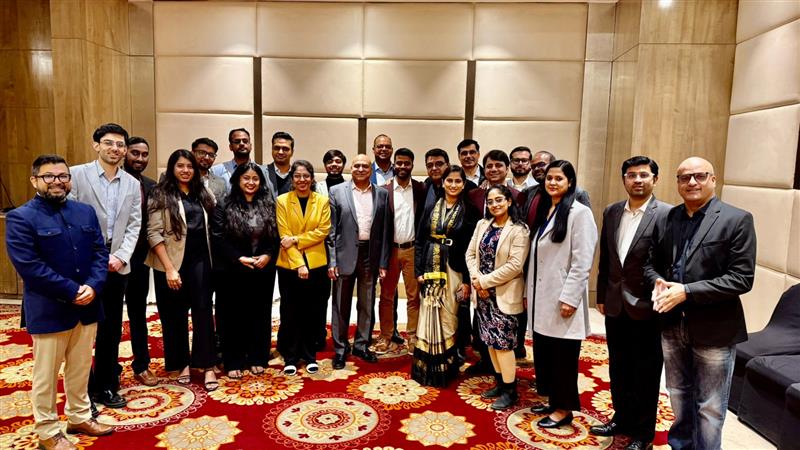
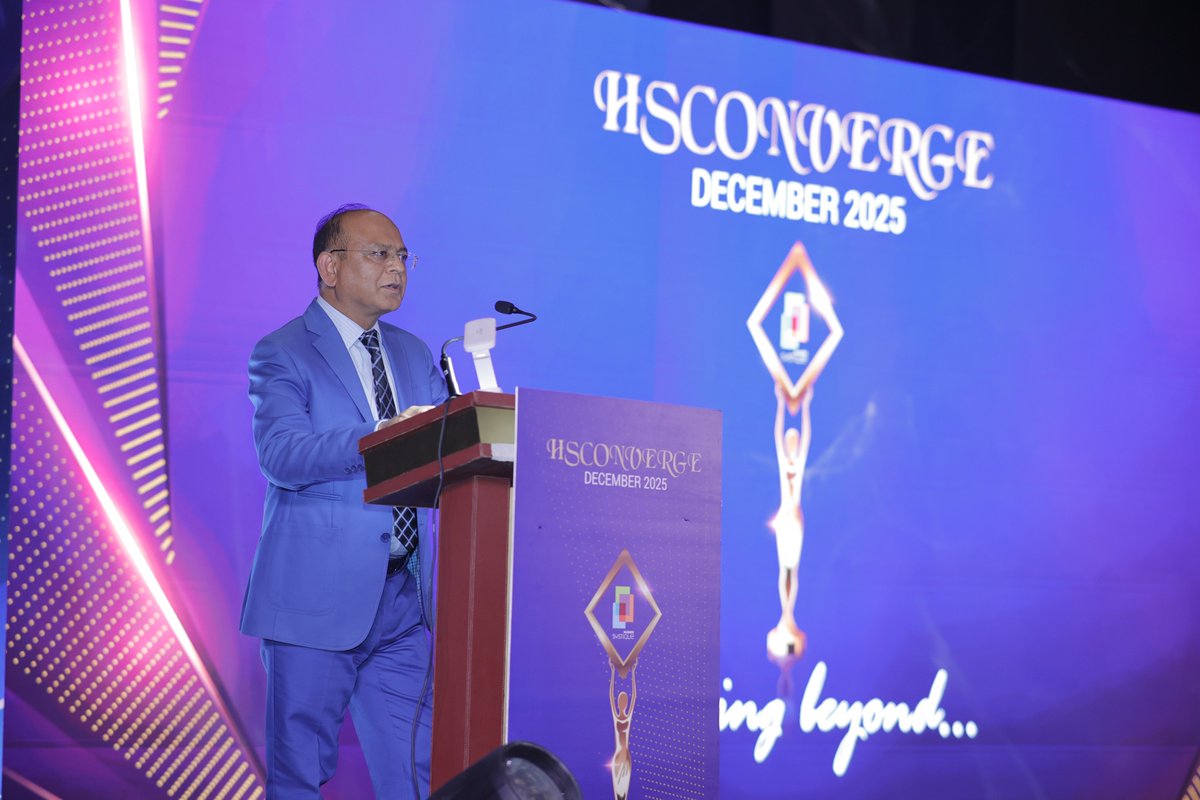
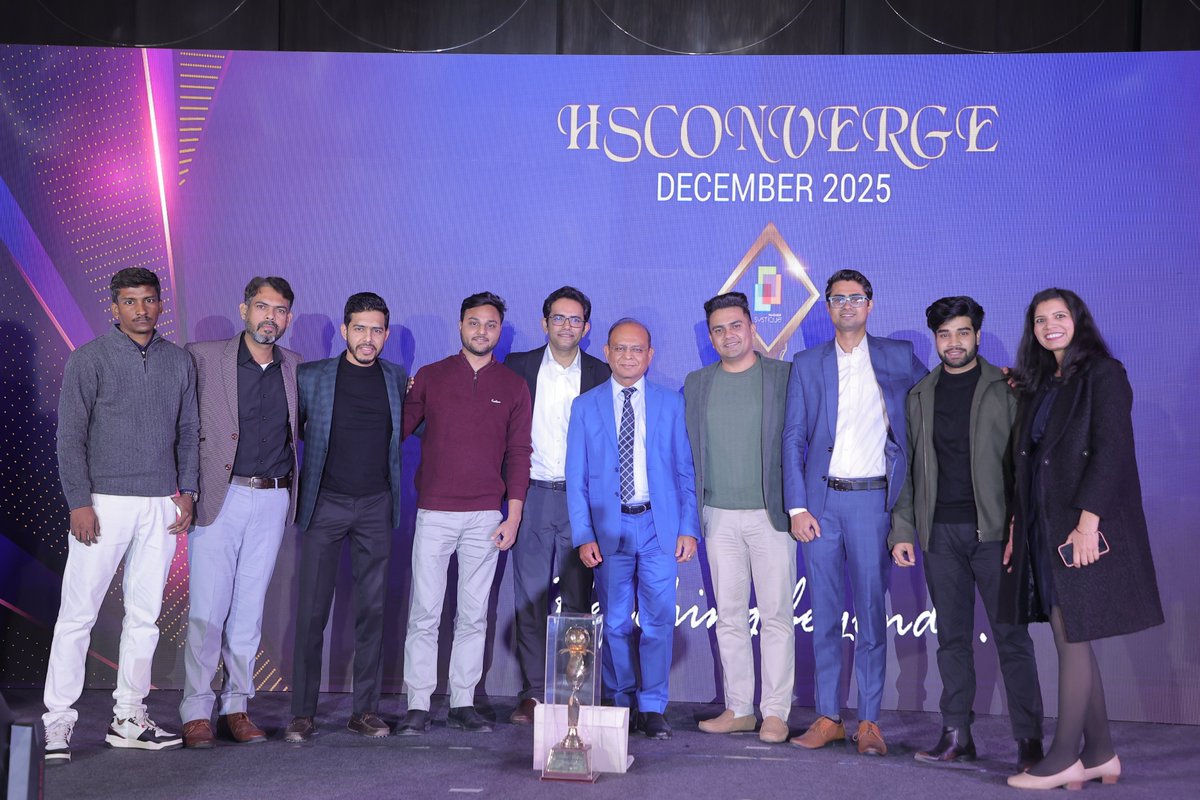
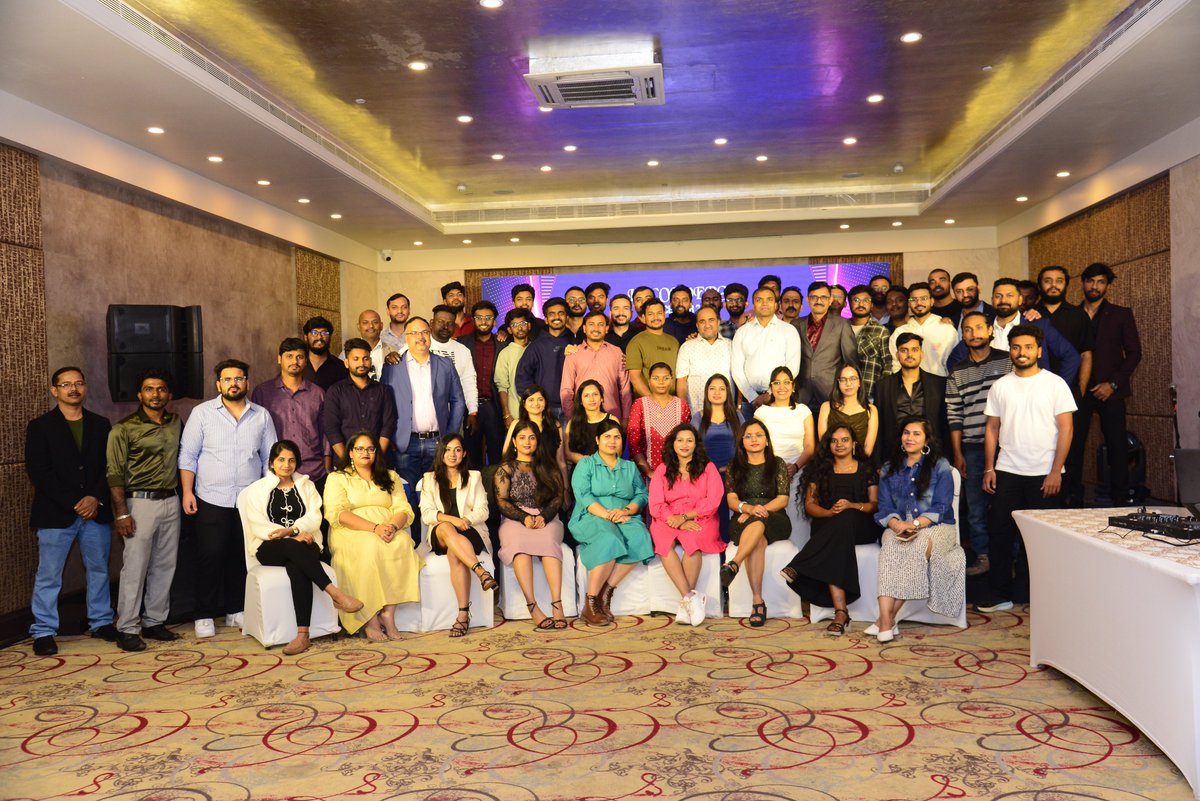
The year 2025 was a defining one for @hsccorp and HSCians. We bid it adieu by charting the course and strategizing for the year ahead through the Annual Planning & Sales Meet (APSM), while also celebrating the achievements of the previous year at HSConverge—the annual gathering of HSCians.
Mr. Ajay Gupta, EVP – Head of Global Sales & Marketing, set the tone for the discussions and inaugurated APSM with an address highlighting the key successes and learnings from 2025. The APSM was held at Ramada by Wyndham, Gurgaon, and was attended by Sales & Marketing team members from across the globe, along with the leadership team from various functions.
The evening of HSConverge began on a solemn note, paying tribute to the late Mr. Pradman Kaul, former President & CEO of Hughes Network Systems and Chairman of Hughes Systique. Mr. @vinodsood, MD, then took the stage to share significant milestones and triumphs across HSC’s functions that filled everyone with pride. Adding sparkle to the evening, HSC Fashionistas lit up the stage as Bollywood icons, greeted by loud applause and cheers from colleagues and friends. Matching their energy, the HSC Footloose group danced their hearts out, mesmerizing the audience with their incredible moves.
The anticipation for the Team of the Year award was palpable at Grand Hyatt, Gurugram, and Radisson Blu, Marathahalli, Bengaluru—the venues for the evening. As the night progressed, excitement gave way to laughter, conversations, dancing, and bonding with friends over an exquisite dinner.
#HSCAPSM2025 #APSM #HSConverge2025 #HSConverge #Converge2025 #Sales #Marketing #Planning #Strategies #Celebration #AnnualAwards #Gurgaon #Bengaluru #FashionShow #Dance #DigitalEngineering #Engineering #HumansOfSystique #HughesSystique #HSC
1
5
88

29 Dec 2025
Nahi ye APSM(accidental porn surveillance manager) ke under aata hai. @i2RohanSharma bhai se sampark kare
1
1
31

16 Dec 2025
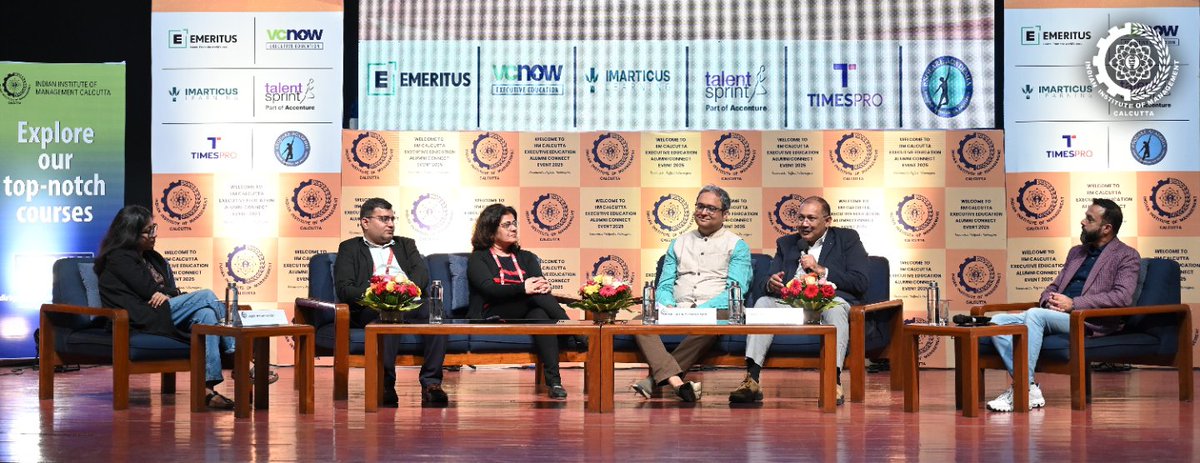
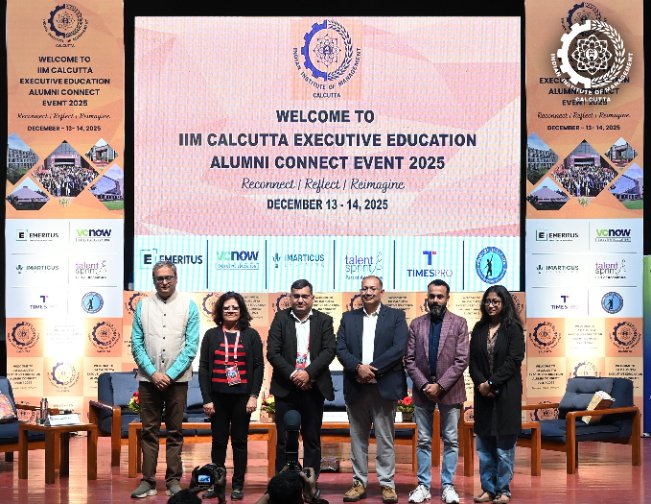
𝐓𝐚𝐥𝐞𝐬 𝐟𝐫𝐨𝐦 𝐭𝐡𝐞 𝐓𝐫𝐚𝐢𝐥: 𝐀𝐥𝐮𝐦𝐧𝐢 𝐒𝐩𝐨𝐭𝐥𝐢𝐠𝐡𝐭 | 𝐀𝐂𝐄 𝟐𝟎𝟐𝟓
As part of 𝐀𝐂𝐄 𝟐𝟎𝟐𝟓, Tales from the Trail: Alumni Spotlight celebrated inspiring alumni journeys shaped by resilience, learning, and leadership. Following a 𝐫𝐢𝐠𝐨𝐫𝐨𝐮𝐬 𝐬𝐞𝐥𝐞𝐜𝐭𝐢𝐨𝐧 𝐩𝐫𝐨𝐜𝐞𝐬𝐬 from a competitive pool of 𝟐𝟖 𝐬𝐡𝐨𝐫𝐭𝐥𝐢𝐬𝐭𝐞𝐝 𝐩𝐚𝐫𝐭𝐢𝐜𝐢𝐩𝐚𝐧𝐭𝐬, four alumni were selected to share their stories and were 𝐟𝐞𝐥𝐢𝐜𝐢𝐭𝐚𝐭𝐞𝐝 for their impactful professional journeys:
1) Seema Dhawan (APSM 05) – Vice President-Corporate Sustainability-Faridabad Council, WICCI-Corporate Sustainability Council
2) Shrikant Sharma (EPAF 10) – CFM (FP&A) Site Leader, Accenture
3) Ashish Khanna (SMP 07) – Chief Executive Officer, Intensity Global Technologies Limited
4) Kamal Vashisht (APMP 07) – Head – Affiliate & Partnerships & Leadership Team – Growth, Nirmit Bharat (Digihaat_official/ ONDC)
The session was thoughtfully moderated by Prof. Nandita Roy (Business Ethics & Communication Group) and Prof. Sudarshan Kumar (Finance & Control Group), who guided a rich conversation on experience, learning, and impact.
#ACE2025 #IIMCalcutta #AlumniSpotlight #TalesFromTheTrail #ExecutiveEducation #LeadershipJourneys #IIMCAlumni
1
1
87

تم تأسيس APSM كنتيجة مباشرة لمؤتمر الأقليات الذي عُقد في تل أبيب، إسرائيل، في 27 أكتوبر 2025. وتتمثل رسالته في ضمان إيصال صوت الأقليات السورية
69
16
185
186,464


31 Oct 2025
"Never let anyone tell you that you don't fit in. If you want to be somewhere, just do it. It's your story, and you are the author and hero in it. Play it beautifully."
Today our conversation is with the Sentient chat how the cryptocurrency exchange rate affects the psychology of people in the cryptospher:
Crypto market cycles act like a massive emotional thermostat for investors, amplifying optimism during rallies and triggering defensive, stress‑filled reactions when prices tumble. The research landscape of 2025 shows that these mood swings are not just anecdotal - they’re measurable, tied to specific psychological drivers, and have real‑world mental‑health consequences.
Key Takeaways
- Bull markets ignite performance expectancy, perceived security, enjoyment, and openness, producing a “greed” phase on the Fear & Greed Index.
- Bear markets flip the script: loss‑aversion dominates, risk‑taking drops, and a “defensive mood” emerges, often accompanied by anxiety, depression, and addiction‑like symptoms.
- Psychological support/resistance levels act as hard thresholds; investors rush in at perceived “cheap” zones and panic sell when prices breach them.
- Demographics (young, predominantly male, concentrated in Asia, North America, and Europe) create a subculture especially vulnerable to the emotional roller‑coaster of crypto volatility.
1. Psychological Drivers Behind Crypto Booms
Research integrating the Unified Theory of Acceptance and Use of Technology (UTAUT) identifies four primary motivators for entering the market:
1. Performance expectancy – belief that crypto will deliver strong returns.
2. Security perception – trust in platform safety, which spikes after successful exchanges or regulatory clarity.
3. Perceived enjoyment – the thrill of trading and discovering new assets.
4. Openness – personality trait that amplifies the link between positive attitude and investment intention.
When prices surge, these factors reinforce each other, pushing the Fear & Greed Index into a “greed” state. Traders interpret chart‑based support levels as psychological safety nets, buying aggressively at perceived discounts and reinforcing bullish momentum.
2. Behavioral Shifts During Market Downturns
The Anticipated Psychological Spreads (APSM) model shows an asymmetric loss‑aversion pattern:
- Buyers dominate in bull markets (2020‑2024), creating upward pressure.
- Sellers gain the upper hand in bear markets, accelerating price declines.
Post‑crash periods are marked by a “defensive mood” where traders cut exposure, reduce leverage, and seek stability. The Fear & Greed Index flips to “fear,” reflecting heightened volatility, lower volume, and negative social‑media sentiment. Psychological support/resistance levels become triggers for panic selling, often magnifying the downturn.
3. Mental‑Health Impact on Active Traders
A 2025 scoping review and KevinMD article highlight alarming health trends among the roughly 600 million global crypto holders (30‑60 million active monthly traders):
- Elevated anxiety and depression rates, especially after sharp corrections.
- Addiction‑like symptoms, with traders exhibiting compulsive checking and over‑trading.
- Sleep disturbances linked to constant market monitoring.
The demographic profile - young, tech‑savvy, predominantly male - creates a “crypto‑bro” subculture that can intensify peer pressure and FOMO (fear of missing out). Leverage‑driven crashes, such as the October 2025 event, exacerbate stress and have prompted calls for tighter margin requirements to mitigate systemic psychological fallout.
4. Implications and Practical Takeaways
- Sentiment indices (Fear & Greed, AI‑driven market intel) are valuable real‑time gauges of collective mood; monitoring shifts can help anticipate behavioral changes.
- Incorporating psychological spreads into short‑term forecasts improves accuracy over traditional statistical models, underscoring the quantifiable nature of market psychology.
- Mental‑health resources (counseling, community support, education on risk management) should be integrated into exchange platforms and trading communities to address chronic stress.
- Regulators and exchanges may consider limiting excessive leverage and enhancing security transparency to reduce panic‑driven sell‑offs and protect trader wellbeing.
TL;DR – Crypto booms fuel optimism through performance expectancy, security, enjoyment, and openness, while crashes trigger defensive, loss‑averse behavior and measurable mental‑health strain. Psychological drivers, sentiment indices, and behavioral models together explain how price swings shape both financial decisions and wellbeing.
Now you can also participate in testing the perfect chat for cryptocurrency and more. Follow the link; logging in takes no more than 24 hours, and you no longer need a code:
chat.sentient.xyz/login?redi……
@SentientAGI

42
4
230
2,075

27 Oct 2025
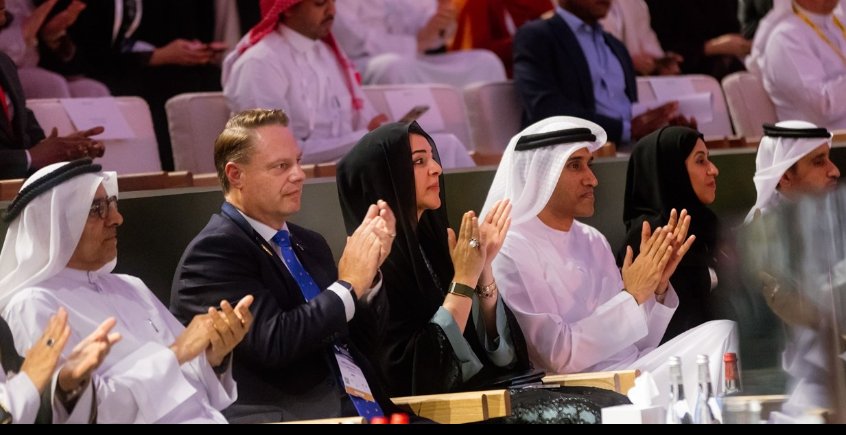
@BrookdaleCCNews Last evening we were welcomed to the APSM Forum 2025 by Her Excellency Reem Al Hashimy, UAE Minister of State for International Cooperation and CEO of Expo City Dubai Authority. Dr. Jackeline Mejias Fuertes spoke with her and gave greetings from Brookdale.
1
2
86

16 Oct 2025
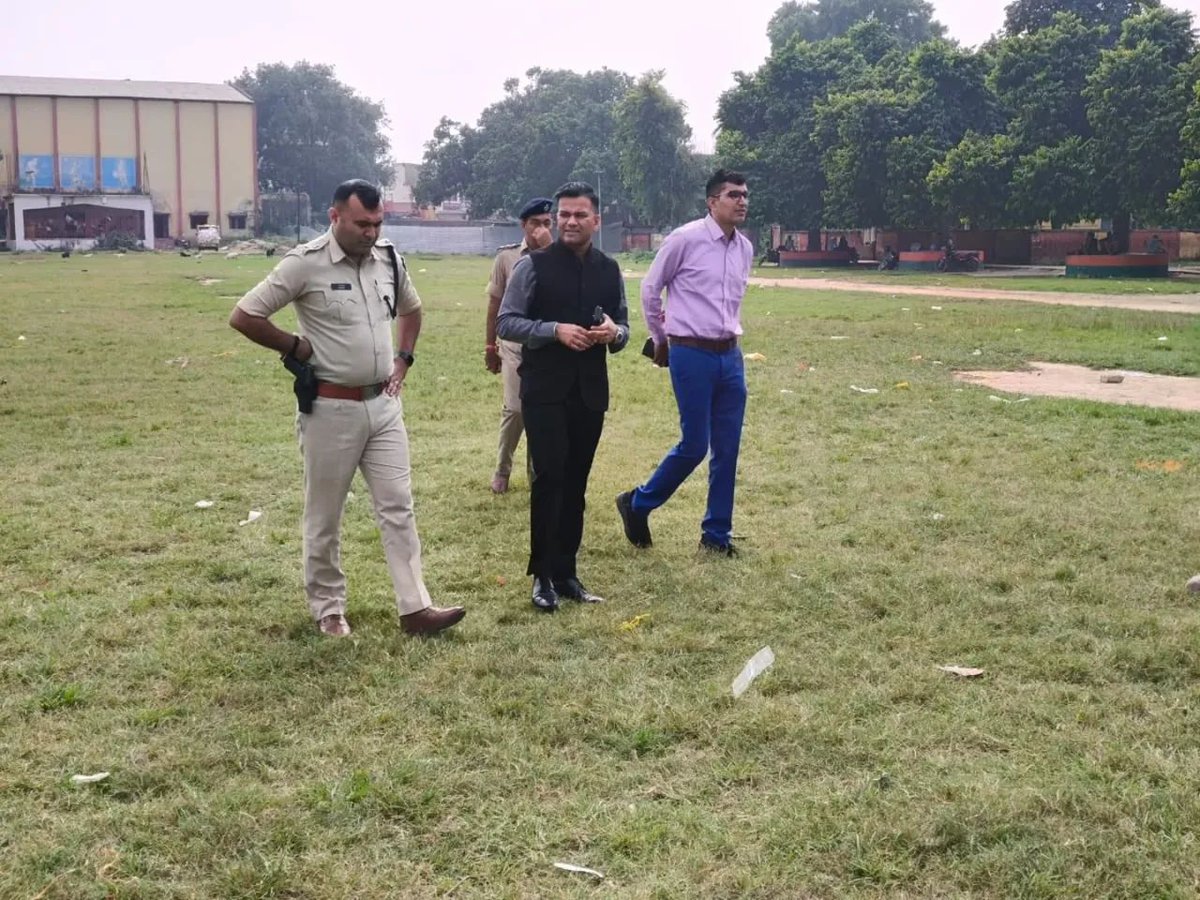
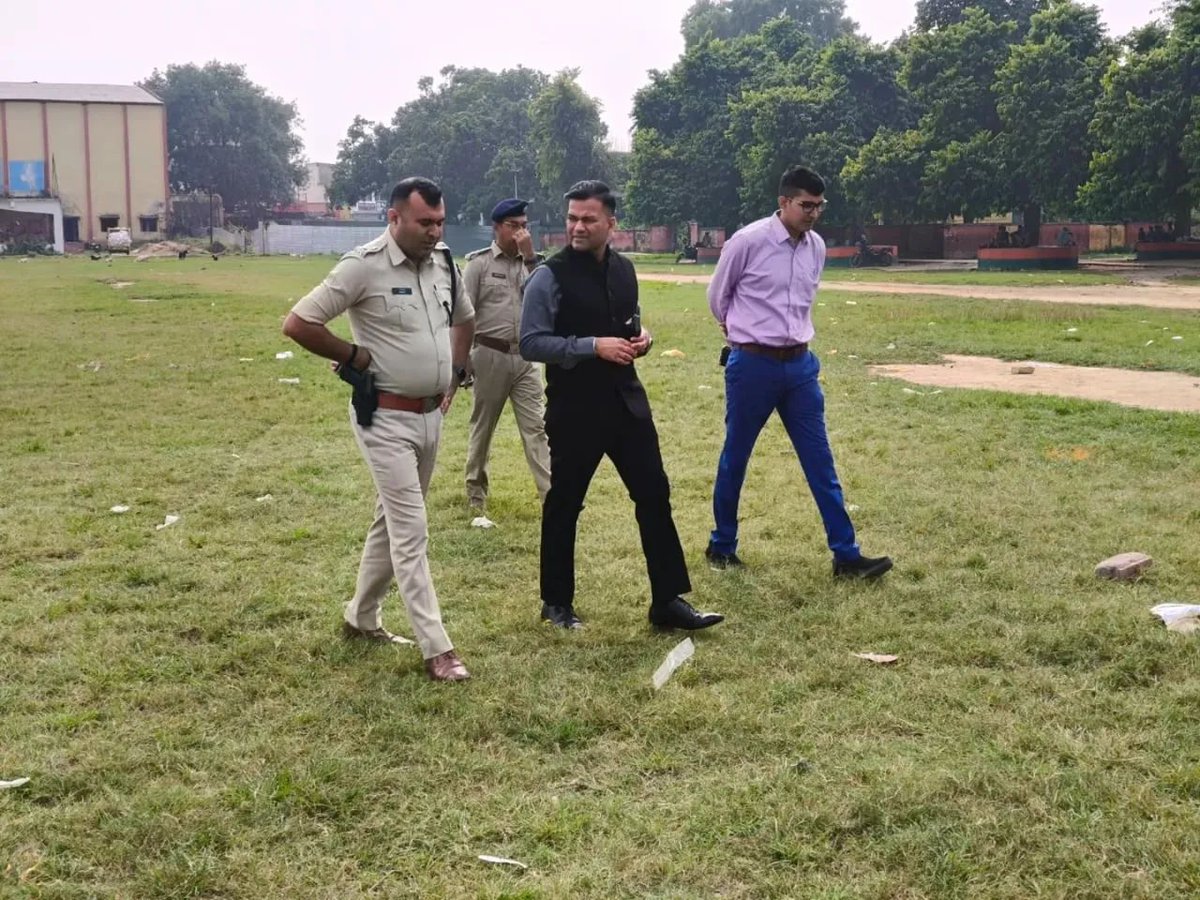
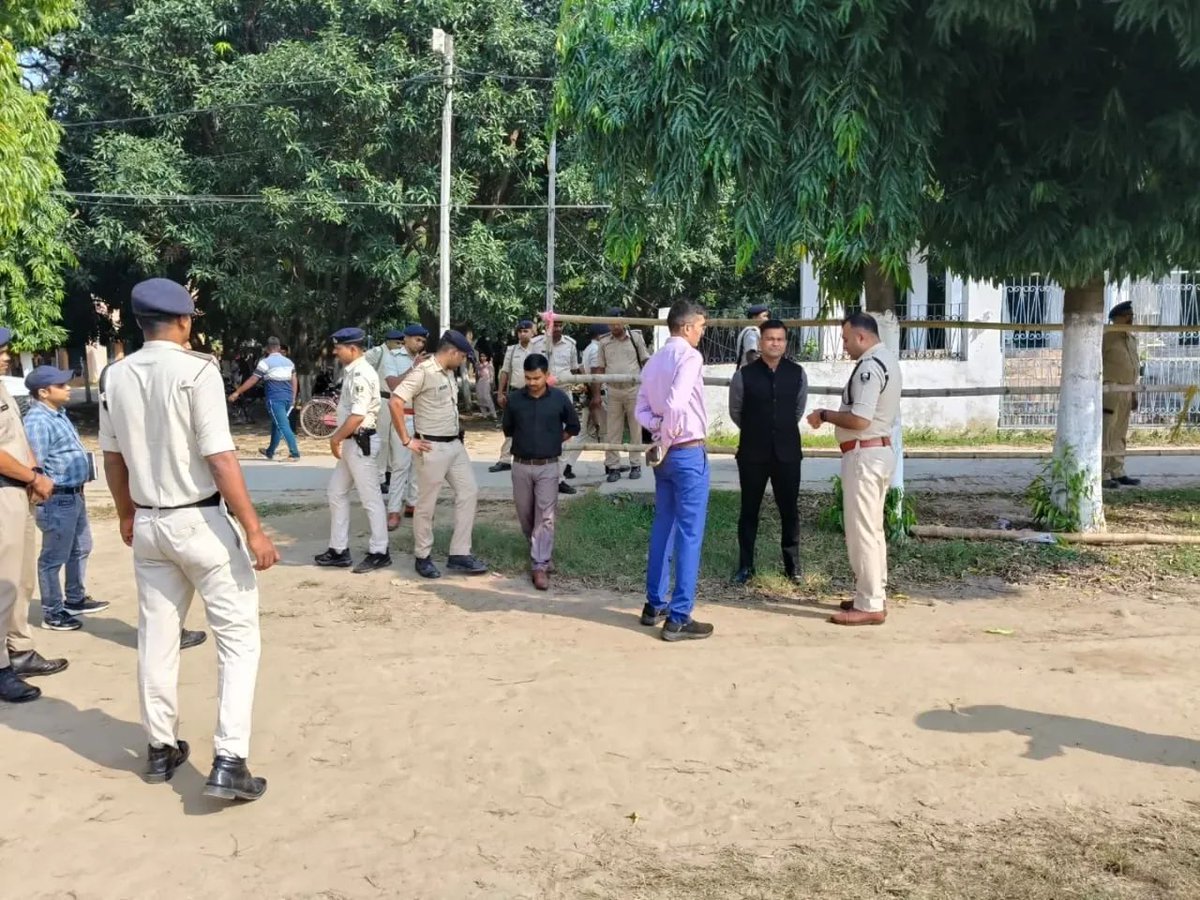
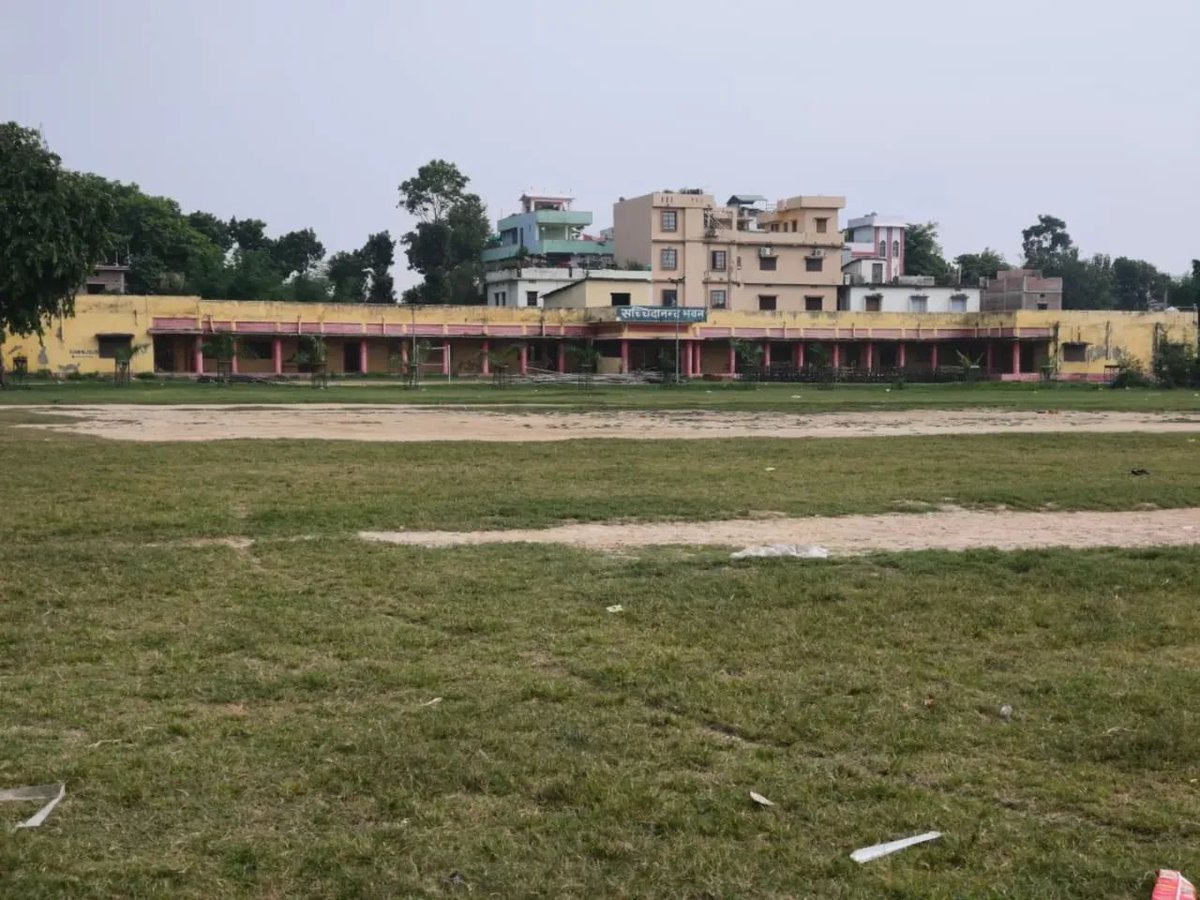
आगामी बिहार विधानसभा आम निर्वाचन 2025 की तैयारी के क्रम में जिला निर्वाचन पदाधिकारी-सह-जिला पदाधिकारी बेगूसराय श्री तुषार सिंगला द्वारा जीडी कॉलेज, बेगूसराय स्थित 144-मटिहानी विधानसभा एवं 146-बेगूसराय विधानसभा तथा APSM कॉलेज बरौनी में 143-तेघड़ा विधान सभा क्षेत्र के चिन्हित डिस्पैच सेंटर का निरीक्षण किया गया।
निरीक्षण के दौरान उन्होंने मतदान सामग्री के भंडारण, डिस्पैच की व्यवस्था, सुरक्षा प्रबंधन, बिजली, पेयजल, स्वच्छता तथा यातायात व्यवस्था से संबंधित सभी आवश्यक तैयारियों का बारीकी से अवलोकन किया।
जिला निर्वाचन पदाधिकारी ने सभी कर्मियों को निर्धारित समय-सीमा के अनुरूप कार्य करने का निर्देश दिया।
इस अवसर पर पुलिस अधीक्षक बेगूसराय श्री मनीष, जिला परिवहन पदाधिकारी सहित अन्य पदाधिकारी एवं उपस्थित थे।
@bihar_ceo
@eci
#begusarai
15
772

10 Oct 2025
The average user wouldn't use APSM modes, they'd use the BASIC mode which also handles video.

2
66