
Feb 6
Why paywalled audiences often become more loyal to the narrative. I react to Meghan's members only. Failed Attempt to Sell a Narrative: Fallacies and Fake Certainty youtube.com/live/ob4s85uKiBw… via @YouTube @GoblinQChesh #rhetoricalanalysis #criticalthinking #medialiteracy #LogicAndFallacies #argumentanalysis #DebunkingTactics

1
1
2
345

22 Jul 2025
Argument Tactics: Deep Dive Into Social Confrontation
#ArgumentAnalysis #SocialDynamics #BehavioralPatterns #CommunicationStyles #ConflictResolution #RelationshipAnalysis #DisagreementTactics #CriticalThinking #UnderstandingArguments #SocialBehavior
2
1
11
649

14 Jul 2025
Debate Gone Wild: Accusations Fly! Cults & Ideologies!
#DebateAnalysis #SocialCohesion #Ideology #CriticalThinking #PoliticalDebate #CultMentality #ArgumentAnalysis #ThoughtProvoking #Contradictions #PublicDiscourse
2
2
80

31 May 2025
Unacknowledged Arguments: Defending Ideologies in Media?
FULL VIDEO: youtu.be/3DRv8WMUrD4?si=1G-v…
#CriticalAnalysis #MediaBias #MediaCriticism #IdeologicalDefense #HonestDebate #CriticalThinking #MediaBias #NewsAnalysis #PublicDiscourse #MediaIntegrity #ArgumentAnalysis
2
9
268

10 May 2025
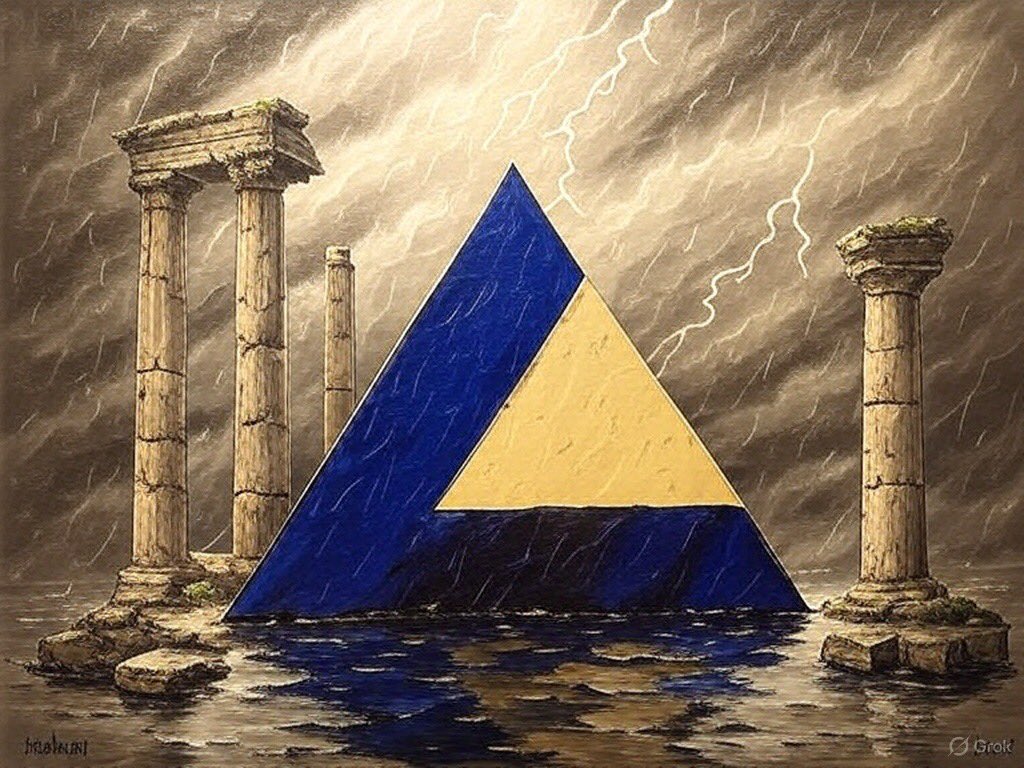
Discover the power of clear arguments with Librantial!
⚖️ Our app analyzes and strengthens your reasoning, set against the timeless wisdom of Ancient Greek architecture.
Try now: librantial.com
#Librantial #ArgumentAnalysis #Grok
2
4
33
21 Apr 2025
Rejection Handling: Mastering the "No" in Interactions
#RejectionAdvice #CommunicationSkills #DatingTips #LogicFlaws #SocialDynamics #HandlingRejection #Relationships #ArgumentAnalysis #CriticalThinking #EmotionalIntelligence
1
7
393

7 Sep 2024
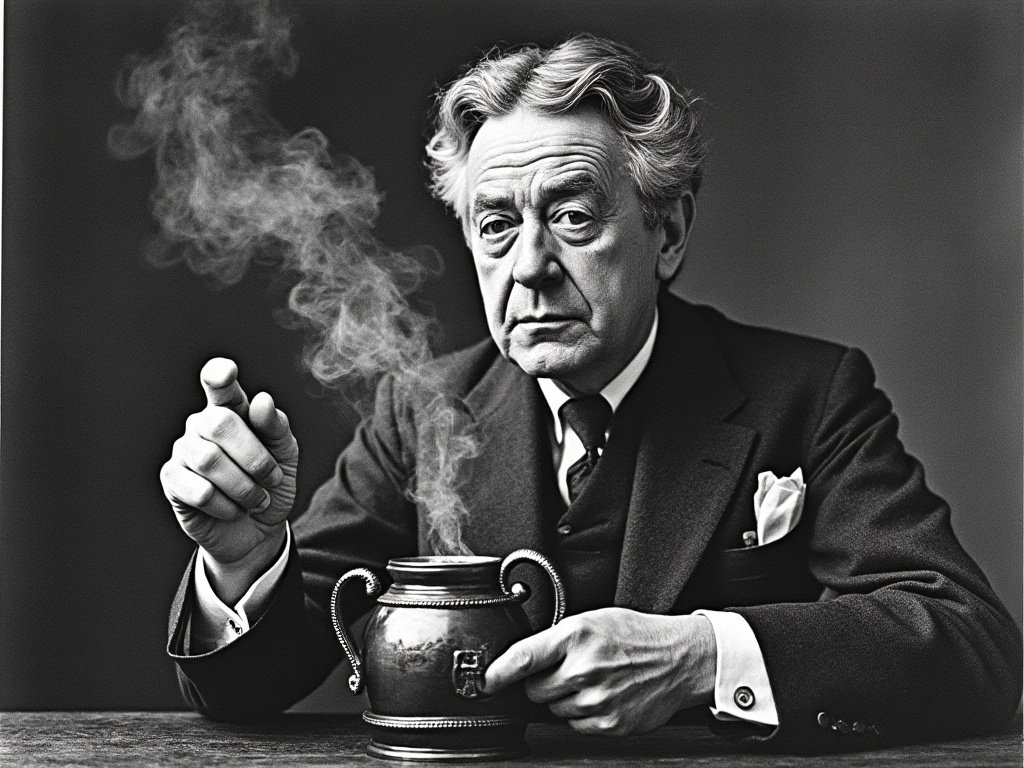
Bertrand Russell's Teapot Argument. In the context of discussions about the existence of God and the burden of proof in existential claims, Russell suggests that if he were to claim there is a teapot orbiting the Sun somewhere between Earth and Mars, it would be unreasonable to expect others to disprove such a claim solely because it is unfalsifiable. He posits that the inability to disprove the teapot's existence does not affirm its reality, and that the burden of proof lies on the person making the assertion.
To analyse Russell's teapot argument critically, we can employ principles of propositional logic and Aristotelian reasoning, as follows:
1. Premises of the Argument:
- Premise 1: If a claim cannot be disproven, it does not mean the claim is true.
- Premise 2: The burden of proof rests on the individual making a claim.
- Premise 3: An assertion without evidence is not a compelling claim.
2. Logical Analysis:
- Russell's argument implies that the standard for proving extraordinary claims (e.g., the existence of God) should be similar to proving a trivial and unfounded claim (e.g., the teapot). This suggests a false equivalence, as religious claims typically involve deeply articulated theological frameworks and historical contexts which provide them with a greater substantive grounding than the trivial assertion of a teapot.
3. Burden of Proof:
- While the principle of the burden of proof is a valid logical concept, it should be considered within the context of seriousness and plausibility. A claim that is significant in its implications—such as the existence of God—demands a higher level of engagement and evidence than a far-fetched and inconsequential claim like the existence of a teapot. One cannot simply treat all claims, regardless of their nature or implications, with the same level of scrutiny.
4. Lack of Necessity:
- The existence of the teapot can be categorized under "metaphysical claims" that do not influence human experience or morality in the same way God concepts do across various cultures. If we adhere to Aristotelian substance theory, we recognize that certain claims derive their significance based on their implications in reality, morality, and human relationships. Thus, Russell's teapot lacks the weight to warrant the same approach as philosophical or theological claims.
5. Conclusion:
- The teapot argument is flawed because it oversimplifies the nature of meaningful claims and interjects an equality that is not justified. The proposition that the burden of proof is universal does not align with the varying weight of different types of claims. Consequently, using the teapot to illustrate the difficulty of disproving non-evidence-based beliefs misrepresents the logical boundaries of where such burden actually lies.
In conclusion, Russell's teapot argument does not hold as a viable practical argument concerning the existence of God or similar significant existential claims. It fails because it assigns equal merit to inconsequential claims while ignoring the contextual weight and implications of more substantial claims, ultimately acting as a sophist rhetorical device rather than an incisive analytical tool. By applying rigorous logical reasoning and drawing from foundational principles of ethical standards and implications, we can see its shortcomings clearly.
Atheists are essentially anti-God, specifically anti-Christianity, not the neutral, objective observers they often pretend to be.
#BertrandRussell
#TeapotArgument
#Philosophy
#ExistenceOfGod
#BurdenOfProof
#CriticalThinking
#LogicalReasoning
#PhilosophicalDebate
#ReligiousBeliefs
#MeaningfulClaims
#Logic
#ArgumentAnalysis
#Theology
#Ethics
#PhilosophyOfReligion
1
2
130

8 Dec 2021
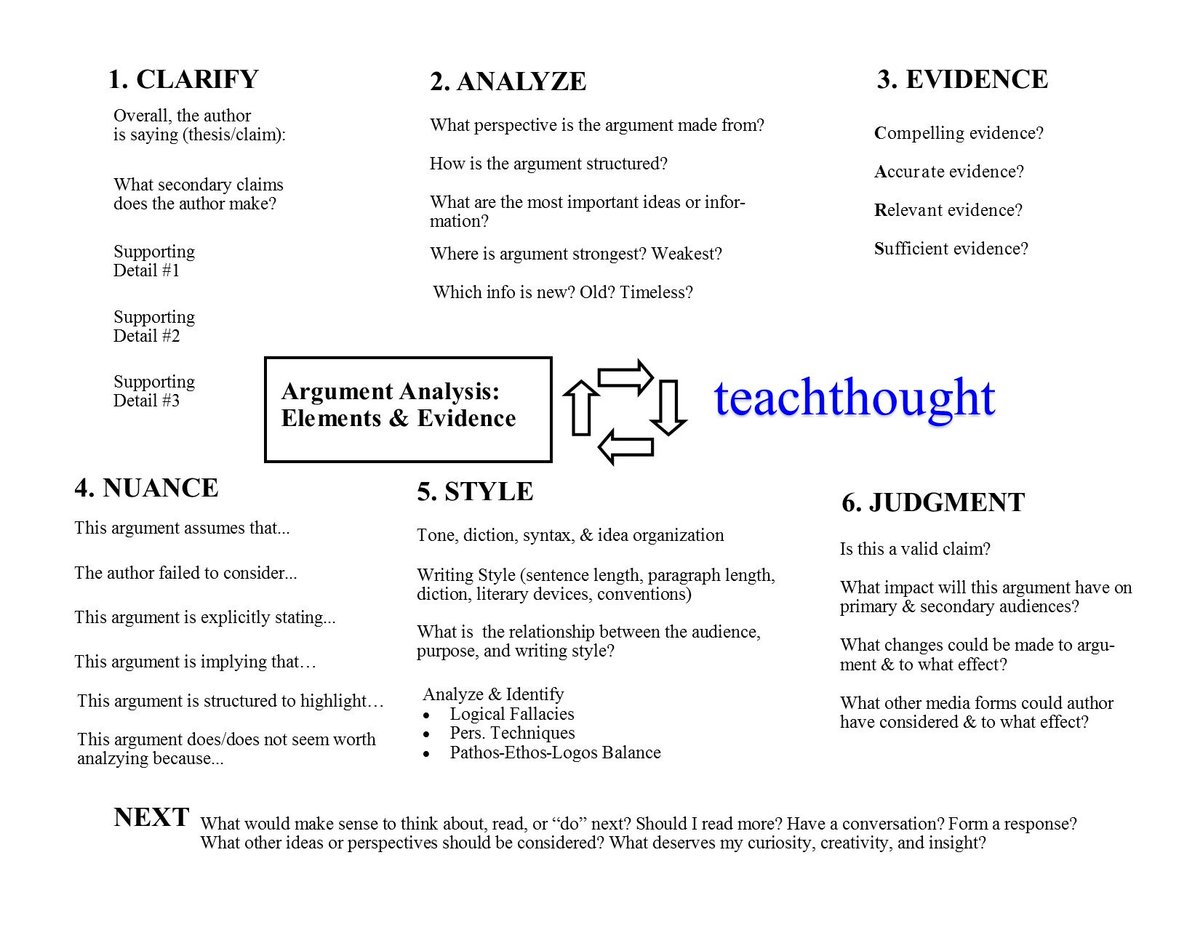
We provide an overview to help students systematically look at an argument piece by piece: clarify, analyze, evidence, nuance, style, judgment. #criticalthinking #argumentanalysis #teaching #teachingargument bit.ly/2fzV4E6
10
21
10 Oct 2021
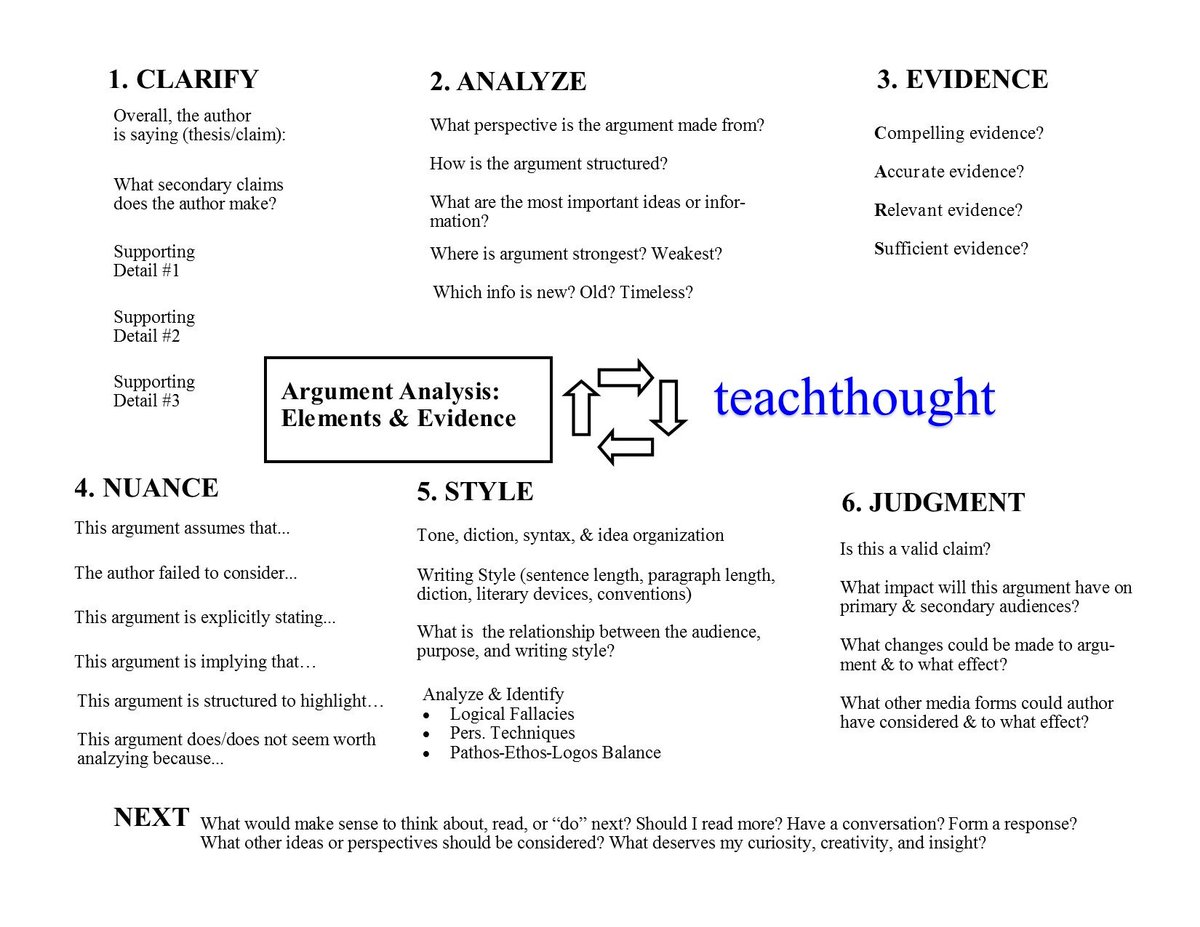
We provide an overview to help students systematically look at an argument piece by piece: clarify, analyze, evidence, nuance, style, judgment. #criticalthinking #argumentanalysis #teaching #teachingargument bit.ly/2fzV4E6
10
32

15 Sep 2020
Q have not write about UFO either. Does that mean it doesnt exist? You need to get you argumentanalysis straight. If things only exsist if Q told you, then I don't exist?? 😳
1

29 Mar 2019
3

2 Nov 2017
2 Nov 2017

1. Thread. A half-baked analysis of the debating style of @benshapiro. Fact-laden or hyperbolic? #GunControl #EightLies
1

23 Aug 2016
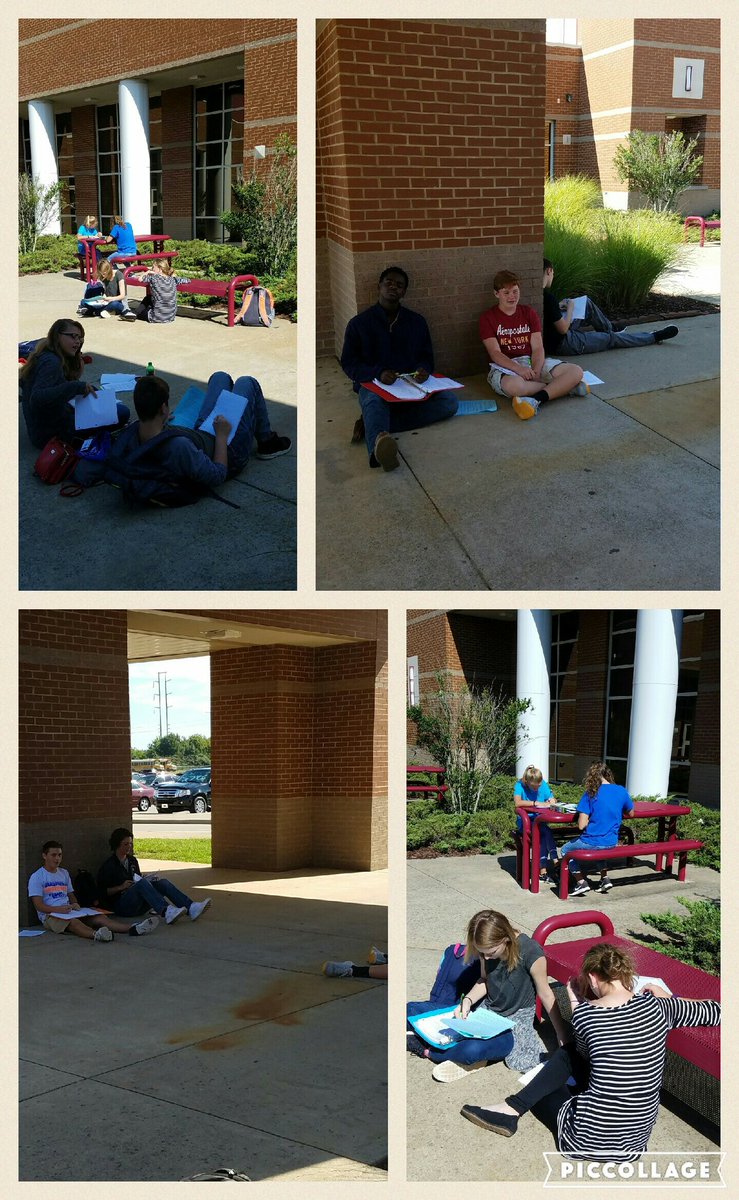
This morning the weather was perfect. Obviously, we had to move our class outside. #argumentanalysis #ournewnormal
2
4