
Jun 16
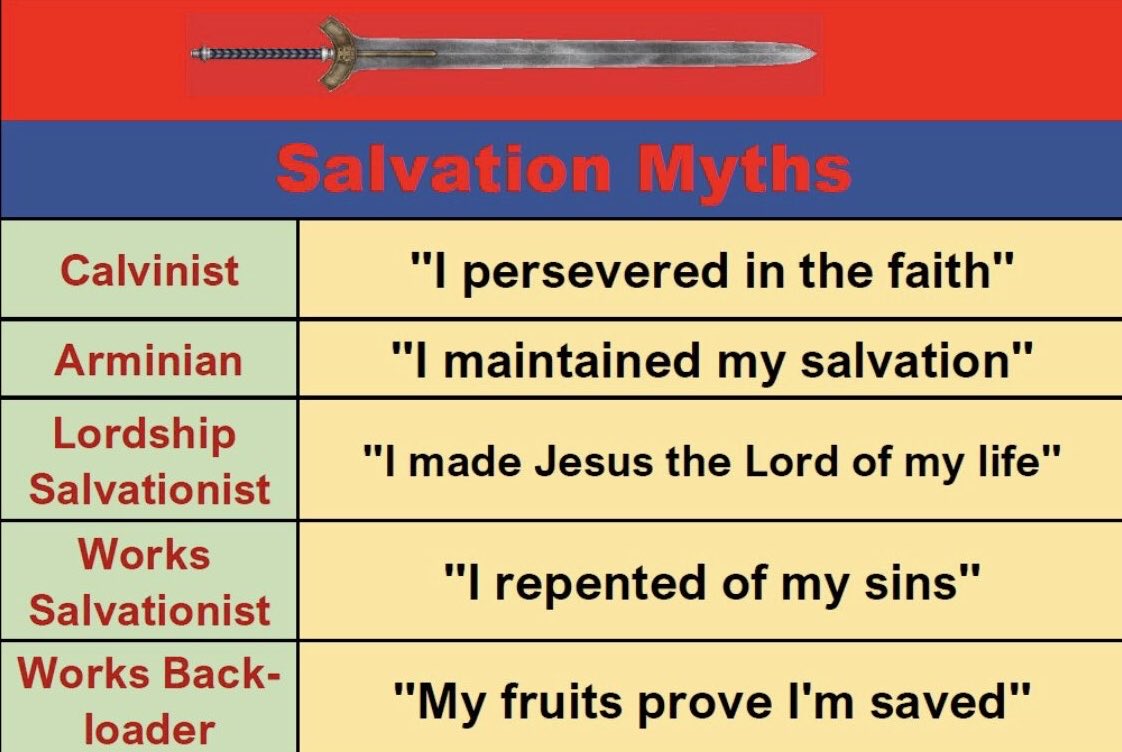
He promotes MacArthur - a known heretic / promoter of Lordship Salvation. Myself, and many others I’m in fellowship with on here have encounters with him. He backloads works to the Gospel.
jesus-is-savior.com/False …
redeemingmoments.com/2013/05…
standforthefaith.com/2013/11…
1
2
7
125

Jun 14
T1 is not BAD though. It literally just means that they have a weakness somewhere(Augusta isn't qs friendly and backloads damage into Lib2. Carlotta is more ST than AOE, and long cooldowns. Galbrena is just. FINE. no particular strengths or weaknesses, but can be replaced.).
1
27

Jun 14
I was contending for the faith. Epagónizomai is not for the faint of heart. He backloads works into the gospel. Is this something you do also?
1
17

⚜️ 🇺🇸 AnimalsRock 🇺🇸⚜️ retweeted

29 Sep 2023
IVDD Awareness -It’s a tough journey but they are the toughest wee creatures with backloads of determination ❤️
#dachshund
19
57
1,104
31,630


Jun 9
47

Jun 9
I live in Queenstown and there is 43 rentals available at present in the area, at Al price points.
A number under $500, so that would mean for a couple $250 a week each, so not unexpected, considering Queenstown is pretty much the best known premium southern hemisphere ski resort in the world, with world class winter and summer sports and activities.
World class restaurants, wineries, fishing, views, and activities.
Secondly the New Zealand dollar is worth 57 cents us so everything in New Zealand is expensive, because the dollar is worth nothing.
Thirdly I don’t know anyone in town on less than $30 an hour.
Tradesmen I employ are on $45-$100 an hour.
I know some tradesman that are prepared to work hard earning over $4000 a week.
The town has no homeless, low crime, and is a safe, happy, friendly place to raise a family.
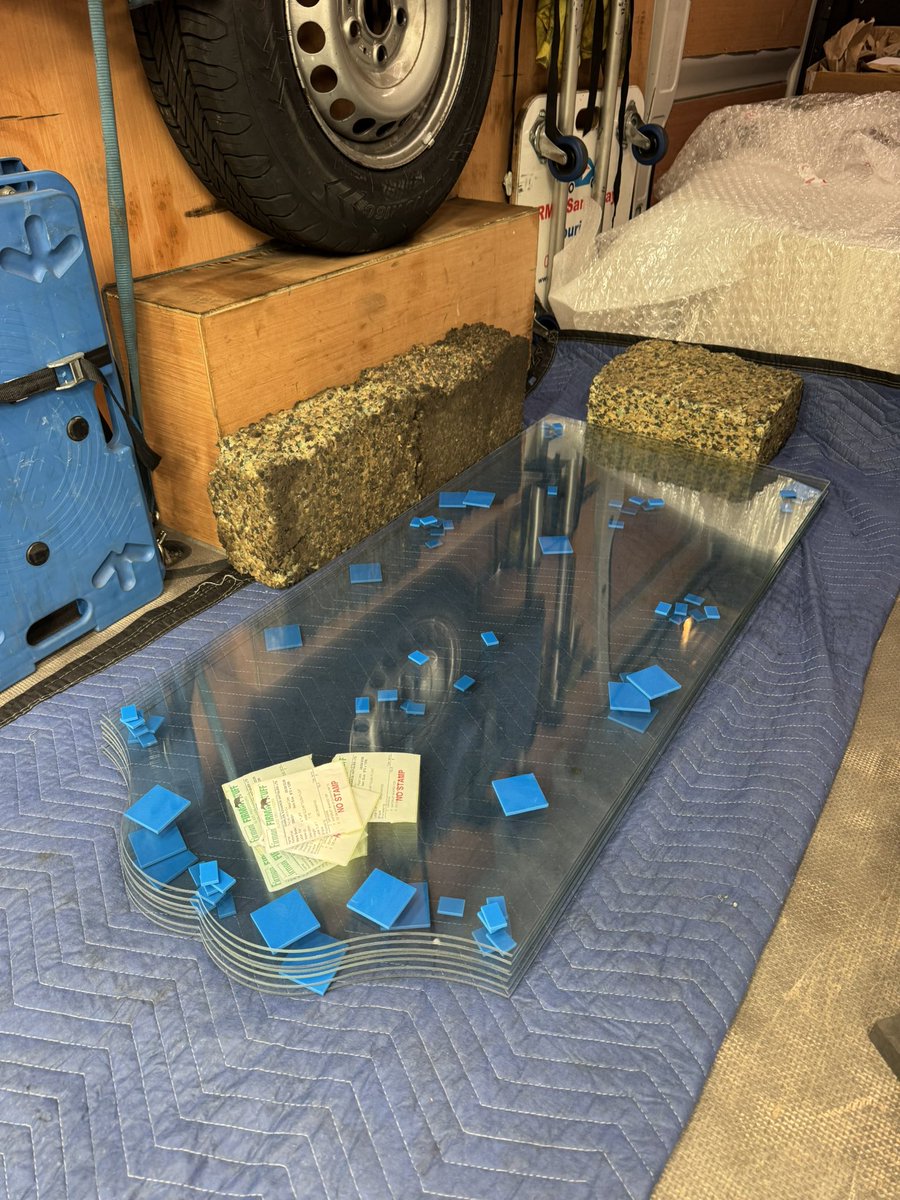
So yes with that comes some premium prices, as also everything including food and fuel, has to be trucked in with no backloads, up through mountain ranges.
The bottom line is like many Ski resorts around the world, not everyone can live here, but a few hours up the road is Christchurch, which is the cheapest city in New Zealand to live.
1
3
422
Jun 9
Tally Ho 🚚
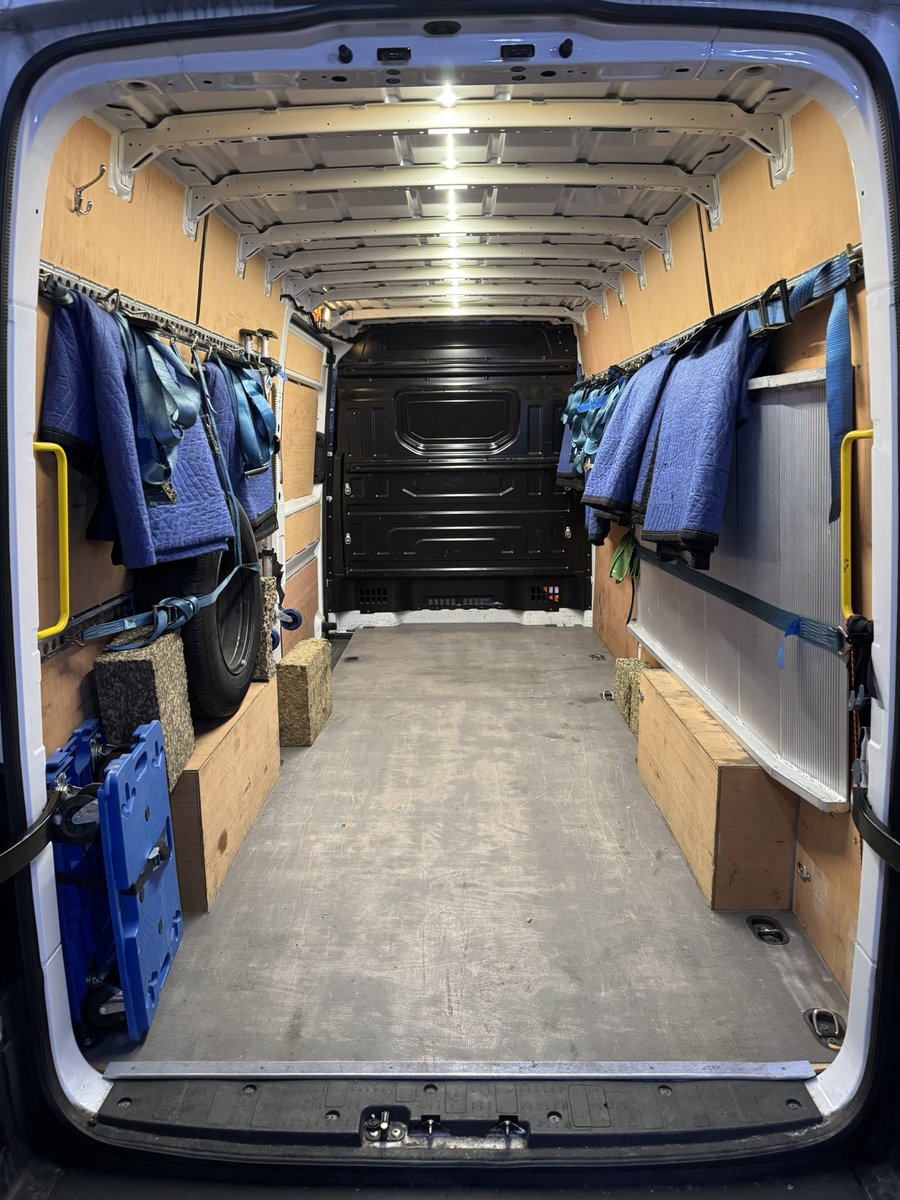
4 Collections out of #Birmingham 🚚
1st delivery now to #Thame, then onto #Dorking, then tip & reload in #Crawley. 🚚
Then down to #Portslade to collect, then another collection from #Romford, both collections going into storage. 🚚
Then B’ham with 2 #backloads.🚚
1
117

May 31
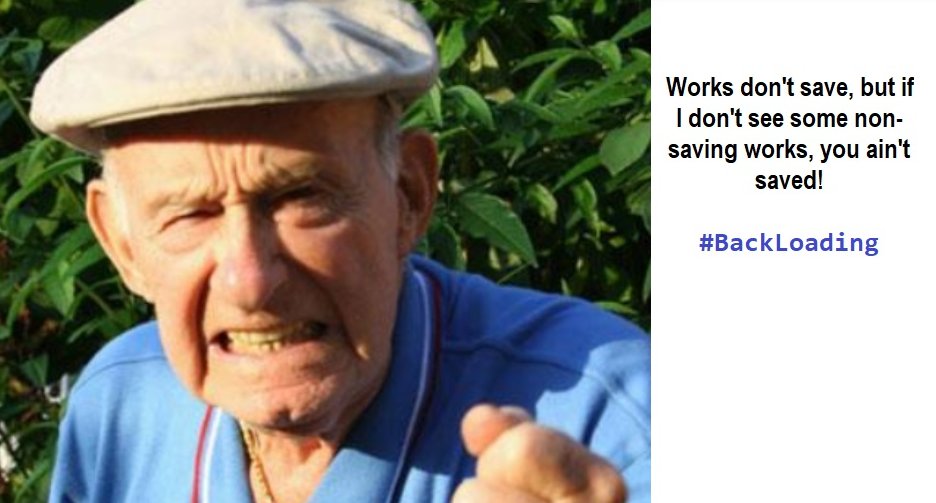
Exactly. Sadly, more and more of this double-talk from unbiblical Lordship Salvation theology continues to spread like a plague, confusing many people since it backloads works to the gospel.

3
2
12
614
May 28
*Advance Notice*
Tuesday 9th: 🚚
#Birmingham (B19 & B24)
#Crawley (RH10)
#Dorking (RH5)
B’ham x 2
Wednesday 10th: 🚚
#Mitcham (CR4)
B’ham (B19)
Thursday 11th: 🚚
#Scunthorpe (DN15)
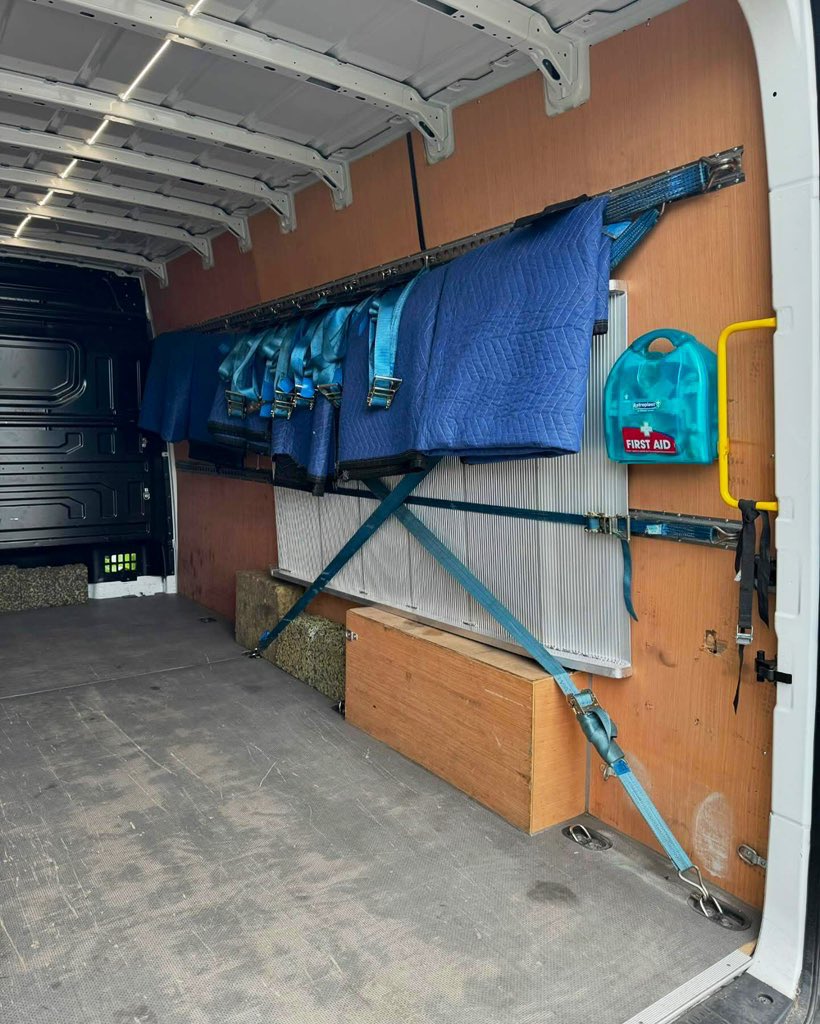
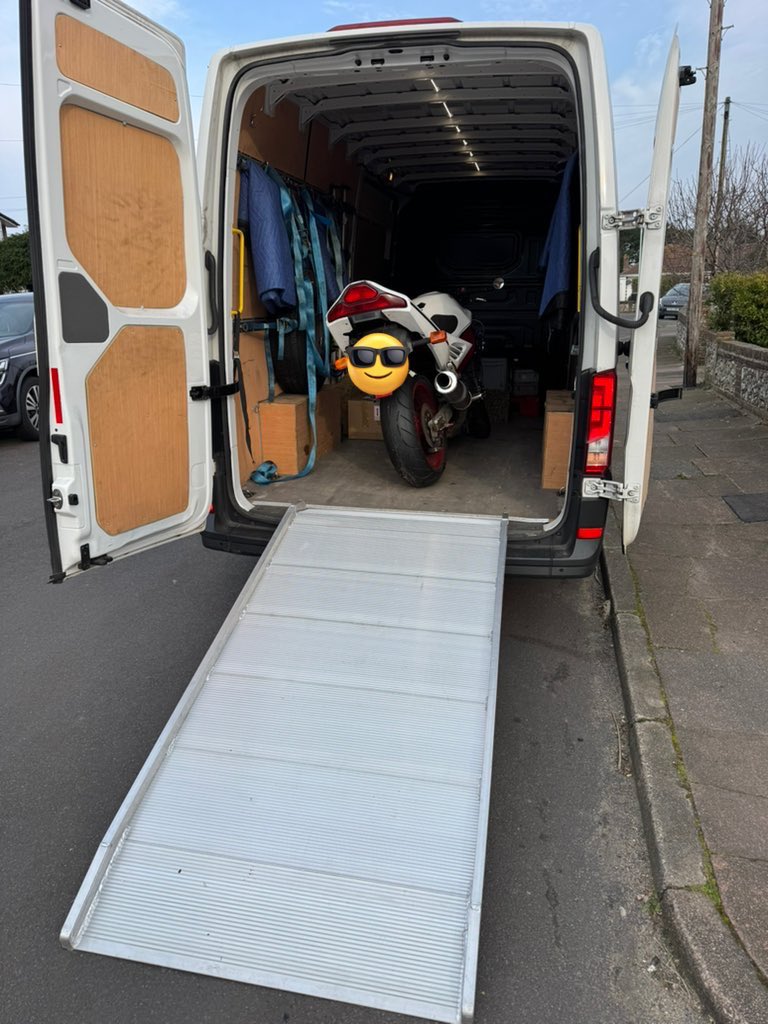
3-day week, advance bookings being taken whilst on holiday. 👍
Room for co-loads & backloads🚚
1
3
308

May 24
🧵While we’re learing that independent journalism is dismantling America’s billion-dollar identity-political fraud network in Minnesota—propped up by corrupt politicians & complicit mainstream media—New Zealand runs its own parallel racket.
Shane Jones has dubbed it Brownmail.
Ngai Tahu iwi corporation extorting a multinational gold miner for $180 million (—or we’ll veto your mine, honky).
Tauranga iwi corporations shaking down the Port of Tauranga.
John Tamihere, the Waipareira Urban Maori Trust & Te Pati Maori abusing charities laws for systemic fraud & corruption…
Dare to criticise any of the billions in post-colonial “reparations” for alleged, not proven, historical grievances against the civilising British?
You will be instantly smeared racist & white supremacist by corrupt state-paid politicians, state-paid academics, & media mercenaries.
They’ve leared to use the same playbook. Different flag.
Tribal Thievery Corporations are the tip of the spear. The Waitangi Tribal Union grievance train the enabling laundering mechanism. Post-colonial white guilt, Maori Treaty subject resentment & envy are the grease.
Independent journalists like @The_Anglo_Saxon & fighters like Shane Jones are taking the fight to them.
To learn more, watch The Anglo Saxon Show below.
[Transcript]
“Remembering the colonial pioneers and their remarkable achievements
Thursday last week it was New Zealand day. What does that mean?
Last Thursday it was New Zealand Day, not that you would have noticed. Not a single politician of any persuasion mentioned the day that the British Crown gave permission to the people of New Zealand to join the greatest empire on the planet and enjoy all the benefits of Pax Britannica. We need to talk about that on the Anglo-Saxon Show.
On the 21st of May 1840 Captain William Hobson proclaimed Crown sovereignty over the territory of the New Zealand Islands.
This was the formal British act of state by which colonial law and order came into force.
When Hobson made this proclamation the Treaty was still being circulated around the country and signatures gathered from the rangatira class natives.
The Treaty signing was not a singular event, it went on for about six months after February 1840.
The 6th of February 1840, the day on which we suffer Fractional Descendant’s Grievance Day, is not the day our nation was founded at all.
It was simply the first day on which the Crown took steps to obtain the acquiescence of the native chiefs, to the Crown extending its sovereign authority to the territory that the respective native tribes were for the time being defending.
The 21st day of May marks the constitutional date of the New Zealand Islands and its Polynesian tribes being admitted into the British Empire and receiving the protection of the world’s only superpower.
The date of the 20th of May 1840 is pivotal because on that day many things that were routinely happening in New Zealand became unlawful, including some things that were well entrenched in native custom.
Back in the 1830s the biggest port in New Zealand was at Russell.
It was the main port of trade en route from New South Wales. For all intents and purposes it was in the day the functional capital of New Zealand. Many ships came to Russell from New South Wales to take backloads of timber back to Britain.
The port also accommodated whaling ships and sealers. It was also an entry port for ex-cons, escapees and undesirables from New South Wales.
There were unregulated grog shops.
In fact New Zealand’s oldest licensed premises is the legendary Duke of Marlborough Hotel and it’s still there today.
The Duke was started as a grog house in 1827 by an ex-convict, Johnny Johnson.
The local rangatira pimped prostitutes and ran protection rackets, extorting anchorage charges from the ships coming into the port.
And then there’s the rangatira side hustle and trade that is routinely ignored by revisionist academics.
The trade in preserved heads.
[…]
[1]
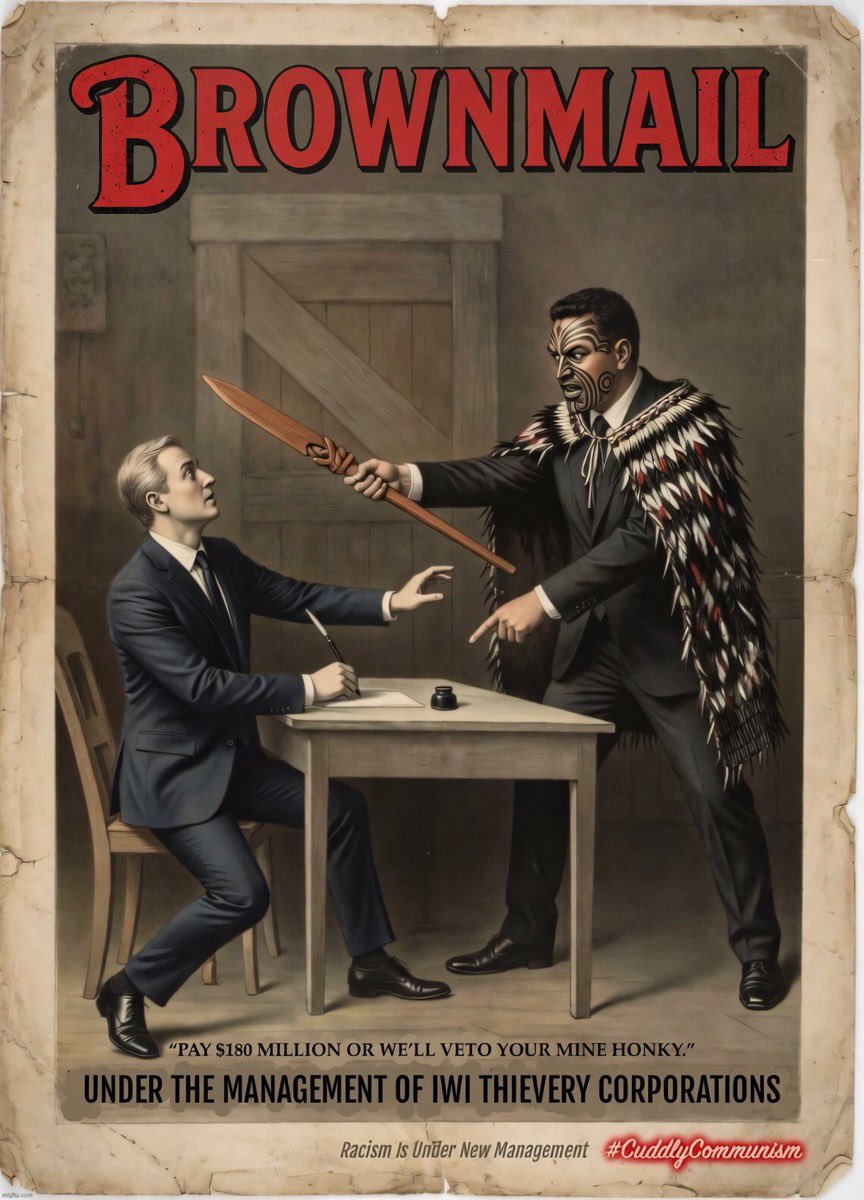

#nzpol
Did you miss New Zealand Day 👇
youtu.be/WVXaZ_4eFO0
4
11
28
652

Next combo is his short program special, 4Lz 3T that he usually backloads in the second half. BV of 17.27 (x), as per usual with his 4Lz it gets HUGE height and distance it's so satisfying to watch. The olympics SP of this jump was given 4.76 in GOE with the total of 22.03 pts.
1
36
686

May 4
Huge. This deal backloads a lot of his cap hits so they can still make more immediate moves for 2026.
May 4

The #Eagles have agreed to a contract extension with Dom DiSandro, whose official titles are Senior Advisor to the GM, Chief Security Officer, and Gameday Coaching Operations.
He has been in Philadelphia since 1999.

1
3
71
6,522

Apr 10
. @JoelWebbon is a WOLF.
Another we are saved by “faith alone…BUT…”, whenever you hear that BUT, just know heresy is about to follow. Webbon is a Lordship Salvation heretic and backloads the Gospel with works, no you 4 eyed nerd, Jesus paid it ALL in full. Some may do good works and some may not, but both have eternal life cause of the shed blood of Christ. I expected nothing less from a Jew hating, Nick Fuentes glazing reprobate like Webbon.

Faith Vs. Works
Joel Webbon joins Alex Stein to discuss what the scripture says about getting into heaven, specifically, if faith alone guarantees passage or if works also play into the equation.
@alexstein99 @alexstein69420 @JoelWebbon
3
185

Apr 10
What Trevor is saying is the MacArthur seminary version of faith plus works. He just backloads it by saying real faith is faith plus works.
Nonsense. Justification is instant by faith alone and costs nothing. Sanctification is a process after justification.
2
3
268


Mar 23
So @grok, what do you think of my latest Substack article? :
The Office vs The Job
I’ve just realised that one of the oldest memes on the internet beautifully demonstrates why I’m not at all worried about AI taking my job: [see picture]
OK, so the meme is a joke about the state of the modern workplace, and how we rely on migrants to do the real work. But what happens when you go around all of these jobs, and ask yourself which will be the last to be automated by AI…? Well, it has to be the “Bloke From Poland”, doesn’t it? In which case, all of the oversight of the AI systems collapses into that one point. @ericweinstein Eric Weinstein says, of AI, “it breaks the capitalist model”. Yes, but strictly speaking it collapses it to the single point of the necessary task. What is the necessary task, in that picture? It’s the digging of the hole. What tasks are being automated the quickest? Digital tasks are being automated en masse, as you read this. In other words, all of the tasks being performed by all of the others in the circle. By the time we get to humanoid robot that can dig the hole, all of the responsibility for overseeing the AI implementation of those tasks has fallen on “the bloke from Poland”. And he is also the one available to capture the value previously captured by those in the circle. And after the invention of a humanoid, hole-digging robot? Then the best place for a human with an interest in digging a hole - and in capturing the value of digging a hole - is next to the robot, and next to the hole.
The same goes with trucking. What is the one necessary task that cannot be got rid of, in trucking? The moving of the load. To what point does task automation collapse the model? Towards the thing that moves the load, towards the vehicle. Why have the human with an interest anywhere else?
Admittedly this will be a process, rather than a sudden change. But, in my opinion, it will be a process driven by economic forces. Which is not to say that it won’t be resisted. People in offices won’t want to lose their jobs! And the rise of office work has created a social and hierarchical dichotomy. Many of those in the office gained resources and status because the cognitive requirements needed gave them bargaining power. And then they were in the position, the physical position, to verbally fight for their status. Meetings are often as much about ensuring interests are met as getting the work done, and those on the road can’t go to meetings.
Yet when one thinks about the realities of autonomous driving a different picture emerges.
Full level 5 autonomy won’t be suddenly be introduced, it will be level 4 with a driver still in the cab, only needed to drive and work at certain times. So then you have a person sitting there, being paid, yet not doing anything. Sooner or later someone will say, “why are we paying this guy to surf Instagram? Let’s get him to do something”. Especially when AI is simplifying a lot of other tasks in the organisation. Let’s say an AI routing agent is sourcing potential backloads. The driver could be checking the agent isn’t doing something bizarre, while he’s sitting there. Or he could be skimming the emails an AI customer service agent is sending. Or a host of other things. What matters isn’t that AI is automating tasks, it’s the speed at which it is automating different tasks relative to each other. It pushes oversight of tasks to the point where progress is the slowest. Which, in the case of road transport, is towards driving. By the time level 5 autonomous driving is achieved, the ‘driver’ - by then a largely nominal term - is overseeing so many tasks he becomes indispensable.
And what if everything becomes automated…? Well then we look beyond human tasks to human interests.
This is an area where freight transport is fundamentally different to passenger transport. In passenger transport the ‘load’ is the point of human interest: passengers know whether or not their interests are being met, whether their money is being well spent. With freight transport, the human interest is remote, in fact it is the remoteness that creates the interest: the goods are in a place different from the humans that need them. Absent the interested party travelling to where the goods are, which kind of defeats the point, that means someone acting as a third party, someone who earns a living from interacting with the parties at both ends. That has been the function of a merchant, or trader, since the dawn of human civilisation. It is still true now, and will be true for the foreseeable future. When we look to profit from AI, we shouldn’t look to what changes, but to what stays the same.
The necessities of office based tasks have shifted our perceptions of ‘trader’. We now think of someone sitting behind a screen, talking on the ‘phone, as a ‘trader’. That has meant the creation of a series of human, technological, and legal parameters to ensure interests are being met. Meaning yet more tasks, more costs. As autonomous systems collapse tasks, they don’t just collapse them towards the necessary function, but towards the point of interest. Where better to ensure your customer’s load is as described than standing next to it?
This is where I see trucking going. The narrative of truck drivers being replaced is a fundamental misunderstanding of the nature of the change. It assumes the job remains exactly as it is now, which is highly unlikely. I think in twenty or thirty years time, people will still be earning a living by travelling in trucks, and probably a much better living, even if ‘truck driver’ becomes a purely nominal term, if it’s used at all. If there are still human jobs in the sense we understand, one of the most desirable jobs could well be that of Merchant Trucker.
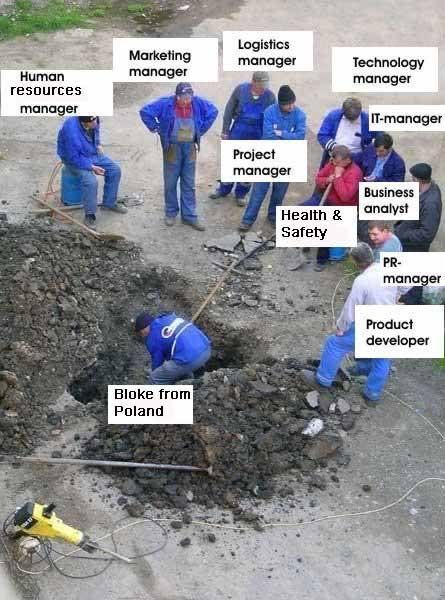
2
1
829

Mar 22
The math is non-linear and most people underestimate it.
Year 1-10: slow, invisible, feels like nothing.
Year 10-20: noticeable but not dramatic.
Year 20-50: the numbers become absurd.
Compounding doesn't distribute returns evenly.
It backloads them.
Which means the 10 years of feeding
don't produce 10 years of return.
They produce the foundation
that makes the last 30 years exponential.
Most people quit during the part that feels like nothing.
That's the part that determines everything that follows.
1
3
126