
Apr 17
The Secret Trade Empire Between Mansa Musa’s Mali & Sacred Ile-Ife
What if the richest man who ever lived was quietly trading with one of Africa's greatest artistic powerhouses — and we have the receipts?
Archaeology tells an explosive story of deep trade between the Mali Empire and the sacred Yoruba city of Ile-Ife.
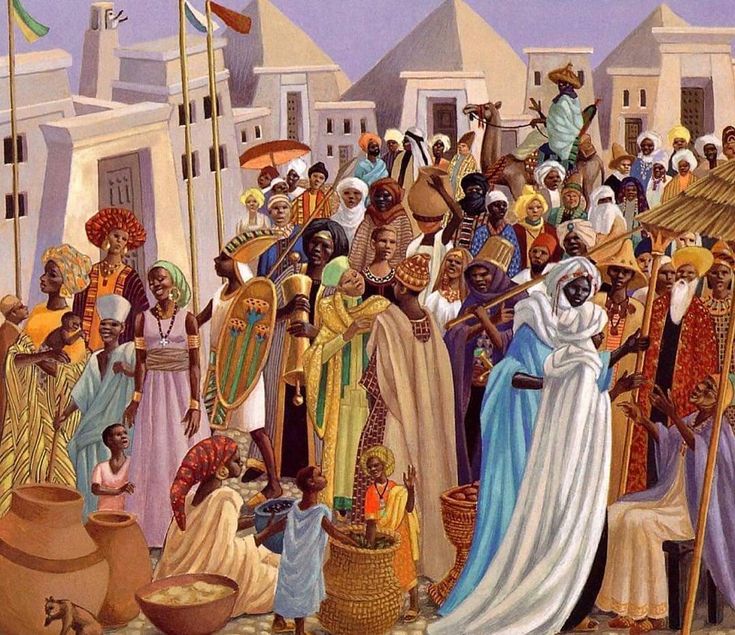
Mansa Musa: The Golden Ruler of the Mali Empire, emperor of Mali, legendary for his gold-laden Hajj that crashed Cairo's economy. His empire dominated the Sahel, gold, salt, and copper trade.
Meanwhile, 1,000 km south in the forest zone: Ile-Ife, spiritual heart of the Yoruba, birthplace of their civilization, and home to the world-famous Ife bronze heads.
But during his reign and the Mali golden age (13th–15th centuries), a sophisticated north-south trade network flourished along the Niger River.
The star players? Glass beads from Ife… and copper from Mali.
Ile-Ife had one of the earliest primary glass production centers in sub-Saharan Africa.
At Igbo Olokun (Ife), archaeologists found:
Over 13,000 glass beads
Crucibles and glass waste
Unique HLHA (High Lime High Alumina) glass made with local materials.
This wasn’t just melting imported glass — they were MAKING it. 11th–15th centuries.
Archaeological Investigations of Early Glass Production at Igbo-Olokun, Ile- Ife (Nigeria)
These distinctive Ife beads have been chemically matched and excavated in Sahelian trading hubs: Gao (Mali Empire heartland), Essouk-Tadmekka, and sites across the Niger Bend.
During Mansa Musa’s time, prestige beads crafted in the sacred forests of Ife were moving north into the heart of the Mali Empire — along what some call the “Bead Road.”
Caravans of Gold, Fragments in Time
Copper flowed the other way.
Mali mined copper at Takedda. Arabic sources and archaeology show it was traded south in huge quantities — explicitly to Ife (along with Benin and Nri).
Ife artisans used this imported copper for their iconic lost-wax bronze and brass heads — some of the greatest artworks in human history.
The exchange rates were insane: In southern markets, copper was sometimes traded at two-thirds its weight in gold. Mali’s southern copper trade was highly lucrative.
Ibn Battuta (who visited Mali shortly after Musa’s reign) described a powerful “pagan” kingdom south along the Niger called Yufi — widely believed to be Ile-Ife or its sphere. Ruled by one of the greatest sultans.
Think about it:
While Musa was handing out gold in Mecca and building mosques in Timbuktu…
Ife craftsmen were producing divine art with Mali copper…
And sending back exclusive glass beads that ended up in Malian markets.
A hidden economic and cultural bridge between the Sahel empire and the forest kingdom.
This wasn’t random. Professional merchants (including Songhai/Djerma and later Manding “Imalay” traders) moved goods via river and overland routes from Ife northward to the Niger, then into Mali’s network.
It shows medieval West Africa was far more interconnected than colonial-era history books ever admitted — complex internal African trade networks spanning savanna and rainforest.
The evidence is archaeological (bead chemistry, crucibles, copper artifacts) historical hints from travelers like Ibn Battuta. New digs keep strengthening the picture.
Mansa Musa’s Mali and Ile-Ife’s artistic golden age were economically linked in ways that still surprise us today.
West African history isn’t just “gold and salt across the Sahara.” It was a rich web of empires, cities, artisans, and innovators trading luxury goods across ecological zones.
Ile-Ife glass in Mali soil. Mali copper in Ife masterpieces.
#MaliEmpire #Songhai
#BlackHistoryMonth
#AfricanOrigins #BlackHistory
#BlackExcellence
#History
#HiddenHistory
#AncientCivilizations
#BlackKnowledge
#ProudlyAfrican
7
47
120
2,779

Apr 16
The African Doctors Europe begged
They begged to be called “civilized”…
while rewriting history to erase Africa.
In 1879, in what is now Uganda, African doctors were already performing successful cesarean sections.
Mother lived.
Child lived.
Meanwhile, Europe was still losing women on the same table.
No imported knowledge.
No borrowed science.
Just African intelligence they tried to silence.
Then they told you Africa had no medicine? 🤔
The lie is older than your textbooks.
Africa didn’t lack knowledge…
the world just refused to acknowledge it. ⚔️🌍
#ZuluNation
#AfricanHistory
#HiddenHistory
#TrueHistory
#AfricanExcellence
#BlackKnowledge
#ReclaimOurStory
Apr 9

Do you know about Menelik II? The Emperor who led Ethiopia 🇪🇹 to war and resisted colonialism ⚔️
Today, everyone remembers that Ethiopia was never colonized, but many forget the man who stood against a European empire and pushed back with his army at the Battle of Adwa 🔥
Without Menelik II, history may have been very different.
#MenelikII #Ethiopia #BattleOfAdwa #AfricanHistory #PanAfricanism #ZuluNation #AfricaRising
5
21
24
5,183

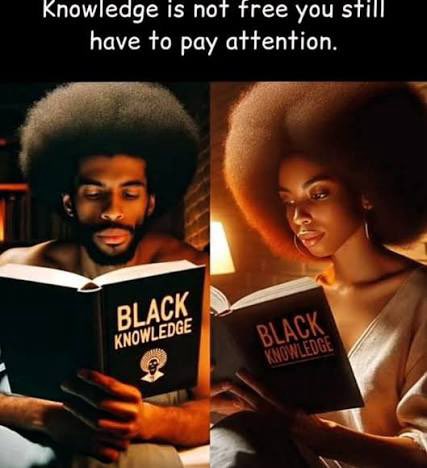
Knowledge is not free, you still have to pay attention. #BlackKnowledge #BlackHistory 📚 #WakeUpTheFool #PayAttention 🖤
1
2
88

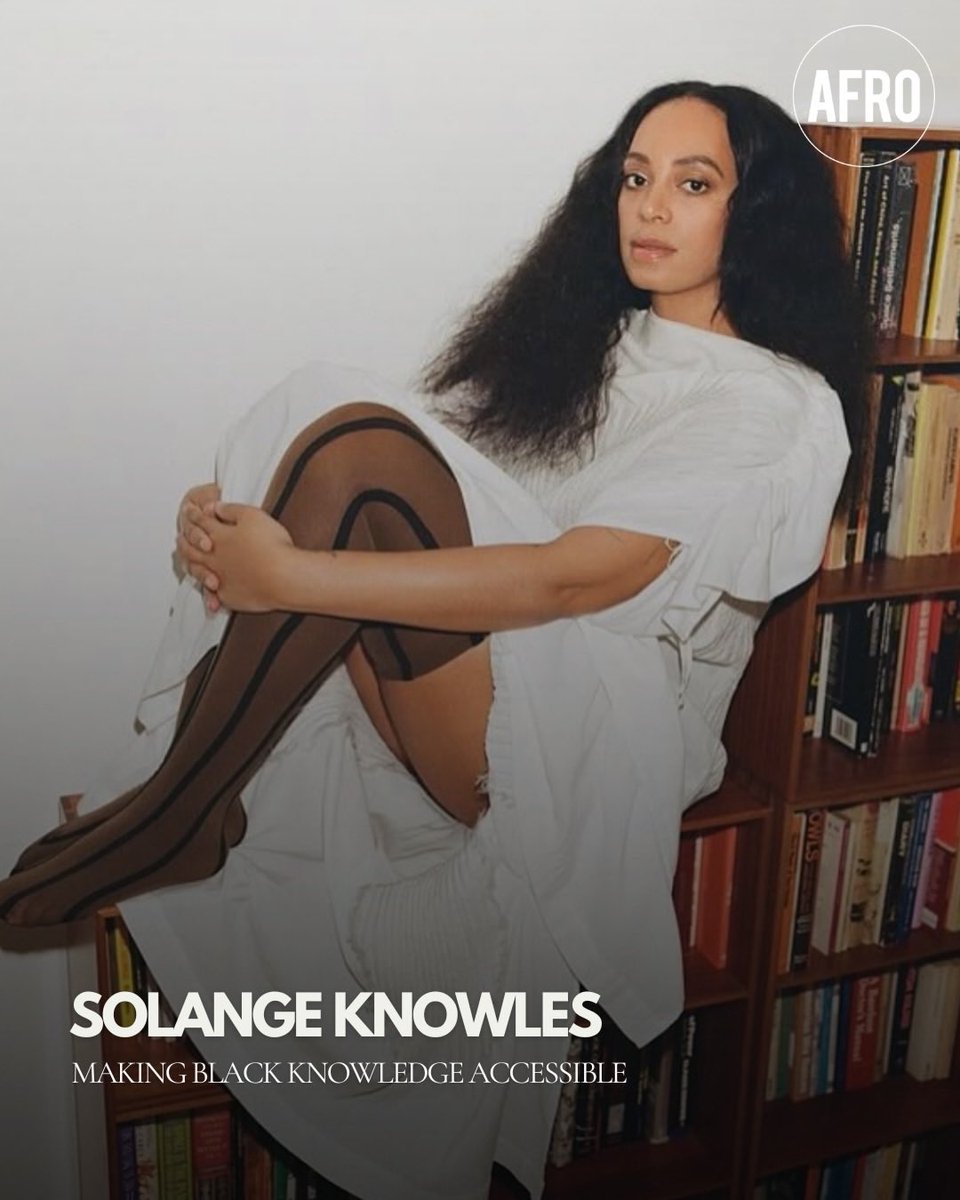
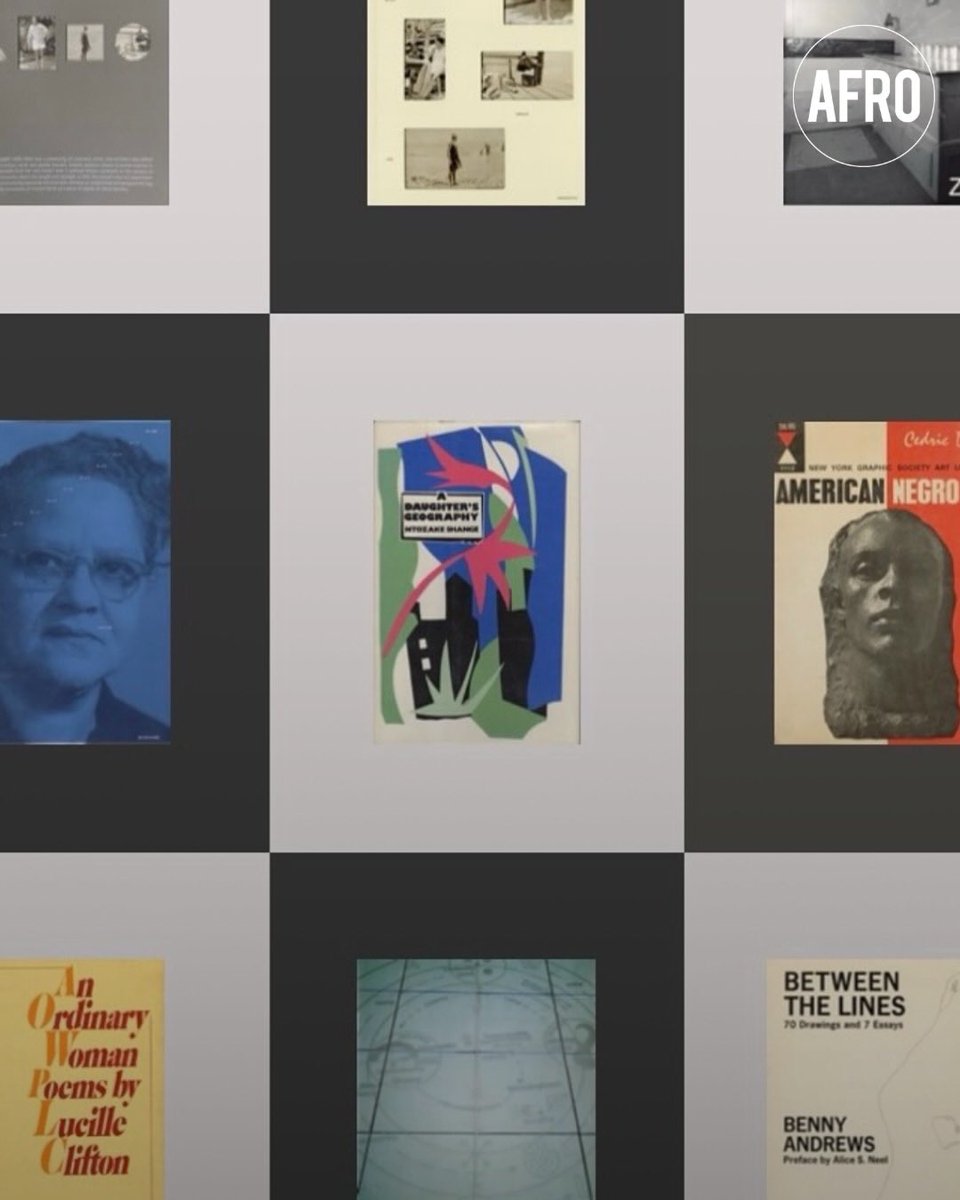
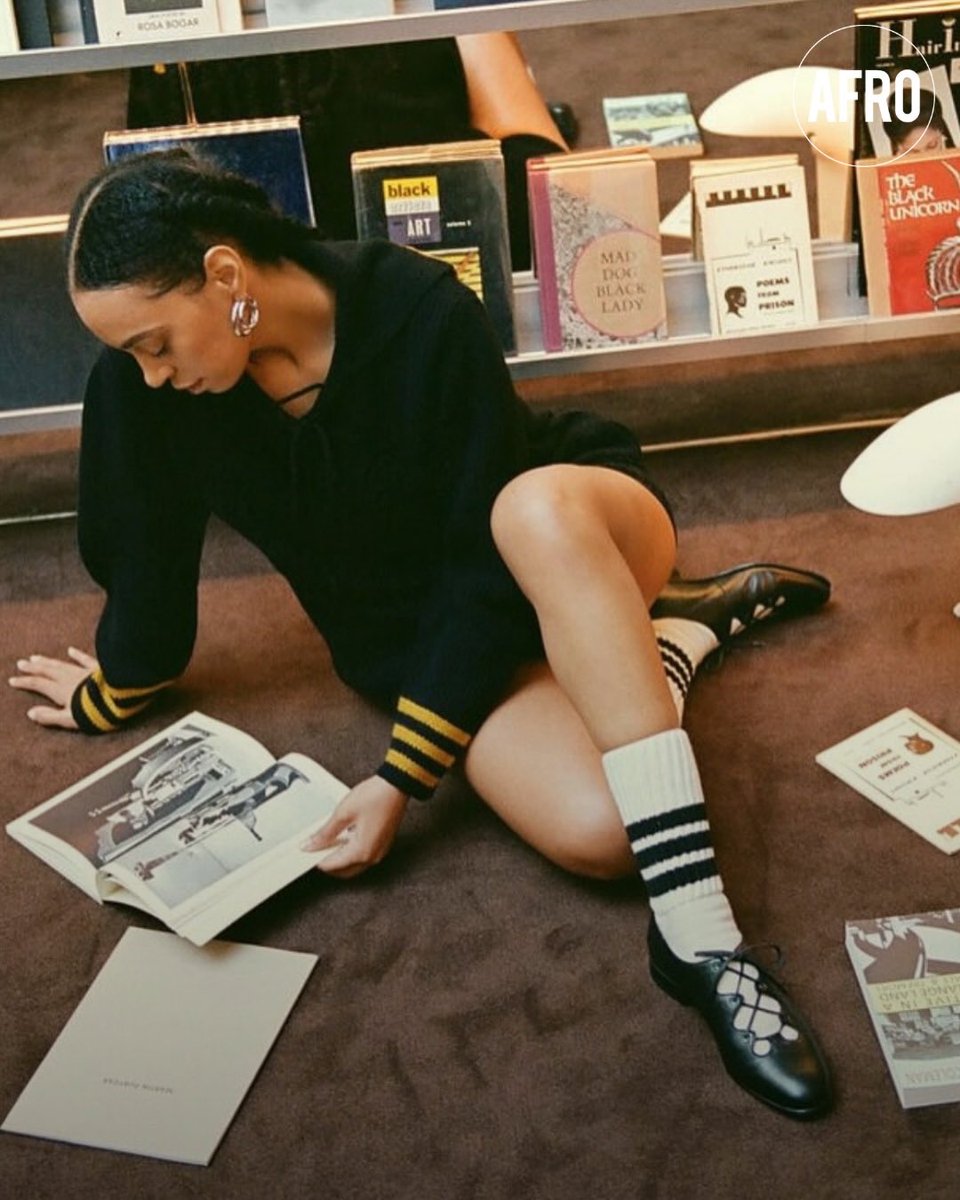
Solange Knowles, through her creative collective Saint Heron, has opened a free digital library dedicated to rare and out-of-print books by Black and Brown writers, artists, and thinkers.
These are texts that often live in private collections or behind institutional walls, preserved, but not always accessible. This library changes that. The books can be borrowed digitally, studied, and shared, expanding access to knowledge that has long shaped Black intellectual and cultural life.
Explore the archive at SaintHeron.com
#Afropolitainmagazine
#BlackArchives
#BlackKnowledge
#BlackHistoryMonth
#Solangeknowles
3
5
180

8 Aug 2025
#SecretStory #RevengedLove #rapflow #freestylerap #freestyle #losangeles #california #tiktok #Instagram #blackknowledge #rap #hiphop #unsigned #unsignedartist⭐️ #unsignedhype #viral #viralvideo #Facebook #Newsong #blacktea #music
Sipping Black Tea
Kphu Shameer
Black Stock Records 2025
Off the 4 MY DAY 1 Mixtape
instagram.com/reel/DNGbAY7xJ…
1
2
275

12 Jun 2025
They used Black folks for nothing more than a distraction from the TRUTH! #BlackMan #AfricanAmerican #woke #BlackTwitter #BlackLivesMatter #BlackWoman #BlackCulture #BlackKnowledge
5
4
17
9,414
23 Apr 2025
#BlackCulture #BlackTwitter #BlackPeople #AfricanAmerican #BlackHistory #BlackKnowledge #BlackMen #Freedman #Trump #MAGA
MUST WATCH: White people ARE TIRED of Blacks on our land…😂😂Guess what WP we’ve BEEN TIRED we will proceed to surpass you by any means necessary!
6
7
9
1,253
19 Apr 2025
You don’t have to be religious to believe in God! God has no religion & he wouldn’t want that for us!
I love this video! #BlackKnowledge #BlackPeople #AfricanAmerican #SpiritualGrowth #Religion
3
5
18
529
3 Apr 2025
All FACTS…the media promotes BLACK BIASES about #BlackMen #BlackBoys & the #BlackCommunity!! It’s all about programming & inserting fear into the minds of the easily manipulated! #BlackCommunity #BlackMen #BlackPeople #Media #BlackKnowledge #BlackTwitter #BlackWoman #BlackConversations
1
3
6
1,129
3 Apr 2025
Black People…🖤✊🏾
#BlackHistory #BlackCulture #BlackKnowledge #BlackTwitter #BlackKnowledge #BlackPeople
3
4
8
906
1 Apr 2025
You don’t believe it when we say it…maybe you’ll believe it coming from Trump! Everything he’s saying is FACTUAL…The Most High God says FEAR NO EVIL TAKE BACK WHAT I BLESSED YOU WITH…Only then when will the Mother Ship arrive to have our backs…”We’re Sky People”
#BlackPower #BlackTwitter #BlackHistory #BlackCulture #BlackKnowledge #Trump #spirituality
6
1
4
675
1 Apr 2025
Ughhh…🥺😢😩 I miss #Obama so much! He is the Epitome of what a President should be! Dignity, Class, Transparency, Knowledge, Rational, Family & American people over self serving motives!
“Bring a 3rd term Trump” & we’ll bring Obama back! #MichelleObama #BlackKnowledge #BlackPeople #BlackTwitter #BlackCulture #BlackHistory
4
2
532
31 Mar 2025
Knowledge is POWER!!
I love how this White man is so receptive to learning something new from brotha man! #BlackCulture #BlackTwitter #BlackPeople #spirituality #BlackKnowledge
2
3
500
31 Mar 2025
Are you religious!!
Me, I used to be, until I realized God’s already in me! He’s in you too! 🫶🏽
#BlackTwitter #BlackPeople #AfricanAmerican #BlackHistory #BlackKnowledge #Religions #CatholicX #spirituality
1
2
258
31 Mar 2025
That’s deep! If this doesn’t wake you up NOTHING WILL! We are spiritual people…not intended to practice RELIGION! #BlackTwitter #BlackPeople #AfricanAmerican #BlackLivesMatter #BlackKnowledge #BlackHistory #BlackConversations #spirituality #CatholicX #Religions
6
11
18
2,199
30 Mar 2025
MUST HEAR FOR MY PEOPLE….
What Can You Threaten Black People With That We Ain’t Already Been Through Before?? We fear NOBODY but God! #BlackCulture #BlackTwitter #Woke #BlackCommunity #BlackPeople #BlackHistory #BlackLivesMatter #AfricanAmerican #BlackKnowledge
2
9
14
1,185
25 Mar 2025
“TEACH EM’ DADDY”👏🏾👏🏾
BLACK is the MOTHER & FATHER of ALL COLORS! #BlackKnowledge #BlackPower #BlackLivesMatter #AfricanAmerican #BlackTwitter #BlackHistory #woke
1
7
20
4,908

8 Feb 2025
"When you learn, teach. When you get, give." – Maya Angelou
Black history is built on passing down knowledge and uplifting others. From freedom schools to storytelling, teaching, and giving are acts of resistance and empowerment. Honor the legacy—share, mentor, and give back. ✊🏾📚 #BlackHistoryMonth #28DaysofMaya #MayaAngelou #BlackKnowledge
2
71
253
9,083

8 Jan 2025
The deeper layers of my work are safeguarded. What I share here is not for ‘teaching’ but connecting and preserving. If it resonates, great. If not, that’s fine too. Not everything needs to be explained to everyone.
#BlackKnowledge
#CulturalPreservation
1
1
3
43
30 Nov 2024
What the ELITE WHITE MAN says he does for FREE SLAVES verses what he REALLY DOES! Fannie Lou Hamer is an AMAZING SOLDIER FOR THE BLACK COMMUNITY…a legacy to be respected & honored ESPECIALLY at a time when fighting for our rights was DANGEROUS
#AfricanHeritage #FBA #ancestors #BlackCommunity #BlackEducation #BlackCulture #BlackHistoryMonth #BlackKnowledge #BlackLivesMatter #BlackTwitter
#BlackWoman
#BlackMen #CivilRights #JimCrow #FactsMatter
3
6
231