
Jun 13
1909. Point McLeay Mission, South Australia.
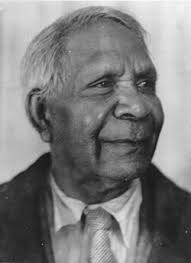
David Unaipon was a Ngarrindjeri inventor, writer, preacher, and self taught mechanic who studied machines from inside a mission settlement. He designed an improved handpiece for sheep shearing, a small mechanical answer to one of Australia's central rural industries. The idea was taken into use, but the money and credit did not follow him.
He was born on September 28, 1872, at Point McLeay Mission on the lower Murray in South Australia. His father, James Ngunaitponi, was an evangelist. His mother, Nymbulda, was a Yaraldi speaker. David was the fourth of nine children and entered the mission school at seven.
The mission gave lessons, rules, scripture, and limits.
At thirteen, he left Point McLeay to work as a servant for C B Young, who encouraged his reading in philosophy, science, and music. Unaipon later returned to the mission, played the organ, learned bootmaking, and read scientific works whenever he could get them. He became absorbed by motion, force, and the dream of machines that could keep moving.
The books were scarce. The hunger was not.
By the late 1890s, he had gone to Adelaide looking for work, but race blocked him from trades that matched his skill. He worked for a bootmaker, then returned to Point McLeay as a bookkeeper in the mission store. The bench, the tool, and the drawing page stayed with him.
Sheep shearing gave him a precise problem.
Mechanical handpieces could seize under the stress of work. Unaipon studied the motion of the tool and designed a modified handpiece that converted rotary motion into a straighter cutting movement. The aim was practical: reduce strain, improve action, and make the machine less likely to jam while cutting wool.
It was not an abstract invention. It belonged to the shed.
In 1909, he obtained protection for the shearing idea with help from Herbert Basedow, a South Australian doctor and former official connected to Aboriginal affairs. Later accounts describe it as a provisional patent rather than a fully secured patent. AIATSIS records that Unaipon could not afford to get the invention fully protected. The design was later adopted.
He received no financial reward.
A 1910 newspaper report acknowledged him as the inventor, but that was not enough to hold the work to his name. He went on to make patent applications for other inventions, including a centrifugal motor, a multi radial wheel, and a mechanical propulsion device. The Australian Dictionary of Biography records that those later patents lapsed.
He kept inventing in a country built to deny Aboriginal ownership.
Unaipon also became a public speaker and an early Aboriginal author. In the 1920s, he collected and wrote versions of Aboriginal stories. His manuscript was later published in 1930 under the name of William Ramsay Smith, without acknowledgment. The book did not appear under Unaipon's name until decades after his death.
The theft was not limited to metal.
He travelled for the Aborigines' Friends' Association, preached, lectured, and spoke before inquiries on Aboriginal affairs. He was often refused accommodation because of his race. In old age, he returned to Point McLeay and continued working on inventions. He died at Tailem Bend Hospital on February 7, 1967.
His face later appeared on the Australian fifty dollar note.
Unaipon's shearing handpiece became part of the record of Australian mechanical invention, and his writing became part of the foundation of Aboriginal literature in English.
He drew machines and stories into existence, and both were taken from him before they were returned.
30

May 11
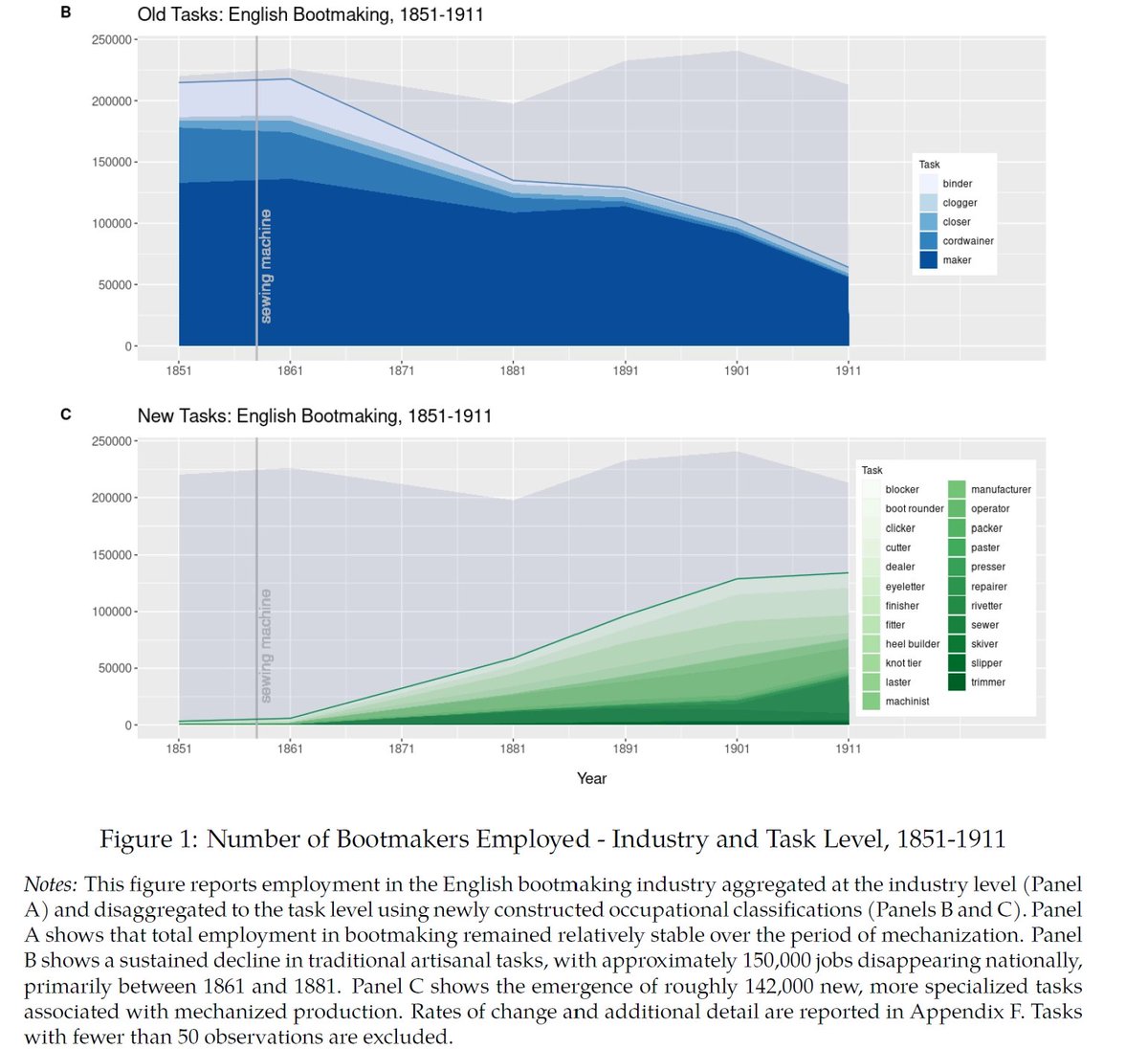
I'm so wierdly excited about this new finding. It was't just that jobs disappeared, it was that entire pathways to success disappeared.
When bootmaking mechanized you went from elite artisans at the top of their game being independent small workshop owners. Within 2 decades....
3
1
59
11,907

Apr 18
Really fascinating historical research by @hillaryvipond:
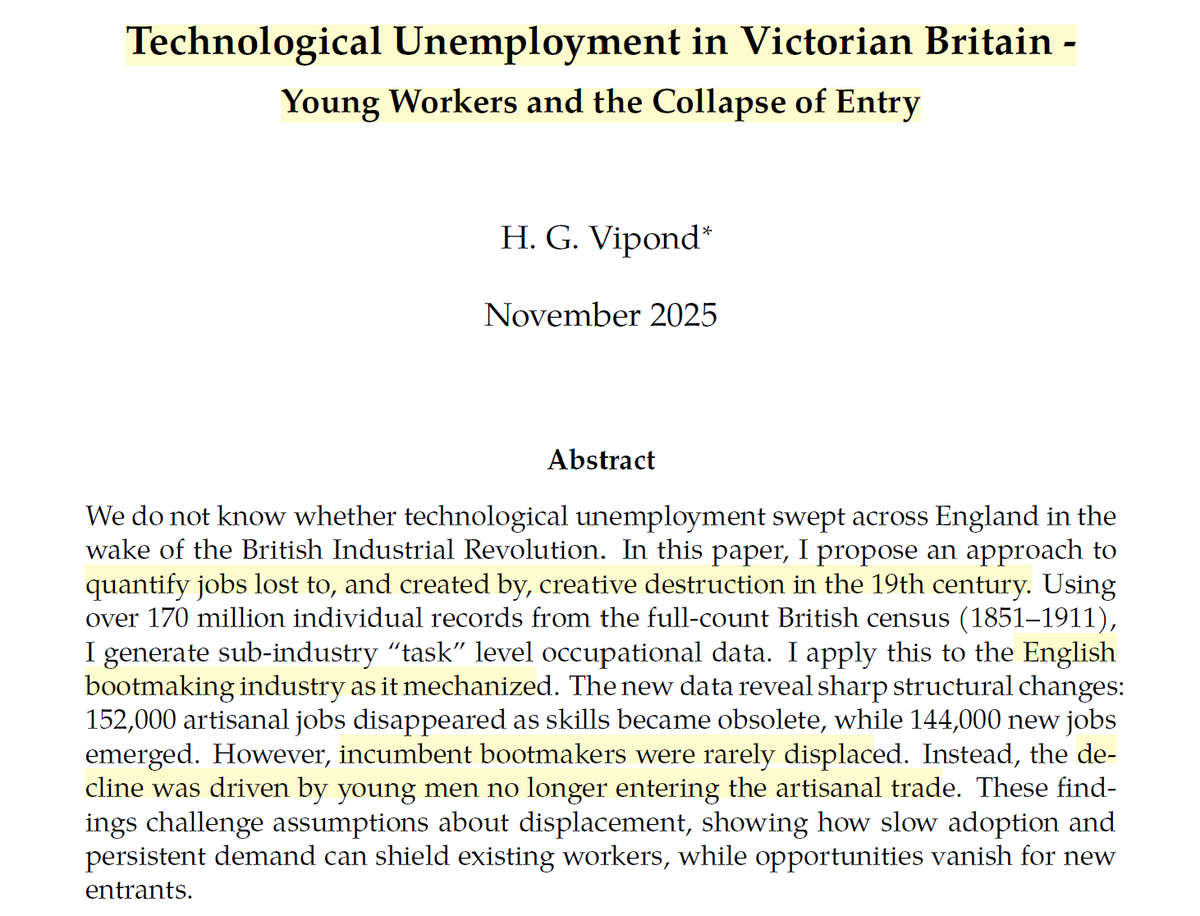
“Technological Unemployment in Victorian Britain - Young Workers and the Collapse of Entry”
Analysis of the bootmaking industry of Victorian England shows that the impact of mechanization was not so much to displace incumbent workers. Instead, the shock primarily affected a changing set of opportunities available to young people.
5
101
370
51,273

Apr 17
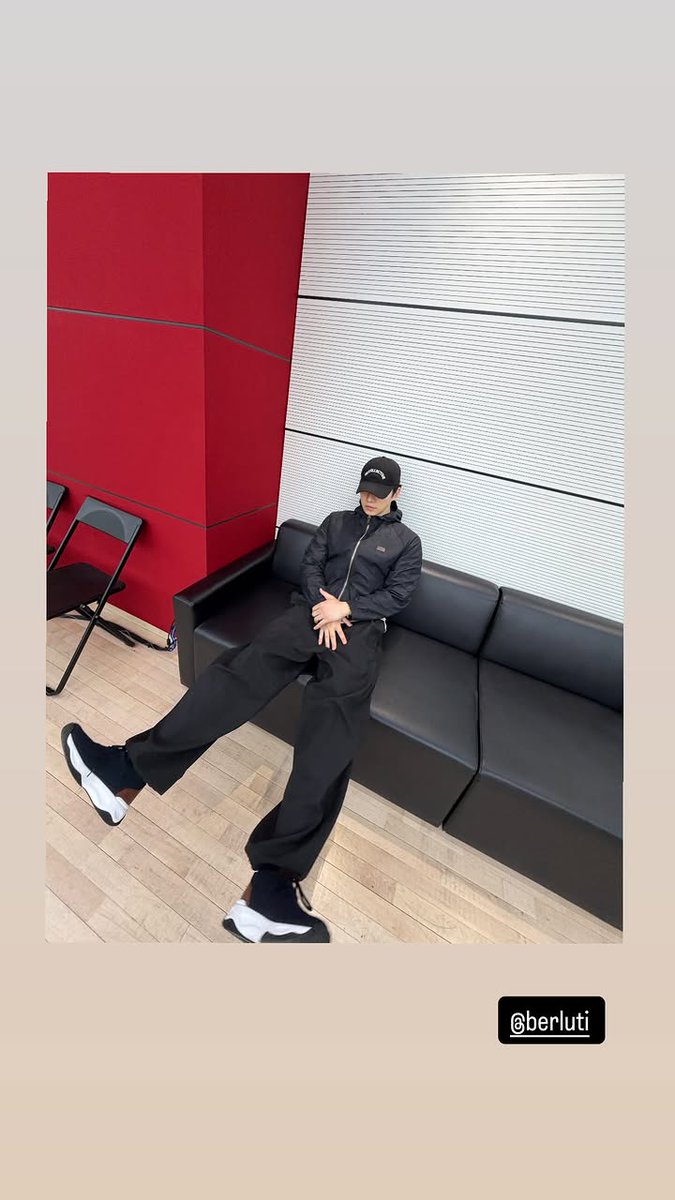
From the Manifattura in Ferrara, Venice to the reputable bespoke bootmaking and tailoring workshops in Paris, Junho goes behind the scenes to see what makes Italian craftsmanship so special. Suipe left to it out!
#LeeJunho #이준호
#Berluti
#AJourneyinCraft
6
27
519

Apr 16
260416 10:48:44 @lofficielsingapore x lofficielhommessg instagram1️⃣
instagram.com/p/DXLLesTk9ZU/
#이준호 #LEEJUNHO
#벨루티 #BERLUTI
#AJourneyinCraft
-
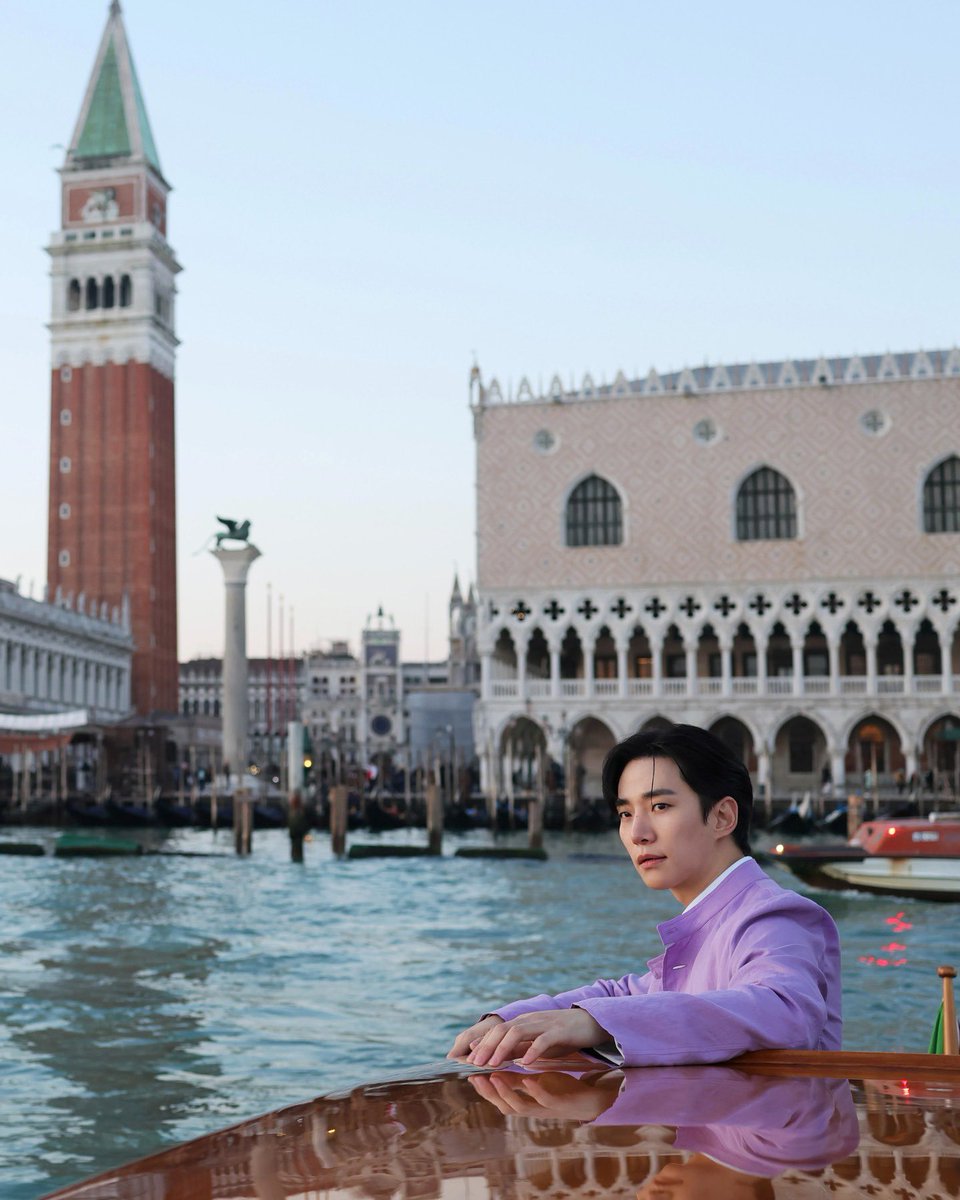
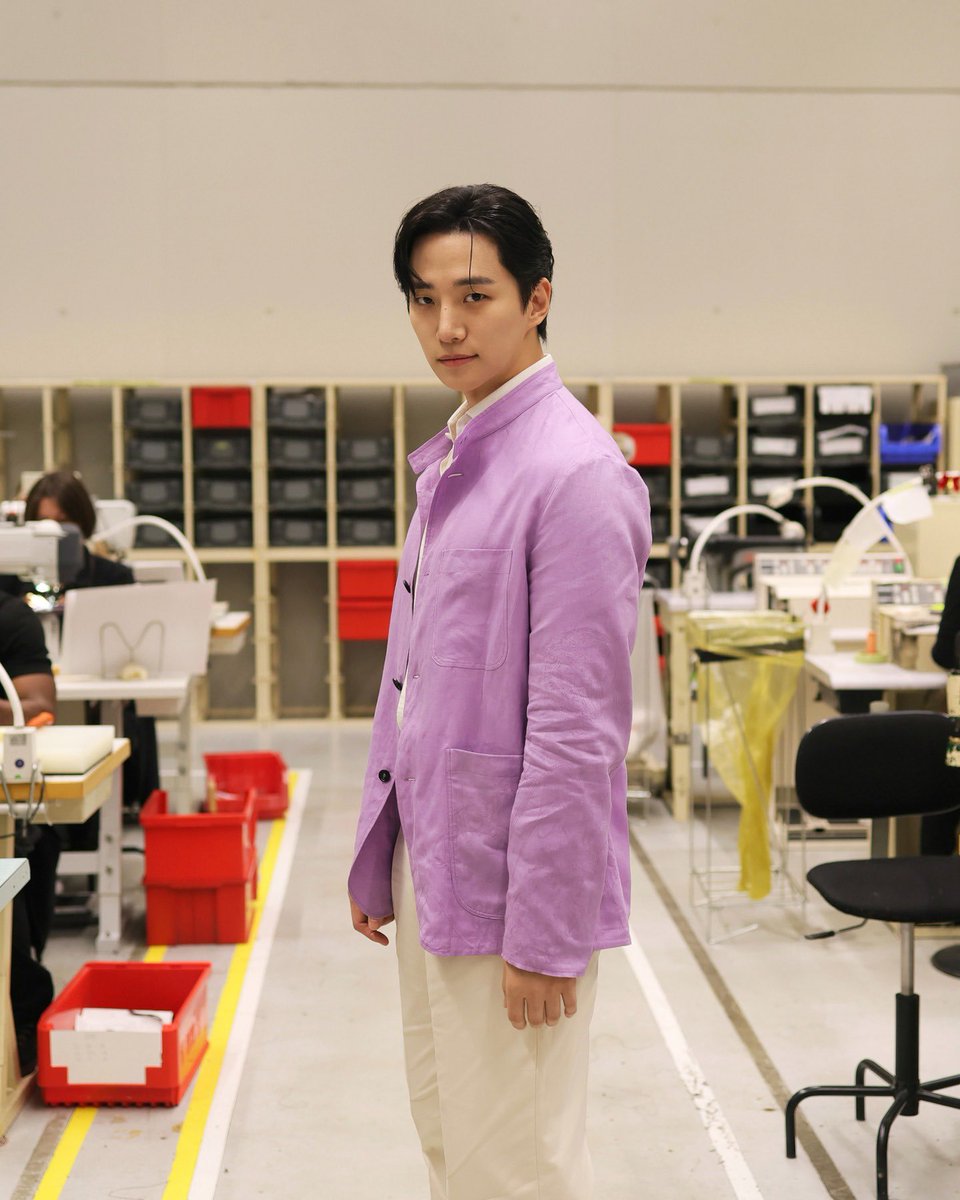
South Korean actor and @berluti brand ambassador, le2jh stars in 'A Journey in Craft', a compelling film series that sees him exploring the craftsmanship and savoir-faire behind Berluti's creations. ✨
From the Manifattura in Ferrara, Venice to the reputable bespoke bootmaking and tailoring workshops in Paris, Junho goes behind the scenes to see what makes Italian craftsmanship so special. Swipe left to it out!
#LeeJunho #이준호 #Berluti #AJourneyinCraft

1
2
193

Mar 29
This is a great research program by Hillary Vipond @hillaryvipond both in terms of providing deeper understanding of the dynamics of creation and destruction during the Industrial Revolution and in terms of giving insights into current debates over AI. Her paper "Technological Unemployment in Victorian England: Young Workers and the Collapse of Entry"
github.com/HillaryVipond/JMP
is a tour de force. The paper analyzes the evolution of employment among bootmakers as that industry mechanized. The analysis shows that mechanization did not cause short run employment decline in bootmaking, nor is there evidence of (substantial numbers of) incumbent workers leaving the industry. Rather, entry into bootmaking declined.
The paper also contains interesting findings on intergenerational occupation mobility. She uses sibling comparisons to reveal that sons who stayed in bootmaking exhibited lower life quality (marriage, status as head of household, likelihood to migrate) than siblings who did not.
Strong recommended!

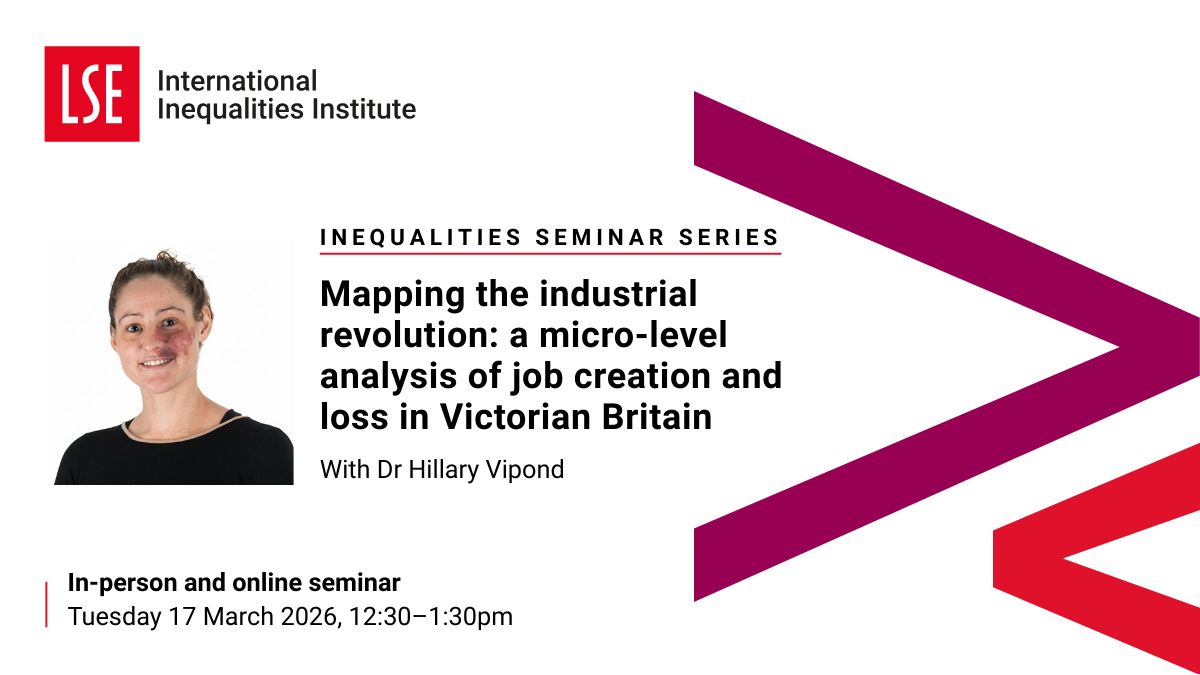
How did technological change reshape access to opportunity during Britain's Second Industrial Revolution?
@hillaryvipond links micro-level job dynamics to patterns of social mobility.
🎟️ Attend in-person: buff.ly/K94LyOL
💻 Attend online: buff.ly/R2B5gkZ
2
18
71
7,948

Jan 21
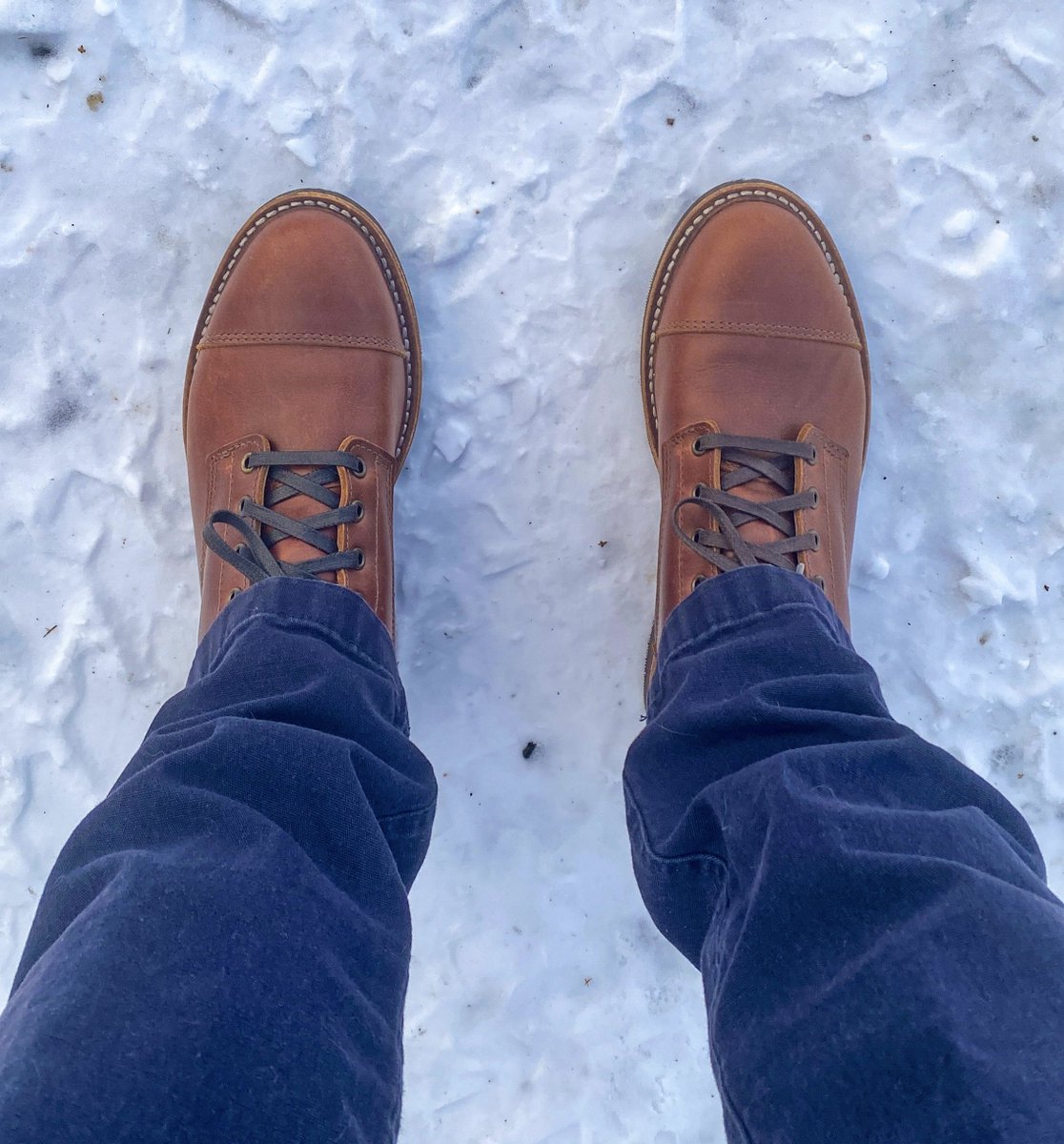
The first pair of Lincoln Boots just walked out of our Maine factory.
This is more than a boot.
This is the return of bootmaking to Franklin County.
Three miles from here sit the bones of the old Bass factory.
We’re not visiting history. We’re rebuilding it.
Maine is back. LFG.
@originpete
@jockowillink
79
179
2,094
138,143

Jeans, Heritage workwear, bootmaking, Clothing in general (although high end clothing and bootmaking of both these countries are on equal level)
Watches as well, Japanese watches are far more practical, functional and made for the working man(Seiko, Citizen, Casio)
8
1,157

10 Nov 2025
My dad is so funny bro who opens with "I want to experiment on you" before following it up several seconds later with "for bootmaking"
1
15
427

28 Oct 2025
Tickets are flying! Grab yours now at Chisos.com/party.
On Saturday, November 8th, we’re throwing down at Chisos HQ in Austin to celebrate six years of bootmaking, but most of all you, our incredible community. Black Joe Lewis brings the blues and funk, with Johnny McGowan setting the tone Texas-style.
Cold drinks, vinyl on the turntable, and boot giveaways to keep things interesting. Every ticket supports charity, so snag yours quick before they’re gone.
2
188

21 May 2025
Instead of relying on short-form content, Tecovas leverages YouTube for deeper customer connections.
Their "Behind the Design" series showcases their meticulous 200-step bootmaking process.
Most brands would simplify this to a 15-second clip.
Tecovas turns it into a brand story and doesn’t stop there…
1
3
369

14 May 2025
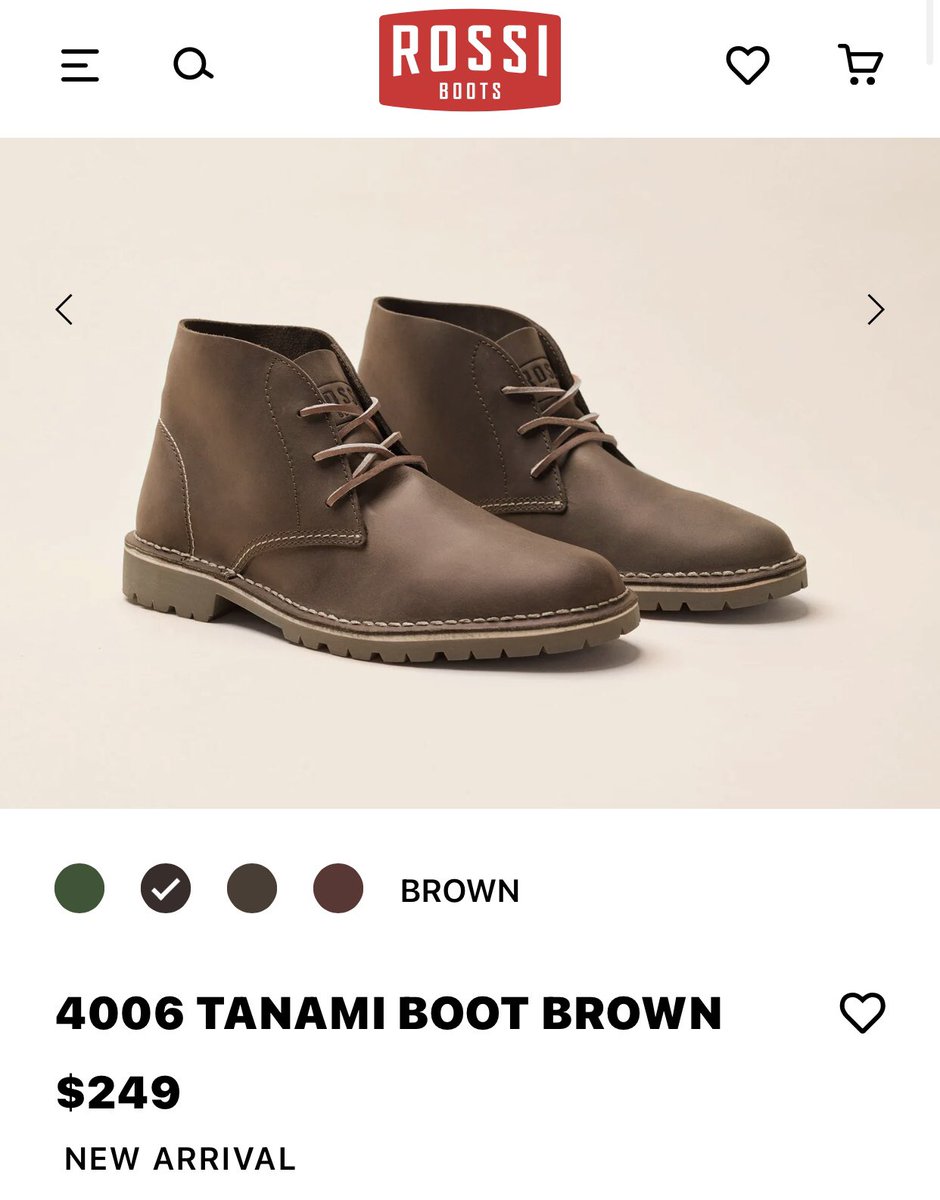
These boots—they’ve got that solid Aussie feel. Made in Australia, I’m keen to buy them. Looks… look… working class chic.
• Brand: Rossi Boots — an Australian icon with over 100 years of bootmaking in Adelaide.
• Model: 4006 Tanami Boot in Brown — clean, simple, timeless.
• Style: Desert boot meets chukka — casual but sharp.
• Made in Australia: Yep, right out of South Australia.
• Material: Full-grain leather upper — tough, durable, and gets better with age.
• Sole: Hard-wearing rubber — comfy, grippy, built for the long haul.
• Price: $249 — not cheap, but for Aussie-made quality, worth every cent.
• Vibe: Working class chic — throw them on with jeans, or sharpen up with chinos.
I reckon they’re a top pick. 🫡🇦🇺
1
2
192


6 Mar 2025
Clucke Diem! Brown bag lecture on bootmaking today. Happy FeaThursday!
1
2
4
51


!!!LMAO i agree bentuknya exaggerated.. dia lebih ke boots yang punya rigid, architectural stance i just like how they have a fusion of industrial minimalism and post-apocalyptic luxury literally pushing the boundaries of traditional bootmaking ;] trs kaye stylingnya juga ok bgt
1
1
48

Thanks to everyone for a great opening night of our exhibition "Cowboy Boots: From Roundups to Runways," presented by Lucchese Bootmaker (@lucchese1883).
Check out Lucchese's pop-up shop and bootmaking demonstration today through Sunday.
The exhibition runs through May 4.
4
30
3,813

22 Jan 2025
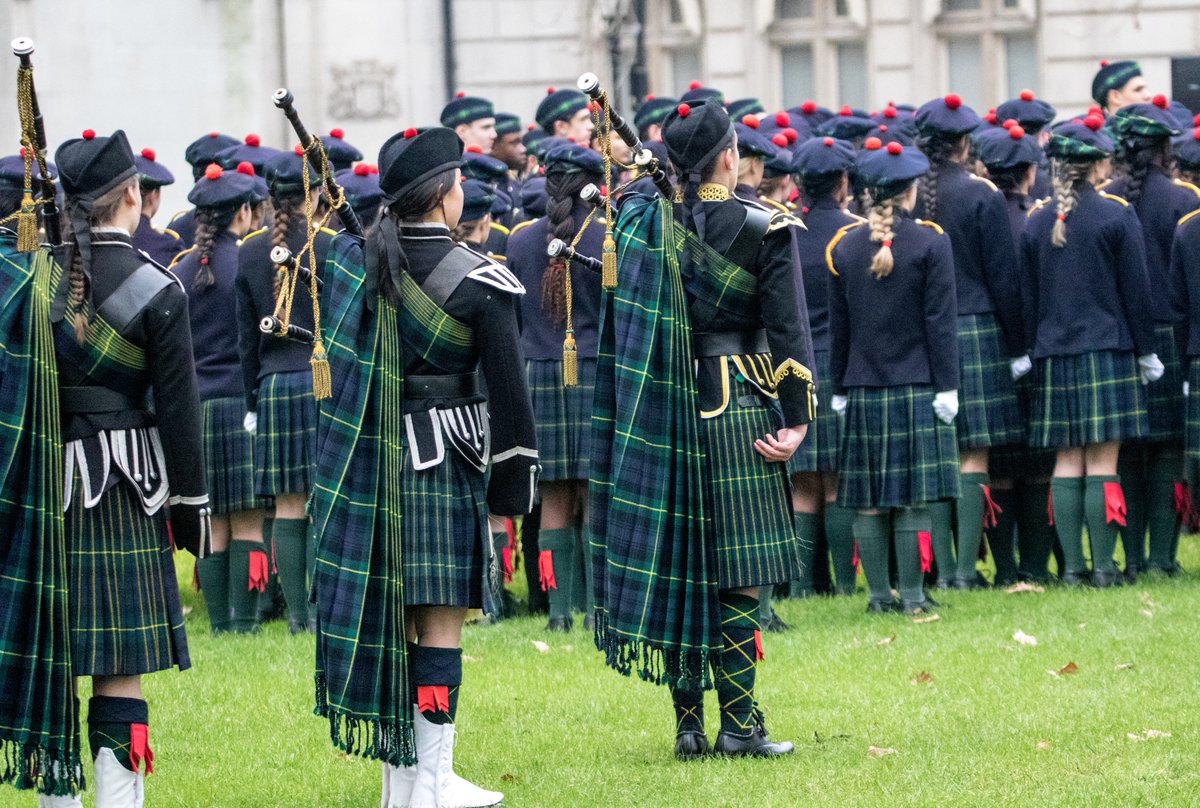
These Pipers are not military, they are from a School, which in the late 1800s was, at the behest of Queen Victoria set up to ensure help for, "necessitous boys".
One of their famous benefactors was the well known military figure Major-General Charles Gordon of Khartoum, whose memorial is close to where they marched on Saturday and whom they march in celebration of once a year.
Gordon's legacy supported the school to ensure boys of that time had opportunity in life, and beyond education were encouraged to follow careers in the military or popular trades.
Their benefactor famously said of those given such opportunity;
“If I had sons, I would certainly teach them a little of most trades, amongst others, bootmaking. You have no idea how feeble one feels not knowing these things, or a little carpentering, black-and-tin smithing, shoemaking and tailoring would be a real gift to a young man.”
Shame that those shouting at these youngsters did not know this, but then why would they, or why could we even believe them capable of caring or understanding such philanthropy, something outside of their lexicon.
I watched those youngsters marching; and unlike the megaphone armed malcontents attempting to drown out their pipes and drums, I saw in them the hope of a future for the UK

2
12
922
21 Jan 2025
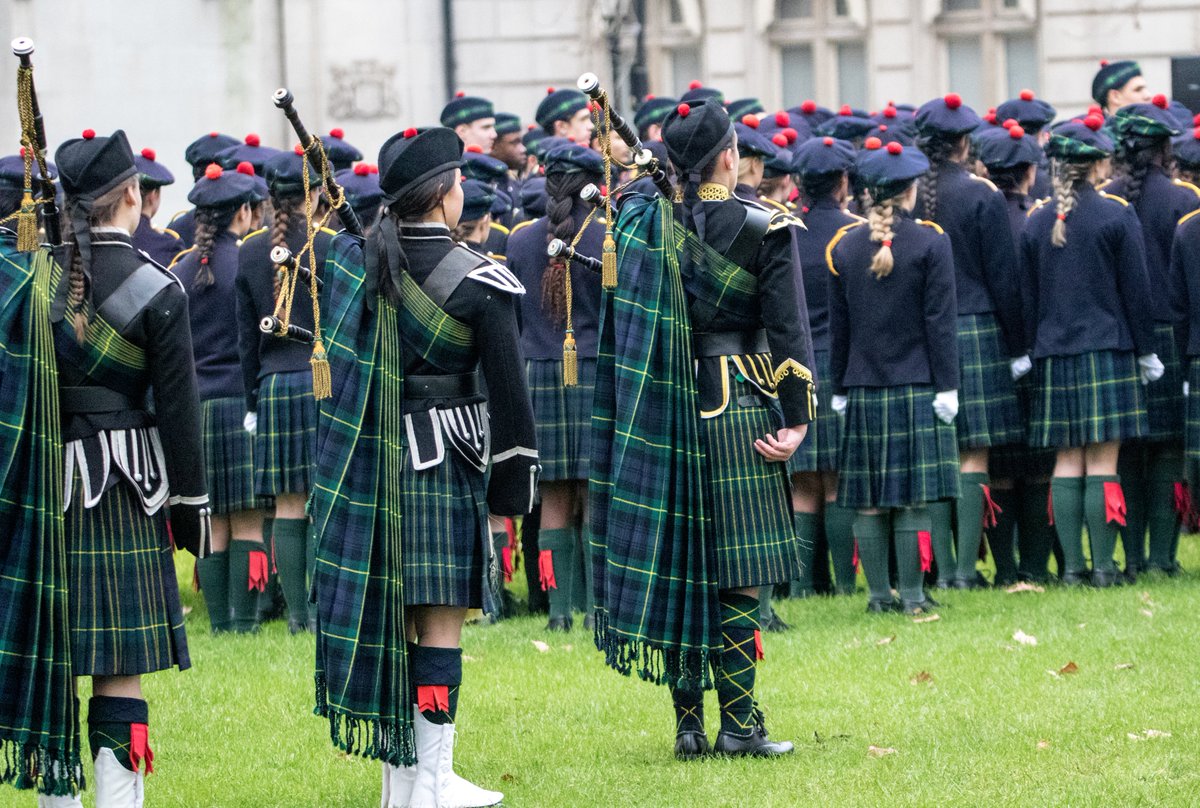
These Pipers are not military, they are from a School, which in the late 1800s was at the behest of Queen Victoria set up to ensure help for "necessitous boys".
One of their famous benefactors was a well known military figure whose memorial is close to where they marched on Saturday and whom they march in celebration of once a year.
That individual who supported the school did so to ensure boys of that time had opportunity in life, and beyond education were encouraged to follow careers in the military or popular trades.
There benefactor famously said of those given such opportunity.
“If I had sons, I would certainly teach them a little of most trades, amongst others, bootmaking. You have no idea how feeble one feels not knowing these things, or a little carpentering, black-and-tin smithing, shoemaking and tailoring would be a real gift to a young man.”
Shame that those shouting at these youngsters did not know this, but then why would they. Such philanthropy isn't in their lexicon.
I watched them and saw in them the hope of a future for the UK.
7
30
317
9,805