GŌATFATHER™ retweeted

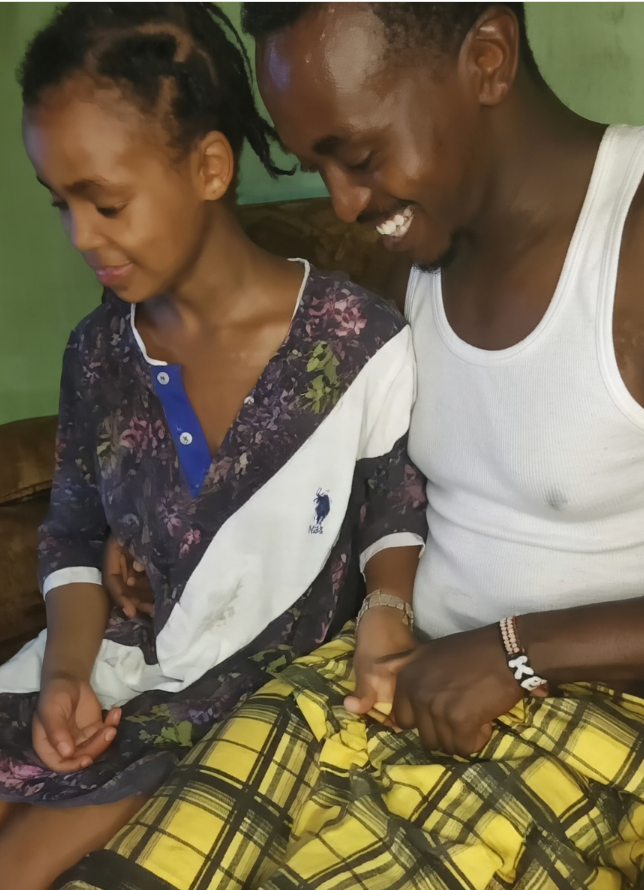
Brian Njagi has upgraded and is now chewing broilers instead of Kienyejis. Vidaa link in the comments. Wacheni ubaguzi

2
5
1,496

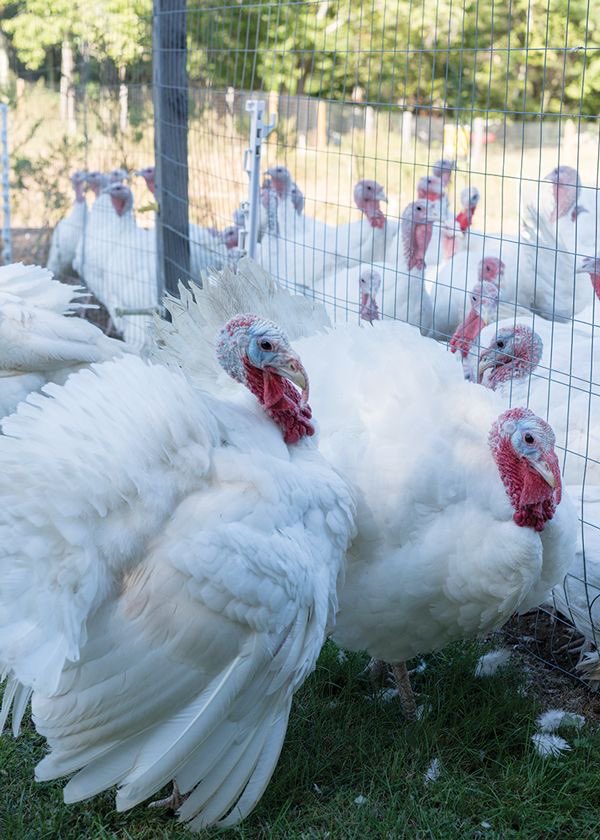
Turkey are more strong and a bit risk free but might take a while for maturity.
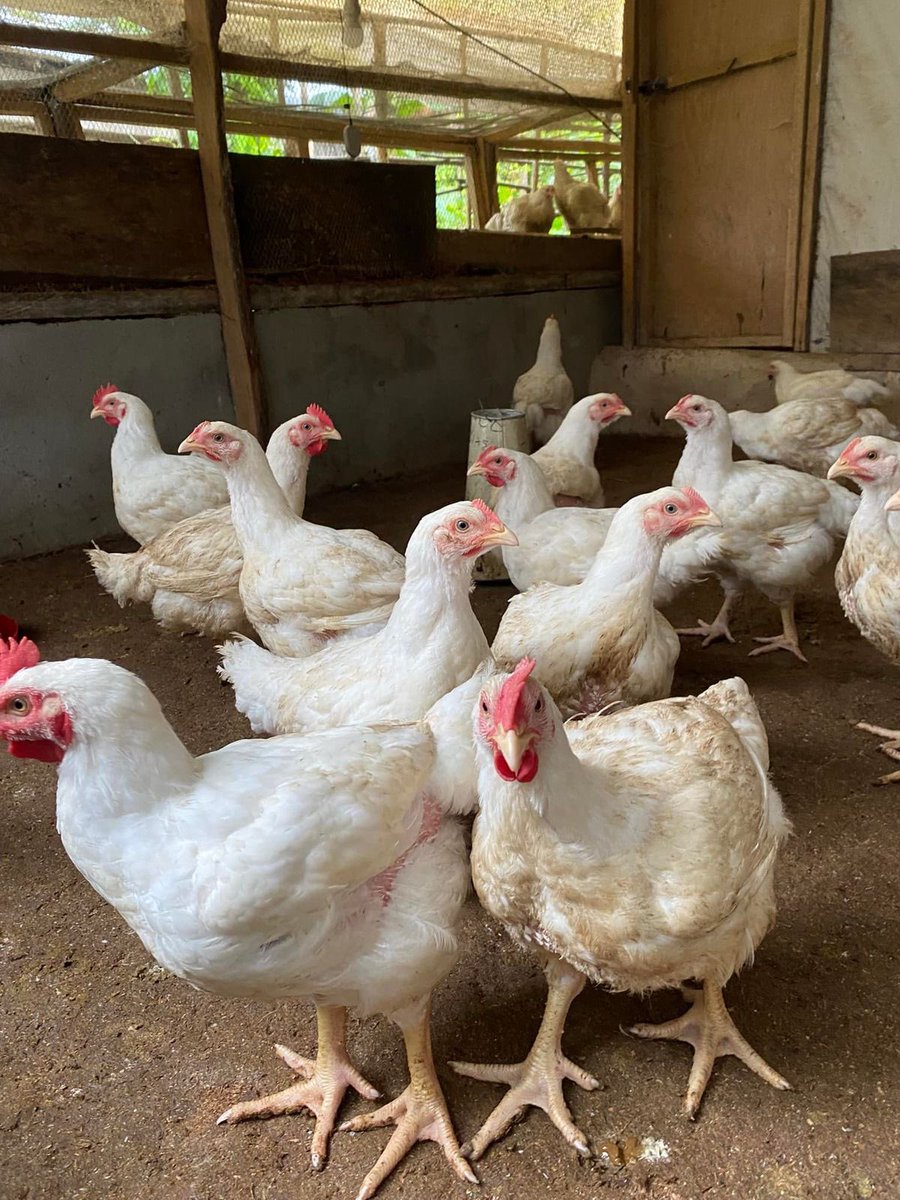
Broilers are like worms that can't stand salt, but if properly done you can make your profit every two two months. But you might go crazy sha.
I prefer layers bird but that is for long term and you need to be prepared to feed them well .

6
155

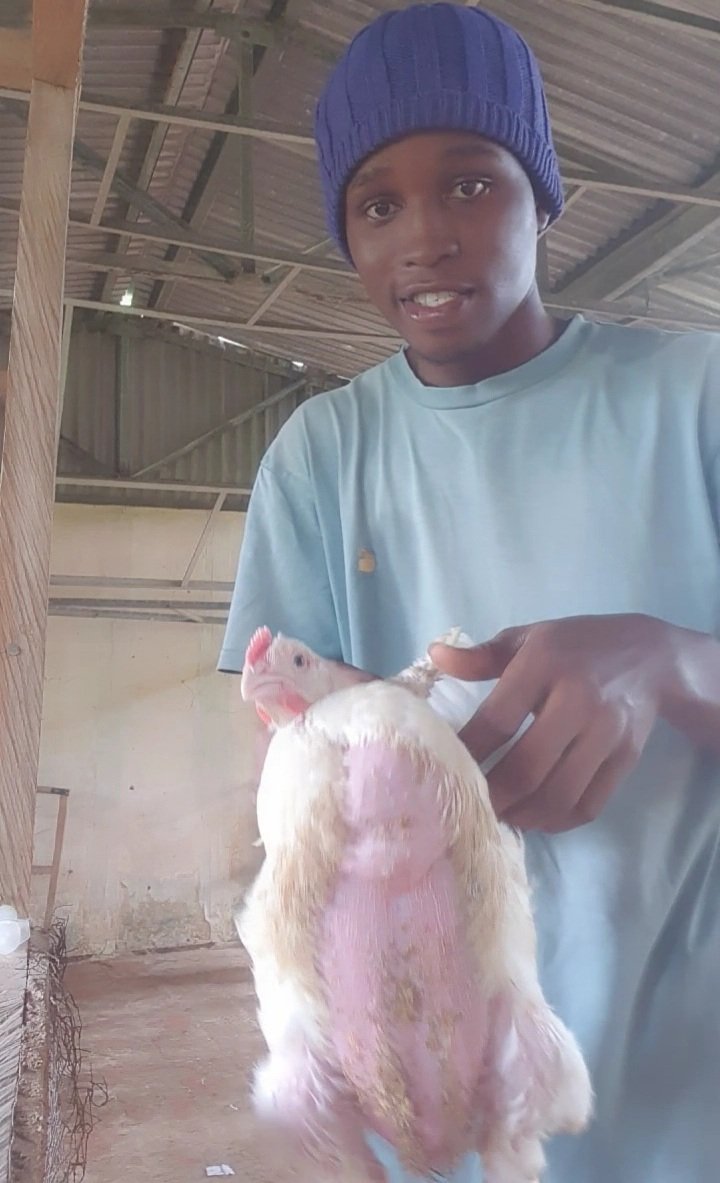
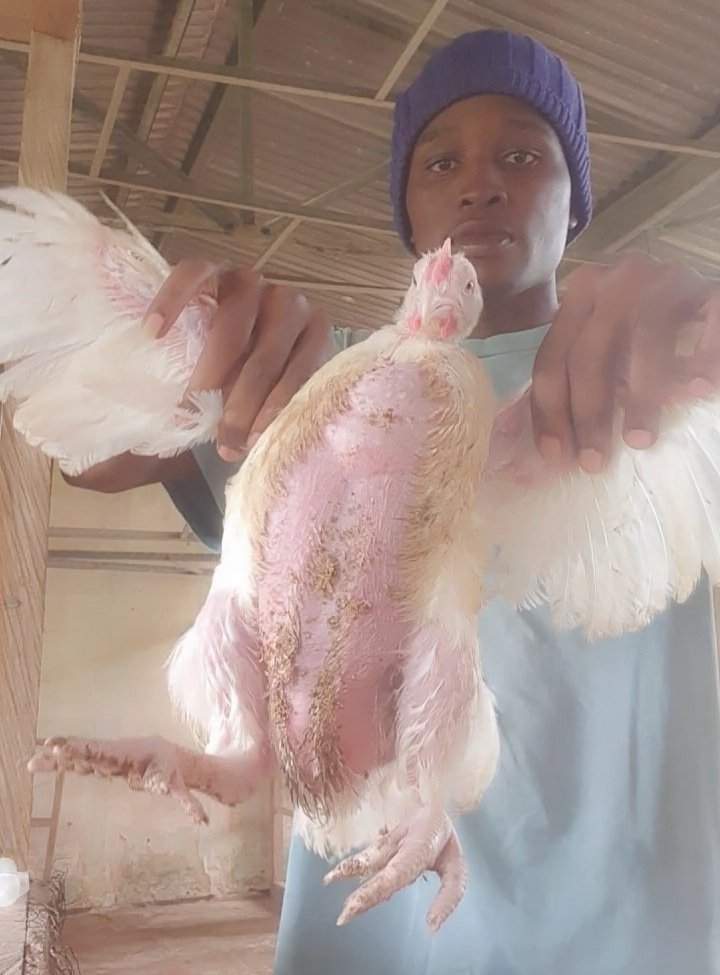
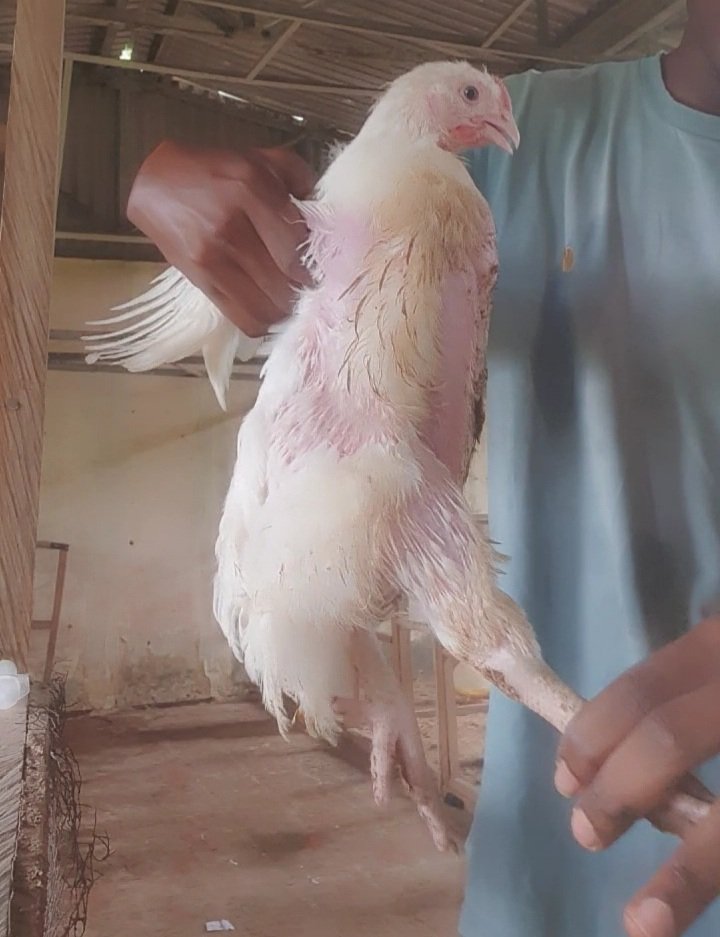
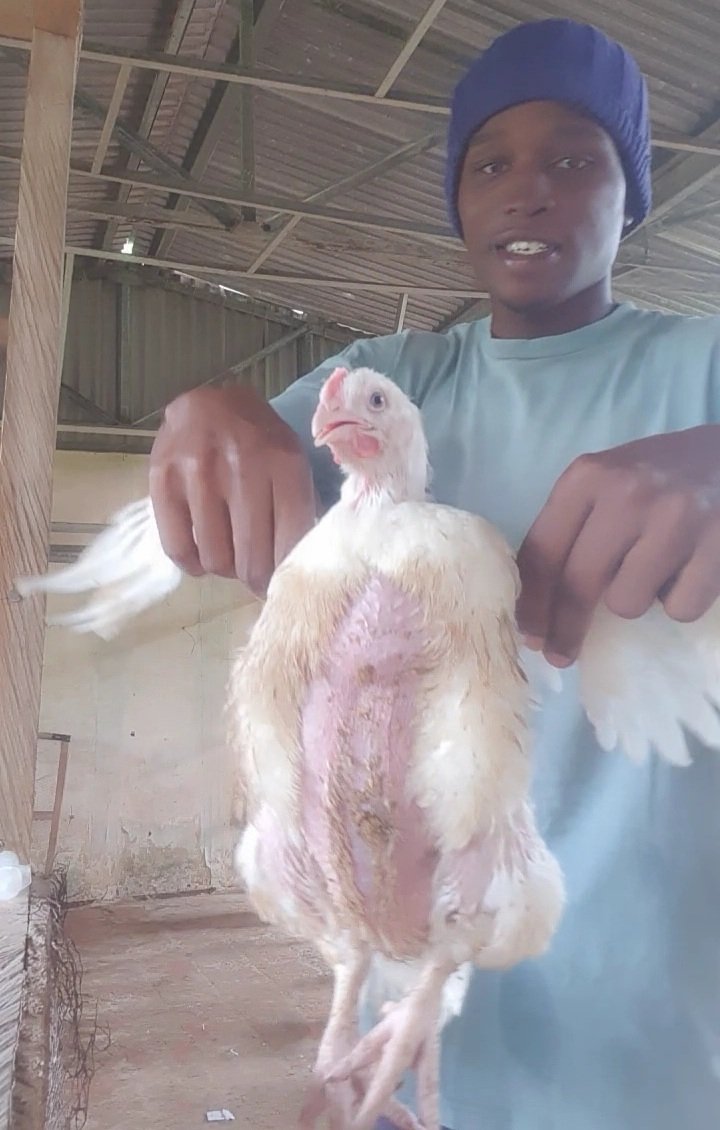
UNDERSTANDING THE GROWTH CURVE OF ANIMALS AND ITS IMPORTANCE IN LIVESTOCK PRODUCTION
It is well established that the growth pattern of most animals follows an S-shaped or sigmoid curve. This biological pattern explains how animals develop over time, starting with a slow initial stage, followed by a period of rapid growth, and eventually slowing down as they approach maturity.
Understanding this natural process is very important in animal production because it directly influences management decisions, feeding strategies, and overall profitability.
The growth curve is divided into four main phases: the lag phase, where growth is slow as the animal adapts and develops; the log or exponential phase, where growth is rapid and highly efficient; the decelerating phase, where the rate of growth begins to slow down; and the stationary phase, where growth becomes minimal or stops completely.
This concept is not limited to mammals, as fish also follow a similar growth pattern. This understanding supports the argument that broilers should not be raised beyond 6 to 7 weeks if the goal is to maximise return on investment.
After the rapid growth phase, feed conversion efficiency declines, meaning more feed is required for less weight gain.
In fish farming, the same principle applies. Proper management of growth stages is essential for achieving good results. Many successful fish farmers understand that profit depends heavily on feeding strategies, feed quality, and timing.
High-quality feed, combined with proper feeding patterns and occasional improvisation, can significantly improve growth performance and profitability.
Efficient livestock production is not only about providing feed but also about understanding when animals grow most efficiently and adjusting management practices accordingly. This helps to avoid waste and ensures better use of resources during production.
In conclusion, the S-shaped growth curve is a fundamental concept in animal production that should not be ignored. Whether in poultry or fish farming, understanding the different growth stages helps farmers make informed decisions that improve efficiency and profitability.
Ultimately, success in livestock production depends not just on feeding animals, but on understanding their biological growth patterns and applying that knowledge effectively in practice.
Video Credit: Aishat Hussein
8

2
20


Castilla y León notifica un foco de enfermedad de Newcastle en una granja de broilers de Valladolid
f.mtr.cool/btolyglnzv
20

I want you to know that a U.S. countertop toaster oven is basically unknown at the consumer level in the UK (partly because UK ovens tend to come with broilers).
1
54
These are our broilers. Our layers we keep roosters to no more than 10:1 ratio or they are too hard on the hens and each other.
1
3
22


🐔 Dietary #Arginine responses of Ross 708 broilers reared under cyclic elevated temperatures
➡️ Article by Annalise Anderson & Samuel Rochell, @AuburnU
To read 👉 l24.im/QNvyRx
#AnimalWelfare #AuburnUniversity #BroilerIndustry #CJBIO #HeatStress #OxidativeStress
21

Pellet prices up? 📈
Don't let egg production drop! 🥚
Ducorp offers affordable, high-quality alternatives for Layers & Broilers:
✅ Sunflower Meal ✅ Maize DDGS✅ Soyabean Meal
Keep your flock thriving! Order: 254115553333 #PoultryKE #AgriBizKE #FeedSolutions #MainaAndKingangi

1
9


Jun 15
Our layers we let out each day and lock up at night but we run roosters with them and we have an LGD. Broilers are raised inside the moveable pens.
20
Jun 15
I've raised 250,000 broilers on pasture in moveable pens over 10 years and never lost a single bird to raccoons using 1/2 hardware cloth.
1
1
19

Jun 14
You are right.. even the pietrain I had was imported… it’s just like feeding our local chickens same feed with broilers and expecting the same results
1
1
7
JOStified X retweeted

Jun 13
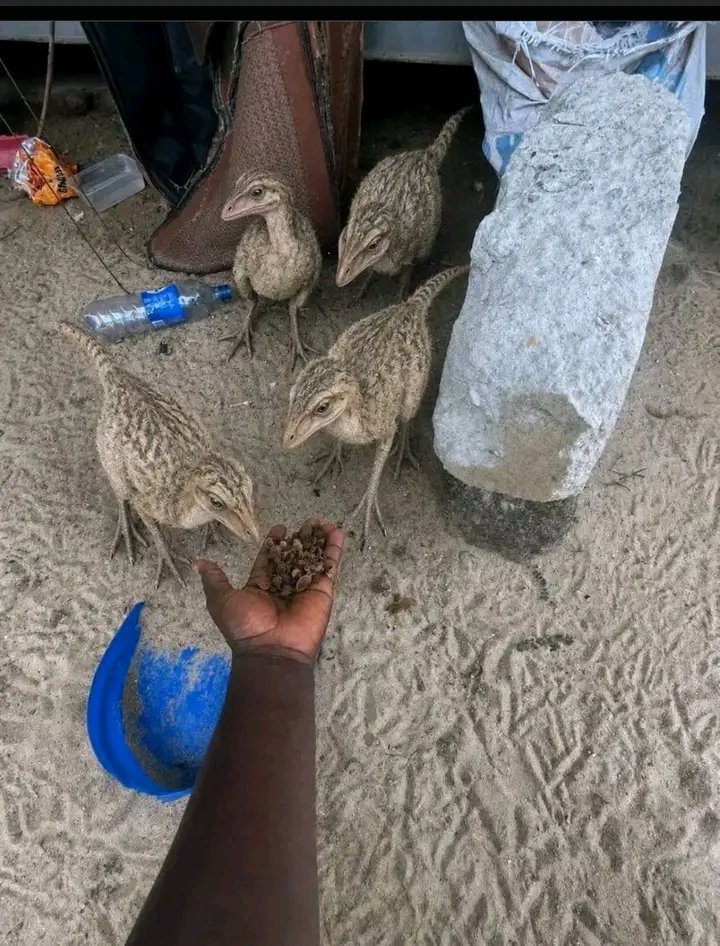
I no understand these chickens wey I buy o... 6 months now, and they're still small...
Are they broilers or layers???

9
1
11
1,172
Anonymoux retweeted

Jun 14
I don't know why my neighbour stop rearing broilers
native fowl too get speed😩😭
2
3
3
51