
Convert brownfields into free housing for homeless people
Free health care
Donate to homeless shelters
Rehabilitation and job opportunities, free college
Support raising the minimum wage to 20 bucks an hour
Give to no-kill shelters
Free food to the hungry
Disease research
2
9


A huge thank you to our #NSCW2026 sponsors! 👏
Their support helps make this conference possible.
Be sure to visit their booths, make connections, and learn more about the organizations helping drive our industry forward.
#NSCW2026 #Brownfields #Redevelopment #Networking

Jun 12
Calgary completes city wide rezoning pull back. Option chosen is lane houses, secondary suites, medium density on corridors, nodes, and brownfields. This was a result of a political clean sweep of city council.
calgary.ca/planning/projects…
8
10
19
1,649

From Brownfields to Brightfields: Advancing a just energy transition in Indigenous communities
bit.ly/4vA9PHe #indigenousclimatechange #indigenouscommunities
6
Matt Fels-McDowell retweeted

Jun 11
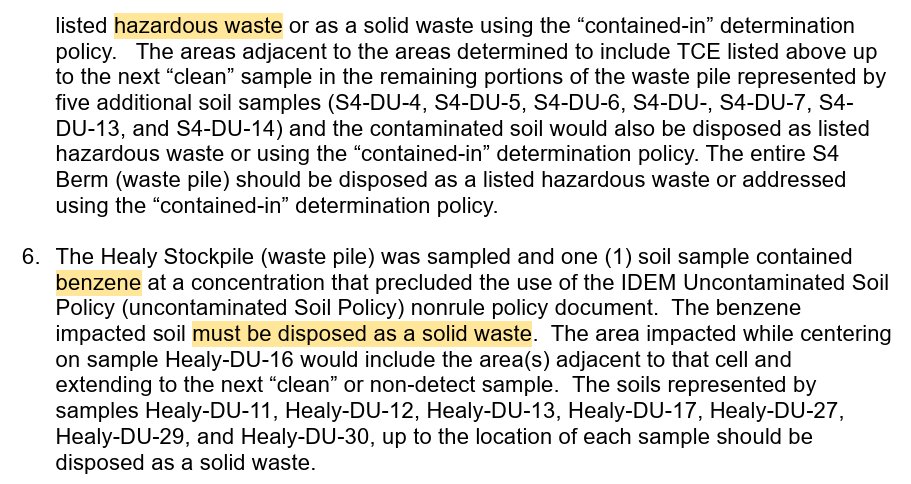
Furthermore, building data centers on brownfields might sound like an appealing solution, but in reality it can result in the spread of legacy toxic contamination, as contractors often cut corners in a race to build quickly / cheaply.
May 6

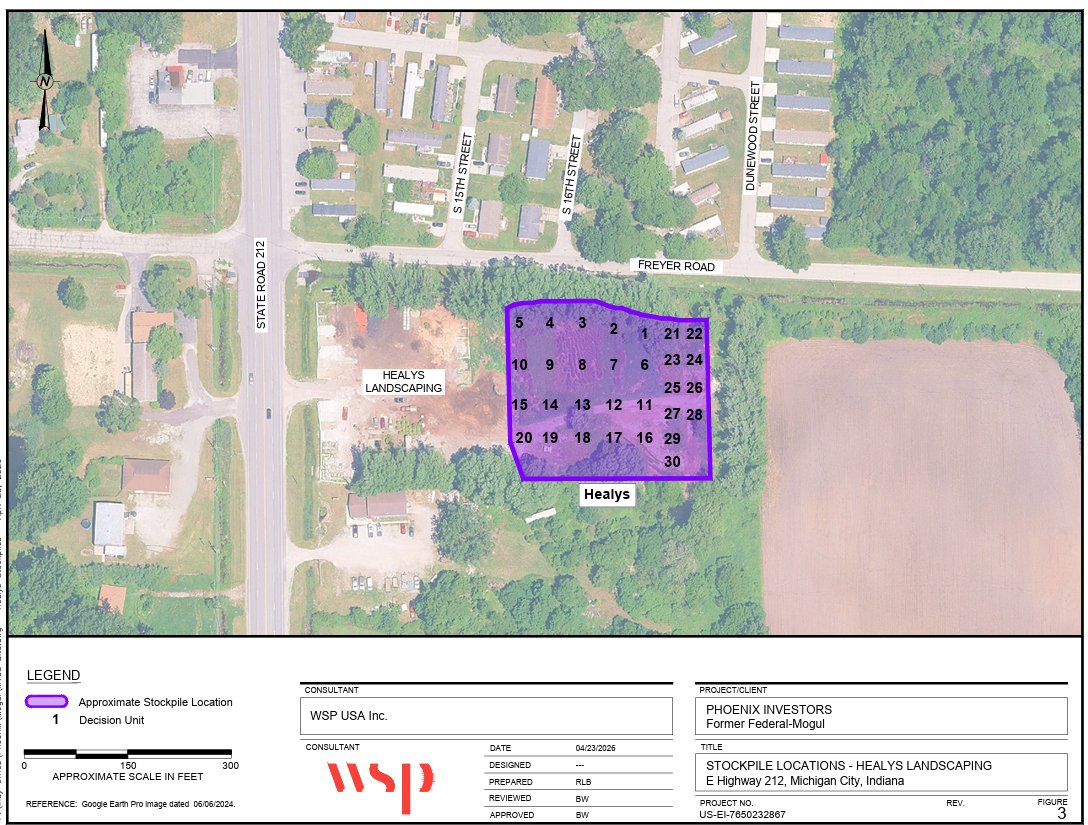
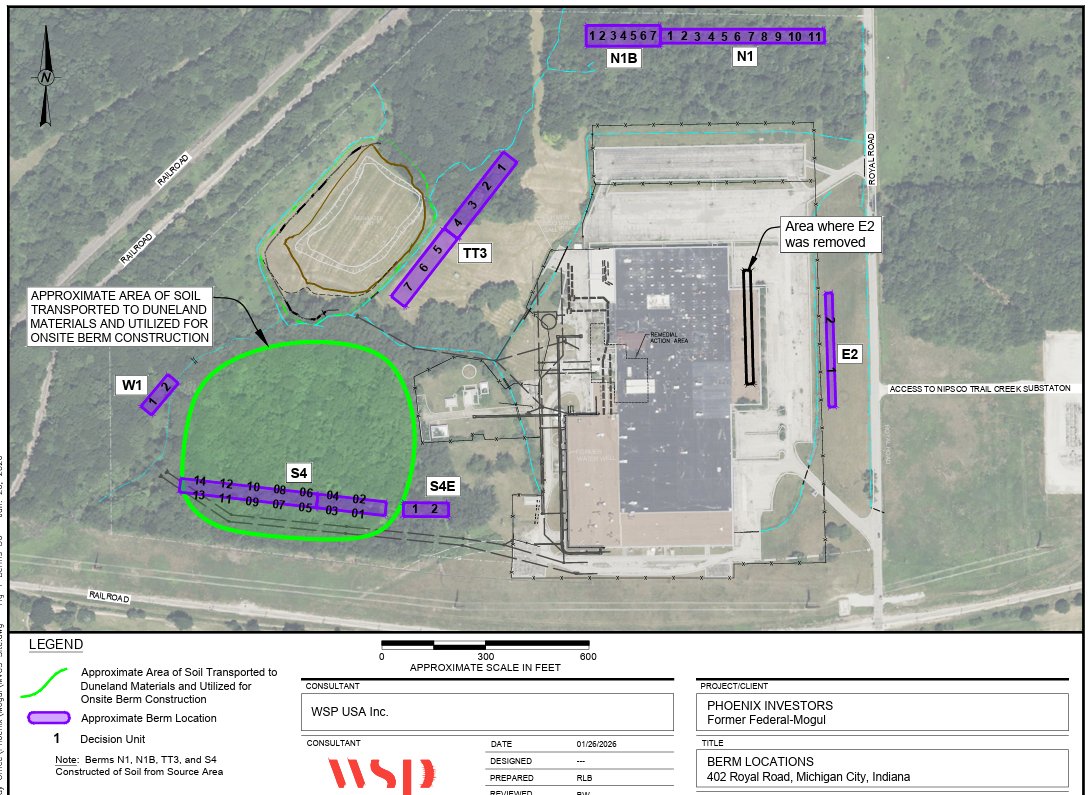
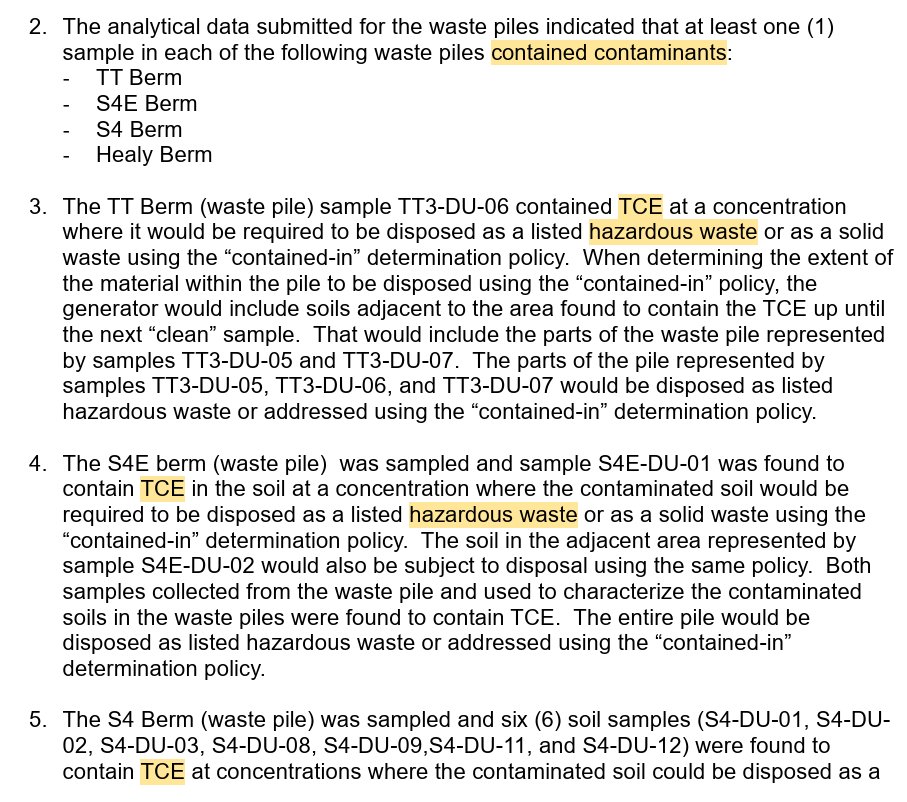
High concentrations of several carcinogens (benzene, arsenic, and TCE) have been found in berms at or soil removed from a Google data center (Project Maize) under construction in Michigan City, IN on a contaminated brownfield site.
1
3
15
649

Jun 11
“We knew the site had potential... What we didn’t know was where to begin.” 🏞️📍
For years, Monroe County Solid Waste Management District officials wondered about the possibility of converting local brownfields into sites for generating solar energy, particularly the 57-acre closed landfill just north of Bloomington.
But after a virtual meeting organized by IU Environmental Resilience Institute (@Prepared4Change), bringing together technical experts and state agencies from around the country to connect Hoosier communities with experts and resources — the real work could finally begin.
🔗Learn more about how the “Brownfields to Brightfields” project came together through community collaboration: hey.iu.edu/uqlEJ
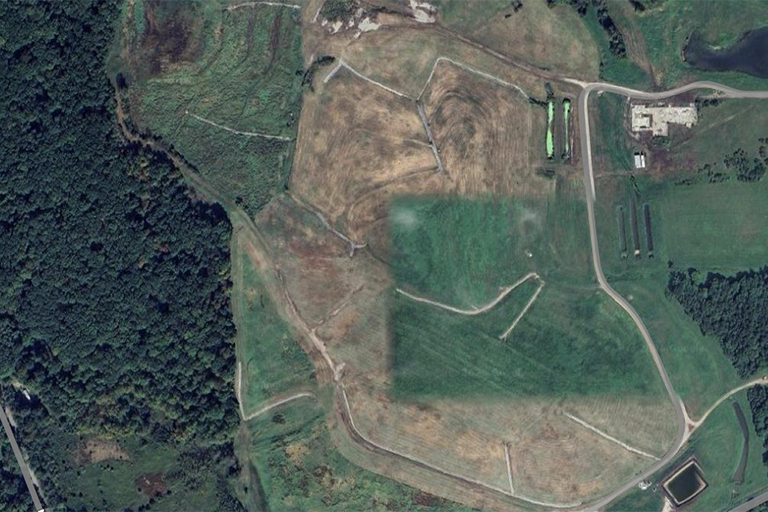
ALT A satellite image of the 57-acre closed landfill just north of Bloomington. For years, officials with the Monroe County Solid Waste Management District wondered about the potential of the site for solar energy.
3
1,999

Jun 11
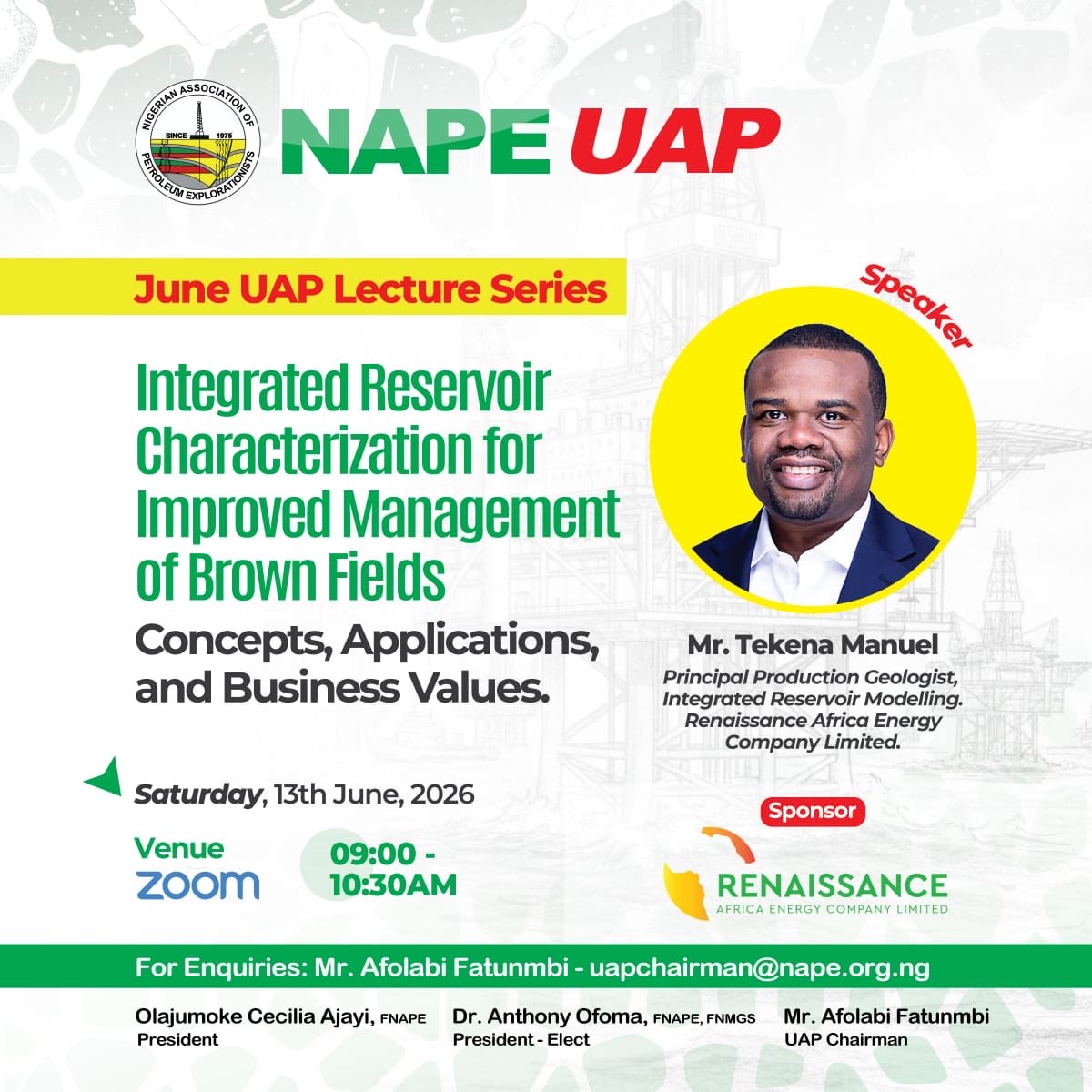
How can integrated reservoir characterization unlock more value from brownfield assets?
Join the #NAPEUAP June Lecture Series with Mr. Tekena Manuel
📅 13 June 2026
⏰ 9:00 AM (WAT)
📍 Zoom
Sponsored by Renaissance Africa Energy Company.
#NAPE #Reservoir #BrownFields
2
47
Jun 11
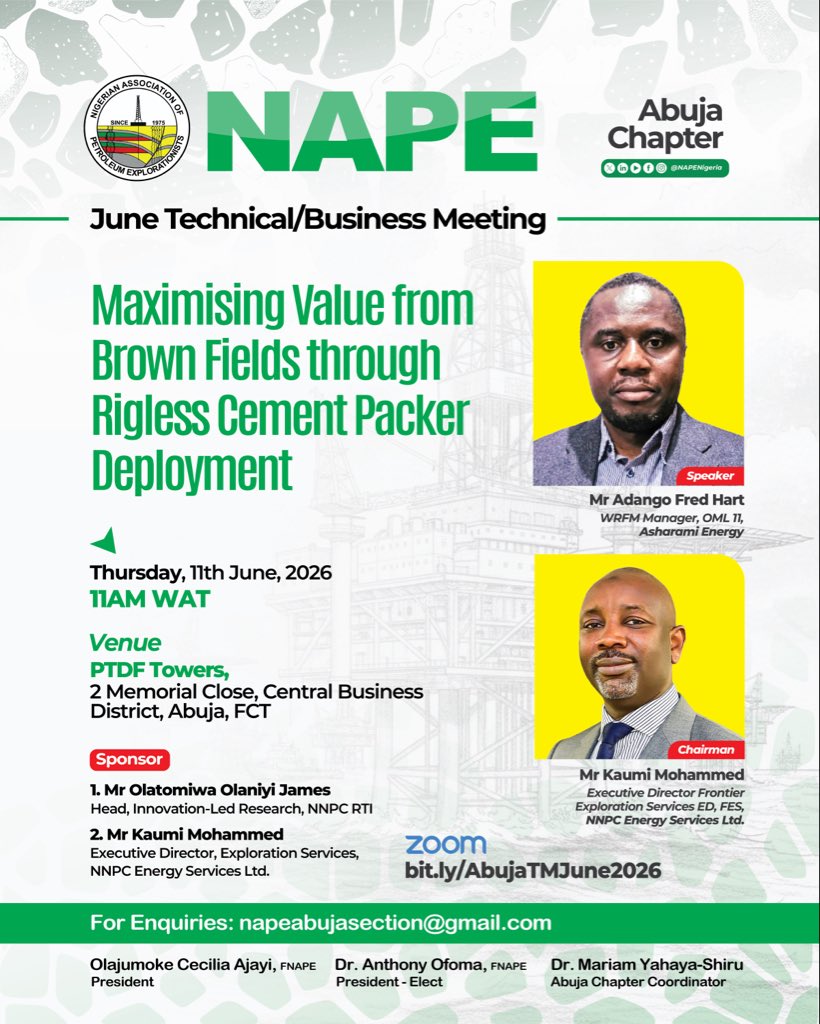
IT'S TODAY!!!
Unlocking more value from mature assets starts with innovation.
Join the NAPE Abuja Chapter June Technical/Business Meeting:
🕚 11 AM WAT
📍 PTDF Towers, Abuja
💻 bit.ly/AbujaTMJune2026
#NAPE #NAPEAbuja #BrownFields #OilAndGas
2
60
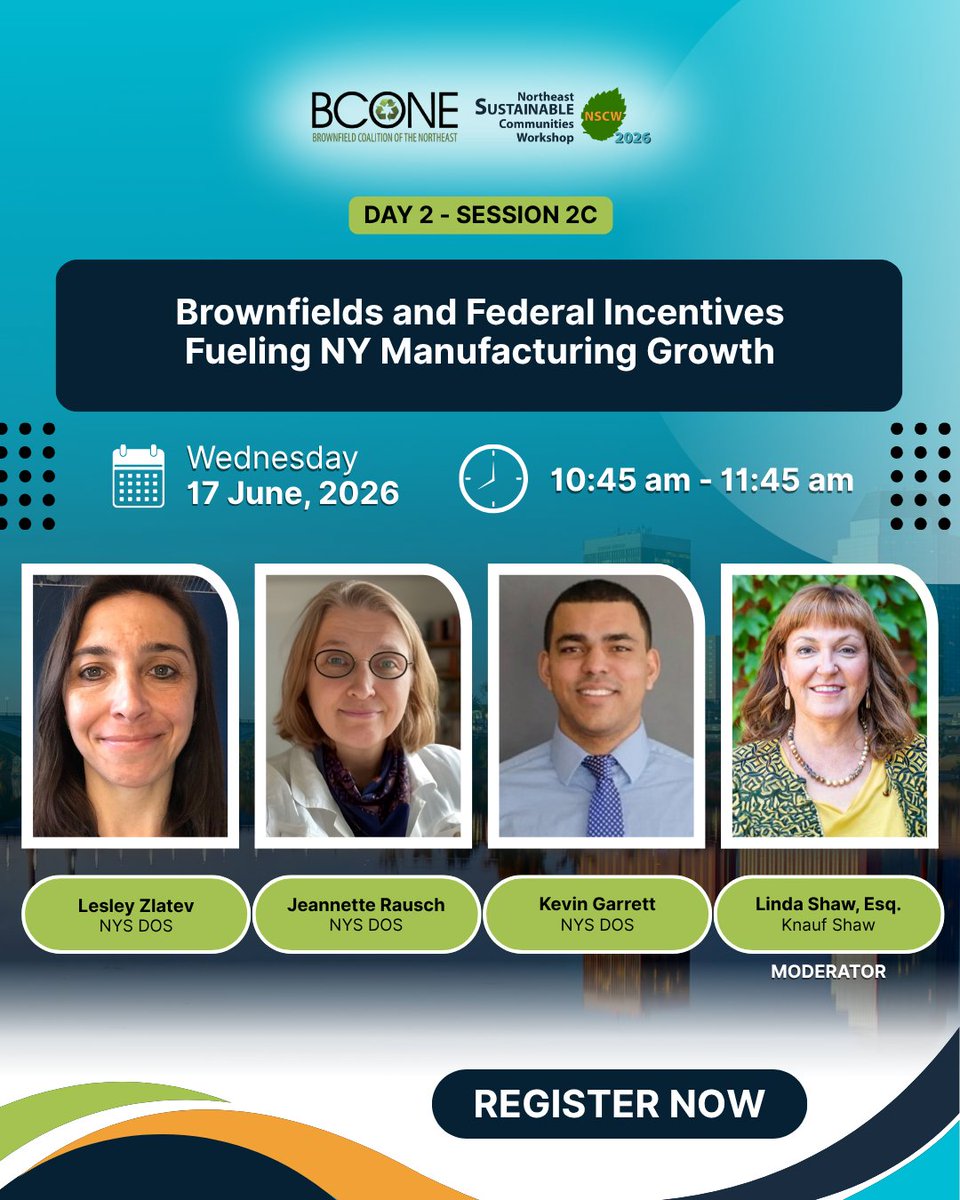
Brownfields are playing a role in the resurgence of manufacturing.
This session explores how incentives and funding can turn complex sites into drivers of economic growth.
📍 NSCW 2026
🎟️ swiy.co/nscw2026registration
2

📌 #Somerville, Massachusetts: Transit-oriented mix-use development building with 450 units of mixed-income housing, 200,000 square feet of commercial building space, and community areas.
🤝 Through federal, state, local, and private partnerships and various cleanup efforts led by EPA, @SomervilleCity, and @MassDEP, this former #Brownfields site was ready to welcome a new era by 2016.
🔗 epa.gov/brownfields/r1-succe…
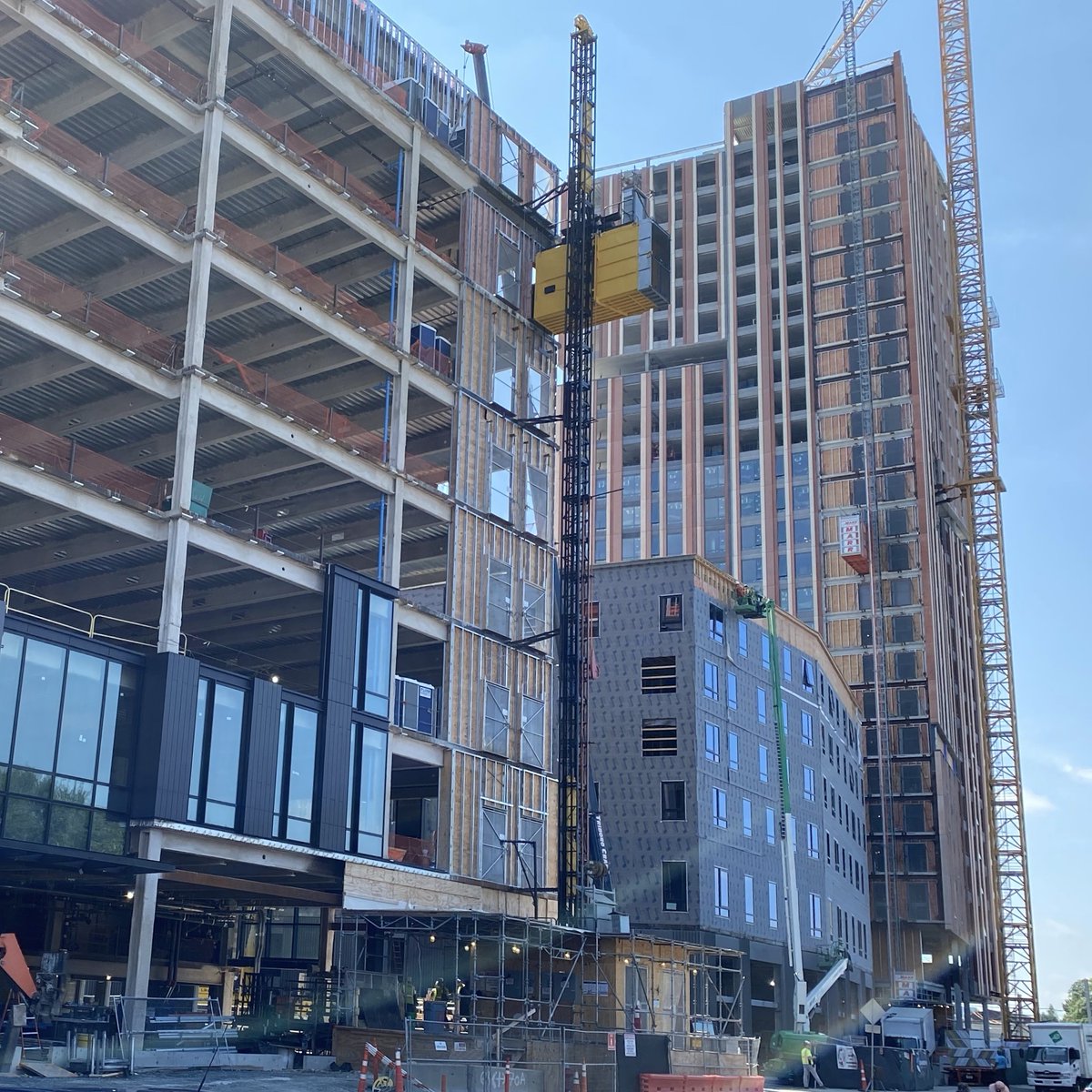
ALT Active construction of multiple large scale buildings with large cranes and some windows being installed on the buildings.
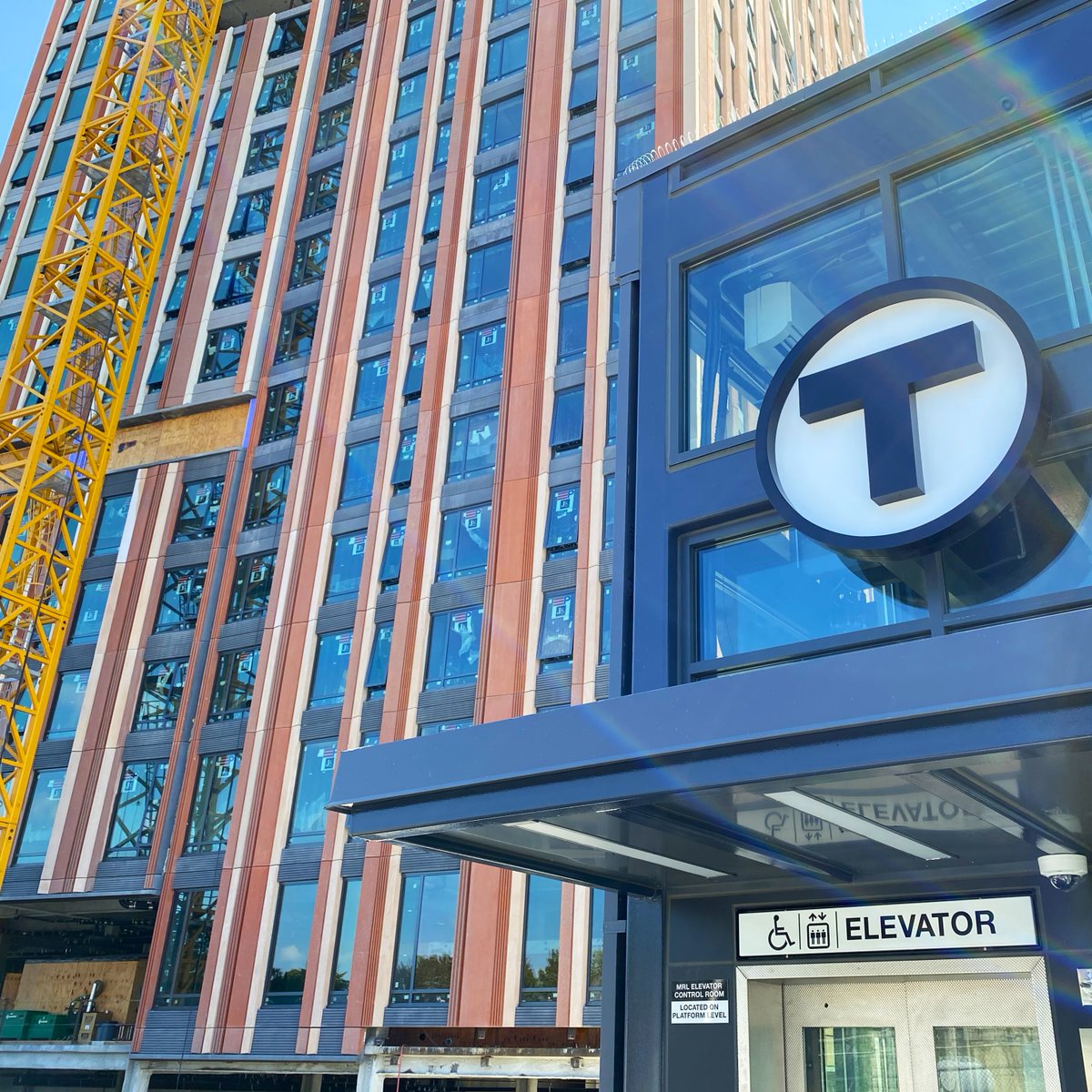
ALT Close up of an MBTA stop in front of a new construction building, with a yellow crane body to the left of the photo.
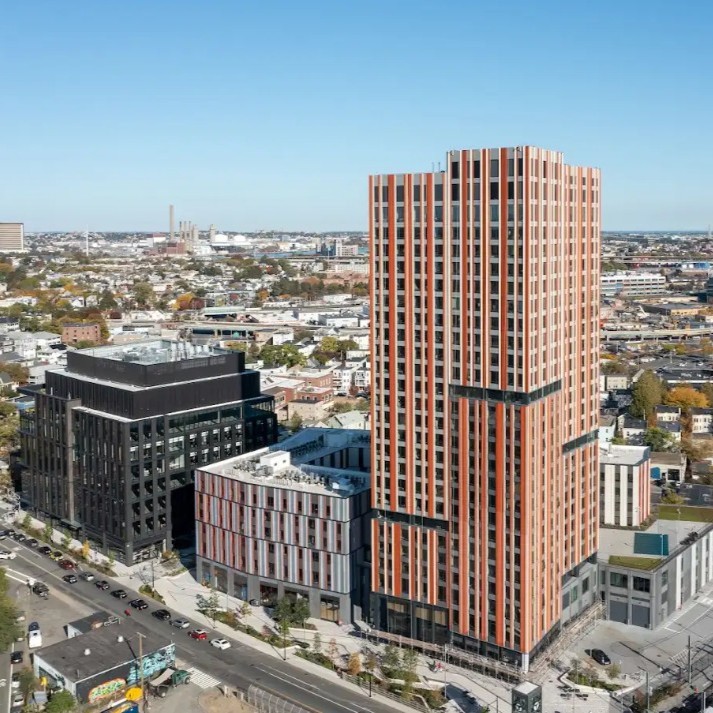
ALT Aerial view of the Somerville, Massachusetts area with three brand new buildings, one with black siding, the middle has a gray exterior, and the tallest building has a orange exterior.
1
80


Jun 10
Copper just printed a record high. The supply side is the real story.
LME stocks at a year low. Chile's output is down around 9%. Morgan Stanley sees a 600,000 tonne refined copper deficit in 2026, the largest in over 20 years.
We're advancing Mt Chalmers, our brownfields copper-gold project in Central Queensland. Definitive Feasibility Study underway.
$QML #CopperDeficit
1
1
40

We have sufficient known coal reserves under the UK to power the nation for 350-400 years. Plenty of time to generate wealth, perfect & build SMRs & introduce roof top solar on brownfields sites, leaving greenfield sites for farming, as well as perfecting urban vertical farming
8
Thomas Jacobs retweeted

Jun 9
We saw this at Amazon too. There are three phases… in the first, you drop robots into brownfields that didn’t anticipate robotic automation. The wins are real, but harder to come by.
The second, you put robots into spaces that anticipated automation, easier with bigger results. The third phase, you design the operation to maximally exploit the robotic automation.
Amazon’s Gen12 building in Shreveport is an example of the third phase. Amazon claimed a 25% productivity improvement and 25% speed improvement over the next best building.
The advantages always compound as you learn to even better leverage new technology.
We talked about this 30 year cycle in my recent podcast with David Mindell.
Jun 8

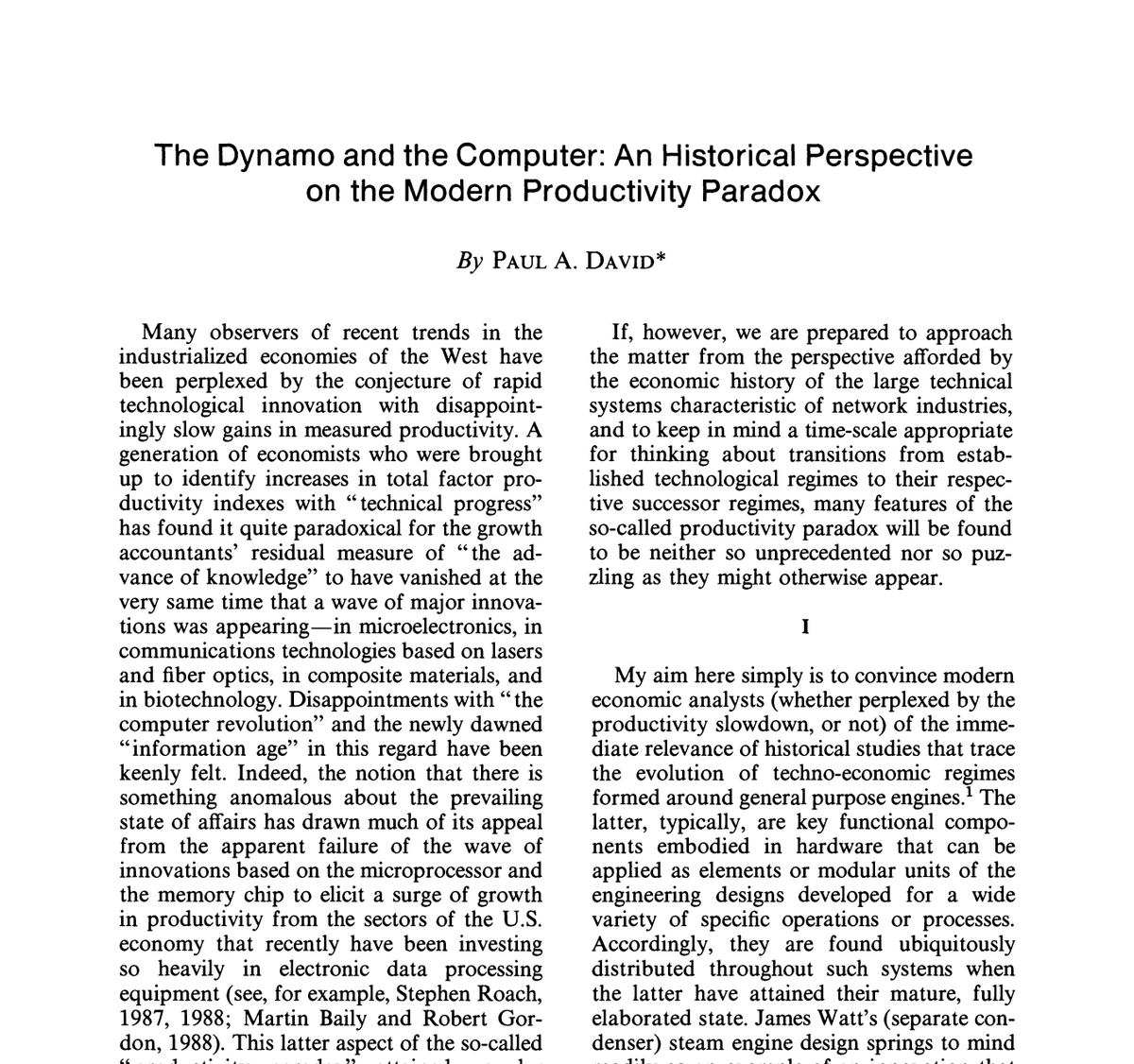
If you've adopted AI at your company but haven't seen any tangible results, read this 1990 article: "The Dynamo and the Computer" by Paul David.
When electricity first arrived, factories that "adopted" it barely got faster. They just swapped the steam engine for an electric one and ran everything else exactly as before: same machine layout, same workflow, same management. Electricity in, no real gains out.
The most common mistake with any new technology is to drop it into the old organization and then declare the transformation done.
The real leap came decades later, when each machine got its own small motor. Suddenly machines no longer had to be lined up around one central drive shaft. They could be rearranged around the actual flow of work.
The productivity gains didn't come from electricity. They came from REDESIGNING THE ENTIRE FACTORY around it.
AI is the same. Bolting it onto your existing process gets you a faster steam engine. The payoff comes when you redesign the work itself.
(link to paper in comments)
1
3
1,283
Jun 10
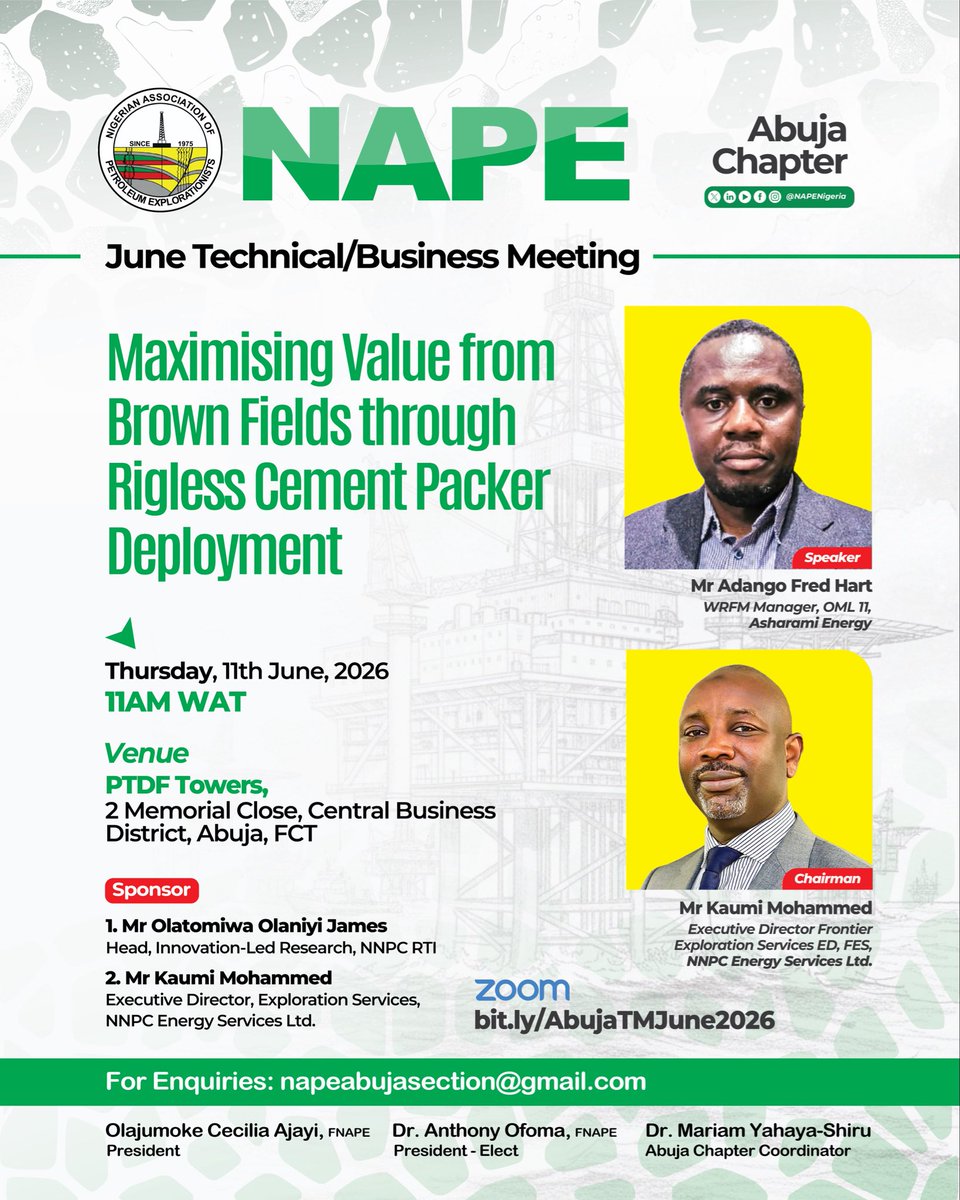
Unlocking more value from mature assets starts with innovation.
Join the NAPE Abuja Chapter June Technical/Business Meeting on:
📌 Maximising Value from Brown Fields
📅 11 June 2026
🕚 11 AM WAT
📍 PTDF Towers, Abuja
💻 bit.ly/AbujaTMJune2026
#NAPE #NAPEAbuja #BrownFields
62

We need the data centers, we need them to replace urban blight and brownfields
Both are true
16