
Apr 29
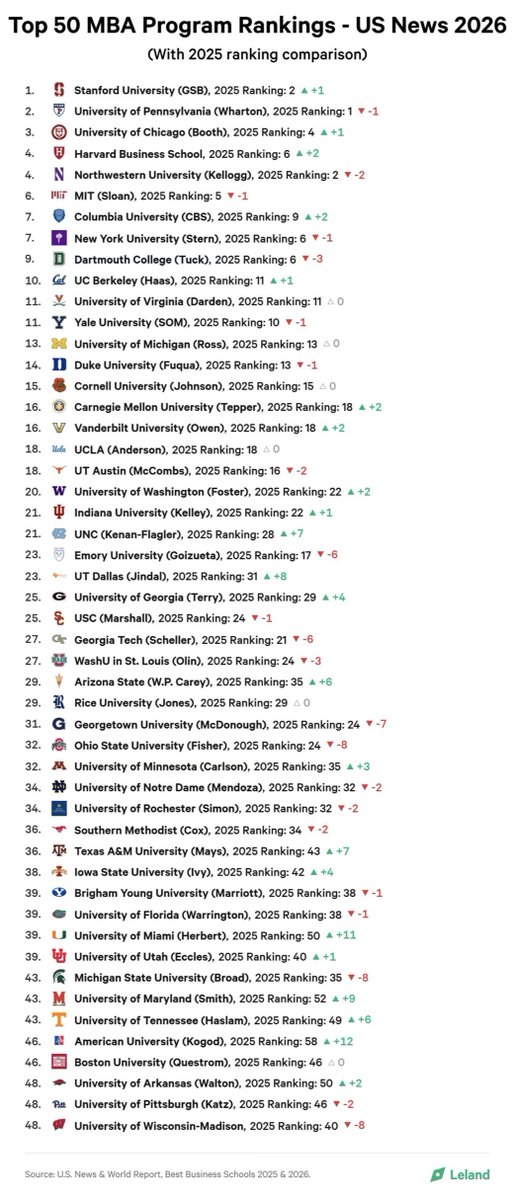
Liban Mohamed graduated from a top 5 school on this list. And you called him a “get rich quick” DEI hire who’s an immigrant and hated the constitution (all lies)
You’ve yet to back ANY of that up. Still waiting for you to apologize.
Do you have that in you? Admitting faults?
1
1
40
352

Not even US News could pick a side of the rivalry.
Y and U both at 39 😂
1
2
204


Apr 28
Thought they'd be higher with how good their entrepreneurship and accounting programs are.
3
5
581

Apr 28
Jonathan do you ever get tired of kissing everyone’s ass?
1
3
329

Apr 28
Shoutout to @BYU and @BYUMarriott for being ranked as one of the elite business schools in the US.
Go Cougs!
14
9
278
16,714

Feb 2
🔗: bit.ly/4rrQq9l
Debate about the political independence of the Federal Reserve, highlighted over the past year in large part by President Donald Trump’s haranguing of the U.S. central bank over interest rate policy, continued this week after the president named Kevin Warsh as his choice to succeed current Fed chairman Jerome Powell.
Today’s debate over the design and purpose of the Federal Reserve mirrors, in many ways, challenges that arose amid conditions wrought by the Great Depression, namely, can the Fed act in the long-term economic interest of the nation if its decisions are subject to political pressure?
That was certainly on the mind of Utah Banker Marriner Eccles as he assumed the helm of the Fed in 1934, a time that found the U.S. central bank in a sorry state of fragmentation and weakened by its undue deference to the U.S. Treasury Department. Eccles is widely credited with establishing the modern-day version of the U.S. central bank.
In a Deseret News interview, @BYUMarriott professor and former Federal Reserve economist @JasonKotter explained why keeping politics out of monetary policy is crucial for the country’s economic stability and how important a role Eccles played in establishing the central bank’s independence.
Read more about the Federal Reserve, Eccles and the interview with Kotter at the link above.
✏️: @DNTechHive, Deseret News
ALT What happens to the U.S economy if the Federal Reserve loses its independence? Utah banker Marriner Eccles is widely credited with establishing the modern-day version of the U.S. central bank. A BYU professor explains why that is still important.
4
1
3
706

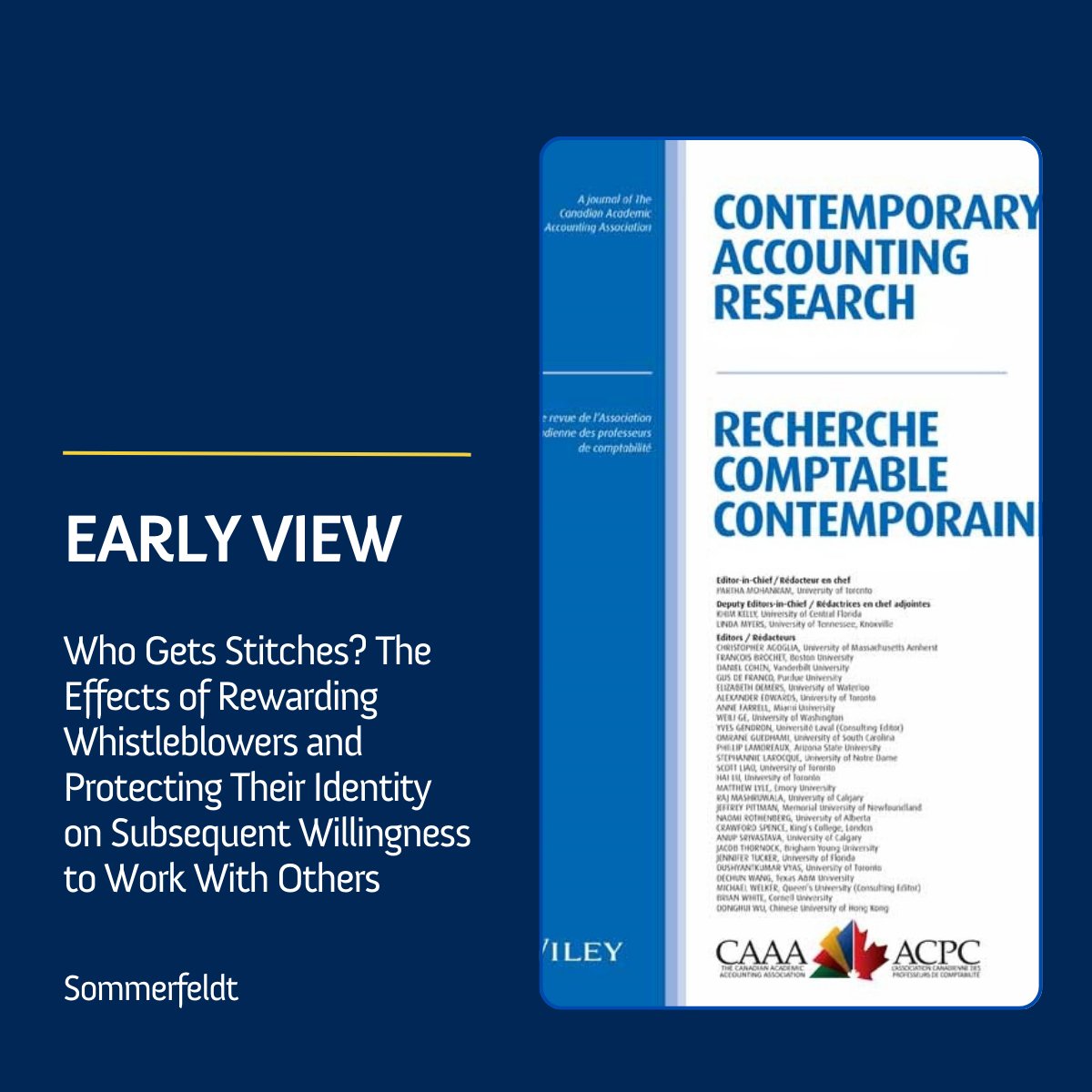
🔍New research spotlight: Who gets stitches?
Whistleblowing programs are essential to detect and deter misconduct—but how do they shape workplace relationships after a report is made?
👉onlinelibrary.wiley.com/doi/…
✍️Sommerfeldt (@BYUMarriott, @BYU)
#Whistleblowing #Ethics
2
127

7 Dec 2025
Internal Hamas Documents Reveal Terror Group's Infiltration of UN-Affiliated Aid Groups in Gaza
Including so-called soup kitchens @BYU @BYUKennedyCtr @BYUMarriott freebeacon.com/israel/intern…
3
2
155

10 Oct 2025
They just have to get into the right small private school. My son just got into the finance program at @BYUMarriott
650 applicants, 250 made it.
He didn’t even apply for it, but they gave him a 50% tuition scholarship, based on his grades. So he had to pay $1700 a semester. lol.
4
527

2 Oct 2025
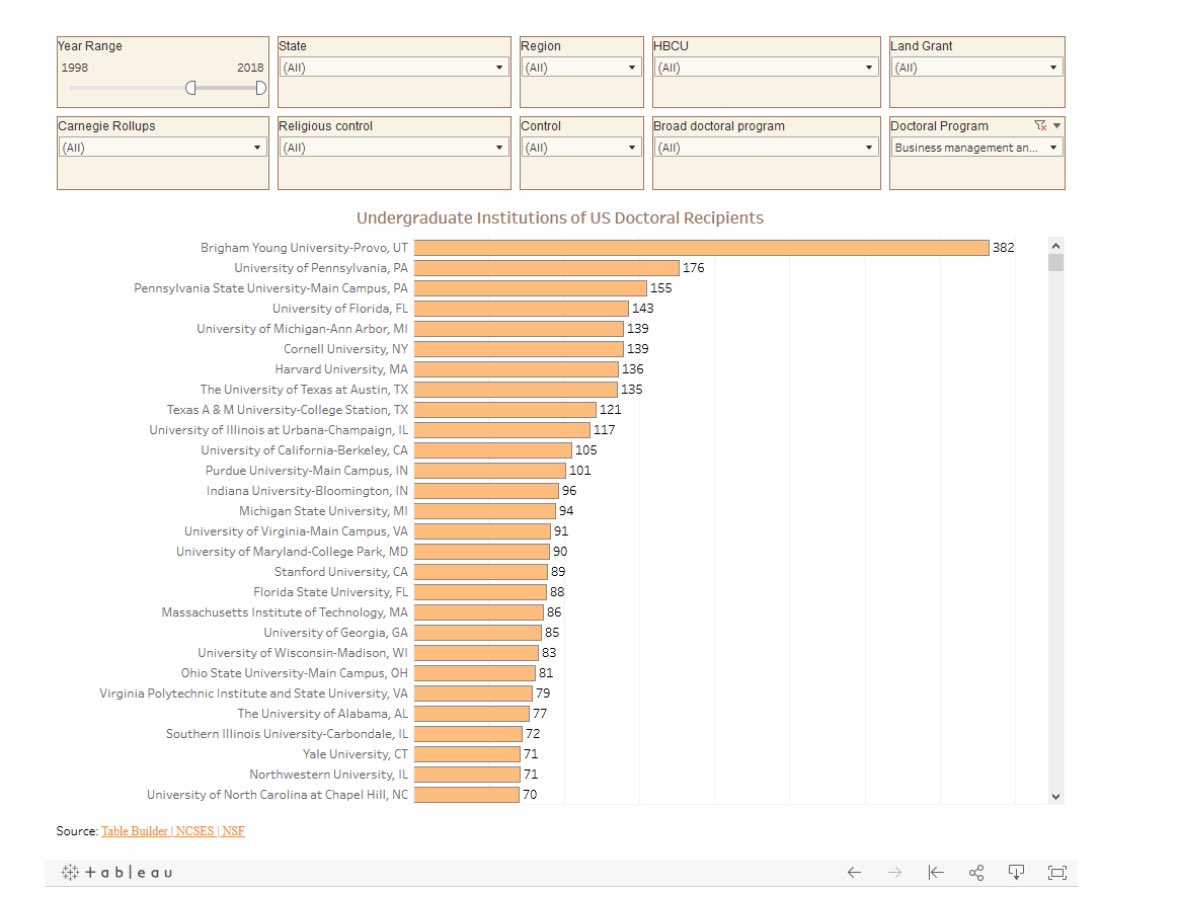
the byu econ department has a long history of sending students to top phd programs (and hiring them 6 years later)
3
115

2 Oct 2025
One contributing factor is that @BYU has an excellent economics department @BYUecon , which is also very good at preparing students for graduate school (speaking from experience). The @BYUMarriott school is of similarly high caliber.
27 Sep 2025

there are actually lots of brilliant mormon intellectual-types. we just funnel all of them into econ, finance, and business PhDs for some reason
1
6
553

6 Sep 2025
@BYU @BYUMarriott
are you still buying WSJ subscriptions for the students? Let’s not support companies that hate us.
Not to mention there are many better options for business news today such as @bloomberg & @FT
@georgia_wells @WSJ
2
9
185

31 Aug 2025
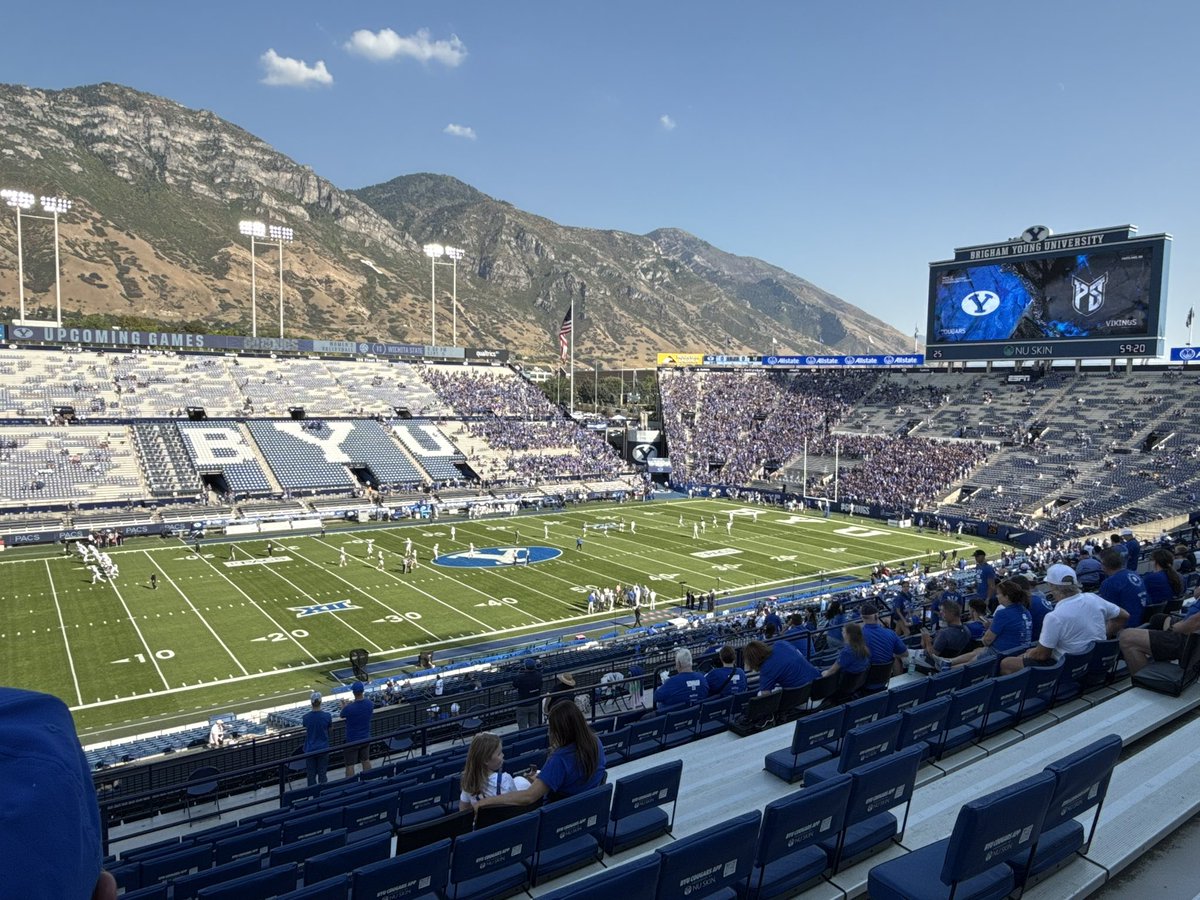
Years after entering this stadium for the first time as a freshman in the @BYU Marching Band, I have entered it once again as a student. This time…pursuing a degree I never thought I would pursue.
So grateful to be a member of the @BYUMarriott MBA Class of 2027!!
@BYUfootball
#GoCougs
#NeverStopLearning
#EnterToLearn
#GoForthToServe

1
6
400

19 Jun 2025
The Corporate AMT Raises Little Revenue. Rescore And Repeal It., 187 @TaxNotes Fed. 1431 (May 26, 2025) bit.ly/3SYcIjJ
by Mason Ethington (@BYUMarriott), @JeffLHoopes (@UNC) & Jacob Thornock (BYU)

1
3
1,721
4 Jun 2025
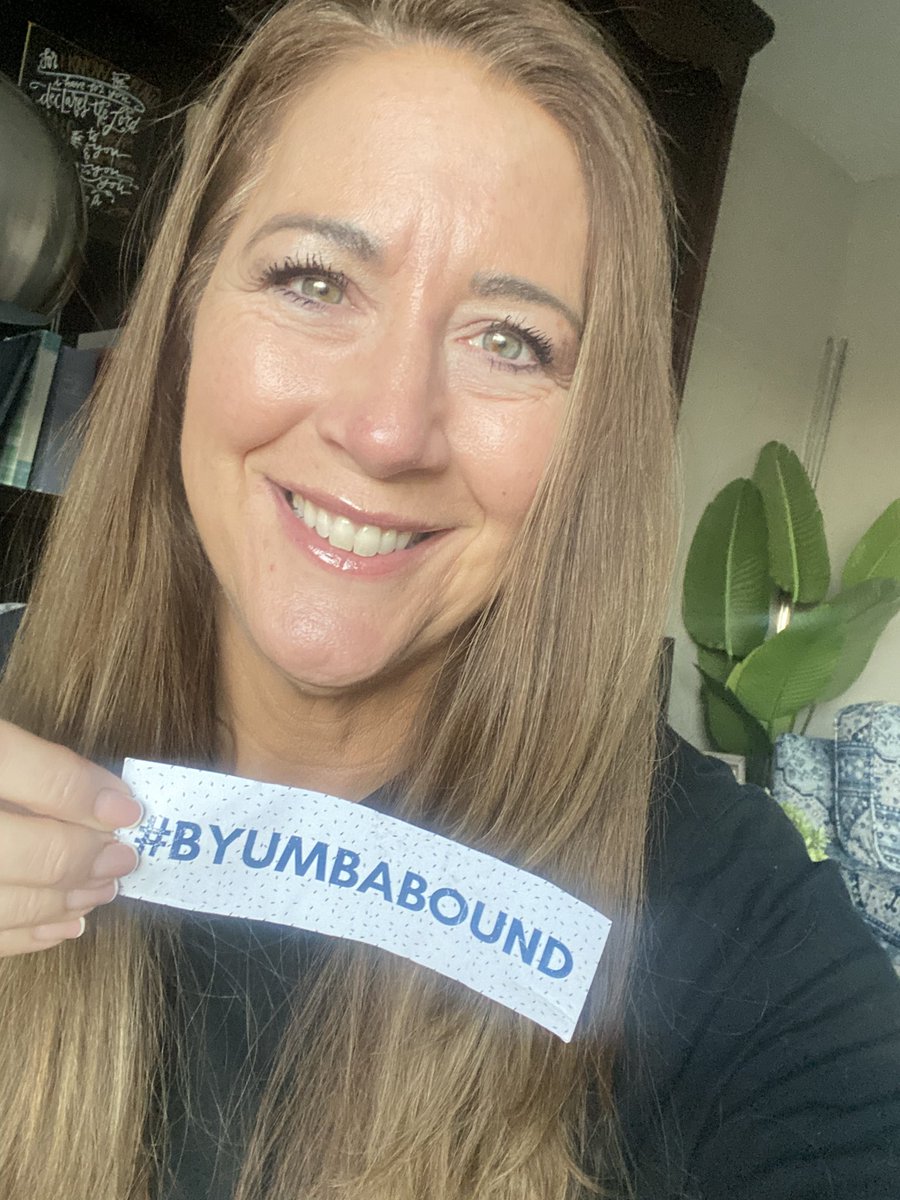
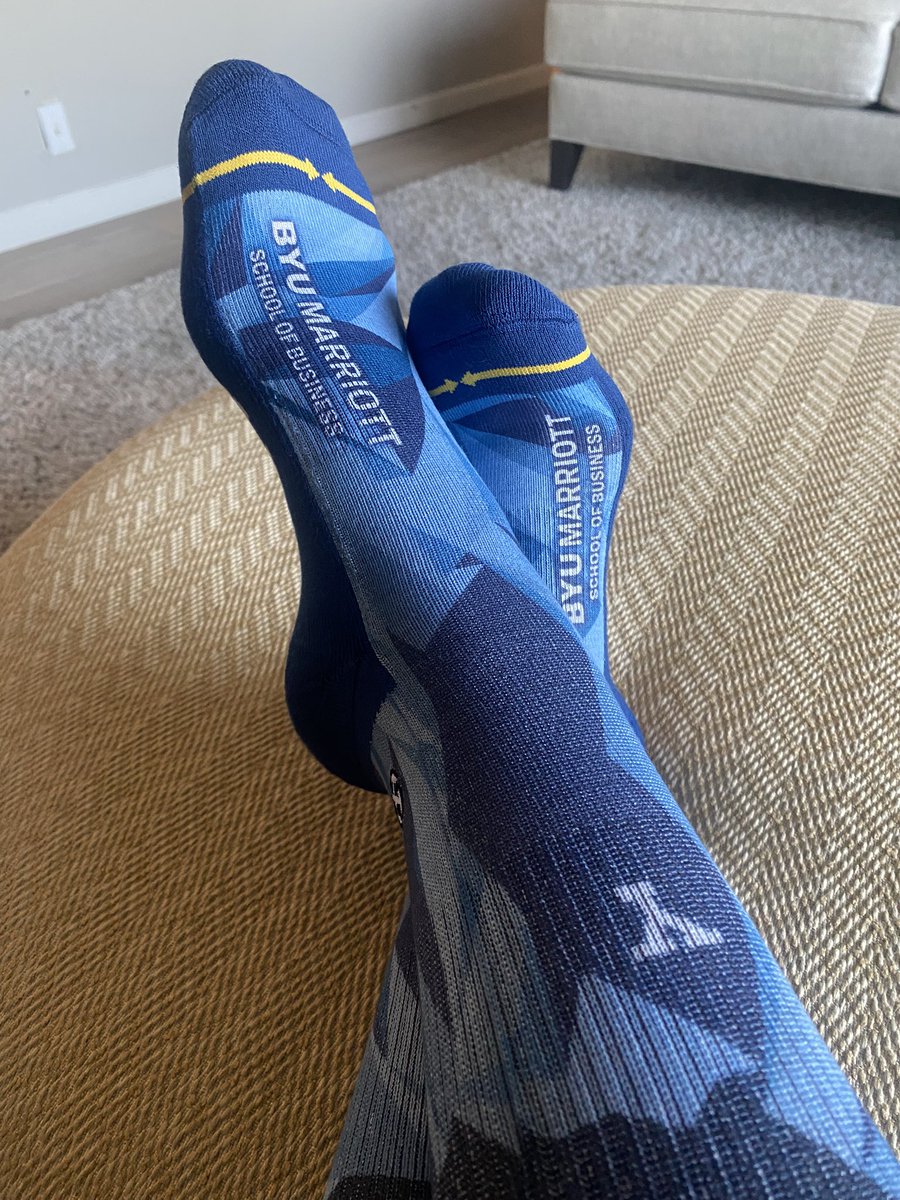
Celebrating my birthday in a special way...announcing my acceptance into the @BYUMarriott EMBA program!!
I can't wait to learn from and with my fellow students as we work to chase impact by leading and serving in our families, our industries and our communities.
#BYUMBABound
2
5
286