
May 10
This is McElhanney's CANstruct called "Maple Rocket: The Prairie Powerhouse", that won Structural Ingenuity.
Enter YOUR vote at the link below for People's Choice until Monday! Thank YOU! #yeg #edmonton #CANYEG
loom.ly/5xC59Ks

3
105

Eastern Australia Agriculture ($80m Watergate sale)
Paladin and Canstruct
Tandou station (ghost water)
Austal
BAE frigates
Synergy 360
Thales
Leppington Triangle
Sports rorts
$bn Morrison govt discretionary "spreadsheet" grants progs
Helloworld
...
Just *crickets* from the NACC

250 staff. $65 million per year. Almost three years operating. Over 6000 referrals. Not a single public hearing.
Not a single major corruption finding.
thepoint.com.au/opinions/260…
18
287
570
9,457

Just like we needed our Ford and Holden cars but yes the LNP closed them down just like our 4 refineries.... we can't help the stupid Wreckers of the country ... you forgot you told us poor people don't drive cars #auspol #Palladin #SportsRorts #AllanTudgeAffair #Canstruct
2
18
187

Apr 20
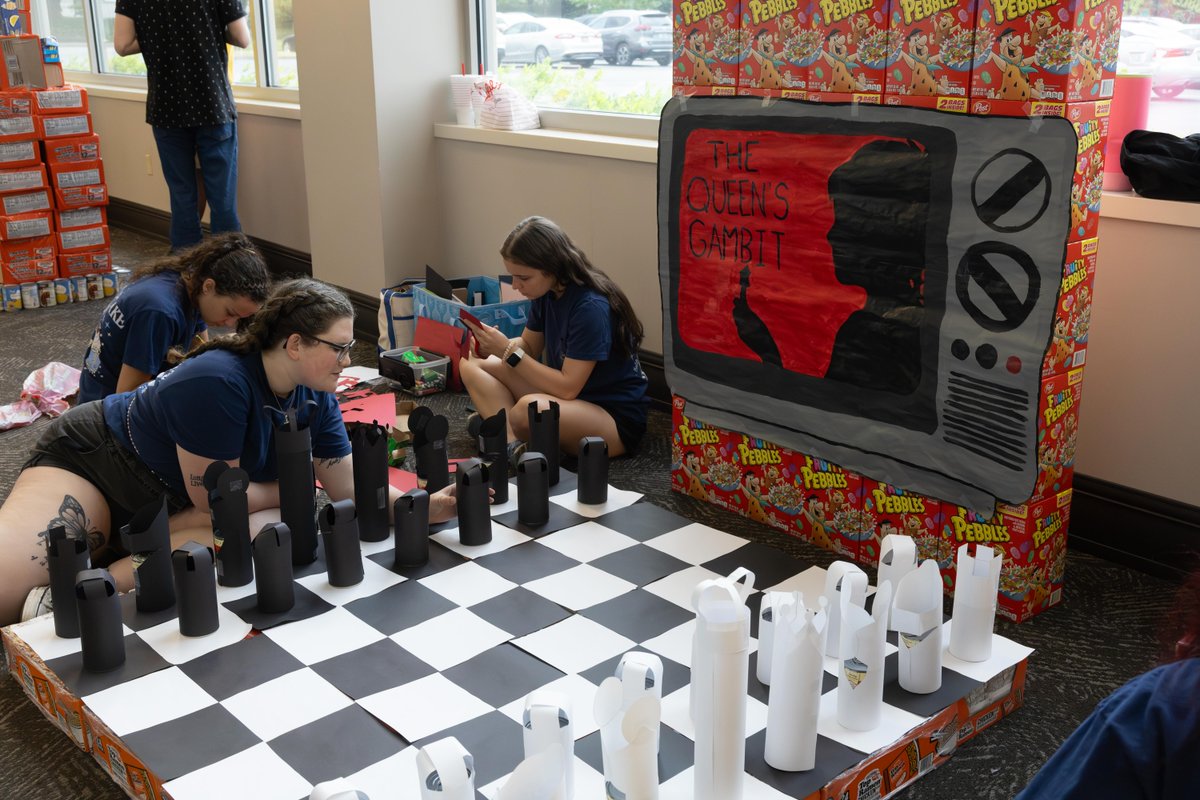
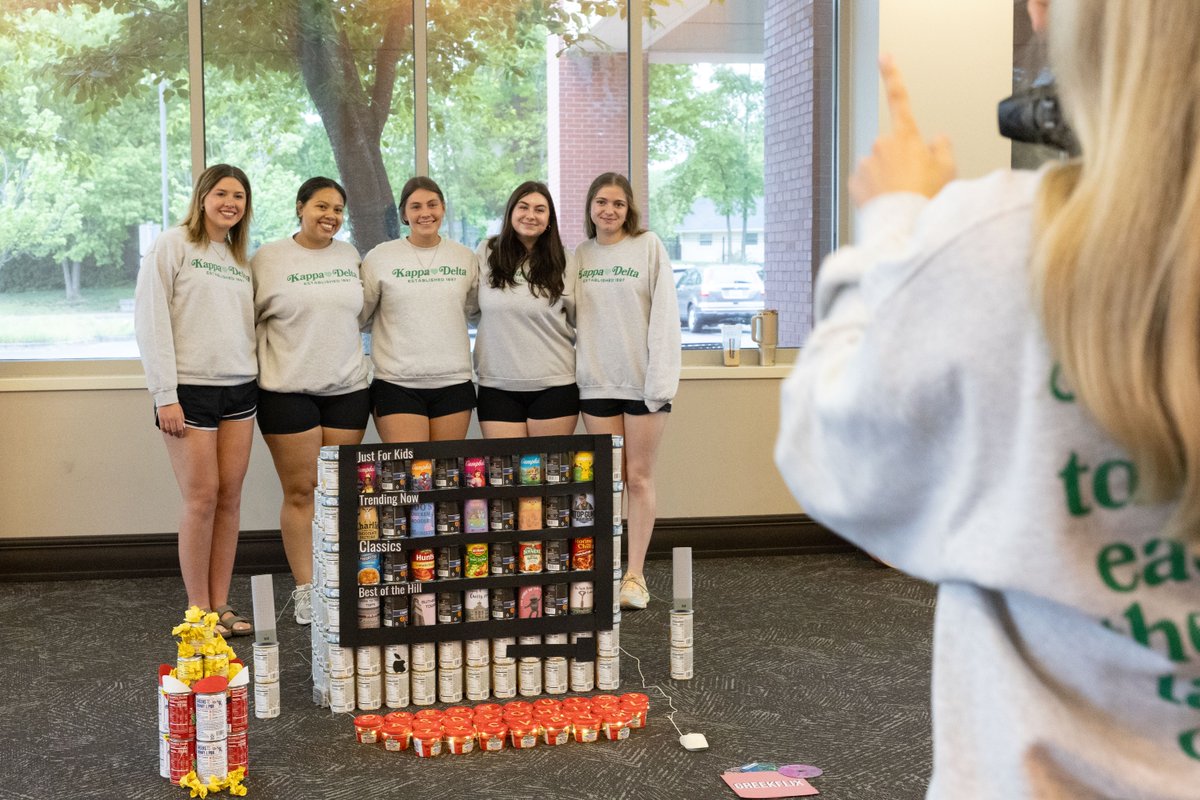
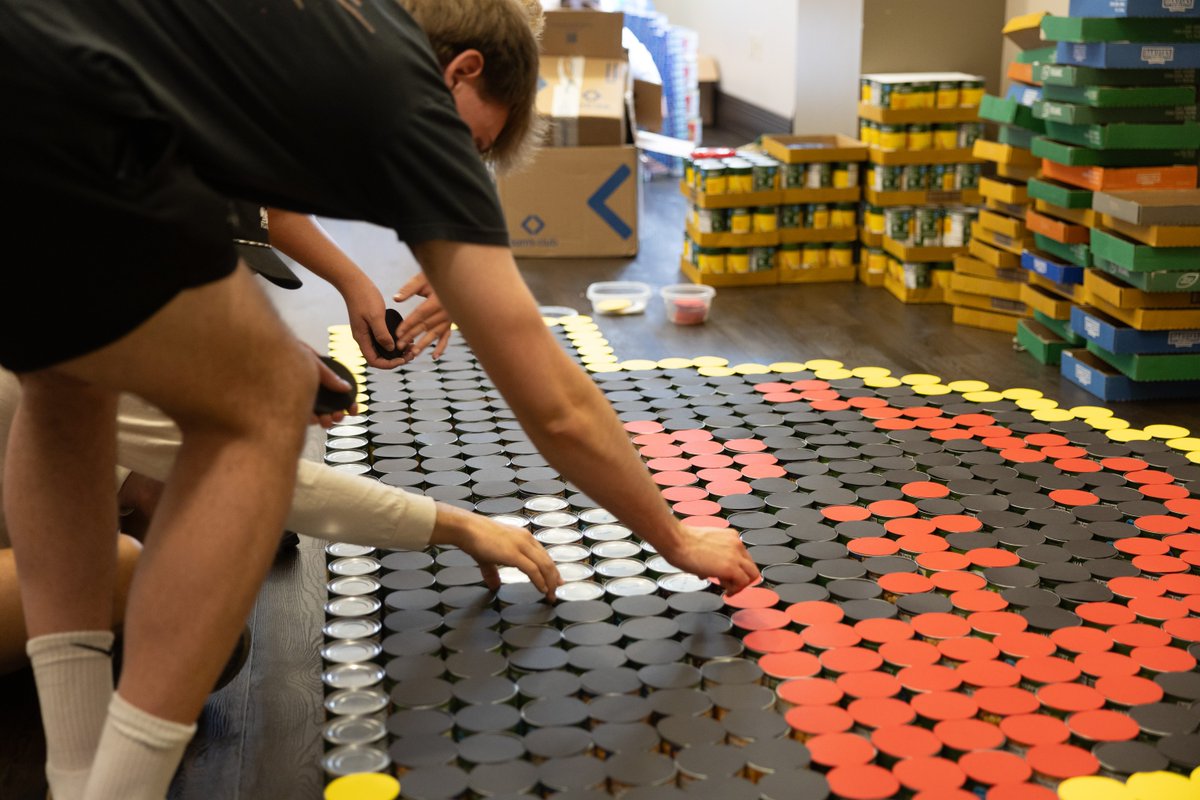
What an incredible outcome for the annual Canstruct event!🥫
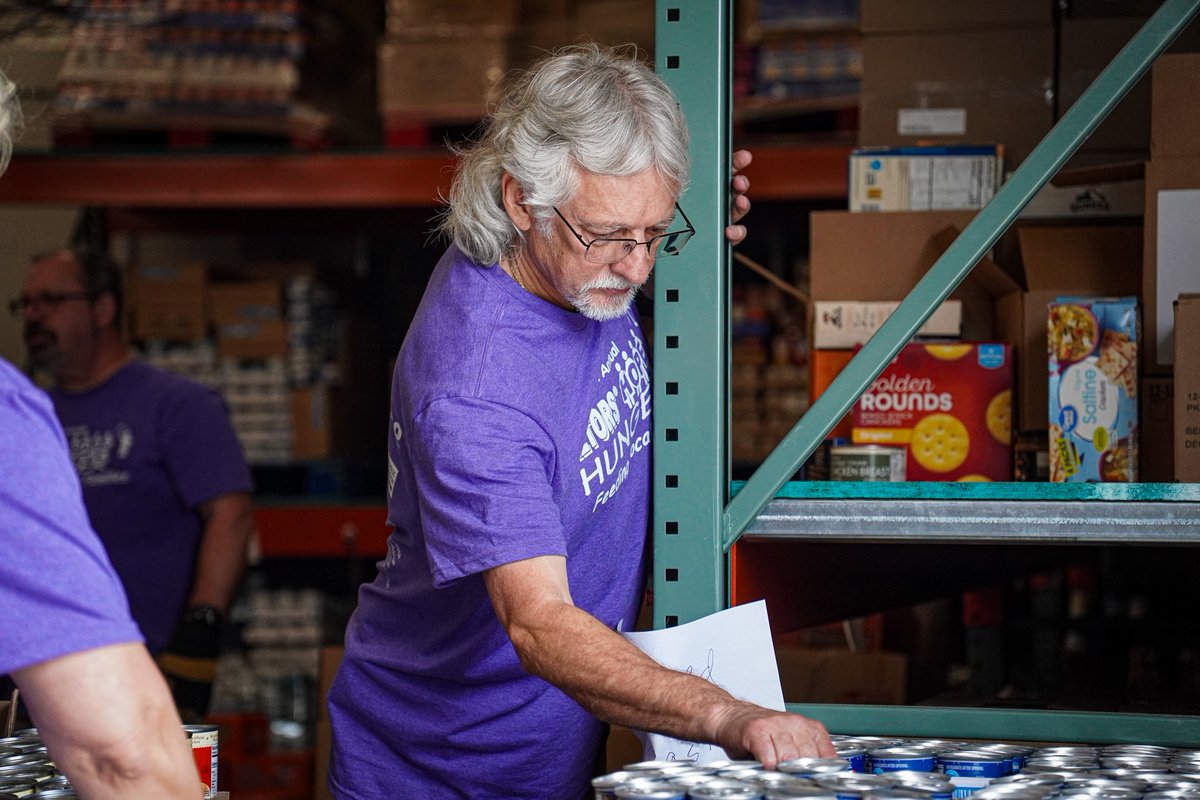
Students collected and sorted approximately 55,424 food items for House on the Hill, continuing a decade-long tradition of service through WKU Greek Life.
With lifetime contributions surpassing 700,000 items over ten years, the impact continues to grow. WKU Greek Life has worked with the BG Realtors Association over those years, as they help with distribution.
Through the food donations and Canstruct competition, fraternities and sororities helped raise awareness for food insecurity and supported local families in need.
Read more at WKU News: bit.ly/4cCcUyq
#WKU #GreekWeek #Canstruct
2
3
747
Albury Wodonga residents think your just a filthy habitual lying thief stealing 10s of millions of $$$$$ of hard earned taxpayers money the whole LNP and PHON are all thieves and just full of lying announcements #auspol #Palladin #RobodebtRC #Canstruct #Pezzullo #AllanTudge
5
77
I bet you want to teach them how to rob the Australian Government! Not a few $dollars but tens of millions of $dollars at a time ... its water off a ducks back great move well done ya thief #auspol #Palladin #Canstruct #Pezzullo #AllanTudge #WhoPaidPorter #SportsRorts
3
53

Feb 16
That funny because Scott Morrison gave money to the same region group, that Labor did, but with your divide standards only Albanese should be arrested 😂😂😂😂
It’s funny LNP voters only have morals when if comes to Labor, but their morals go out the window when it comes to their beloved Coalition party
Scott Morrison gave millions to a paedophile church Hillsong, if that wasn’t bad enough then Morrison carry a paedophile coffin being George Pell at his funeral
And there more
•Radiance International: A damning review found the Department of Home Affairs failed to do proper due diligence when awarding a $9.3 million contract in 2018 for offshore detention services to this company, despite Australian Federal Police (AFP) warnings that its owner was under investigation for bribing Nauruan politicians.
•Canstruct Pty Ltd: This company was awarded over $1.4 billion in contracts to run offshore asylum seeker processing facilities, with reports noting it was a donor to the Liberal Party and secured contracts without competitive tenders.
•Helloworld Travel: The Morrison government awarded more than a billion dollars in travel contracts to this company, whose CEO was at the time the treasurer of the Liberal Party.
•Indue: The government awarded $70 million in contracts for a cashless welfare card program to this company, which had a former Nationals MP as a major stakeholder.
•Leppington Triangle Land Purchase: The Department of Infrastructure purchased land in Western Sydney for $30 million that was later valued at only $3 million. The land was bought from a family that had donated to the Liberal Party.
•Sports Rorts Scandal: The Nationals Minister Bridget McKenzie's office was found to have used a spreadsheet to direct $660 million in community sports grants to marginal seats targeted by the Coalition, bypassing advice from the department.
•Sayers Group: A firm secretly owned by a business partner of former minister Mathias Cormann was awarded a $1.648 million contract.
Any Prime Minister that should be arrested it should be Scott Morrison
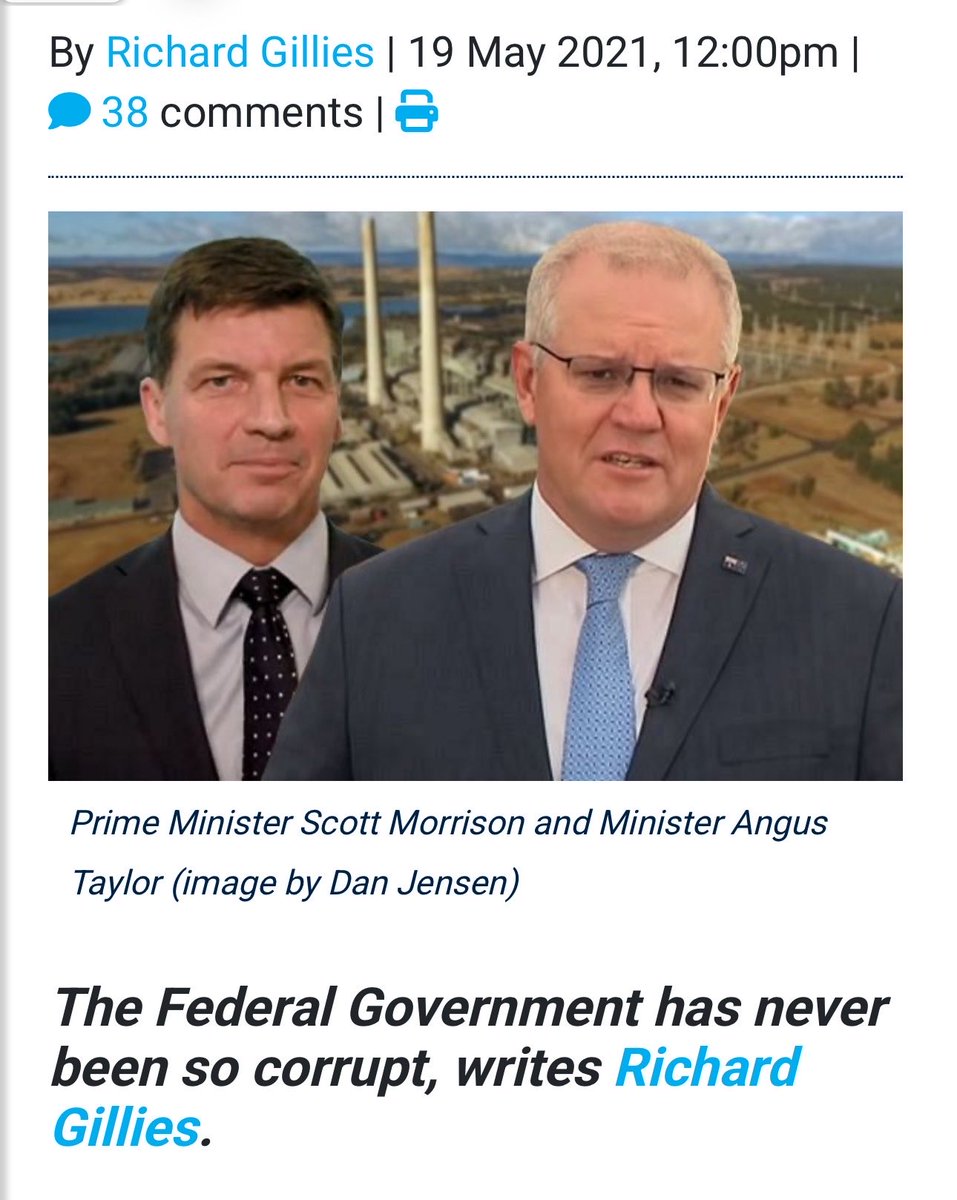
Corruption thrives in Federal Government as media turns a
blind eye
1
2
27
This will destroy the Liberals outright youse have no plans because your just fkn thieves #auspol #Palladin #Canstruct #RobodebtRC #SportsRorts #WhoPaidPorter #Watergate #WhoPaidPorter #ScottyFromMarketing #AllanTudgeAffair #StuartRobert
5
28

27 Nov 2025
Are we surprised?🤷♀️ After all that we know about this rotten policy offshoring, the #NauruFiles #Canstruct and more. This is the 3rd round of Pacific NON Solution time and again, ever since Keating the #ALP actively fosters the business in abuse that is immigration detention.
1
2
32

11 Nov 2025
Dutton was up to his neck in those shenanigans - Also helped give Brisbane builders Canstruct into a behemoth with wealth beyond their dreams of avarice
3
46
10 Nov 2025
#Nauru - abuse and corruption, already documented by the #Nauru files, continued and expanded by the Albanese Government. Instigated by he who shall not be named and many there even before #Canstruct.
Bikie gang running the business in abuse for AusGov?
youtu.be/9hvxVzX0NDI?si=s8h0…
3
4
316

10 Nov 2025
Good, needs to go back to Dutton, Paladin and Canstruct as well
1
4
41

9 Nov 2025
Come on down Peter Dutton.
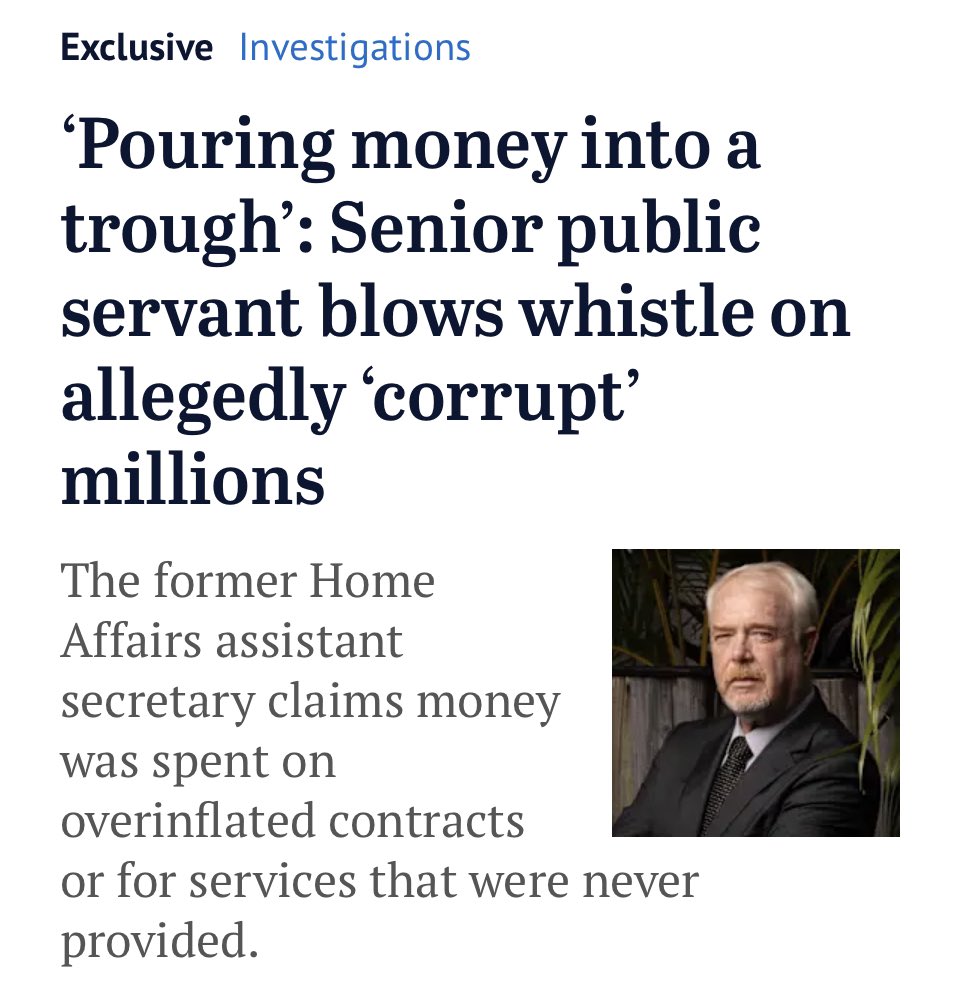
“There was a very strong culture within that Home Affairs regime at the time where questioning the decisions to keep things going in Nauru would not be conducive to your employment." #canstruct #auspol
smh.com.au/national/pouring-…
13
20
348

9 Nov 2025
The story was about bikies employed by Safe Hands which Nauru govt appointed to run security for asylum detainees (somehow intimating Labor appointed SH). Then talked about Canstruct contract.
1
3
205
9 Nov 2025
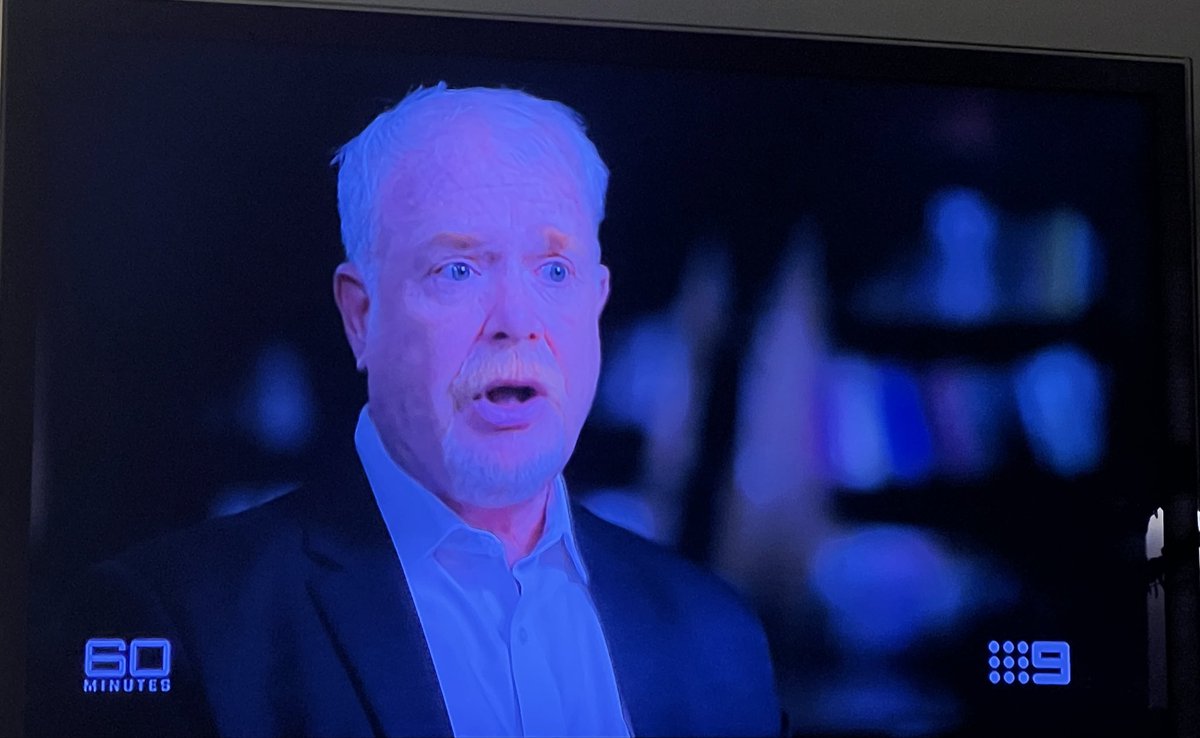
This whistleblower is speaking about 2019 and 2021 - Canstruct contract with Nauru.
Under Morrison government.
60 Minutes Australia - You heed to clarify this with your viewers.
#auspol
13
59
137
3,563

9 Nov 2025
“In a contract renewal he oversaw in mid-2021, Elias claims he identified up to $16 million in taxpayer dollars paid to Canstruct for nonexistent or unnecessary services. He suspected the firm’s overcharging ran into the tens of millions of dollars.”
#auspol
1
1
3
92

29 Oct 2025
The gall of u ppl
Trillion $ debt!
Taxpayers forked out $670K Tudges sexual harassment bullying!
Illegal Robodebt $2.4B.
Duttons Paladin $423 M, CANSTRUCT $1.6 B.
Joyce/Taylor Watergate $80M- caymans acct.
Joyce’s expenses alone 2 wks $670 K !
Morrison $3.4 B no subs!
Putrid lot
2
3
12
156

23 Sep 2025
About 4.5 million people had died in America’s ‘post-9/11 warzones’ by 2023—not only from direct violence, but from food insecurity, destruction of health infrastructure, environmental contamination, and economic collapse.
For the developed world, the invasion set off a long train of costly ‘repair’ events that continue to the present. There was not only the worldwide effort to defend against jihadis, and to mop up the damage they caused, but the enormous job of rebuilding Iraq.
Another such effort was (and is) the resettlement of refugees. For the well-connected, this can be as lucrative as flattening their cities of origin. For example, in 2021 the Australian company Canstruct, a donor to the governing Liberal Party, was awarded its eighth contract to run a detention centre for asylum-seekers—many from ‘War on Terror’ countries.
These contracts are neither open nor competitive; over the objections of the auditor-general, their values were sometimes unilaterally increased by the government by such multiples as 4,500%.
Their total cost to date is $AU1.5 billion.a In July 2021, the Canstruct centre held 108 asylum-seekers: a cost to the taxpayer of $AU8,800 per day per inmate.
For me, the War on Terror incarnates in Dara, a ten-year-old Kurdish girl I met in in the Moria refugee camp on the Greek island of Lesbos. Dara had seen her home town of Kobane, in northern Syria, occupied by ISIS, then levelled in the fighting to recapture it.9 In her six months on Lesbos, she’d taught herself English and Greek. She was not only extremely bright but very sweet-natured. Despite fasting from dawn till dusk (it was Ramadan) she constantly brought me snacks and cups of tea.
On the phone they shared, Dara’s family showed me video of the town’s rubble, replete with dead babies and body parts. They’d spent a month on the road to Greece, in which time Dara hadn’t eaten a full meal.
There are many Daras. By 2021, when the Syrian Civil War entered its 11th year, it had produced 6.6 million refugees, and 6.7 million internally displaced people.10
It’s impossible to say what portion of this was caused by ISIS, and other factors that grew from the US occupation of Iraq.
But the Iraqi Civil War (an explicit by-product of the War on Terror) had created 4.7 million refugees by 2008: perhaps 16% of Iraq’s population. Seventeen years after the American invasion there were still 1.4 million internally displaced Iraqis.
A study by Brown University, published in September 2020, found that the eight most violent of the wars against terror in which the US was involved—in Afghanistan, Pakistan, Iraq, Libya, Syria, Yemen, Somalia and the Philippines—have displaced between 37 and 59 million people.
It’s harder to get rich and powerful in Washington during peacetime, so our leaders have a built-in bias for war.
- Tucker Carlson
*From The Mechanics of Changing the World: Political Architecture to Roll Back State & Corporate Power. (Constitutional structures to oligarch-proof our societies.)
books2read.com/thirddraft
2
1
57

4 Sep 2025
Will someone now add up the cost of Duttons Paladin Canstruct Keeping the Biloela Family detained etc etc etc,
2
6
21
216

1 Sep 2025
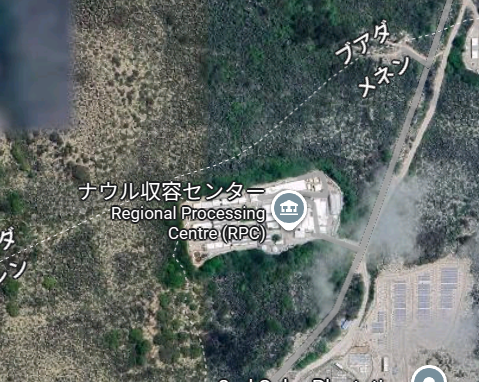
ナウルは海も荒く観光も厳しいことから、豪の難民を収容するビジネスをしてるんですよね。ナウルがCanstructという豪民間会社に委託する形。豪とこの会社はアムネスティなどから批判を受けている。
南洋諸島はいつもこういうエグイ会社にいいようにやられている。
3
79
239
10,778