
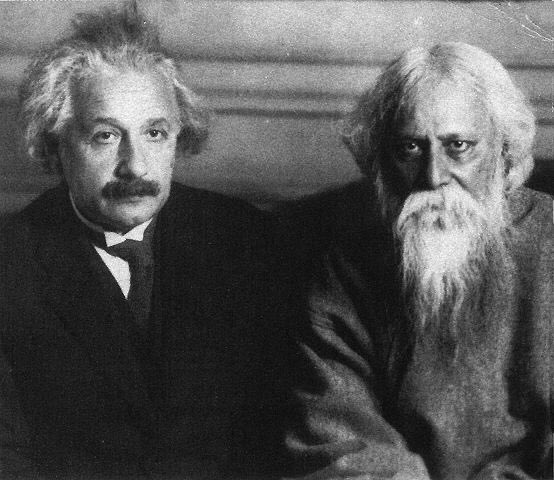
como uno de los intercambios intelectuales más notables de la historia moderna. Esto es Albert Einstein y Rabindranath Tagore en la casa de verano de Einstein en Caputh cerca de Berlín el 14 de julio de 1930 - el físico que había reestructurado la comprensión de la humanidad 🧵
1
1
5
209


The meeting of A. Einstein and Rabindranath Tagore was a remarkable encounter between two of the most influential thinkers of the 20th century. They discussed various topics related to physics, philosophy, religion, art, and human nature. Their conversation revealed the differences and similarities between their worldviews, as well as their mutual respect and admiration.
Einstein and Tagore met through a common friend, Dr. Mendel, who was a Jewish physician and a fan of Tagore's poetry. Tagore visited Einstein at his residence at Caputh in the suburbs of Berlin on July 14, 1930, and Einstein returned the call and visited Tagore at the Mendel home. Both conversations were recorded.
One of the main themes of their dialogue was the nature of reality and truth. Einstein believed that there was a reality independent of human perception, and that truth was objective and universal. He cited the example of the Pythagorean theorem, which he claimed was true regardless of the existence of man. Tagore, on the other hand, argued that truth was essentially human, and that it was realized through our emotions and activities. He said that the world was a human world, and that science and religion were both expressions of human truth. Another topic they discussed was the concept of beauty. Einstein asked Tagore if beauty was independent of man, and if the Apollo of Belvedere would no longer be beautiful if there were no human beings. Tagore replied that beauty was not independent of man, but rather a harmony between man and the universe. He said that when our universe was in harmony with man, we knew it as truth and felt it as beauty.
They also talked about their personal tastes in music. Einstein confessed that he did not appreciate Indian music, because he could not follow its rhythm and melody. He said that he preferred music that had clear structure and logic, such as Mozart's. Tagore explained that Indian music was based on improvisation and emotion, rather than on fixed rules and forms. He said that Indian music expressed the infinite personality of man, which comprehended the universe.
📷 photographed by photographer Martin Vos, ca. 1930
19
57
306
17,929
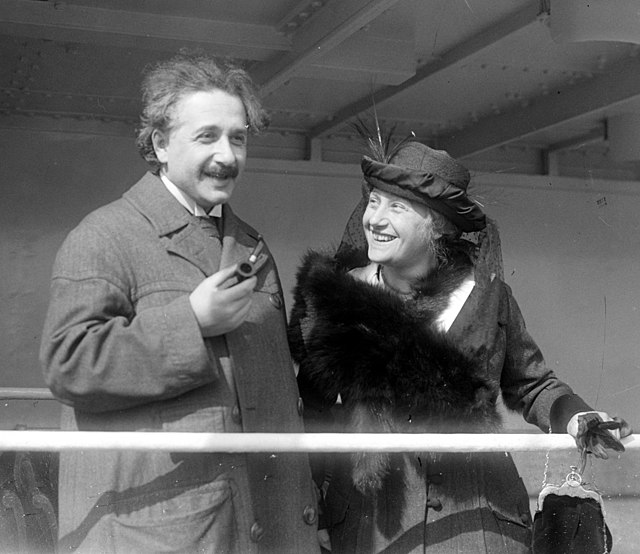
Einstein’s relationship with his wife Elsa Einstein (not Else) was complicated and controversial. Elsa was his second wife and also his first cousin. They married in 1919, after Einstein divorced his first wife Mileva Maric, who was a physicist and mathematician. Einstein had an affair with Elsa while he was still married to Mileva, and he also cheated on Elsa with his secretary Betty Neumann.
Elsa was a loyal and supportive partner to Einstein, who often acted as his gatekeeper and protected him from unwanted visitors. She also helped him build their summer house in Caputh, near Berlin. She accompanied him on his travels and nursed him when he was ill. However, their marriage was not based on mutual respect or affection, but rather on convenience and necessity. Einstein treated Elsa as an inferior and did not share his scientific interests or discoveries with her. He also imposed strict rules on her, such as not expecting any intimacy from him or leaving his room when he asked her to.
Elsa died in 1936 from heart and kidney problems. Einstein was saddened by her death, but he did not attend her funeral. He continued to have affairs with other women until his own death in 1955.
📷 Public Domain Image/Courtesy of LOC
16
28
179
17,573

May 29
This evening, I am reporting on a Tour #Scotland 4K #Spring travel video Blog of a road trip drive, with #Scottish music, East on A984 old military route through #Caputh, on #ancestry, #genealogy, family #history visit to #Spittalfield, #Perthshire tour-scotland-photographs.bl…

1
6
86

May 21
Reds too and around the Dunkeld area there are many fallow deer 🦌.
I recently returned from a hill day and followed a small herd of 8 or 9 from Caputh to Spittalfield! x
1
5
204


May 14
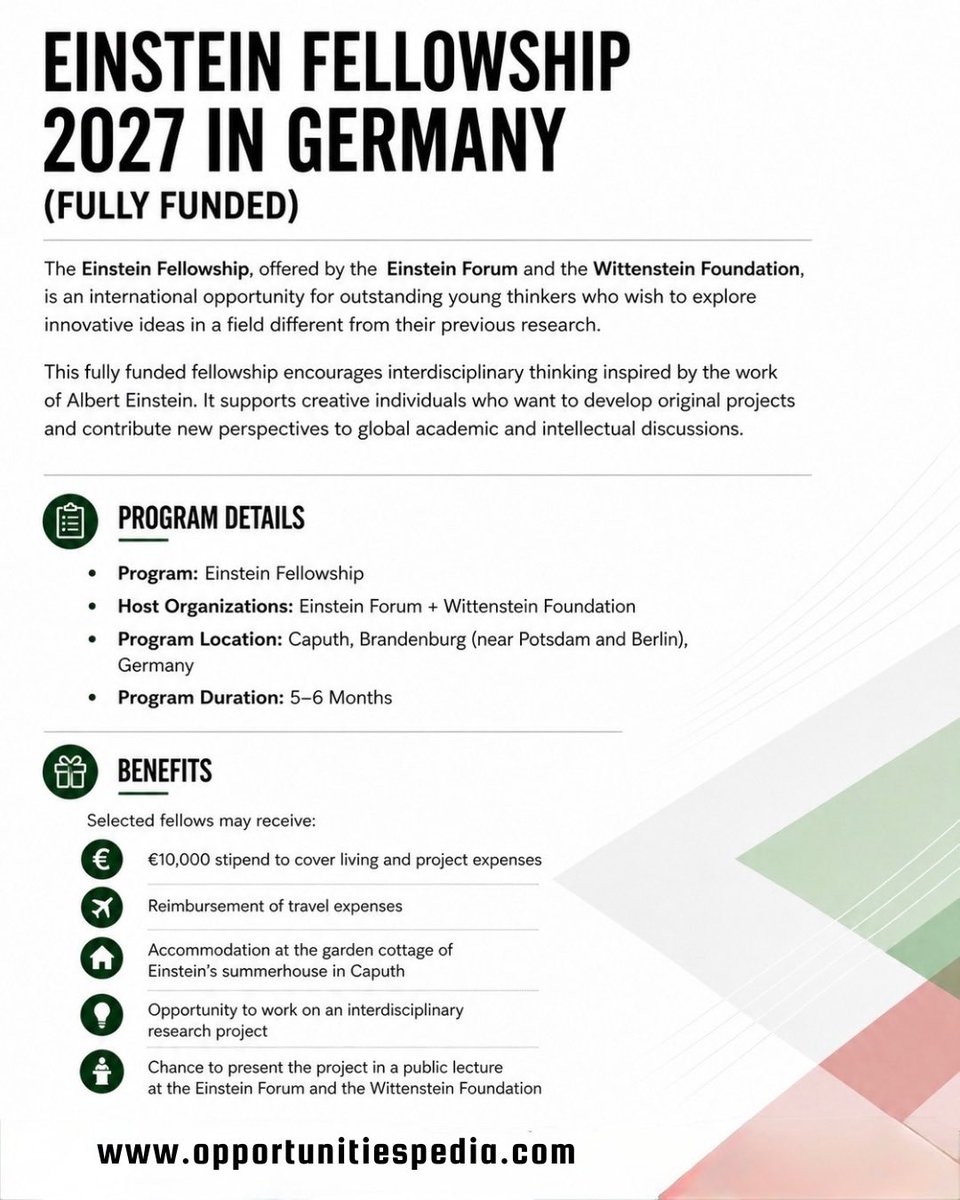
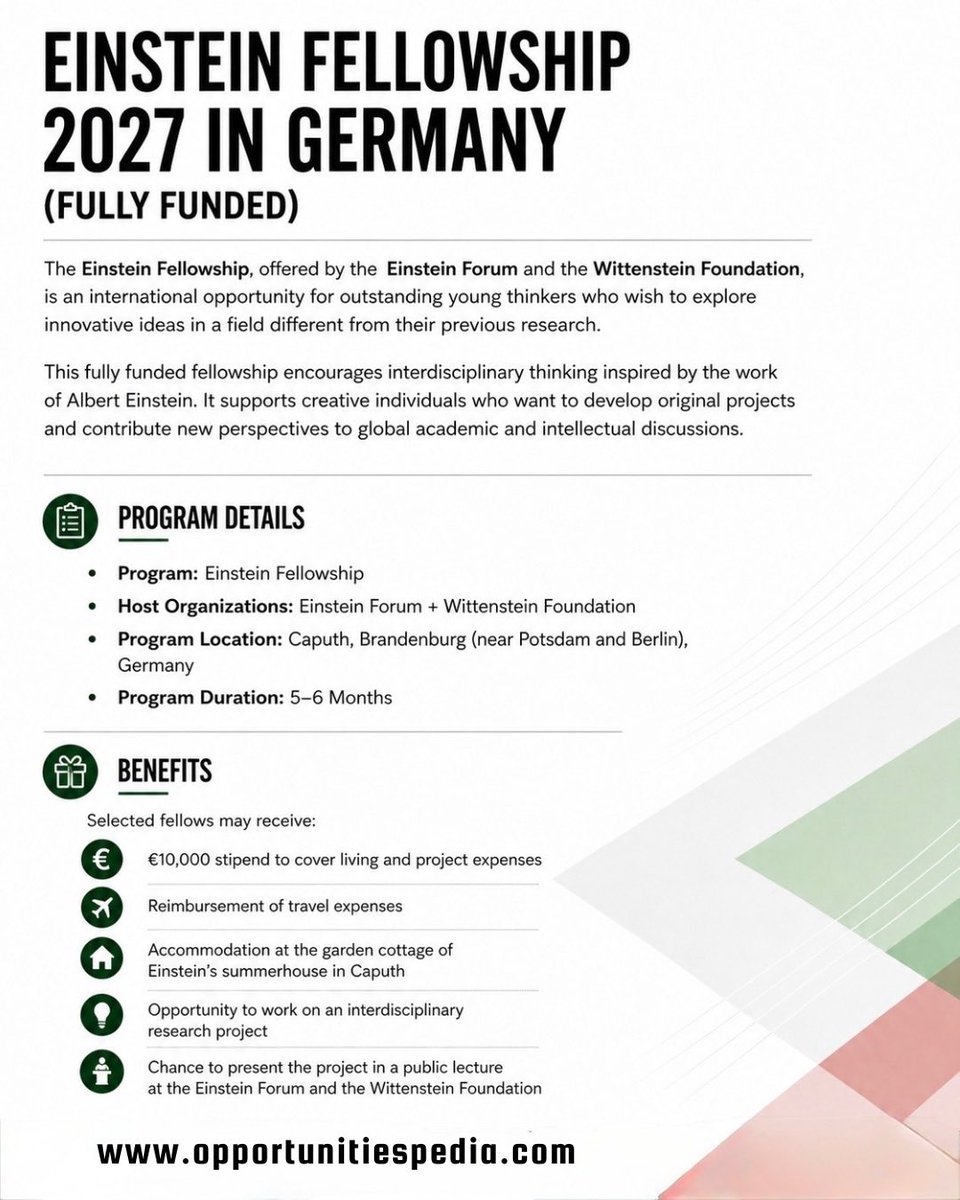
🇩🇪 Einstein Fellowship 2027 in Germany | Fully Funded
A unique opportunity for young thinkers to explore innovative ideas beyond their field!
🎓 Program: Einstein Fellowship
🏛️ Host Organizations: Einstein Forum Wittenstein Foundation
📍 Location: Caputh, Brandenburg (near Berlin), Germany
⏳ Duration: 5–6 Months
✨ Fellowship Benefits:
✅ €10,000 stipend (living & project expenses)
✅ Travel expenses covered
✅ Accommodation at Einstein’s summerhouse cottage
✅ Work on an interdisciplinary research project
✅ Present your project in a public lecture
Details: opportunitiespedia.com/einst…
🔖 #EinsteinFellowship #StudyInGermany #FullyFunded #Fellowship2027 #ResearchOpportunities #OpportunitiesPedia
1
11
71
4,797

May 7
Interessant, dass die Interzonenzüge damals über Caputh (Einsteins einstiger Wohnsitz) fuhren. Das ist heute eine absolute Nebenstrecke. Sogar Bad Belzig wird nicht mehr im Fernverkehr angefahren. Heute gehen alle Fernzüge über die Jüterborger Strecke.
1
2
175
May 1
🇩🇪 Einstein Fellowship 2027 in Germany | Fully Funded
A unique opportunity for young thinkers to explore innovative ideas beyond their field!
🎓 Program: Einstein Fellowship
🏛️ Host Organizations: Einstein Forum Wittenstein Foundation
📍 Location: Caputh, Brandenburg (near Berlin), Germany
⏳ Duration: 5–6 Months
✨ Fellowship Benefits:
✅ €10,000 stipend (living & project expenses)
✅ Travel expenses covered
✅ Accommodation at Einstein’s summerhouse cottage
✅ Work on an interdisciplinary research project
✅ Present your project in a public lecture
Details: opportunitiespedia.com/einst…
🔖 #EinsteinFellowship #StudyInGermany #FullyFunded #Fellowship2027 #ResearchOpportunities #OpportunitiesPedia
1
19
77
6,500

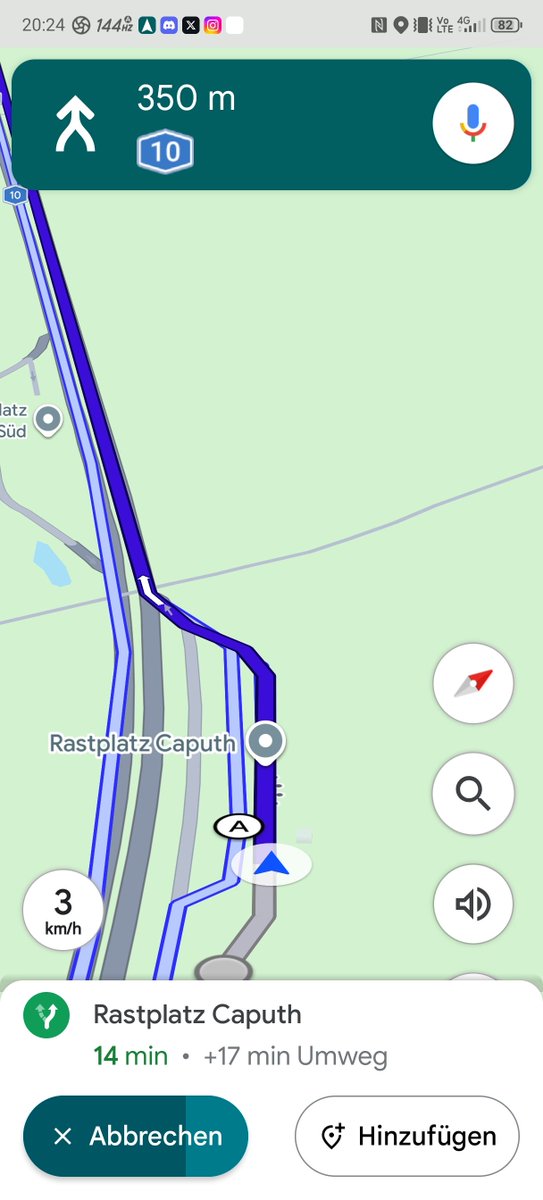
❗️#A10 Südlicher Berliner Ring Richtung #Magdeburg. Zwischen dem Rastplatz #Caputh und dem Dreieck #Werder gibt es eine ungesicherte Unfallstelle im Baustellenbereich.
3
636
⚠️⚠️Bombenentschärfung heute bei #Potsdam. Die #B2, Michendorfer Chaussee, ist zwischen dem Abzweig nach #Wilhelmshorst und Brauhausberg bis heute Mittag voll gesperrt. Bitte über #Michendorf-#Caputh und dieTempliner Straße umfahren.
2
6
394

2026 Einstein Outstanding Young Thinkers Fellowship
The Einstein Fellowship supports outstanding young thinkers who, in addition to producing superb work in their field, wish to pursue a project in a different discipline — following the example set by Albert Einstein.
The fellowship includes living accommodations for six months in the garden cottage of Einstein’s summerhouse in Caputh, Brandenburg, only a short distance away from the universities and academic institutions of Potsdam and Berlin. The fellow will receive a stipend of 10,000 euros and a reimbursement of their travel expenses.
scholarshipscafe.com/positio…

4
9
794
Apr 1
In my cottage in Scone. Tour #Scotland 4K #Spring travel video Blog, with #Scottish bagpipes music, of a road trip drive on the A984 old military route on #ancestry, #genealogy, family #history visit to #Caputh, #Perthshire tour-scotland-photographs.bl…

2
69
The Einstein Fellowship Programme, Germany
The Einstein Fellowship supports outstanding young thinkers who, in addition to producing superb work in their field, wish to pursue a project in a different discipline — following the example set by Albert Einstein.
The fellowship includes living accommodations for six months in the garden cottage of Einstein’s summerhouse in Caputh, Brandenburg, only a short distance away from the universities and academic institutions of Potsdam and Berlin. The fellow will receive a stipend of 10,000 euros and a reimbursement of their travel expenses.
scholarshipscafe.com/positio…

2
13
1,090

Mar 21
The Einstein Fellowship 2027
Awarded by the Einstein Forum and the Wittenstein Foundation
The Einstein Forum and the Wittenstein Foundation offer a fellowship for outstanding young thinkers who wish to pursue a project in a different field from that of their previous research.
The purpose of the fellowship is to support those who, in addition to producing outstanding work in their area of specialization, are also interested in other, interdisciplinary approaches—following the example set by Albert Einstein. The fellowship includes living accommodations for five to six months in the garden cottage of Einstein`s own
summerhouse in Caputh, Brandenburg, only a short distance away from the universities and academic institutions of Potsdam and Berlin. The fellow will receive a stipend of EUR 10,000 and reimbursement of travel expenses.
Candidates must be under 35 and hold a university degree in the humanities, in the social sciences, or in the natural sciences. Applications for 2027 should include a CV, a two-page project proposal, and two letters of recommendation. All documents must be received by May 15, 2026.
At the end of the fellowship period, the fellow will be expected to present his or her project in a public lecture at
the Einstein Forum and the Wittenstein Foundation. The Einstein Fellowship is not intended for applicants who wish to complete an academic study they have already begun.
A successful application must demonstrate the quality, originality, and feasibility of the proposed project, as well as the superior intellectual development of the applicant. It is not relevant whether the applicant has begun working toward, or currently holds, a PhD. The proposed project need not be entirely completed during the time of
the fellowship, but can be the beginning of a longer project.
PLEASE NOTE THAT NO FELLOWSHIPS WILL BE GIVEN FOR DISSERTATION RESEARCH. THE PROPOSED PROJECT MUST BE SIGNIFICANTLY DIFFERENT IN CONTENT, AND PREFERABLY FIELD AND FORM, FROM THE APPLICANT’S PREVIOUS WORK.
For more information and for the online application form,
visit: einsteinforum.de/fellowship/
Einstein Forum, Am Neuen Markt 7, 14467 Potsdam, Germany

2
14
266
Mar 21
The Einstein Fellowship 2027
Awarded by the Einstein Forum and the Wittenstein Foundation
The Einstein Forum and the Wittenstein Foundation offer a fellowship for outstanding young thinkers who wish to pursue a project in a different field from that of their previous research.
The purpose of the fellowship is to support those who, in addition to producing outstanding work in their area of specialization, are also interested in other, interdisciplinary approaches—following the example set by Albert Einstein. The fellowship includes living accommodations for five to six months in the garden cottage of Einstein`s own
summerhouse in Caputh, Brandenburg, only a short distance away from the universities and academic institutions of Potsdam and Berlin. The fellow will receive a stipend of EUR 10,000 and reimbursement of travel expenses.
Candidates must be under 35 and hold a university degree in the humanities, in the social sciences, or in the natural sciences. Applications for 2027 should include a CV, a two-page project proposal, and two letters of recommendation. All documents must be received by May 15, 2026.
At the end of the fellowship period, the fellow will be expected to present his or her project in a public lecture at
the Einstein Forum and the Wittenstein Foundation. The Einstein Fellowship is not intended for applicants who wish to complete an academic study they have already begun.
A successful application must demonstrate the quality, originality, and feasibility of the proposed project, as well as the superior intellectual development of the applicant. It is not relevant whether the applicant has begun working toward, or currently holds, a PhD. The proposed project need not be entirely completed during the time of
the fellowship, but can be the beginning of a longer project.
PLEASE NOTE THAT NO FELLOWSHIPS WILL BE GIVEN FOR DISSERTATION RESEARCH. THE PROPOSED PROJECT MUST BE SIGNIFICANTLY DIFFERENT IN CONTENT, AND PREFERABLY FIELD AND FORM, FROM THE APPLICANT’S PREVIOUS WORK.
For more information and for the online application form,
visit: einsteinforum.de/fellowship/
Einstein Forum, Am Neuen Markt 7, 14467 Potsdam, Germany
1
1
10
176




Mar 3
Por que a Guerra?
Carta de Einstein a Freud
Caputh junto a Potsdam, 30 de julho de 1932
Prezado Professor Freud,
A proposta da Liga das Nações e de seu Instituto Internacional para a Cooperação Intelectual, em Paris, de que eu convidasse uma pessoa, de minha própria escolha, para um franco intercâmbio de pontos de vista sobre algum problema que eu poderia selecionar, oferece-me excelente oportunidade de conferenciar com o senhor a respeito de uma questão que, da maneira como as coisas estão, parece ser o mais urgente de todos os problemas que a civilização tem de enfrentar. Este é o problema: Existe alguma forma de livrar a humanidade da ameaça de guerra? É do conhecimento geral que, com o progresso da ciência de nossos dias, esse tema adquiriu significação de assunto de vida ou morte para a civilização, tal como a conhecemos; não obstante, apesar de todo o empenho demonstrado, todas as tentativas de solucioná-lo terminaram em lamentável fracasso.
Ademais, acredito que aqueles cuja atribuição é atacar o problema de forma profissional e prática, estão apenas adquirindo crescente consciência de sua impotência para abordá-lo, e agora possuem um vivo desejo de conhecer os pontos de vistas de homens que, absorvidos na busca da ciência, podem mirar os problemas do mundo na perspectiva que a distância permite. Quanto a mim, o objetivo habitual de meu pensamento não me permite uma compreensão interna das obscuras regiões da vontade e do sentimento humano. Assim, na indagação ora proposta, posso fazer pouco mais do que procurar esclarecer a questão em referência e, preparando o terreno das soluções mais óbvias, possibilitar que o senhor proporcione a elucidação do problema mediante o auxílio do seu profundo conhecimento da vida instintiva do homem. Existem determinados obstáculos psicológicos cuja existência um leigo em ciências mentais pode obscuramente entrever, cujas inter-relações e filigranas ele, contudo, é incompetente para compreender; estou convencido de que o senhor será capaz de sugerir métodos educacionais situados mais ou menos fora dos objetivos da política, os quais eliminarão esses obstáculos.
Como pessoa isenta de preconceitos nacionalistas, pessoalmente vejo uma forma simples de abordar o aspecto superficial (isto é, administrativo) do problema: a instituição, por meio de acordo internacional, de um organismo legislativo e judiciário para arbitrar todo conflito que surja entre nações. Cada nação submeter-se-ia à obediência às ordens emanadas desse organismo legislativo, a recorrer às suas decisões em todos os litígios, a aceitar irrestritamente suas decisões e a pôr em prática todas as medidas que o tribunal considerasse necessárias para a execução de seus decretos. Já de início, todavia, defronto-me com uma dificuldade; um tribunal é uma instituição humana que, em relação ao poder de que dispõe, é inadequada para fazer cumprir seus veredictos, está muito sujeito a ver suas decisões anuladas por pressões extrajudiciais. Este é um fato com que temos de contar; a lei e o poder inevitavelmente andam de mãos dadas, e as decisões jurídicas se aproximam mais da justiça ideal exigida pela comunidade (em cujo nome e em cujos interesses esses veredictos são pronunciados), na medida em que a comunidade tem efetivamente o poder de impor o respeito ao seu ideal jurídico. Atualmente, porém, estamos longe de possuir qualquer organização supranacional competente para emitir julgamentos de autoridade incontestável e garantir absoluto acatamento à execução de seus veredictos. Assim, sou levado ao meu primeiro princípio; a busca da segurança internacional envolve a renúncia incondicional, por todas as nações, em determinada medida, à sua liberdade de ação, ou seja, à sua soberania, e é absolutamente evidente que nenhum outro caminho pode conduzir a essa segurança.
O insucesso, malgrado sua evidente sinceridade, de todos os esforços, durante a última década, no sentido de alcançar essa meta, não deixa lugar à dúvida de que estão em jogo fatores psicológicos de peso que paralisam tais esforços. Alguns desses fatores são mais fáceis de detectar. O intenso desejo de poder, que caracteriza a classe governante em cada nação, é hostil a qualquer limitação de sua soberania nacional. Essa fome de poder político está acostumada a medrar nas atividades, de um outro grupo, cujas aspirações são de caráter econômico, puramente mercenário. Refiro-me especialmente a esse grupo reduzido, porém decidido, existente em cada nação, composto de indivíduos que, indiferentes às condições e aos controles sociais, consideram a guerra, a fabricação e venda de armas simplesmente como uma oportunidade de expandir seus interesses pessoais e ampliar a sua autoridade pessoal.
O reconhecimento desse fato, no entanto, é simplesmente o primeiro passo para uma avaliação da situação atual. Logo surge uma outra questão: como é possível a essa pequena súcia dobrar a vontade da maioria, que se resigna a perder e a sofrer com uma situação de guerra, a serviço da ambição de poucos? (Ao falar em maioria, não excluo os soldados, de todas as graduações, que escolheram a guerra como profissão, na crença de que estejam servindo à defesa dos mais altos interesses de sua raça e de que o ataque seja, muitas vezes, o melhor meio de defesa.) Parece que uma resposta óbvia a essa pergunta seria que a minoria, a classe dominante atual, possui as escolas, a imprensa e, geralmente, também a Igreja, sob seu poderio. Isto possibilita organizar e dominar as emoções das massas e torná-las instrumento da mesma minoria.
Ainda assim, nem sequer essa resposta proporciona uma solução completa. Daí surge uma nova questão: como esses mecanismos conseguem tão bem despertar nos homens um entusiasmo extremado, a ponto de estes sacrificarem suas vidas? Pode haver apenas uma resposta. É porque o homem encerra dentro de si um desejo de ódio e destruição. Em tempos normais, essa paixão existe em estado latente, emerge apenas em circunstâncias anormais; é, contudo, relativamente fácil despertá-la e elevá-la à potência de psicose coletiva. Talvez aí esteja o ponto crucial de todo o complexo de fatores que estamos considerando, um enigma que só um especialista na ciência dos instintos humanos pode resolver.
Com isso, chegamos à nossa última questão. É possível controlar a evolução da mente do homem, de modo a torná-lo à prova das psicoses do ódio e da destrutividade?
Aqui não me estou referindo tão-somente às chamadas massas incultas. A experiência prova que é, antes, a chamada ‘Intelligentzia’ a mais inclinada a ceder a essas desastrosas sugestões coletivas, de vez que o intelectual não tem contato direto com o lado rude da vida, mas a encontra em sua forma sintética mais fácil — na página impressa.
Para concluir: Até aqui somente falei das guerras entre nações, aquelas que se conhecem como conflitos internacionais. Estou, porém, bem consciente de que o instinto agressivo opera sob outras formas e em outras circunstâncias. (Penso nas guerras civis, por exemplo, devidas à intolerância religiosa, em tempos precedentes, hoje em dia, contudo, devidas a fatores sociais; ademais, também nas perseguições a minorias raciais.) Foi deliberada a minha insistência naquilo que é a mais típica, mais cruel e extravagante forma de conflito entre homem e homem, pois aqui temos a melhor ocasião de descobrir maneiras e meios de tornar impossíveis qualquer conflito armado.
Sei que nos escritos do senhor podemos encontrar respostas, explícitas ou implícitas, a todos os aspectos desse problema urgente e absorvente. Mas seria da maior utilidade para nós todos que o senhor apresentasse o problema da paz mundial sob o enfoque das suas mais recentes descobertas, pois uma tal apresentação bem poderia demarcar o caminho para novos e frutíferos métodos de ação.
Muito cordialmente,
A. Einstein
1
8
44
2,781