
We shipped a fully on-chain Minecraft economy. Here's the full technical architecture.
Server live at 172.240.53.57:2050 | mincraftdex.com
1/ Every player gets a deterministic custodial keypair on first verify. Generated server-side via @solana/web3.js Keypair.generate(), private key AES-256-CBC encrypted at rest with a server-side master key, stored per wallet_address in Postgres.
No two players share a signing key. Ever.
2/ The verify handshake:
Client → POST /api/verify/start { walletAddress }Server → generates 6-char code, writes to verifications tablePlayer → /verify CRAFT-XXXXXX in Minecraft chatPlugin → GET /api/verify/confirm/:code { username }Server → checks player is ONLINE via Minecraft query protocolServer → links wallet ↔ username, provisions custodial keypairClient polls → GET /api/verify/status/:wallet
The online-check is the anti-fraud layer. You cannot claim a username you're not actively playing on.
3/ SPL Token-2022 (not legacy SPL). CA: AdD5EMoGMDiGXcgepXQXneB4fEZuS1QvKqDrN876pump
6 decimals. All on-chain amounts divided by 1_000_000 for display. Transfer instructions built with createTransferCheckedInstruction from @solana/spl-token, using TOKEN_2022_PROGRAM_ID — not the old TOKEN_PROGRAM_ID. This distinction breaks 90% of naive Solana integrations.
4/ Two-layer balance system:
Layer 1 → game_balance (Postgres, instant, free)↑ deposits detected via RPC polling↓ purchases deducted hereLayer 2 → on-chain CRAFT balance (Solana, real assets)↑ player sends CRAFT to their custodial addr↓ withdrawal triggers signed TX from custodial keypair
Shop transactions NEVER touch the blockchain. They settle in Layer 1. This eliminates gas costs for every item purchase and makes the token supply inelastic to game activity.
5/ The RPC layer has 3-endpoint failover:
const RPCS = ["api.mainnet-beta.solana.com","rpc.ankr.com/solana","solana.publicnode.com"];
Round-robin with exponential backoff. If one endpoint rate-limits or drops, the next one signs the TX. Uptime is not RPC-dependent.
6/ The Java plugin fires a signed HTTP POST to the backend on every /verify command:
HttpRequest request = HttpRequest.newBuilder().uri(URI.create(API_BASE "/api/verify/confirm/" code)).header("X-Plugin-Key", PLUGIN_API_KEY).header("Content-Type", "application/json").POST(HttpRequest.BodyPublishers.ofString("{\"minecraftUsername\":\"" player.getName() "\"}")).build();
The X-Plugin-Key is a 48-char hex secret shared only between the plugin JAR and the API env. No key = no confirm. Can't spoof verification from outside.
7/ Soft-unlink architecture — this one's subtle:
Most devs DELETE the row on wallet disconnect. We don't. We tombstone it:
UPDATE linked_accountsSET minecraft_username = '__UNLINKED_' || extract(epoch from now())WHERE wallet_address = $1
On re-verify, we detect the prefix, restore the row in-place. Balance preserved. Custodial keypair preserved. Deposit history intact. Zero fund loss on reconnect.
8/ The deposit detection loop polls every 30s per active custodial address. It fetches the SPL Token-2022 account balance via getTokenAccountsByOwner, diffs against last known balance, and credits the delta to game_balance. No webhooks, no indexer dependency, no third-party infra.
9/ Anti-bubble mechanics:
-On-chain supply doesn't move when players buy items
-Withdrawal requires explicit user action (not automatic)
-No bonding curve, no AMM interaction on shop purchases
Token velocity stays low → less pump/dump surface area
Each player's custodial wallet is isolated → no single wallet is "the treasury"
10/ Full stack:
PaperMC 1.21.1 → Java plugin, event listeners, HTTP clientNode.js/Express → REST API, TX signing, RPC callsPostgreSQL/Drizzle → accounts, balances, purchases, depositsReact/Vite → frontend, wallet UIPhantom → browser extension wallet adapterSolana web3.js → keypair management, TX constructionSPL Token-2022 → CRAFT token standard
4
12
25
2,060

11 Jan 2025
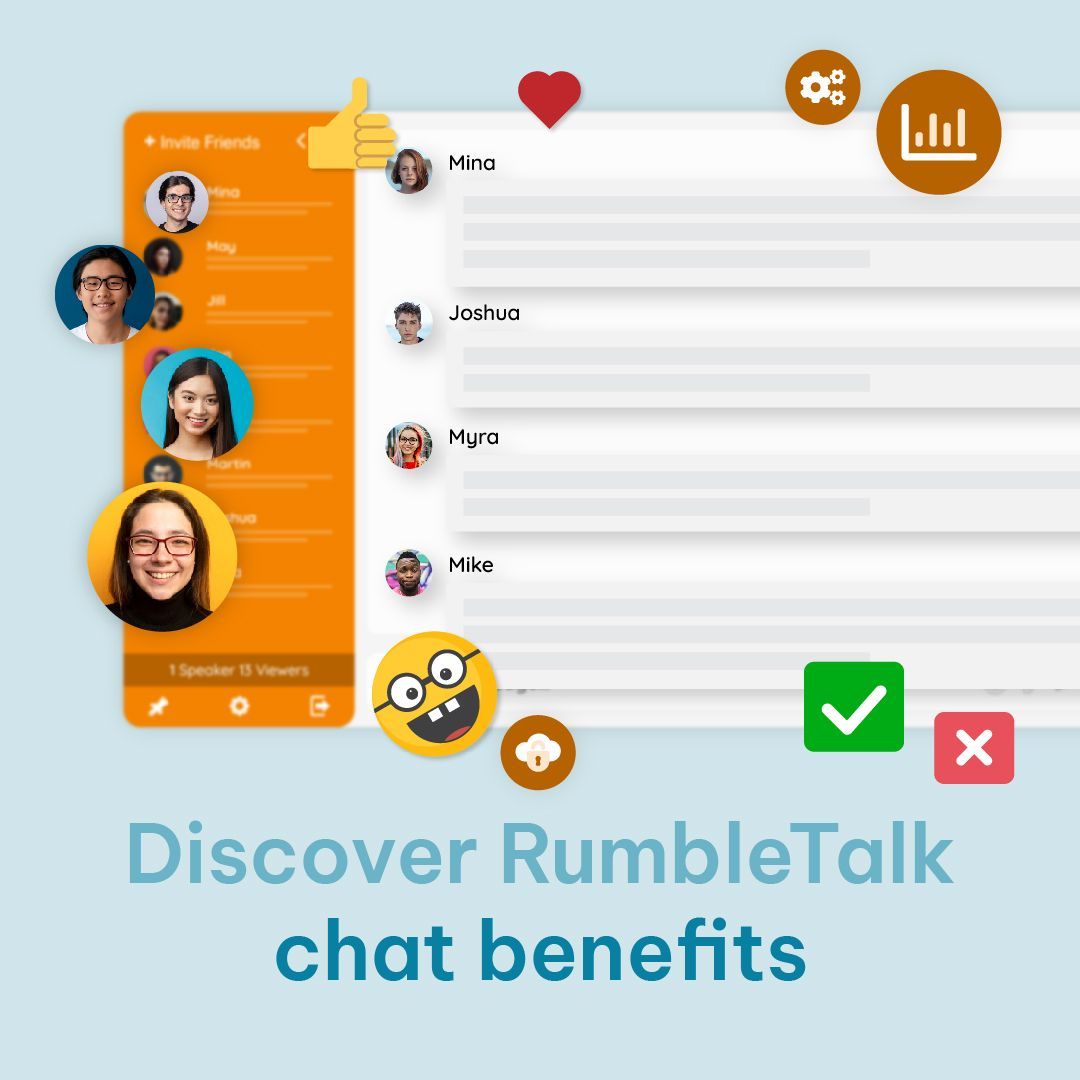
What makes a chat platform stand out from the other chat platforms that you've used? Do you have a favorite product or feature? Check this out!
rumbletalk.com/blog/index.ph…
#saas #webchat #onlinegroupchat #chatplugin #wp #wpplugin #saaschat
3
2
69

8 Mar 2024
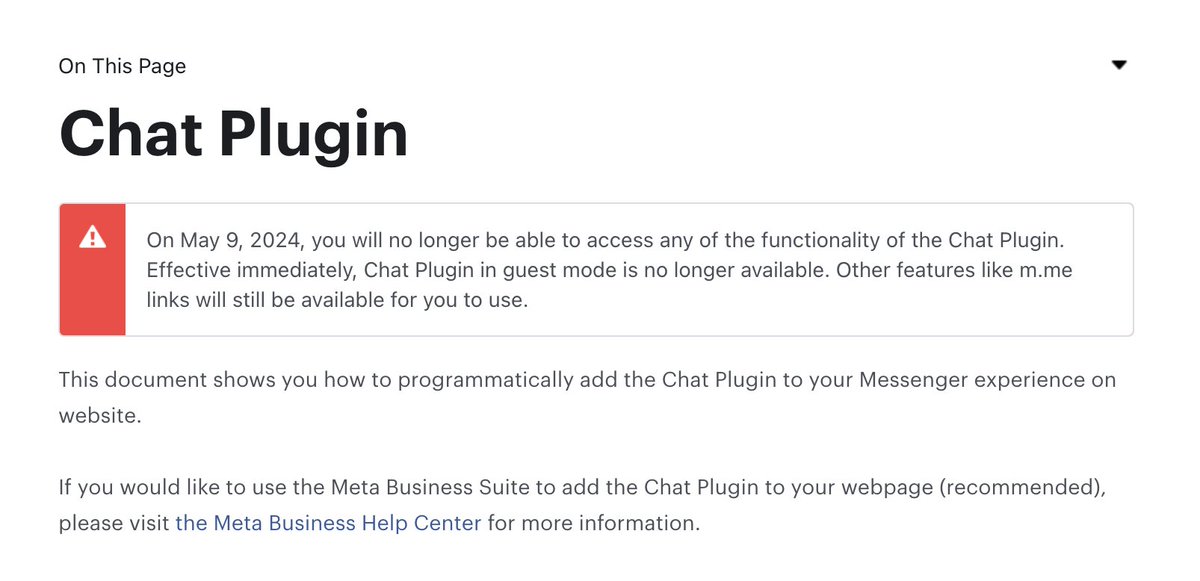
⚠️ Meta will stop supporting Facebook Messenger Chat Plugin ⚠️
The guest mode feature within the plugin has already been disabled. Later on May 9, businesses will no longer be able to set up a Messenger plugin directly on their websites.
#Meta #Facebook #chatplugin
1
3
80

5 Dec 2023
Alternativ mit nem ChatPlugin den Befehl !Clip für Mods und VIPs freigeben und dann werden die letzten 30 Sekunden bei Eingabe geclippt. Nach dem Stream die selbe Prozedur wie bei Variante 1
1
2
36

10 Oct 2023
Elevate your brand's digital footprint and engage customers like never before with PlugToChat's AI-driven solutions.
Start your Free Trial: 𝐰𝐰𝐰.𝐩𝐥𝐮𝐠𝐭𝐨𝐜𝐡𝐚𝐭.𝐜𝐨𝐦📷
#chatAPI #JavascriptSDK #prebuiltui #plugtochat #livechats #chatapp #chatplugin #chatplugin #twiter

1
3
31

Best Live Chat Software Plugins in 2022
Visit at: vapvarun.com/best-live-chat-…
#chatplugin #plugtochat #livechat #chatintegration #wordpress #livechatplugin #chatapp #chatapplication #facebook #website #chat #messenger #wordpresschatplugin #seo #messages #calls #leads

2
78

9 Jul 2023
That's it! You now have a comprehensive guide to creating a chat plugin. Enhance ChatGPT's capabilities and provide users with amazing experiences. Happy plugin development! 💡
#ChatPlugin #AI #ChatGPT #OpenAI
3
63
1 Jun 2023
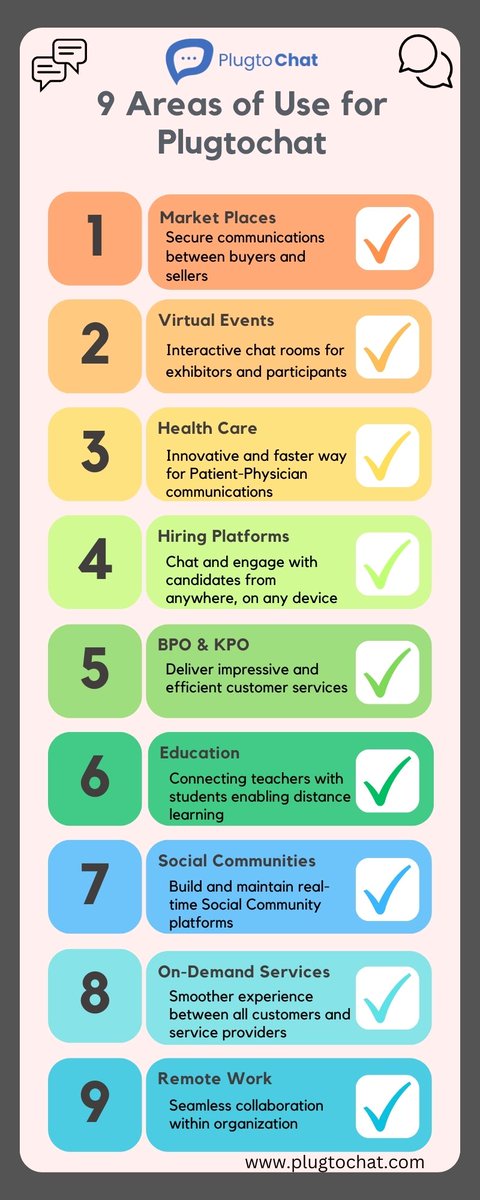
Get real-time customizable chat going between you and your customers with Plugtochat.
Sign Up and Start your Free Trial: buff.ly/3LcyIkH
#chatAPI #JavascriptSDK #prebuildUI #plugtochat #livechat #chatapp #chatplugin #Chatplugin #interactionplatform #chatapps #messagingapp
2
30

17 Apr 2023
MENTAくん、
いろんなAPIと連携して、あらかじめGPTにAPIの情報を教えて、必要があれば呼び出すようなChatPlugin的なことが実現できると面白そう。
どのAPIを呼び出すかはMENTAくんが決める。
メッセージに応じてアクセス。
- 検索が必要ならググって記事を読んで教えてくれる
- GitHubリポジトリ検索
- YouTube検索
- Qiita検索
- はてブ検索
5
2,724

何度か講演でも言及してるけど、ChatGPTはプロンプトを解釈し検索, AI,プログラムなどあらゆるAPIをコールし情報処理するようになる。このJARVSやSemantic Kernel,ChatPluginは明らかにその世界観を見据えている。(続く)
github.com/microsoft/JARVIS
3
76
428
106,052
8 Mar 2022
RumbleTalk makes it easy to embed a high-quality cloud-based group chat into your webpage or live event. In this article, we'll show you how you can use it as a chat plugin on WordPress.
buff.ly/3FdToXI
#wpplugin #chatplugin #wp #wordpress #onlinechat #groupchat #chat
1
1

2 Mar 2022
You can make your Marketplace more engaging and facilitate trade when you use AtomChat💸
Read here 👉🏻 buff.ly/3C6dmCw
#shopifyplugin #chatintegration #chatplugin #marketplace #b2b #b2c
1
2
1 Mar 2022
Take your 14 days free trial of AtomChat's powerful Admin Panel where you can customize the look and feel of your chat🚀
Know More👉🏻buff.ly/3DExquS
#ChatPlugin #CommunityChat #GroupChat
1
2
10 Feb 2022
AtomChat is everything you need from a chat platform, built-in a single package💬
Know more👉🏻 buff.ly/3tFsO6k
#chatplugin #onlinechat #communitychat #groupchat
1
4 Feb 2022
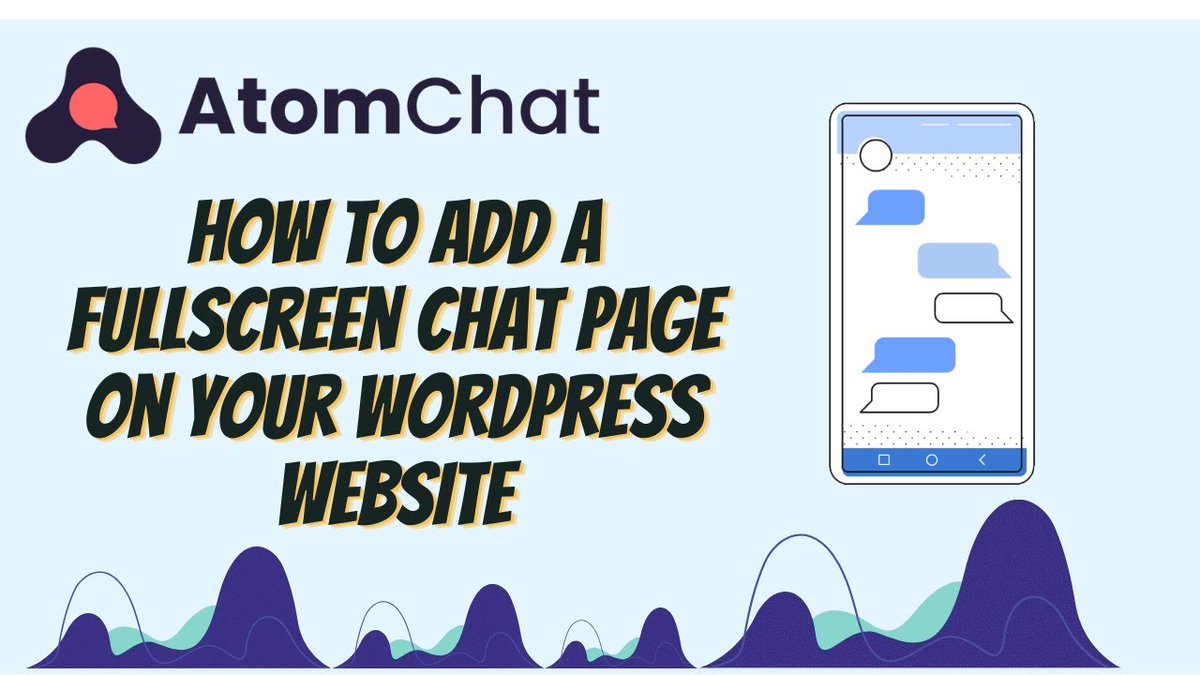
Having trouble adding a Fullscreen Chat Page To Your WordPress Website? AtomChat’s here to rescue the day🚀
Watch here 👉🏻 buff.ly/3AWpiGe
#wordpressintegration #wordpress #chatplugin #NoCode
1
2

19 Jan 2022
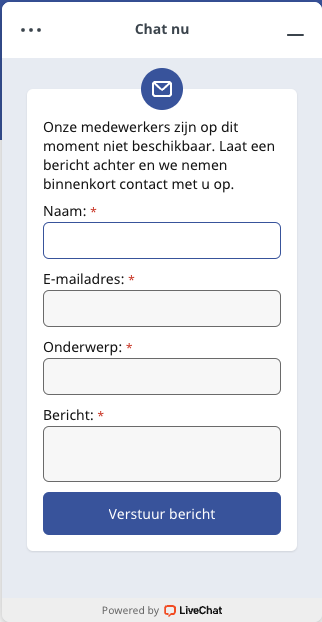
Get the power of chat in your hands with AtomChat and make your site a hit🏏
Know more👉🏻 buff.ly/3tFsO6k
#ChatPlugin #OnlineChat #CommunityChat #GroupChat
2
3
18 Jan 2022
Group Chat is a shared platform to talk, discuss and collaborate.
Read Here👉🏻 buff.ly/3urbK0T
#groupchat #onlinechat #onlinegroupchat #chatplugin
1
3
19 Dec 2021
Did you know trials are free now? Why don’t you take yours today and have a look yourself at one of the most amazing Chat Plugin ever💬
Trial here👉🏻buff.ly/3guLsq7
#onlinechat #onlinecommunity #Nocode #ChatPlugin
1

How to Install a Pay Per Minute (PPM) Chat Script on your Website
► Premium.Chat/blog/how-to-ins…
#chatscript #chatplugin
1