
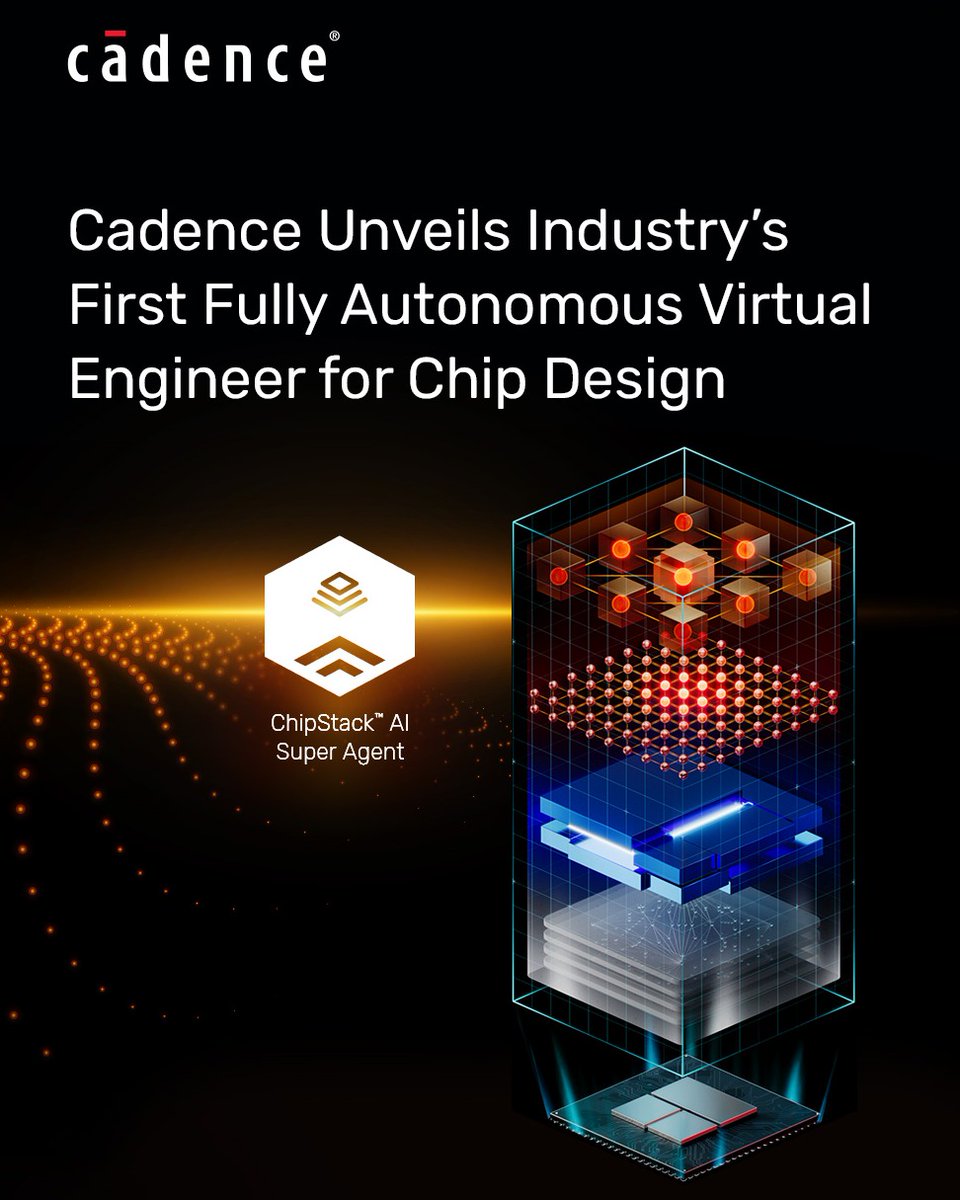
Cadence Unveils Industry’s First Fully Autonomous Virtual Engineer for Chip Design, powered by NVIDIA
Level-5 ChipStack AI Super Agent framework and NVIDIA OpenShell runtime advance secure, agentic AI across semiconductor development ow.ly/wykh50Z94bv
1
13

Also, why is the graphic missing at the top which usually shows all players left on the table, position, chipstack?
1
115

At COMPUTEX2026: Cadence unveils the industry’s first fully autonomous virtual AI engineer.
⚡Level-5 ChipStack AI Super Agent | Up to 40X faster RTL validation | Built with NVIDIA OpenShell secure runtime.
3
42
79
889,079

Jun 14
Cadence Unveils Industry’s First Fully Autonomous Virtual Engineer for Chip Design, powered by NVIDIA - Level-5 ChipStack AI Super Agent framework and NVIDIA OpenShell runtime advance secure, agentic AI across semiconductor development
raindeocampo.com/2026/06/14/…
13

I can help build a conceptual induction framework based on publicly described features and systems engineering principles. I can't provide restricted military manuals, proprietary technical data, classified information, or detailed operational procedures.
For a PlanetForge-style systems model, a useful starting point is a "ChipStack Induction Manual" that abstracts the architecture into reusable layers.
PLANETFORGE CHIPSTACK 001
Tactical Compute Node Induction Manual v0.1
Purpose
Convert a ruggedized tactical computer from a standalone device into a graph node within a larger operational ecosystem.
The node is evaluated through:
Compute
Information
Connectivity
Coordination
Resilience
Forecasting
Layer 1 — Compute
Components:
CPU
Memory
Storage
Graphics
Operating System
Metrics:
Processing Throughput
Memory Capacity
Storage Capacity
Availability
Fault Tolerance
State Equation:
Capability = Processing × Availability
Layer 2 — Information
Inputs:
Sensors
Maps
Telemetry
User Data
Mission Data
Outputs:
Situational Awareness
Alerts
Visual Displays
Metrics:
Accuracy
Latency
Completeness
Confidence
Information Value:
Information = Accuracy × Completeness
Layer 3 — Connectivity
Interfaces:
Vehicle Networks
Radios
Ethernet
Data Links
Metrics:
Bandwidth
Latency
Reliability
Redundancy
Connectivity Score:
Connectivity = Reliability × Redundancy
Layer 4 — Coordination
Actors:
Crew
Commanders
Vehicles
Headquarters
Functions:
Tasking
Reporting
Navigation
Synchronization
Coordination Metric:
Coordination = Shared Information × Communication
Layer 5 — Resilience
Failure Modes:
Power Loss
Network Loss
Sensor Failure
Human Error
Recovery Factors:
Backup Systems
Redundancy
Training
Procedures
Resilience Score:
Resilience = Recovery Capacity / Failure Impact
Layer 6 — Forecast Layer
Inputs:
Current State
Historical Events
Dependencies
Outputs:
Risk Estimates
Future States
Recommended Actions
Forecast Cycle:
Observe
→ Analyze
→ Simulate
→ Forecast
→ Recommend
PlanetForge Node Record
{
"node_id": "",
"node_type": "Tactical Compute",
"health_score": 100,
"resilience_score": 100,
"compute_score": 0,
"information_score": 0,
"connectivity_score": 0,
"coordination_score": 0,
"forecast_score": 0,
"dependencies": [],
"dependents": []
}
Graph Integration
Sensor
↓
Compute Node
↓
Vehicle
↓
Network
↓
Command
↓
Decision
↓
Action
Every connection becomes a measurable relationship.
Every relationship becomes an edge.
Every edge contributes to system behavior.
Core Systems Equations
Compute Capacity:
C=P\times A
where:
(C) = capability
(P) = processing performance
(A) = availability
Network Effectiveness:
N=R\times D
where:
(N) = network effectiveness
(R) = reliability
(D) = redundancy
System Resilience:
Resilience=\frac{Recovery\ Capacity}{Failure\ Impact}
PlanetForge Extension
Your uploaded PlanetForge materials suggest evolving from event records to a dynamic graph where nodes, dependencies, ownership, resilience, and forecasts are interconnected. The tactical compute node can be represented as one node class within that graph architecture.
The next logical ChipStacks would be:
Sensor Stack
Communications Stack
Vehicle Stack
Command Stack
Logistics Stack
Energy Stack
Infrastructure Stack
Civilization Graph Stack
Each would use the same node → dependency → cascade → resilience → forecast framework described in your PlanetForge documents.
24

Jun 12
in MTTs, is there a specific playstyle, i.e., an aggro playstyle, that one can adopt to run deep with the sole goal of building up a huge chipstack by keeping your foot on gas throughout the early stages, giving zero f about cashing/cash rates/ROI/etc.?
cc @abarone68
12
15
13,926
シバイヌおやびん(投資系VTuber retweeted

Jun 1
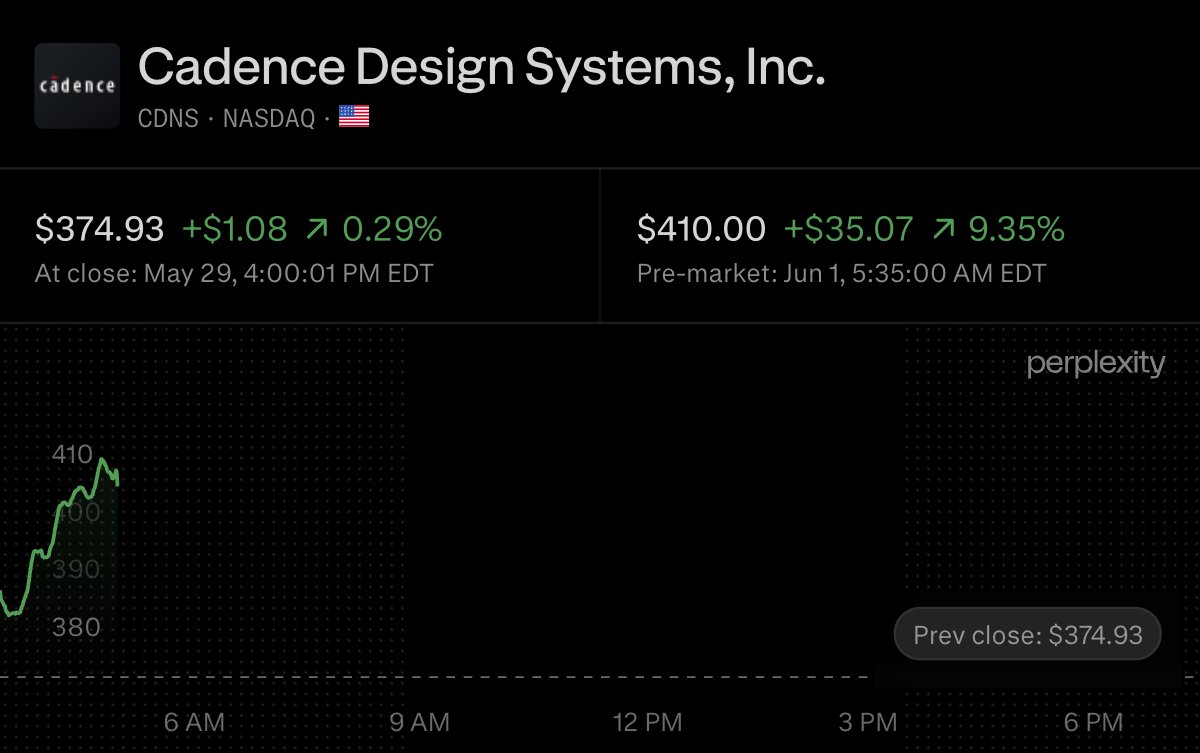
$CDNS launched ChipStack AI Super Agent with $NVDA at Computex 2026, calling it the first fully autonomous virtual engineer for semiconductor design.
Built on NVIDIA Nemotron models and OpenShell, the agent can run chip design and verification workflows across RTL generation, simulation, formal analysis, and design convergence.
Cadence says NVIDIA engineers cut typical five-week verification loops to under one day, a 40x acceleration in RTL validation.
4
19
163
22,977

Antoine Lefèvre retweeted
Cadence Unveils Industry’s First Fully Autonomous Virtual Engineer for Chip Design, powered by NVIDIA
Level-5 ChipStack AI Super Agent framework and NVIDIA OpenShell runtime advance secure, agentic AI across semiconductor development ow.ly/wykh50Z94bv
1
2
74

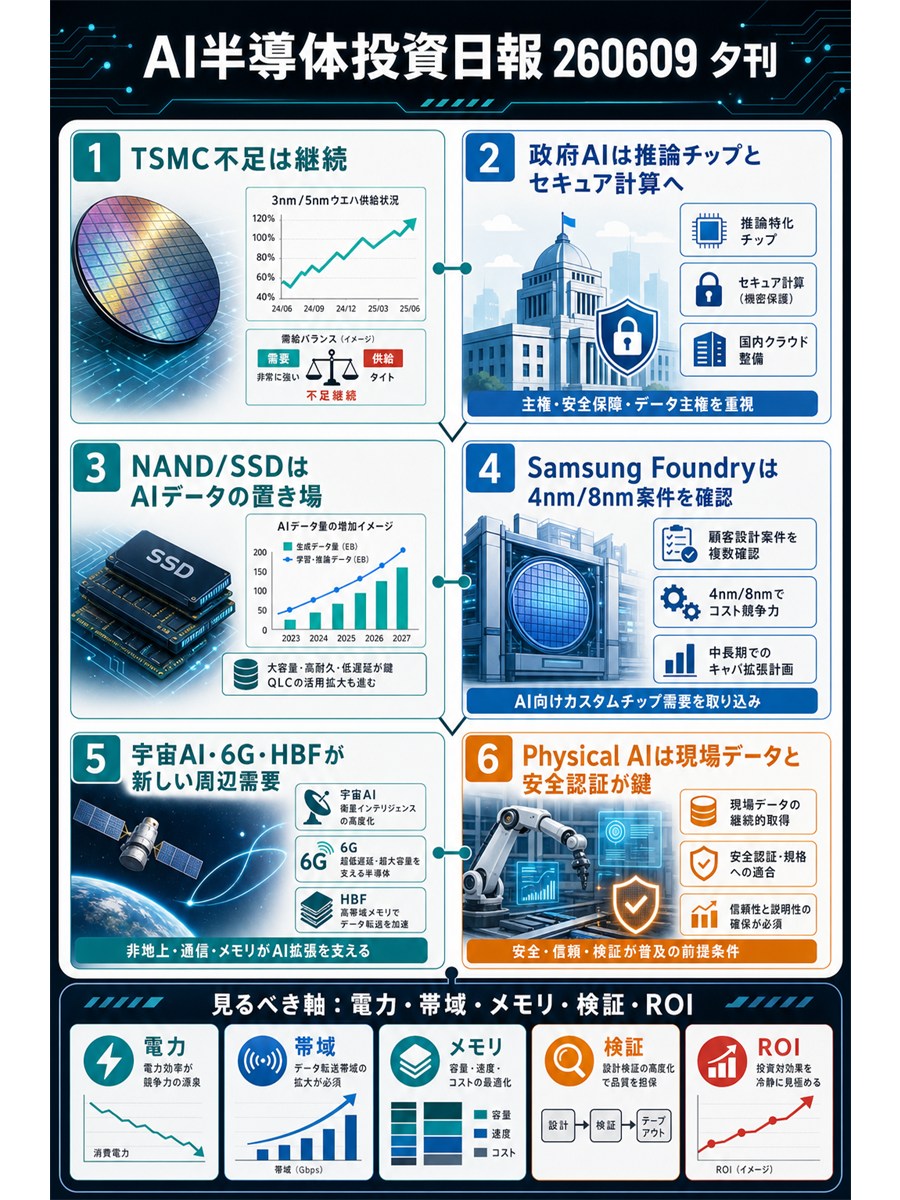
AI半導体投資日報_260609_夕刊
■全体観:需要はGPU/HBMから実装層へ広がる
・前回夜以降のニュース監視では、AI需要の有無ではなく、需要の受け皿の分岐が目立った。
・受け皿は、先端ファウンドリ、推論チップ、セキュア計算施設、EDA、NAND、衛星通信、Physical AI、企業データ統制である。
・TSMCは能力増強後もAIチップ不足が続くと見ている。
・不足はウェハだけではない。EUV、歩留まり、CoWoS、HBM、基板、検査、熱設計、サーバー組立が同時に効く。
・供給不足は半導体側の価格決定力を支える。
・同時に、クラウド側の減価償却、推論単価、AIサービス課金を厳しくする。
■米欧:政府AIは推論チップとセキュア施設へ向かう
・英国は£1.1bn AI Hardware Planを具体化した。
・中核は、£750mのnational AI supercomputer、£400mのnext-generation AI chips購入、£150mのnext-generation inference chips先行購入コミットメントである。
・これは政府が初期顧客になり、推論チップ市場を作る政策である。
・米国NSPM-11は、国家安全保障AI需要を示した。
・AI technology stackは、chips、servers、accelerators、storage、cloud、networking、securityを含む。
・高セキュリティAI computing facilitiesとAI test rangeも確認対象になった。
・政府AI需要はGPU発注だけではない。認定クラウド、専用施設、ストレージ、ネットワーク、評価、監査、サイバー防御へ支出が分かれる。
■企業AI:token量より完了タスクと統制を見る
・THE DECODERは、agentic AIでtokenが原価管理と価値測定の単位になると整理した。
・agentは検索、tool call、コード実行、検証、再試行を自律的に行う。
・単発チャットより推論量は増える。
・ただし、token増加は価値の証明ではない。
・task completion、再試行率、人間レビュー削減、model routing、cache、AI FinOpsが必要になる。
・Axiosは、OpenAI Codex Sites、NVIDIA RTX Spark / Microsoft Project Solara、NVIDIA Cosmos 3を並べた。
・企業AIは社内Webアプリ生成、端末推論、Physical AIへ広がる。
・端末側処理はクラウドGPU需要の否定ではない。軽い処理が端末へ移るほど、重いreasoning、長文context、評価、同期はクラウドに残る。
■日本と韓国:NAND、ファウンドリ、Physical AIが焦点
・キオクシアの2025年度通期は、売上高2兆3376億円、Non-GAAP営業利益6867億円、営業利益率29.4%だった。
・SSD&ストレージ向けは通期売上の約54%である。
・AI推論、RAG、embedding、ログ、checkpoint、ベクトル検索はNANDとenterprise SSD需要を押し上げる。
・ただし、NAND ASP、市況回復、供給規律、製品ミックス改善をAI需要と分ける必要がある。
・Samsung Foundryは、NVIDIAの自動運転チップとGroq系チップに4nm/8nmで関与していると報じられた。
・短期では2nm/GAAより、既存工程の稼働率、AI推論チップ、自動運転、供給分散が重要になる。
・韓国MSITは、NVIDIA GPU 26万枚、Vera Rubin NVL72 AI factory、Physical AI先導事業を同じ文脈で扱っている。
・韓国は国産AI半導体を掲げつつ、短中期ではNVIDIA full-stackと相互依存する。
■台湾と中国:宇宙、6G、EDA、異種計算
・TrendForceは、SpaceXのAI space computingと台湾サプライチェーンを接続した。
・軌道上で画像を処理し、必要な結果だけを地上へ送る構想は、AI推論がクラウド、端末、宇宙へ分散する例である。
・台湾側では、RF部品、beamforming、HDI基板、CCL、太陽電池、電池、TSMCの宇宙向けAIチップ候補が確認対象になる。
・台湾政府発信では、6G、電力、炭素費が更新された。
・台湾のAI供給網は、TSMCとAIサーバーODMだけではない。6G、NTN、衛星地上設備、電力余力、低炭素製造も見る。
・CadenceとNVIDIAのChipStack AI Super Agentは、AI ASIC開発の検証制約を示す。
・AIチップ競争では、設計、RTL検証、フォーマル検証、シミュレーション資源、EDAライセンスがボトルネックになる。
・中国Anatrixのアナログ行列求逆は、短期GPU代替ではない。制御、通信、ロボティクス、端側適応の長期観測材料である。
■Physical AIと政策リスク:現場データが次の制約になる
・Reutersは、NVIDIAとLGのhumanoid robots、motor technology、mechanical systems、future data centers協力を伝えた。
・中国MIITは、人形ロボット・具身智能実景実訓を進める。
・Physical AIはモデルだけでは成立しない。
・現場データ、センサー、端末SoC、モーター、電源、安全停止、保守、保険、標準化が必要になる。
・日本では、AI開発向け個人情報特例が制度制約として浮上した。
・AI需要は、使えるデータ、匿名化、廃棄義務、医療ガイドライン、安全管理で詰まる。
■夕刊の確認ポイント
・TSMC不足は強いが、AIサービス側の投資回収も同時に確認する。
・政府AIは、推論チップ、セキュア施設、AI test range、認定クラウドに分かれる。
・KioxiaはNAND回復とAI推論需要を分けて見る。
・Samsung Foundryは2nmだけでなく、4nm/8nmのAI周辺案件で確認する。
・SpaceX、6G、HBF、アナログ計算は、GPU/HBM中心の見方を補正するニッチ材料である。
・Physical AIは強いテーマだが、量産台数、端末BOM、現場ROI、安全認証がそろうまで短期売上へ直線接続しない。
3
5
1,017

Jun 8
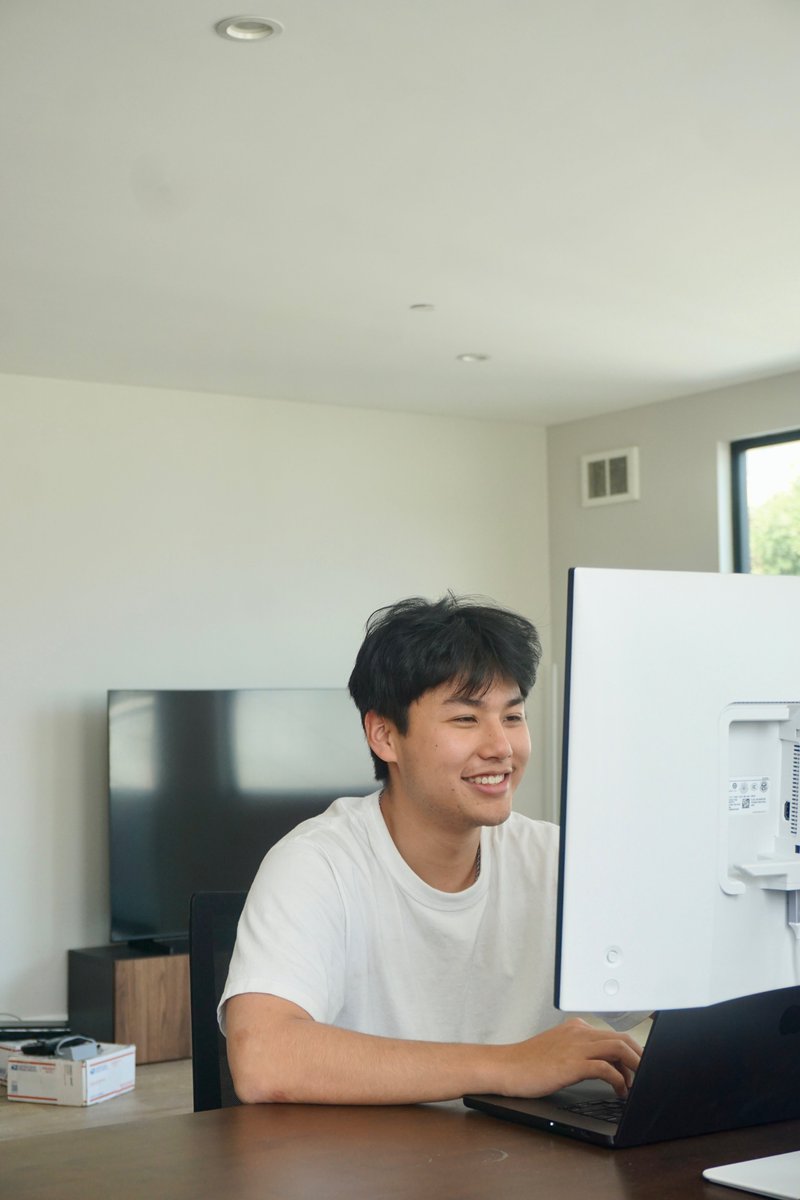
i told myself i'd never make an intro post, but gtm team forced me to
hey guys! 👋 i'm jerry
- 4th in Canada for 200m breaststroke (u13) til i tore my acl
- degen'd league till 8am everyday until i got my sht together
- full-ride @USC as an international student
- av research at 18
- yc founder at 20 (f25) @uselemma_ai
- built ai agents @Chipstack, featured by jensen at computex
- did NOT grow my linkedin to 10k in <1 year
- #1 botc fan poker addict
starting to regret growth hires
46
2
137
9,923

Ah got there in the end.
A working I2C scanner on the STM32WL, showing all my lovely chips reporting back, and then pulling the data off a pair of Adafruit Soil moisture probes, before pinging the readings up through my LoRa gateway, and through to my local Chipstack Server.
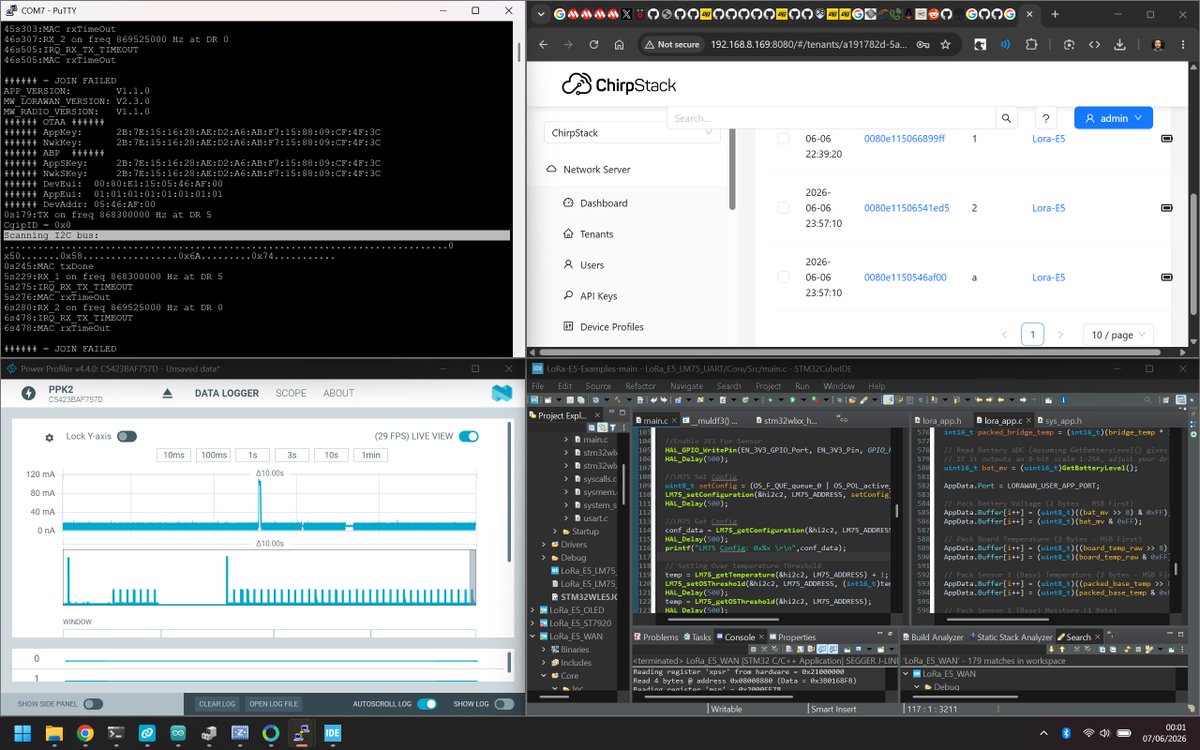

"Nice. Working, compiling project. Hm, i'll just add in I2C via CubeMX..."
>> make: *** No rule to make target '/Core/Src/dma.c', needed by 'Application/User/Core/dma.o'. Stop.

1
10
1,263

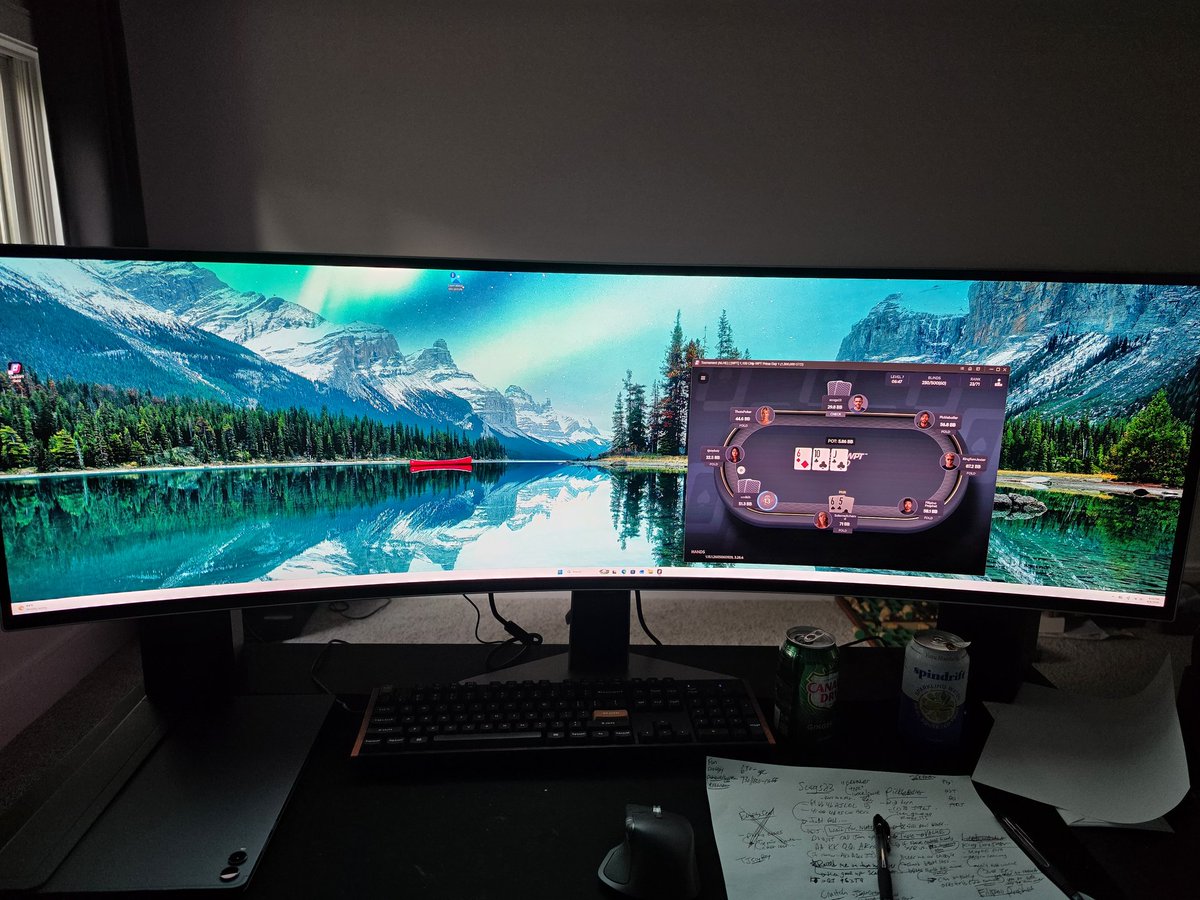
@WPT @ClubWPTGold
If we don't bag a Top 5 chipstack for Day 2 Prime Championship, we definitely can't blame it on the setup
GL @seemitch
@jakacoaching
@ClubWPT
3
9
245

Jun 5
CDNS @ BofA Global Technology 2026
Generative AI TAM Expansion: AI is a massive net positive, creating a new Total Addressable Market through agent products like ChipStack while exponentially driving up usage of Cadence's base tools
1
2
222
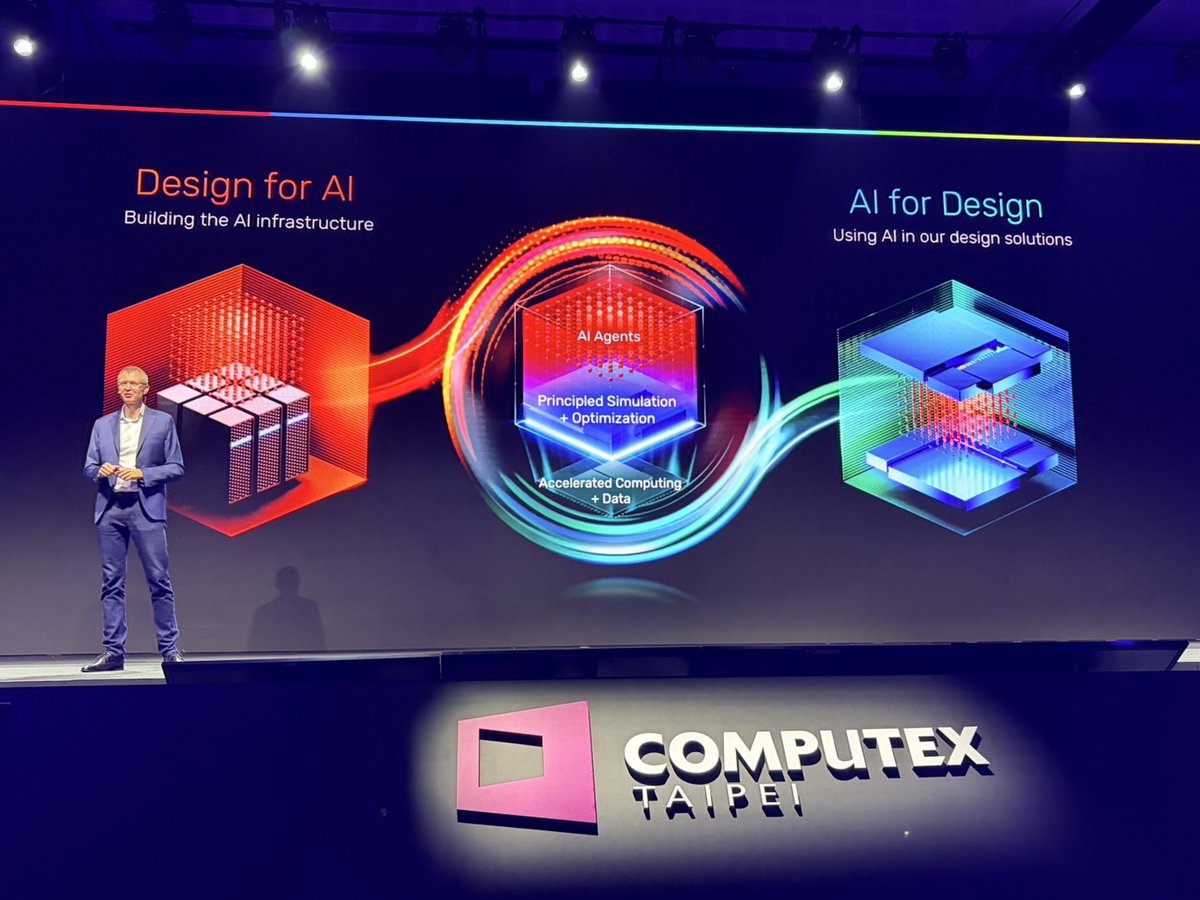
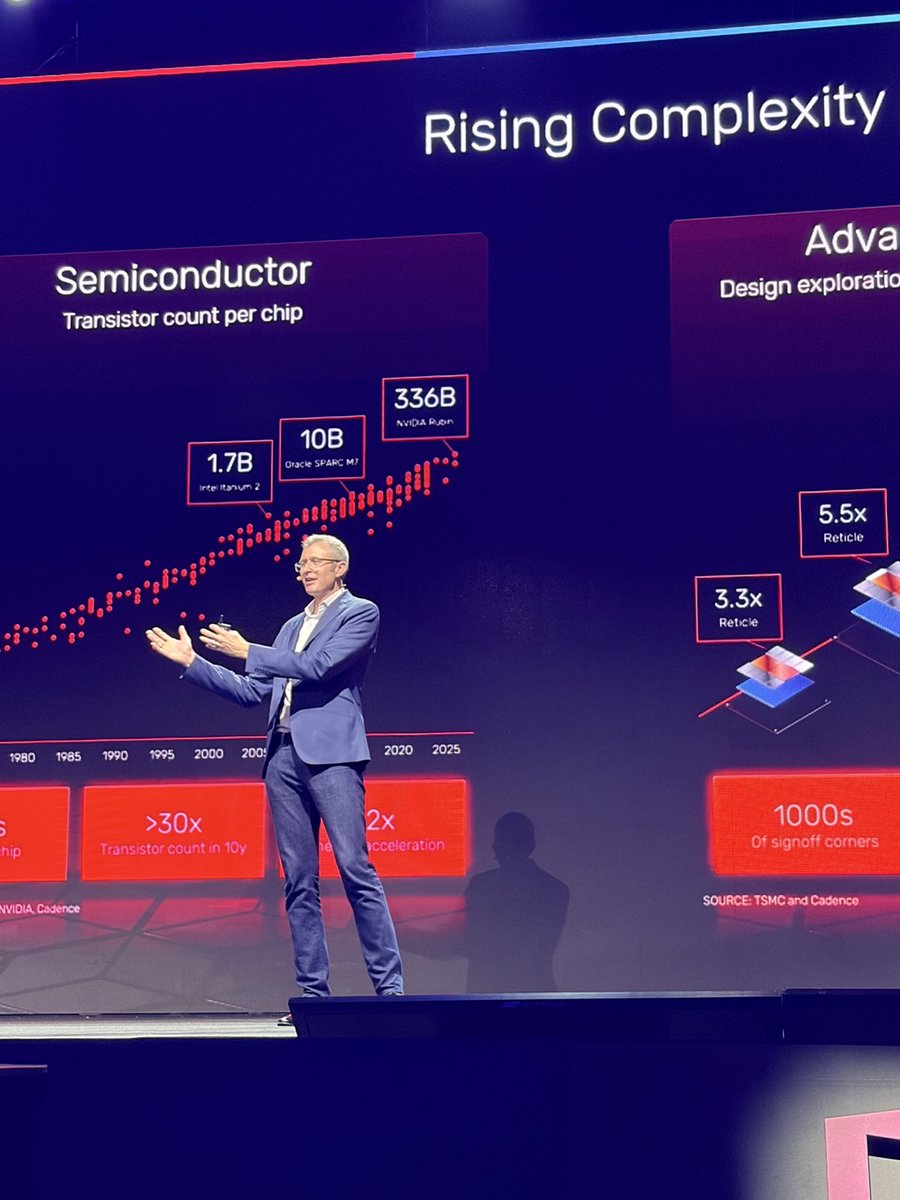
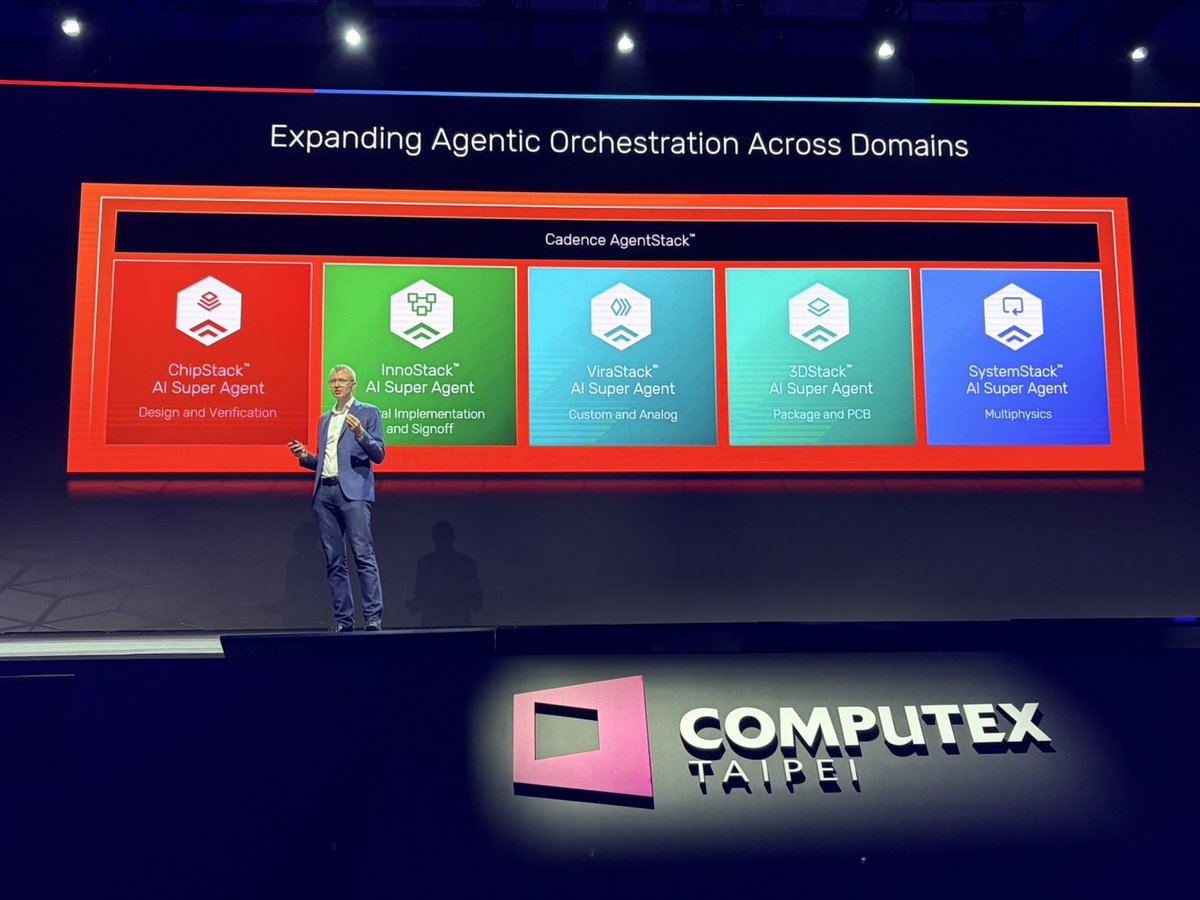
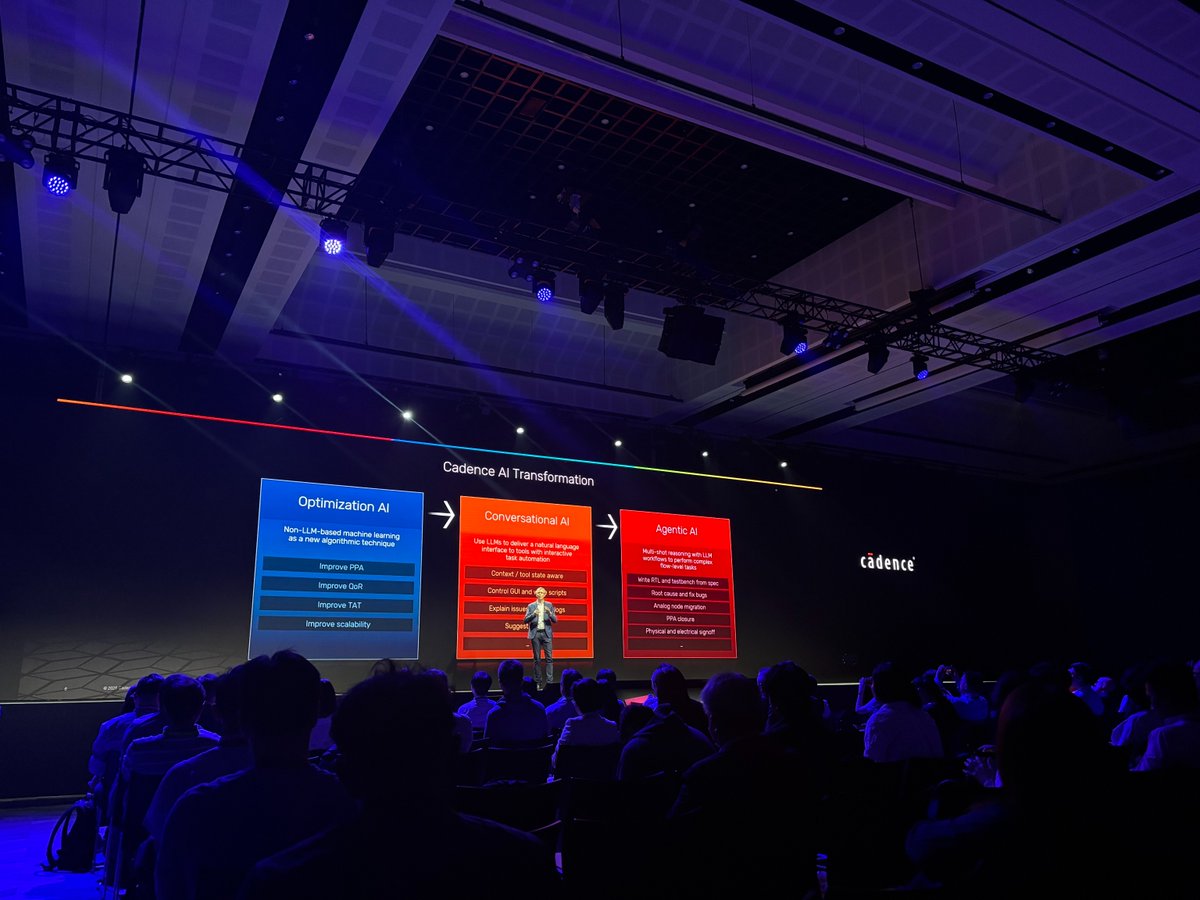
At #COMPUTEX2026, Cadence SVP Paul Cunningham showcased 2026 breakthroughs in agentic AI—powered by @NVIDIA—accelerating design & verification. Introducing the industry’s first fully autonomous AI design engineer, expanding the ChipStack AI Super Agent.
community.cadence.com/cadenc…
4
10
476
Cadence & @NVIDIA are reinventing chip design - with AI agents. Powered by the Cadence ChipStack AI Super Agent & NVIDIA Nemotron, this work demonstrates early progress toward more autonomous design.
👉 ow.ly/VKUR50Z6WzL
This is Design for AI and AI for Design.
1
6
24
1,444