
May 13
Cloud forests, hidden wildlife, and landscapes teeming with life. 🌿
The Wild Heart of Pangolakha—releasing this Friday. Stay tuned!
Photo credits: Dhritiman Mukherjee
#CloudForests #TheWildHeartOfPangolakha #HiddenGems #NatureOfInstagram #HiddenWildlife
5
138

Mar 30
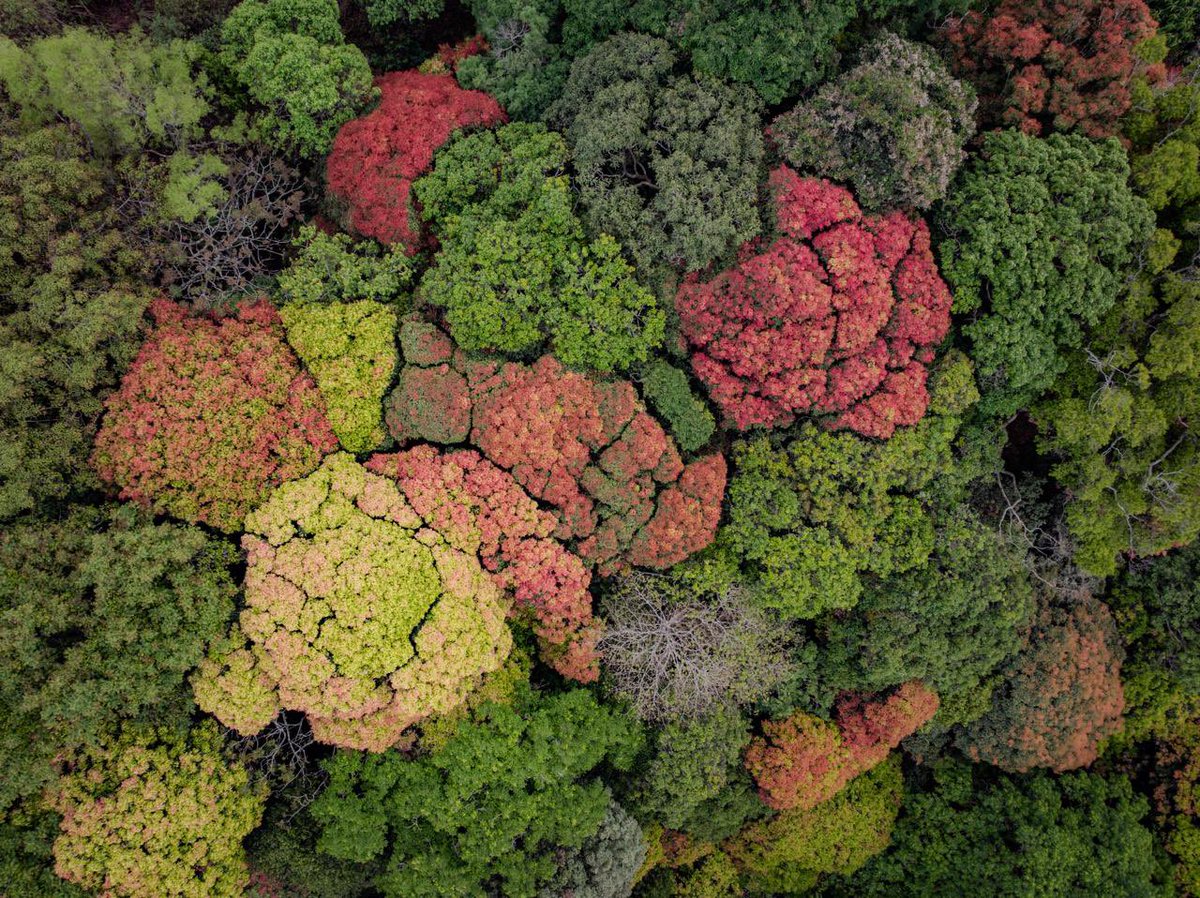
You’re looking at one of the most magical landscapes on earth and chances are most people have never heard of it. These are the Shola “sky islands” of the Nilgiris. At first glance, it looks like a painting, but this landscape is alive in ways most people never realize. These 'cloud forests' locally known as "Cauliflower Shola", are living water systems. They capture drifting clouds, store rain deep within their soil, and release it slowly into rivers that sustain millions of lives. They are ancient, incredibly rare, and home to species found nowhere else on Earth 🌍 like Eriochrysis rangacharii (grass endemic to Nilgiris), Horsfield"s spiny lizard etc. Photo by Meenakshi Sundaram #SholaSkyIsland #CloudForests
99
692
3,371
77,237
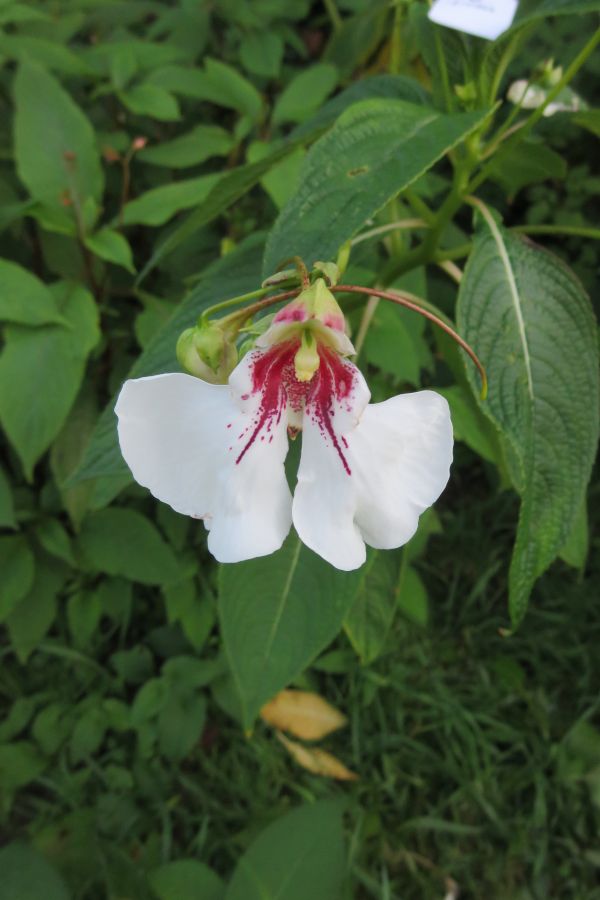
Brought pots full of rooting (hopefully) cuttings of this inside to avoid risk of them freezing during frosty nights. Known as Impatiens tinctoria which might not be accurate (not clear where the "dye" comes from). From cloudforests high on various mountains of Africa.
3
2
8
324

24 May 2025
In Geology ✔️ Mineralogy ✔️ Botany ✔️
Monkey Orchid: Nature’s Mimic of Primate Faces in Bloom
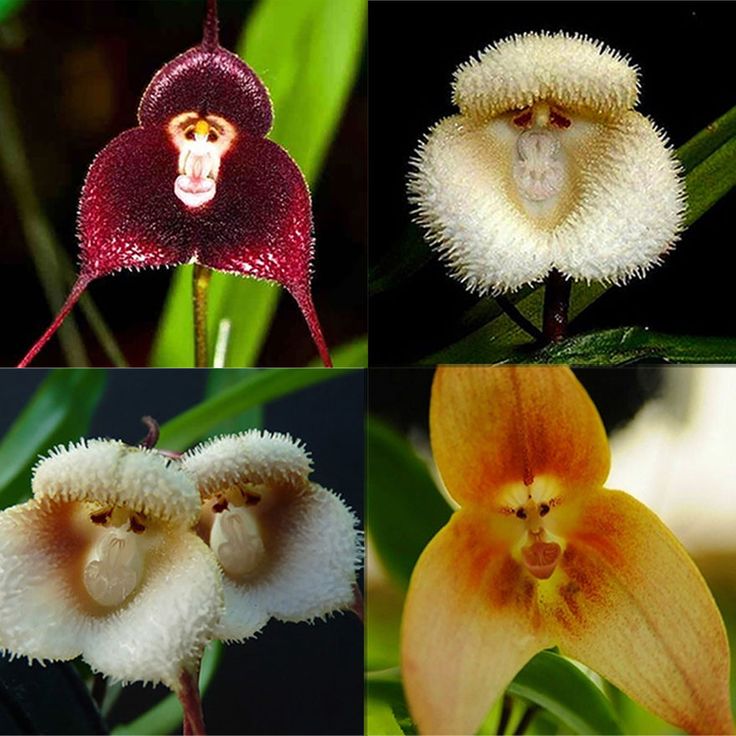
In the misty cloud forests of South America, the Monkey Orchid (Dracula simia) blooms with flowers that eerily resemble monkey faces.
This botanical marvel
thriving in high-altitude humidity, captivates with its intricate design and elusive nature. Explore its story and science.
Environment & Cultivation Story
Dracula simia, the Monkey Orchid, flourishes in the cool, humid cloud forests of Ecuador, Peru, and Colombia at elevations of 1,000–2,000 meters.
Epiphytic by nature
it clings to moss-covered trees, absorbing moisture and nutrients from rain and air in these fog-shrouded ecosystems.
Cultivation is challenging
due to its specific needs: high humidity (70–80%), cool temperatures (16–24°C), and dappled shade mimicking forest canopies.
Growers use specialized
orchid mixes of bark, perlite, and sphagnum moss to ensure drainage and prevent root rot.
Seeds, dust-like and fragile
require sterile conditions and years of patience, often taking 3–8 years to bloom, making established plants a preferred choice for enthusiasts.
Botanical Information
Taxonomy: Belonging to the Orchidaceae family, Dracula simia is one of ~120 species in the Dracula genus, previously classified under Masdevallia.
Its name, derived from “dracula”
(little dragon) and “simia” (monkey), reflects its fanged sepals and primate-like flower structure.
Morphology
This epiphytic or occasionally terrestrial orchid grows to 20–50 cm, with thick, fuzzy, deltoid-shaped leaves and no pseudobulbs.
Instead, its spongy leaves
store water and nutrients, an adaptation to humid, low-nutrient environments.
Flowers, 2–6 inches long
feature long, tail-like sepals and a lip resembling a monkey’s face, with colors ranging from red, purple, pink, to white, often with speckles or stripes.
Pollination
The flowers employ biomimicry, attracting fungus gnats with a fungi-like scent and appearance for pollination, a strategy tailored to its shaded forest habitat.
Their orange-like fragrance adds to their allure.
Habitat
Native to high-altitude cloud forests, it thrives in acidic to neutral soils (pH 5.0–7.0) with constant moisture and air circulation.
Its epiphytic nature
allows it to grow on tree bark, relying on rain and humidity rather than soil.
Conservation
Habitat destruction and over-collection threaten Dracula simia, with some subspecies at risk of extinction.
Sourcing from reputable
growers is critical to avoid depleting wild populations.
Cultivation Challenges
Requires precise conditions, 70% shade, 12–16 hours of filtered light (500–1,500 foot-candles), and weekly watering with rainwater or distilled water to avoid chemical buildup.
Special pots
with drainage holes are essential to mimic its natural environment.
Interesting Fact
The Monkey Orchid’s scientific name, Orchis simia, partly derives from the Greek “orchis,” meaning testicle, due to its twin tuberous roots resembling primate testes, a nod to both its appearance and botanical heritage.
Have you encountered unique orchids like Dracula simia, or tried cultivating one?
Like & Share ✔️ your experiences or favorite botanical oddities in the replies!
#Botany #MonkeyOrchid #DraculaSimia #Orchidaceae #CloudForests #PlantScience #nature
Rare Orchids Look Just Like Monkey Faces
youtu.be/meUHFtXzWtI
Searching For the Unique Monkey Orchid in the Rainforest!
youtube.com/shorts/GYQ6m4q-l…
ALT Rare Monkey Orchids pinterest.com
1
3
165

21 Mar 2025
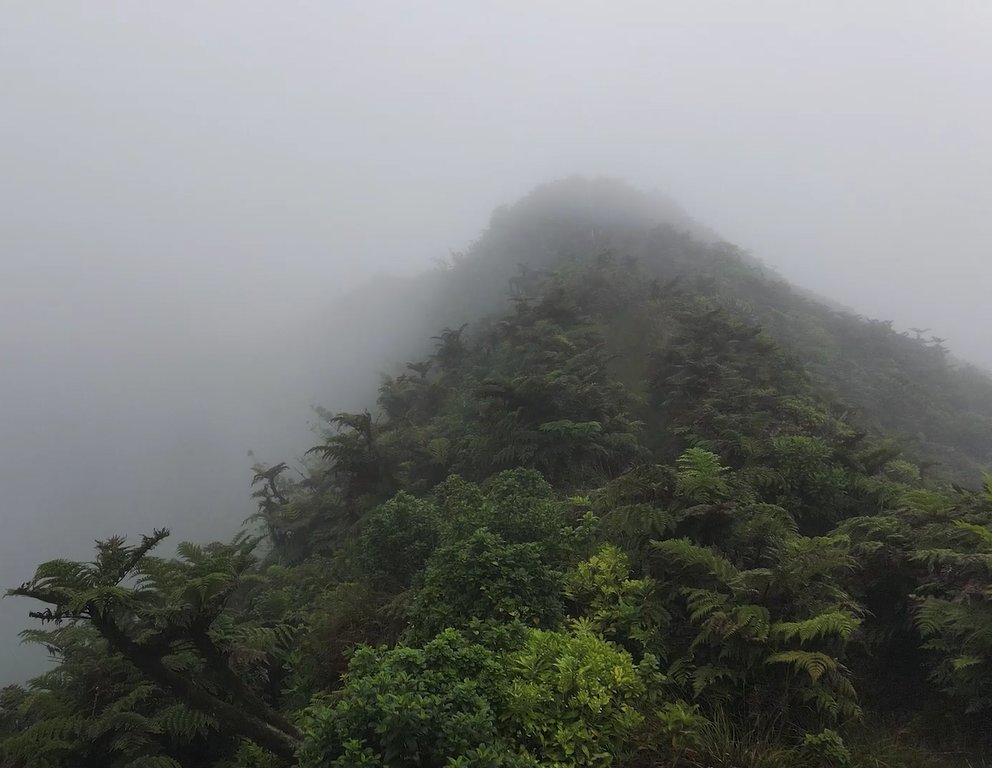
DYK #CloudForests cover less than 0.4% of the world’s land area and are in danger of disappearing! on #InternationalDayofForests we remind you of the importance of the St Helena Cloud Forest Project in safeguarding our #CloudForest for water, wildlife and people 🌳🛡️ #SHCFP
5
16
434

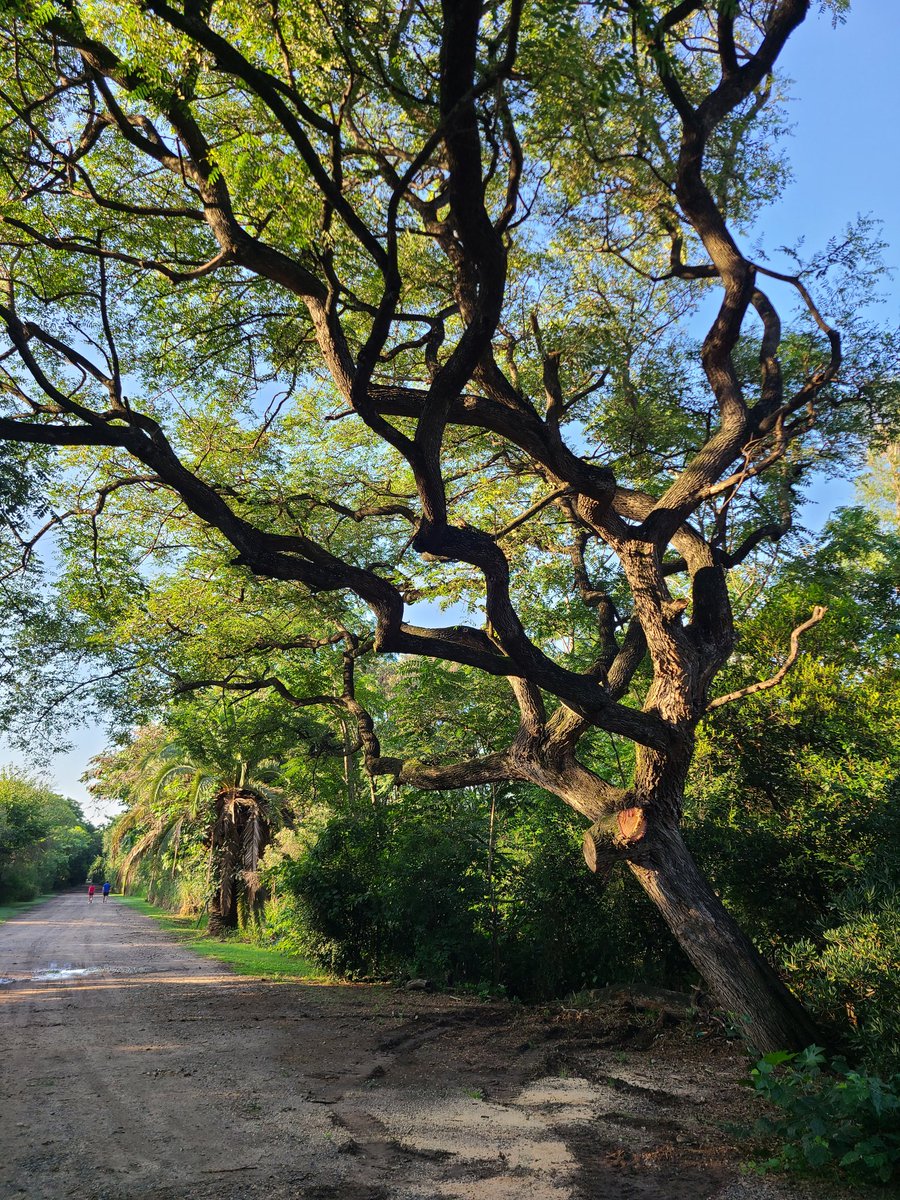
#thicktrunktuesday this week from Buenos Aires and it's city Nature Reserve, Costanera Sur. This species is native to the cloudforests much further north.
#Argentina
1
9
57
539

8 Mar 2025
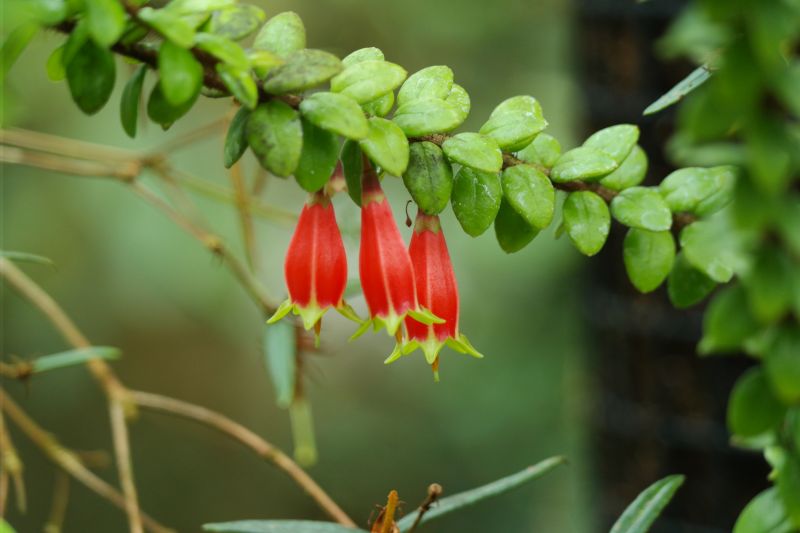
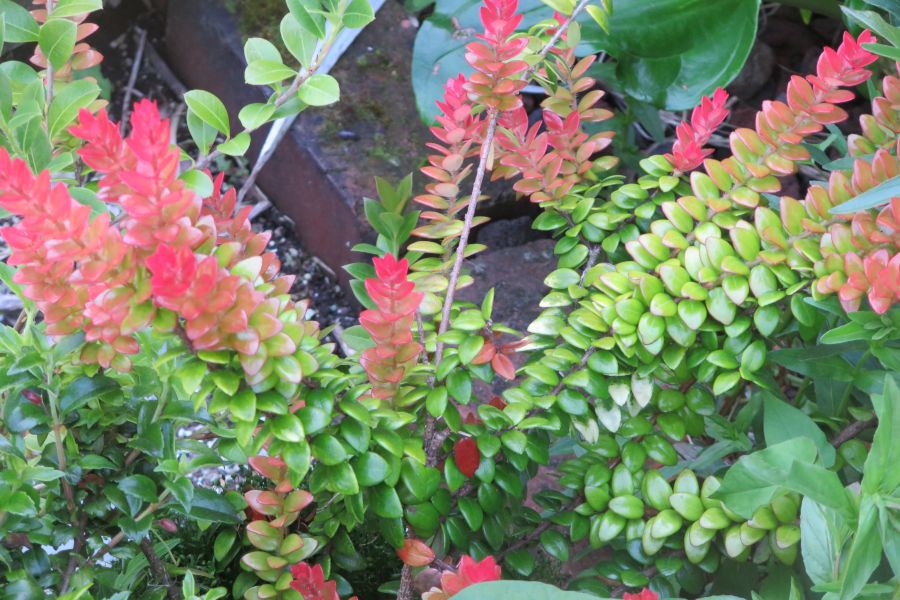
🧵 Agapetes season. Agapetes are Blueberry relations native to South Asian cloudforests. The fruit is edible but none of the ones I've tried actually tasty.
Agapetes lacei. Like many Ericaceae it has spectacular new foliage; I'd say especially so. Sadly rather tender.
1
1
4
176

1 Oct 2024
Resplendent quetzal perched on a tree in a jungle!
fstopdotcom.printify.me/prod…
#Resplendentquetzal #quetzal #birds #costarica #ecotourism #holidaygift #highresolution #cloudforests #iridescence #printify #printondemand #art #artwork #posters
1
1
2
49

23 Sep 2024
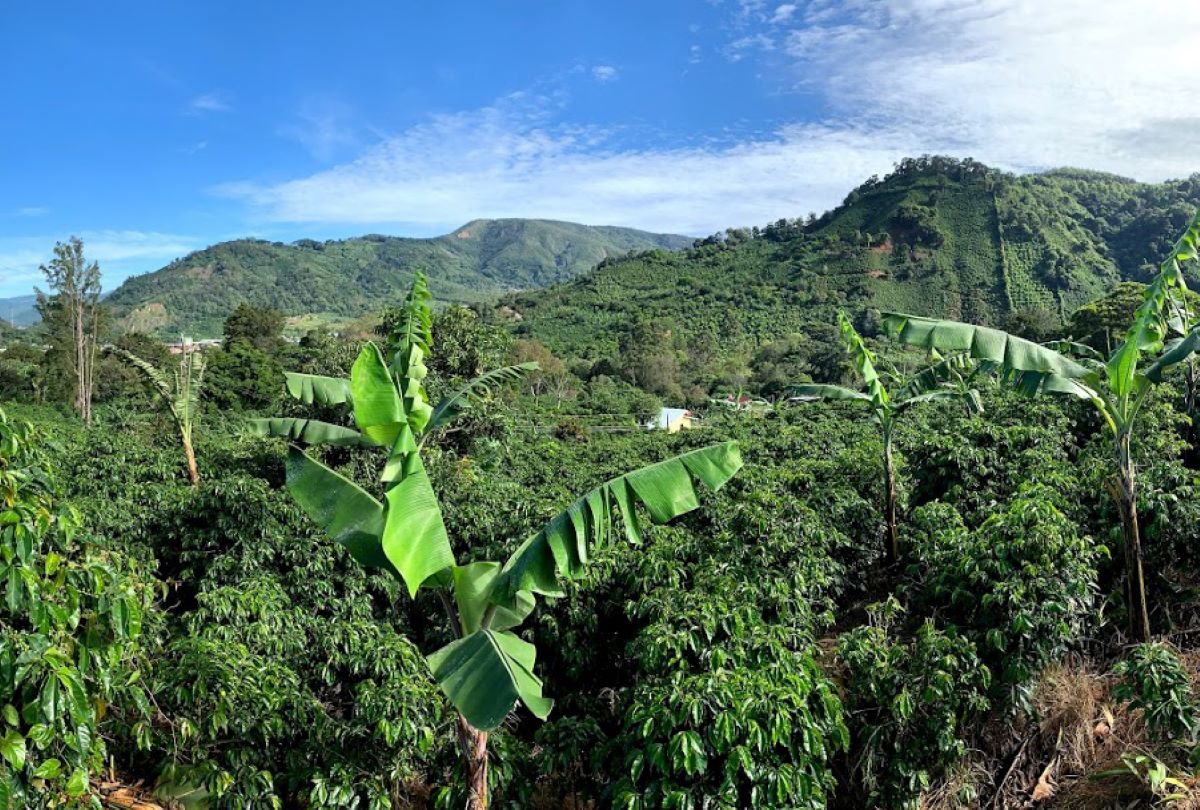
We have an exciting free program opportunity on Sept. 26 to learn how tree conservation efforts are restoring and recovering biodiversity-rich cloud forest ecosystems. Advance registration is required for Restoring Cloud Forests with Endangered Trees in Mexico, presented by Tarin Toledo, Ph.D., researcher at Instituto de Ecología A.C. in Mexico. Sign up at bit.ly/4dizbQr. #cloudforests #restoration #protecttrees
5
355

Have you ever heard of #cloudforests? Although covering only 1 % of the global #woodland, they are incredibly important for #biodiversity and the surrounding #ecosystems.
👇Read more on our blog👇
volt.ku.dk/volt-blog/cloud-f…
2
7
524
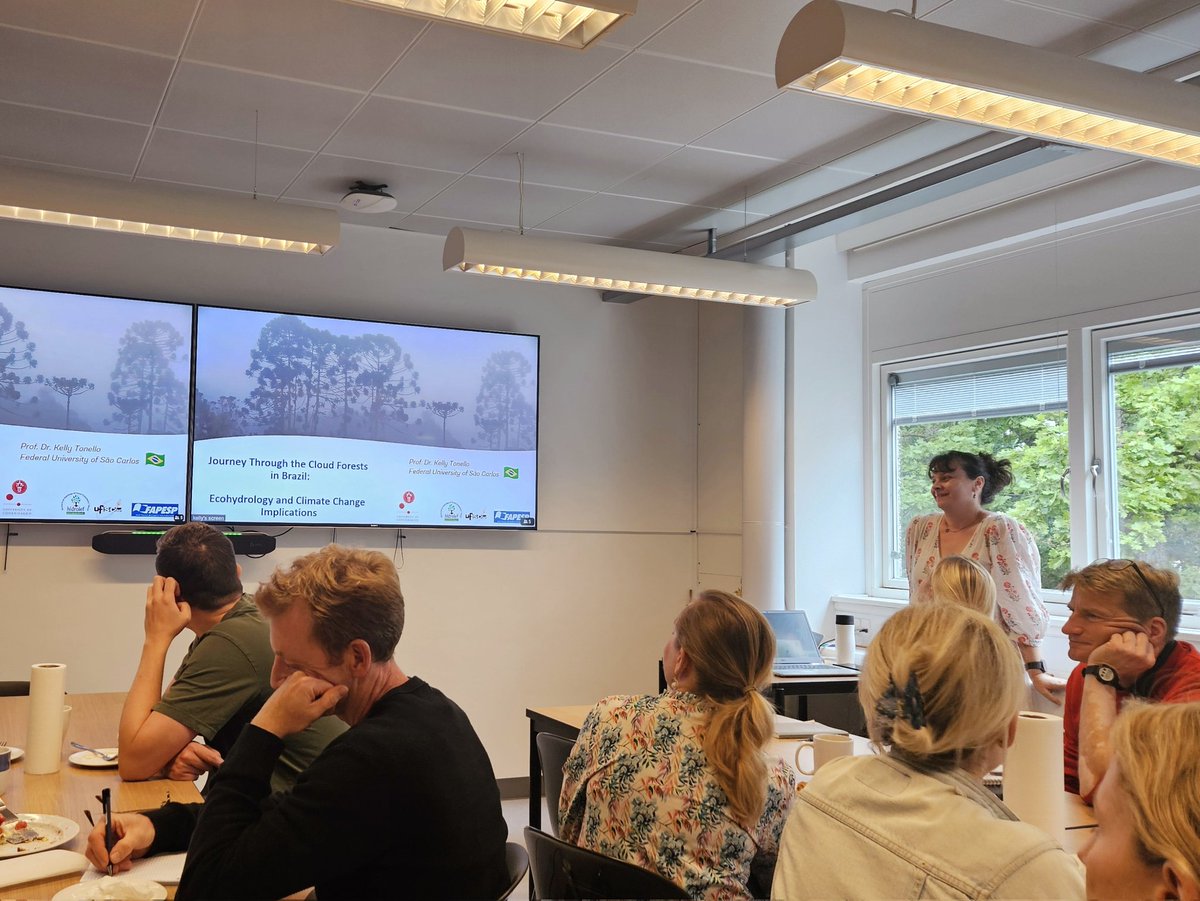
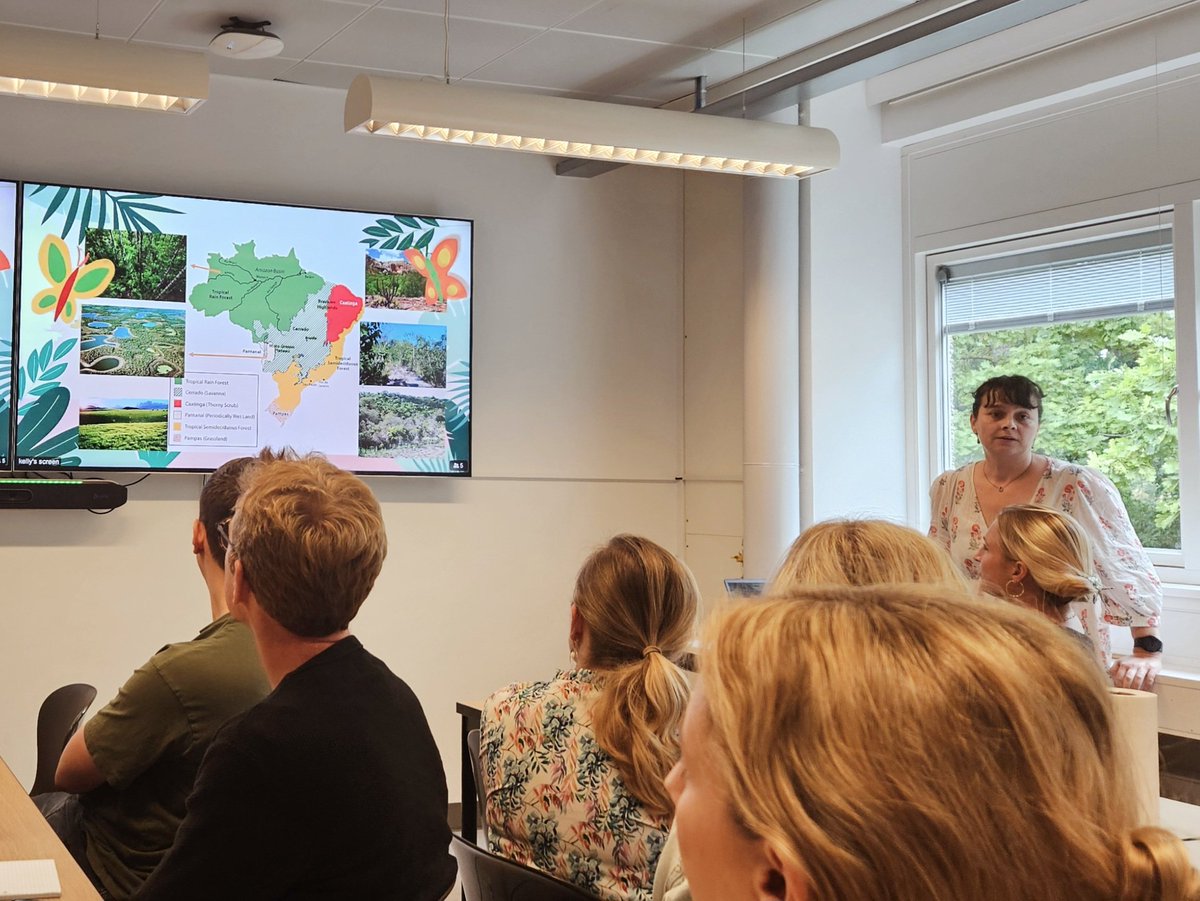
Last week, we had a visit from Prof. Kelly Tonello who talked about her research on #cloudforests in #Brazil and their unique #climate. Stay tuned for a blog post on this interesting topic! ✨️
6
228

17 Aug 2024
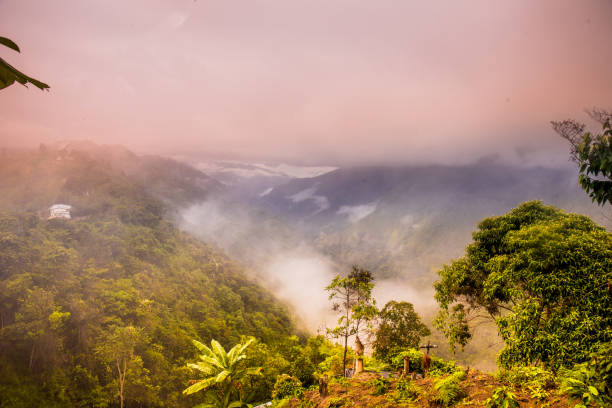
#TimesEvoke | ‘#Cloudforests move #water between trees, mountains and sky — they become a Goldilocks zone for #life’
Read here 🔗
timesofindia.indiatimes.com/…
#nature #science #climatechange
1
10
6,241
17 Aug 2024
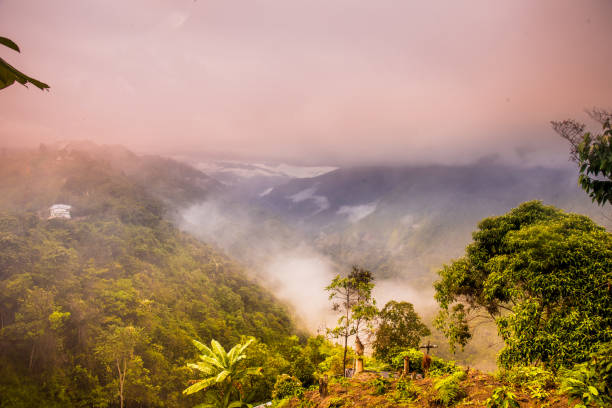
#TimesEvoke | ‘#Cloudforests move #water between trees, mountains and sky — they become a Goldilocks zone for #life’
Read here 🔗
timesofindia.indiatimes.com/…
#nature #science #climatechange
1
12
5,520

13 Jun 2024
Wait till he finds out about Scotlands lost highland cloudforests...
1
4
168

5 Jun 2024
Set foot in Costa Rica’s ancient cloud forests & feel as though you’ve been whisked back to a prehistoric era - a lost world where nature reigns supreme.
Our NEW collection “Costa Rica: Rainforest Escapes” is now LIVE! 🌴🇨🇷
portal.app/collections/costa…
#SpatialAudio #CloudForests
3
6
517

4 Jun 2024
Epiphytic bryophytes on my dearest tropical tree! #Embaúba #Cecropia #CloudForests #CostaRica
🌿
Thank you all, great work!

4
333

30 Mar 2024
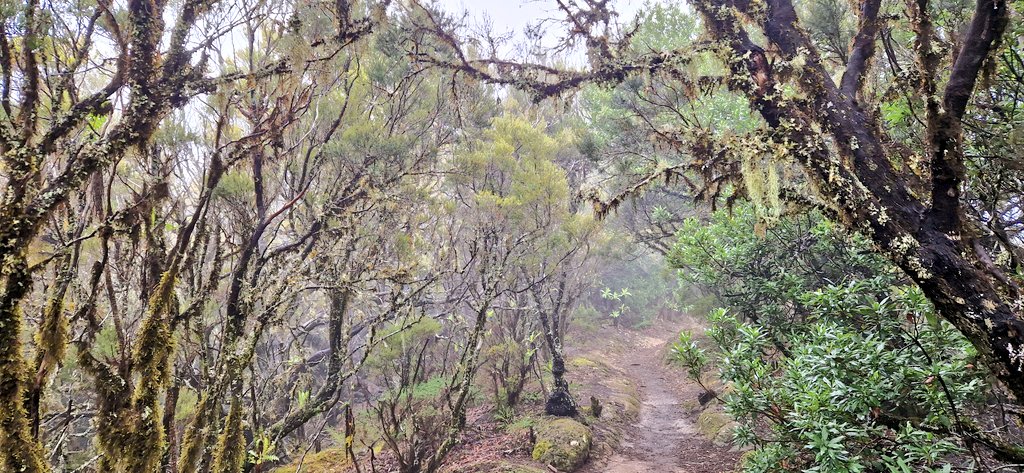
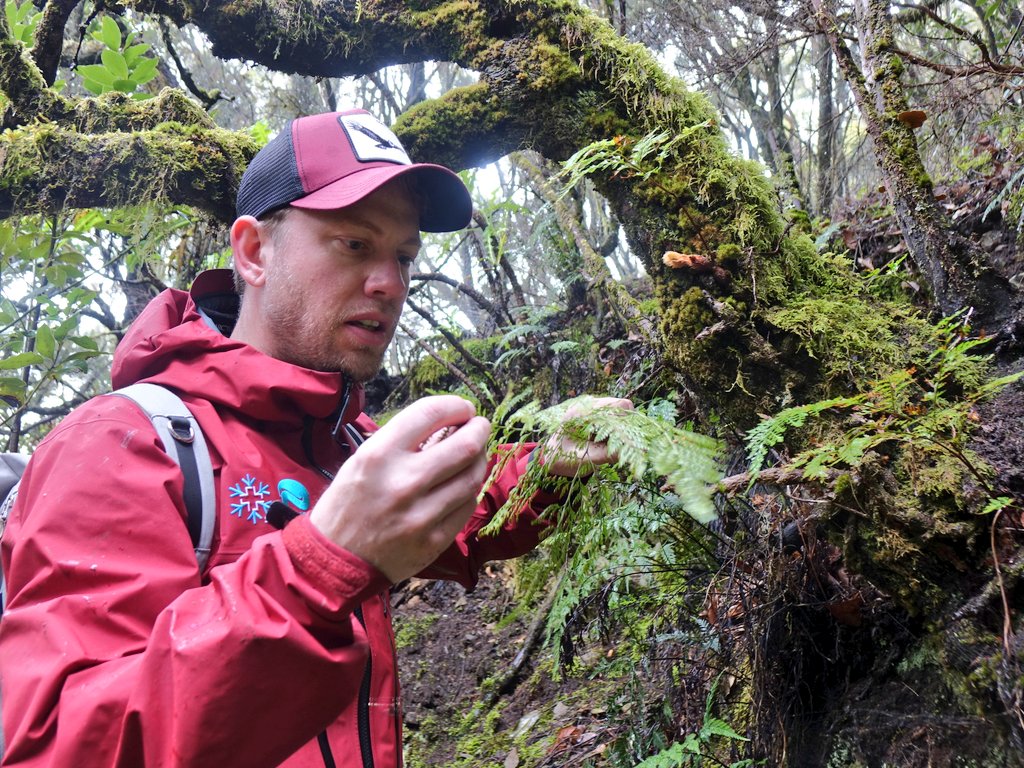
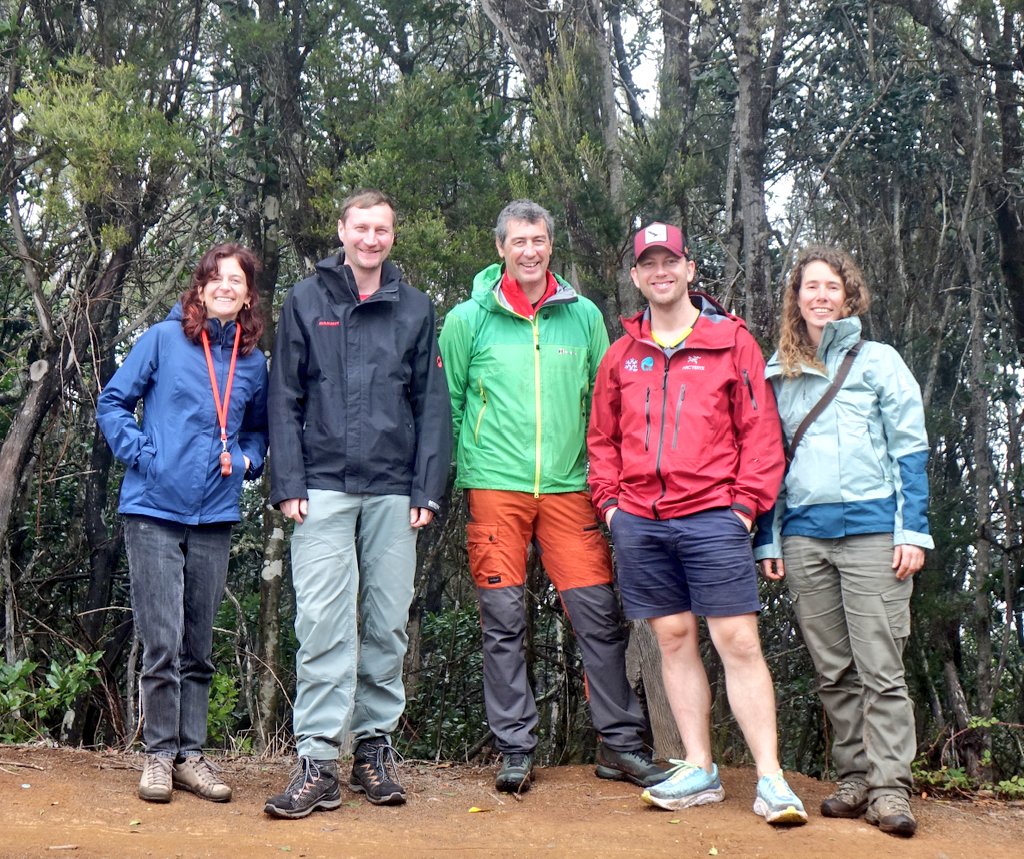
#Cloudforests are like coral reefs on land, busting with #biodiversity. Using the new #CHELSA #CanaryClim data from @JairoPatino_Lab, combined with #AI based vegetation surveys we try to unravel the complex history of these ecosystems. onlinelibrary.wiley.com/doi/…

12
768

27 Mar 2024
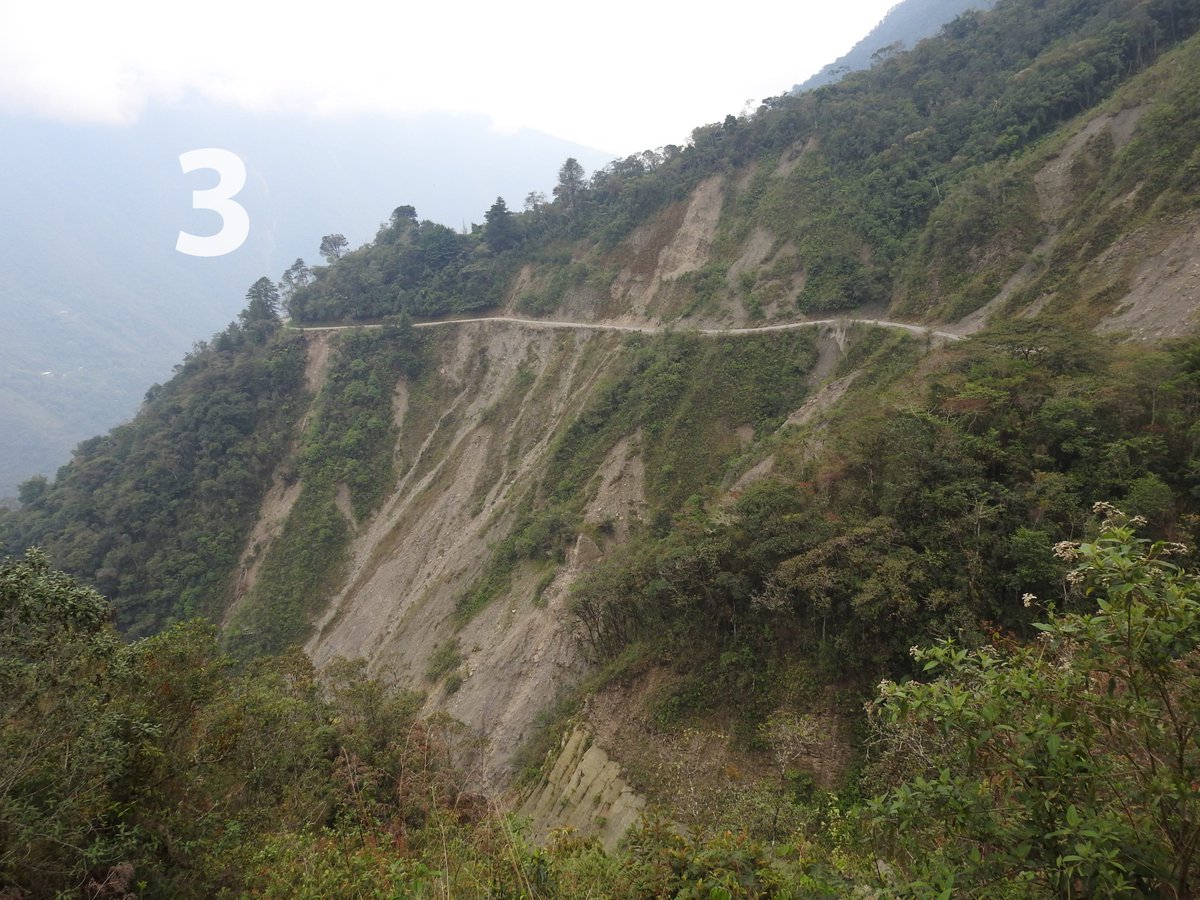
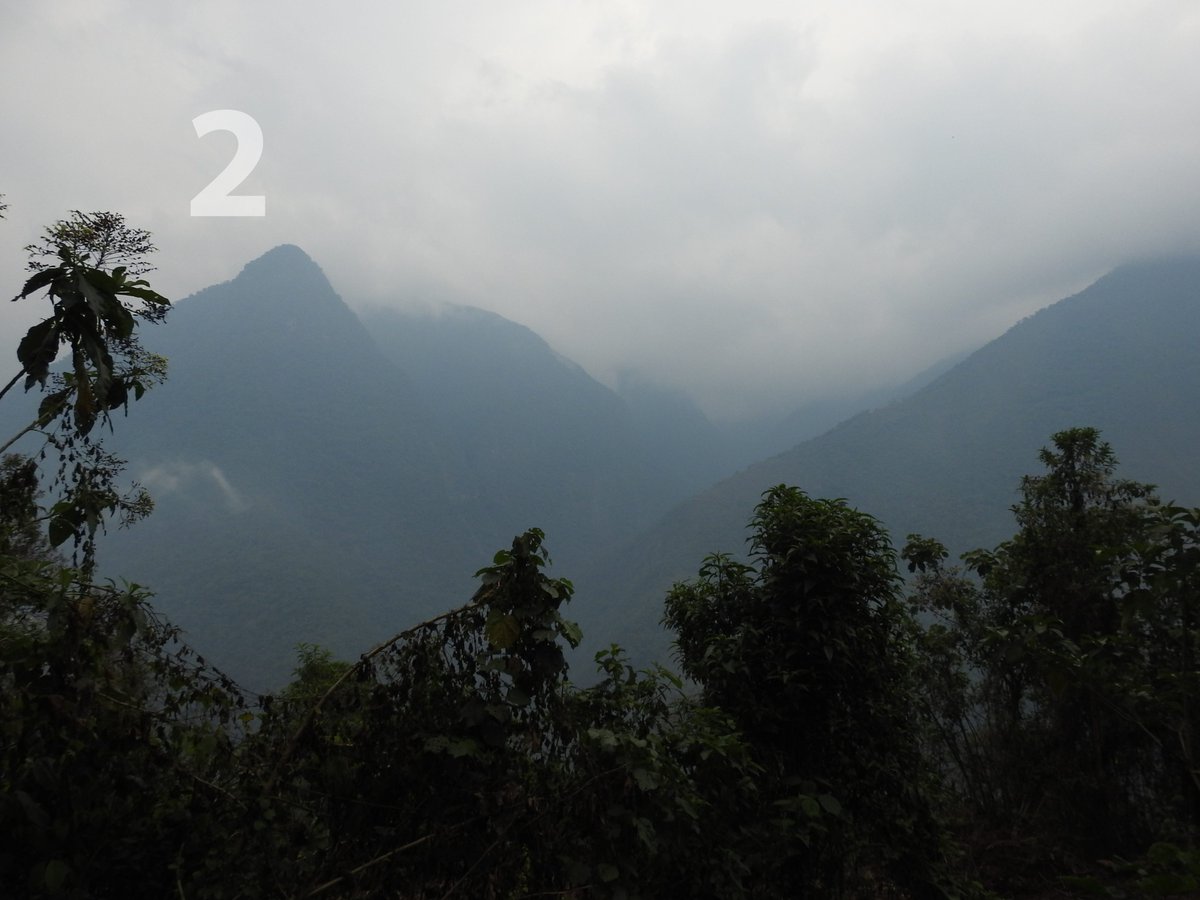
The Lower Yungas region in Bolivia is characterized by lush, subtropical forests extending from the Andes mountains' eastern slopes into the lowlands. This area is known for its rich biodiversity, with diverse flora and fauna inhabiting the dense forests and river valleys.
The Lower Yungas area is essential for conservation efforts due to its high biodiversity levels and threatened species. However, like many other parts of Bolivia, the region faces threats such as deforestation, habitat fragmentation, and land use conflicts, which pose significant challenges to its conservation.
Efforts to protect and preserve the Lower Yungas region involve:
- Establishing protected areas.
- Promoting sustainable land management practices.
- Engaging local communities in conservation initiatives.
Follow this link to learn more about the Lower Yungas and the situation they face.
Explore the Lower Yungas & the challenges they confront by following this link:
tdmorgan.substack.com/p/the-…
#cloudforests #yungas #theloweryungas #savingterra #bolivia
#biodiversityofbolivia #biodiversity
Please follow, share, and like our posts.
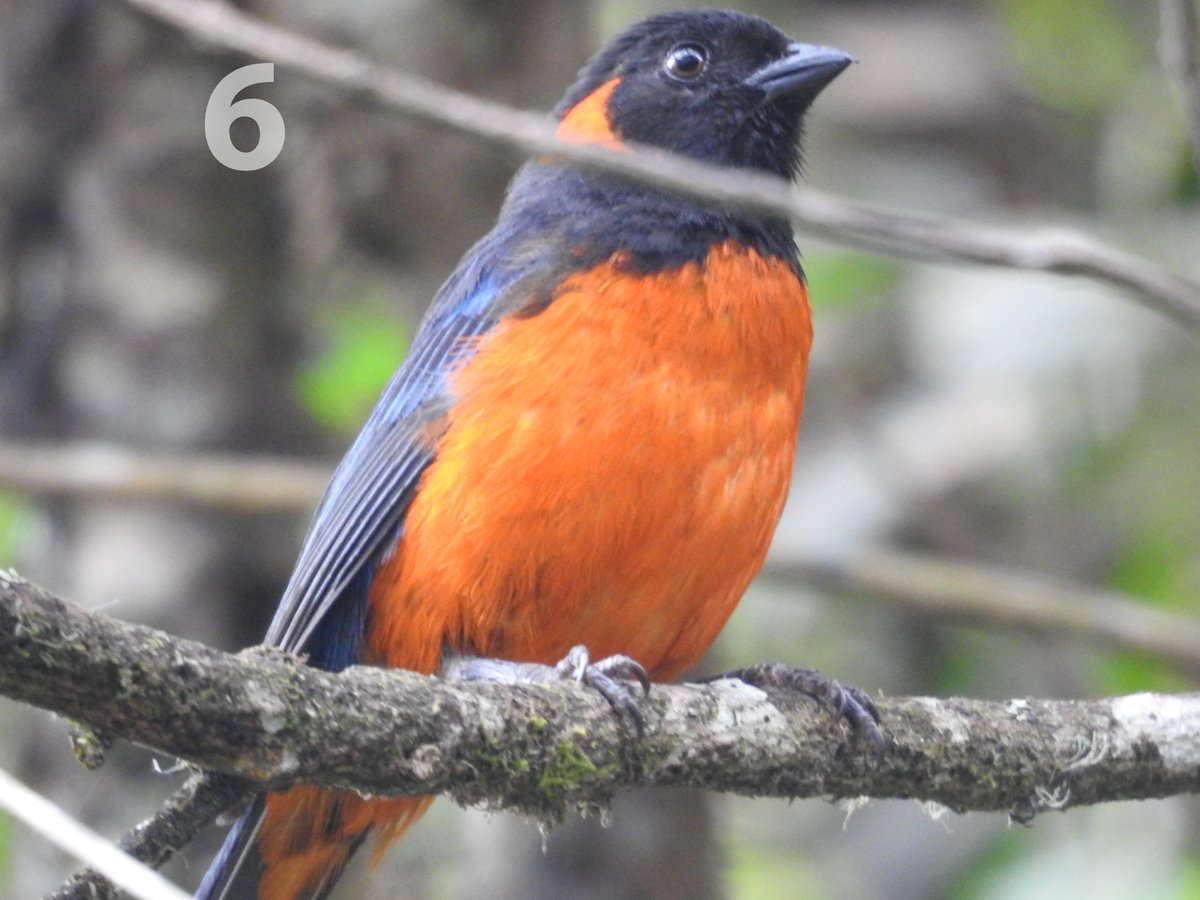
ALT Scarlet-bellied Mountain Tanager
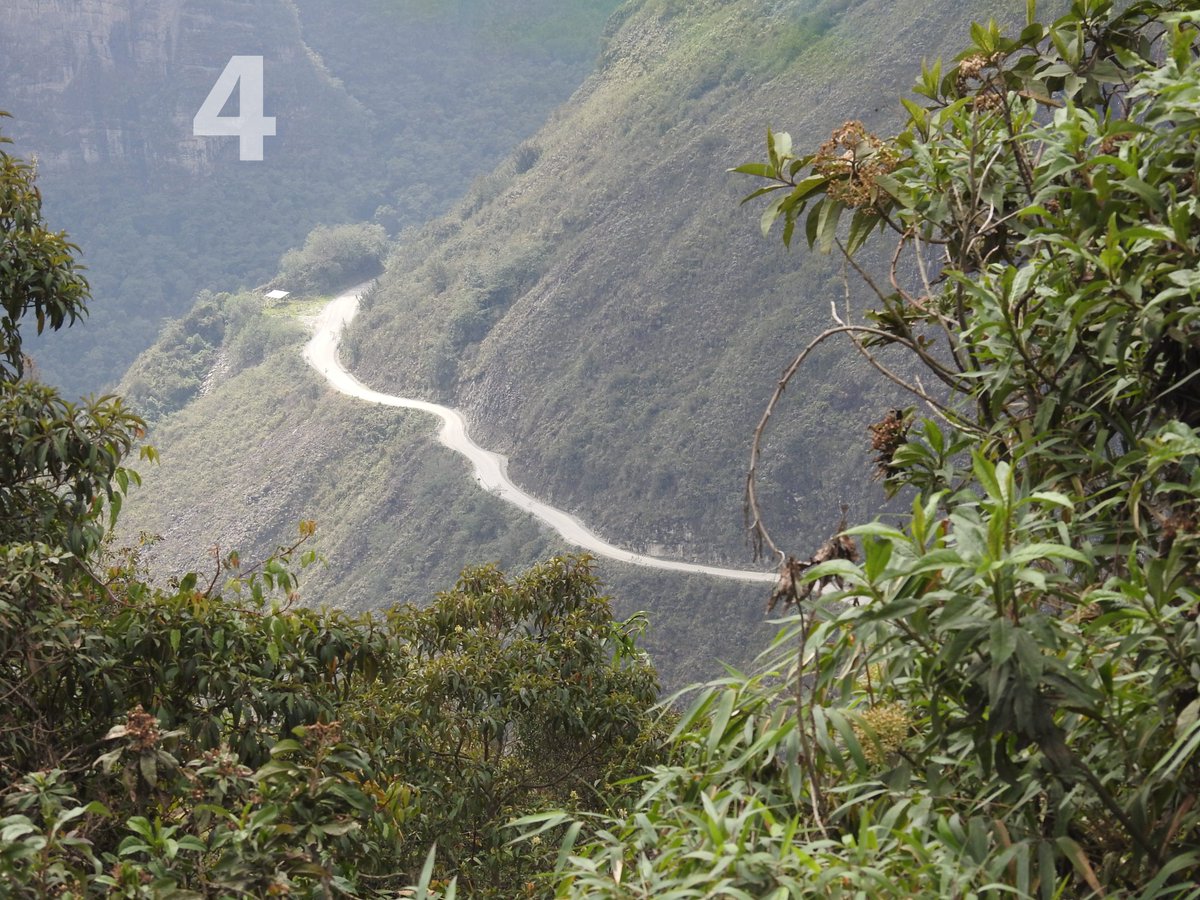
ALT Highway of Death
ALT Mining road through Yungas forest
ALT Upper Yungas forest in mist
4
60

20 Feb 2024
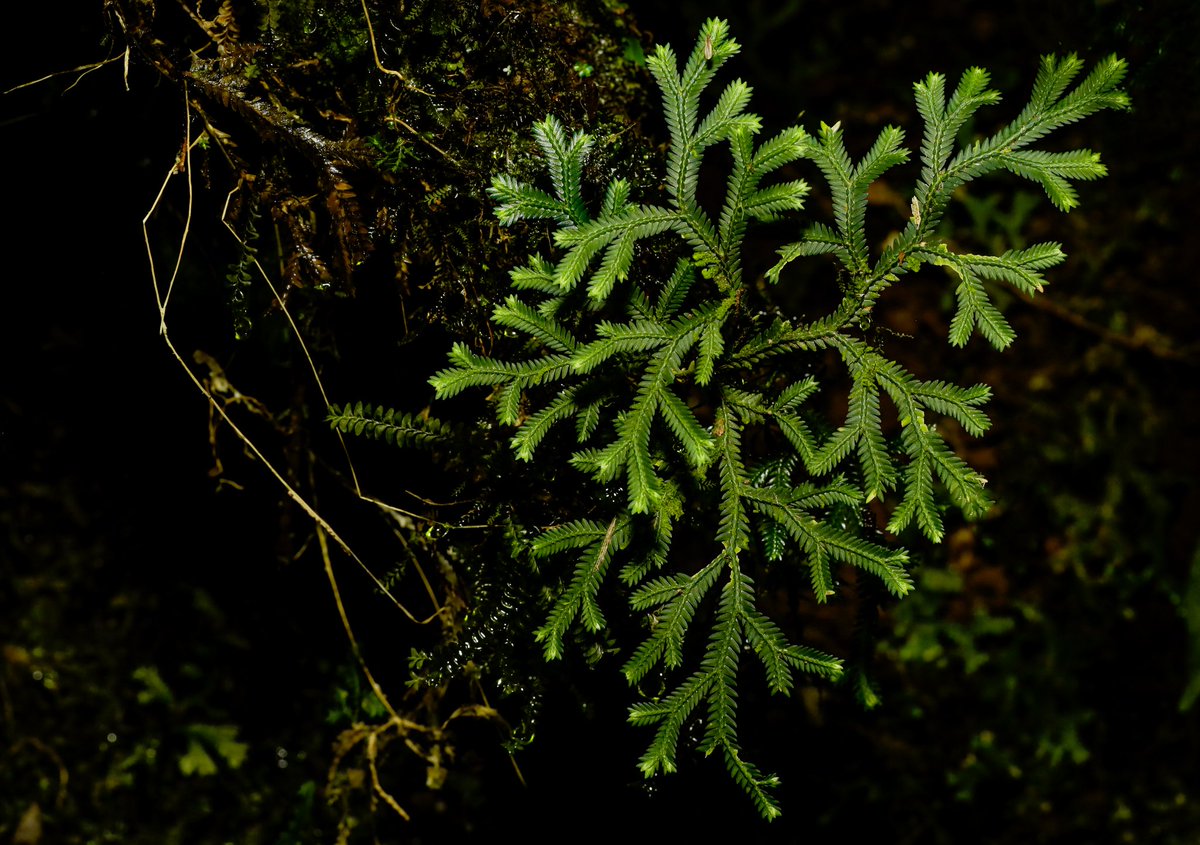
Encrucijada verde / Green crossroads
La rosa de jericó (Selaginella porphyrospora), planta de linaje ancestral perteneciente al orden Selaginellales, familia Selaginellaceae. #Guatemala #nature #naturaleza #wildlifephotography #naturephotography #Selaginella #Cloudforests
1
3
41
19 Feb 2024
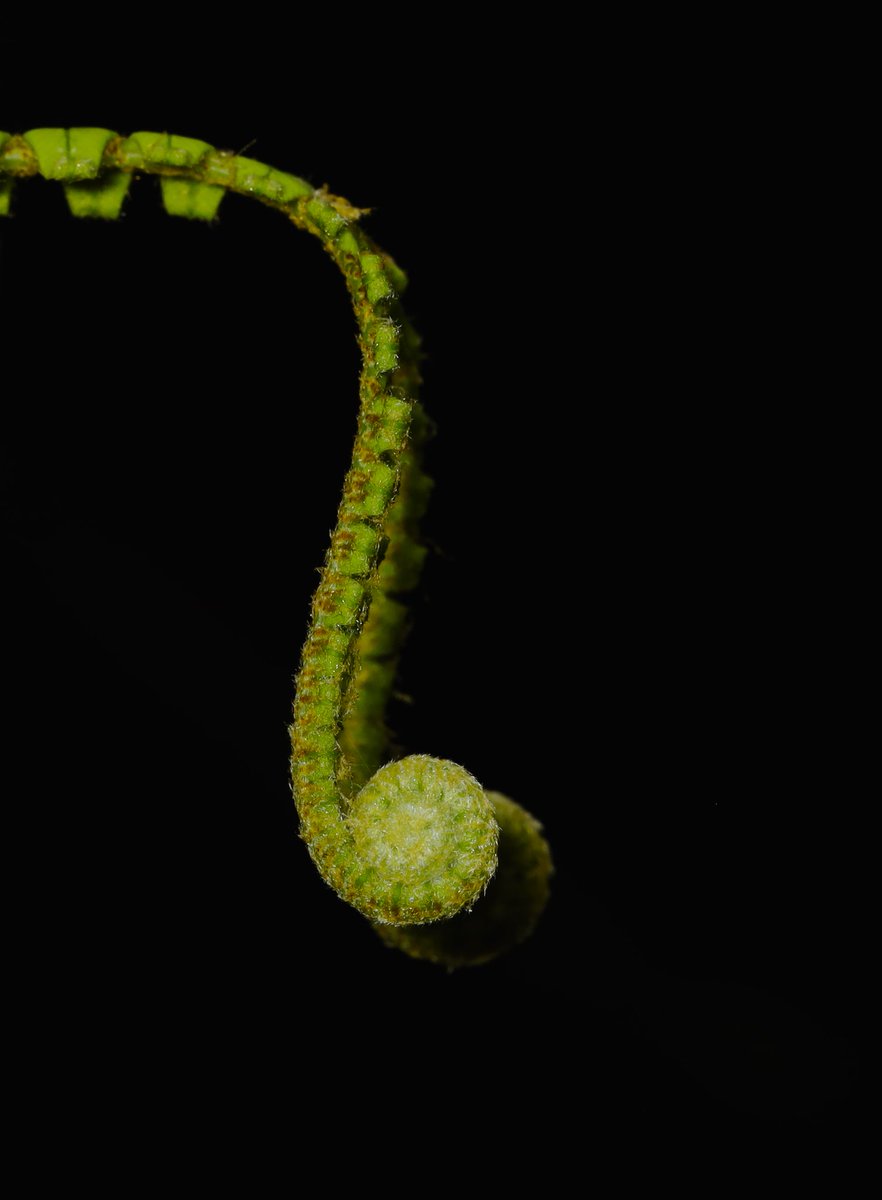
Desplegándose / Deploying
El helecho Sticherus palmatus, pertenece al orden Gleicheniales, de la familia Gleicheniaceae. #Guatemala #nature #naturaleza #wildlifephotography #naturephotography #macrophotography #fotografiamacro #Gleicheniaceae #Cloudforests #BajaVerapaz
2
24