
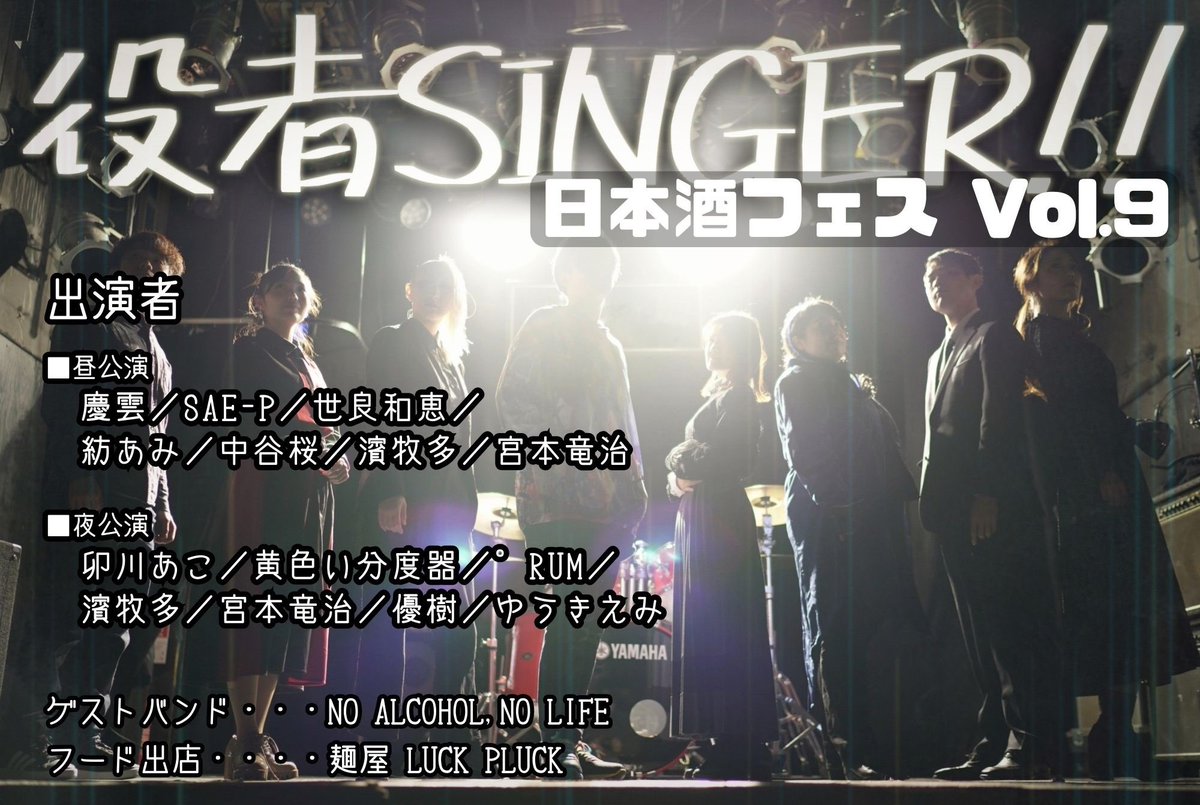
明日の【#役者SINGER日本酒フェス】昼公演、メイクはこれぐらいの濃さかなぁと思うております✨
そして毎度密かに楽しみにし当日も堪能しているらっぷらさん@menyaLUCKPLUCK のサーモン祭りなフードもわくわく…!
皆さん一緒に楽しみましょう🙌
中津Vi-code12時半~
ご予約DMお待ちしております🌸

1
5
14
771

Mar 26
今朝はこちら💁♀️
2.5H/DRESS CODE12回なのでタグつけておきますね🏷️
今日このあとは10時頃から再びオンエア予定です〜🏃♀️
#ROIROM_DRESSCODE
#ROIROM_playlist_Spotify
open.spotify.com/playlist/6z…
Mar 26

🪞ステへ垢新しくなりました🪞
フォローお願いします▶︎mechan65
⚡️ROIROM×かっこいいアイドルソング⚡️
一旦8:30まで⏳
本日は新垢周知のためにほぼ終日リスパやります!
東屋としてご活用くだし〜🏝️
(仕事のためチャットは不在がちです🙏)
#ROIROM_stationhead
share.stationhead.com/rk0pp7…
6
12
1,169

【ワンポチでClaude Code12個が無限キャンバス内で一括起動】
てる君(@Ruters0615 )に教えてもらった、こちらを元に作成
画面タップでターミナルが立ち上げできても、一括で出したい&claudeのコマンドをコピペして打つのが面倒だったのでアレンジさせていただきました。
あとは、PCやツールが落ちた時用に10分に一回バックアップが走って、一括で前の状態を復元できるようにした。
ゲキ便利!!!!
Mar 19

本当は教えたくないけど、ClaudeCodeのAI駆動並列開発のターミナル最適解はこれだと思う。
「Collaborator」はFigmaみたいなCanvas上に複数ターミナルを展開する方式。
ダブルクリックだけでターミナル展開、IDEとしてコードも表示、複数リポジトリを一括管理できる👇github.com/collaborator-ai/c…
1
39
8,865

Claude Code12並列のデモを見て衝撃受けた。x.com/swarm_ai_cloud/status/…
1人で12インスタンス管理からさらに10〜100体のAPI並列化プログラムへ。スケール感が圧倒的。
自分も個人開発でエージェント組んでるけど、こういうスケール感のアーキテクチャめちゃくちゃ参考になる。
3
9
88
26,336


29 Nov 2025
Bucephalandra sp. ”Kayulapis7” Kal-barat
B.kishiiやB.micranthaと同所に自生するKL7。
これが種として確立しているのか、または自然交雑種なのか現在は不明。
2産地で採集しており、タグ表示はしていませんがcode12と24で分けています。過去に販売したものは全てcode12です。
画像個体=Code12。


4
152
3,592



11 Jul 2025
Hier ist auch das Video vom Code12, welches die Welt verändert: cosmic-cine.tv?ref=61458236a…
1
1
24

26 May 2025
code12でライブデータもらった🌸が👓のセリフに赤面して🍁がジト目するシーン、🍁はまだ気づいてないけどあの時たぶん嫉妬もちょっと混ざってますよね。
付き合い初めてから🌸と👓が同じようなやりとりしてる時に大人気なく邪魔した🍁が(なんかこんなの前もあったな…)って思い出して、▶︎
1
2
11
322

“You fell in love. And what comes with that? Burning fingertips. Flushed cheeks? Ache in the chest? Or perhaps a secret that can not be told?”
Cheri release of the Given code12 chapter starts with this poem, which is clearly about Akihiko and Haruki 🍁🌸
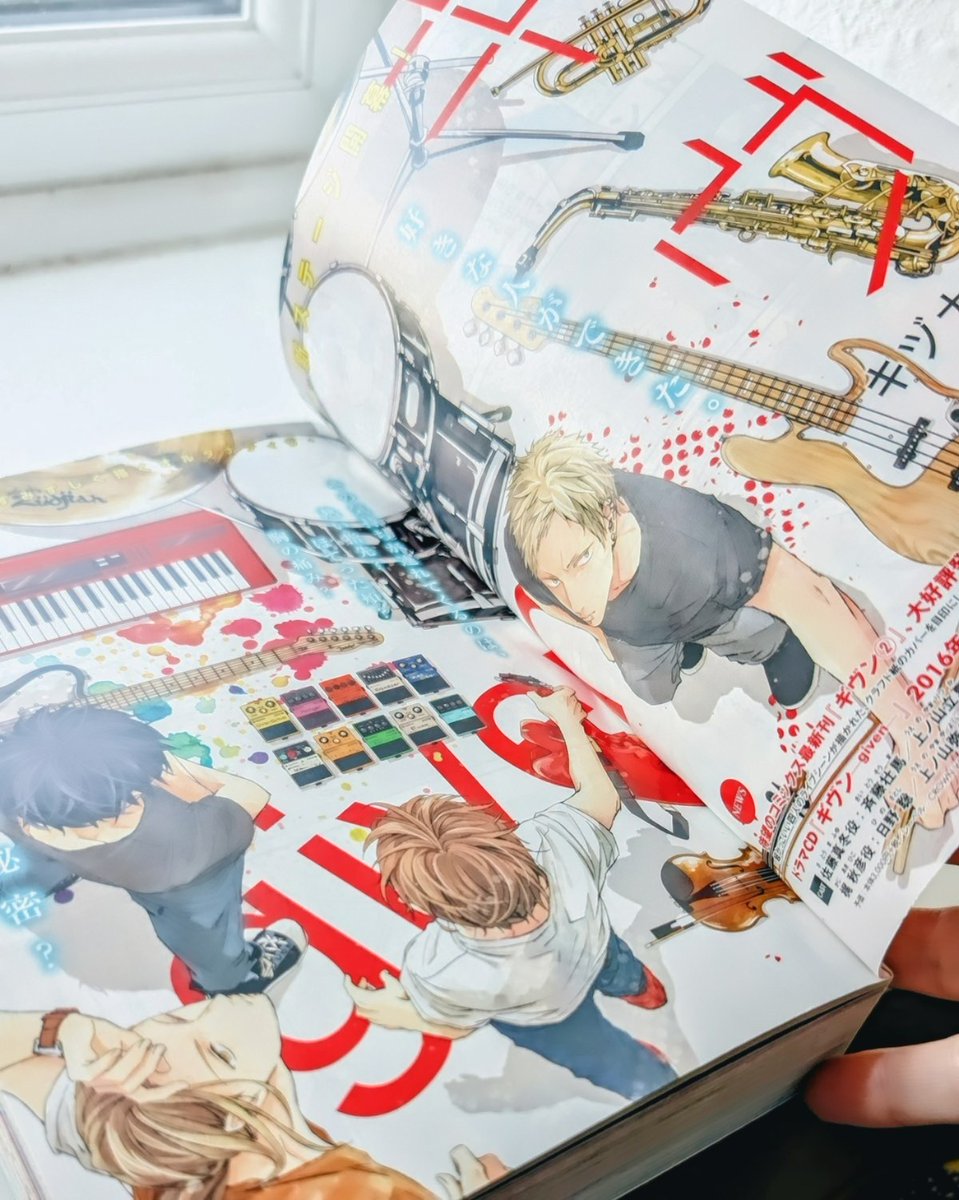
ALT Photo of the cover of Given code12, released in Cheri magazine.
4
27
205
4,254


15 Mar 2025
パイロット🔑×航空管制官💍
Code12
15 Mar 2025

パイロット🔑×航空管制官💍
Code12
ヘンリーは今、自分が置かれている状況に対処出来ないでいた。
目の前で上半身裸のアレックスがルームサービスのサンドイッチを美味しそうに頬張っている。そして、自分の前にも彼と全く同じサンドイッチとご丁寧にデザートのプディングまで置かれている。
1
1
3
2,498
15 Mar 2025
パイロット🔑×航空管制官💍
Code12
ヘンリーは今、自分が置かれている状況に対処出来ないでいた。
目の前で上半身裸のアレックスがルームサービスのサンドイッチを美味しそうに頬張っている。そして、自分の前にも彼と全く同じサンドイッチとご丁寧にデザートのプディングまで置かれている。
7 Mar 2025
パイロット🔑×航空管制官💍
Code11
※🔞です!
1
1
28
9,093

15 Mar 2025
Then roses have code numbers😅😁
"Rose code12 take your position"
Booooom💥
15 Mar 2025

RAVN said will be 22 exclusive PC at the event in Japan.
which will have a number on the back? ....for...what?
1
4
331

26 Feb 2025
What AI infers about @safe wallet's tl;dr below (bold for highlights and Italics for my hot-takes):
Based on forensic investigations, the Lazarus Group, a North Korean state-sponsored hacking group, executed a targeted attack on the Bybit exchange, resulting in the theft of $1.4 billion in Ether139. The attack compromised a Safe{Wallet} developer machine, which allowed the hackers to propose a disguised malicious transaction712.
(This infers a single developer has the technical capacity to perform the same actions, which is already a flaw in the SSDLC wrt process flows and authoritization levels)
Here's a breakdown of what likely occurred from a technical cyber compromise perspective:
Initial Compromise: The Lazarus Group gained unauthorized access to a Safe Wallet developer's machine112. It remains unclear how they initially breached the developer's machine, but Lazarus is known for using sophisticated social engineering techniques, which could involve tricking employees into downloading malicious software or clicking on malicious links15. They are also known to use spear-phishing campaigns, malicious attachments, and links that deliver custom malware4.
(breaching a developer machine is easy and to be expected. the security controls in place for an exchange need to account for this inevitability)
Malicious Code Injection: Once inside Safe Wallet's systems, the attackers injected malicious code into the data served by Safe Wallet’s cloud data provider, Amazon Web Services (AWS)19. Verichains stated that the benign JavaScript file of app.safe.global was replaced with malicious code12. The malicious code was designed to activate only when Bybit's wallet requested a transaction1.
(this is concerning. How did the attacker know the address of bybit's cold wallet to begin with?)
Transaction Manipulation: When Bybit attempted to transfer funds, the malicious code altered the transaction's content without raising suspicion from the Bybit employees who signed it1. The code modified the transaction to transfer the ability to execute transactions to Lazarus1. A masked URL that appeared to be a legitimate Safe transaction was used38.
(this is basic hacking ttp's going as far back as the 90's, pre-crypto era. There is a fundamental architecture flaw that, hopefully, is not systemic to all wallets /contracts)
Asset Diversion: With control over the transaction execution, Lazarus moved $1.4 billion worth of Ether and staked Ether tokens out of Bybit's wallet1.
Covering Tracks: Immediately after executing the malicious transaction, Lazarus removed the injected code from Safe Wallet's infrastructure to conceal their activity and potentially reuse the attack method1.
Safe Wallet's Response: Safe Wallet has taken several steps to address the breach, including rebuilding and reconfiguring its infrastructure, rotating all credentials, and adding security measures to eliminate the attack vector1912. They've also implemented stricter validations for transactions, enhanced monitoring alerts, and temporarily removed native Ledger integration6811.
Lazarus Group's Modus Operandi: The Lazarus Group has stolen over $6 billion in crypto assets since 2017, using the proceeds for North Korea's ballistic missile program12. They often target developers and technology professionals in cryptocurrency, cybersecurity, and online gambling5. They are known for using social engineering, custom malware, and techniques to evade security measures14.
(What AI forgot to mention: Lazarus are some of the most adept threat actors in the context of modifying open-source software libraries commonly used by web3 developers, in order to introduce back doors, logic-flows, and exploitable vulnerabilities. They target the software supply chain itself to great effect.)

1
426


21 Jan 2025
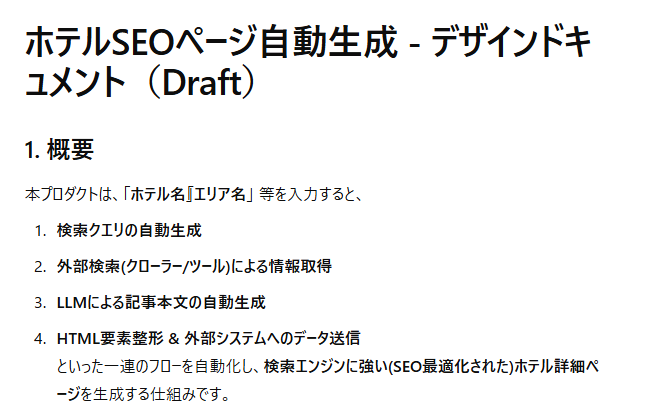
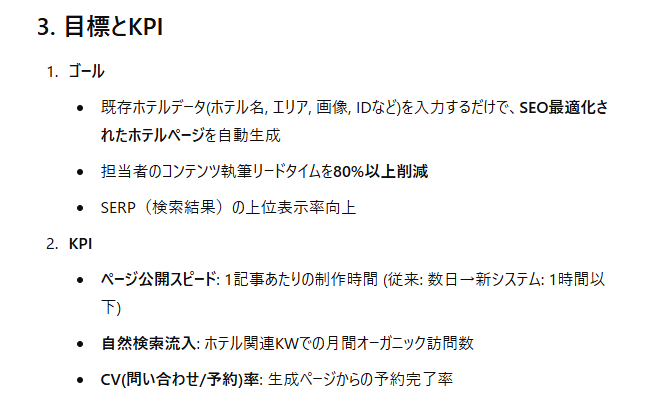
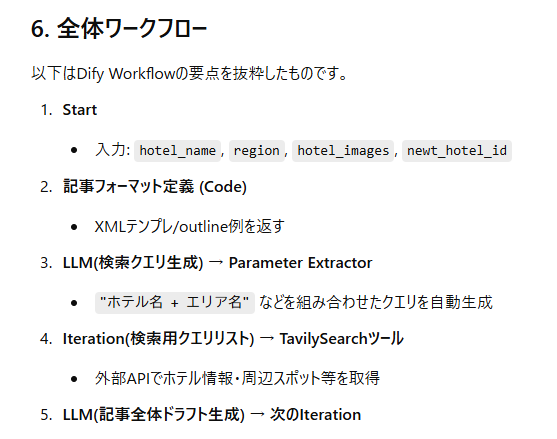
会社で作ってきたDify基本自分がわかればいいやぐらいの精神でやってきたためだいたいのノードの名前が「LLM3」「Code12」とかでわかるか!という感じでやばいので、今整理とDoc整備しているのだけど、O1Pro大活躍。DSL読み込ませてDesignDoc作ってといったなら。すらすらと何も伝えていない背景情報を再現してくれる。いやまじで精度高い。びびる。あのDSLからやぞ…。おかげでこれをベースに書き換えるだけで説明Docsができてしまった。CursorとかでClaudeにお願いしてもこれは無理だった。ありがたいかぎり。
5
5
97
12,216

18 Jan 2025
BeyondJAPAN デモカー「CODE12」登場!機能美と走破性を追求した新たなスタイリング
#ジムニー #ジムニーシエラ #カスタム #ジムニーカスタム
mapion.co.jp/news/release/00…
4
372