
9 Jun 2025
JavaScript is like a condom — flexible, unpredictable, and if you don’t handle it properly… things can get messy 💻🧠🫠
#JavaScript #DevHumor #CodeResponsibly
1
22

14 May 2025
🧵 Programming Wisdom of the Day:
"Deadlines are real, but so is tech debt."
💡 Tips for today:
1️⃣ Balance shipping fast with building right.
2️⃣ Temporary hacks tend to live forever, use them wisely.
3️⃣ Always leave time to pay down debt before it compounds.
#365DayOfWisdom #TechDebt #CodeResponsibly
1
2
51

13 Jan 2024
There’s a formula for this:
MaxNestedTernaries = (BaseCognitiveCapacity - (DrinksLastNight * 1)) * ExperienceLevel
#coderesponsibly
10 Jan 2024

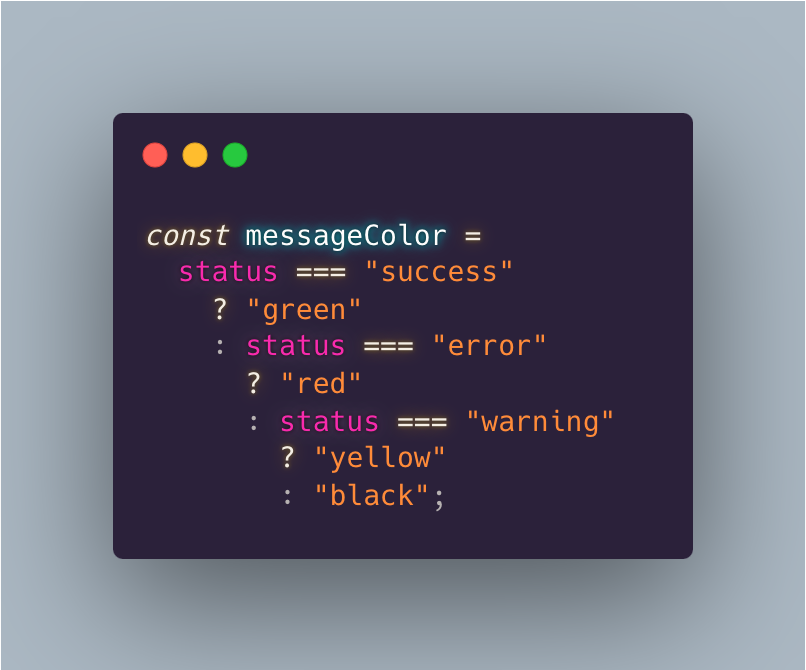
Nested ternaries aren’t good or bad. They’re contextual.
A nested ternary that contains 100’s of lines of code? Yuck. 🤮
A nested ternary that contains a few lines of simple code? Fine by me.
Example:
1
3
1,304

31 Aug 2023
Coding pros, agility in code is essential! Use single responsibility principle – Your method should be skilled at just ONE task. Avoid the jumble of multi-tasks for neat and quick code. It reloads your performance gun! #CodingDexterity #LessIsMore #CodeResponsibly.
2
40

7 Aug 2023
Good morning to everyone except the one who didn't comment their code! 🤨 #TechPetPeeves #CodeResponsibly
6
653

29 Jun 2023
🔒💨 Unveiling the underrated yet impactful vulnerability: Race Condition! 🏎️
Race Condition, often overlooked but no less significant, is a sneaky vulnerability that can wreak havoc on software systems. 🚧🔓 Let's explore this underrated vulnerability and understand its implications.
In simple terms, a Race Condition occurs when the outcome of a program depends on the sequence and timing of events, particularly when multiple processes or threads access shared resources simultaneously. 🔄⏱️
Here's how it can be a problem: Imagine two processes trying to access and modify the same resource concurrently. If their actions overlap or interfere due to insufficient synchronization, unexpected results may occur. 🔄❌
For example, let's say Process A and Process B both need to increment a shared counter. If they simultaneously read the counter's current value, increment it, and write it back, conflicts may arise. Depending on the timing, the final value may not reflect the desired outcome. 😱🔄
This vulnerability opens the door to a variety of issues, including data corruption, crashes, security breaches, and more. Race Conditions can lead to inconsistent states, access violations, or even allow malicious actors to exploit system vulnerabilities. 🚨🔐
Mitigating Race Conditions requires careful consideration and proper synchronization techniques. Proper locking mechanisms, such as mutexes or semaphores, can help ensure that critical sections of code are executed exclusively, preventing conflicts. 🔒✅
Developers and software engineers must be vigilant, understanding and addressing Race Conditions in their code, particularly when working with shared resources or multi-threaded environments. 🧑💻🔍
By recognizing and tackling this underrated vulnerability, we can enhance the reliability, security, and overall quality of our software systems. Stay race-free, code responsibly! 🏁💻
#RaceCondition #SoftwareVulnerability #CodeResponsibly
74

13 Apr 2023
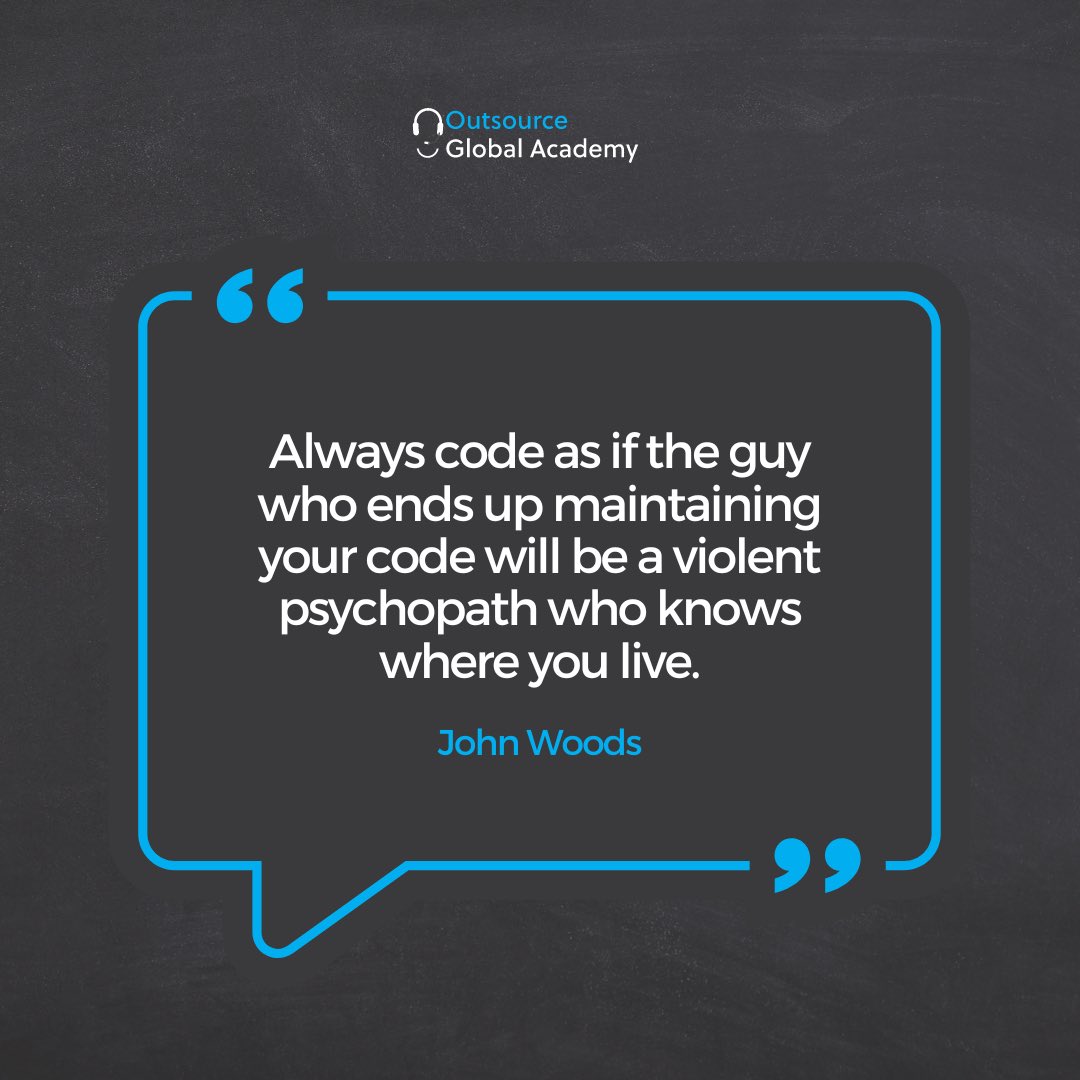
Code with caution, code with care. Your future self, and your fellow coders, will thank you for the clean and readable code you leave behind.
#CodeResponsibly #CleanCode #CodingQuotes
2
3
102

19 Oct 2022
Secure Coding is a collection dedicated on CLARK! It has 18 different courses, modules, micromodules, and nanomodules to help teach students how to code responsibly! #clarkCan #cybersecuritymonth #cybered #cybersecurityeducation #coderesponsibly
clark.center/c/secure_coding…
1
4

11 Jul 2021
Self-reviewing code after one or two weeks will lift the veil and reveal plenty of edge cases and scope for optimization!
#code #coderesponsibly #codequality
1
5

15 May 2021
Every time a developer creates an overlay you can’t close with the escape key, a kitten dies #coderesponsibly
1
3

I got a Supercharged Reunion for y’all!
On Monday, 5PM BST (9am PDT) @aerotwist and I will be in the live chat and we can all watch the video together :D
Paul will show me how to write code for DevTools. Remotely, of course. #codeResponsibly
youtu.be/TWqFbKpV5Oc
5
32

Halfway through this course on @pluralsight. Feels like a few pathways are opening up in my brain, and I appreciate the food analogies. #whynotlearn #coderesponsibly
5 Sep 2019

FREE APEX ACADEMY THIS WEEKEND!!! Learn how to code in Salesforce from scratch!! bit.ly/2kkeZt1

1
7

9 Jul 2019
A plea for simple #accessible web design. #Accessibility can take many forms. #CodeResponsibly andy-bell.design/wrote/keep-…
1
1

The first 4 people at @BlockchainVoice to tell me how much they love @ubiqsmart get one of these bad boys! Courtesy of @alex_sterk and #ubiq team. #coderesponsibly

1
3
14

3 Apr 2018
The updated @SAFECode Fundamental Practices for Secure Software Development is a reference document for every software security (#swsec) practitioner and a must-read for every responsible software professional. #CodeResponsibly. safecode.org/wp-content/uplo…
1
3

13 Sep 2017
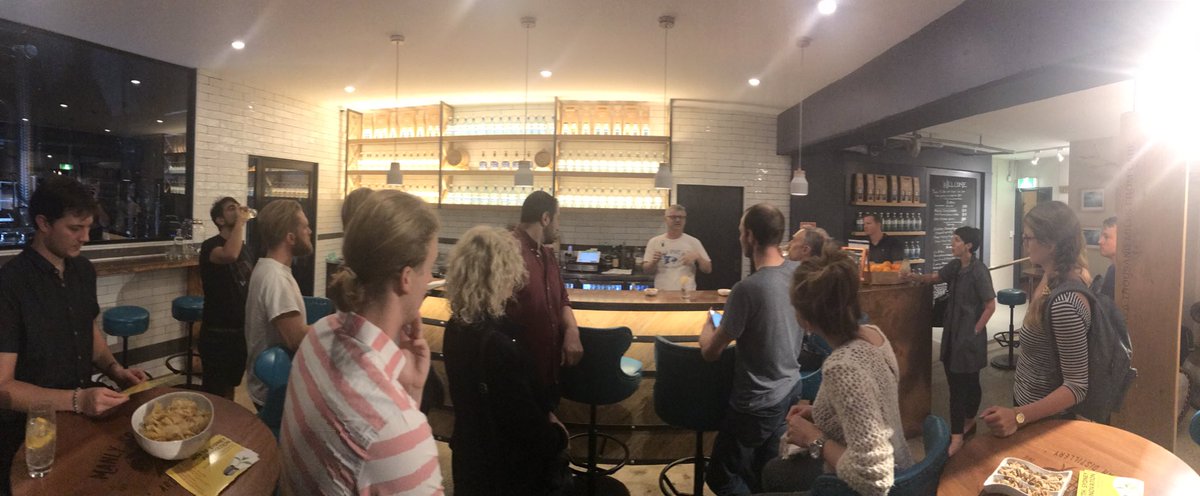
#Manly #Entrepreneurs (@FreddyChanut) kicking off a @Meetup - @manlyspirits ONLY DISTILLER ON THE NORTH SHORE #Sydney 😵😎 #CodeResponsibly
1
1

16 Jun 2017
#TechTip: Use an Interval to Refresh your OData Model blogs.sap.com/2017/06/16/tec… #coderesponsibly @SAPDevs #ui5
7
6

2 Feb 2016
New security flaws found in #IoT devices, including a smart doorbell and a wi-fi teddy bear. #coderesponsibly bbc.com/news/technology-3547…
1

21 Jan 2015
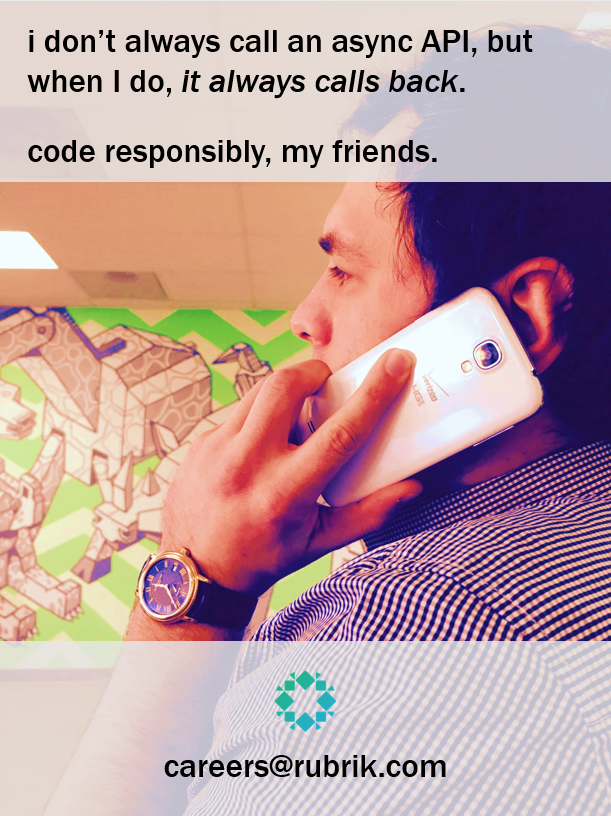
i don’t always call an async API, but when I do, it always calls back. #WisdomWednesday #CodeResponsibly #startup
3
3
16 Jan 2015
meet rubrik casting director. pursuer of talent, maker of dreams. #CodeResponsibly #StayTuned #technology #startup

3
10