
This would be a rummor if the acusation agaist PG was totaly unfounded , but since it does seen to
precede the drama the fact he was a voice for the game at some point make any doubt about vrel share this position speculation because, that was his codeveloper
2
78
Yeah and that apply to this discursion it is speculation , one thing would be if there was no trail for it whatsoever but when people talk about it is mostly refearing to what PG said and done and how this end felling them like vrl positon since this was a codeveloper
2
55

Jun 5
Everything changed when my codeveloper, [c], hired me for Captain Wayne. Tony Grayson then hired me for ANTONBLAST later. Not only did these hires change my life as a whole, but what I wanted to do with it. I really felt saved.
1
1
42
830


Apr 17
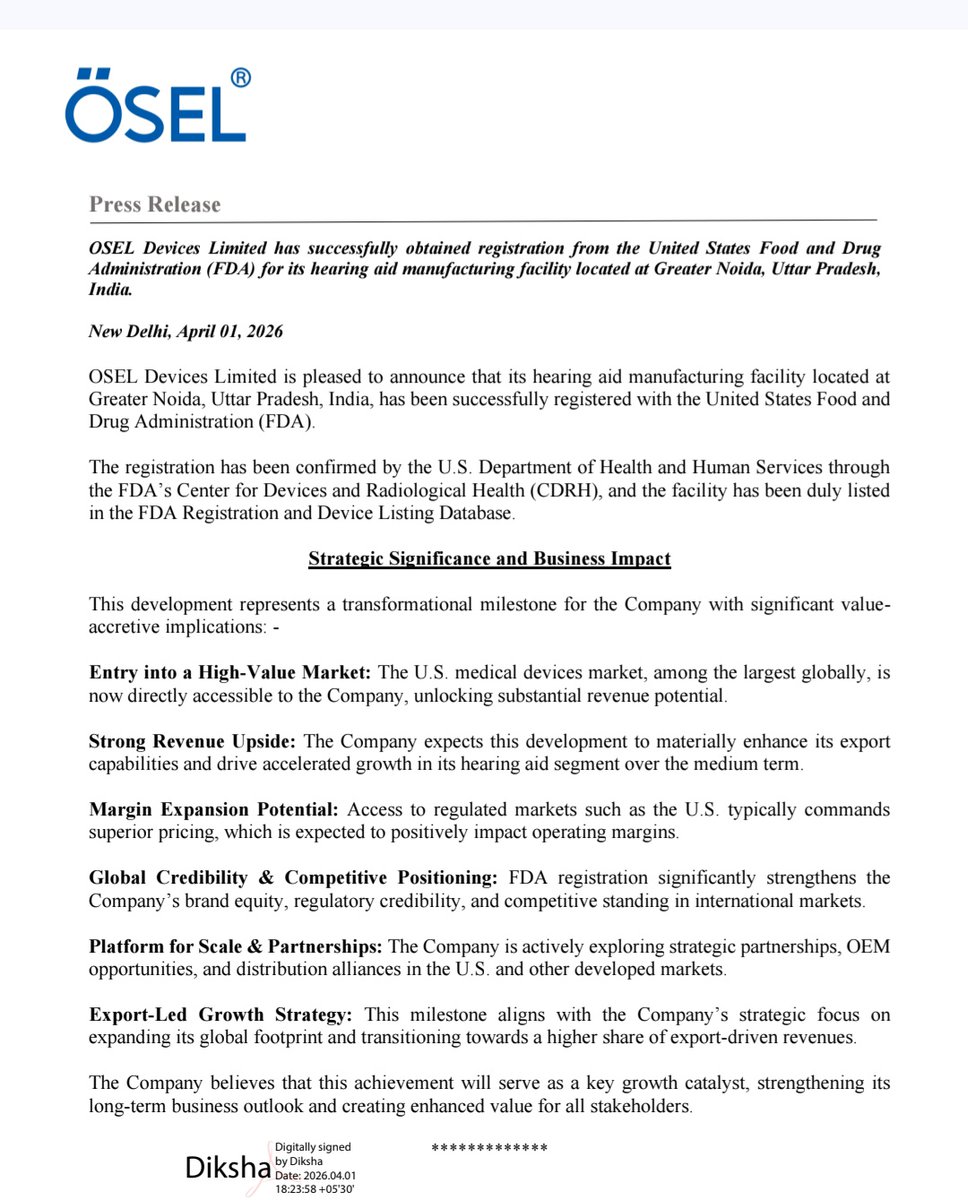
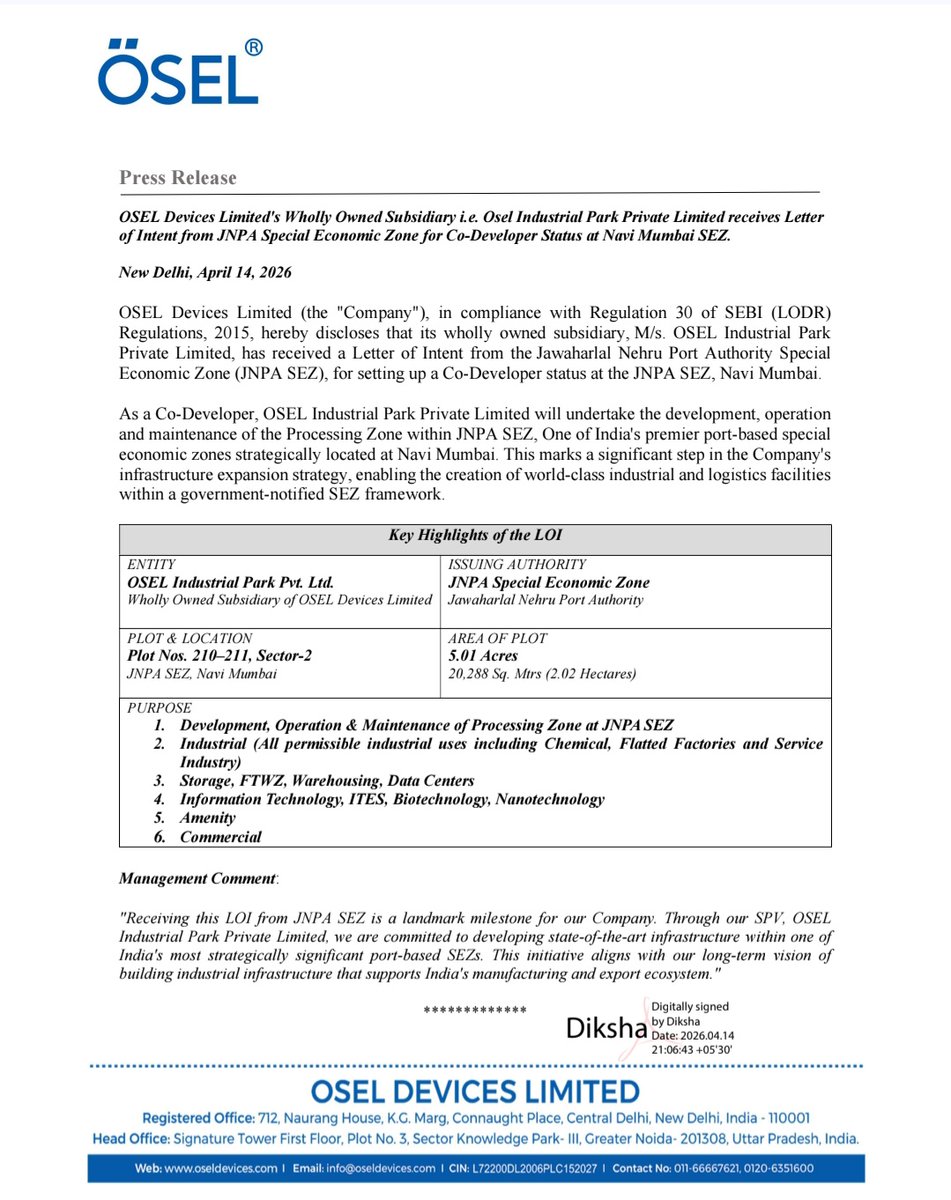
Two bigger than promised news for Osel devices
-US hearing aid entry opens a billion dollar opportunity
- JNPA CoDeveloper status adds an industrial infrastructure rev stream beyond electronics
Remember shipping fromJNPA is cheaper faster than frm landlocked Noida SEZ benefits
Feb 17

Osel is an evolving story
- should surprise
6
48
8,803

Mar 11
Beware the Ides of March 👀
All made possible by my codeveloper @skum_systems and Alyosha @GuncadDigest

3
1
35
2,157
Help me bully my codeveloper skum into getting an X account so he can share these awesome remixes he has been working on
Skum’s remix of Franken9 by @unseenkiller1

9
14
138
8,199

Jan 30
GOI would be happy if rhey still get to do the same 3rd tier work as codeveloper
1
80

also @NewsyJohnson same to you i once shilled you a token i was a codeveloper of called dedash it did a lot of things that were intended to help the trenches but unfortunately it was not well adopted.
newsy the day you believed in me and bouht that token was one of the best days of my life. I thought i had finally made it as a developer on at least a co-develoer level but honestly, without the funding and support the api costs and developer costs to continue building it were simply not sustainable/
sometimes you can have an amazing idea but without funding you fall short
so that's why I think with this mia token we need to protect it because it has such an organic holder base and no supply control
that is because the guy working on mia didn't launch the token he was onboarded by the community who liked his work
so naturally there are always going to be times that people buy the top and now they are underwater and frustrated and i shouldn't be so because it truly was one of the most innovative and greatest tokens to ever exist on the solana blockchain and incorporates catgirl tech @frankdegods @notthreadguy @blknoiz06 @BillyM2k @wrld_sol @LeoFragrance69 @Dior100x @a1lon9 @LexaproTrader @ieatjeets @mtk8824 @0xGangy @Poods444 @bostonrob__ @Pumpfun @json1444 @solana @imperooterxbt @HopiumPapi @ohFrostyyy @exitliquid1ty @Chairman_DN
FyPDfX92B4uEk4zZouy96d1Kk1LgnCznBpzAFSsZpump
1
2
193


9 Dec 2025
I love how these are actually known as ‘misles’ when we split words up in the wrong way. Fish always appear when I read ‘codeveloper’.
23
7
269
21,220
21 Nov 2025
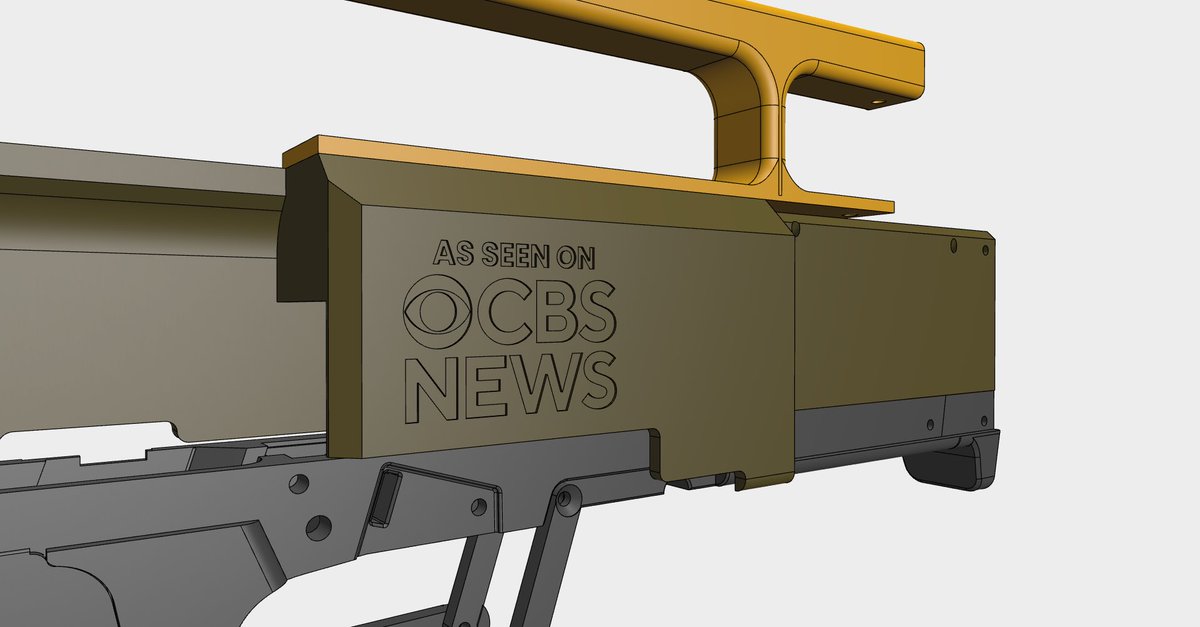
My codeveloper Skum was quick to drop the new skin
4
17
181
3,869

16 Nov 2025
Good point, Sony being a codeveloper of the DVD format may have worked to their benefit as far as getting the format into the PS2 at an affordable price.
1
2
13
17 Oct 2025
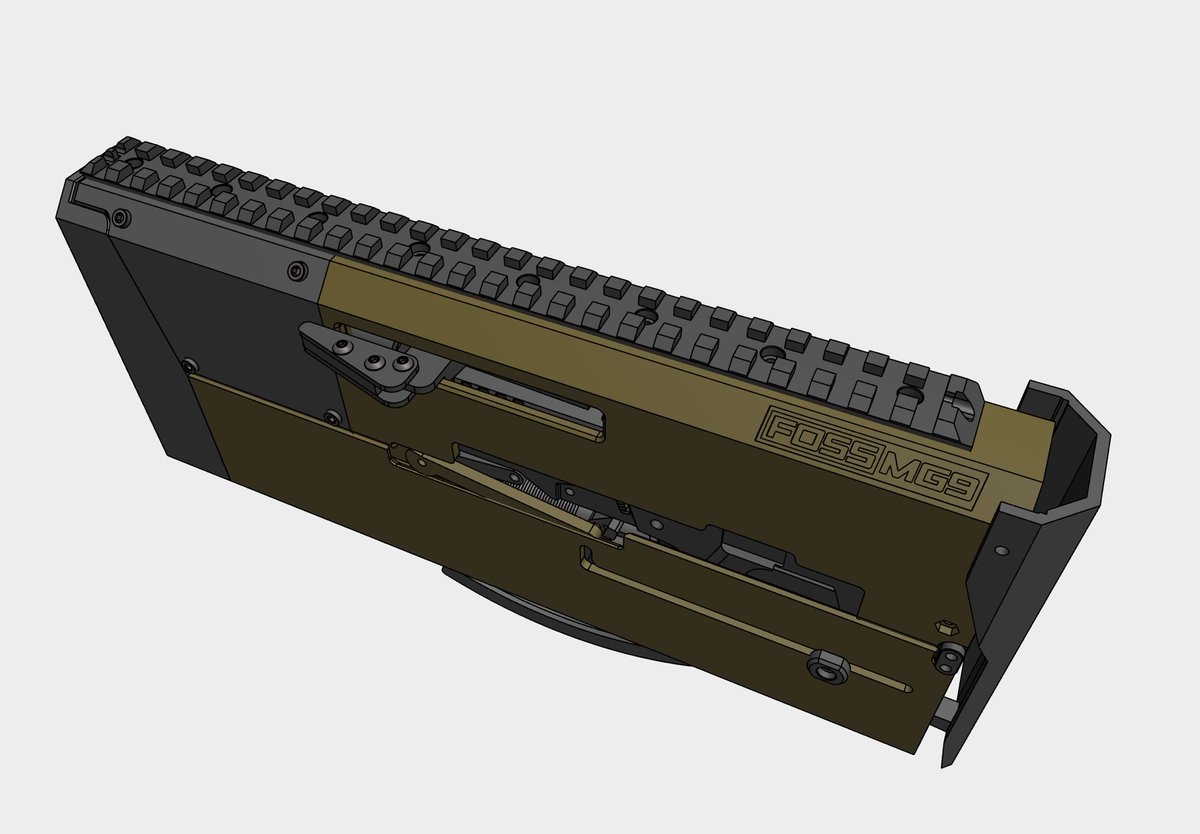
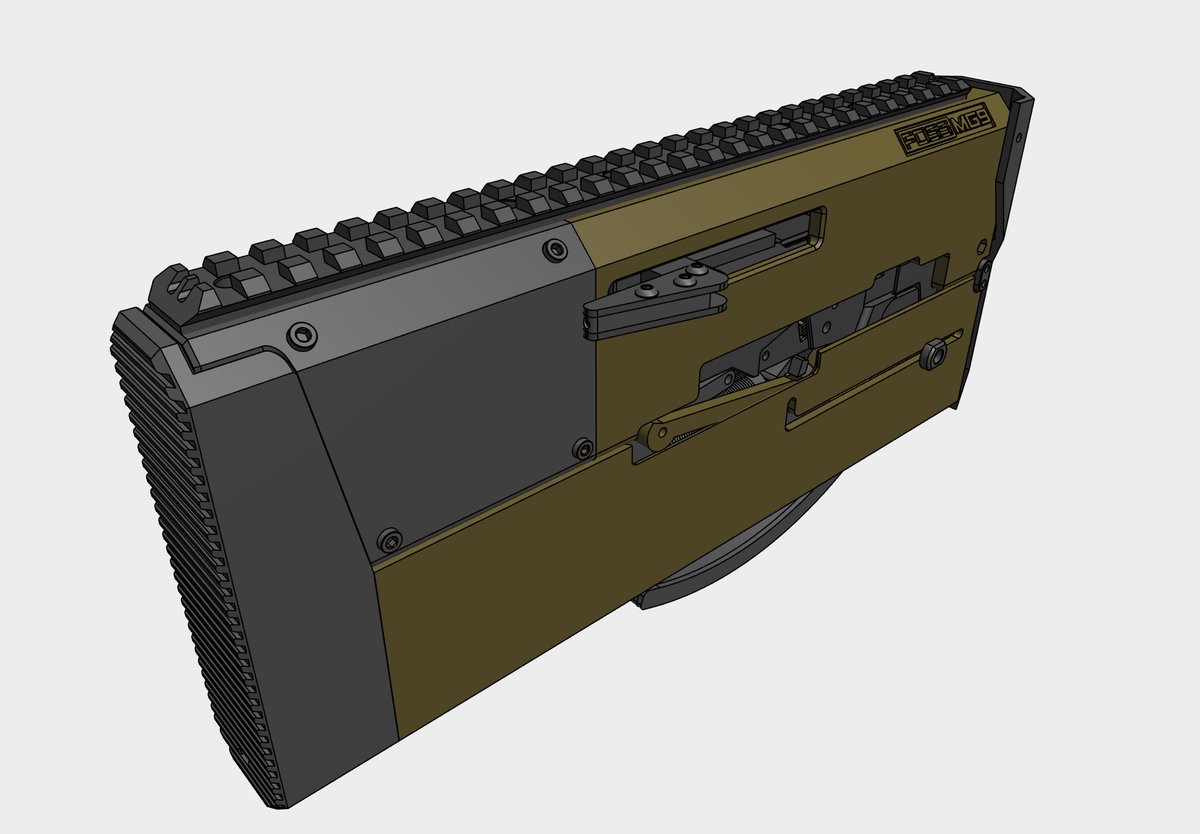
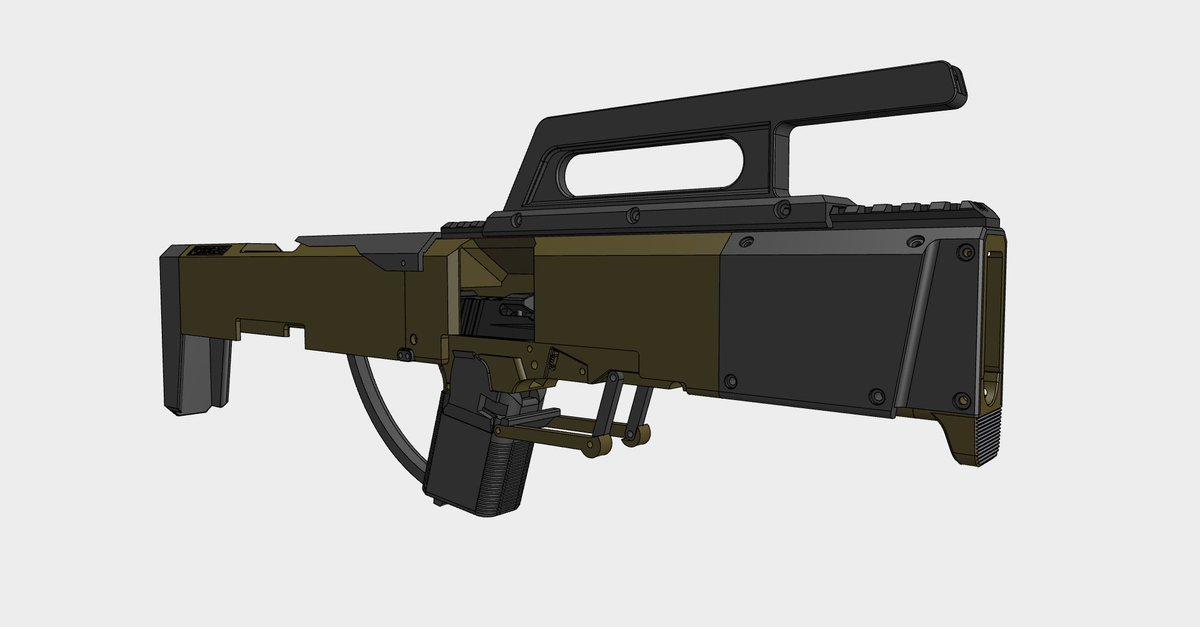
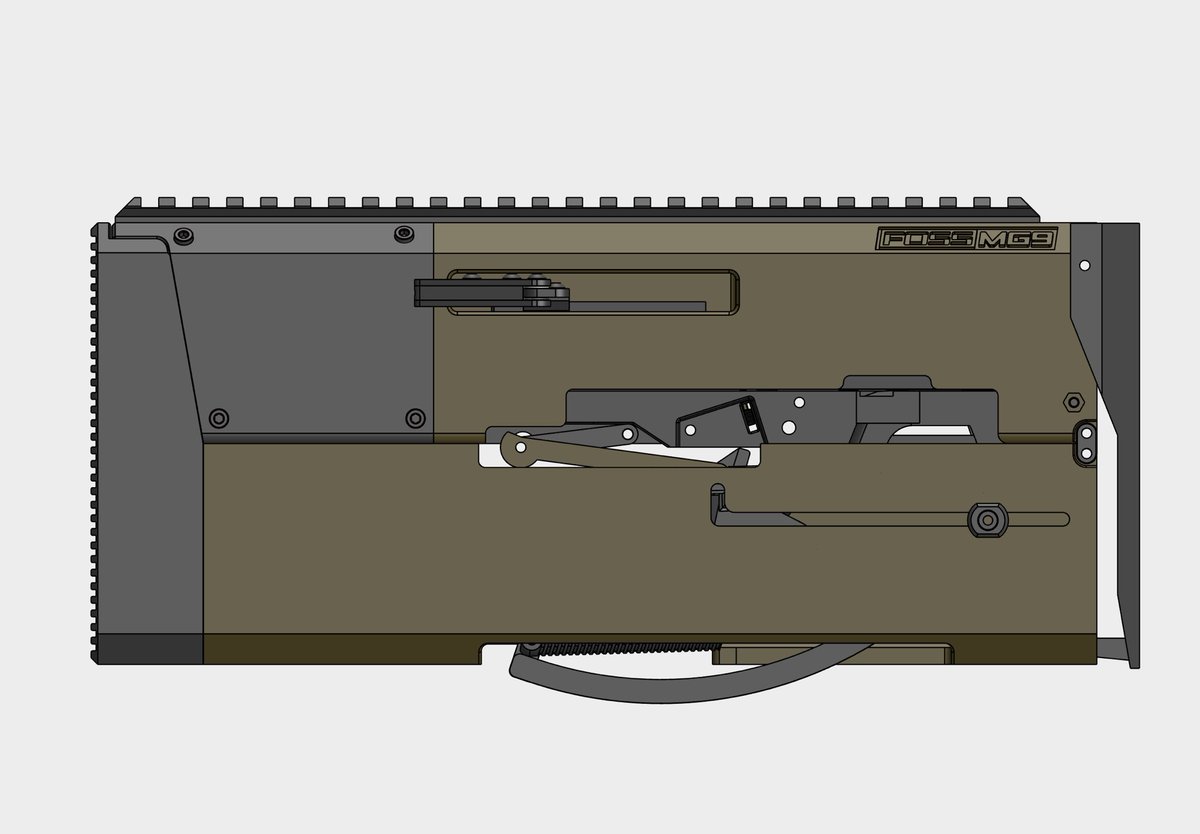
Excited to announce Skum will be a codeveloper on the FossMG9 project
He was able to greatly improve the aesthetics and provide these excellent renders
4
16
280
7,414

14 Oct 2025
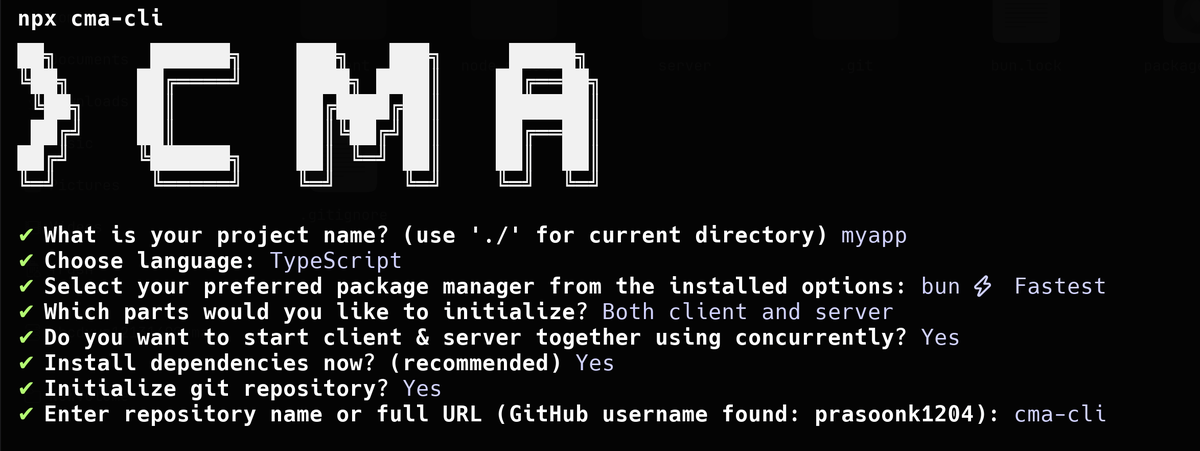
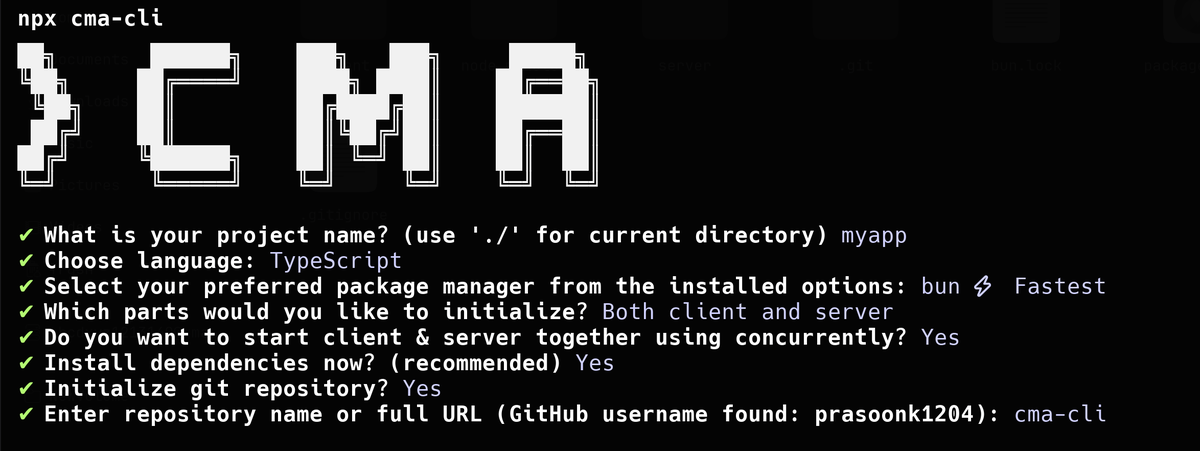
Say hi to cma-cli v1.1.0👋
cmacli.vercel.app
What's new:
➡️Package manager support
➡️Auto-checks for git init
➡️Build client, server, or full app—your call
➡️Fast installs, clean templates —start coding instantly
Boost your build speed⚡
Codeveloper: @kenma_dev
1
9
798

14 Oct 2025
cma-cli v1.1.0 is here! ✨
cmacli.vercel.app
What's new :
- Package manager support
- Git init verification
- Flexible project creation: Client-only, server-only, or full-stack
- Faster installs & cleaner templates
Build smarter and faster⚡
Codeveloper: @das_prantor
3
2
21
872

23 Jul 2025
My codeveloper played it not long ago and was left with a really good impression, looking forward to doing so myself, too ^^
Thanks for all your hard work, it's very nice to see you decided to take a step into romhacking as well! 🙌💖
1
8
1,552

22 Jul 2025
AI and Food Systems:
Artificial Intelligence (AI) is revolutionizing food systems, encompassing everything from agricultural production to supply chain management, food safety, and consumer experiences. By leveraging machine learning, data analytics, and automation, AI addresses key challenges like food insecurity, waste, and sustainability while driving innovation. As of 2025, AI adoption in the food industry has accelerated, with applications spanning precision farming, predictive analytics, and personalized nutrition. However, it also raises ethical concerns such as job displacement and data privacy.
Applications of AI in Food Systems
1. Precision Agriculture and Farming
AI enhances crop yields and resource efficiency through tools like drones for pest detection, soil analysis, and optimized irrigation. For instance, AI-powered systems can predict when to fertilize or release beneficial insects, reducing labor and meeting sustainability standards. In smallholder farms, which produce 80% of the world's food, AI combined with blockchain improves yields and financial access, particularly in regions like East Africa. This contributes to global food security by mitigating climate impacts and boosting productivity.
2. Food Production and Manufacturing
AI automates processes to optimize production, reduce waste, and improve quality control. Technologies like AI-driven robotics handle tasks such as sorting and packaging, while predictive maintenance minimizes downtime. In product development, AI accelerates R&D by analyzing trends and formulating recipes faster, as seen with platforms like CoDeveloper and Tastewise. For example, Foodpairing uses AI to predict taste combinations, helping brands cut waste where nearly 90% of new products fail. Advanced models like Epicure, a "culinary AI" based on a 300-dimensional food pairing dataset, generate recipes grounded in scientific ingredient compatibility.
3. Supply Chain Optimization
AI streamlines logistics by forecasting demand, routing deliveries, and minimizing spoilage through smart packaging and real-time tracking. AI agents predict market trends and optimize agrochemical production, cutting waste from farm to fork. In a future scenario, AI could compress reservation systems for restaurants, bypassing aggregators like OpenTable by directly interfacing with diverse data models, potentially reducing the need for traditional frontends.
4. Food Safety and Quality Assurance
AI detects contamination risks, predicts outbreaks, and ensures traceability across supply chains. Machine vision and sensors monitor for pathogens during processing, improving sanitation and reducing health risks. Big data analytics further enhance risk management and quality control.
5. Consumer-Facing Innovations
AI enables personalized nutrition apps and smart tracking systems, though experts emphasize the need for human oversight to avoid inaccuracies. Looking ahead, humanoid robots with advanced AI could cook meals like five-star chefs at minimal cost, making dining out or takeout ubiquitous and potentially eliminating home kitchens for many.
Impacts and Challenges
AI's positive impacts include waste reduction (e.g., by 30-40% in some cases), enhanced sustainability, and cost savings in manufacturing. It fosters innovation by democratizing discovery, such as through AI for mechanistic understanding of food properties. Environmentally, it lowers resource use and emissions in agriculture.
However, challenges persist. Ethical issues include labor displacement from automation and data privacy in consumer apps. There's also a risk of prioritizing superficial attributes (e.g., appearance over nutrition) in AI-optimized products. In automation, integration hurdles and high initial costs can limit adoption, particularly for small operations.
#NotSafeNotFood
3
2
5
422

15 Jul 2025
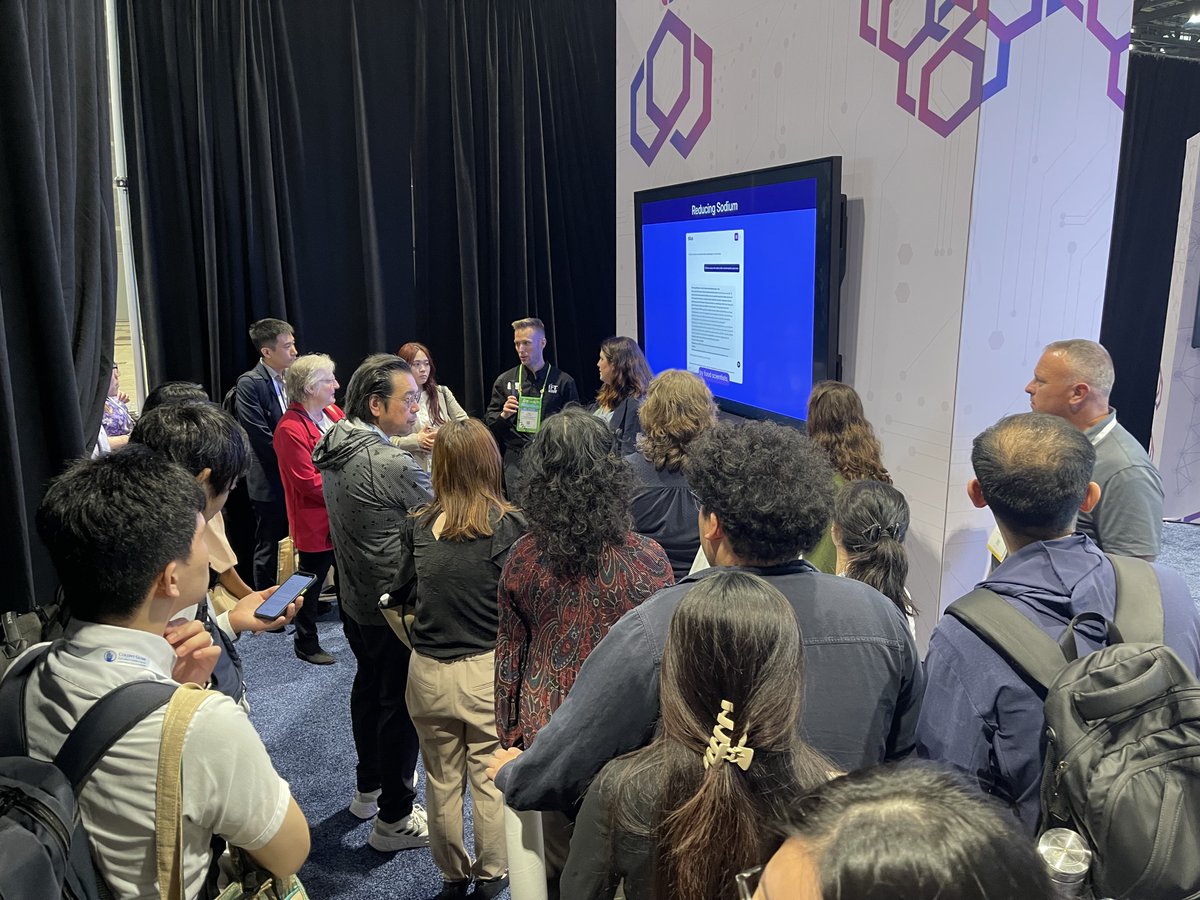
CoDeveloper: The Solution to See at IFT FIRST!
CoDeveloper combines the power of AI with IFT’s 85 years of proven scientific knowledge, helping users tackle their biggest challenges and speed up development timelines. Attending IFT FIRST? Visit CoDeveloper at booth S4842 to learn more about what CoDeveloper can do for YOU.
#IFTFIRST
1
4
441