
Learn C programming in a simple and beginner-friendly way.
Learn Programming Hub :- play.google.com/store/apps/d…
#learncoding #cprogramming #codingforbeginners #programmingapp #developer #students #codingindia #studyapp
2
53

The Magic is in the Flip! Hanuman Chalisa App V1 📖✨
#BuildInPublic #ReactNative #HanumanChalisa #V1Launch #Devicorn #AnimationMagic #CodingIndia #Expo #SoftwareEngineer #SaturdayHustle
1
4
149
Why I’m Building My Own Hanuman Chalisa App at 2 AM 🛠️🙏
#BuildInPublic #ReactNative #CodingLife #HanumanChalisa #DeveloperLife #SideHustle #IndieDev #AppDevelopment #2AMHustle #Expo #CodingIndia #TechGram #DevotionMeetTech #NavratriSpecial #StartupIndia
2
15

Jan 14
Drop your biggest AI flex below tag the tool you used!
Cursor? Claude Code? GitHub Copilot Workspace? Aider? Let's see who wins 2026 😂
#AICoding #CodingIndia #DevLife"
1
80
Jan 12
"These 7 tools = full coding power with zero install.
Which one will you try first? Drop below! 👇
❤️ Like | 🔁 Repost if this saves you time/money
Follow @Vvhh1148650 for more high-value #CodingIndia threads!
Let's grow together 🚀"
1
51
Jan 12
"7 Browser-Only Tools to Code, Build & Design in 2026 – No Installation Needed! 🔥
Perfect for students, beginners & low-spec laptops in India.
All 100% free (or free tier).
Save this thread – your wallet will thank you!
#CodingIndia #FreeTools #NoInstall"
1
3
95

11 Apr 2024
Lets talk Data series: Why India has yet to develop its own operating system or programming language?
The development of operating systems and programming languages is a complex process influenced by various factors. Let's critically analyze why India has faced challenges in creating its own operating system or programming language:
1. **Historical Context**:
- Early programming languages were highly specialized and often relied on mathematical notation and obscure syntax.
- India's initial focus was on hardware development, such as the Tata Institute of Fundamental Research's development of the TIFRAC computer in the 1960s.
- The lack of early investment in software research and development might have impacted the creation of indigenous programming languages.
2. **Infrastructure and Research Funding**:
- Developing an operating system or programming language requires significant infrastructure, research facilities, and funding.
- Historically, India faced resource constraints and prioritized other areas of development, such as education, healthcare, and infrastructure.
- Lack of sustained investment in computer science research and development could be a reason for the delay in creating indigenous systems.
3. **Education and Skill Gap**:
- India has produced many skilled software engineers, but the focus has been on using existing technologies rather than creating new ones.
- The education system often emphasizes learning existing programming languages (such as Java, Python, and C ) rather than fostering innovation.
- Bridging the gap between theoretical knowledge and practical application is crucial for developing new systems.
4. **Global Dominance of Existing Languages**:
- Established programming languages like C, C , Java, and Python dominate the global software industry.
- Creating a new language requires overcoming the network effect—where existing languages have extensive libraries, tools, and community support.
- India's software industry has primarily focused on using these existing languages to meet global demand.
5. **Collaboration and Ecosystem**:
- Successful programming languages and operating systems thrive in collaborative ecosystems.
- Countries like the United States, Finland (with Linux), and Sweden (with Erlang) have strong research communities, industry collaboration, and government support.
- India needs to foster a similar ecosystem to encourage innovation and collaboration.
6. **Government Policies and Initiatives**:
- India's government has launched initiatives like the **Bharat Operating System Solutions (BOSS)**, which aims to promote free and open-source software.
- However, sustained efforts and policy support are necessary to create a robust ecosystem for indigenous software development.
7. **Focus on Applications and Services**:
- India's software industry has excelled in providing services and solutions (such as IT outsourcing and software development).
- The focus has been on creating applications rather than foundational technologies like operating systems or programming languages.
In summary, India faces challenges due to historical context, resource allocation, education, global dominance of existing languages, and the need for a collaborative ecosystem. To overcome these hurdles, sustained investment, research, and policy support are essential for India to develop its own operating systems and programming languages. 🇮🇳🚀
#IndigenousTech
#BOSSLinux
#SoftwareInnovation
#CodingIndia
#TechEcosystem
#LanguageDiversity
#FromPlankalkulToPython

2
186

1 Jan 2023
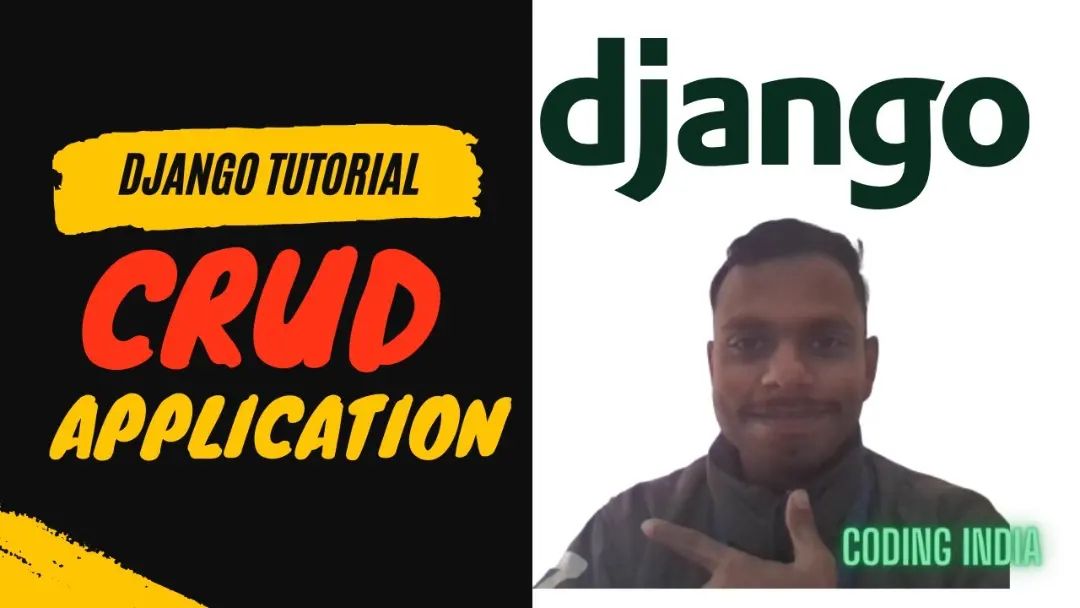
Django explained in one video with CRUD application.
#django #python #coding #programming #youtube #instagood #codingindia #djangoCRUD
codin_india
Website:- codingindia.co.in
2
43

9 Mar 2022
We’re incredibly proud of you Richa! And not to forget, a big thank you goes out to our amazing hiring partners such as @vineetasng - having you as a partner in our vision to enable tech education is and will always be invaluable 🙌🏽
#MasaiTribe #CodingIndia #EdTech
4

19 Jan 2021
They came. They believed. They conquered.
A win for the country to cherish forever! 💙
@Official_BCCI
#teamindia #cricket #testcricket #testseries #india #codingindia #codedotin #blueandproud #bcci
2
5

16 Jul 2020
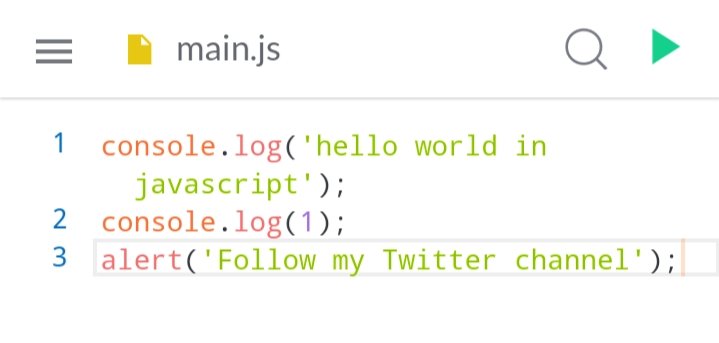
Welcome to World of Javascript
alert('follow me on Twitter');
I am starting Javascript tutorial series on my You tube channel:
Link:youtube.com/channel/UC8ksoMg…
#codingindia #code #javascript #javascript30 #firefox #Nodejs

1
1
5

#AskOutscal
Frontend or Backend? What should you learn first?
#Outscal #frontend #backend #fullstack #codingindia #coding #code #html #python #cplusplus #website #design #curiosity #instadaily #engineering #engineer #tech #technology #edtech #education #rt #retweet #tech
1
3
1