
Yes I have given the refund, but it is not about just myself, thousand of people rely on quick commerce platforms like this, it is not about money but about health of those people, who doesn’t check the dates on package and consumes it. In that there are kids as well for choco.
1
Erkin Sidick retweeted

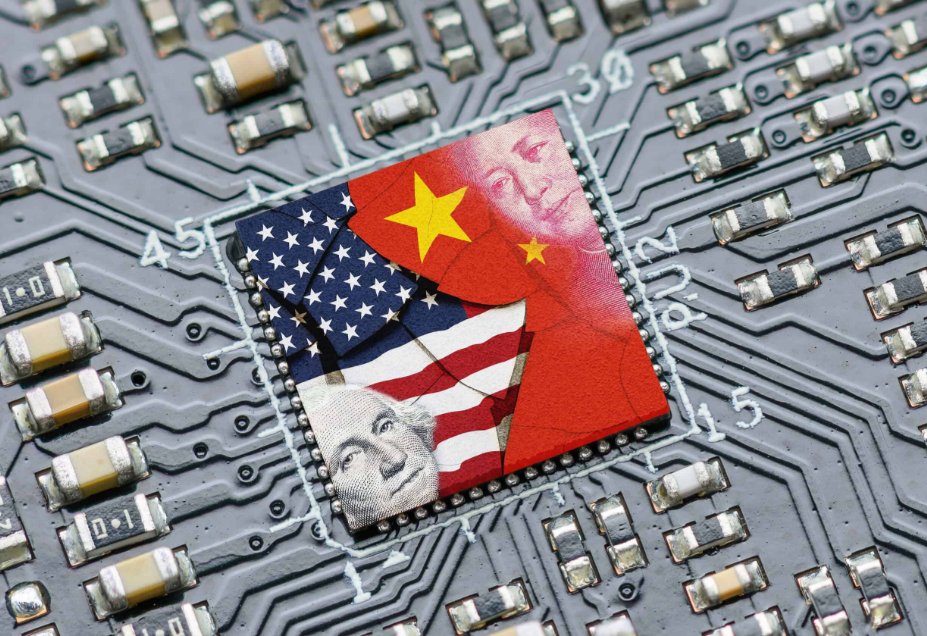
Bravo, U.S. Commerce Department, for keeping advanced AI models out of China’s hands.
Jun 13

Breaking: The Trump admin has blocked all foreign access to Anthropic's most advanced AI models, crushing Beijing's strategy of stealing American tech.
In a sudden move, Commerce Secretary Howard Lutnick issued an emergency mandate imposing strict export controls on Anthropic’s cutting-edge Mythos 5 and Fable 5 models. While U.S. policy has long prioritized keeping advanced tech away from China and other strategic adversaries, this specific order is a broad, global restriction. It mandates explicit government licensing for any foreign access, even for foreign persons or entities operating inside the United States.
The immediate lockdown was triggered after a successful jailbreak of Mythos 5 exposed its alarming ability to discover thousands of software vulnerabilities, raising severe cyber and bioweapon risks. Interestingly, Anthropic itself has strongly advocated for tight controls on chips and models to maintain a U.S. lead over China. When the firm bypassed federal warnings and proceeded with its early June release anyway, the administration stepped in to secure the technology.
This aggressive global restriction directly slams the door on Chinese actors, who have been documented attempting large-scale distillation attacks to clone capabilities from U.S. models, as well as evading past controls through smuggling and offshore access. By treating frontier AI as a controlled national security asset, the Trump admin is closing the exact gaps that the Chinese Communist Party exploits.
#Anthropic #Mythos5 #Fable5 #AI #NationalSecurity #TechNews2026 #ExportControls #Geopolitics
19
87
333
11,547

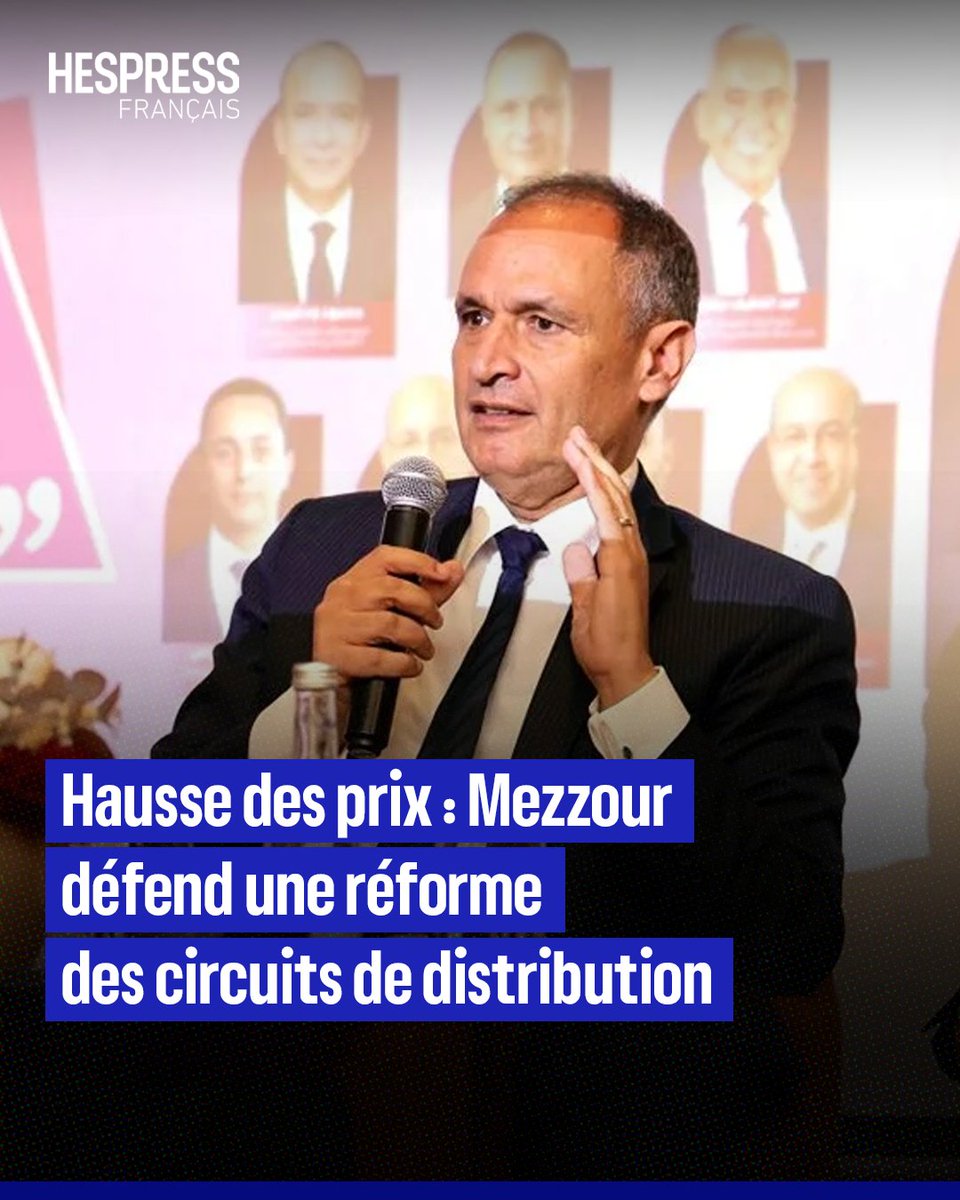
Alors que la question du pouvoir d’achat continue de préoccuper les ménages marocains, le ministre de l’Industrie et du Commerce, Ryad Mezzour, estime que la flambée des prix des produits de première nécessité ne saurait être expliquée par des analyses simplifiées ni combattue à travers des mesures conjoncturelles. Pour le membre du gouvernement, le phénomène exige une lecture globale des mécanismes de production et de distribution ainsi qu’une meilleure connaissance des coûts réels qui structurent les marchés.
L'intégralité de l'article:
hes.press/4uEFIxx
9

MBA was designed to equip commercial knowledge to mangers without commerce background, so we can’t really expect them to be masters.
1
Jubilee4U retweeted

Jun 12
Corporate Stooge Xavier Becerra just got endorsed by the California Chamber of Commerce even though his policies are a disaster for business.
What a perfect illustration of the choice: an insider pushing more of the same cost and corruption, or an outsider who will bring CHANGE.
393
2,664
10,130
86,959
Jagadish Das retweeted

Jun 13
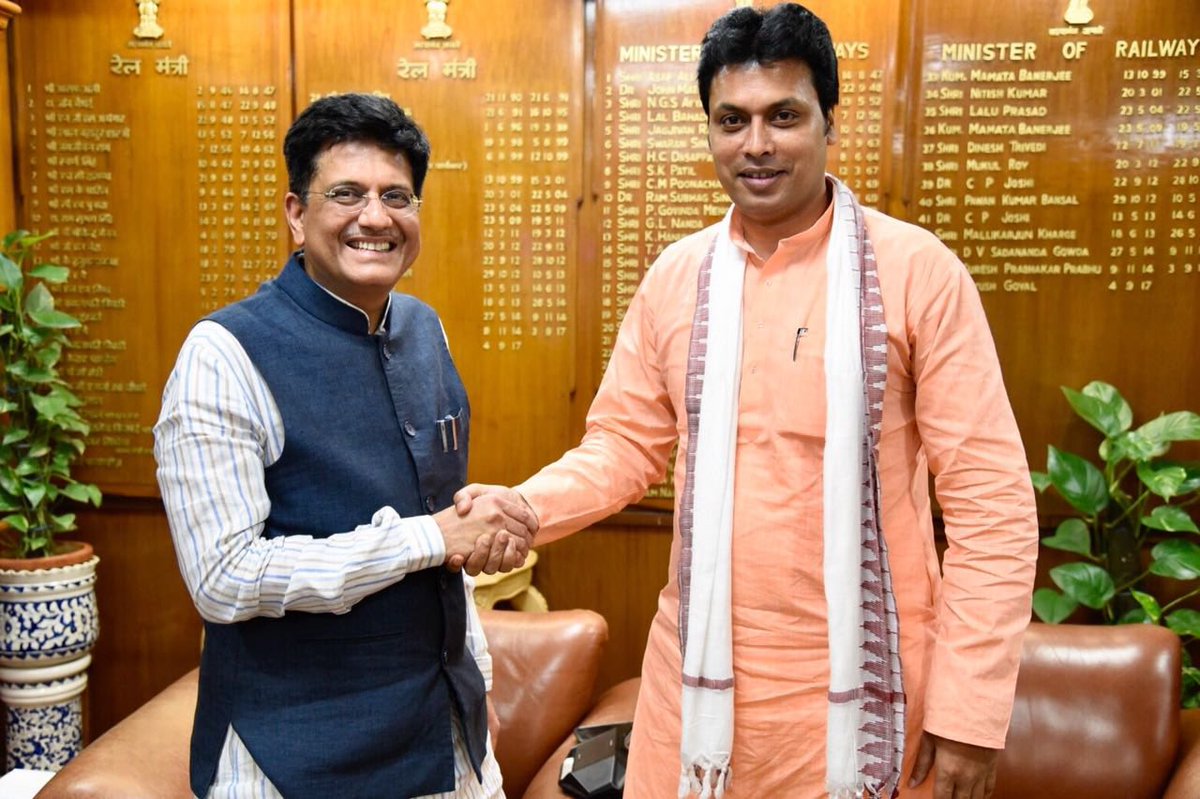
Warm birthday wishes to Shri @PiyushGoyal ji, Union Minister of Commerce and Industry. His efforts are strengthening India's trade and commerce, driving economic growth.
May he be blessed with a long life, excellent health and continued success in your dedicated service to the nation.
5
8
27
530

A Constitutional Anchor for Development: Evaluating Policy Consistency and Economic Resilience in Zimbabwe’s Path to Vision 2030
National governance occasionally requires a pragmatic shift from strict procedural adherence to the strategic preservation of progress, and Zimbabwe stands at precisely this crossroads with the introduction of Constitution of Zimbabwe Amendment No. 3 Bill (CAB3). Rather than viewing this legislative proposal through a partisan lens, it must be evaluated as a calculated mechanism designed to lock in economic momentum, maintain policy predictability, and defend the nation's long-term developmental blueprint.
Transformative state-building cannot be achieved through fragmented governance cycles, as it demands sustained leadership to allow sweeping structural reforms to fully mature. Under the current administration, the country has embarked on a rigorous phase of macroeconomic reconstruction where navigating external financial restrictions, climate shocks, and global market volatility requires deep institutional resilience. Given the scale of the ongoing modernization agenda, allowing the executive branch an additional two years to finalize these initiatives is a highly rational approach to national development.
Critics frequently minimize these developmental milestones by isolating specific challenges, yet a macro-level assessment reveals a comprehensive domestic overhaul where the modernization of critical transit arteries, such as the Beitbridge–Harare–Chirundu highway, represents just the visible layer of a systemic infrastructural upgrade. Aligned with the goals of Vision 2030, a nationwide framework is actively upgrading regional trade corridors to boost commerce, constructing critical water bodies to insulate rural economies from climate variance, and rehabilitating schools, clinics, and civic centers to improve basic service delivery. This structural shift is particularly evident across key economic pillars, notably through the historic attainment of wheat self-sufficiency which has drastically reduced import reliance and enhanced food sovereignty.
Concurrently, the stabilization of the ZiG currency and the growth of foreign reserves to over sixteen billion dollars alongside five tonnes of gold have lowered inflation, increased fiscal predictability, and strengthened macroeconomic governance.
Furthermore, the energy sector has seen a major turnaround with the commissioning of Hwange Units 7 and 8, an intervention that expanded grid capacity and restored vital industrial productivity. The healthcare sector is experiencing a similar capital injection as major referral centers like Sally Mugabe and Parirenyatwa hospitals undergo long-overdue modernization, while large-scale hydrological projects like the Gwayi-Shangani initiative are shifting vulnerable communities away from rain-dependent subsistence toward sustainable agribusiness. Economic growth is counterproductive if it remains confined to major urban centers, which is why development has been decentralized through targeted grassroots programs. Initiatives like the Presidential Borehole Drilling Scheme and localized transport programs are directly enhancing rural sanitation, household productivity, and mobility for previously marginalized demographics.
This upward trajectory is not merely internal optimism, as independent data from international financial institutions like the IMF and the World Bank have documented periodic growth spikes exceeding seven percent, validating the country’s current economic direction.
Global economic history demonstrates that successful developing nations rely heavily on policy consistency and leadership stability during critical growth phases, because abrupt leadership transitions in the middle of major structural transformations introduce unnecessary market shocks and risk stalling vital capital projects.

1

18
Voice of Sanity retweeted

Installez dans un pays éduqué et intelligent la culpabilisation, mettez en place le commerce de la victimisation en finançant de nombreuses associations et ONG, et offrez aux monstres des âmes innocentes. Solution idéale et à bas prix pour détruire un pays de l'intérieur.

🚨#BREAKING: It has been revealed that the Black male wielding a knife and threatening to k*ll passengers on the Charlotte NC Light Rail this week on the SAME TRAIN where Iryna Zarutska was m*rdered...
...IS A VIOLENT, REPEAT OFFENDER WITH OVER 19 CHARGES!!!
He has MULTIPLE violent charges including assaulting women and government employees.
HOW WAS THIS MAN EVER ALLOWED ON THE TRAIN WITH A KNIFE?!!!!!!!!!!
HAVE WE LEARNED LITERALLY NOTHING FROM IRYNA?????!!!!!!!!!!!!!!!!!!
1
2
35

The Philippine Chamber of Commerce and Industry (PCCI) is urging the government to restart infrastructure spending, arguing that renewed public works activity could create jobs, stimulate economic activity, and help lift growth.
bnc.bilyonaryo.com/pcci-call…
9


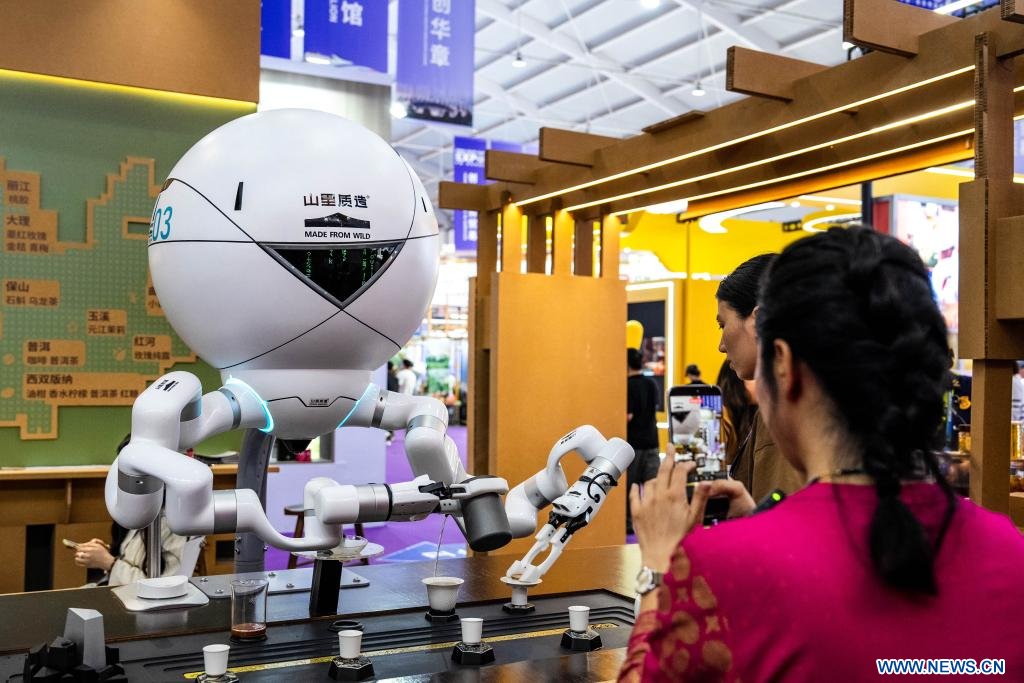
La 10e Exposition Chine-Asie du Sud qui a débuté jeudi à Kunming, capitale du Yunnan, met l'accent sur le renforcement du commerce régional et de la coopération industrielle sous le thème "Solidarité et coordination pour un développement commun".
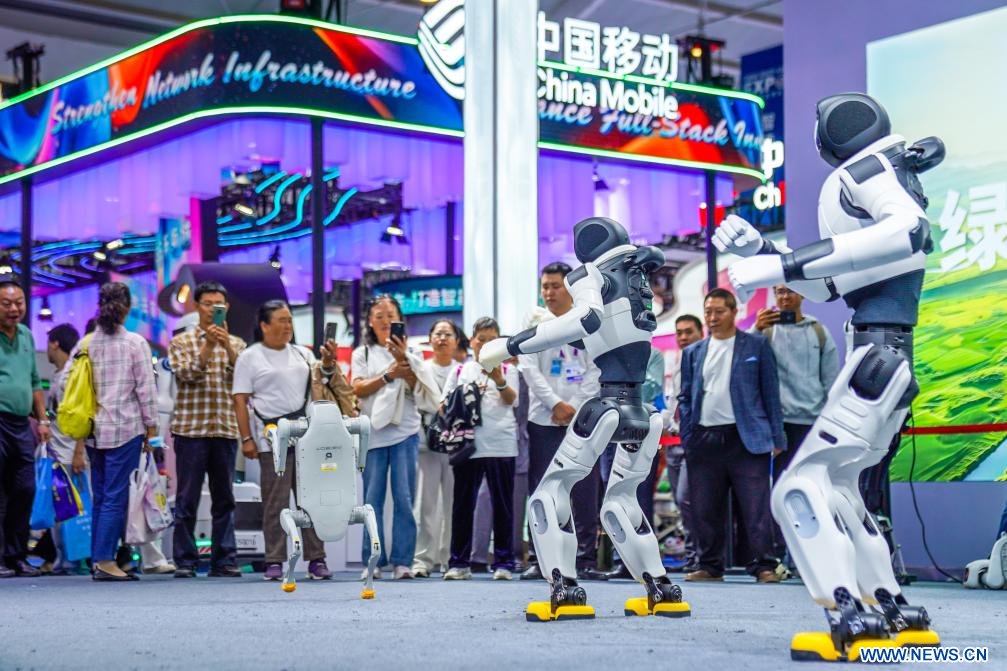
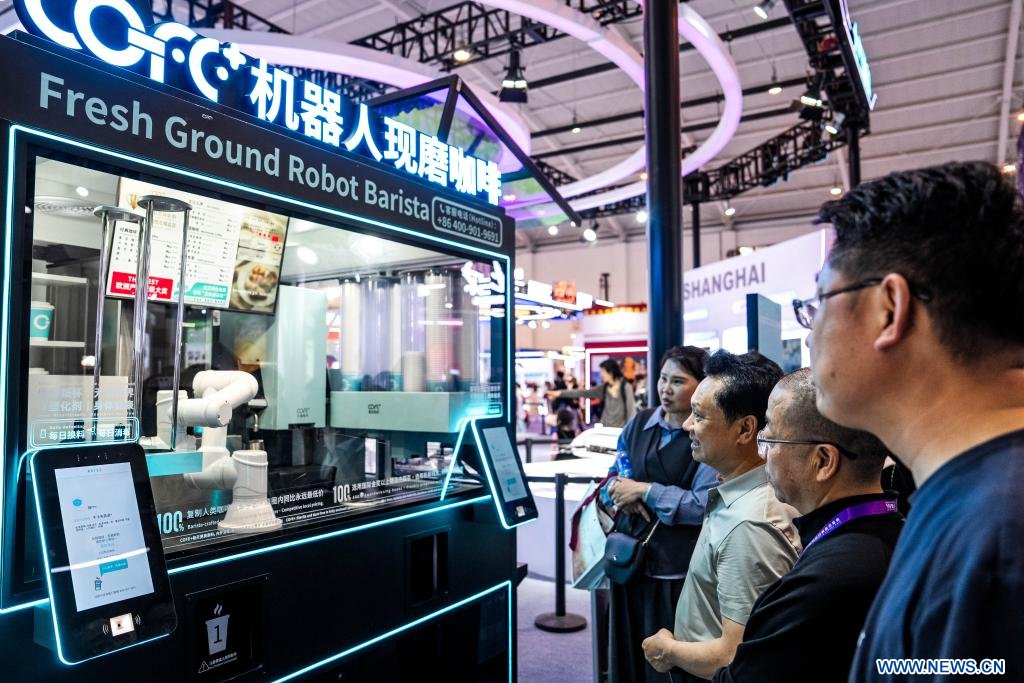
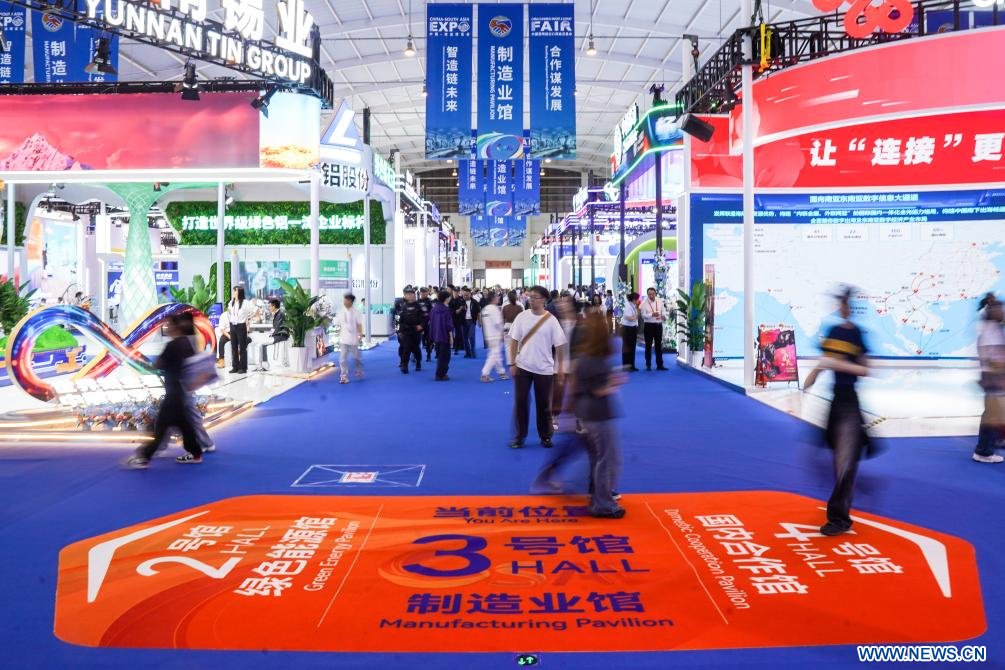
2

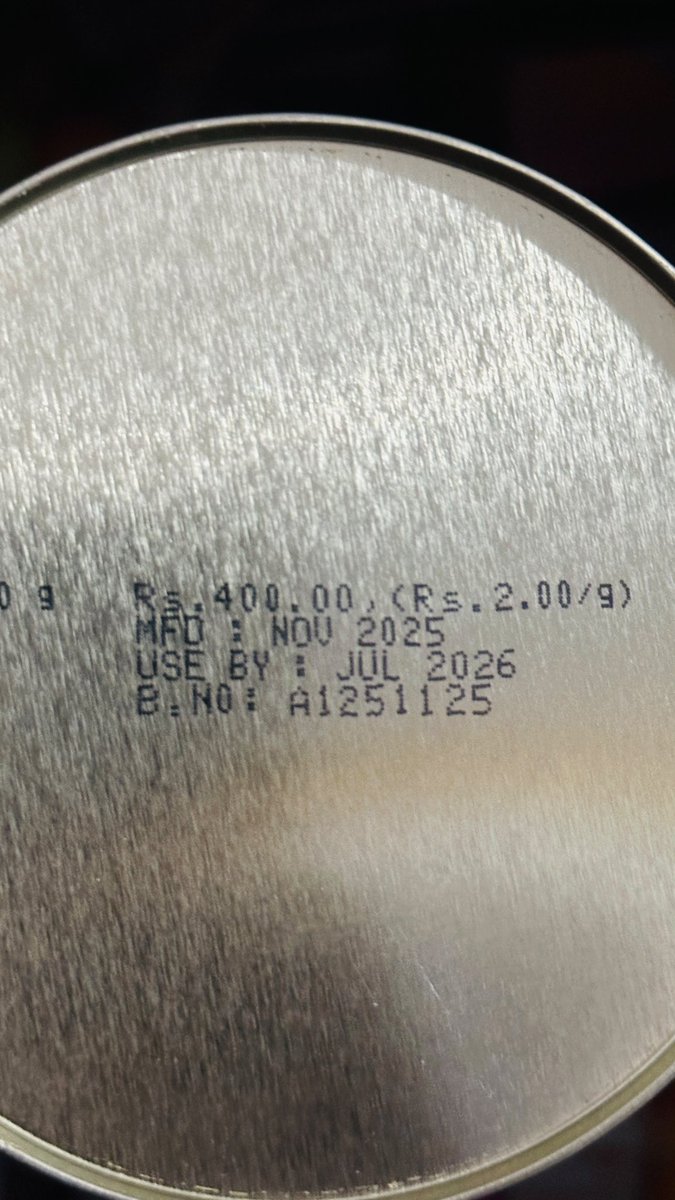
I think its high time for quick commerce to add Expiry/UseBy dates to product listing. I ordered many pieces at 65% discount. now I will have to consume those forcefully within a month @Swiggy @ZeptoNow @letsblinkit @bigbasket_com @JioMart @SwiggyCares @blinkitcares @zeptocares
3


c'est sûr qu'entre les pédophiles, les complotistes, les collabos pro-Russes et les chaînes qui en font leur commerce, en France on est bien lotis. Heureusement qu'il reste encore les gens sérieux qui nous gouvernent.
c'est sûr qu'entre les pédophiles, les complotistes, les collabos pro-Russes et les chaînes qui en font leur commerce, en France on est bien lotis. Heureusement qu'il reste encore les gens sérieux qui nous gouvernent.

Le calvaire c’est le validisme
C’est vivre sous le seuil de pauvreté
C'est travailler en ESAT
C’est n’avoir accès a quasi aucun loisir, commerce, etc car pas accessible
C’est etre dependant d’un etat toujours plus austéritaire
C’est ne meme pas pouvoir aller chez ses proches
9
c'est sûr qu'entre les pédophiles, les complotistes, les collabos pro-Russes et les chaînes qui en font leur commerce, en France on est bien lotis. Heureusement qu'il reste encore les gens sérieux qui nous gouvernent.
1