
May 28
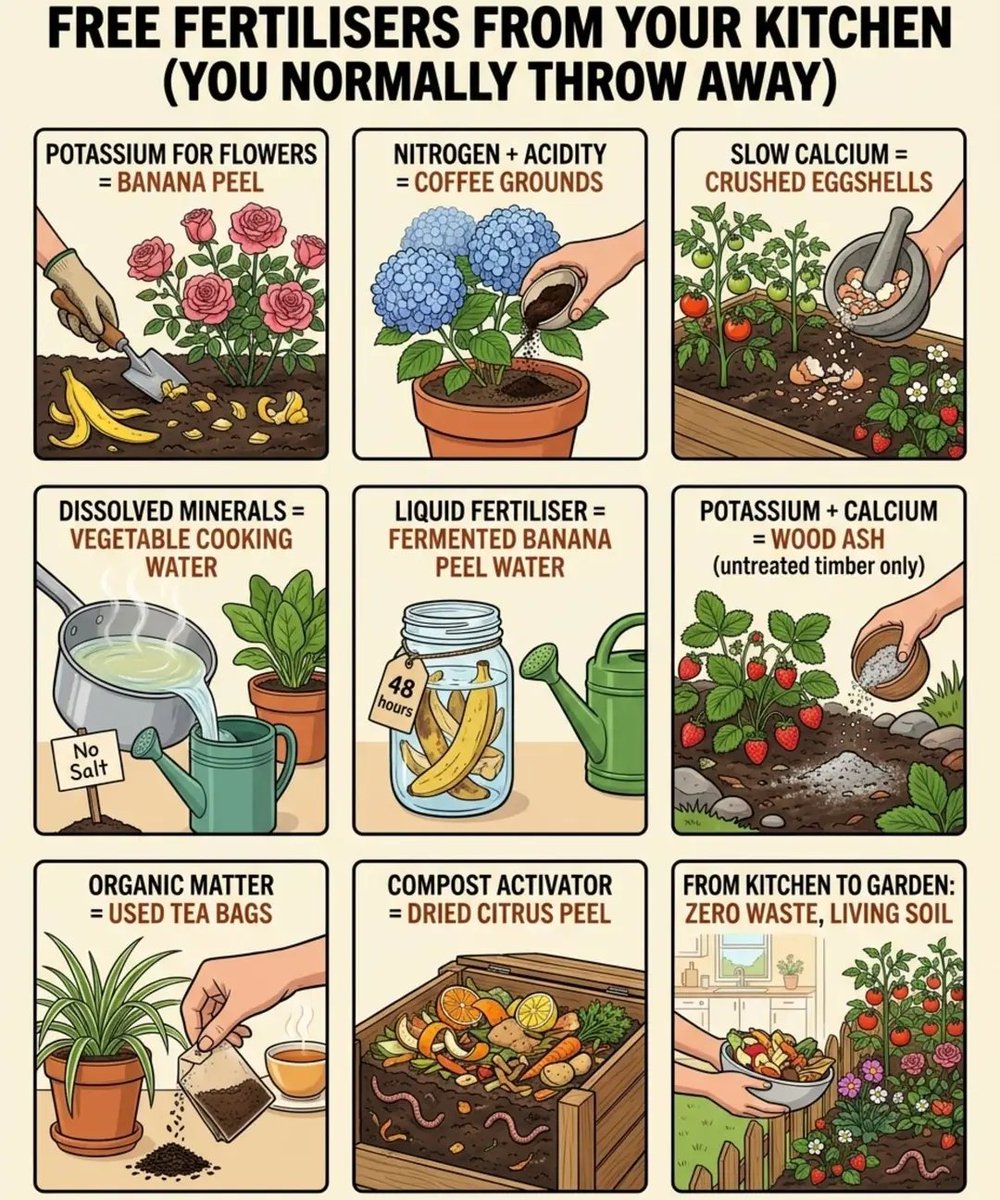
Every kitchen scrap you throw away contains nutrients your plants could use. These nine conversions require no compost bin, no special equipment, and no waiting. 🌿
Banana peel: chop and bury around roses and tomatoes. Releases potassium slowly as it breaks down, supporting flower and fruit development.
Coffee grounds: sprinkle directly around hydrangeas, blueberries, azaleas, and rhododendrons. Adds nitrogen and acidifies chalky or alkaline soil over time.
Crushed eggshells: grind to a fine powder and mix into the compost or pot top-dressing. Slow-release calcium that can help prevent blossom end rot in tomatoes and peppers.
Vegetable cooking water: unsalted, cooled, and used for watering. Carries dissolved minerals — particularly from potato and green vegetable water — that are normally lost down the drain.
Banana peel liquid feed: steep chopped peels in water for 48 hours, strain, and dilute before watering. Rich in potassium, phosphorus, and magnesium.
Used tea bags: open and mix the leaves into pot compost or dig around plants. Adds organic matter and promotes microbial activity.
Citrus peel (dried): added to the compost heap it accelerates breakdown and can deter some soil pests.
Wood ash from untreated timber: sprinkle sparingly around fruit, strawberries, and brassicas. Adds potassium and calcium and raises soil pH slightly — keep away from acid-loving plants.
From kitchen to garden, nothing wasted: the kitchen produces a steady supply of soil amendments that cost nothing and eliminate the equivalent volume from the household waste stream. 🌱
#OrganicGardening #ZeroWasteGarden #GrowYourOwn #CompostingTips
19
75
1,214
May 25
A single compost pile sitting in the corner of the yard isn’t really composting — it’s just storing waste. Without a proper system, materials break down slowly and unevenly.
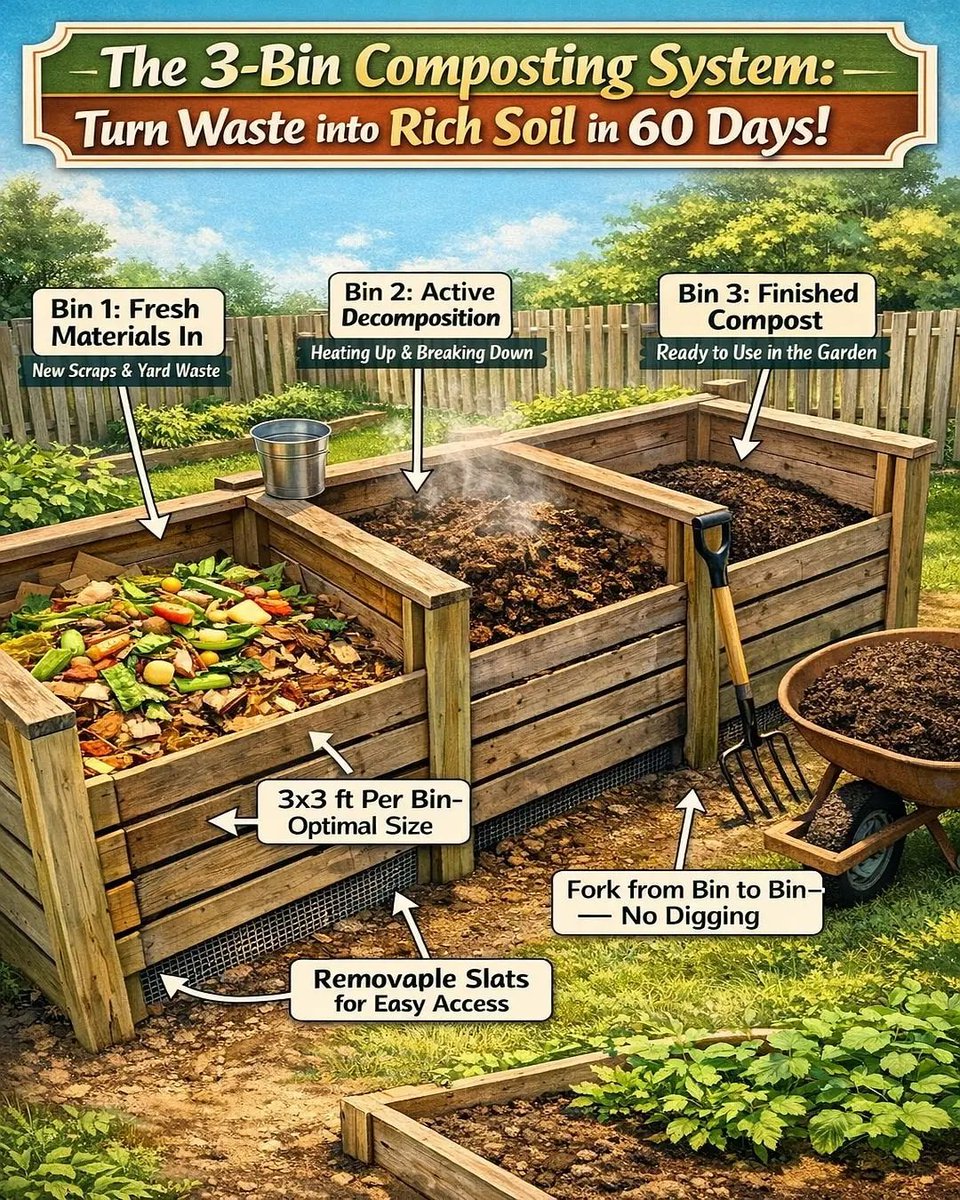
A **three-bin compost system** keeps everything moving through clear stages, so you always have compost in progress, compost curing, and finished compost ready to use. Instead of waiting months for one pile, the process becomes a continuous cycle.
The first bin collects fresh material. The second bin allows the compost to break down further without disturbance. The third bin holds fully cured compost that’s ready to spread in the garden. Turning the pile simply means transferring material from one bin to the next rather than constantly digging through the same pile.
For compost to break down properly, the balance between materials matters. The ideal mix is **three parts brown material to one part green material**. Browns include dried leaves, cardboard, shredded paper, and straw, while greens include kitchen scraps, grass clippings, and coffee grounds. Many compost piles fail because they contain too many greens, which makes them wet, smelly, and slow to decompose.
Cut or shred materials into smaller pieces before adding them. A full pile with the right balance creates internal heat that speeds up decomposition and helps destroy weed seeds.
After about three to four weeks, when the center of the first bin becomes hot, move the contents into the second bin. After another three to four weeks, transfer it into the third bin to cure. Finished compost should be dark, crumbly, and have a rich earthy smell. During warm months, the entire process can take about **60–90 days**.
🌱 **Tips for building and managing the system**
* Use cedar or untreated pallet wood to build bins around **3 × 3 × 3 feet** in size.
* Install removable front slats so it’s easy to move compost between bins.
* Add hardware cloth to the base to prevent rodents while allowing drainage.
* Safe additions include fruit and vegetable scraps, coffee grounds, eggshells, leaves, and shredded paper.
* Avoid adding meat, dairy, pet waste, or diseased plants.
* Coffee grounds count as green material because they contain high nitrogen.
* Eggshells break down slowly but provide calcium that benefits plants like tomatoes and peppers.
A cubic yard of compost from a garden center can cost **$30–$50**, but a simple three-bin system can produce the same amount every couple of months — completely free.
#CompostingTips #GardenSoil #OrganicGardening #GrowYourOwn #GardenLife
2
9
300

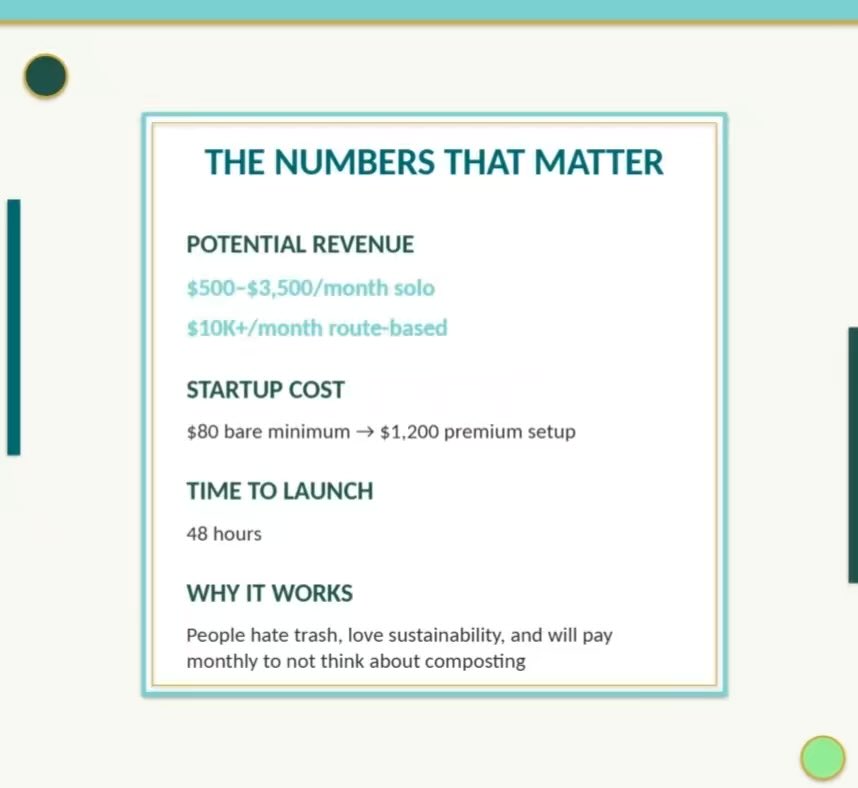
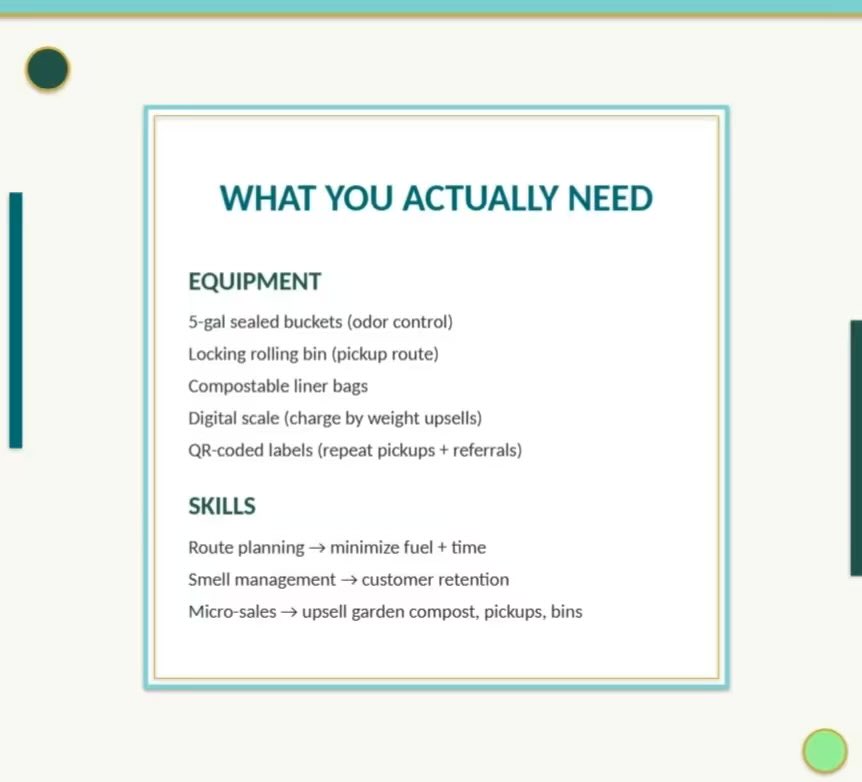
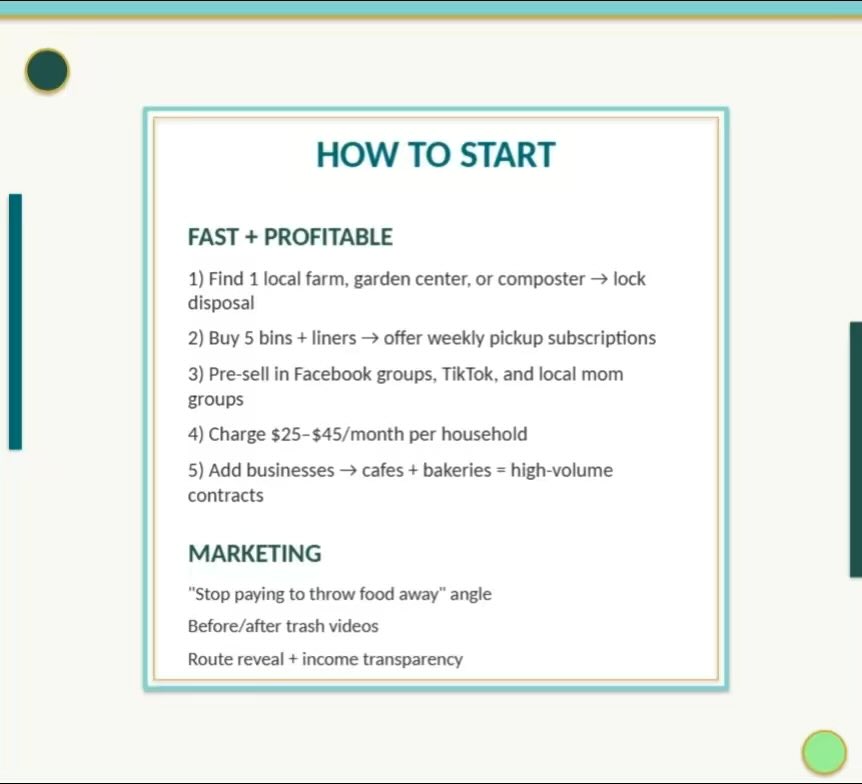
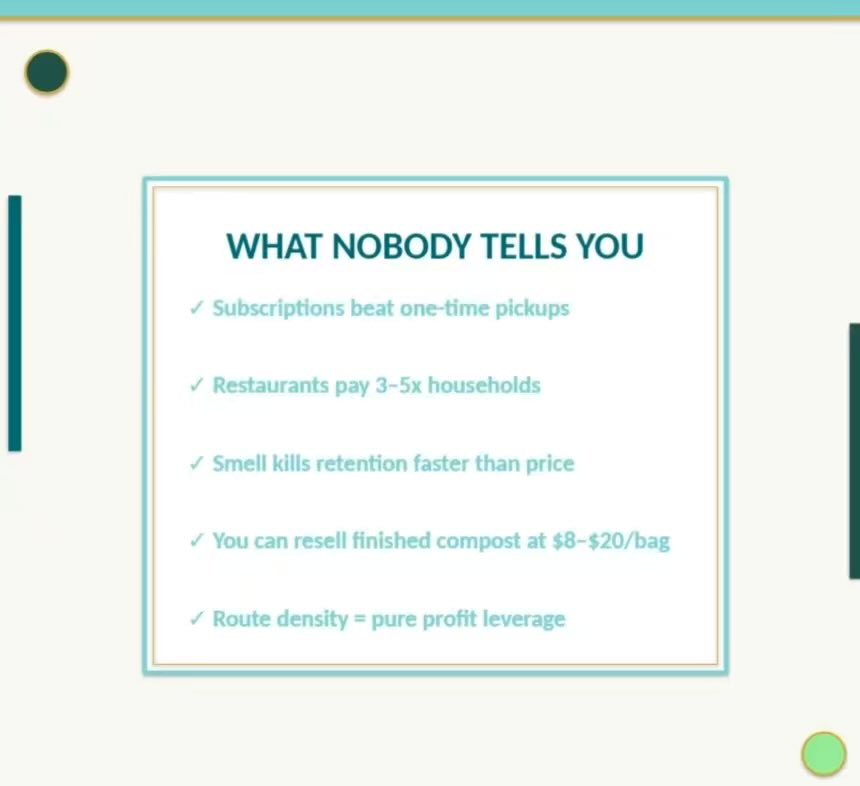
How to Start a Composting Side Hustle
Turning food scraps into cash?
Here's how a composting side hustle works, from setup to finding customers who value eco-friendly solutions #SideHustles #CompostingTips #EcoBusiness #SustainableHustle #SmallBusiness
3
32

16 Nov 2025
🌱✨ Ready to take your garden to the next level? Follow @upthegardenco. 🌿🐝
#UpTheGardenCompany #UpTheGardenCo #GardenInspiration #GrowYourOwnFood #HomeGardening #OrganicGardening #CompostingTips #SoilHealth #WildlifeGarden #EcoFriendlyLiving #SustainableGardening
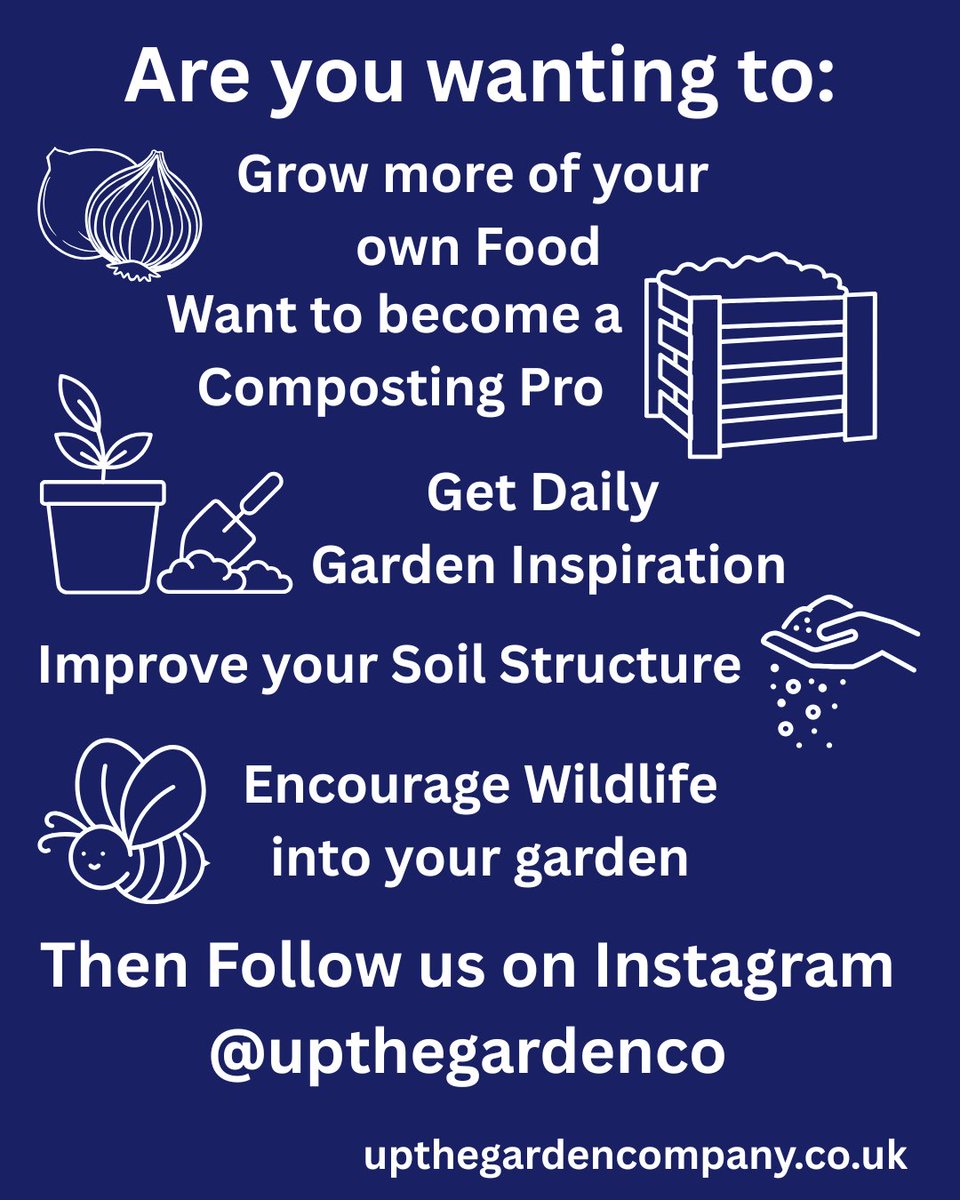
ALT Are you wanting to: grow more of your own food, want to become a composting pro, get daily garden inspiration, improve your soil structure, encourage wildlife into your garden. then follow us on instagram @upthegardenco. upthegardencompany.co.uk
2
2
27

9 Sep 2025
Since starting worm composting, we throw out less trash & our plants are thriving 🌱💚. It’s weirdly fun watching scraps turn into something useful.
Would your kids think this is gross or cool?
#EcoFriendlyParenting #CompostingTips #FamilyEcoProjects #GreenLiving
2
3
13
12 Aug 2025
Start With One Thing
Overwhelmed by composting?
Just start with 1 thing—coffee grounds, veggie scraps, or eggshells.
Small steps lead to big change.
What’s the first thing you’d toss in your compost bin?
#SustainableLiving #CompostingTips #WasteLess
todaynottomorrowllc.com/tnt-…
2
3
65

30 Jun 2025
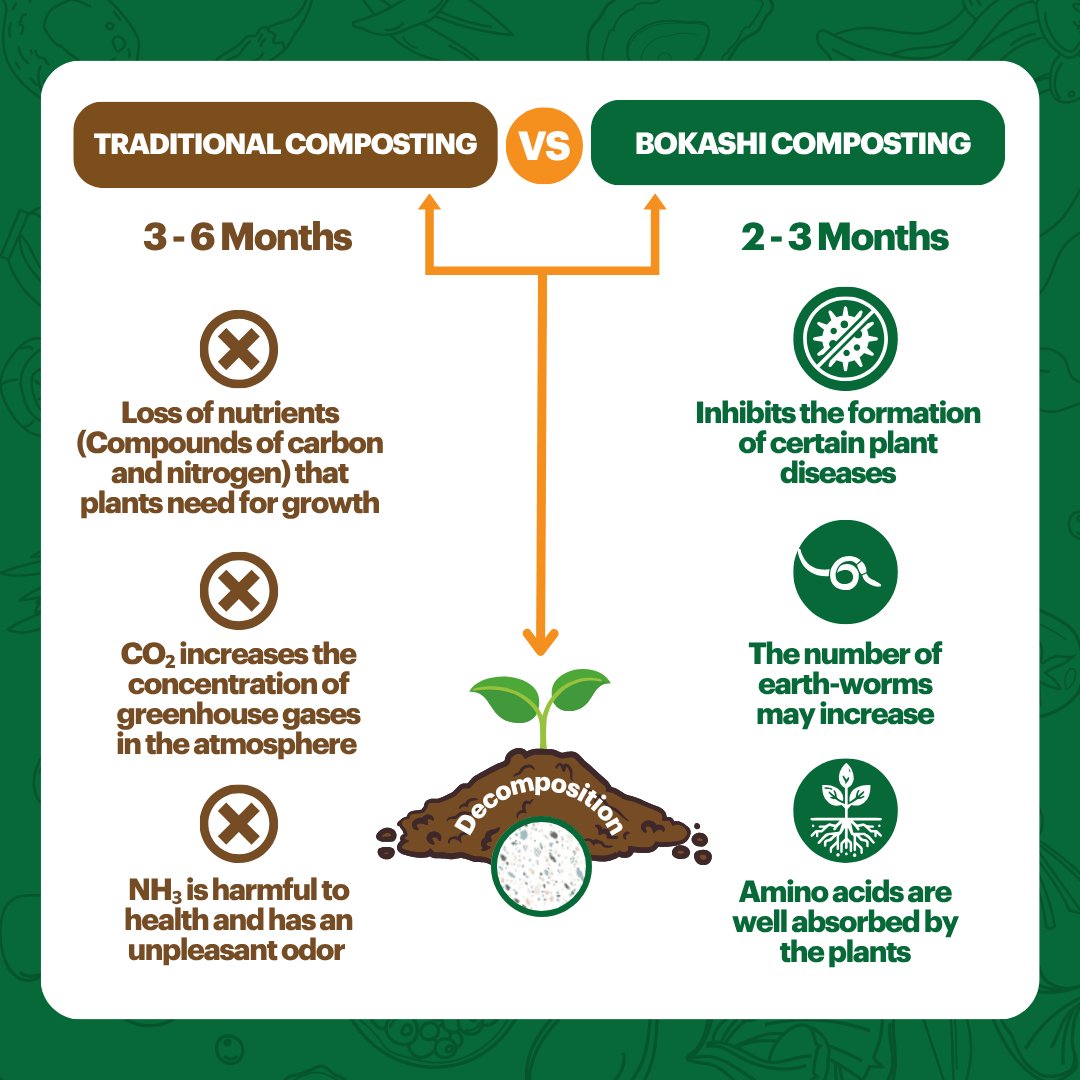
♻️ Traditional Composting vs Bokashi Composting – What’s the Difference? 🌿
Let’s break it down! 👇
🔸 Traditional Composting relies on aerobic decomposition – meaning oxygen, heat, and time (3–6 months).
While it’s effective, it can:
⚠️ Lose valuable nutrients (carbon & nitrogen)
⚠️ Produce greenhouse gases like CO₂
⚠️ Smell bad due to ammonia (NH₃)
⚠️ Attract pests and require frequent turning
🔹 Bokashi Composting uses fermentation, not rot. It’s an anaerobic process (no oxygen) that takes just 2–3 months and:
✅ Keeps nutrients locked in
✅ Inhibits plant diseases
✅ Boosts earthworm activity
✅ Produces amino acids plants LOVE
✅ Has no bad smell and is perfect for small spaces
💡 Bonus: Bokashi can handle things like meat, dairy, and cooked food – stuff you can’t add to a regular compost pile!
🪣 Whether you’re composting at home, at school, or in the office – Bokashi is a faster, cleaner, and more nutrient-rich way to turn waste into life. 🌱
#Bokashi #CompostingTips #SustainableLiving #FermentDontWaste #SoilHealth #BokashiVsCompost
5
9
347

30 Apr 2025
Think you can compost everything organic? Think again!
From oily leftovers to tea bags with plastic, many Indian homes unknowingly sabotage their compost.
Read through this myth-busting guide and get your compost game back on track. #wheredoesyourtrashgo #CompostingTips #SustainableLiving #WasteManagement #EcoFriendly #ZeroWaste #HomeComposting #GreenIndia
buff.ly/NVAAvVo
1
6
1,698

15 Apr 2025
Vermicompost Business में इन 12 चीज़ों पर निर्भर Production Cost
#Kisanofindia #koi #Vermicompost #OrganicFertilizer #SustainableFarming #compost #organic #organiccompost #VermicompostBusiness, #OrganicFarming #CompostMaking #CompostingTips #VermicompostIndia
2
3
136

28 Mar 2025
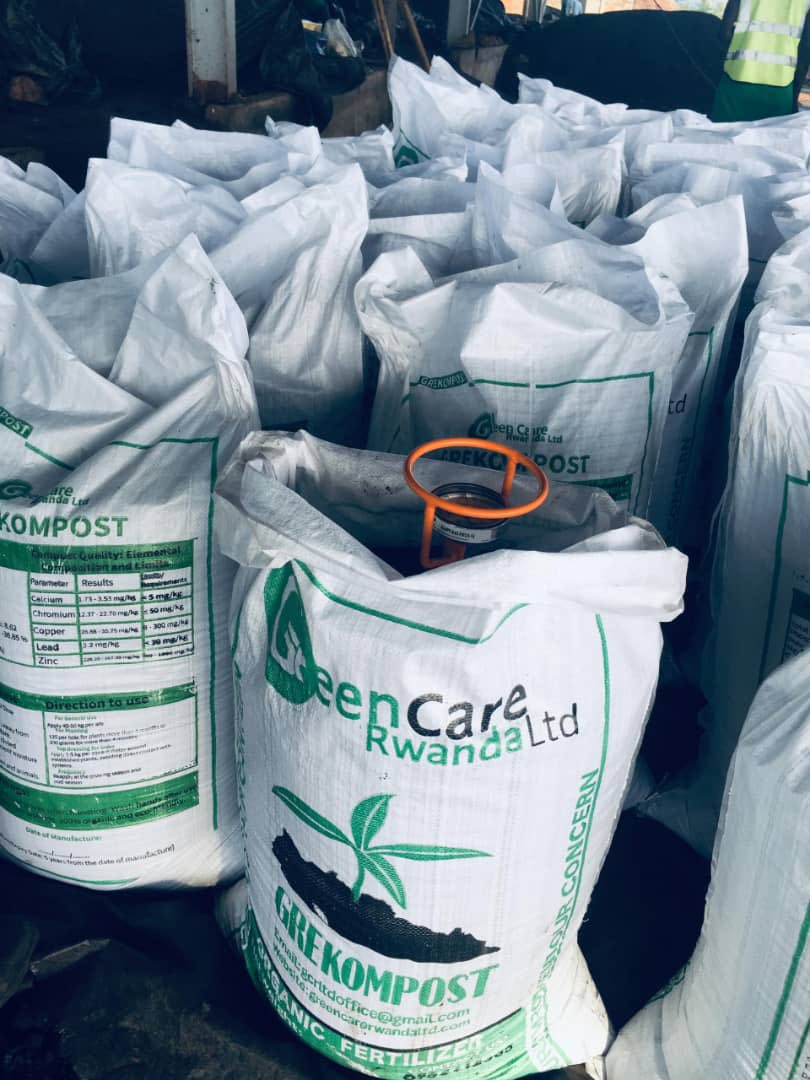
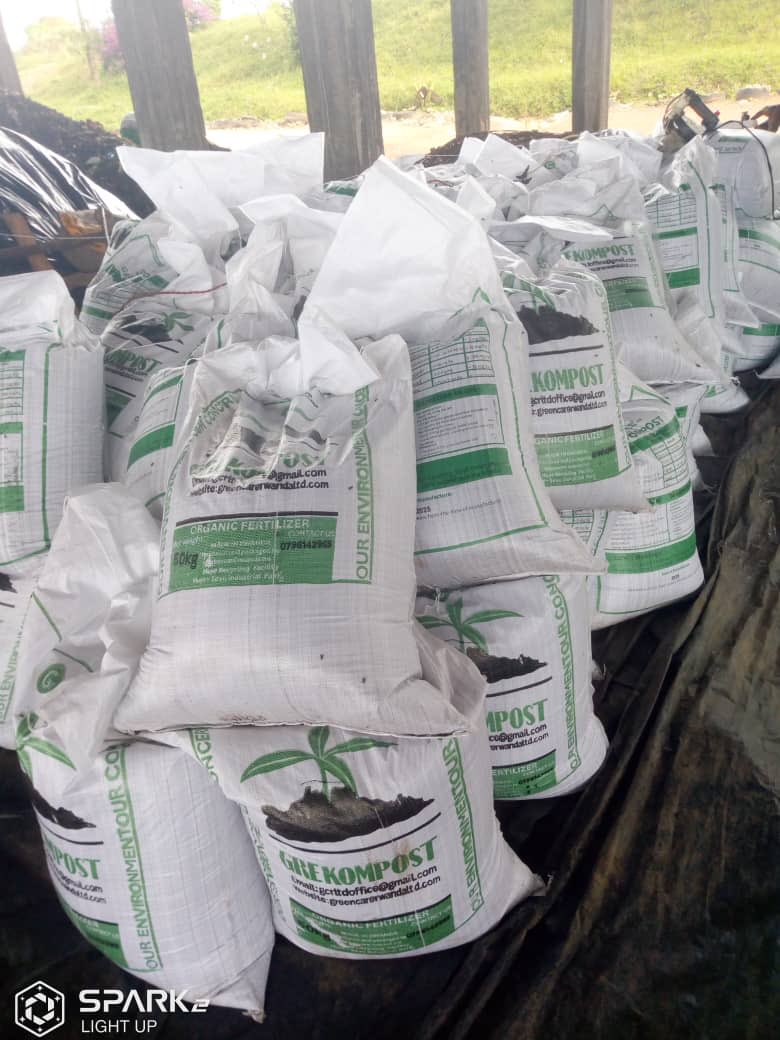
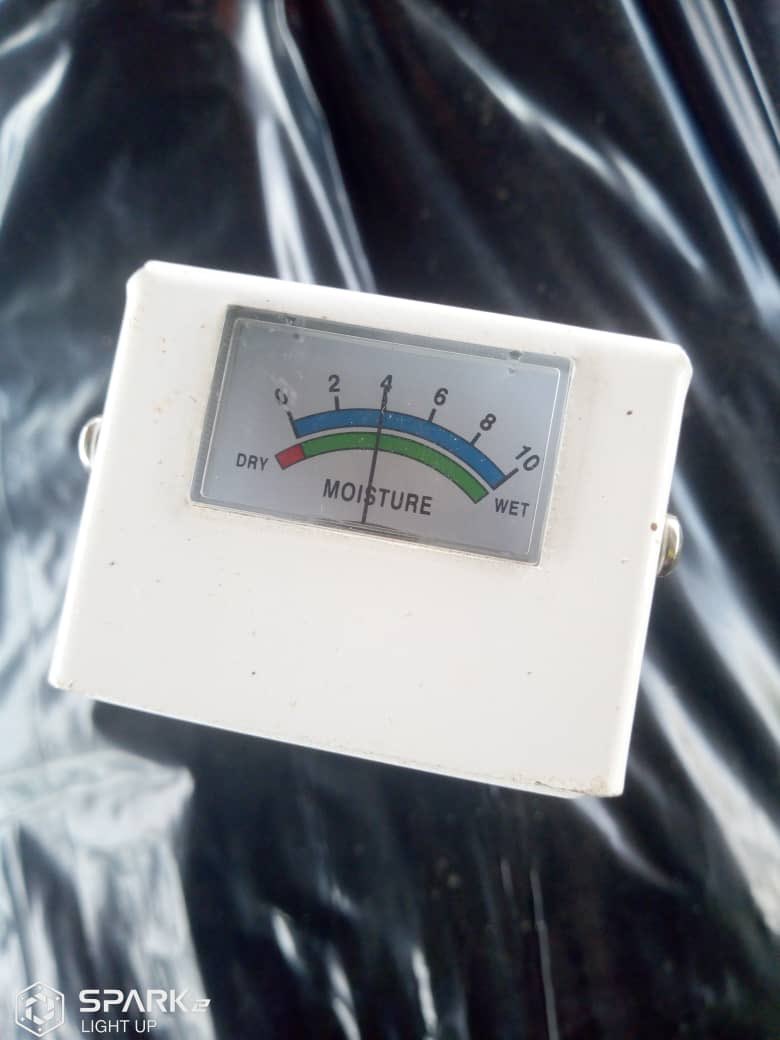
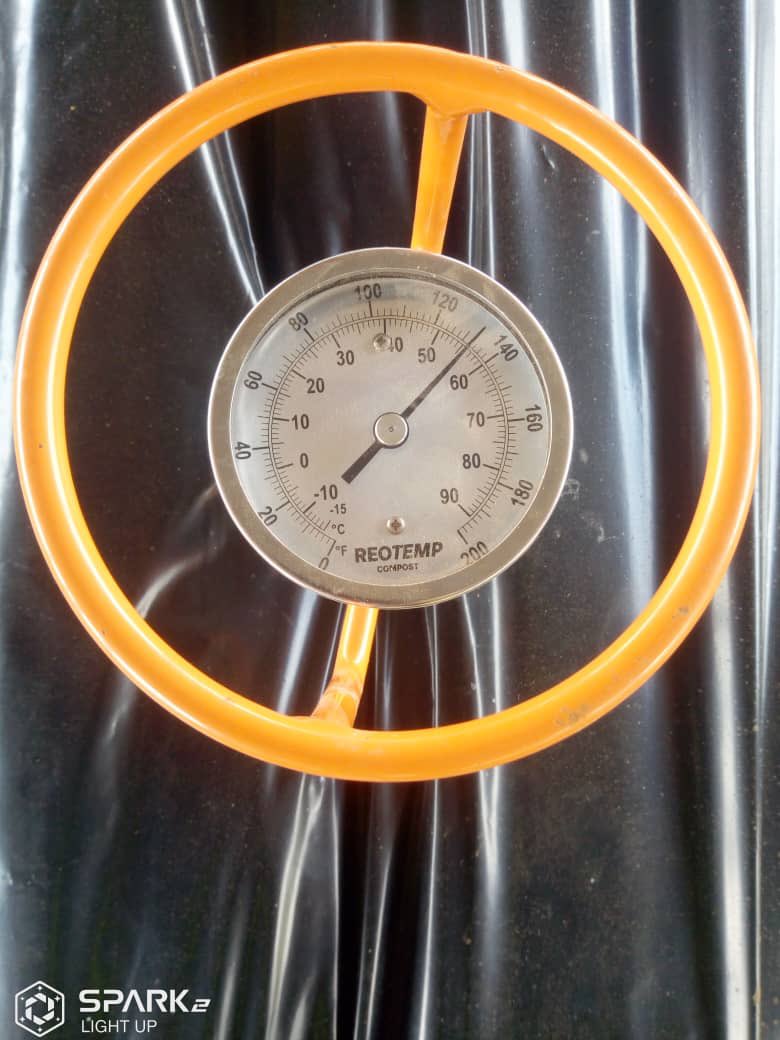
To make high-quality compost, keep your microorganisms happy! 🌱😊 Regularly monitor moisture (like a damp sponge, 50-60%) and temperature (keep it warm, 130-160°F). Happy microbes = Better compost = Healthier soil & higher crop productivity! 🌾💪 #CompostingTips #SoilFertility
6
23
870
22 Jan 2025
Vermicompost Manure निकालने का ये है सही तरीका! Vermicomposting | Organic Manure
#kisanofindia #Vermicompost #OrganicManure #Vermiculture #CompostingTips #OrganicFarming #HealthySoil #AgriInnovation #FarmersGuide #VermicompostingTips #SustainableAgriculture
1
2
85

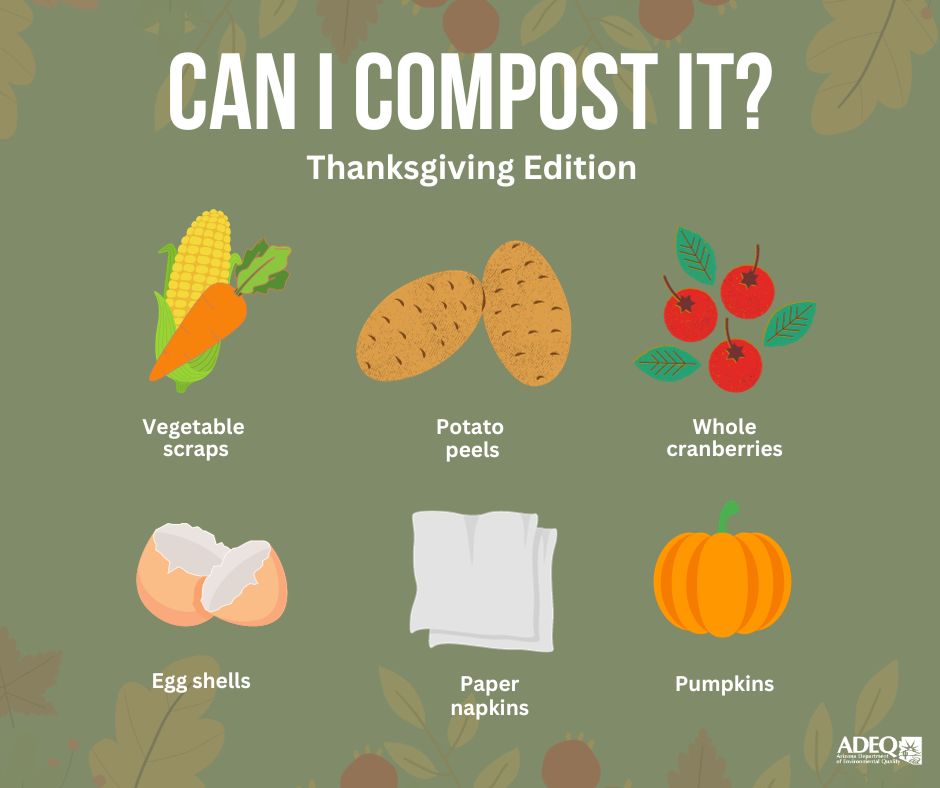
Thanksgiving leftovers? Turn those scraps into fresh soil by #composting! 🥕 🌽 🥔
Toss veggie peels, fruit cores, paper napkins and more into your compost bin, and let nature work its magic.
Learn about composting ➡️ azdeq.gov/composting
#CompostingTips #Thanksgiving
1
4
166
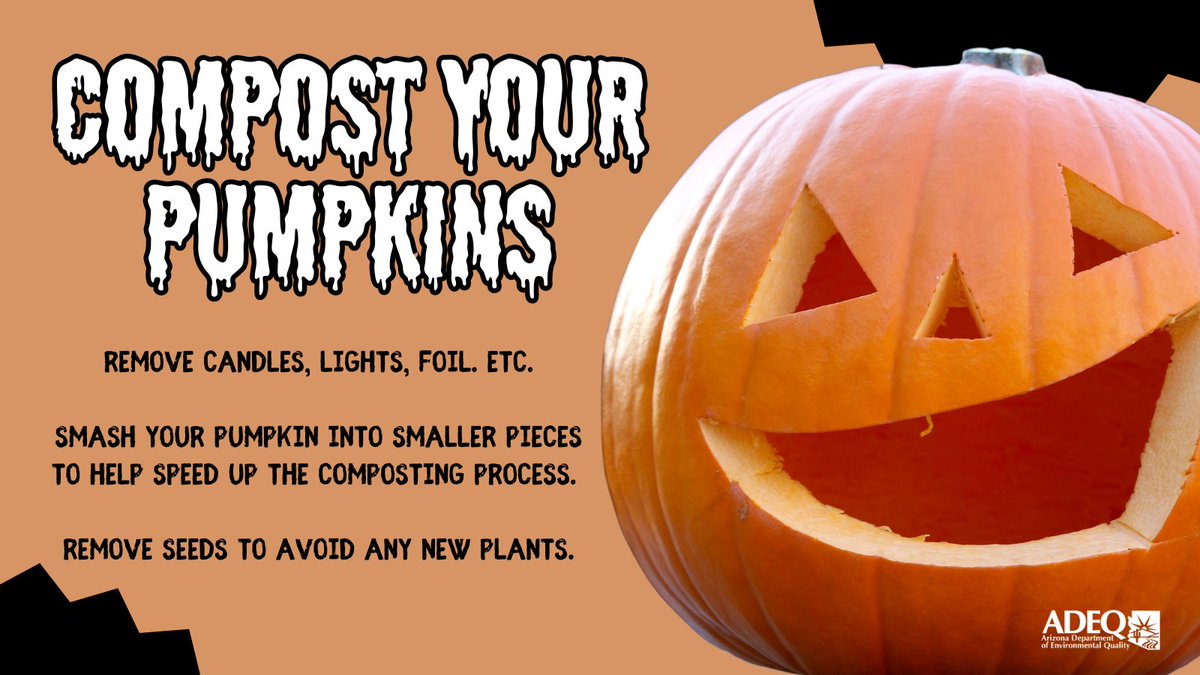
From jack-o'-lantern to fresh soil 🎃
When pumpkins go to the landfill, they can't break down into the soil like they would naturally. Instead they release methane gas - a harmful gas that can hurt our environment.
➡️ azdeq.gov/composting
#CompostingTips #PumpkinDay
1
4
211
27 Sep 2024
इस युवक ने ग्रीन शेड में शुरू किया वर्मीकम्पोस्ट व्यवसाय | Vermicompost Business Tips |
#KisanOfIndia #GreenBusiness #EcoFriendly #SustainableFarming #Vermicompost #OrganicFarming #CompostingTips #GreenEntrepreneur #SoilHealth #ZeroWaste #EcoInnovation
2
51

21 May 2024
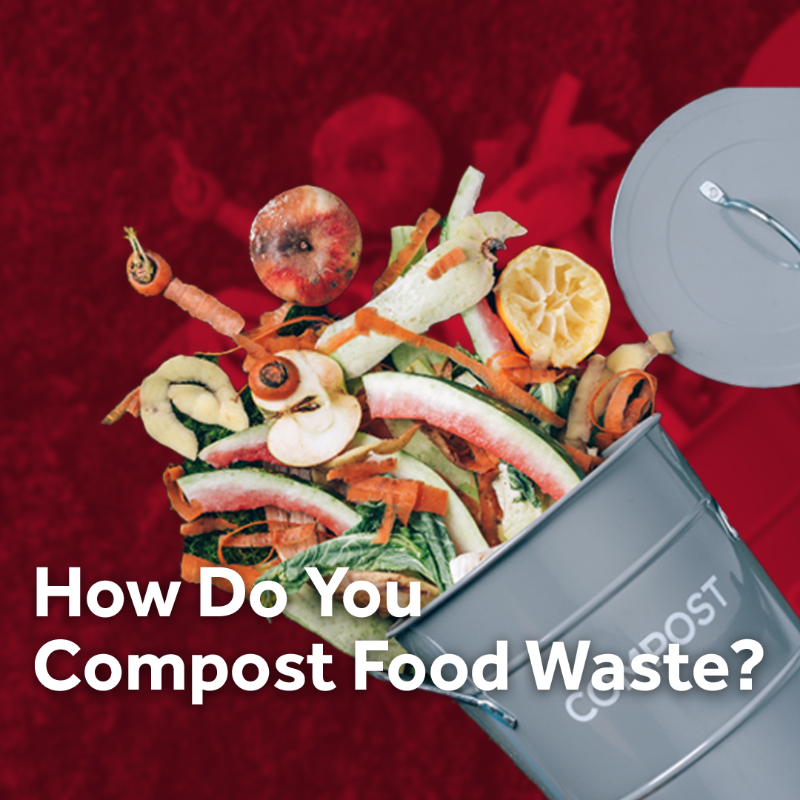
Composting is a common practice that provides many benefits to you and your restaurant. Find out how you compost food waste today to get started. #PartsTownTips #Composting #CompostingTips
2
21

13 Mar 2024
Enhance your garden with the perfect compost mix! 🌿 #CompostingTips
#compostweekuk
5
349
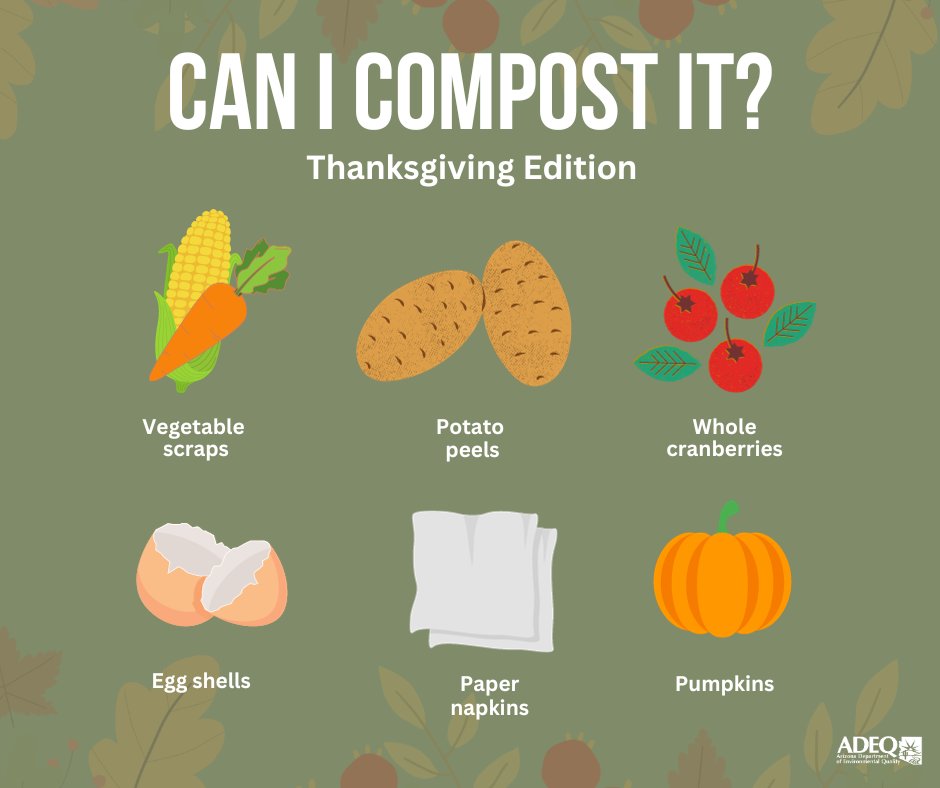
Thanksgiving leftovers? Turn those scraps into fresh soil by #composting! 🥕 🌽 🥔
Toss veggie peels, fruit cores, paper napkins and more into your compost bin, and let nature work its magic.
Learn about composting ➡️ azdeq.gov/composting
#CompostingTips #Thanksgiving
3
389
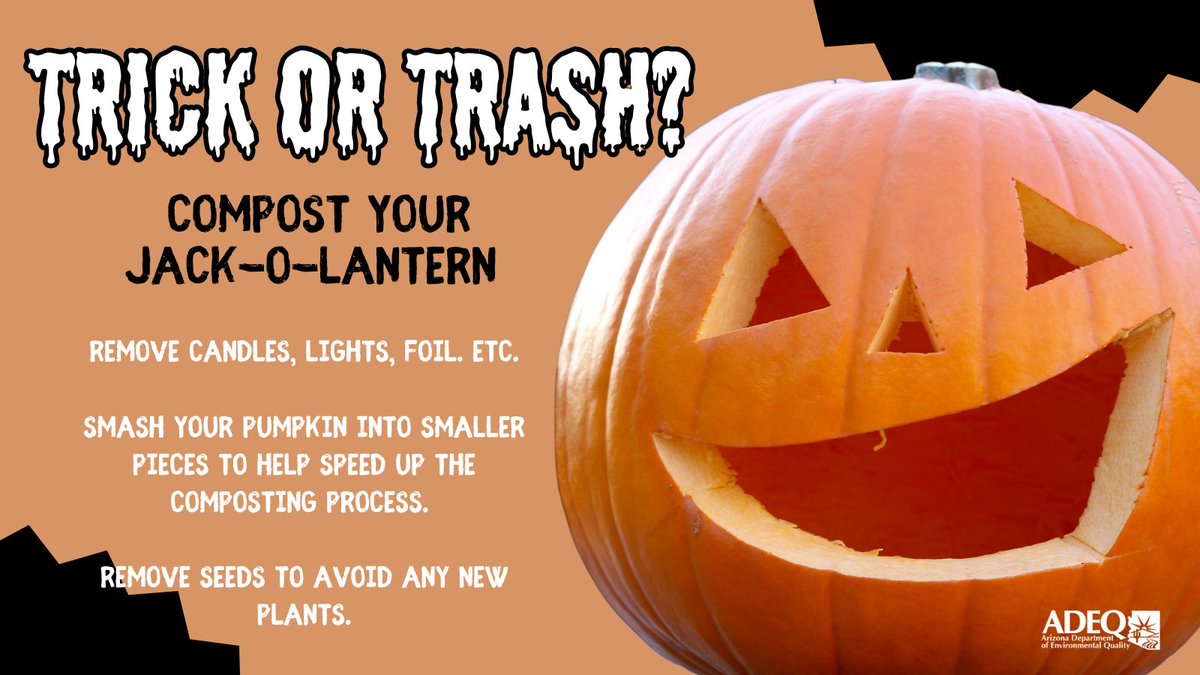
Compost your pumpkin this Halloween 🎃
👻 Get rid of candles, lights, foil, etc
👻 Smash your pumpkin into smaller bits
👻 Scoop out seeds to prevent surprise pumpkins
Learn more about composting ➡️ azdeq.gov/composting
#PumpkinComposting #CompostingTips #Halloween #AZ
1
3
282

14 Aug 2023
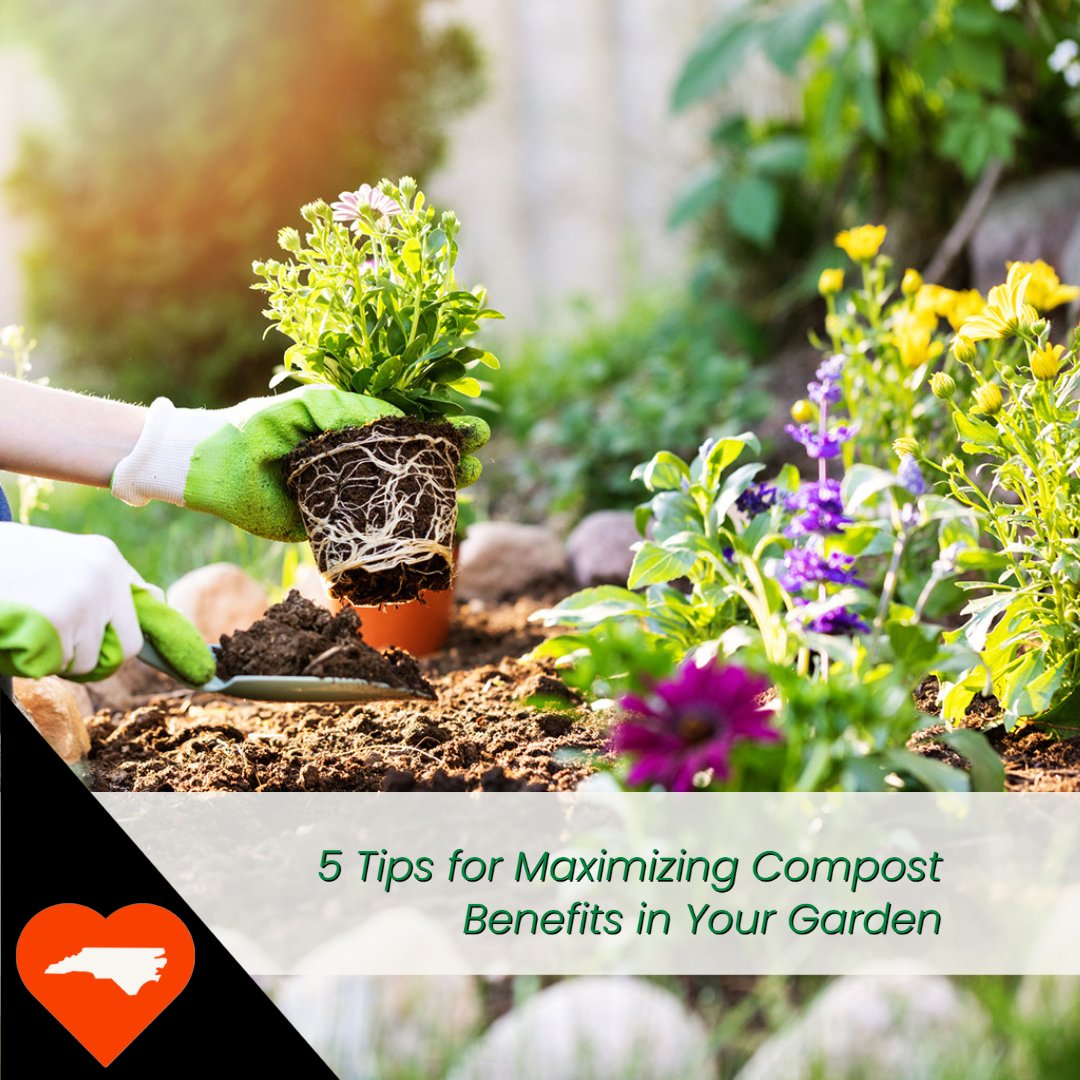
Maximize compost's impact in your garden:
Choose quality compost
Time it right
Use the right amount
Apply correctly
Combine with mulch
#CompostingTips #GardenEnthusiasts #GreenThumbTips #SustainableGardening
2
57

11 Jul 2023
🌱🍃 Did you know composting can turn banana peels, coffee grounds, and veggie scraps into plant fuel? Embrace the wonderful world of composting and witness the magic unfold in your backyard. 🌿🌺🌳 #GardenMagic #CompostingTips #GreenThumbsUp 🌱✨ s3.wp.wsu.edu/uploads/sites/…
2
1
298