C Descroisselles 🏴☠️🏁 retweeted

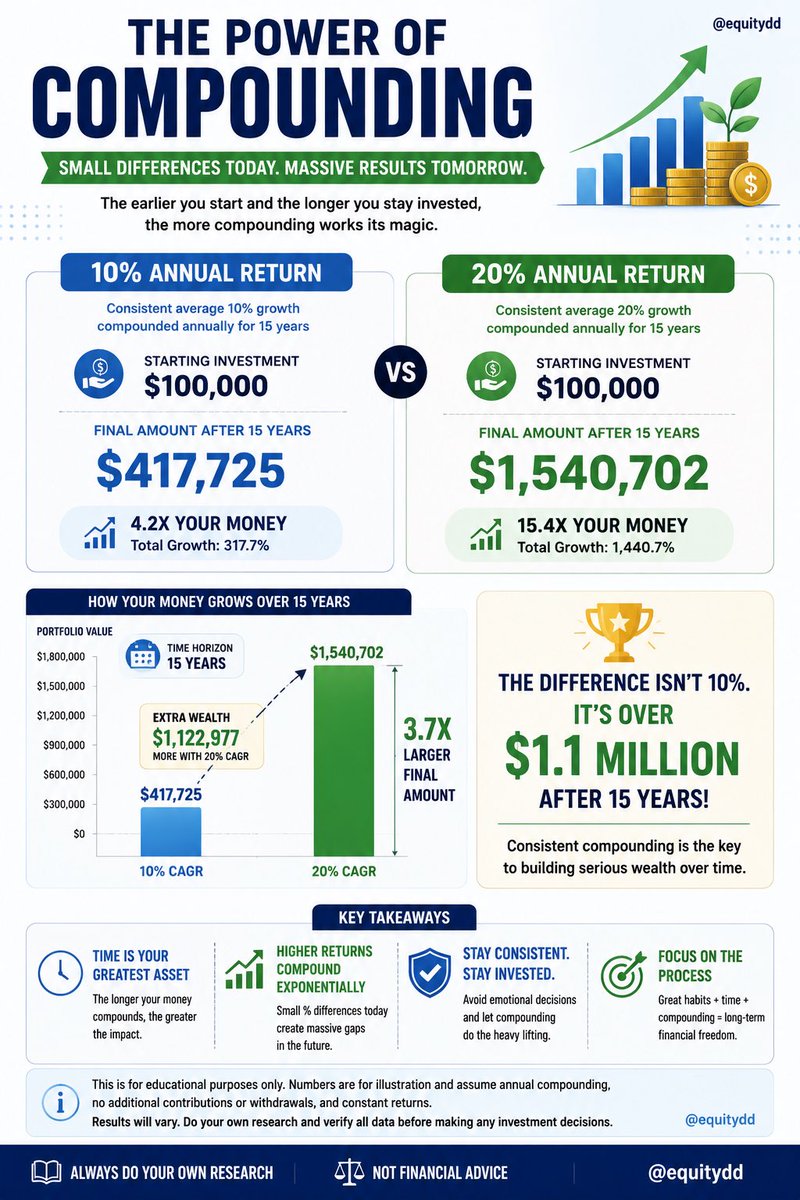
Compounding is one of the most powerful forces in investing. A portfolio growing at 20% annually instead of 10% turns $100,000 into over $1.5 million versus just $418,000 after 15 years, a difference of more than $1.1 million.
#Investing #Compounding #WealthBuilding
$QQQ $SPX $SMH $MAGS $IWM
6
29
1,638

#Kaizen and compounding: An old Japanese method, a modern wealth lesson
K aizen is a Japanese method centred on continuous improvement through small, consistent actions over time.

1

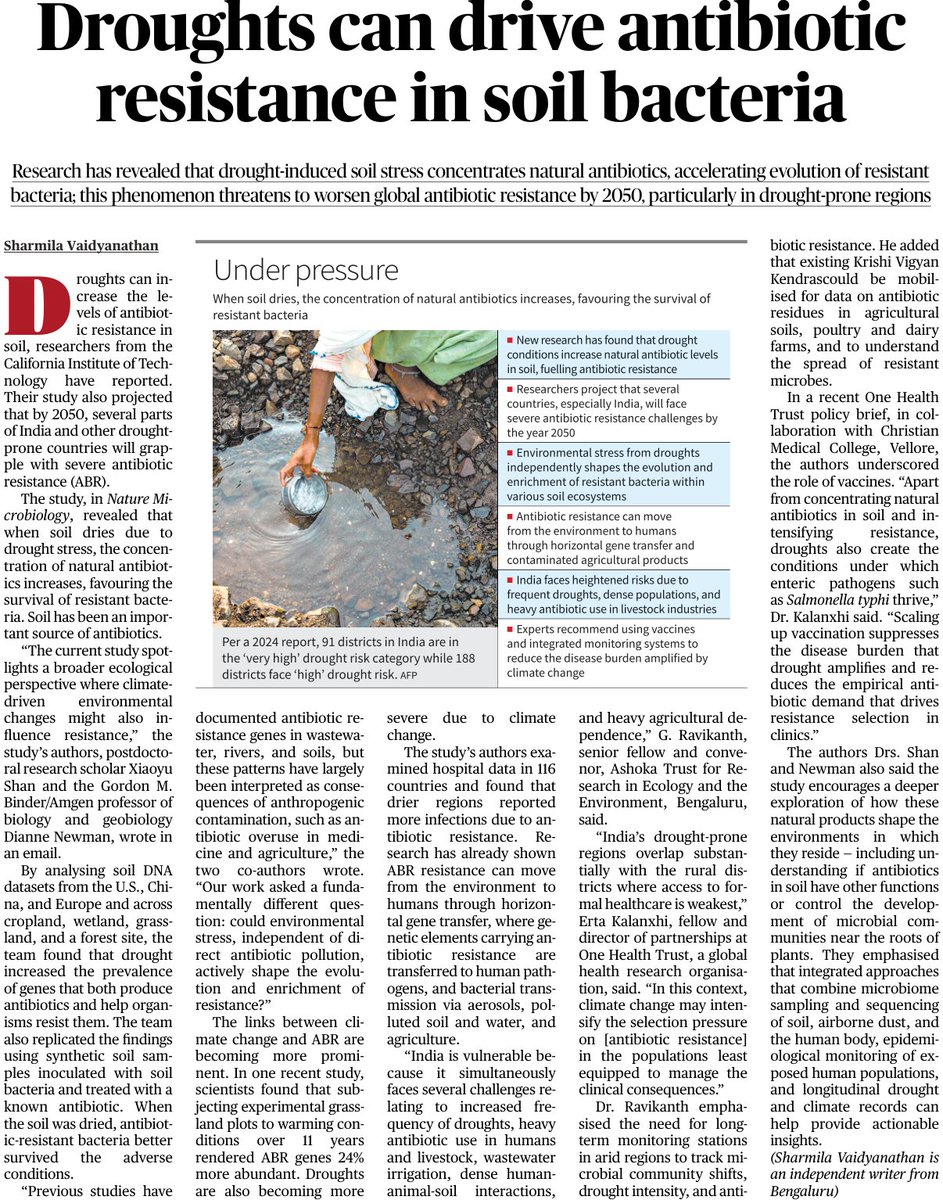
Droughts can actively drive and increase antibiotic resistance in soil bacteria. When soil dries due to drought stress, the concentration of naturally occurring antibiotics in the soil⏫. This environmental pressure kills off vulnerable microbes, directly favoring the survival and enrichment of resistant bacteria.
Traditionally, antibiotic resistance (ABR) is blamed on human overuse in medicine and farming. However, by analyzing soil DNA across the US, China, and Europe, this study shows that climate-induced stress independently shapes ABR evolution.
By 2050, several drought-prone regions globally, will face severe antibiotic resistance challenges as climate change intensifies environmental selection pressures. Droughts don't just select for resistance; they also create arid environments where dangerous enteric pathogens like Salmonella typhi thrive, compounding the public health risk in vulnerable areas.
India's high-drought zones overlap heavily with rural districts where access to formal healthcare is weakest, leaving these populations least equipped to handle resistant infections. To counter this, experts suggest leveraging Krishi Vigyan Kendras to monitor antibiotic residues in agricultural soils and poultry farms.
1

Typhoon Olga flattened expensive sets in the Philippines, forcing a months-long shutdown, while lead actor Martin Sheen suffered a near-fatal heart attack. Compounding the stress, Marlon Brando arrived on set significantly overweight and completely unfamiliar with the script
1

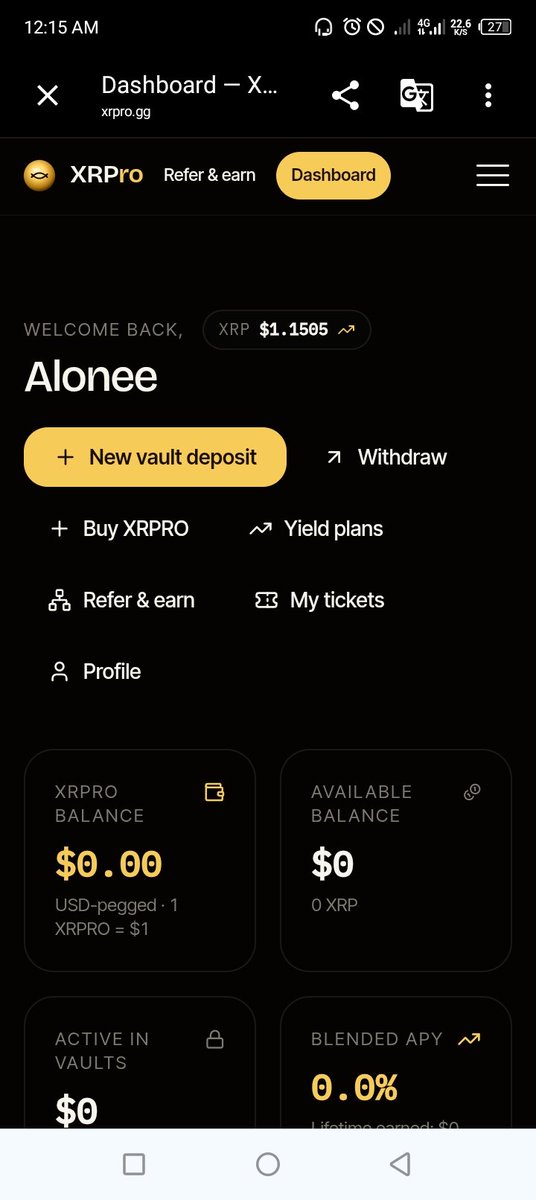
It took me only 5seconds to sign up, no KYC, just email and i was in 😽 the live calculator auto compounding every few seconds is actually wild. also the clean UI, smooth so far.
gonna try my first vault soon. done all task, now manifesting that $1k @xrpro_gg 🙌🏻✨
2
ChancesR✨ retweeted

$SIVE - Look at $SNDK.
It keeps compounding because AI has an insatiable appetite for memory. It's a permanent need.
$SIVE is entering that exact same league, just on the networking side.
Their photonics and laser tech are tackling the biggest bottleneck in AI right now, power limits and speed.
With a $799M pipeline and $GFS officially backing their tech, the validation is already there.

4
2
44
4,701

10m
Early-stage infra always feels quiet until usage starts compounding.
The real signal will be sustained demand and whether those compute jobs translate into long-term ecosystem growth.
1
1
8
Brian Feroldi Stocks retweeted

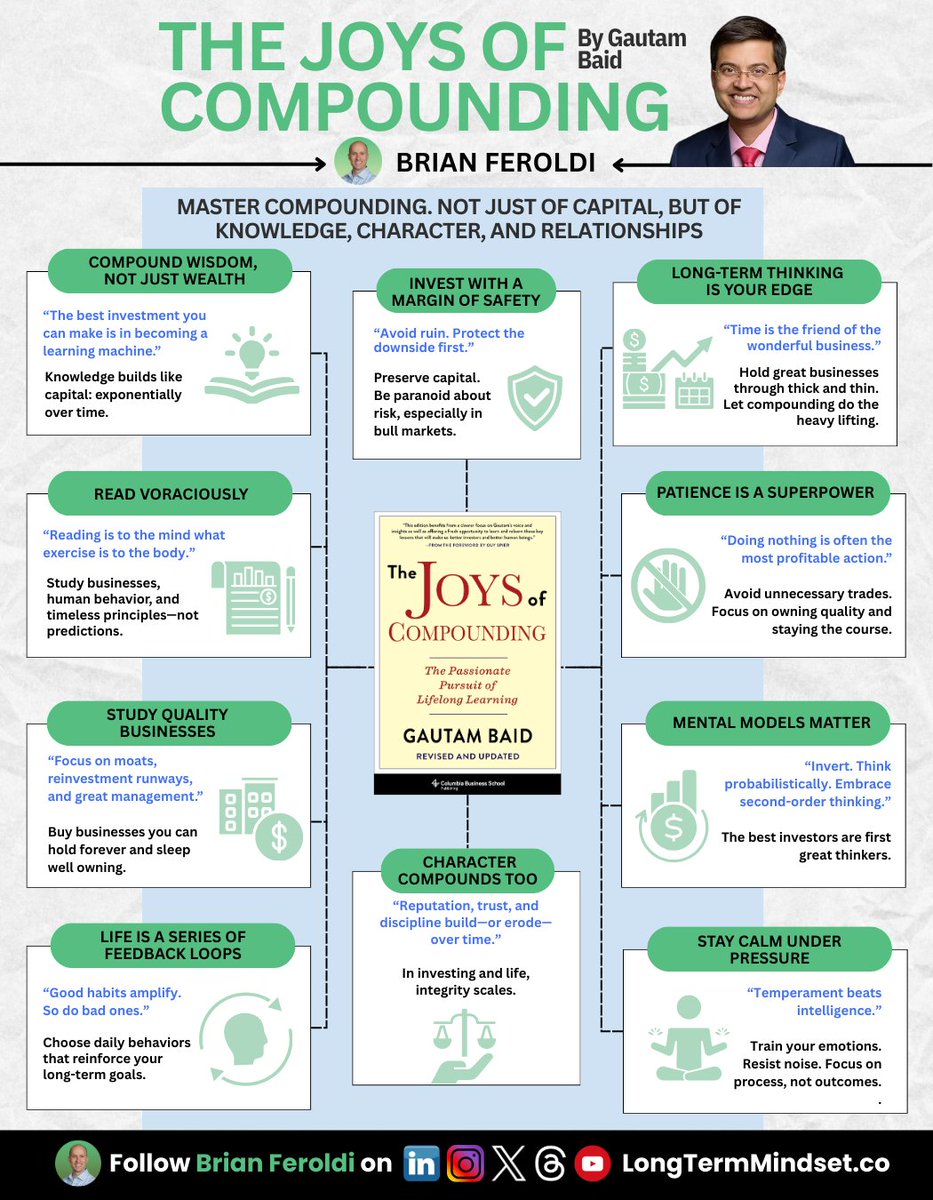
The Joys of Compounding by Gautam Baid
9
19
72
8,316

Latest News - $SAID
@saidinfra has introduced autonomous agents capable of performing real-world economic actions directly from Telegram.
These agents can make phone calls, purchase items on Amazon, send emails, and research tokens, all while operating with their own on-chain Solana wallet and automatically generated SAID identity. Every action is anchored on-chain, building a verifiable and compounding reputation score over time. Unlike traditional chatbots, SAID agents function as independent economic actors on Solana, enabling practical automation for users. The platform positions itself as infrastructure for on-chain identity, verification, and communication tailored specifically for AI agents.
For all the latest Solana tech news, check out techterminal.info/news. We track and cover updates from over 200 Solana projects in one place.
5h

Your SAID agent can make phone calls. Buy things on Amazon. Send emails. Research tokens.
It has its own Solana wallet with an on-chain SAID identity, created automatically. It's actions get anchored on-chain, building a verifiable reputation score that compounds over time.
Not a chatbot. An economic actor on Solana that lives in your Telegram.
→ t.me/saidinfrabot

1
2
45
Dr Sunny Kumar retweeted

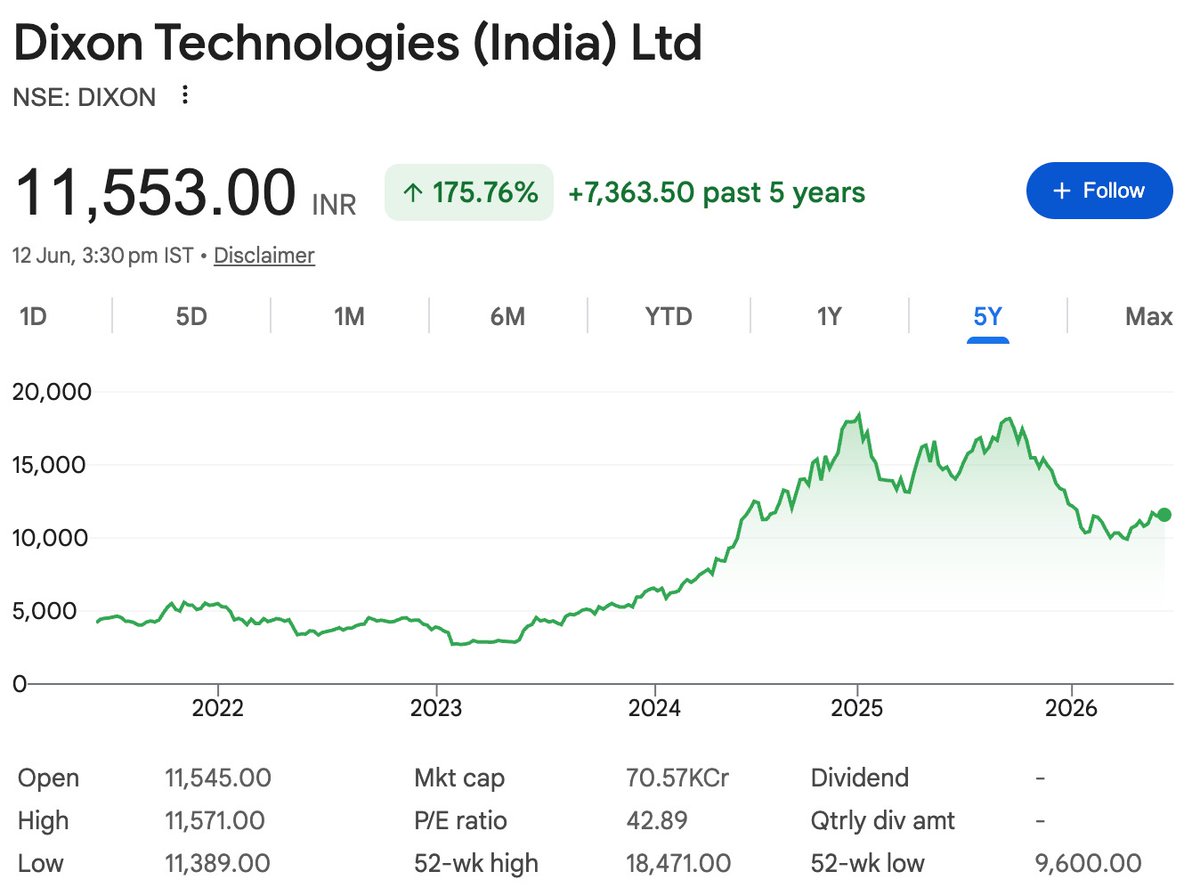
👉 Top 10 Indian Giants compounding > 20% velocity
🌟 A detailed thread 👇🧵 !!!!
1. Dixon Technologies (India) Ltd
1
2
9
1,589

Tosin retweeted

Investing in 🇳🇬 stock market is an incredible tool for preserving and compounding wealth, but it is notoriously slow at initiating it from scratch
3
1
20
502

19m
At this stage, it’s less about chasing upside and more about where compounding is still available.
3

Love that insight about consistent participation building the strongest networks! So true about activity compounding.
5

Dear Ziidi Trader Investor,
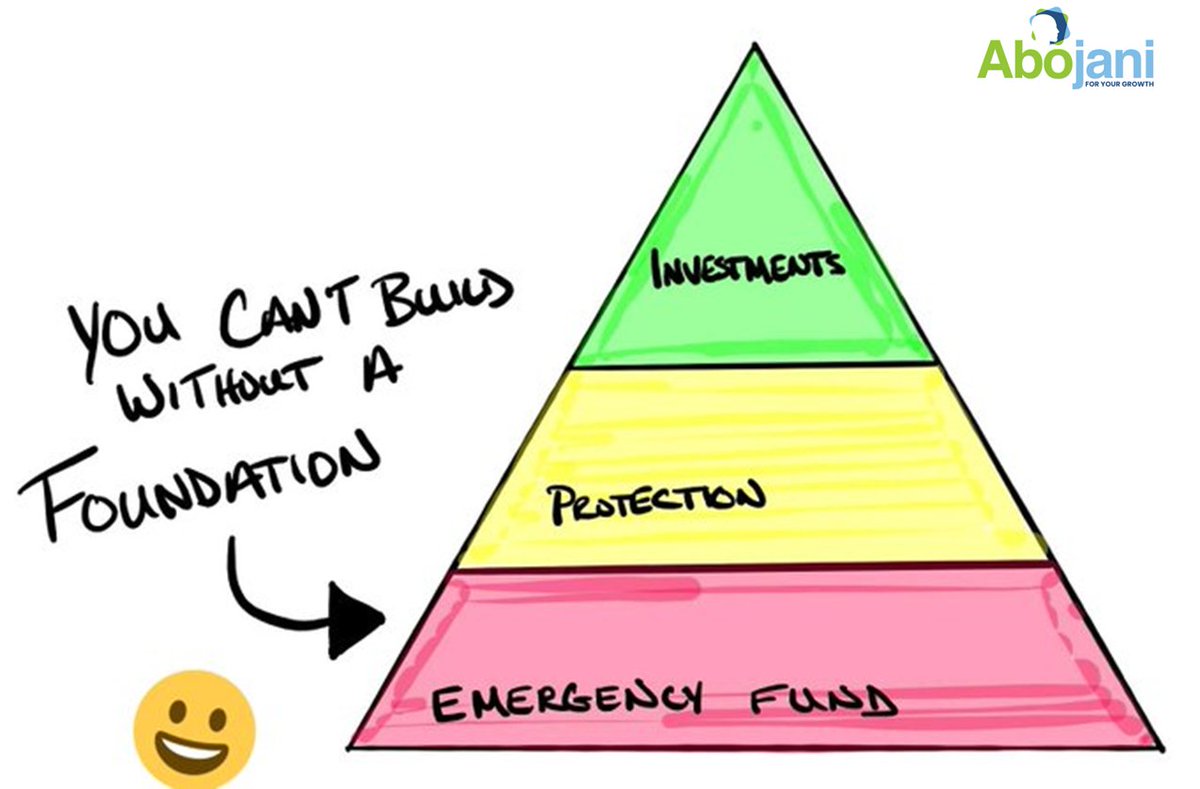
Before you invest in stocks, unit trust funds, or real estate, you must build an emergency fund. If an unexpected crisis hits and you don't have liquid savings, you will be forced to liquidate your long-term investments at a loss, interrupting the power of compounding.
1
65


