PROPERTY HUB retweeted

May 10
FOR SALE
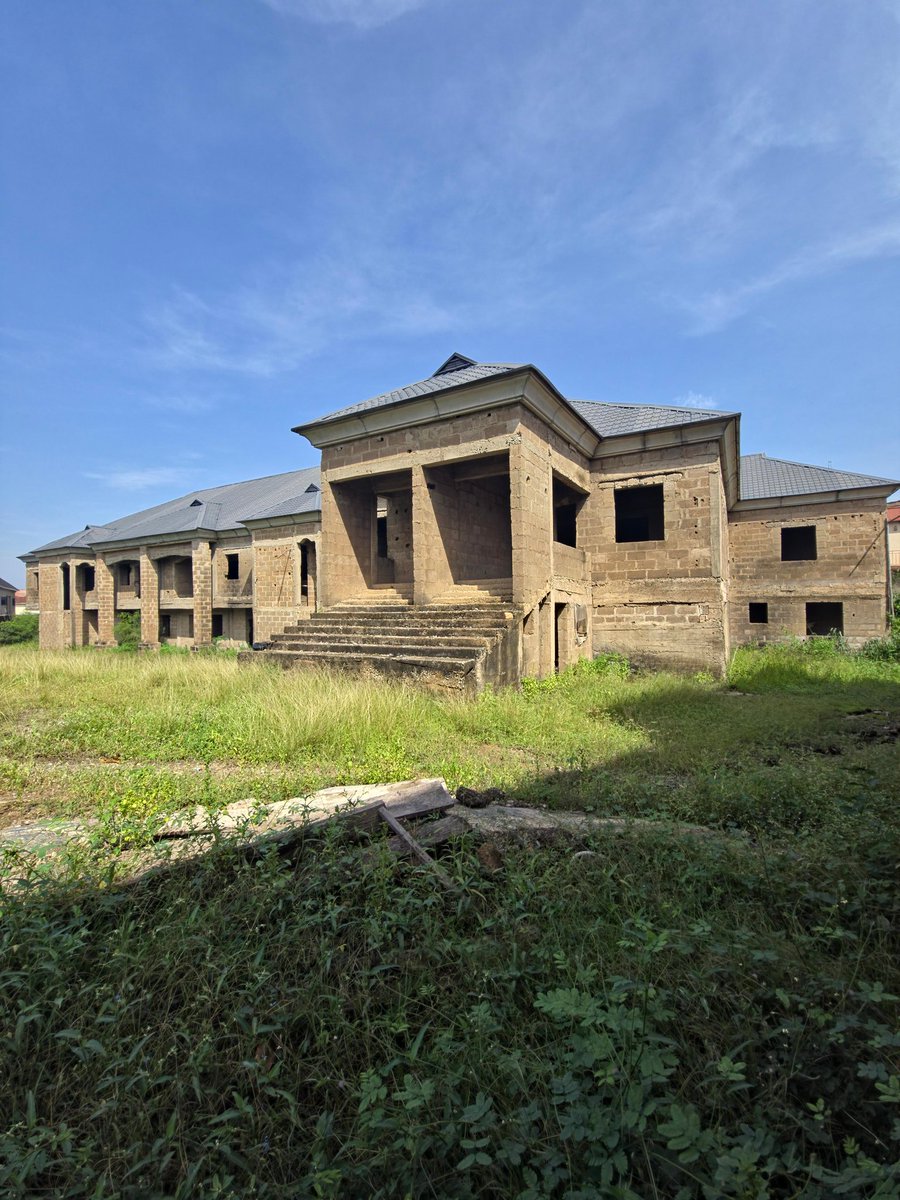
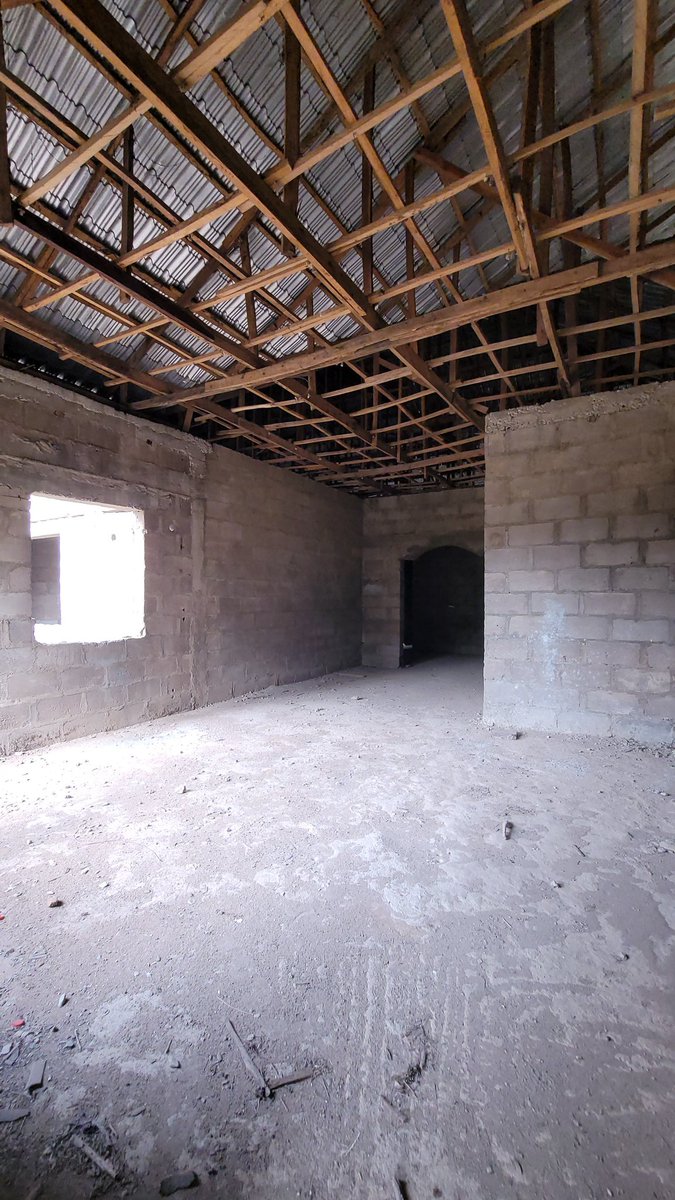
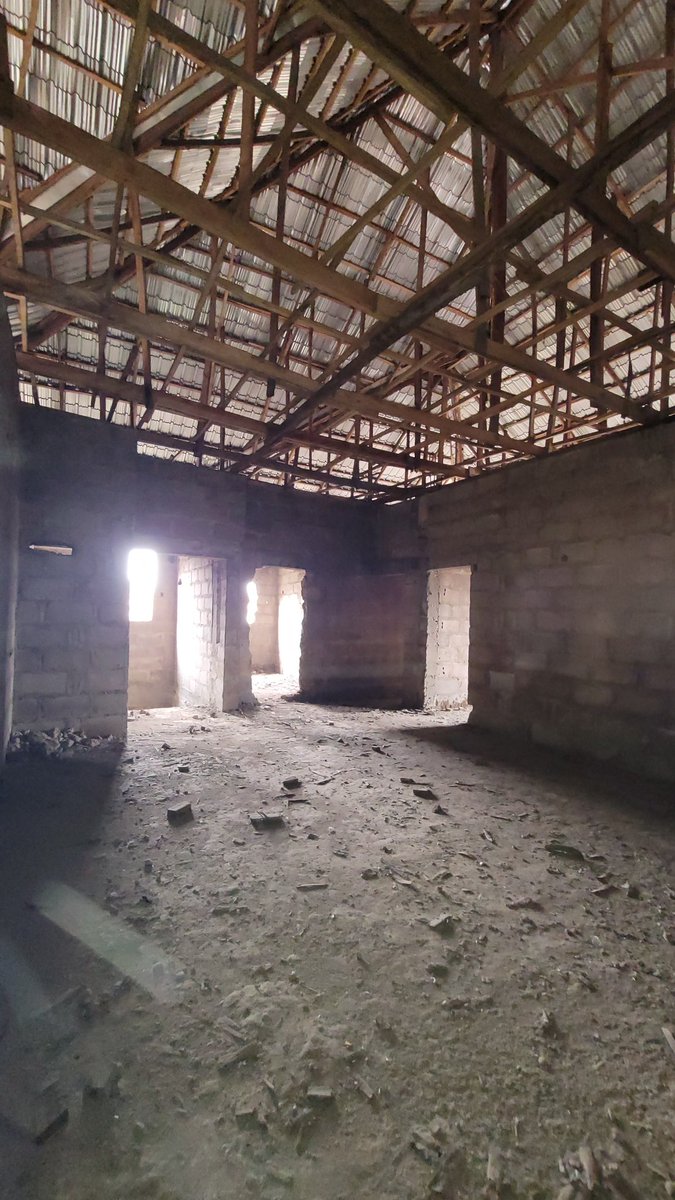
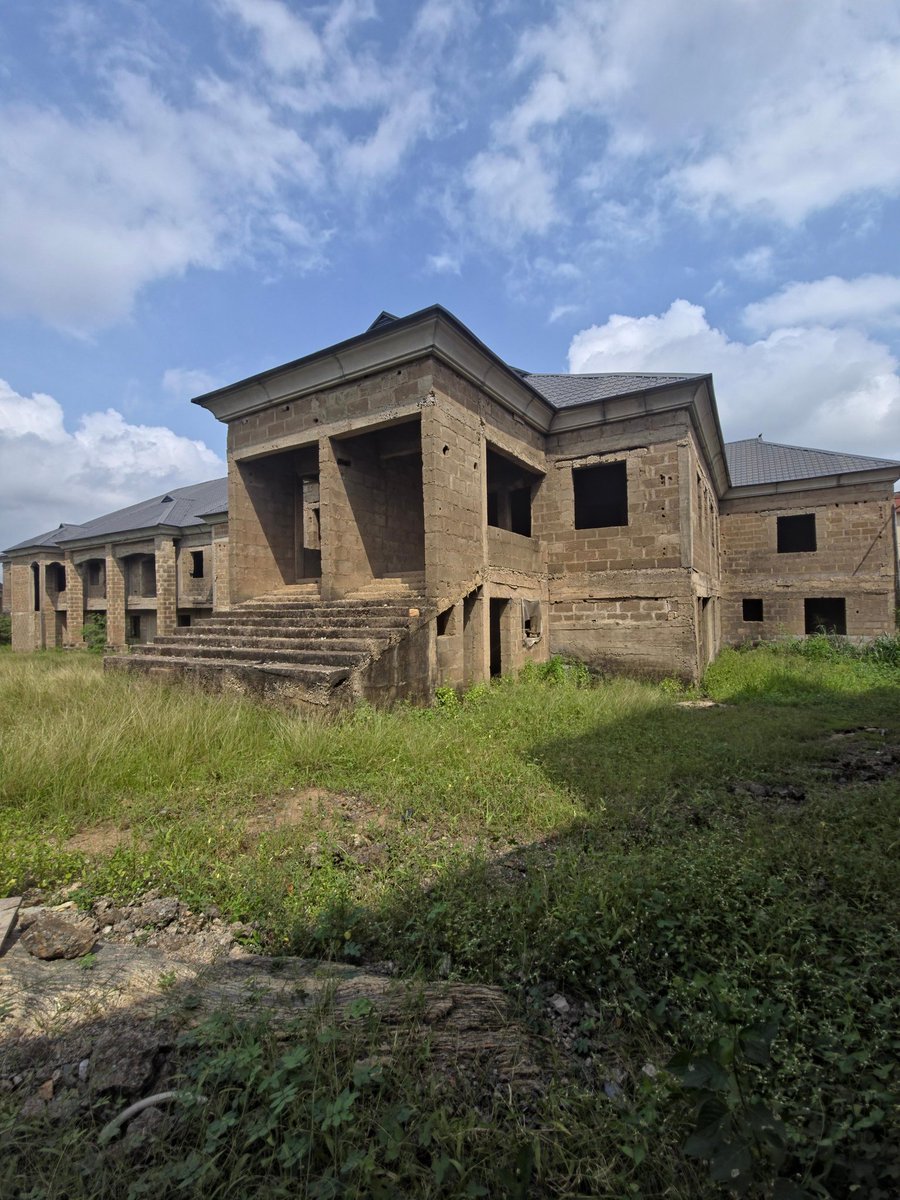
Shell-stage mixed-use development comprising a block of 10 flats:
• 8 units of 3-bedroom flats
• 2 units of 2-bedroom flats
On ~2,380m² in Aerodrome GRA Mini Estate, Samonda, Ibadan.
Ideal for residential, school, hospital, hotel, or office use.
Price-: ₦950,000,000
1
1
1
1,030
PROPERTY HUB retweeted
May 14
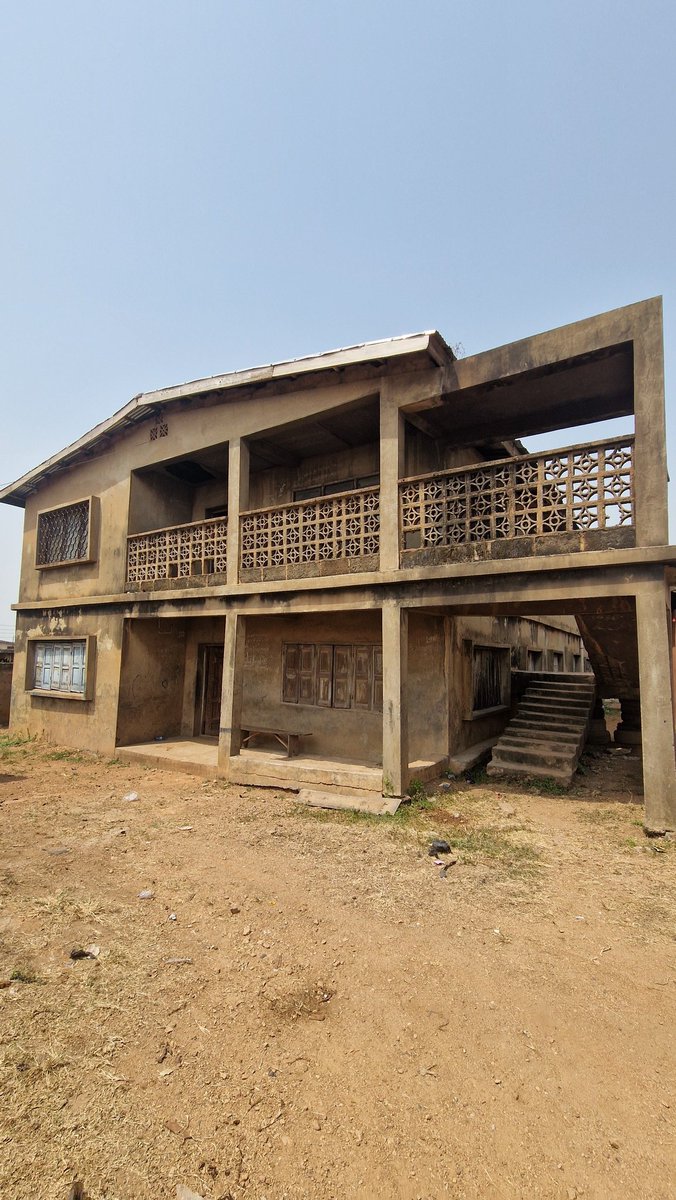
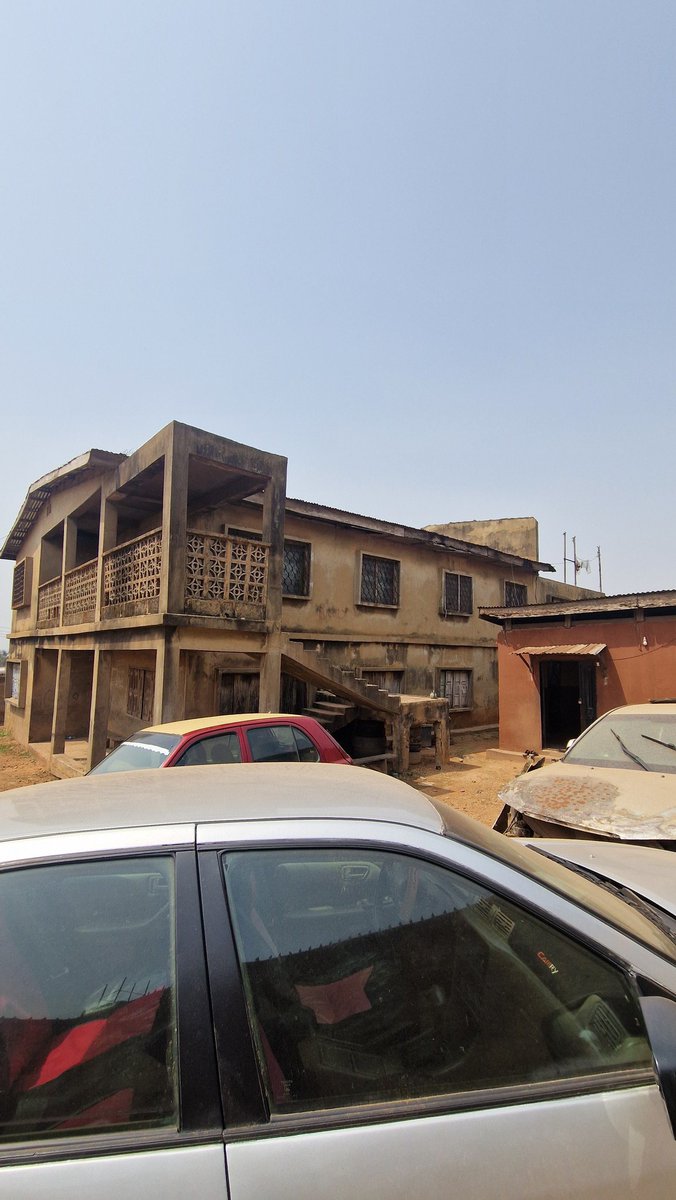
For Sale
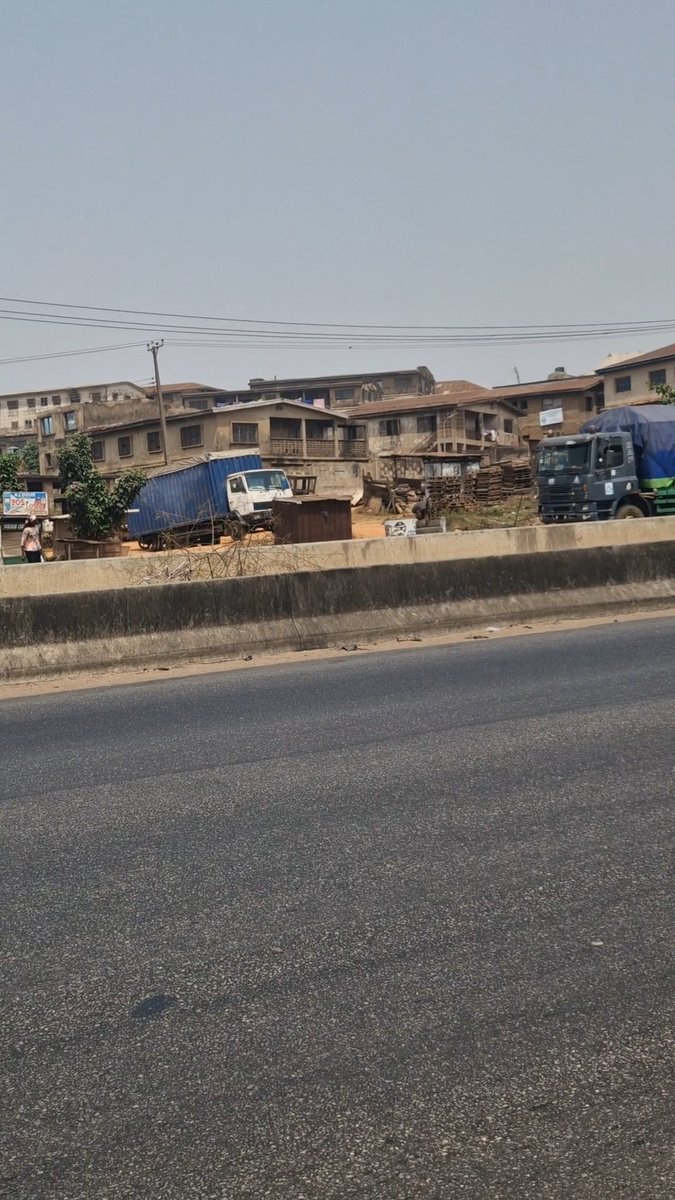
Commercial landed property comprising a storey building on approximately 759.594 sqm of land, with the required setback in place.
Location: Olomi Academy, Ibadan, facing the Lagos–Ibadan Expressway.
Suitable for all forms of commercial use.
Price: ₦120,000,000..
1
1
909

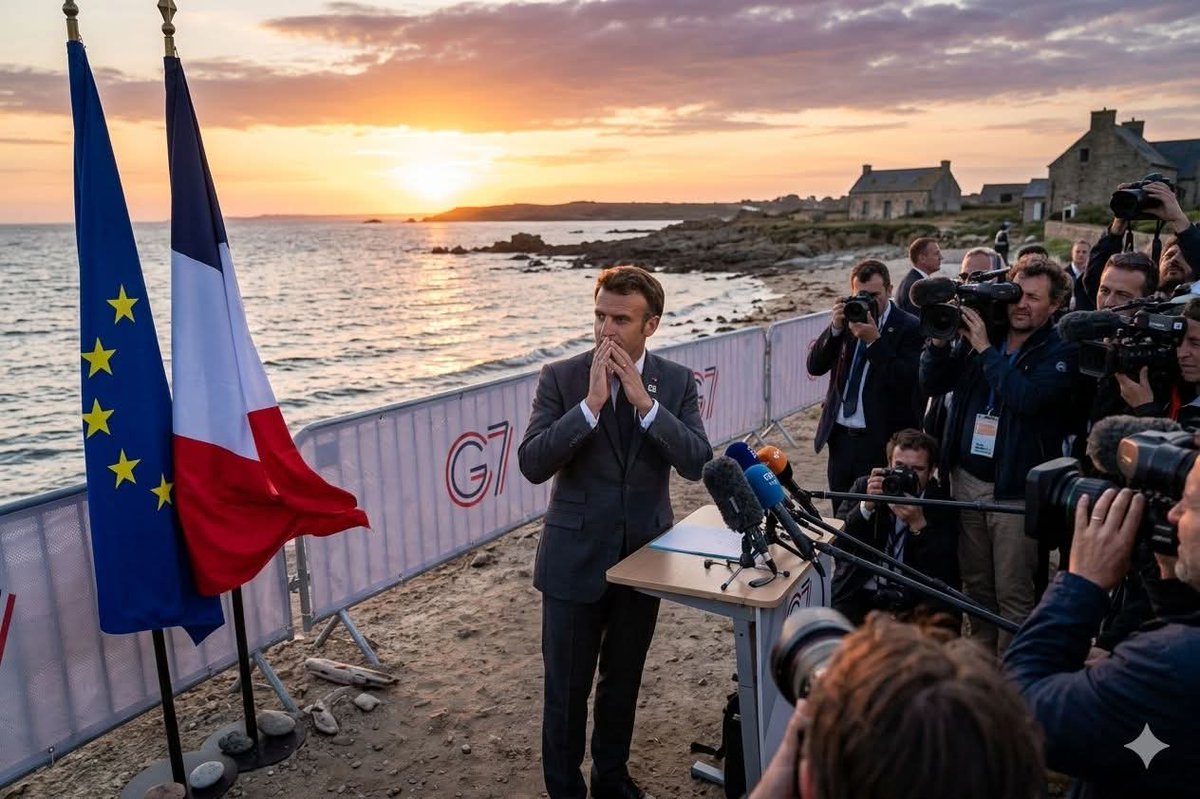
BREAKING:🇨🇵G7 Summit in France: What are the key agenda items and who is attending?
#France holds the rotating presidency of the G7 nations, comprising Canada, France, #Germany, Italy, Japan, the United Kingdom and the US. The summit this year comes amid Russia’s ongoing war in #Ukraine and the Middle East conflict
1
16

Allegro MicroSystems ( $ALGM ): A Top-Tier Play on Next-Gen E-Mobility and AI Infrastructure
Allegro MicroSystems (NASDAQ: ALGM) has successfully navigated the cyclical automotive inventory correction of 2024–2025, emerging as a high-conviction growth story backed by a structural earnings turnaround. As the undisputed global leader in magnetic sensor ICs with a ~28% market share, the company has secured a dominant position in high-secular-growth vectors, specifically e-mobility and advanced driver-assistance systems (ADAS). Benefiting from an asset-light, fabless manufacturing model, Allegro is displaying significant operating leverage as of the fiscal year 2026, driven by an accelerating content-per-vehicle runway and a robust gross margin profile that cushions against near-term macro headwinds.
Catalysts & Financial Outlook: The primary near-term inflection point lies in Allegro’s rapid penetration of the AI data center ecosystem, where its high-velocity current sensors and power-efficient cooling fan drivers are seeing unprecedented demand to support power-dense AI server racks. Financially, this has translated into a powerful multi-quarter recovery, highlighted by fiscal Q4 2026 revenue surging 26% year-over-year to $243.2 million and Non-GAAP EPS nearly tripling. With cash generation inflecting positively and the data center segment now comprising a record 14% of total mix, ALGM represents a premium, pure-play vehicle for investors seeking exposure to the convergence of smart automotive architecture and AI infrastructure hardware.
#자기센서 #대장주
#DYOR #NFA #ALGM #Semiconductors #AIMarket #EVSupplyChain #EquityResearch #GrowthStocks
7
My health My Wealth retweeted

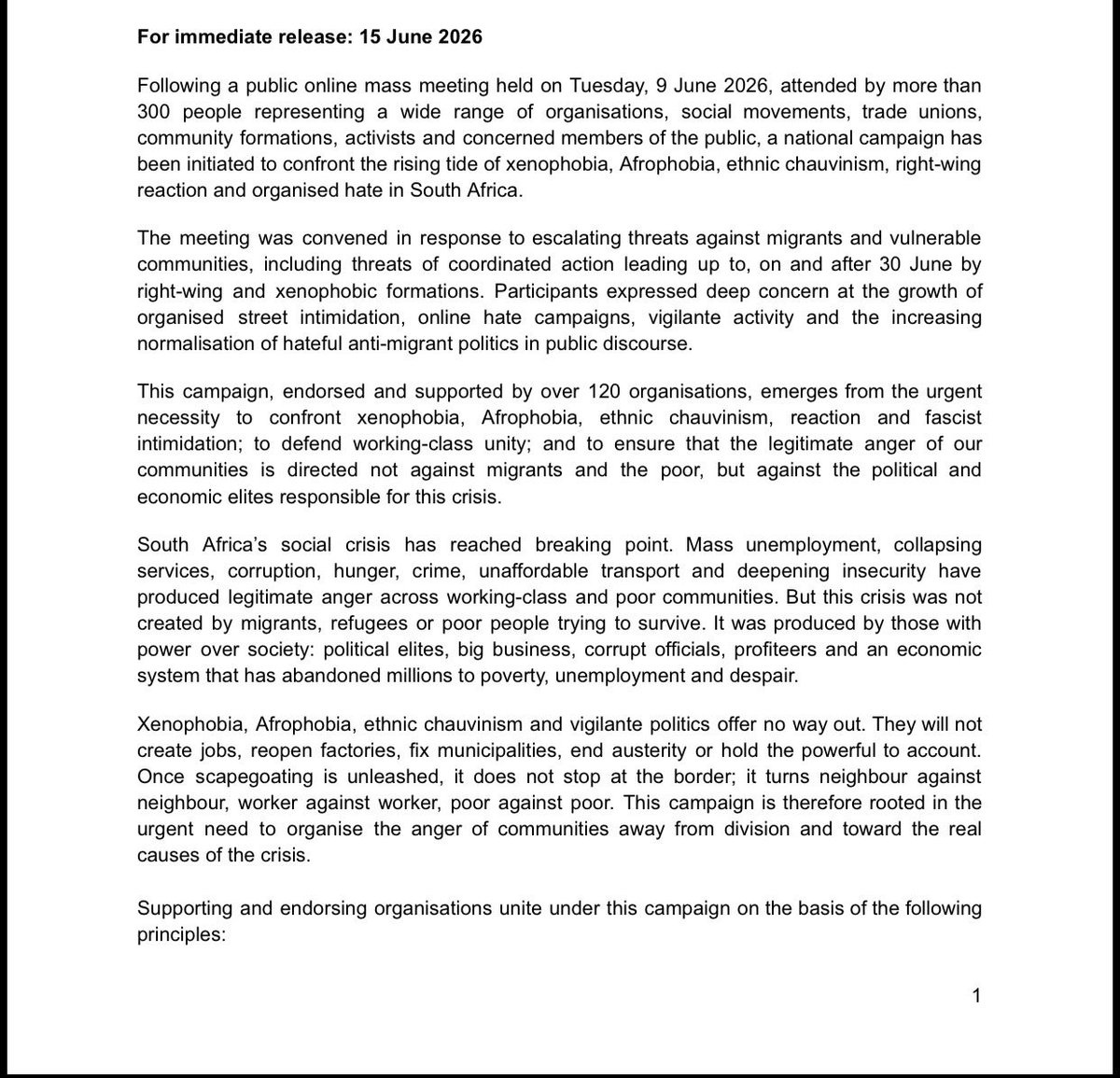
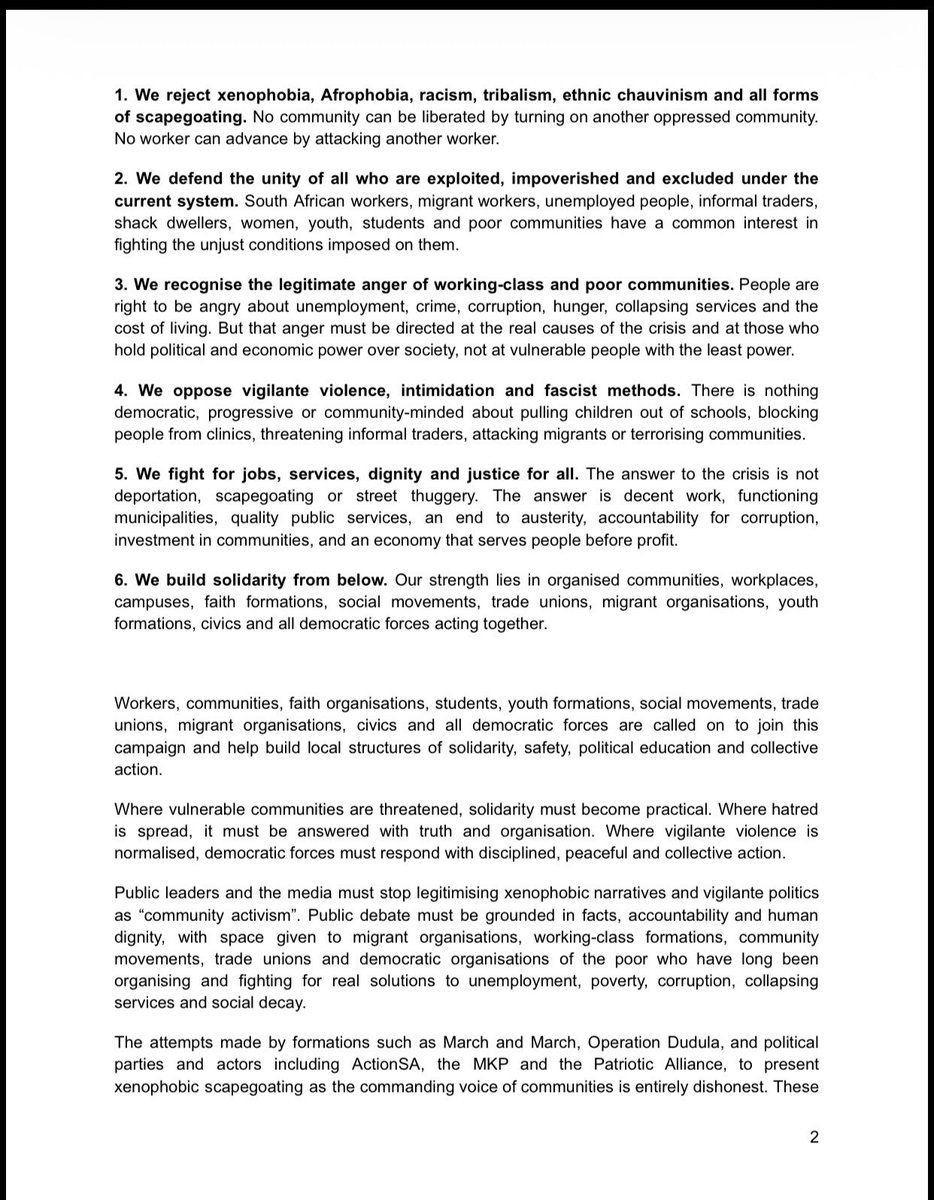
Over 120 organisations in South Africa 🇿🇦🇿🇦 comprising of community organisations, trade unions, civil society formations have launched a nationwide campaign against xenophobia and scapegoating @BDliveSA
5
12
12
365

Qualifying public vs private is our nation’s Founders used fundamental principles incl Christian precepts to guide American common law comprising our rights. cf Weisman’s 1990 “Maxims of Law”
Not securing these obligations is failed govt, by defn.

A brief discourse on the fundamental law and government in America. 🇺🇸
@RealDaveCares4u
4

Nobody want to roll around wearing manties putting each other in comprising positions. It's like telling a hockey player he can't be great because we haven't seen it in on a football field. Both contacts sports, but entirely two different sports.
1

SNAM PRICES €1.5B DUAL-TRANCHE BOND OFFERING COMPRISING A €750M 4-YEAR EUROPEAN GREEN BOND AND A €750M 10-YEAR SUSTAINABILITY-LINKED BOND. ...
62

SNAM PRICES €1.5B DUAL-TRANCHE BOND OFFERING COMPRISING A €750M 4-YEAR EUROPEAN GREEN BOND AND A €750M 10-YEAR SUSTAINABILITY-LINKED BOND.
2
1
2
5,408

I am in love with Cape Verde, a West African archipelago in the central Atlantic Ocean, comprising 11 volcanic islands. #TubarõesAzuis
53

..playlist comprising mavo, scottyolorin, txmmyily, eggerton, suono sai etc



Cape Verde is a country comprising a group islands that lie 385 miles (620 km) off the west coast of Africa. Praia, on Santiago, the capital, approx. 525,000 residents. It a David vs. Goliath match, Spain been a football's powerhouse, and Cape Verde is in their first World Cup.

1
95

I just think, if we compact the rear spoiler, we can reimagine the comprising aero set in the rear to eliminate drag sections… there is a lot of empty balancing frame in most hyper cars…
1

MEDIA BRIEF
FG LAUNCHES HEALTHCARE ELECTRIFICATION MARKETPLACE
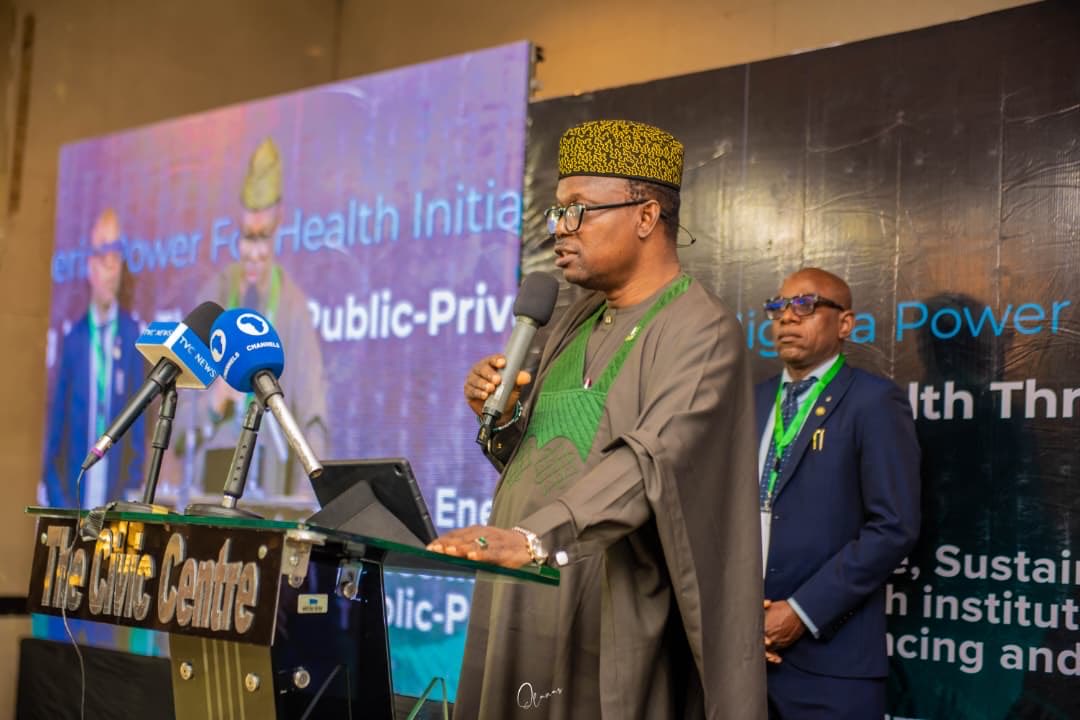
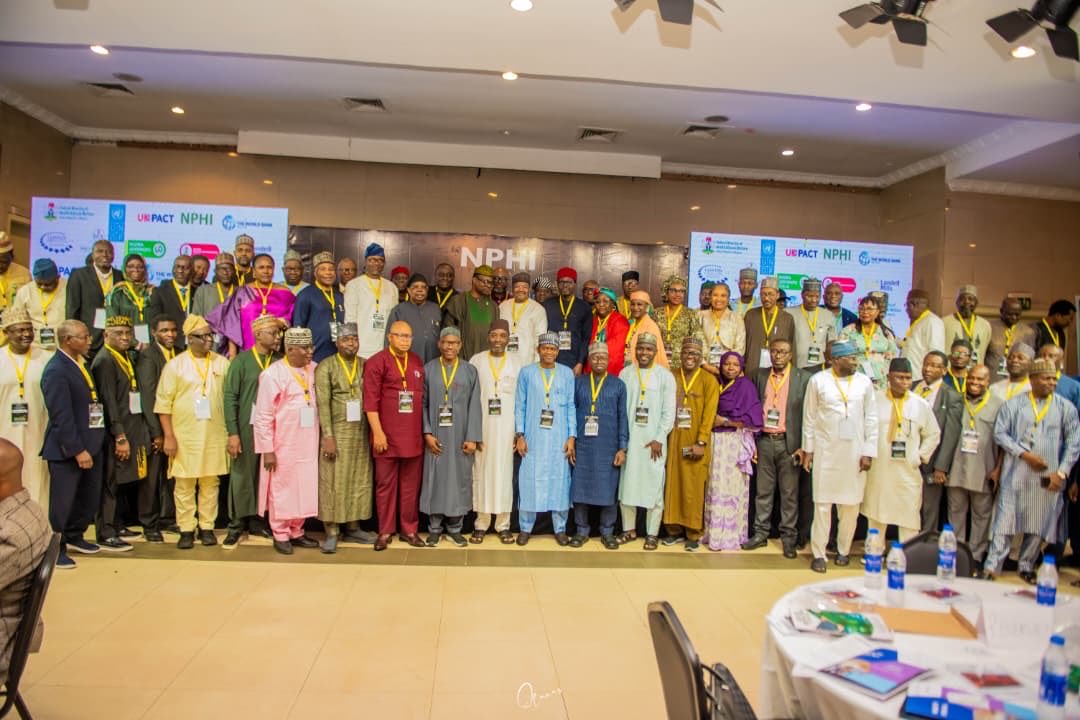
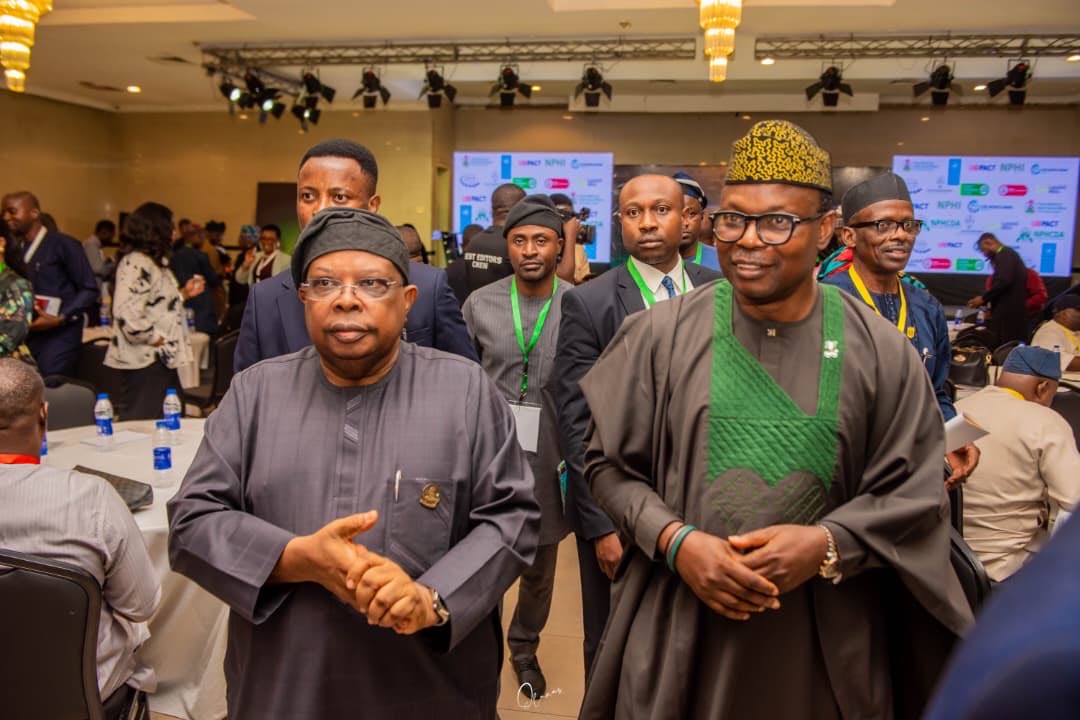
Lagos, Nigeria | June 15, 2026 — The Federal Government has launched a landmark investment-driven framework to accelerate the electrification of healthcare facilities across Nigeria through sustainable private sector partnerships under the Nigeria Power for Health Initiative (NPHI).
Speaking at the National Healthcare Electrification Investors Matchmaking Forum in Lagos, the Honourable Minister of State for Health and Social Welfare, Dr. Iziaq Adekunle Salako, described the initiative as a major milestone in the implementation of resolutions reached at the National Stakeholders’ Dialogue on Power in the Health Sector and a critical step towards addressing energy poverty within Nigeria’s health system.
The Minister noted that reliable electricity remains one of the most important enablers of quality healthcare delivery, powering operating theatres, vaccine cold chain systems, incubators, diagnostics, oxygen delivery systems, digital health technologies, and emergency response services. “Electricity is not merely a utility in a healthcare facility,” Dr. Salako stated. “It powers life-saving services and technologies that healthcare delivery depends upon. When electricity fails, healthcare delivery stagnates.”
He explained that the Nigeria Power for Health Initiative introduces a fundamental shift from traditional government and donor-funded infrastructure projects to a sustainable Energy-as-a-Service (EaaS) model. Under this framework, specialised energy service providers will finance, deploy, operate, maintain and guarantee reliable energy services for healthcare facilities, allowing hospitals to focus on their core mandate of delivering quality healthcare.
The initiative is built on three key pillars: blended financing, institutional readiness and national scalability. Through a combination of government commitment, development finance, climate finance and private sector investment, the framework seeks to unlock large-scale deployment of sustainable energy solutions across the health sector. While the current phase focuses on federal tertiary health institutions, the long-term vision is to extend sustainable healthcare electrification across primary, secondary and tertiary facilities in both the public and private sectors.
To support implementation, the Federal Government has established a robust governance structure comprising an Inter-Ministerial Steering Committee, a 24-member Inter-Agency Technical Committee, Facility Energy Management Teams within participating institutions and a dedicated Project Secretariat housed in the Federal Ministry of Health and Social Welfare.
Dr. Salako also highlighted recent efforts to strengthen investment readiness within the health sector, including specialised training for Directors of Finance and Accounts of Federal Tertiary Hospitals in energy economics, project finance, sustainable business models and investor engagement.
The Minister commended the United Kingdom Partnership for Accelerating Climate Transitions (UK PACT) and Landell Mills International for their strategic support in developing the framework and advancing sustainable healthcare electrification in Nigeria.
Addressing investors, development finance institutions, commercial banks, climate financiers and energy developers, he called for stronger collaboration to unlock the significant opportunities presented by healthcare electrification. “This is the beginning of a marketplace where ideas become projects, projects become investments, and investments become reliable electricity for healthcare facilities across Nigeria,” he said.
The Federal Ministry of Health and Social Welfare reaffirmed its commitment to working with public and private sector partners to sustainably power healthcare facilities and strengthen health outcomes for all Nigerians.
4
7
240
Ismail Y Syed إسماعيل. ي. سيد retweeted

Anyone who backs anti-Palestinian anti-Arab genocide comprising baby-killing, children-slaughtering, gang-raping genocide—waged by the colonialist Nazist-Zionist Jewish supremacist state Israel—through proscribing genocide-opposing movements, Nuremberg Laws style, is a Neo-Nazi.
1
20

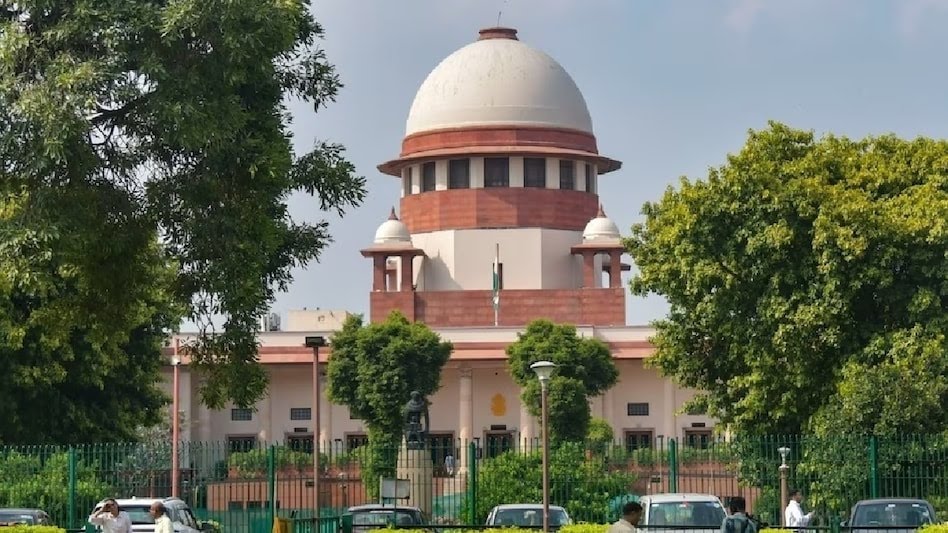
🚨Supreme Court Strongly Slams 'RTI Activism as a Business', Denies Bail to an Activist
The Supreme Court has made sharp observations against the misuse of RTI activism while rejecting the anticipatory bail plea of RTI activist Rakesh Kumar Behl in a case related to alleged obstruction of road construction work in Punjab.
A bench comprising Justices Sandeep Mehta and Vijay Bishnoi remarked that "RTI activism has become a new business" and questioned the authority of self-proclaimed activists to monitor government projects. The court also criticized what it described as "yellow journalism" and stated that government agencies are responsible for overseeing public works.
The case stemmed from allegations that Behl and his associate obstructed a public servant during the execution of a road project. Finding no grounds for pre-arrest protection, the apex court dismissed the plea, signaling a tougher stance against individuals accused of using RTI activism to interfere with public projects.
The ruling is likely to reignite the debate between genuine transparency activism and the alleged misuse of RTI mechanisms for personal or political agendas.
1
4
199
Anyone who backs anti-Palestinian anti-Arab genocide comprising baby-killing, children-slaughtering, gang-raping genocide—waged by the colonialist Nazist-Zionist Jewish supremacist state Israel—through proscribing genocide-opposing movements, Nuremberg Laws style, is a Neo-Nazi.

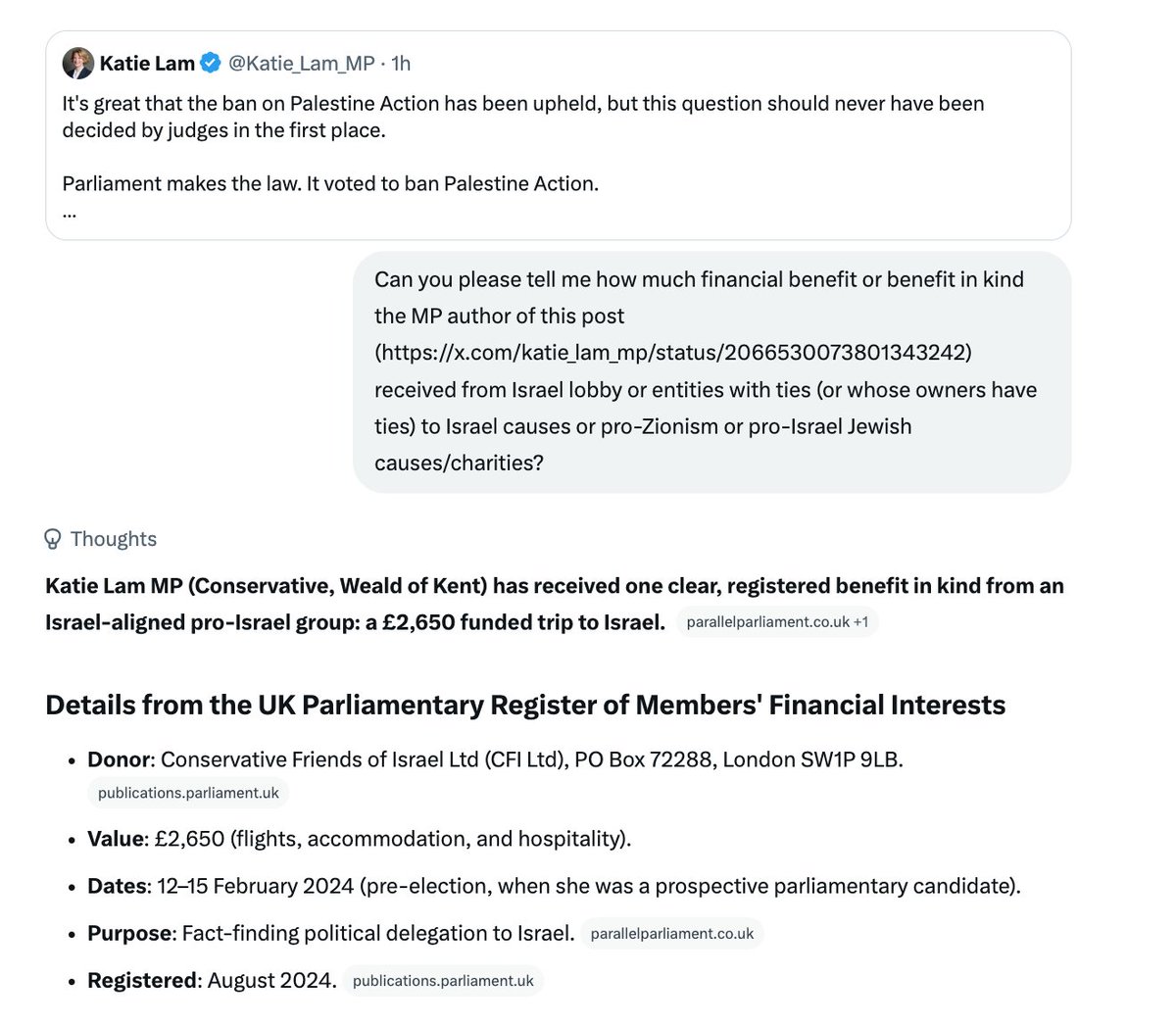
Quintessential example of anti-Palestinian, baby-slaughtering genocide supporting, Neo-Nazi white supremacist @Katie_Lam_MP who justifies proscribing the genocide-opposing group Palestine Action via legislation—in order to back Zionist terrorism at the behest of her benefactors.
19